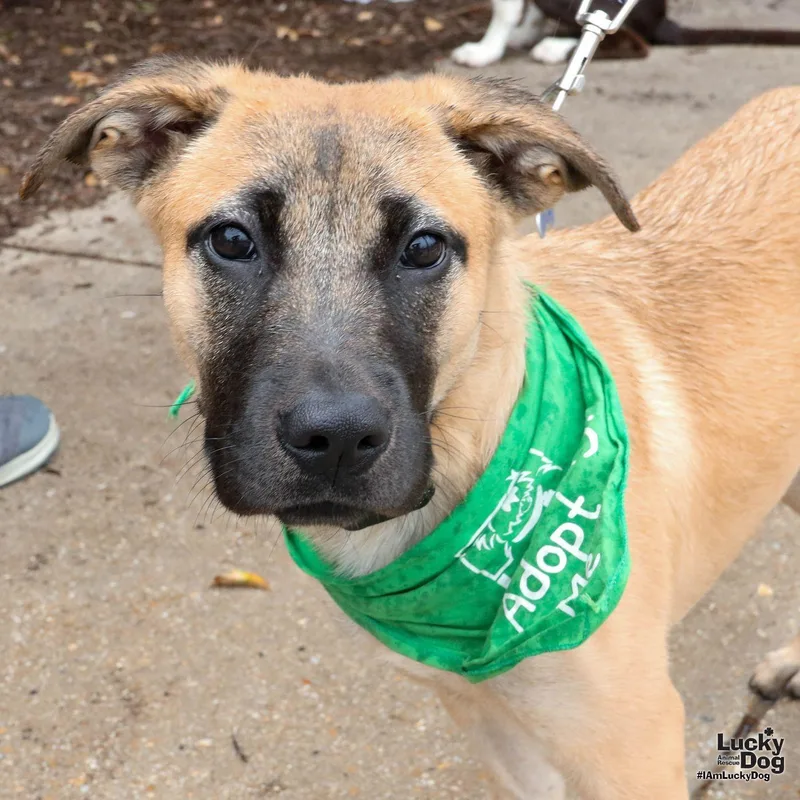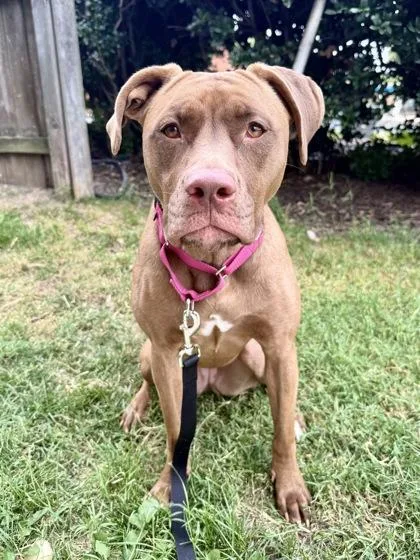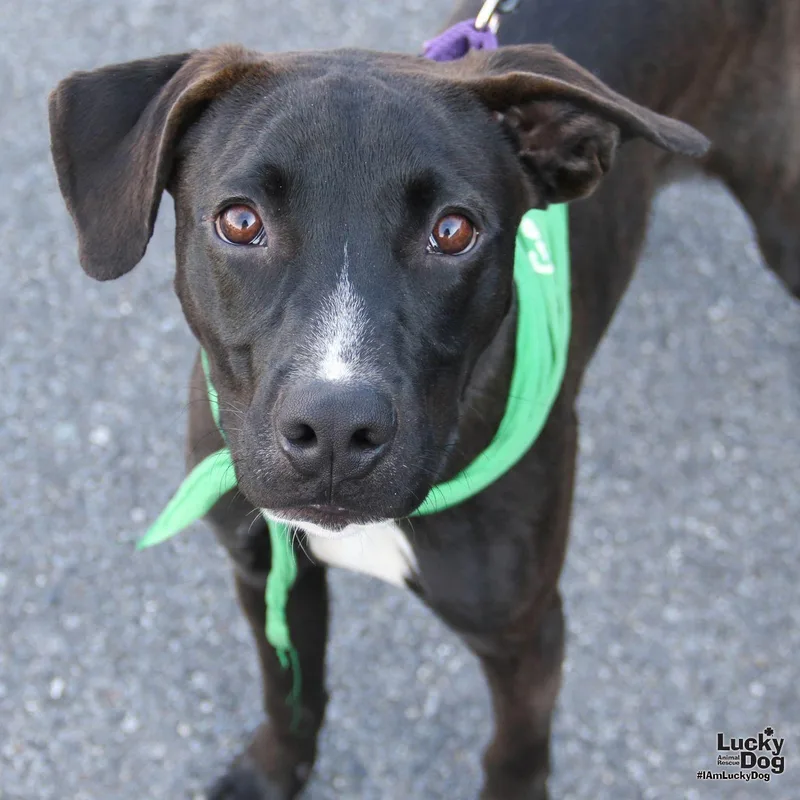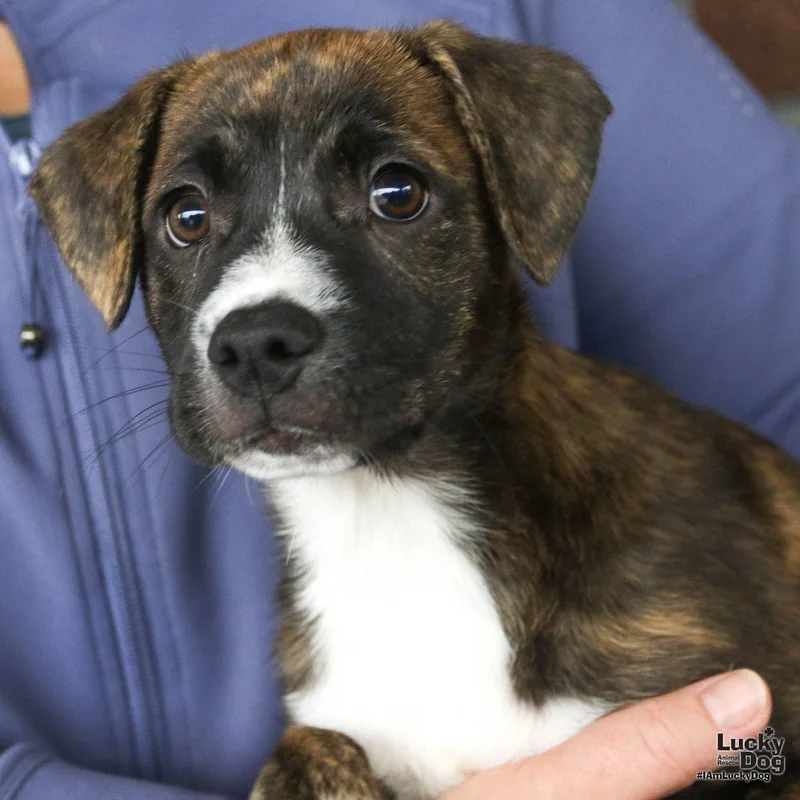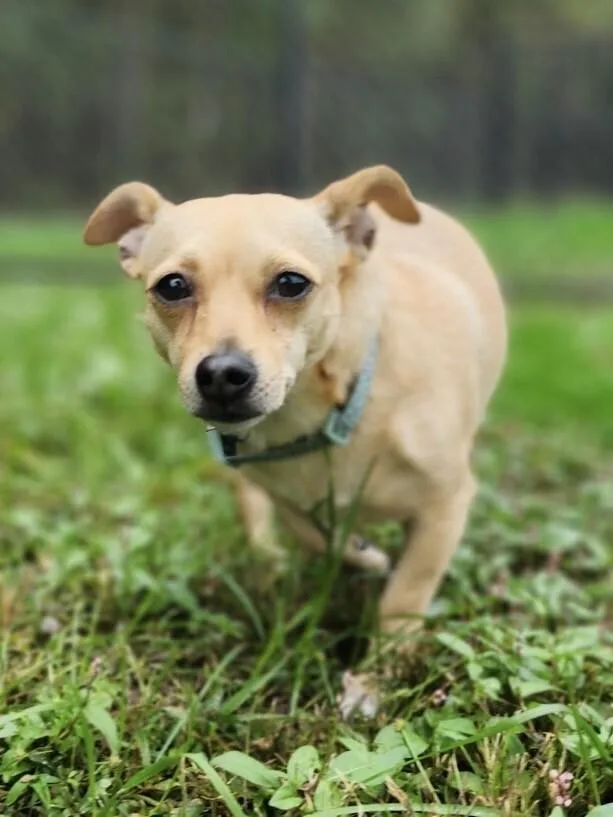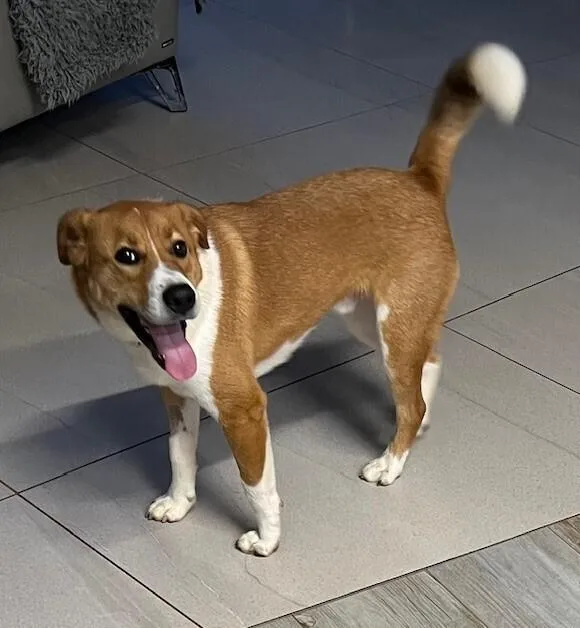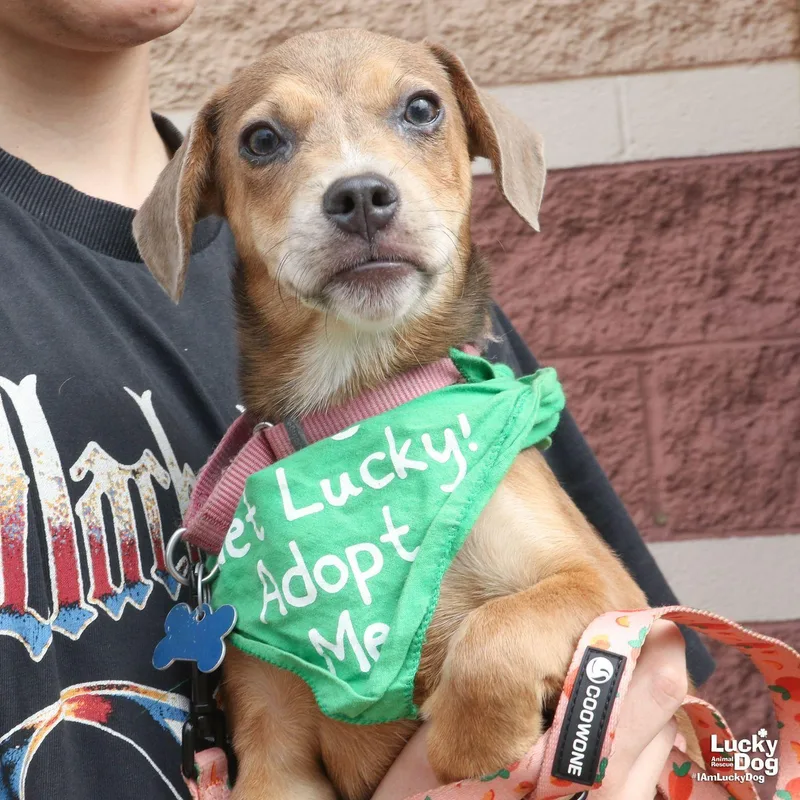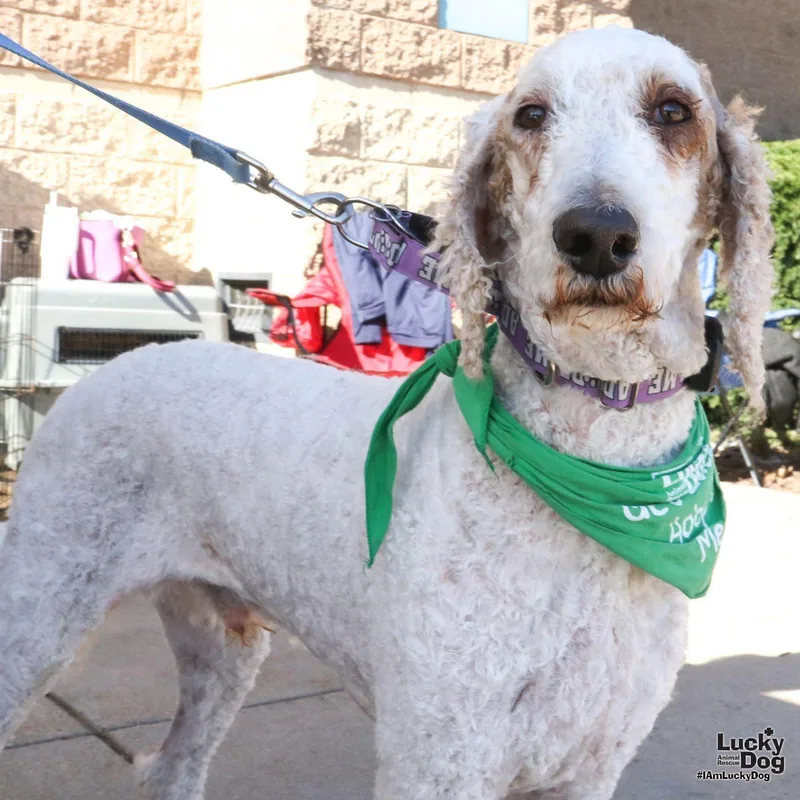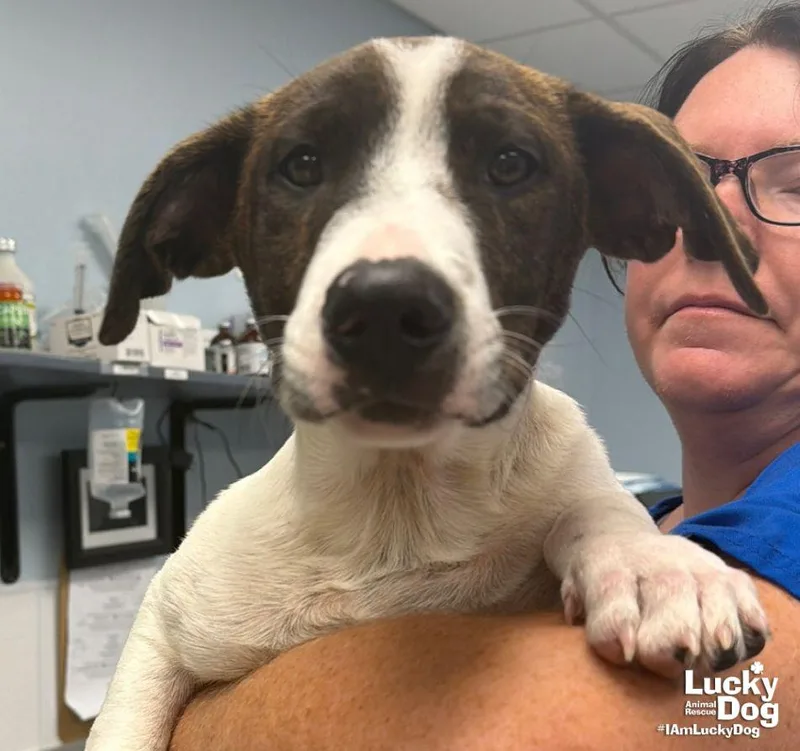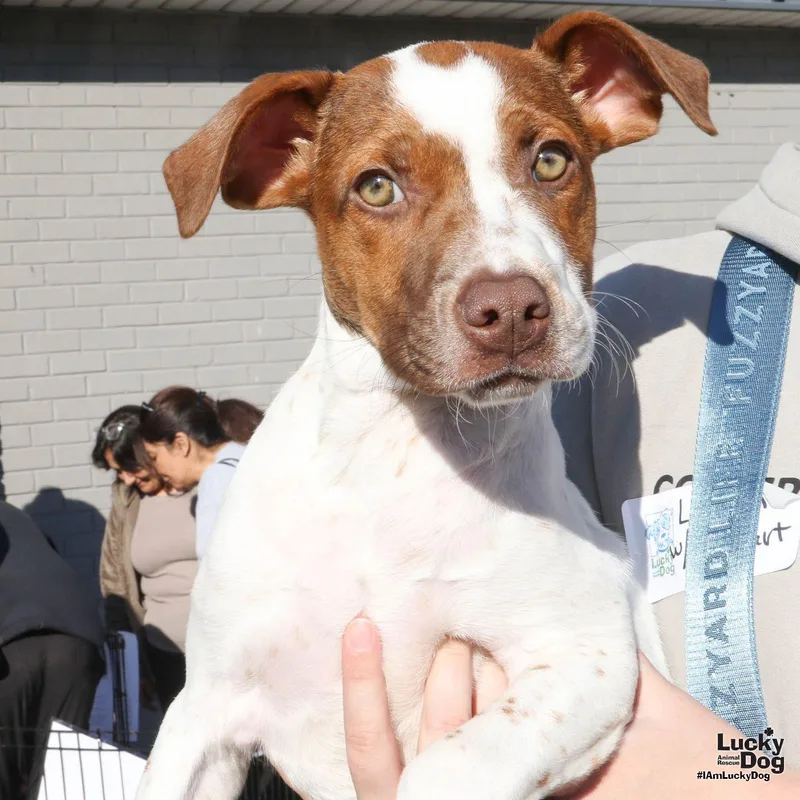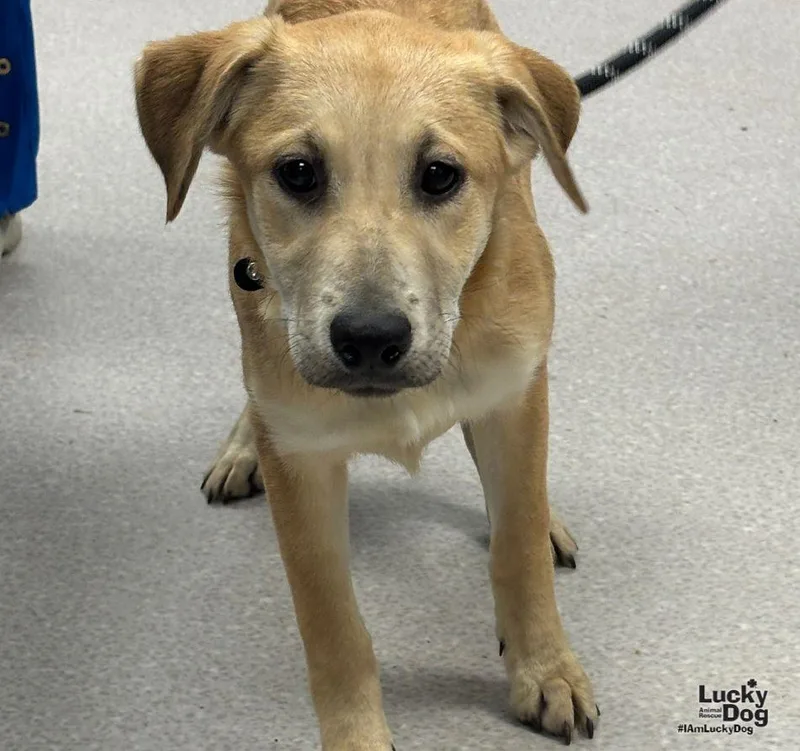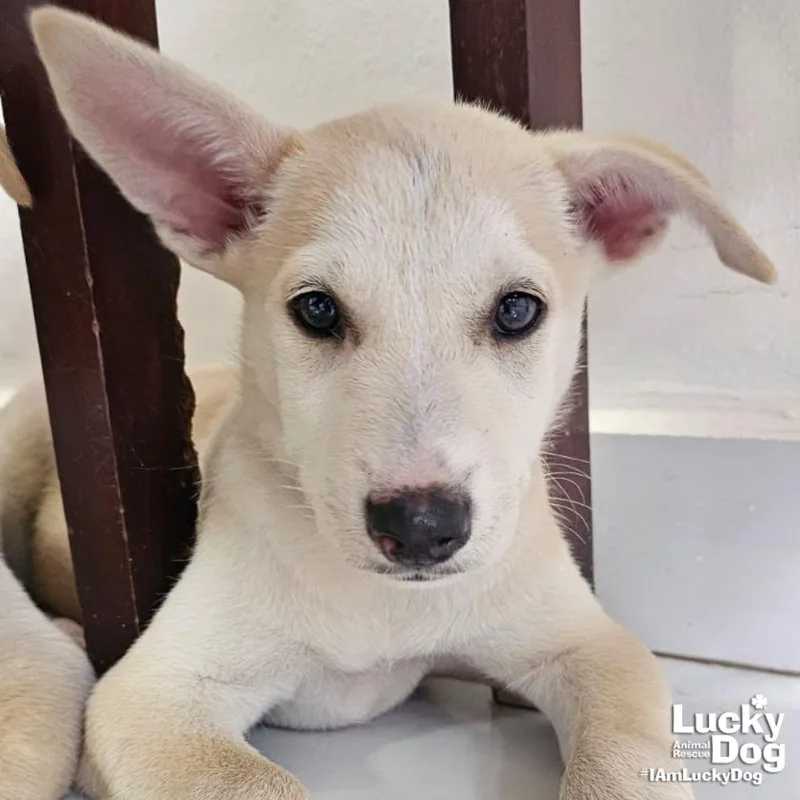
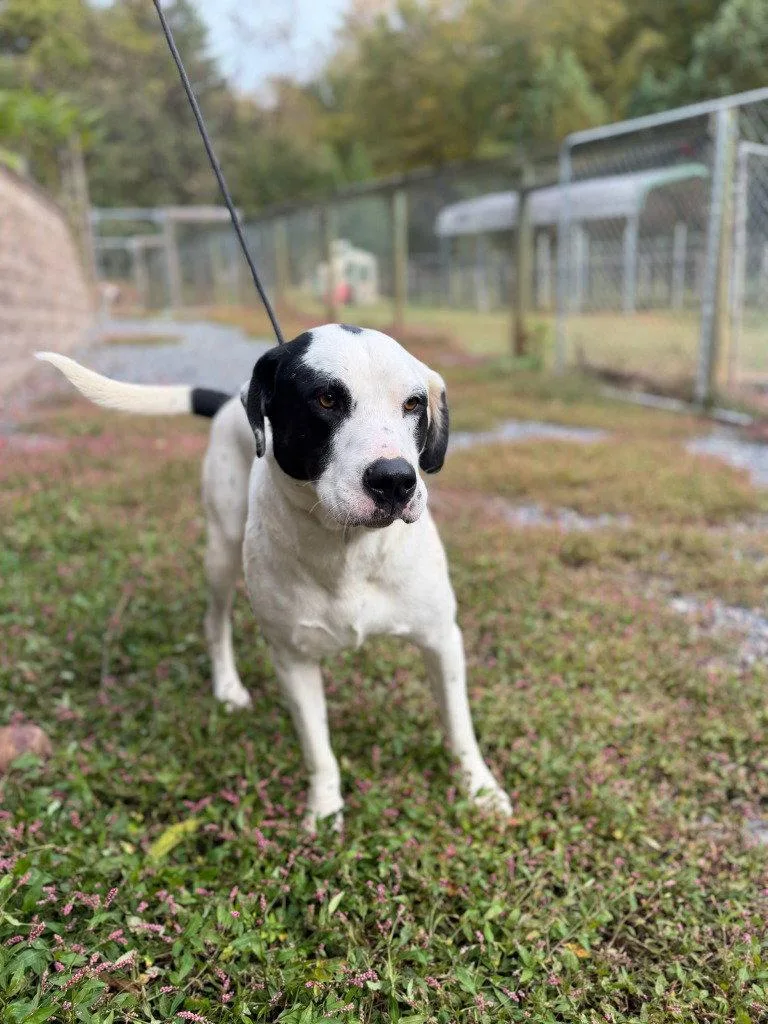
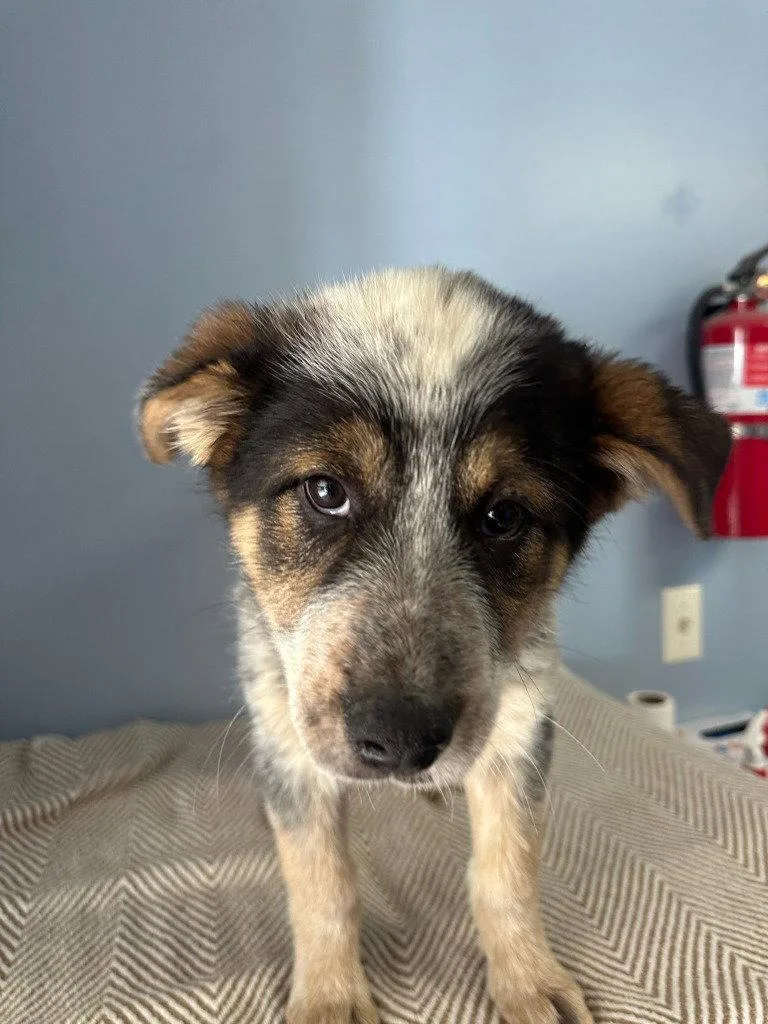
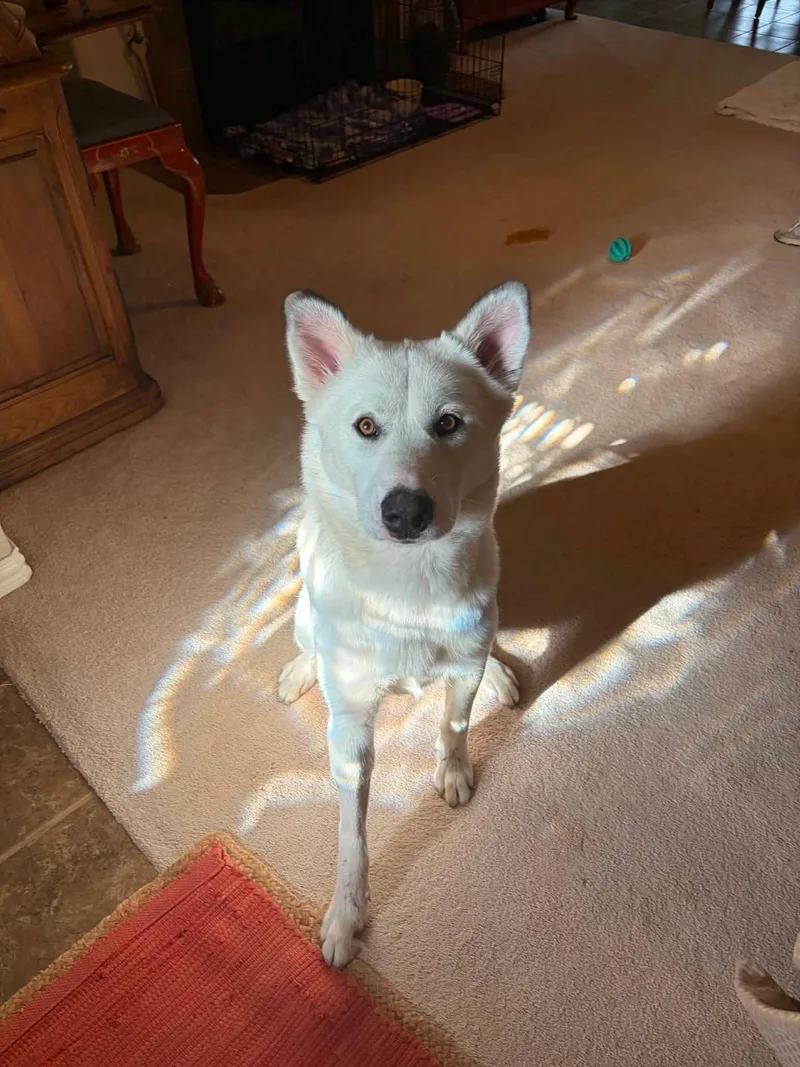
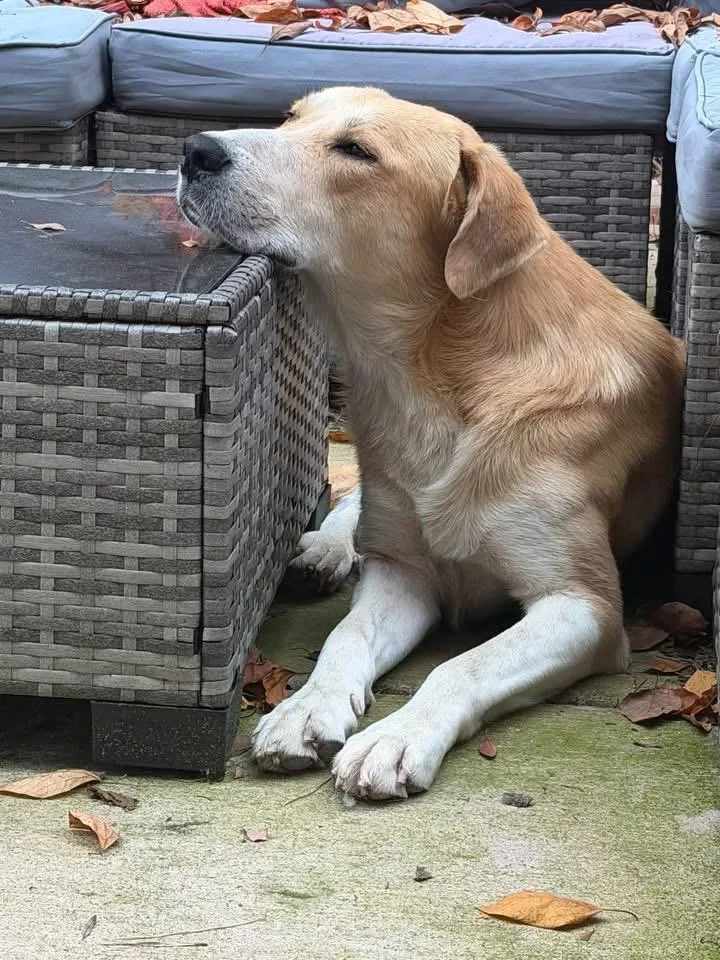


Great Pyrenees dog

Great Pyrenees Dogs for Adoption in Washington, DC

Your guide to finding and caring for a Great Pyrenees in DC

A Great Pyrenees fits the roomier, leafier parts of Washington better than the densest apartment blocks. In Brookland or Shepherd Park, where houses sit on real lots and Rock Creek Park is close, a Pyr can patrol a fenced yard and take slow evening walks. Night barking is harder on thin shared walls in Columbia Heights. Summer is the stretch to plan around, since 88-degree afternoons are rough on that double coat.

2587 Great Pyrenees available in Washington and nationwide

Open your home to a Great Pyrenees

Great Pyrenees Available for Adoption Near Washington

About the Great Pyrenees breed

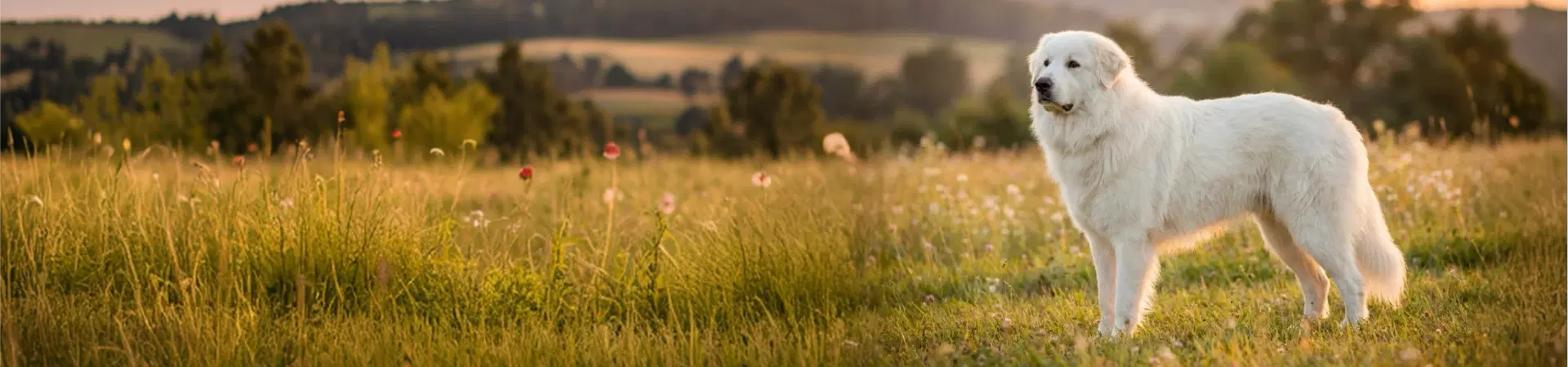
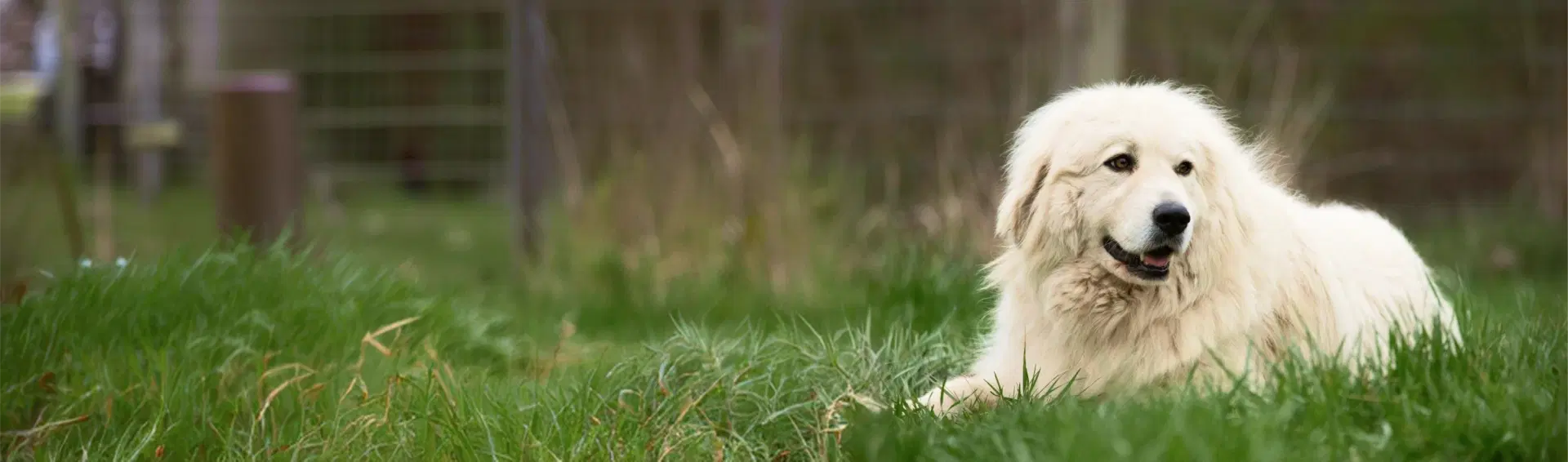
The Great Pyrenees is a giant livestock guardian from the French and Spanish Pyrenees, built to stay with a flock through snow and cold. Adults typically weigh 85 to 120 pounds and stand 25 to 32 inches tall, wrapped in a thick white double coat that sheds heavily.

Most Pyrs are calm, gentle and devoted at home, but they think for themselves and often treat commands as suggestions. In a city like Washington, that means a leash on every walk, since many wander, plus patience with alert barking after dark and a weekly brushing habit that turns daily when the coat blows. Dogs vary, so a Pyr's own habits matter more than the breed label.

Weight
85–120 lbs
Height
25–32 in
Lifespan
10–12 yrs
Temperament
Calm, Protective, Independent
Group
Working
Shedding
High

Owning a Great Pyrenees in Washington

Having a Great Pyrenees in DC

Size, a guardian's independence and a coat built for mountain winters shape daily life with a Pyr far more than energy does. In Washington, the practical questions are barking, summer heat and finding enough room for a giant dog to stretch out.

Temperament

Pyrs are usually gentle and affectionate with their own family and watchful with strangers. They bark to announce anything unusual, often after dark, which matters in a rowhouse or apartment with shared walls. They're independent thinkers, so reward-based training and early socialization help, though each Pyr's personality differs.
Exercise Needs

Expect moderate needs: a couple of daily walks plus time to patrol a secure yard. Keep a Pyr on a leash, since many roam, and shorten outings in summer heat. Sniff walks on Rock Creek Park's leashed trails and calm training games add mental work without the long runs this breed isn't built for.

Health Considerations

Hip and elbow dysplasia, kneecap luxation, bloat and bone cancer are the main concerns for Pyrs, which like many giant breeds tend to have shorter lives. Feed several smaller meals, avoid hard exercise around mealtimes and keep the dog lean. A veterinarian can check joints and review bloat warning signs. Tick and heartworm prevention matters in Washington.

Living Space

A Pyr needs room to stretch out and does best with a fully fenced yard, since many test fences. A calm adult can manage an apartment with a committed owner, but size and night barking make it harder. Indoors, expect white hair on everything and a dog that seeks out cool floors.

What it costs to own a Great Pyrenees in Washington

ExpenseTypical costPer year
Adoption fee$400 to $500, one time$400 to $500 in year one
Food$80 to $160 per month$960 to $1,920
Pet insurance$85 to $170 per month$1,020 to $2,040
Routine vet care$250 to $500 per year$250 to $500
Other*$690 to $1,900 per year$690 to $1,900
Estimated yearly total (after year one)$2,920 to $6,360
First-year total (with adoption fee)$3,320 to $6,860

Adoption fee is the range of fees on Great Pyrenees listings in Washington on GetBuddy today. Other costs are estimates and vary with size, age and health.

* The DC dog license ($15 if spayed or neutered, $50 otherwise), flea, tick and heartworm prevention, a dental cleaning allowance, toys and bedding, brushing and baths for heavy shedding, and joint supplements for a giant breed.

Great Pyrenees dog

Adopt a Great Pyrenees in Washington.

Now that you know more, let’s find you a new best friend. These rescues and shelters below currently have Great Pyrenees available.

Rescues in Washington with Great Pyrenees Available

Washington's city shelter and foster-based rescues care for dogs of every size, from lap dogs to giants. Here are the rescues & shelters in the DC area where you can find Great Pyrenees and other dogs available for adoption.

Frequently Asked Questions

Yes. DC has no breed-specific rules, and its dangerous-dog law looks at a dog's behavior, not its breed. Expect to keep a Pyr leashed outside fenced dog parks and to keep its license and vaccines current. Nearby Maryland and Virginia jurisdictions set their own rules, so recheck them before moving across the line.

Sometimes. A calm adult Pyr can manage an apartment if its owner is home often and walks it several times a day, but night barking and a weight of 85 to 120 pounds make thin walls and walk-ups difficult. A ground-floor or elevator unit near green space helps. Expect white hair everywhere.

No, not in practice. Metro trains and buses allow pets only in a closed carrier small enough to carry, and it can't occupy a seat, so a Pyr won't fit. Only service animals ride unconfined. The DC Streetcar also requires a crate. Plan on walking or driving to the vet and the park.

Fort Dupont Park's wooded trails offer room for a slow sniff walk, and Kingman Island and Theodore Roosevelt Island also allow leashed dogs. National park rules require a six-foot leash. For off-leash time, only fenced DPR dog parks such as Walter Pierce qualify, and they require a license, vaccinations and a tag.

Yes, but only with planning. Heavy panting, drooling or slowing down on a walk can signal overheating, so move to shade, offer water and call a veterinarian if it doesn't ease. Walk around dawn and dusk, keep afternoons indoors and don't shave the coat. DC's 90°F days run mostly June through August.

Only to outdoor areas that choose to allow dogs. DC law lets restaurants and bars welcome dogs on patios and sidewalk cafés, and they can limit dogs by size or temperament, so a giant dog may be turned away. Look for the posted sign, keep the leash short and never leave the dog unattended. Indoor dining rooms are off-limits.

Brush at least weekly, and daily when the coat blows in spring and fall. After humid summer rain or winter slush, dry the coat fully so dampness doesn't linger in the undercoat. Bathe only as needed and trim just the feet and sanitary areas, since shaving removes the coat's insulation. Grooming costs are part of the Other line in the cost table.

A Great Pyrenees is a giant livestock guardian dog from the Pyrenees mountains between France and Spain, bred to protect sheep from predators. It has a thick, weather-resistant white coat, often with gray, tan or badger markings, and double dewclaws on its hind legs. Many are calm, gentle and devoted to family, yet independent and watchful.

We have 3 rescues with Great Pyrenees available: Lucky Dog Animal Rescue, K-9 Lifesavers and City Dogs & City Kitties Rescue. You can see every rescue with Great Pyrenees available in the list above these questions, or scroll to the top to see the Great Pyrenees near Washington.

A Pyr typically runs about $2,900 to $6,400 a year in Washington. Food is $80 to $160 a month and insurance $85 to $170 a month, with routine vet care of $250 to $500 and other costs of $690 to $1,900 a year. Heavy shedding and joint care push costs toward the upper end.