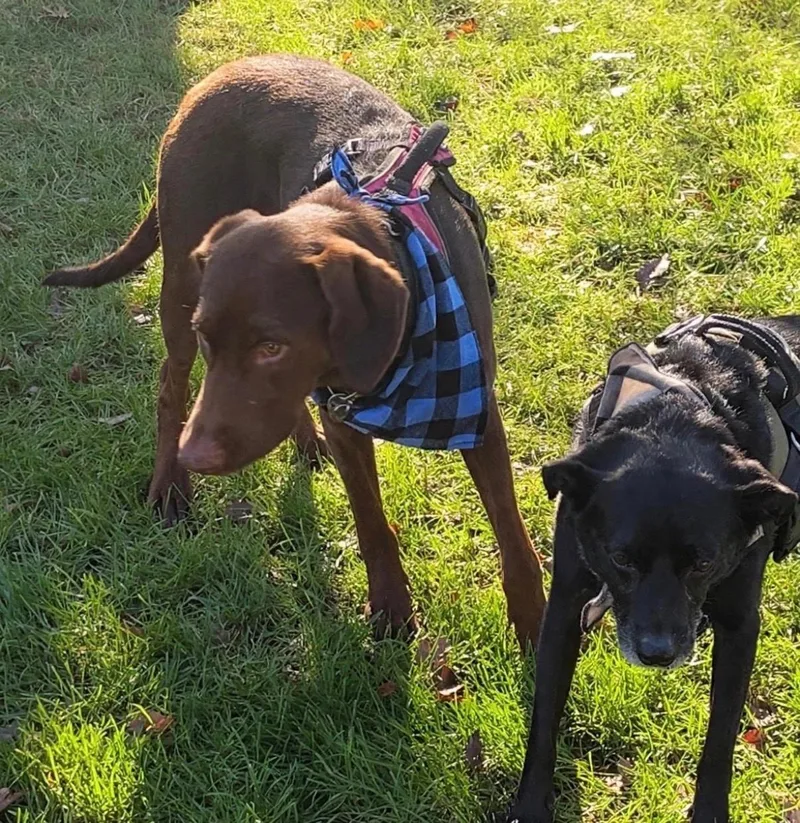
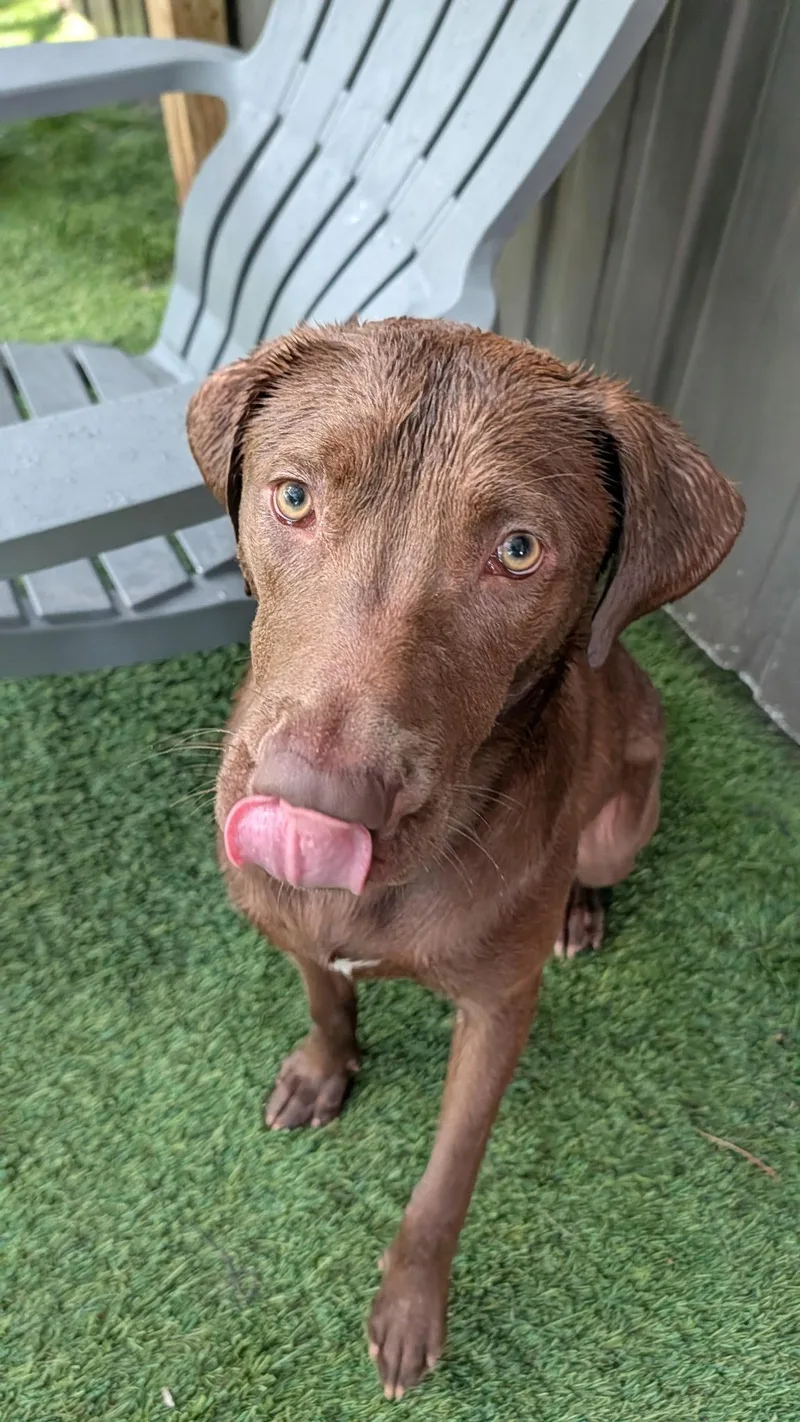
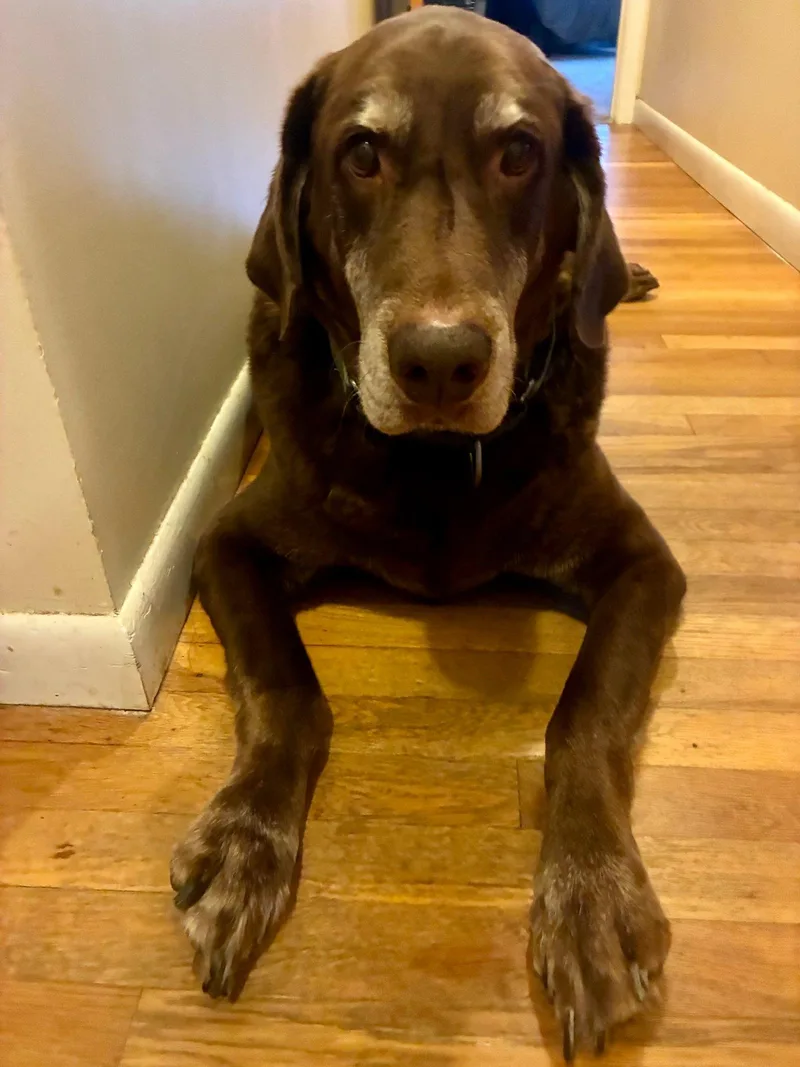
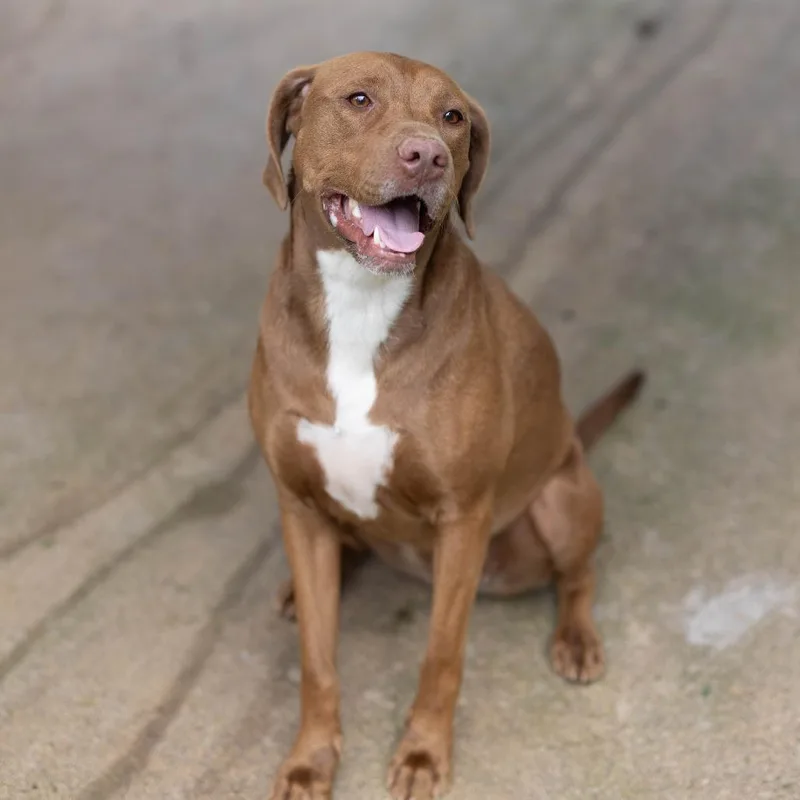
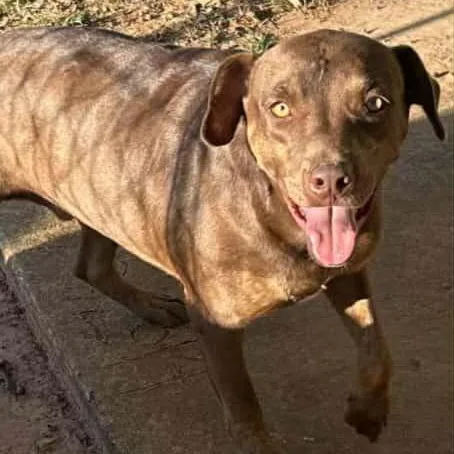
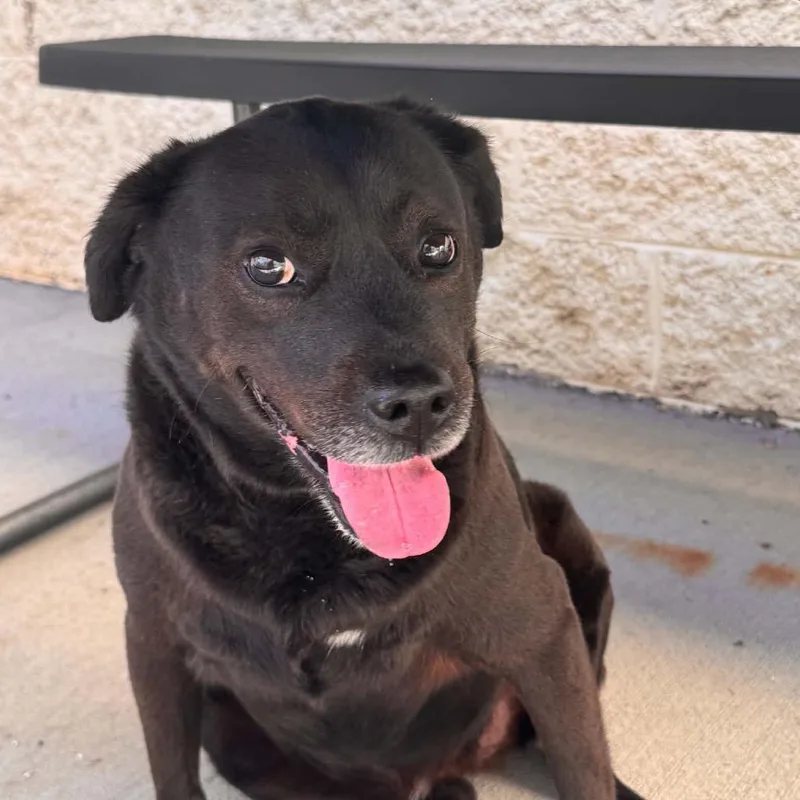
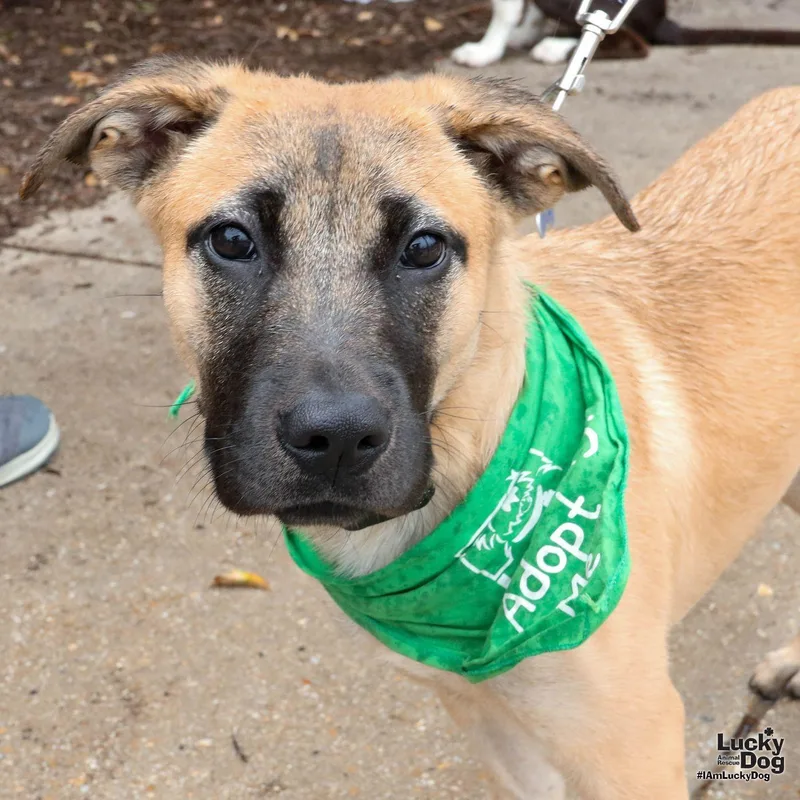
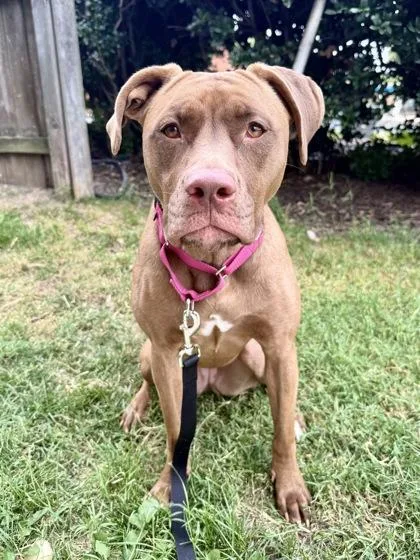
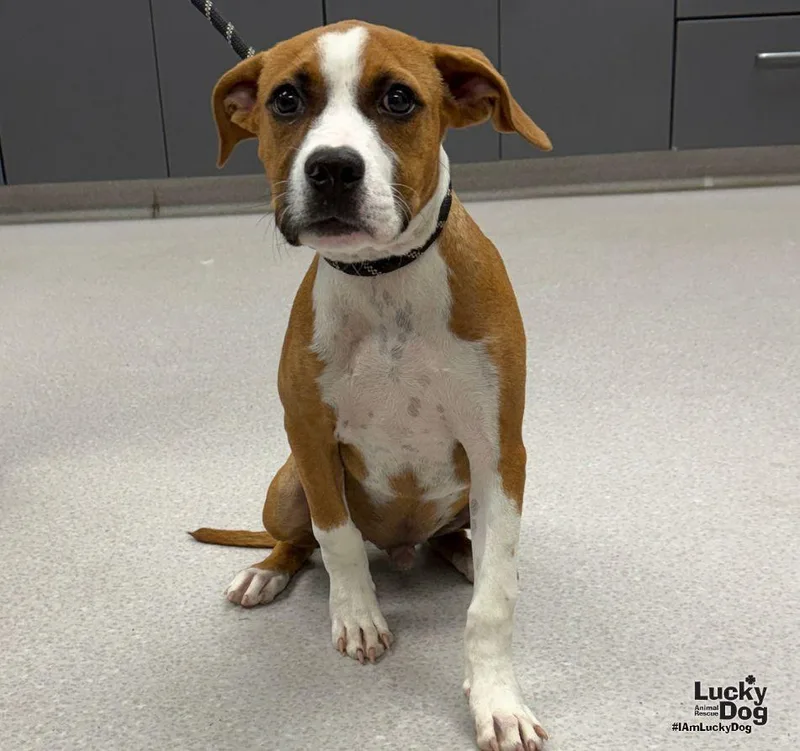
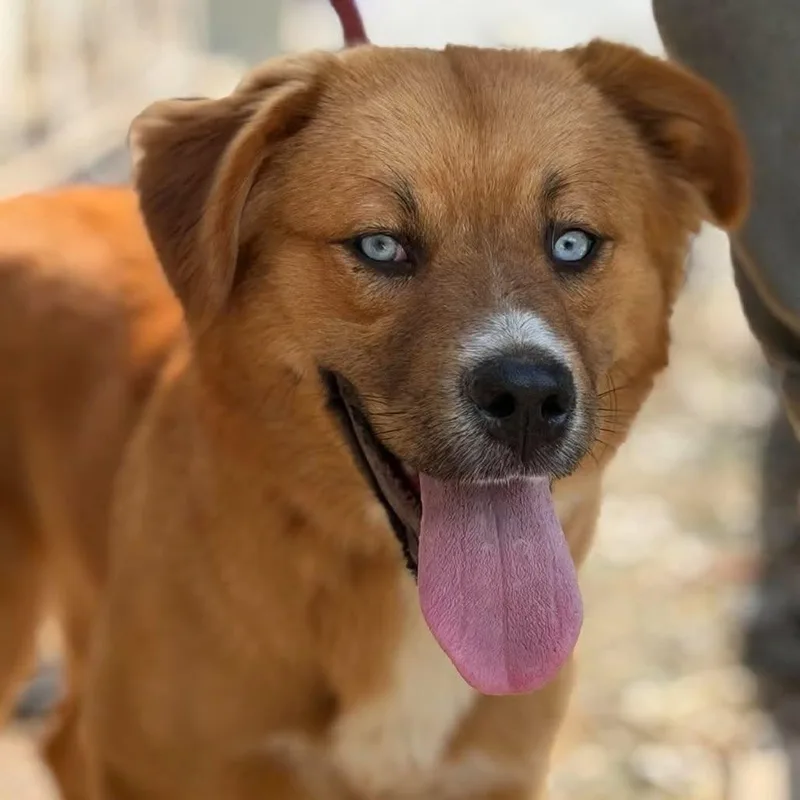
Chocolate Labrador Retriever Dogs for Adoption in Washington, DC

Your guide to finding and caring for a Chocolate Labrador Retriever in DC

Chocolate Labs suit Washington best in neighborhoods with some room to roam, like Brookland's single-family streets or Shepherd Park, right by Rock Creek Park. They're big, friendly and always up for a game of fetch, so a leashed loop around Kingman Island or Fort Dupont Park fits them well. Rowhouse life works too if the walks are long. Brown hair on the sofa comes with the territory, and so does a dog who greets every neighbor on the stoop.

576 Chocolate Labrador Retrievers available in Washington and nationwide

Fall for a Chocolate Labrador Retriever

While we don't have enough dogs near Washington, keep in mind that many rescues may offer transport.

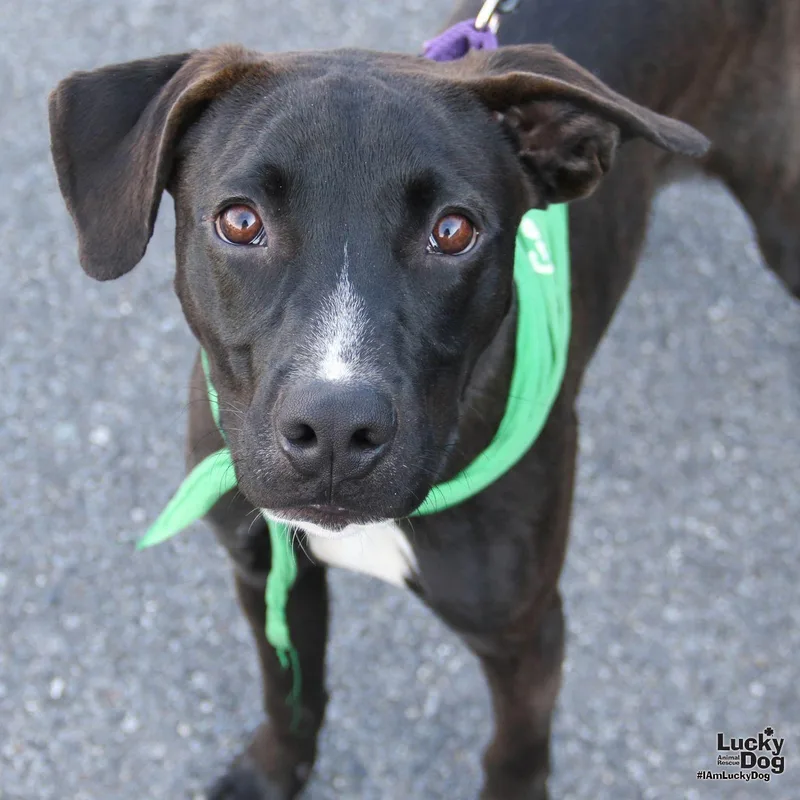
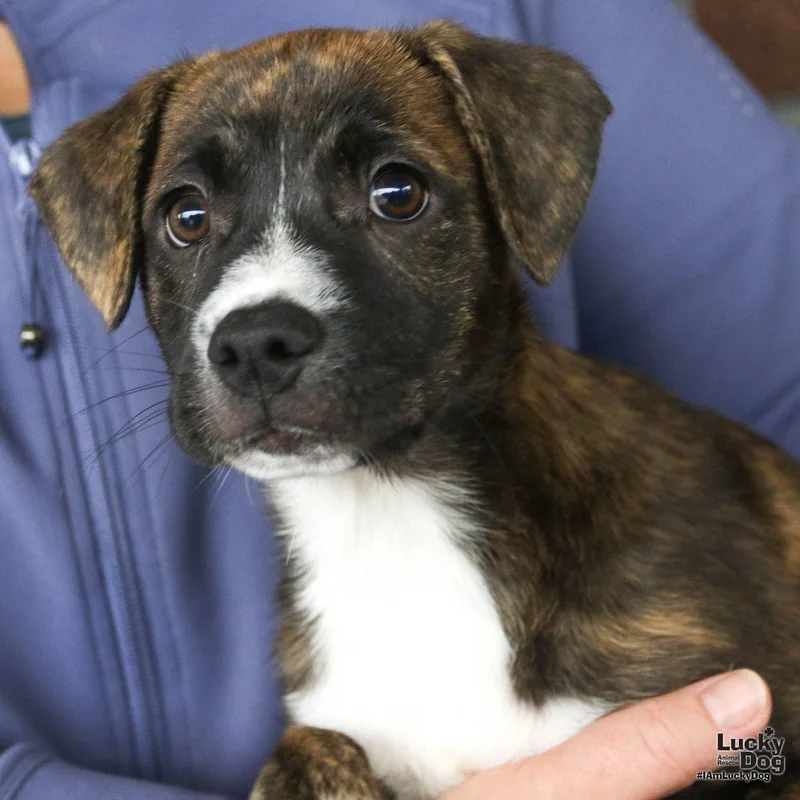
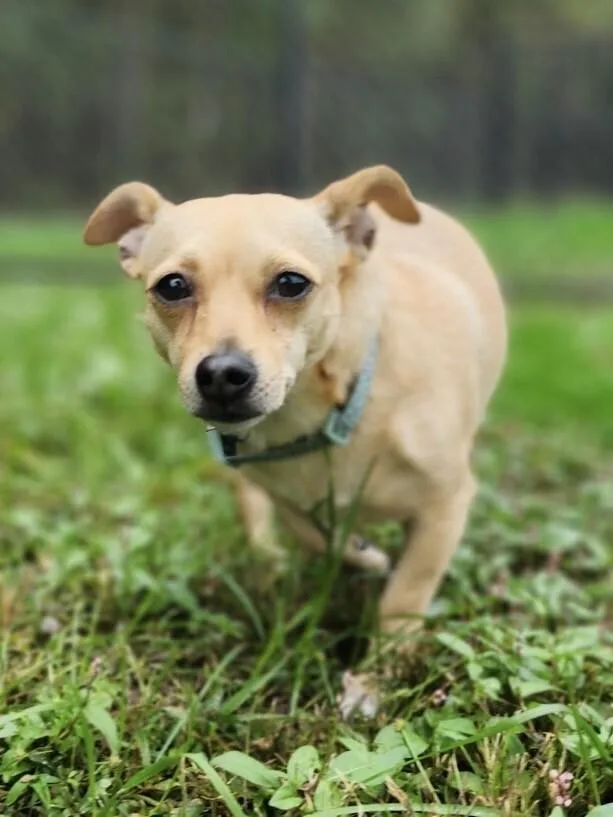
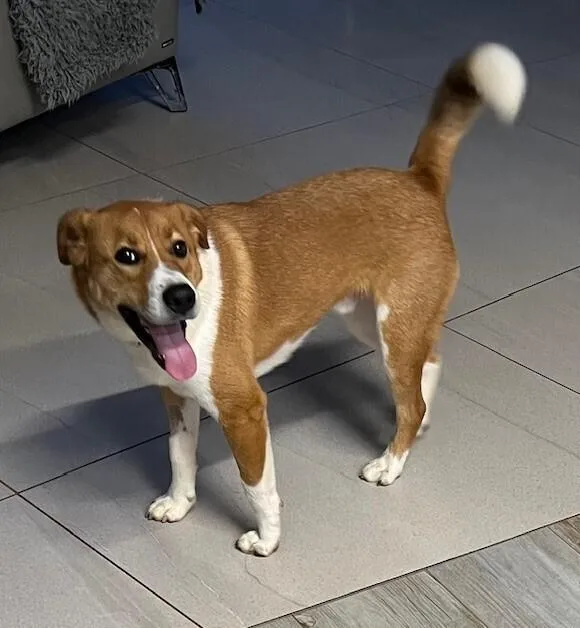
Chocolate Labrador Retrievers Available for Adoption Near Washington

About the Chocolate Labrador Retriever breed

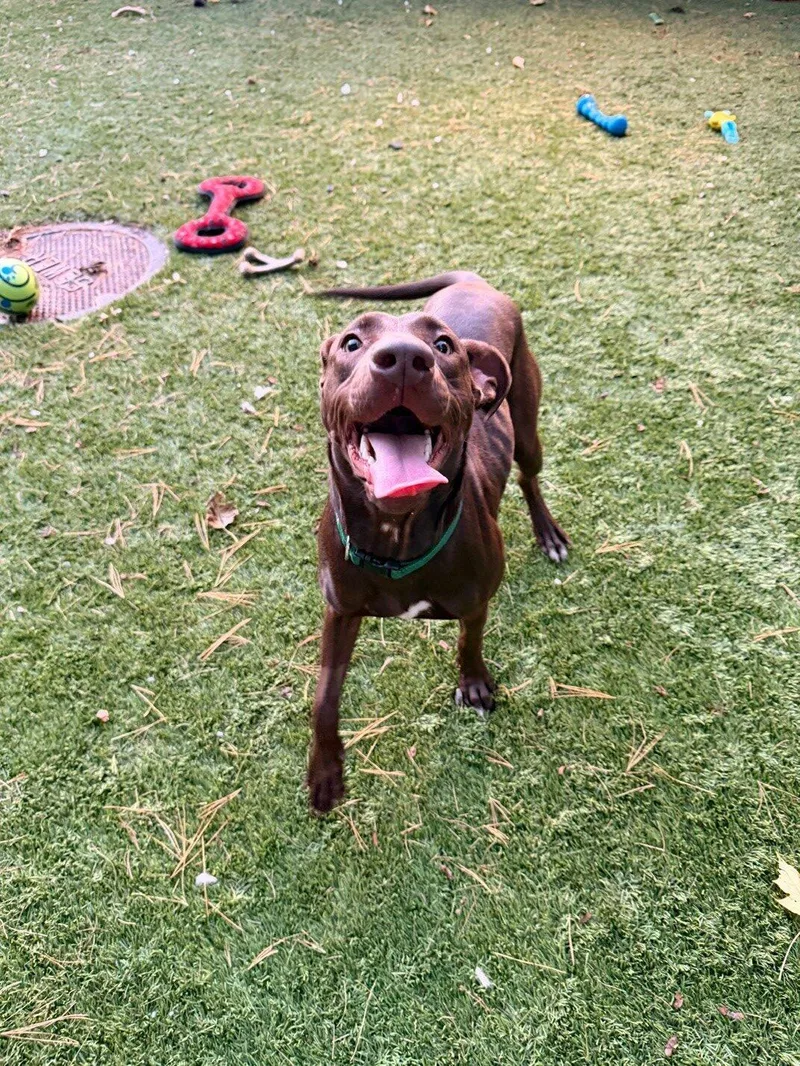
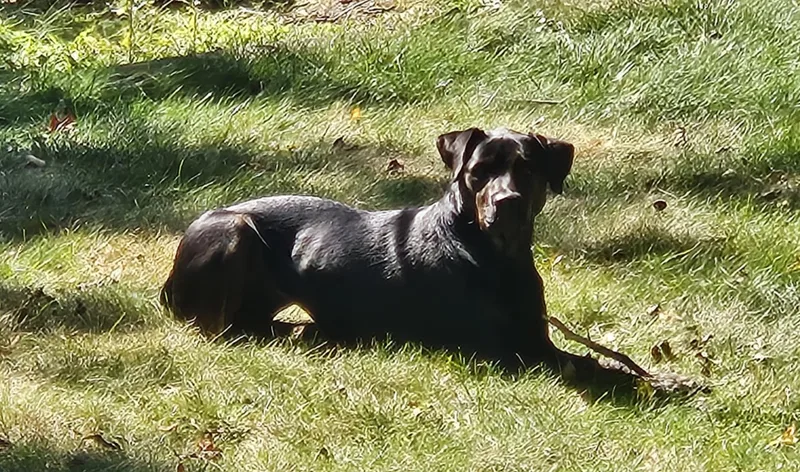
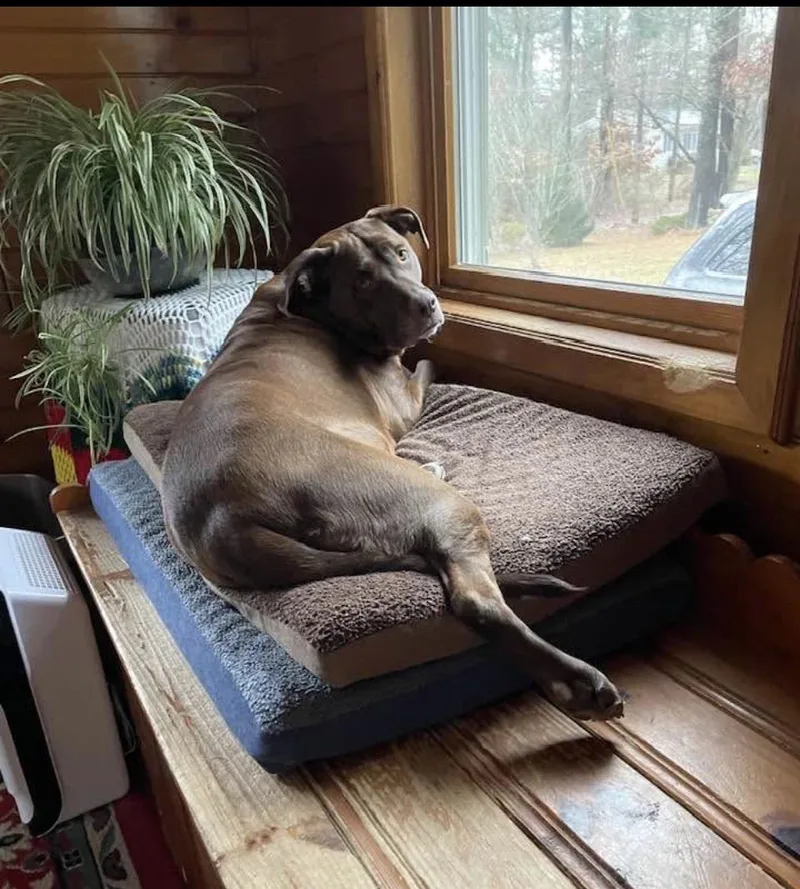
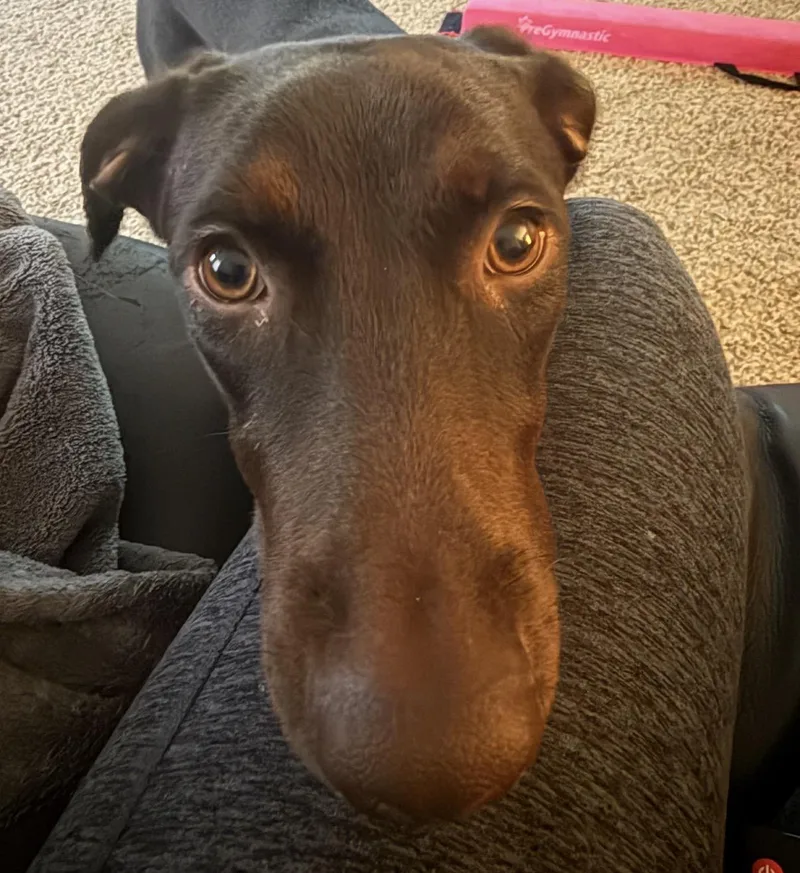
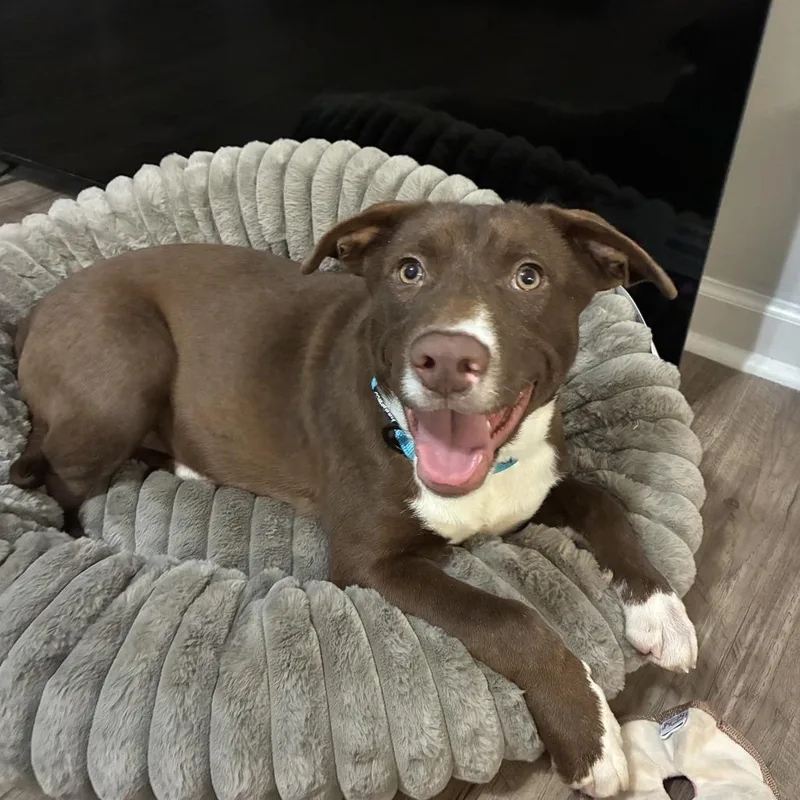
The chocolate Lab is a Labrador Retriever in the breed's brown coat, developed in Britain from Newfoundland water dogs as a gun dog that retrieves from land and water. Males run 65 to 80 pounds and females 55 to 70, with a dense double coat that sheds all year and heavily in spring and fall. In Washington, that means regular brushing and a vacuum that earns its keep.

Color doesn't set personality. Most chocolates are friendly, eager to please and food-motivated, but they vary, and how an adult behaves with children, cats and strangers tells you more than its coat. One thing worth knowing: a large UK study found chocolates lived about a year and a half less on average and had more ear and skin problems, so schedule a veterinary checkup soon after adoption.

Weight
55–80 lbs
Height
21–25 in
Lifespan
10–13 yrs
Temperament
Friendly, Outgoing, Active
Group
Sporting
Shedding
Moderate to High

Owning a Chocolate Labrador Retriever in Washington

Having a Chocolate Labrador Retriever in DC

A sociable, energetic retriever with a big appetite and a shedding coat. In Washington, the practical points are daily leashed exercise, humid summers, ear and skin care on wet or muggy days, and fitting a large dog into rowhouse or apartment life.

Temperament

Chocolate Labs tend to be outgoing and people-focused, which suits busy Washington sidewalks and friendly stoop-side greetings. Young dogs are often boisterous and mouthy, so reward-based training helps. Color doesn't predict personality; what matters is how each dog behaves around children, cats and strangers, which you can see when you meet the dog.

Exercise Needs

Plan on vigorous daily activity: long walks, fetch, scent games and short training sessions. Washington has 20 free DPR off-leash dog parks for licensed, vaccinated dogs wearing a registration tag, plus leashed trails in Rock Creek Park and Anacostia Park. Outside dog parks, keep your Lab leashed, and on national parkland use a leash of 6 feet or less.

Health Considerations

Labs are prone to hip and elbow dysplasia, cruciate injuries, exercise-induced collapse and obesity, and chocolates get more ear infections and hot spots. Check ears weekly, dry them after baths and rainy walks, and keep the dog lean. Washington's humid summers make ears and skin harder to keep dry. A veterinarian can review any screening history.

Living Space

A chocolate Lab can manage a Washington rowhouse or apartment if walks are long and regular, though a fenced yard in a neighborhood like Brookland makes fetch easier. Expect a large dog with a sweeping tail, brown hair on floors and furniture, and a nose for anything edible left on the counter.

What it costs to own a Chocolate Labrador Retriever in Washington

ExpenseTypical costPer year
Adoption fee$475, one time$475 in year one
Food$55 to $110 per month$660 to $1,320
Pet insurance$65 to $130 per month$780 to $1,560
Routine vet care$250 to $500 per year$250 to $500
Other*$590 to $1,490 per year$590 to $1,490
Estimated yearly total (after year one)$2,280 to $4,870
First-year total (with adoption fee)$2,755 to $5,345

Adoption fee is the fee on Chocolate Labrador Retriever listings in Washington on GetBuddy today. Other costs are estimates and vary with size, age and health.

* The $15 DC dog license for a spayed or neutered dog, flea, tick and heartworm prevention, a dental cleaning allowance, toys and bedding, and brushing and baths for heavy seasonal shedding.

Adopt a Chocolate Labrador Retriever in Washington.

Now that you know more, let’s find you a new best friend. These rescues and shelters below currently have Chocolate Labrador Retrievers available.

Rescues in Washington with Chocolate Labrador Retrievers Available

The District's adoption community includes the Brandywine Valley SPCA city shelter, the Humane Rescue Alliance and several foster-based rescues. Here are the rescues & shelters in the DC area where you can find Chocolate Labrador Retrievers and other dogs available for adoption.
Frequently Asked Questions

Yes, you can own a Chocolate Labrador Retriever in Washington. DC has no breed-specific restrictions, and its dangerous-dog rules look at a dog's behavior rather than its breed. You'll need rabies and distemper vaccines by four months and an annual dog license, $15 for a spayed or neutered dog. Keep your Lab leashed outside official dog parks.

Yes, if the building accepts a 55-to-80-pound dog and the Lab gets long daily walks and play. Practice calm leash manners for hallways and stairs, since a boisterous young Lab can unsettle neighbors. Some buildings set weight limits, so confirm pet terms in writing; DC's new pet-housing law aims to limit size and weight restrictions.

No, not unless the dog is a service animal. Metro allows pets on trains and buses only in a securely closed carrier small enough to carry, and a 55-to-80-pound Lab won't fit. The DC Streetcar also requires a crate. Plan on walking, which suits a Lab, or a car trip, and never leave a dog in a parked vehicle.

Try free DPR dog parks such as Park at LeDroit, Alethia Tanner or Kingsman, where licensed, vaccinated dogs wearing a registration tag can run off-leash. For leashed walks, Rock Creek Park and Theodore Roosevelt Island suit a Lab's stamina. Keep leashes 6 feet or shorter on national parkland, and carry out waste if no trash can is near.

Sometimes. DC law lets restaurants and bars choose to allow dogs on outdoor patios and sidewalk cafés, and a posted sign tells you if they do. Your Lab must stay leashed and never be left alone, and indoor dining rooms remain off-limits. A Lab who settles calmly under the table makes a better patio guest, so practice first.

Yes, with precautions. Washington summers run about 70 to 88°F and feel humid, with roughly 40 days a year reaching 90°F. Walk early in the morning or after sunset, carry water and avoid hot pavement. DC law bars leaving a dog outside without you or adequate shelter for more than 15 minutes above 90°F.

A chocolate Lab needs brushing a few times a week, daily during the heavy spring and fall sheds, plus a bath every month or two. In Washington's humid climate, check and dry the ears weekly, since chocolates get more ear infections. Many owners brush at home; baths are counted in the $590 to $1,490 yearly Other costs.

A Labrador Retriever is a large sporting dog developed in Britain from Newfoundland water dogs to retrieve shot birds from land and water. Labs have a short, dense double coat, an otter-like tail and a broad head, and come in black, yellow or chocolate. Many are friendly, food-motivated and trainable, which makes them common family, guide and detection dogs.

We have 1 rescue with Chocolate Labrador Retrievers available: City Dogs & City Kitties Rescue. You can see every rescue with Chocolate Labrador Retrievers available in the list above these questions, or scroll to the top to see the Chocolate Labrador Retrievers near Washington.

Expect roughly $2,300 to $4,900 a year for a chocolate Lab in Washington. Food runs $55 to $110 a month and insurance $65 to $130, with routine vet care at $250 to $500 a year and other costs of $590 to $1,490. The DC license is $15 for a spayed or neutered dog.