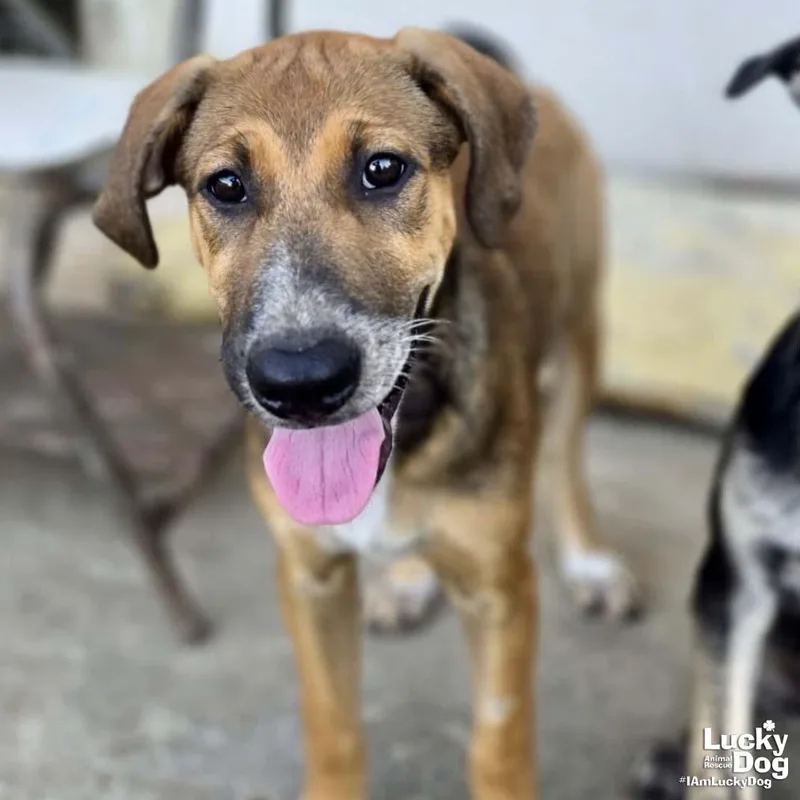
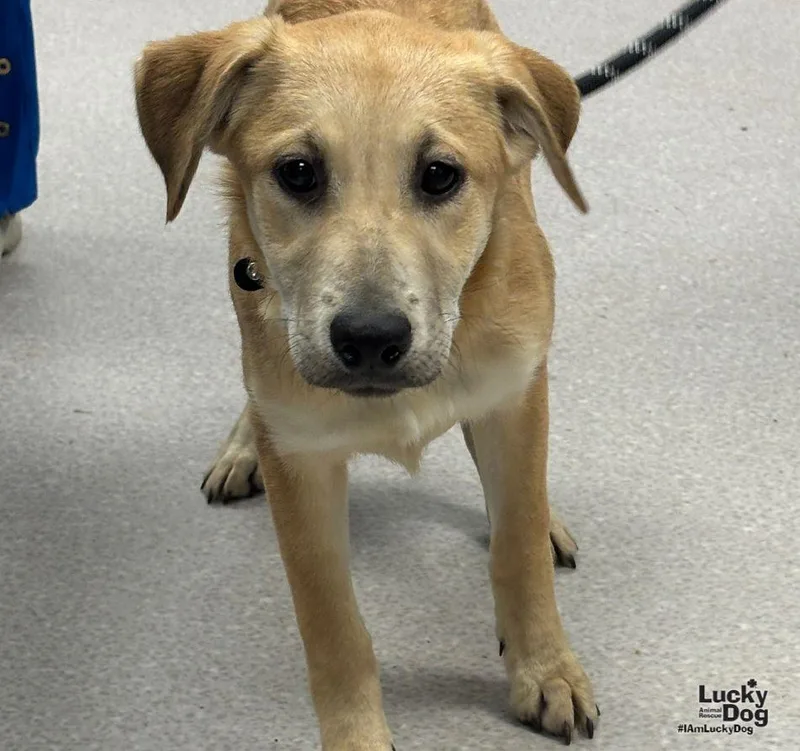
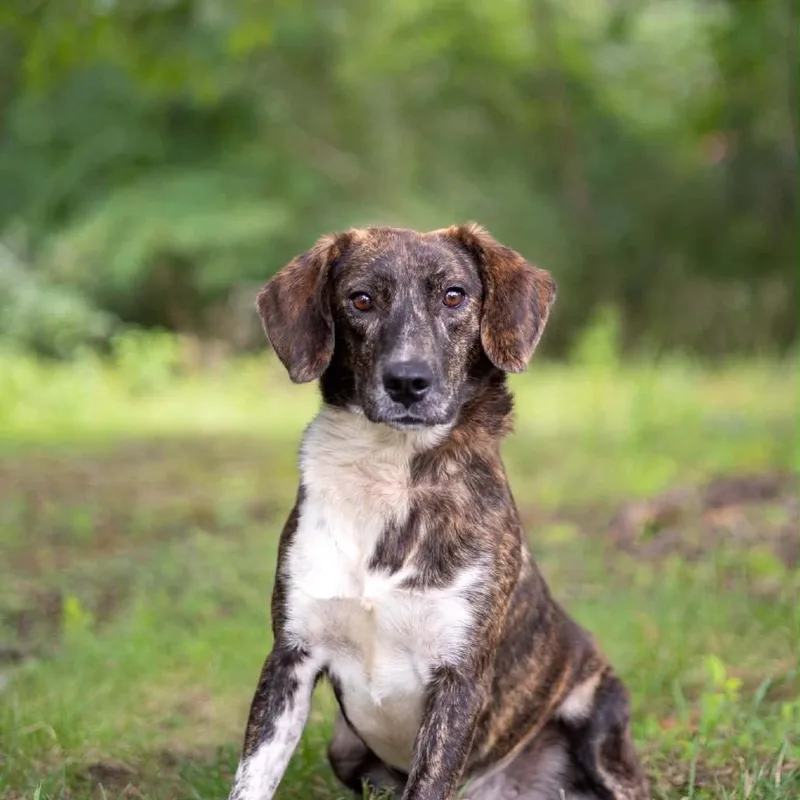
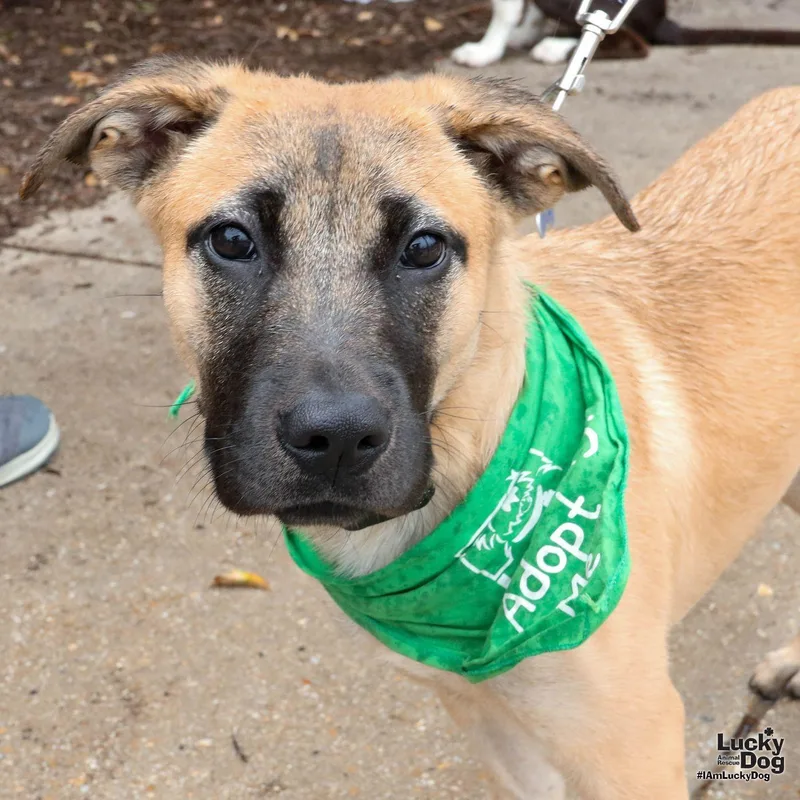
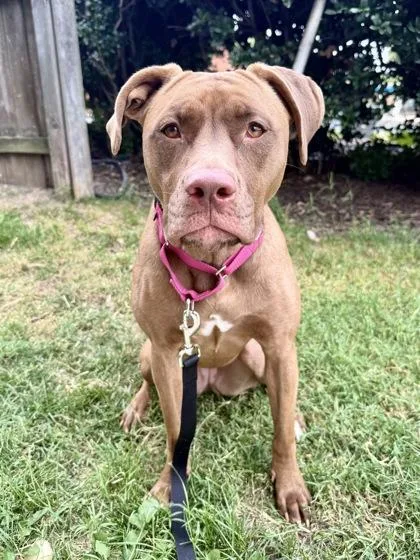
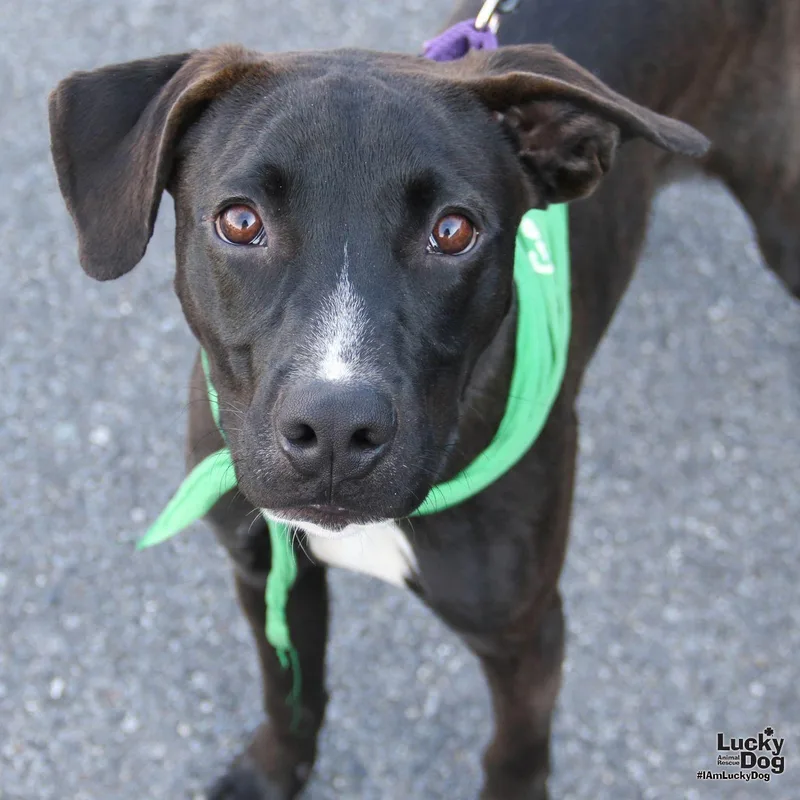
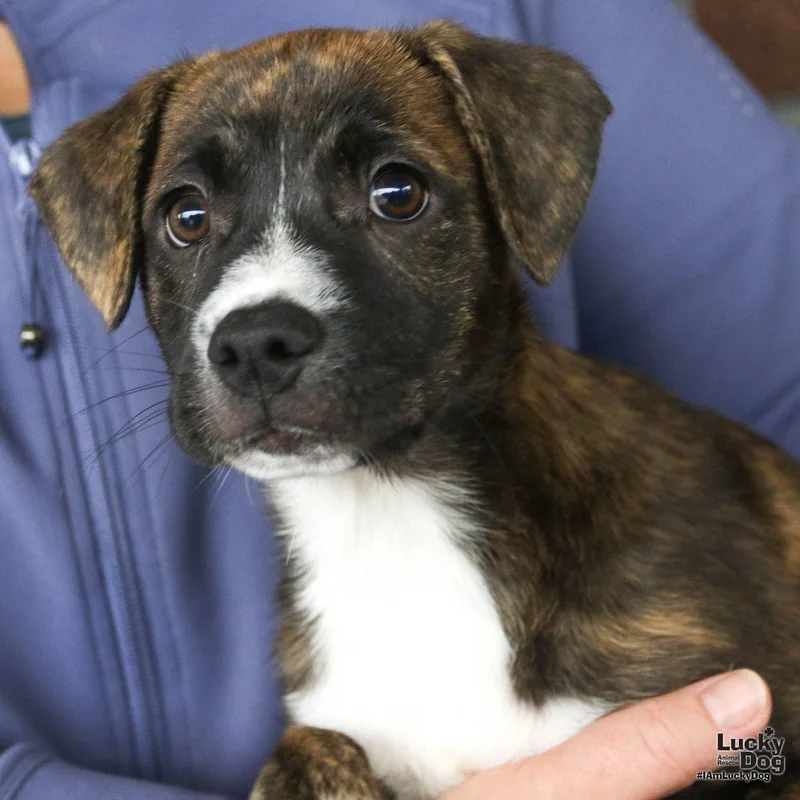
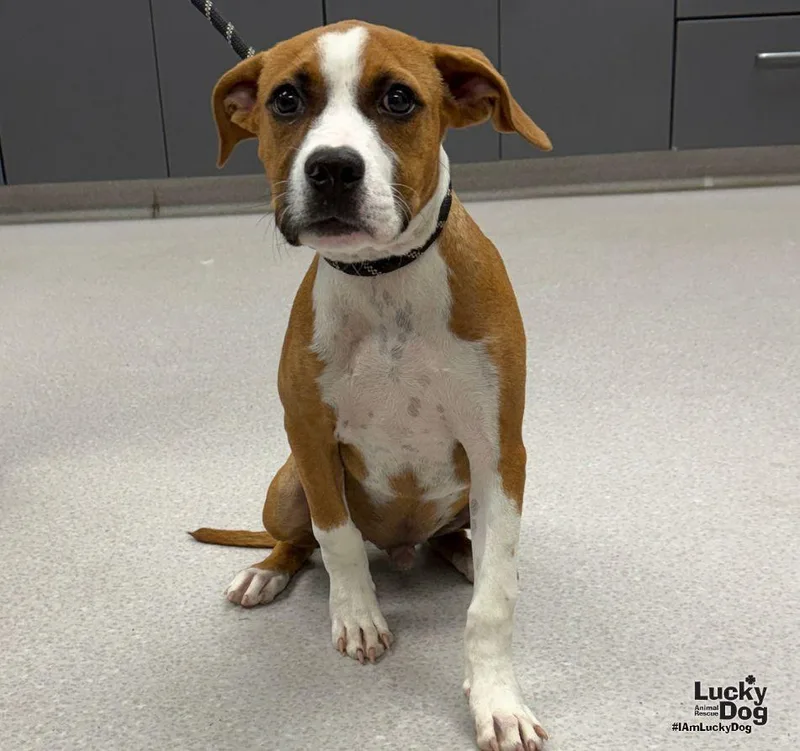
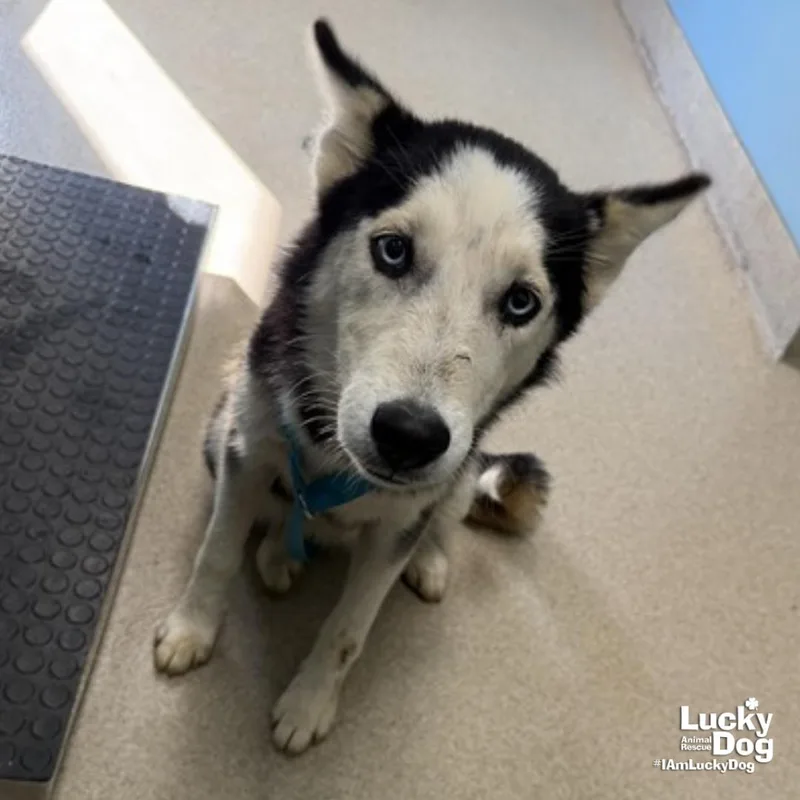
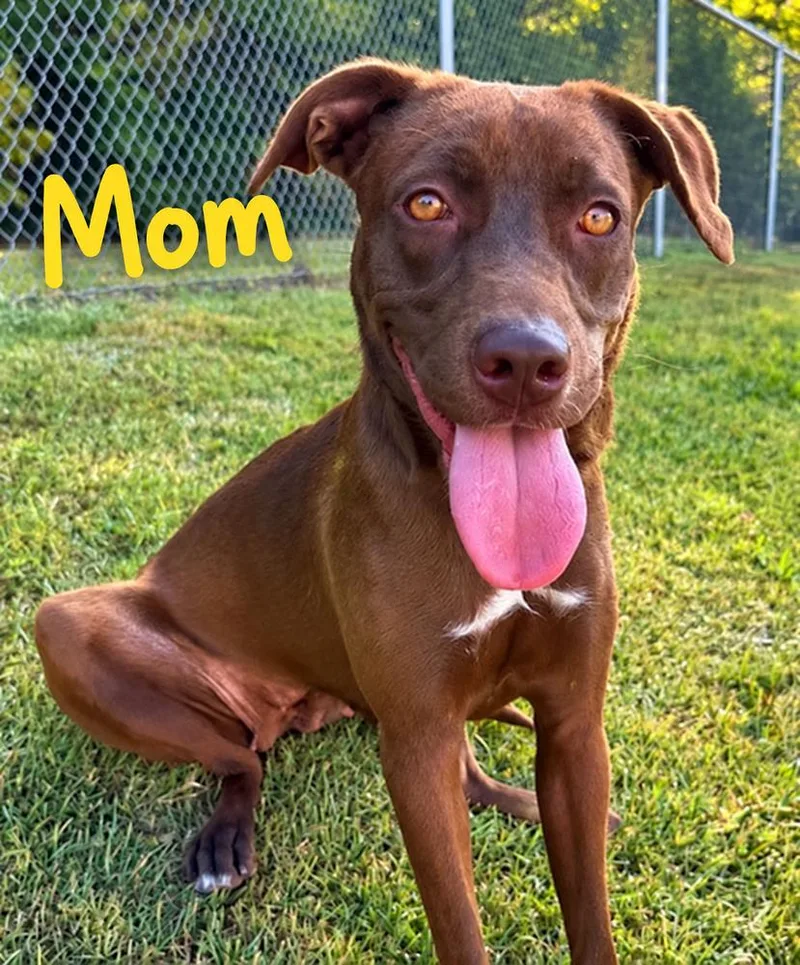
Catahoula Leopard Dogs for Adoption in Washington, DC

Your guide to finding and caring for a Catahoula Leopard Dog in DC

A Catahoula Leopard Dog suits the roomier, leafier corners of DC better than a downtown high-rise. Think Hillcrest, with its single-family houses on sizable lots, or Benning Ridge beside the 376 acres of Fort Dupont Park. A Catahoula wants hard daily exercise and a yard with a tall, secure fence, since many jump and dig. They're loyal to their people and watchful with strangers, so a quiet street where visitors are easy to introduce works well.

1572 Catahoula Leopard Dogs available in Washington and nationwide

Give a Catahoula Leopard Dog a home

Catahoula Leopard Dogs Available for Adoption Near Washington

About the Catahoula Leopard Dog breed

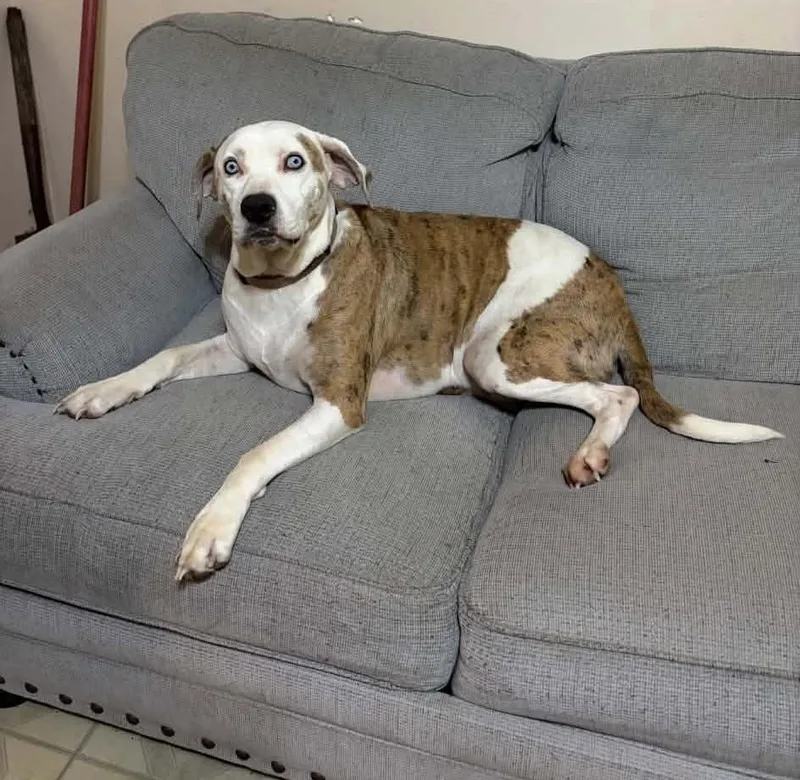
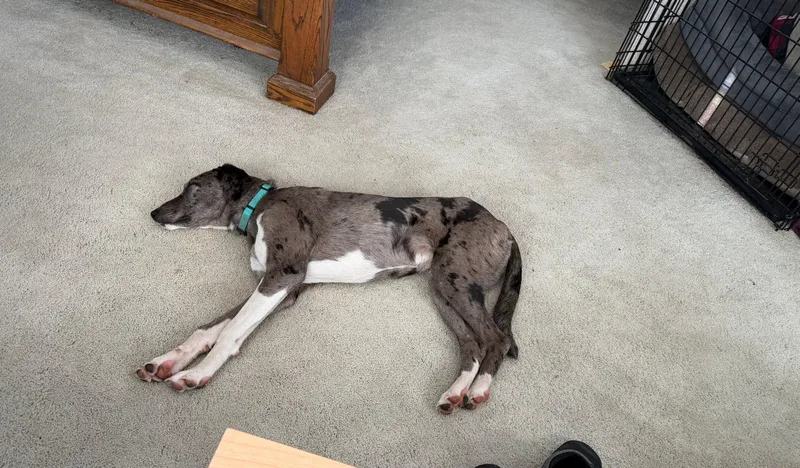
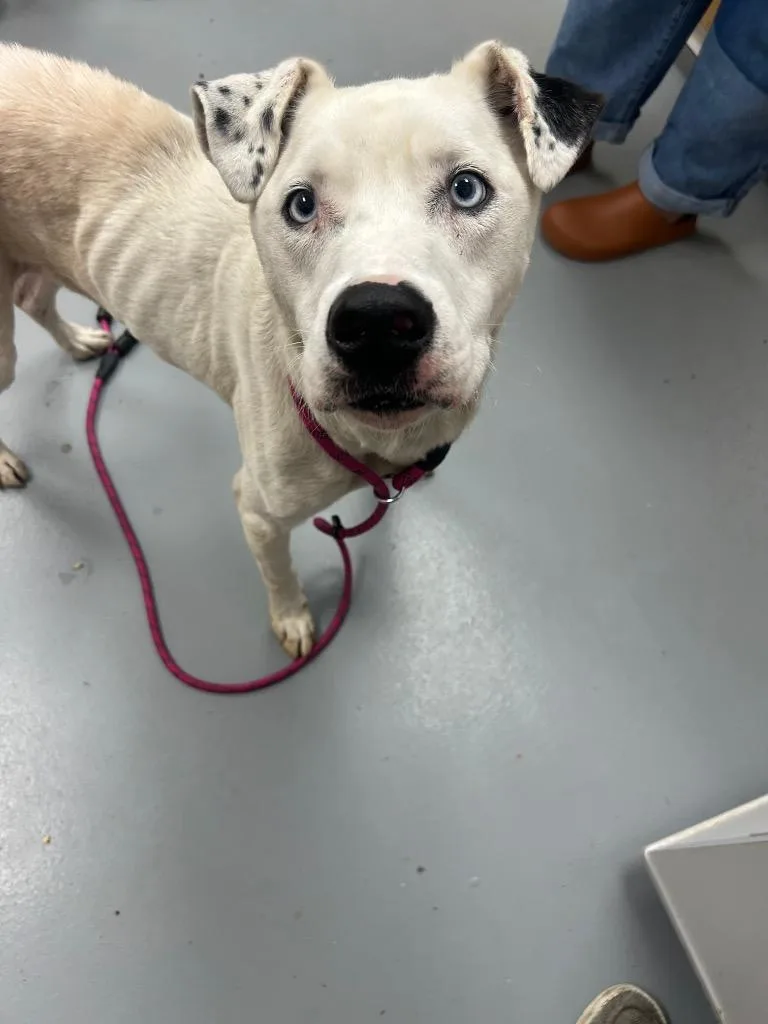
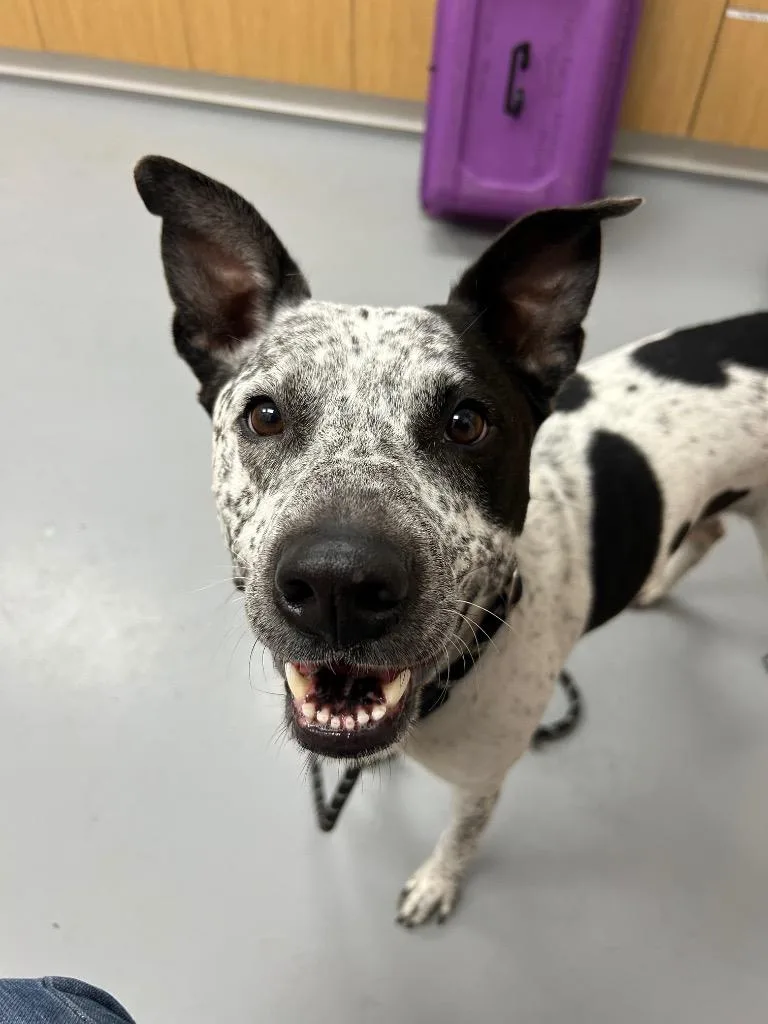
Named for Catahoula Parish in Louisiana, the Catahoula Leopard Dog was developed in the swamps and woods of the Gulf South to find and hold feral hogs and gather semi-wild cattle. Ability mattered more than looks, so size and build vary widely, from roughly 50 to 95 pounds. Many have a merle or "leopard" coat and glass-blue or mismatched eyes, though brindle and solid dogs are common. The short coat sheds moderately.

Catahoulas tend to be intelligent, independent and loyal, with a protective streak and a strong work drive. Many stay wary of strangers, and some are selective with other dogs or chase small animals. Many shelter dogs labeled Catahoula are mixes, so a dog's own personality tells you more than the label. Plan on firm, kind training and early socialization.

Weight
50–95 lbs
Height
20–26 in
Lifespan
10–14 yrs
Temperament
Energetic, Independent, Protective
Group
Herding
Shedding
Moderate

Owning a Catahoula Leopard Dog in Washington

Having a Catahoula Leopard Dog in DC

A Catahoula's working heritage shapes its stamina, problem-solving and watchfulness. In DC, that means planning for daily hard exercise, secure fencing and calm introductions, plus health checks tied to merle coloring, such as hearing and eye screening.

Temperament

Catahoulas are often devoted to their own people and reserved with strangers, which can make busy rowhouse blocks and crowded sidewalks a lot to manage. Many are confident and quick to decide for themselves, and some are selective with other dogs. Reward-based training and early socialization shape a dog's manners far more than breed alone.

Exercise Needs

Expect an hour or more of vigorous activity daily, plus mental work like scent games, puzzle feeders or training. In DC, that can mean long leashed trail walks and runs, with a 6-foot leash on national parkland, and supervised play at an off-leash DPR dog park. An under-exercised Catahoula may dig, chew or bark.

Health Considerations

Deafness is a known risk in Catahoulas, especially heavily white or double-merle dogs, which can also have eye defects. Hip dysplasia occurs too. A veterinarian can check hearing, eyes and hips after adoption. DC requires rabies and distemper vaccines by four months, and humid summers make steady parasite prevention worthwhile.

Living Space

A securely fenced yard suits a Catahoula best, so look closely at fence height and yard security in any DC rental or house. Apartment life is possible only with reliable, vigorous daily exercise and a dog that settles indoors. Watchfulness means doorbells and hallway neighbors need patient, calm introductions.

What it costs to own a Catahoula Leopard Dog in Washington

ExpenseTypical costPer year
Adoption fee$400 to $500, one time$400 to $500 in year one
Food$55 to $110 per month$660 to $1,320
Pet insurance$55 to $110 per month$660 to $1,320
Routine vet care$250 to $500 per year$250 to $500
Other*$490 to $1,300 per year$490 to $1,300
Estimated yearly total (after year one)$2,060 to $4,440
First-year total (with adoption fee)$2,460 to $4,940

Adoption fee is the range of fees on Catahoula Leopard Dog listings in Washington on GetBuddy today. Other costs are estimates and vary with size, age and health.

* The DC dog license ($15 if spayed or neutered, $50 if not), a dental cleaning allowance, flea, tick and heartworm prevention, toys and bedding, and brushing supplies for the short coat.

Adopt a Catahoula Leopard Dog in Washington.

Now that you know more, let’s find you a new best friend. These rescues and shelters below currently have Catahoula Leopard Dogs available.

Rescues in Washington with Catahoula Leopard Dogs Available

DC's rescue community includes the city shelter, a large private shelter and foster-based groups working with dogs of every size. Here are the rescues & shelters in the DC area where you can find Catahoula Leopard Dogs and other dogs available for adoption.

Frequently Asked Questions

No, a Catahoula can't ride Metrorail or Metrobus unless it's a service animal. Metro allows pets only in a closed carrier small enough to carry, and the carrier can't take a seat, so a dog of 50 to 95 pounds won't qualify. The DC Streetcar also requires a crate. Plan on walking or driving instead.

Yes, with planning, since humid heat peaks in July and is the hardest stretch of DC's year for a Catahoula. The city's Heat Emergency Plan activates at 95°F, so shift runs to dawn, carry water and keep outings short on hot days. Never leave a dog in a parked car; DC law lets officials remove animals from vehicles.

For long leashed outings, try the Anacostia Riverwalk Trail, Kingman Island, Theodore Roosevelt Island or the C&O Canal towpath in Georgetown, though Billy Goat Trail Section A is off-limits to pets. Keep a leash of 6 feet or shorter on national parkland. Coyotes have been recorded in Rock Creek Park, so stay on trails.

Yes, DC has no breed ban, and its dangerous-dog rules judge a dog's behavior, not its breed. Because many Catahoulas are watchful and athletic, the rules that matter most are leashing outside dog parks, the 15-minute limit on unattended time outdoors in extreme weather, and the ban on cruel chaining. Neighboring Maryland and Virginia jurisdictions set their own rules.

It can, but only if the dog gets a vigorous workout every day and settles calmly indoors. In DC, that means choosing a building near trails or a DPR dog park, since stairs and elevators won't burn off a Catahoula's energy. Many are alert barkers and watchful with strangers, so practice calm greetings and give plenty of mental work.

A Catahoula fits DC best with active people who are home often and want a trail partner. Rock Creek, Fort Dupont and the Anacostia trails offer plenty of room to exercise, but long office days, a car-free lifestyle or a small apartment make life harder. Adopters should be ready for firm, consistent training and careful socialization.
Sometimes, but only at restaurants that choose to allow dogs outdoors. DC law lets restaurants and bars welcome dogs on patios and sidewalk cafés, and they must post a sign. Dogs must stay leashed or in a carrier and never be left unattended, and indoor dining rooms remain off-limits. A wary Catahoula may be happier at a quiet table.

Very little: the short coat needs a weekly brushing, since Catahoulas shed moderately. Humid DC summers and salted winter sidewalks mean occasional baths and paw wipes, plus regular nail trims. Professional grooming is optional, and any bath or brushing costs fall within the Other yearly costs of roughly $490 to $1,300 on this page.

We have 3 rescues with Catahoula Leopard Dogs available: K-9 Lifesavers, Humane Rescue Alliance and Lucky Dog Animal Rescue. You can see every rescue with Catahoula Leopard Dogs available in the list above these questions, or scroll to the top to see the Catahoula Leopard Dogs near Washington.

Budget roughly $55 to $110 a month for food and $55 to $110 a month for pet insurance. Routine vet care runs about $250 to $500 a year. Other yearly costs, such as parasite prevention, a dental cleaning, supplies and the DC license, add about $490 to $1,300. Emergencies and illness cost extra.