Bluetick Coonhound Dogs for Adoption in Washington, DC

Your guide to finding and caring for a Bluetick Coonhound in DC

A Bluetick Coonhound does best in DC in a neighborhood with some elbow room, like Brookland or Hillcrest. Both have mostly single-family homes on bigger lots, which suits a big hound with a wandering nose. Blueticks are sweet and mellow indoors, but that bay carries, even through a rowhouse wall. Plan on a fenced yard and a daily walk of an hour or more, always on a leash.

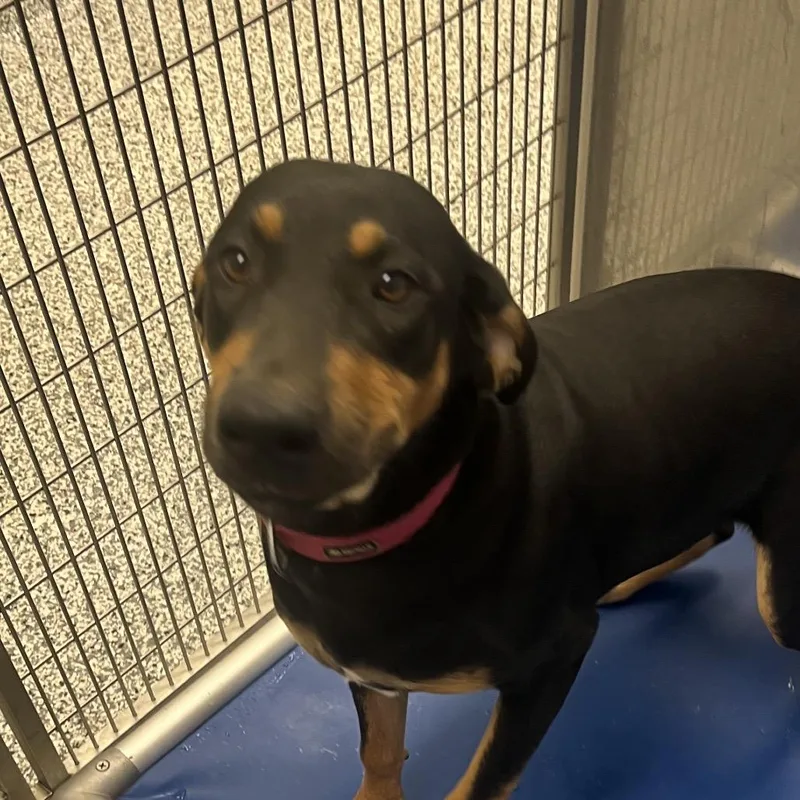
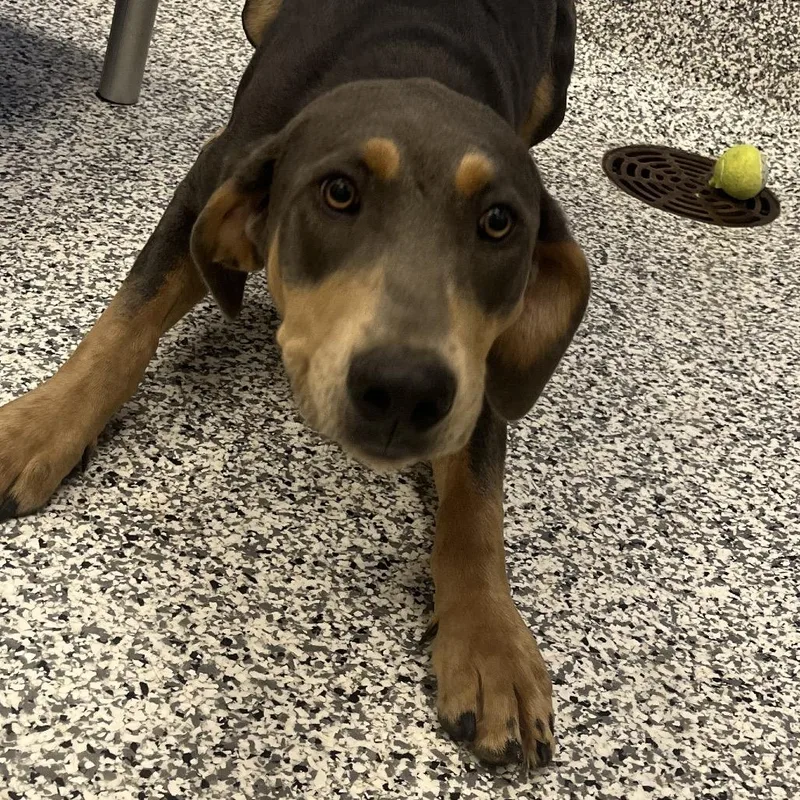
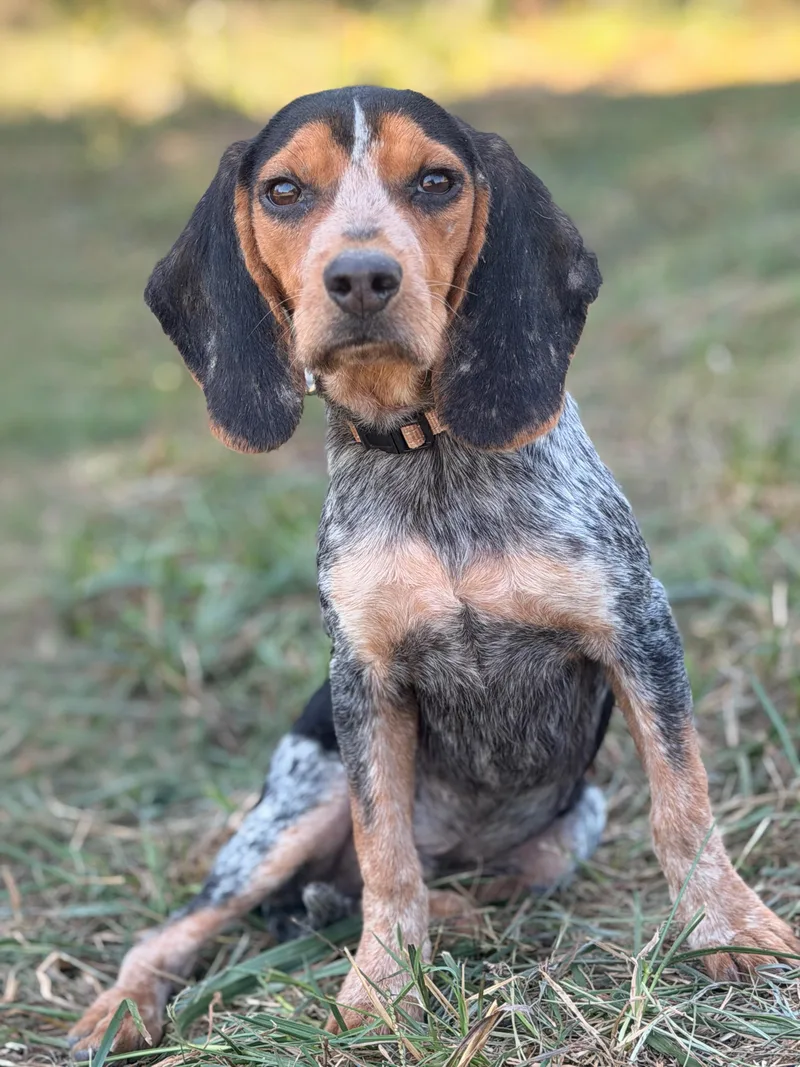
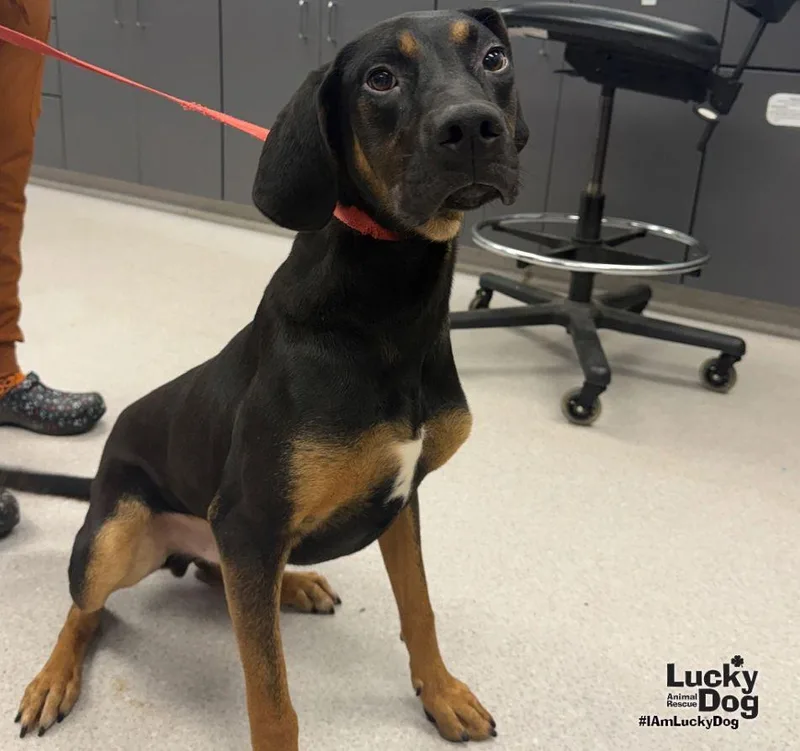
201 Bluetick Coonhounds available in Washington and nationwide

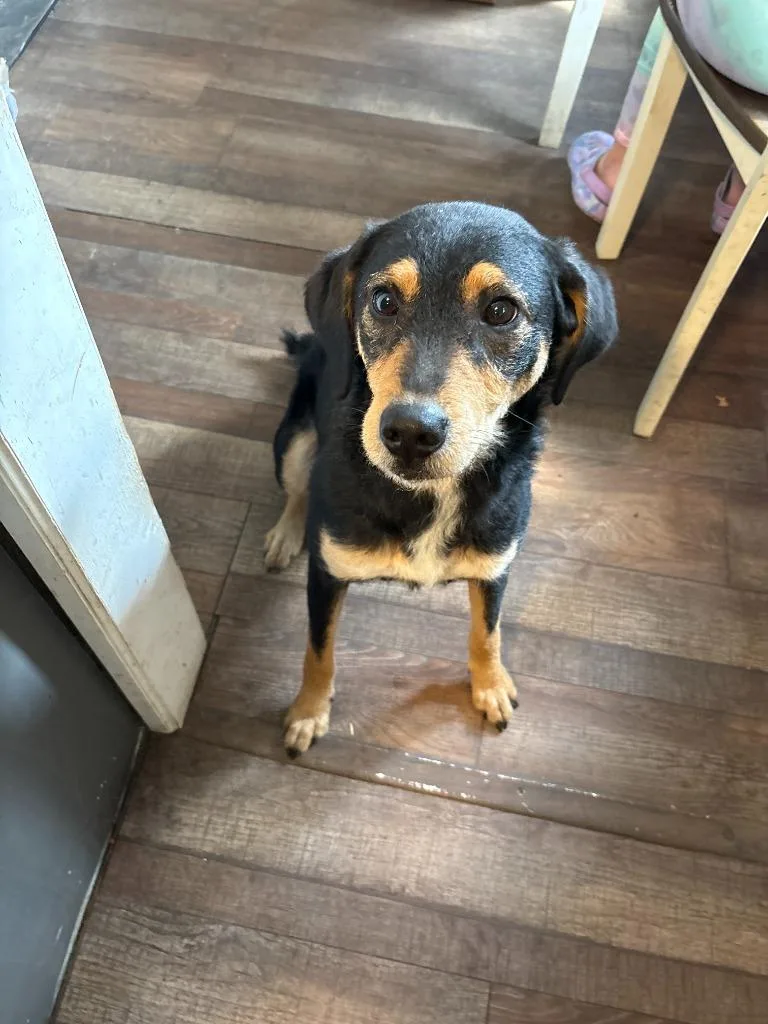
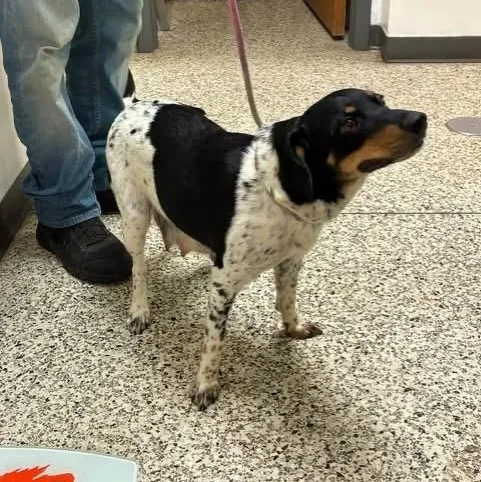
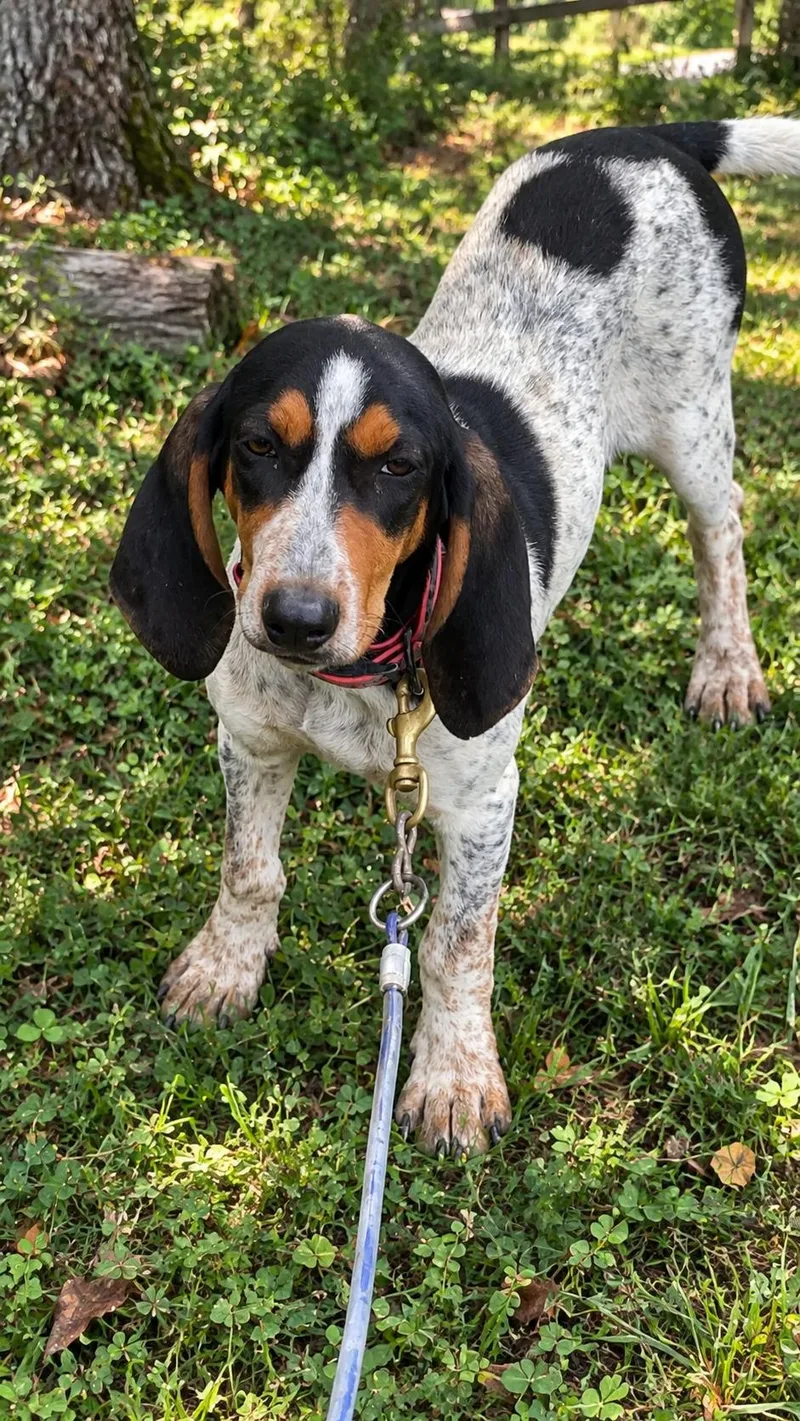
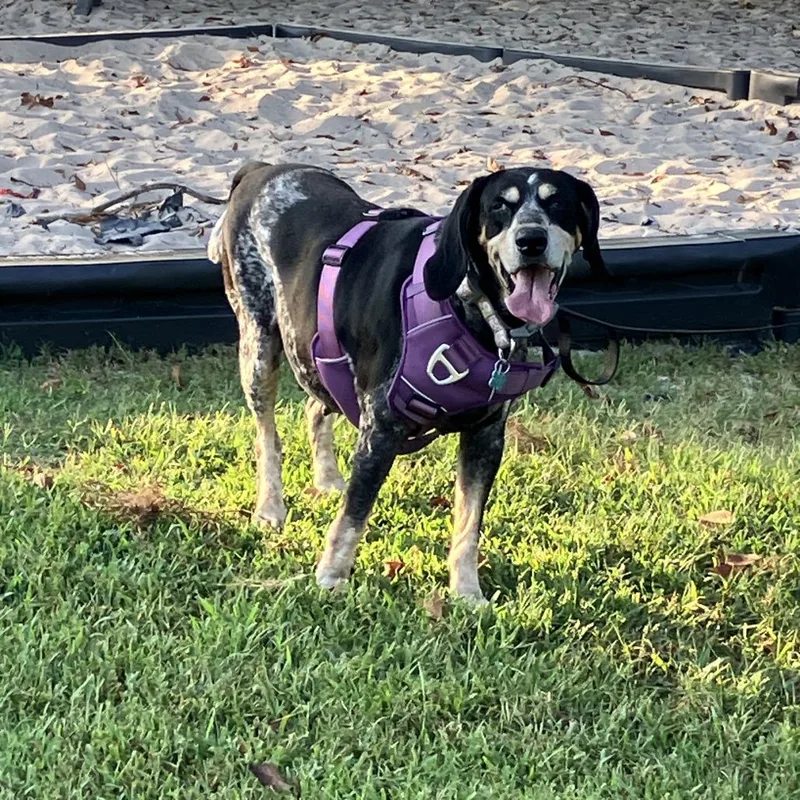
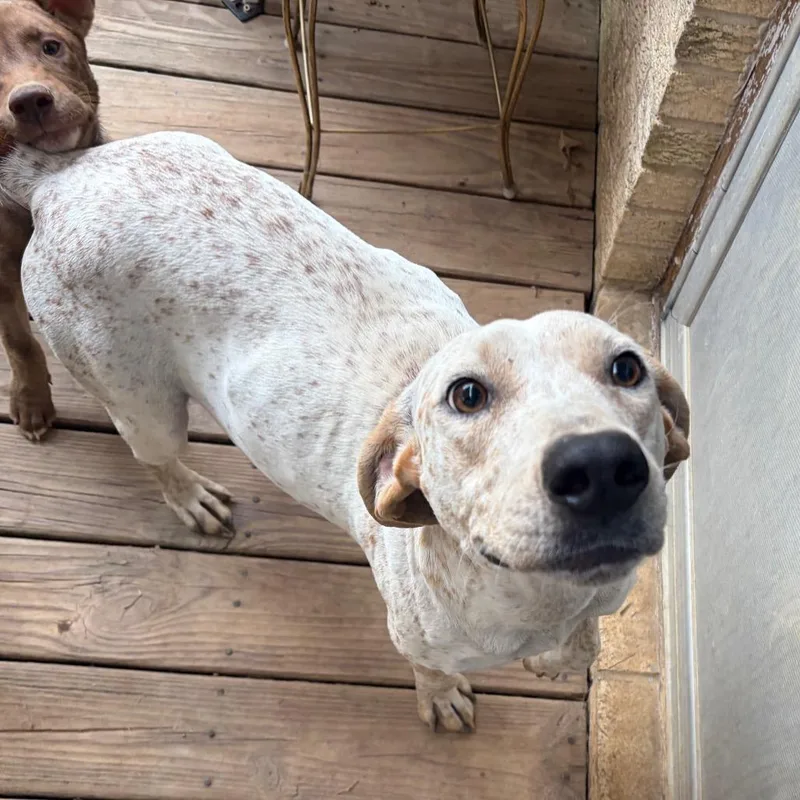
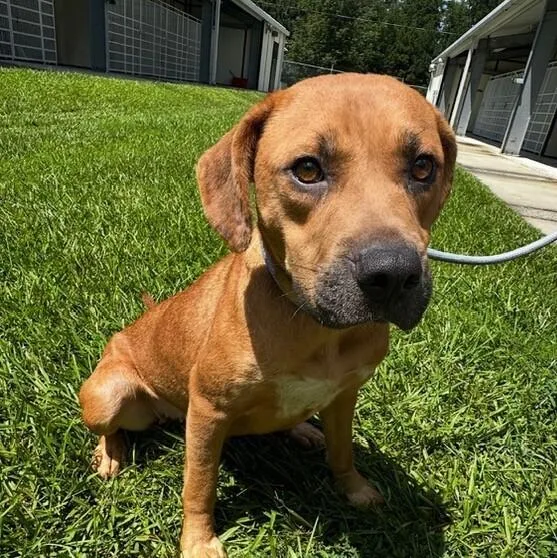
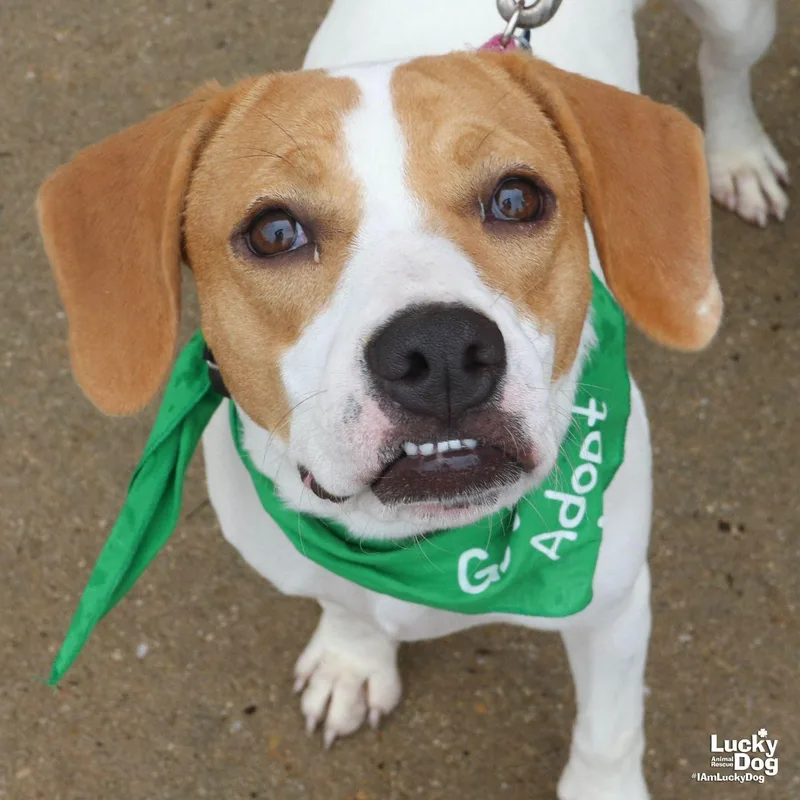
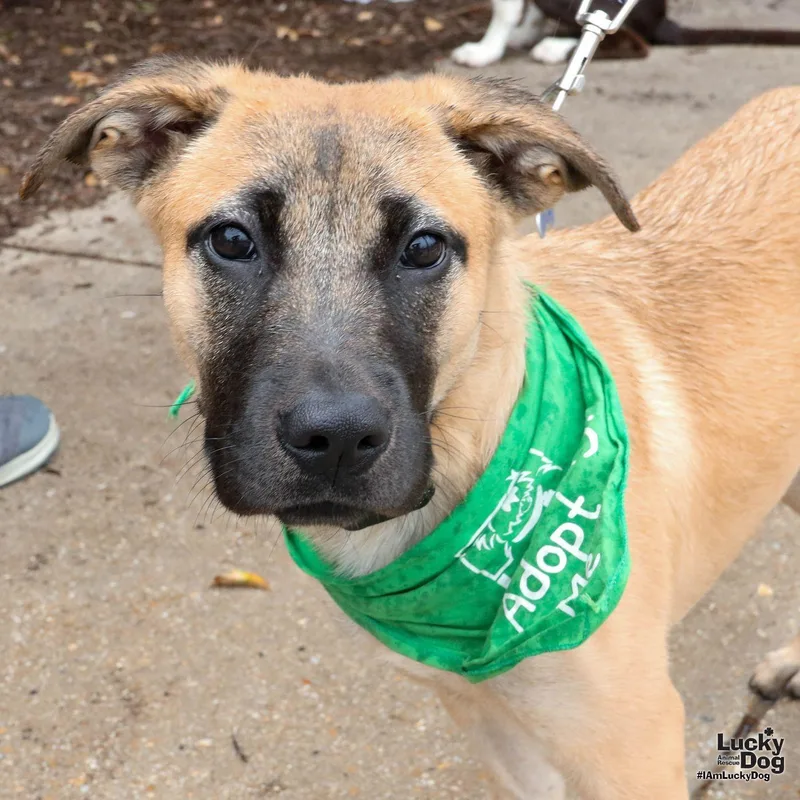
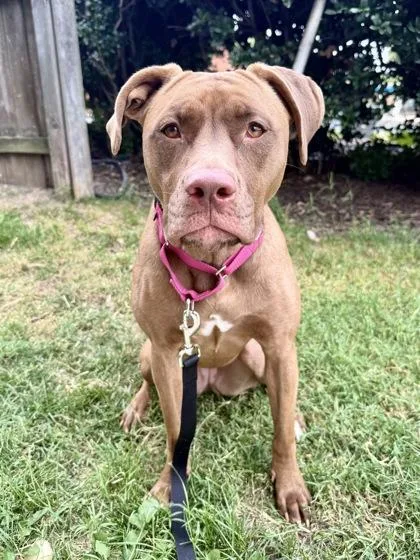
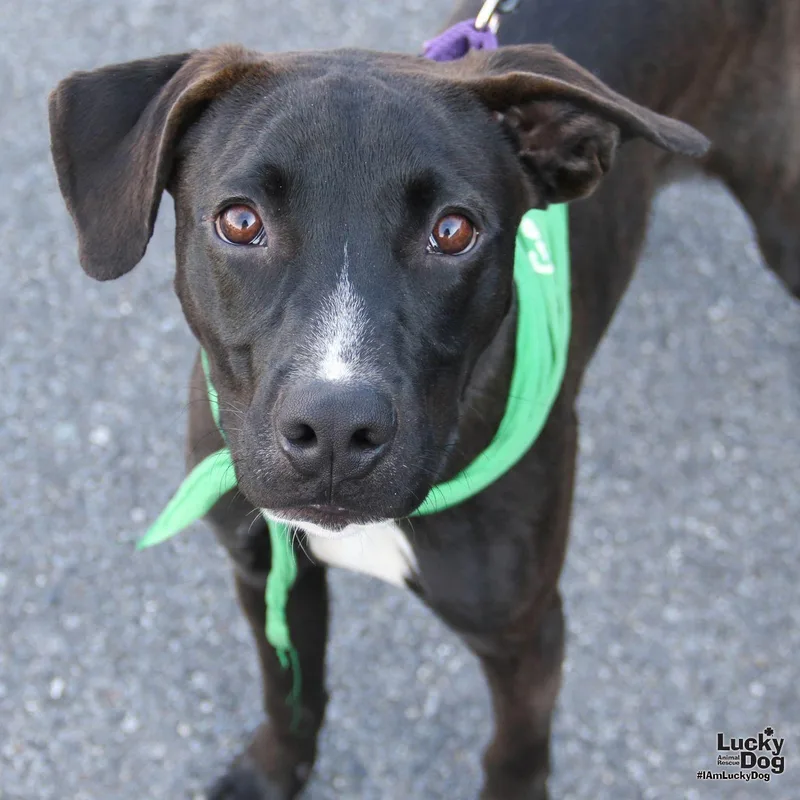
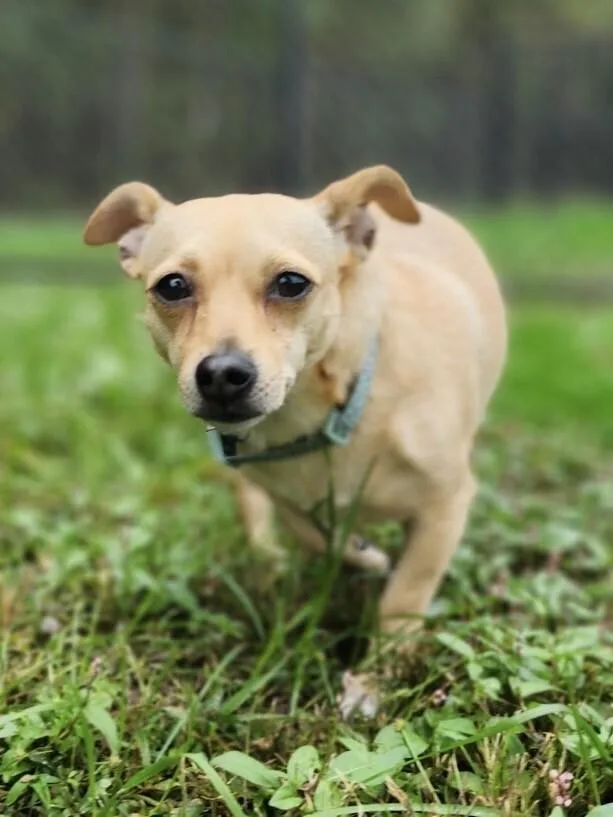
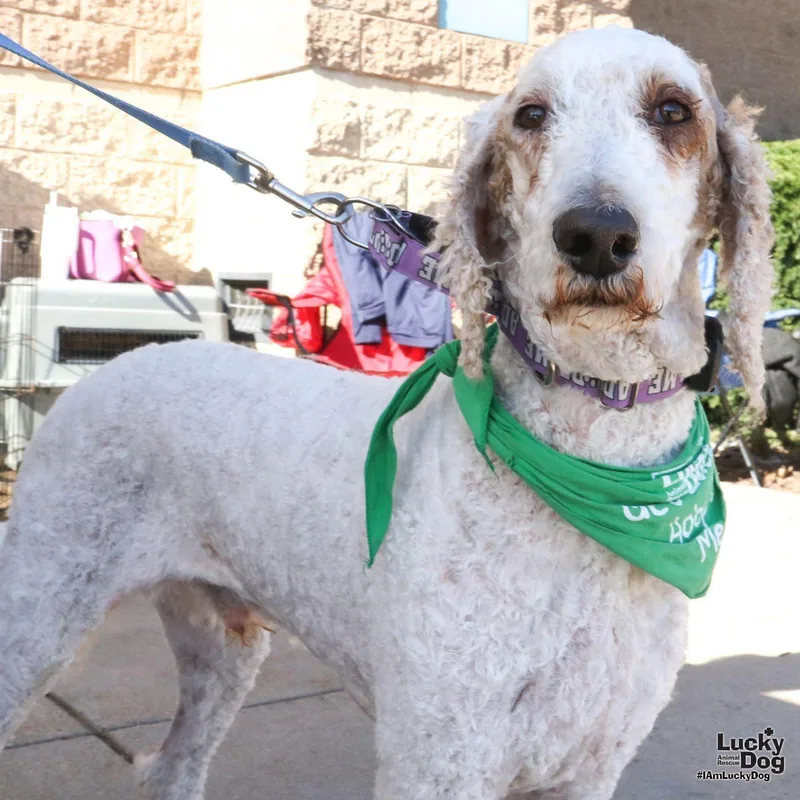
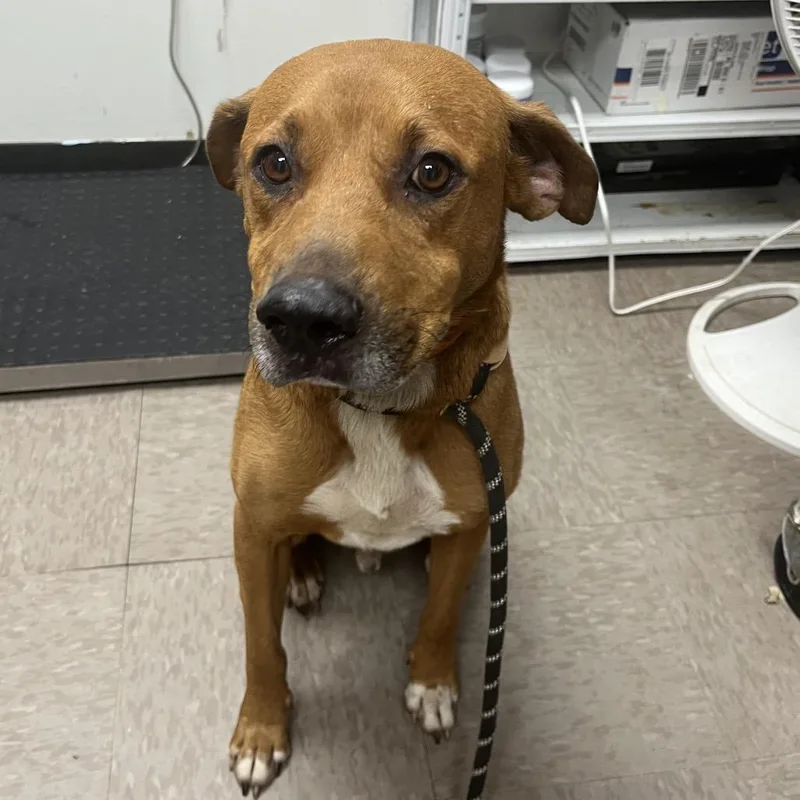
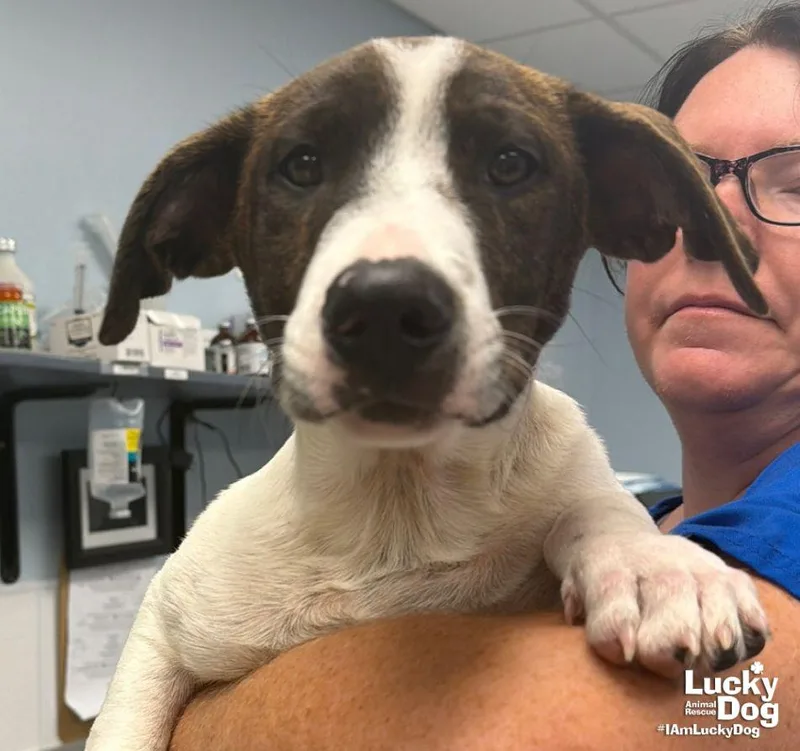
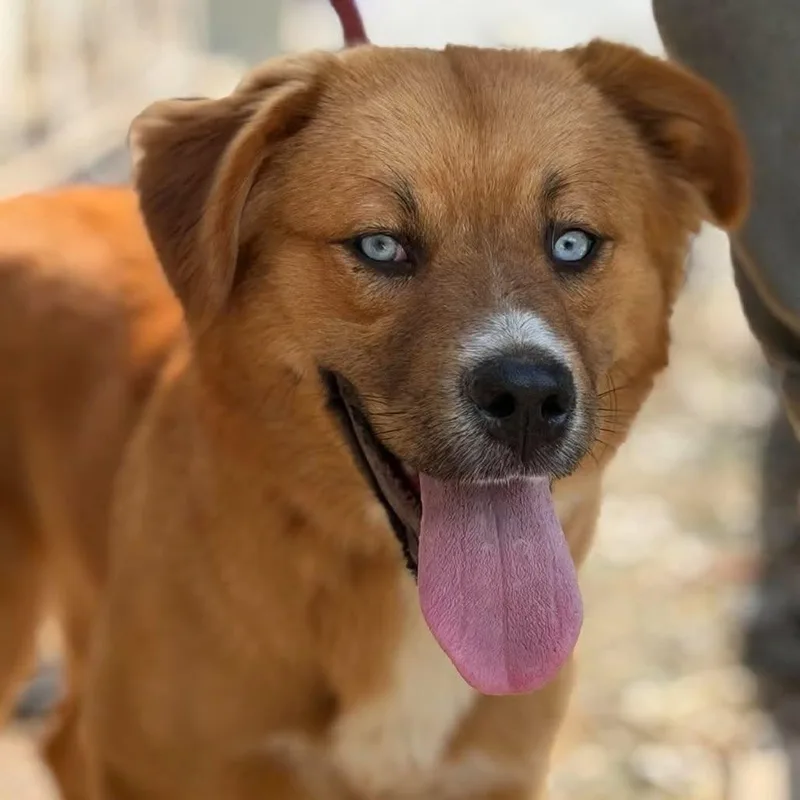
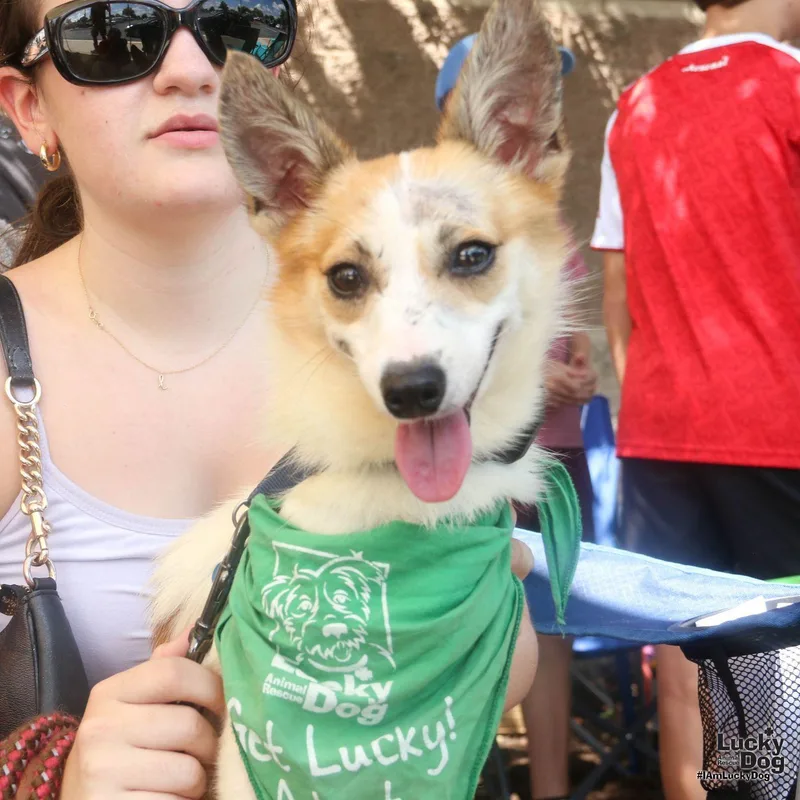
Meet your next Bluetick Coonhound

While we don't have enough dogs near Washington, keep in mind that many rescues may offer transport.

Bluetick Coonhounds Available for Adoption Near Washington

About the Bluetick Coonhound breed

The Bluetick Coonhound was developed in the American South from French and English hounds to trail raccoons through the night and hold them in a tree with a ringing bay. The coat is short, glossy and thickly mottled, which reads as dark navy blue, often with tan points and red ticking on the legs. Built for endurance, a Bluetick is deep-chested and long-eared, typically 45 to 80 pounds.

Many Blueticks are affectionate and happy to lounge near their people. Once a scent catches their nose, they can turn single-minded and stop listening, and their voice travels. In a city like DC, that means leashes, secure fencing, patient training and neighbors who can live with an occasional howl. Dogs vary, so each Bluetick's own habits matter more than the breed description.


Weight
45–80 lbs
Height
21–27 in
Lifespan
11–12 yrs
Temperament
Sweet, Vocal, Independent
Group
Hound
Shedding
Moderate

Owning a Bluetick Coonhound in Washington

Having a Bluetick Coonhound in DC

Bluetick Coonhounds pair a mellow home personality with a powerful nose and a booming voice. In DC, those hunting traits shape everyday choices like leashes, fencing and how close your neighbors are.

Temperament

Blueticks tend to be friendly and relaxed with family, and many love a couch nap. On a scent they can turn bold and stubborn, and most are vocal. Prey drive is often strong, so small pets need careful introductions. With busy DC streets and shared walls, expect to work on calm greetings and noise. Temperament varies from dog to dog.

Exercise Needs

Plan on an hour or more a day once fully grown. Long leashed walks and scent games tire a Bluetick's nose and mind. In DC, Rock Creek Park trails require a leash of six feet or shorter, which suits a hound that follows smells regardless of commands. Fenced dog parks can help, but recall is often unreliable, so stay close.

Health Considerations

Hip dysplasia, ear infections from long drop ears and bloat in deep-chested dogs are the main concerns, and less active hounds can gain weight. Check ears weekly, measure meals and avoid hard exercise right after eating. DC's humid summers can leave ears damp, so dry them after baths and rain. A veterinarian can check hips and ears after adoption.

Living Space

A Bluetick fits best in a house with a securely fenced yard, which in DC points toward neighborhoods with single-family homes. Rowhouses and apartments are possible, but the loud bay travels through shared walls, so noise is the real test. Daily exercise matters more than square footage.

What it costs to own a Bluetick Coonhound in Washington

ExpenseTypical costPer year
Adoption fee$400, one time$400 in year one
Food$55 to $110 per month$660 to $1,320
Pet insurance$55 to $110 per month$660 to $1,320
Routine vet care$250 to $500 per year$250 to $500
Other*$490 to $1,300 per year$490 to $1,300
Estimated yearly total (after year one)$2,060 to $4,440
First-year total (with adoption fee)$2,460 to $4,840

Adoption fee is the fee on Bluetick Coonhound listings in Washington on GetBuddy today. Other costs are estimates and vary with size, age and health.

* The DC dog license ($15 if spayed or neutered, $50 if not), flea, tick and heartworm prevention, a dental cleaning allowance, toys and bedding, and simple coat and ear care.

Adopt a Bluetick Coonhound in Washington.

Now that you know more, let’s find you a new best friend. These rescues and shelters below currently have Bluetick Coonhounds available.

Rescues in Washington with Bluetick Coonhounds Available

DC's adoption community includes a city shelter and several foster-based rescues, all working to place dogs of every size. Here are the rescues & shelters in the DC area where you can find Bluetick Coonhounds and other dogs available for adoption.

Frequently Asked Questions

Yes, DC has no breed ban, and its dangerous-dog rules look at a dog's behavior, not its breed. You'll need an annual license, rabies and distemper vaccinations, and a leash anywhere outside an official dog park. Because Blueticks follow scent and bay loudly, read your lease and think about building noise before committing.

It's possible, but not easy. Blueticks are often calm indoors when exercised, yet their bay carries through shared walls, and that's the usual deal-breaker in DC's dense buildings. A quieter corner unit, an hour or more of daily walking and gradual practice at being alone all help. A ground-floor unit near green space makes potty trips easier.

Leashed Blueticks are welcome on the Anacostia Riverwalk Trail, Kingman Island and Theodore Roosevelt Island, and National Park Service sites require a leash of six feet or shorter. Palisades Dog Park offers a fenced option in far Northwest. Carry waste bags and stay on marked trails, since a hound's nose can lead it astray.

Almost certainly not. Metrorail and Metrobus allow pets only in a closed carrier small enough to carry, and it can't take up a seat. A Bluetick weighs 45 to 80 pounds, so it won't fit. Only service animals ride unconfined. The DC Streetcar also requires a crate, so plan on walking or driving.

Yes, with care. Humid heat is the main constraint, and the city's Heat Emergency Plan kicks in at 95°F. Stick to dawn and evening outings, offer shade and water, and don't count on swimming, since the rivers aren't swimming water. Heavy panting, collapse or stumbling means cool the dog down and get veterinary help right away.

Sometimes, on patios. DC law lets restaurants and bars choose to allow dogs in outdoor dining areas and sidewalk cafés, and they must post a sign if they do. Dogs must stay leashed and attended, and indoor dining rooms are off-limits. A Bluetick's bay and food-seeking nose make a settled routine worth practicing first.

Very little. A weekly brushing handles shedding, with a bath every few months or when the dog gets muddy or smelly. Check and dry the long ears weekly, especially after humid summer days and rainy spring trails, and wipe paws after winter salt. Most owners groom at home, so any professional grooming falls in the modest Other cost line.

It can be, for the right household. Blueticks suit adopters who can give a long daily walk, keep a leash on outdoors and live where a bay won't cause conflict, such as a house with a fenced yard in a neighborhood like Shepherd Park or Deanwood. Long workdays or thin walls can make the noise and energy a stretch.

We have 1 rescue with Bluetick Coonhounds available: K-9 Lifesavers. You can see every rescue with Bluetick Coonhounds available in the list above these questions, or scroll to the top to see the Bluetick Coonhounds near Washington.

A Bluetick in DC typically runs about $2,060 to $4,440 a year. Food is $55 to $110 a month and pet insurance $55 to $110 a month. Routine vet care adds $250 to $500 a year, and other costs such as the license, parasite prevention and dental care add $490 to $1,300.