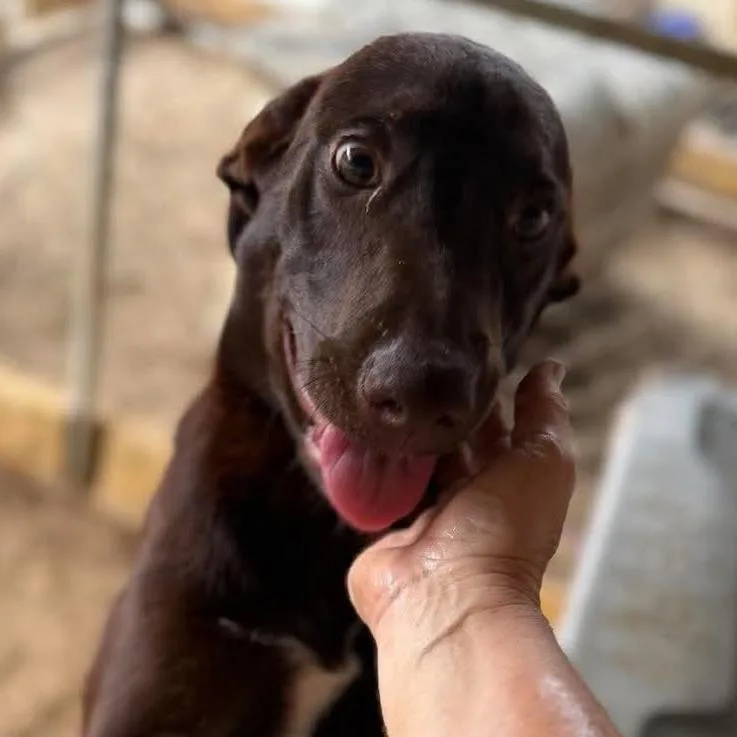
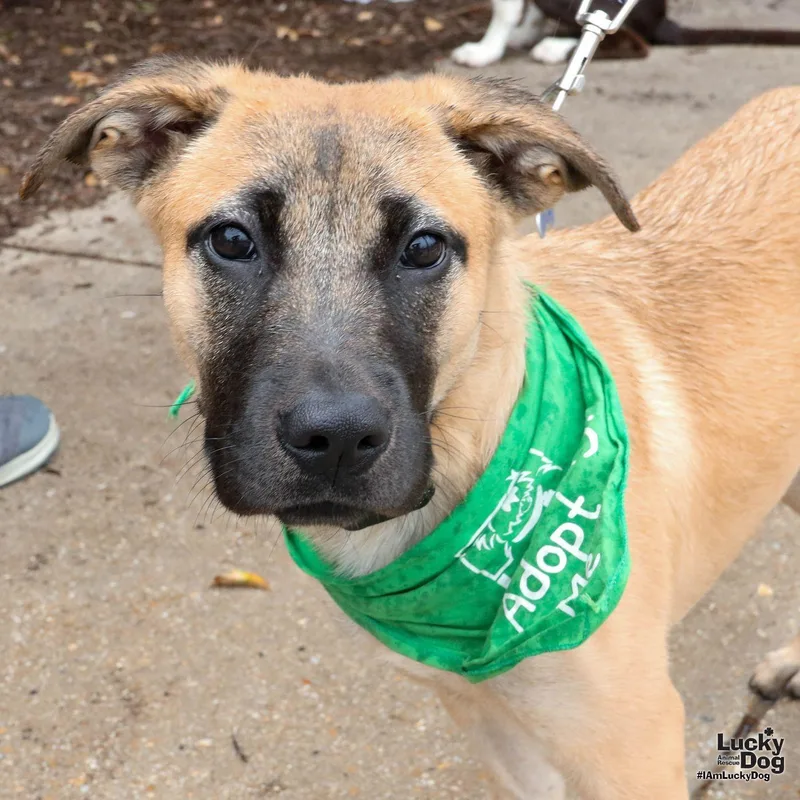
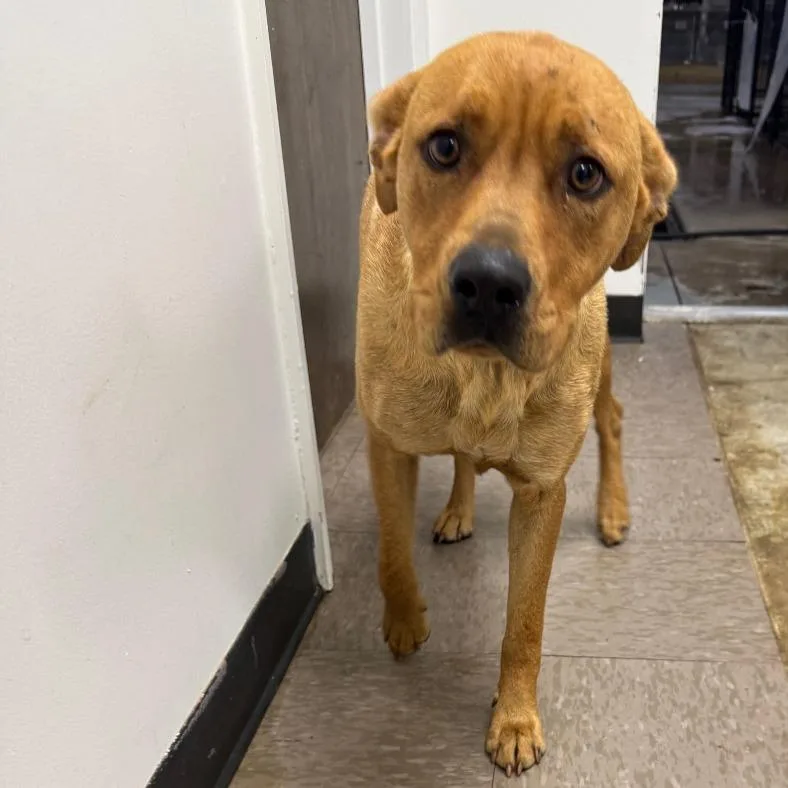
Black Labrador Retriever Dogs for Adoption in Washington, DC

Your guide to finding and caring for a Black Labrador Retriever in DC

Black Labs suit Brookland and Petworth, where porch-front houses and quiet sidewalks make daily walks easy. They're friendly with neighbors and other dogs, so a loop along the Metropolitan Branch Trail or a stroll down Georgia Avenue tends not to faze them. What a black Lab needs is real exercise, a game of fetch, and shade on humid July afternoons, since that dark coat soaks up the sun. If you're thinking of adopting one in DC, plan on a long walk before work.

2940 Black Labrador Retrievers available in Washington and nationwide

Find your Black Labrador Retriever

Black Labrador Retrievers Available for Adoption Near Washington

About the Black Labrador Retriever breed

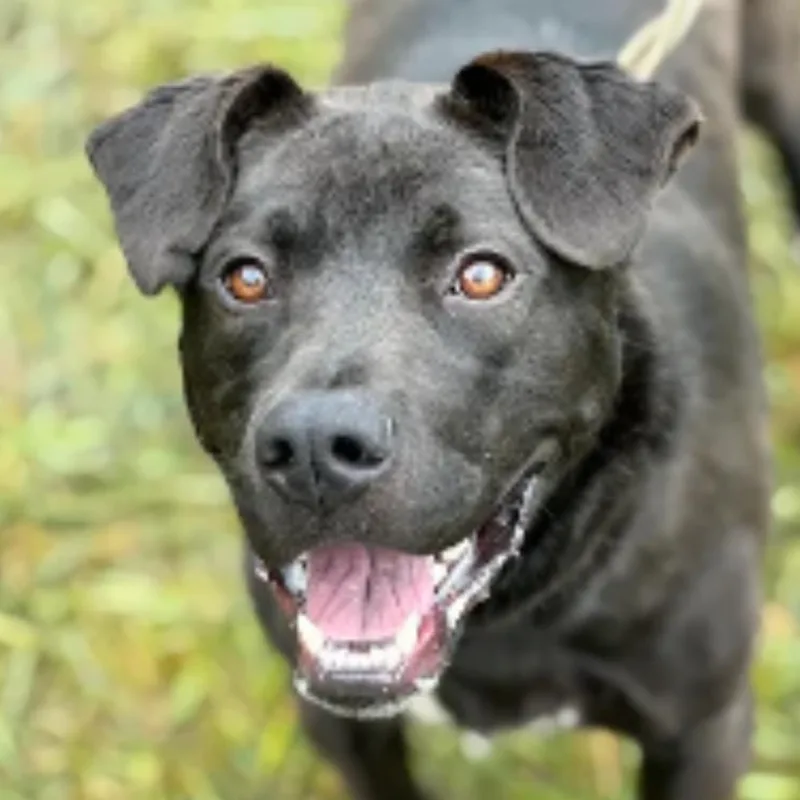
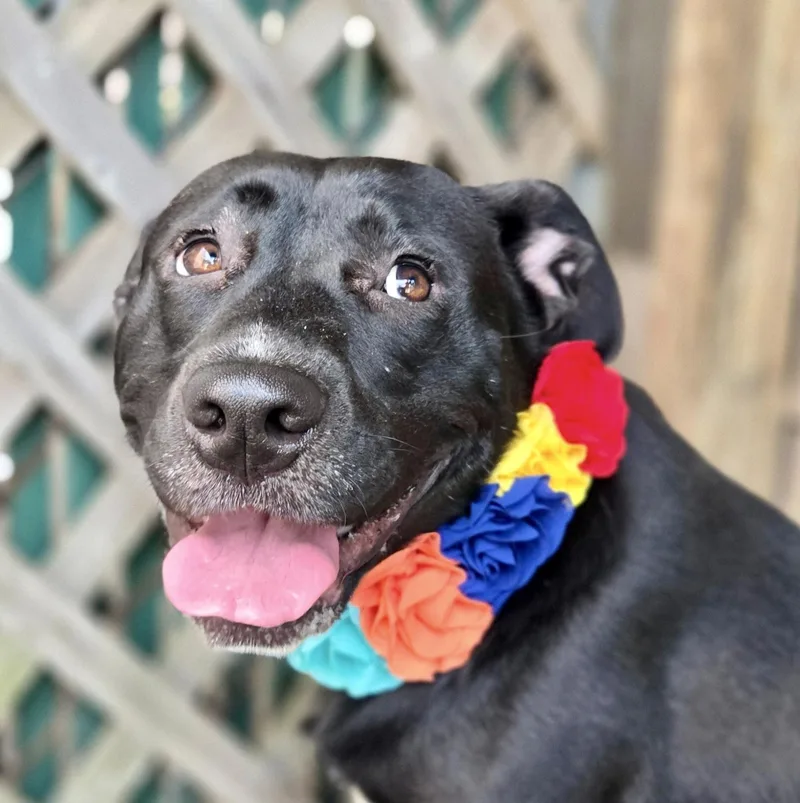
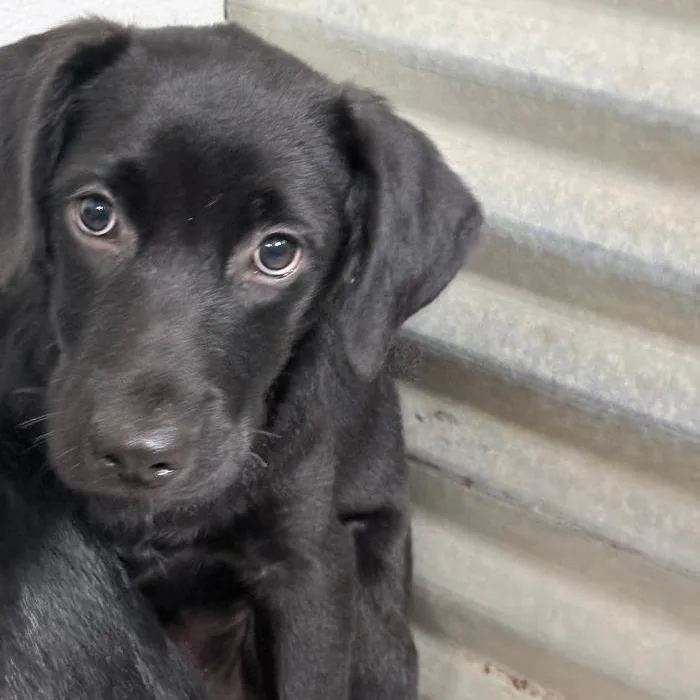
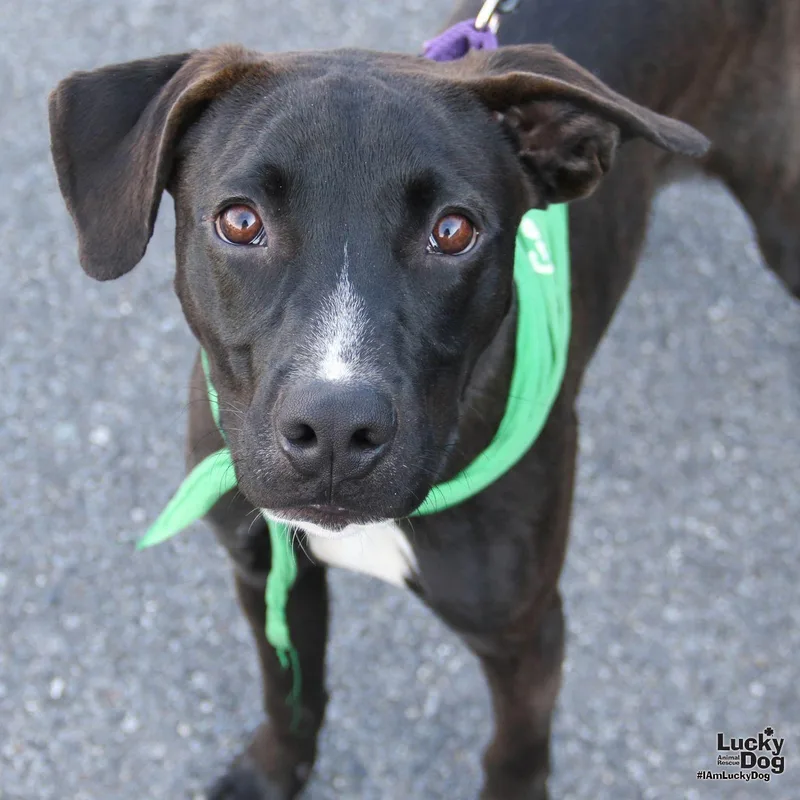
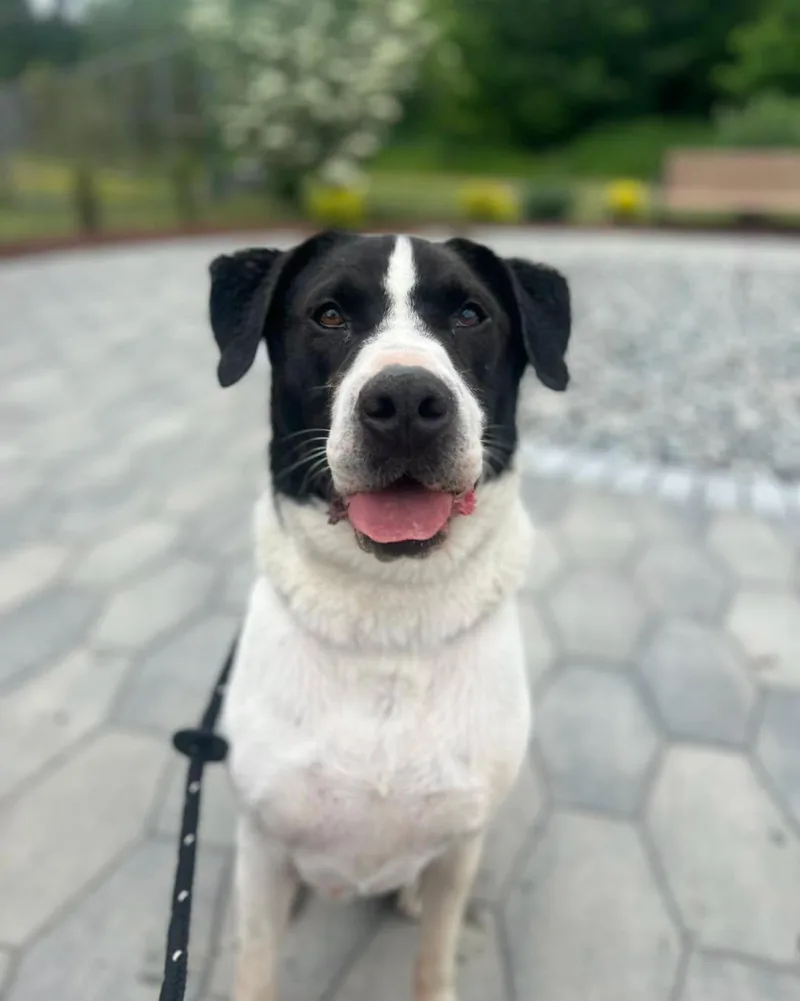
A black Labrador Retriever is a Lab in the breed's original and most familiar color, not a separate breed. The earliest Labs descended from the St. John's water dogs of Newfoundland and were refined by British sportsmen into gun dogs, and most were black. They have a broad head, an otter tail, a dense water-resistant double coat and sometimes a small white chest spot.

Color doesn't change personality, so a black Lab is usually as friendly, food-motivated and eager to please as any other Lab. Field-bred dogs tend to be leaner and more driven than show-bred ones. Expect a dog that needs daily exercise, consistent training, measured portions and lots of brushing during shedding season, and that matures slowly through a bouncy adolescence.

Weight
55–80 lbs
Height
21–25 in
Lifespan
10–14 yrs
Temperament
Friendly, Outgoing, Active
Group
Sporting
Shedding
Moderate to High

Owning a Black Labrador Retriever in Washington

Having a Black Labrador Retriever in DC

Black Labs pair a sociable outlook with real working stamina, so energy, appetite and seasonal shedding shape daily life more than coat color does. In Washington, the match comes down to a dog's age and drive and how much time you can give to walks and training.

Temperament

Black Labs tend to be friendly and outgoing, which helps on busy DC sidewalks and at dog parks. Young dogs can be mouthy and boisterous, and their love of food makes reward-based training work well. A dog's history and socialization matter more than breed reputation or coat color, so watch how each dog handles new people and places.

Exercise Needs

Most grown black Labs need a brisk walk or run plus fetch or scent games every day. In DC, that can mean a loop on the Metropolitan Branch Trail, a session at an official dog park, or a long leashed walk in Rock Creek Park. Field-bred dogs usually need more, and seniors still benefit from gentler daily outings.

Health Considerations

Labs, whatever their color, can face hip and elbow dysplasia, cruciate ligament tears, exercise-induced collapse, eye disease and ear or skin problems, and many gain weight easily. Measure meals and keep up regular weigh-ins. A veterinarian can check the hips and elbows. Raccoons and bats carry rabies in DC, so keep vaccinations current.

Living Space

A black Lab can live in a Washington rowhouse or apartment if daily exercise is covered. A fenced yard helps but doesn't replace walks. At 55 to 80 pounds, stairs and elevator waits matter. Dark coats absorb heat, and shed hair and a sweeping tail come with a dog that wants to live indoors.

What it costs to own a Black Labrador Retriever in Washington

ExpenseTypical costPer year
Adoption fee$475, one time$475 in year one
Food$55 to $110 per month$660 to $1,320
Pet insurance$65 to $130 per month$780 to $1,560
Routine vet care$250 to $500 per year$250 to $500
Other*$590 to $1,465 per year$590 to $1,465
Estimated yearly total (after year one)$2,280 to $4,845
First-year total (with adoption fee)$2,755 to $5,320

Adoption fee is the fee on Black Labrador Retriever listings in Washington on GetBuddy today. Other costs are estimates and vary with size, age and health.

* The $15 DC dog license for a spayed or neutered dog, flea, tick and heartworm prevention, a dental cleaning allowance, toys and bedding, and brushing and baths for heavy seasonal shedding.

Adopt a Black Labrador Retriever in Washington.

Now that you know more, let’s find you a new best friend. These rescues and shelters below currently have Black Labrador Retrievers available.

Rescues in Washington with Black Labrador Retrievers Available

DC's adoption community includes the city's animal shelter, a large private shelter and foster-based rescues. Here are the rescues & shelters in the DC area where you can find Black Labrador Retrievers and other dogs available for adoption.

Frequently Asked Questions

Often, yes, if you can give a black Lab a long walk or play session every day. They're sociable and handle DC's crowded sidewalks and dog parks well. They do poorly with long days alone, so a work-from-home schedule or a midday walker helps. Heavy shedding and humid summers are the main trade-offs.

Yes. DC has no breed-specific restrictions, and its dangerous-dog rules look only at a dog's behavior. Owners must keep dogs leashed outside official dog parks, and anyone keeping seven or more animals over four months old needs an animal hobby permit. Rental lease terms are the more likely hurdle for a large dog.

Yes, many do well in apartments, from Columbia Heights mid-rises to Southwest Waterfront condos, when daily exercise is covered. Plan on two or three walks, play time and some training for indoor manners. Ask about stairs, elevators and nearby green space, and note that a 55 to 80 pound dog needs a clear route outside.

They can with care. About 40 days a year reach 90°F, and a dark coat absorbs heat, so walk early or after dusk, carry water, and keep pavement time short. DC law bars leaving a dog outdoors unattended for over 15 minutes above 90°F, and a parked car is never safe.

For off-leash play, Alethia Tanner Park sits right on the Metropolitan Branch Trail, and Kingsman and Swampoodle are other fenced options. For leashed walks, try Kingman Island, the Anacostia Riverwalk Trail and Theodore Roosevelt Island. National park land requires a leash of six feet or less and waste pickup.

Generally no. Metro trains and buses allow pets only in a closed carrier small enough to carry, and a 55 to 80 pound Lab won't fit one. Only service animals ride unconfined. The DC Streetcar also requires a crate. For a Lab, plan on walking, rideshare or a car.

Sometimes, outdoors only. DC law lets restaurants and bars choose whether to allow dogs on patios and sidewalk cafés, and those that do must post a sign. Keep your Lab leashed and never leave it unattended. Indoor dining rooms remain off-limits, and a restaurant can restrict dogs by size or temperament.

A short weekly brushing keeps a black Lab's coat healthy, with daily brushing during the heavy spring and fall sheds. Humid summers and muddy, salty winter walks mean more baths and paw wipes. Budget about $100 to $300 a year for brushing and baths, which is counted in the Other costs above.

We have 1 rescue with Black Labrador Retrievers available: City Dogs & City Kitties Rescue. You can see every rescue with Black Labrador Retrievers available in the list above these questions, or scroll to the top to see the Black Labrador Retrievers near Washington.

Expect roughly $2,280 to $4,845 a year for a black Lab in DC. That covers food at $55 to $110 a month, insurance at $65 to $130 a month, routine vet care at $250 to $500 a year, and other costs of $590 to $1,465. Emergencies, training and boarding add more.