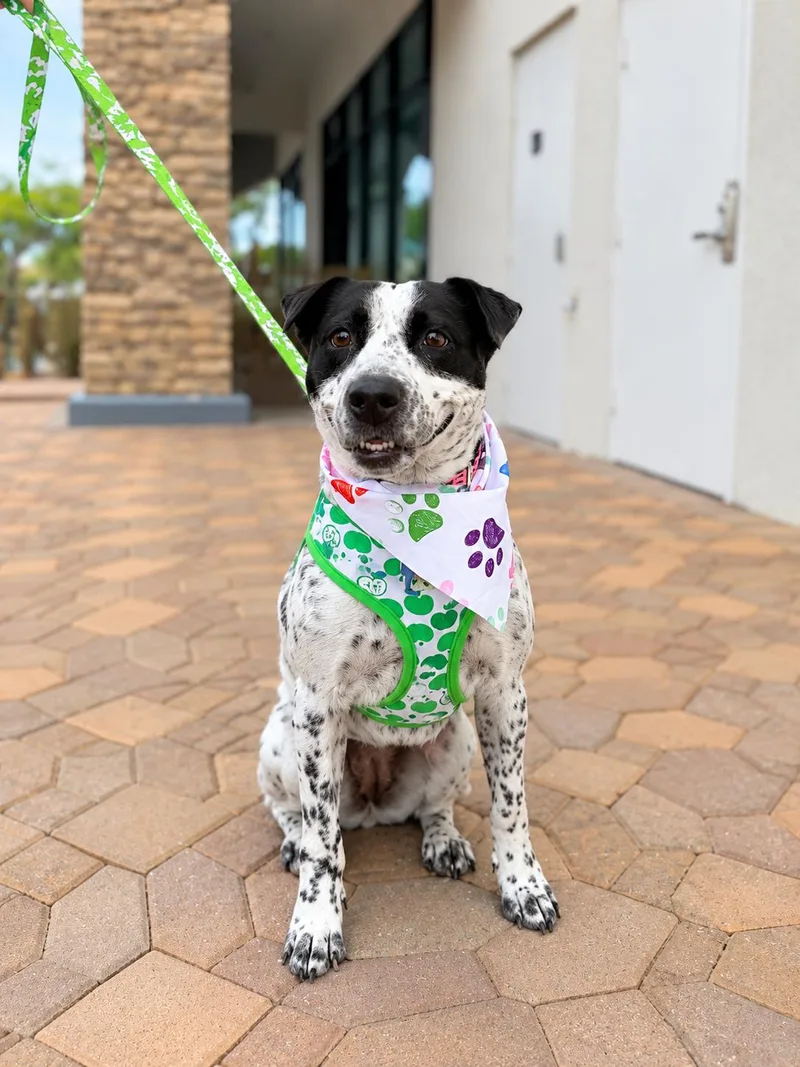
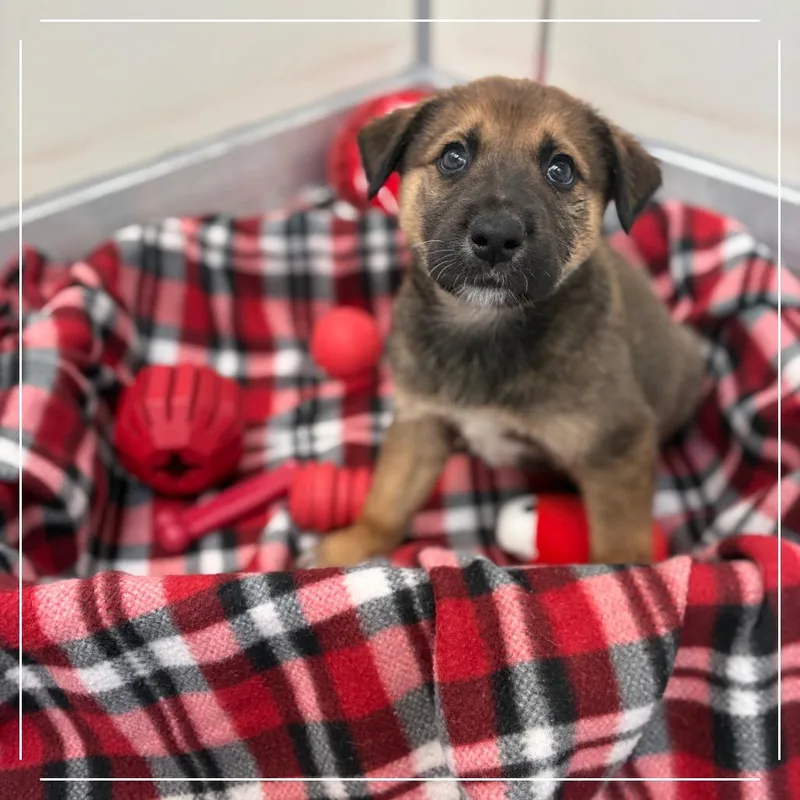
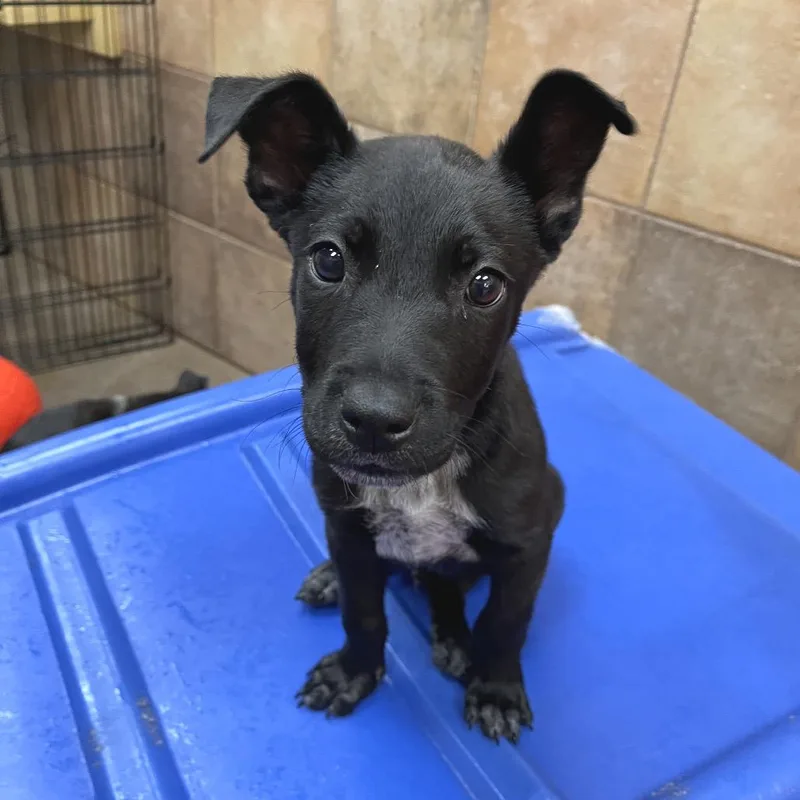
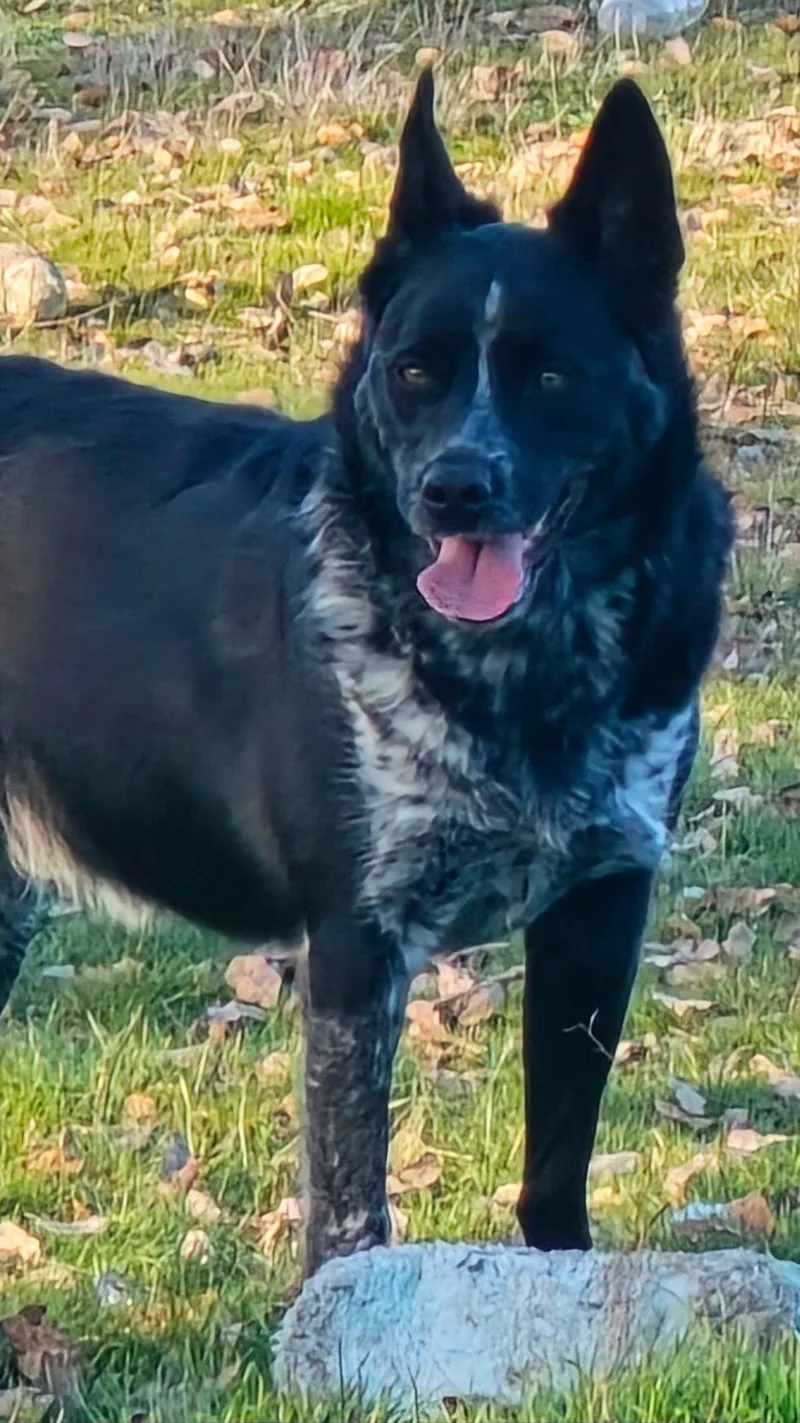
Cattle Dogs for Adoption in Sun Valley, CA

Your guide to finding and caring for a Cattle Dog in Sun Valley

1181 Cattle Dogs available in Sun Valley and nationwide

Fall for a Cattle Dog

Cattle Dogs Available for Adoption Near Sun Valley

About the Cattle Dog breed

Cattle Dog is a label rather than one breed. In shelters it most often means an Australian Cattle Dog, the Blue or Red Heeler, or a mix with one, though it can also cover Texas Heelers, Stumpy Tail Cattle Dogs and crosses with Border Collies, Labs and many others. The Australian Cattle Dog was developed in nineteenth-century Australia by crossing collie-type herders with dingoes, creating a tough, compact drover that moves cattle by nipping their heels.

Most dogs adopters meet under this label are medium-sized, muscular and short-coated, with plenty of stamina and a sharp, independent mind. Many bond tightly with their people, stay wary of strangers and want a job to do. Mixes vary in size, coat and energy, so the individual dog's history, foster notes and behavior tell you more than the label does.

Weight
30–50 lbs
Height
17–20 in
Lifespan
12–16 yrs
Temperament
Energetic, Loyal, Intelligent, Protective
Group
Herding
Shedding
Moderate

Owning a Cattle Dog in Sun Valley

Having a Cattle Dog in Sun Valley

Dogs labeled Cattle Dog usually share a working heeler's drive, endurance and quick thinking, whatever their exact mix. Those traits make them brilliant partners for active people and a real challenge for sedentary homes, so understanding them helps adopters choose the right individual.

Temperament

Cattle dogs tend to be loyal, alert and devoted to one person or family, often reserved with strangers. Many try to herd running children, bikes or other pets by nipping, and some guard their home or belongings. Early socialization and training help a lot. Mixes vary, so ask about each dog's behavior with kids, dogs and cats.

Exercise Needs

Most cattle dogs need at least an hour of vigorous activity daily, such as running, hiking, fetch, swimming or dog sports once fully grown. Mental work matters just as much: herding games, puzzle toys, scent work and training sessions prevent boredom chewing, barking and escape attempts. Many settle calmly at home once both needs are met.

Health Considerations

Australian Cattle Dogs and their mixes are often hardy, but congenital deafness, progressive retinal atrophy, lens luxation and hip or elbow dysplasia occur. Their fearless style also leads to injuries such as cruciate ligament tears. Ask whether a dog's hearing has been checked, keep it lean, and schedule regular veterinary exams.

Living Space

A home with a securely fenced yard suits most cattle dogs, though active owners in apartments can succeed with dependable daily exercise. Space matters less than routine and engagement. Many are skilled escape artists when bored, so check fences and gates. Expect a dog that wants to be where you are, indoors with the family.

What it costs to own a Cattle Dog

ExpenseTypical costPer year
Food$35 to $70 per month$420 to $840
Pet insurance$45 to $85 per month$540 to $1,020
Routine vet care$225 to $450 per year$225 to $450
Other*$440 to $1,190 per year$440 to $1,190
Estimated yearly total (after year one)$1,625 to $3,500

Other costs are national averages for Cattle Dogs; we don't have costs specific to Sun Valley yet.

* Flea, tick and heartworm prevention, a dental cleaning allowance, a dog license, durable toys and bedding, and light home grooming; costs vary with the individual dog's size and coat.

Adopt a Cattle Dog in Sun Valley.

Now that you know more, let’s find you a new best friend. These rescues and shelters below have dogs available in and near Sun Valley.

Rescues and Shelters in or near Sun Valley

Here are the rescues & shelters in the Sun Valley area with dogs available for adoption, worth asking whether a Cattle Dog is coming in.

Frequently Asked Questions

Most cattle dogs live about 12 to 16 years, and many Australian Cattle Dogs reach 13 or 14. Mixes can fall anywhere in that range. Keeping a dog lean, active, vaccinated and up to date on veterinary exams supports a long life, though no breed label can promise a particular lifespan for a particular dog.

A cattle dog is usually an Australian Cattle Dog, also called a Blue or Red Heeler, or a mix with one. These medium-sized, muscular herding dogs were developed in Australia to drive cattle by nipping at their heels. They are known for stamina, intelligence, loyalty and a strong need for activity and a job to do.

Most cattle dogs are medium-sized, typically weighing about 30 to 50 pounds and standing 17 to 20 inches at the shoulder. Purebred Australian Cattle Dogs sit toward the middle of that range, while mixes can be smaller or larger depending on their other ancestry. They look compact and sturdy rather than lanky.

In shelters, "cattle dog" is a label more than one breed. It most often means an Australian Cattle Dog or a mix with one, but it can also cover Texas Heelers, Stumpy Tail Cattle Dogs and crosses with other herders. The shared thread is a heeler's drive, intelligence and need for exercise and mental work.

Yes, cattle dogs shed at a moderate level. Their double coat has a short, dense undercoat that is released heavily once or twice a year, with lighter shedding in between. Weekly brushing, and daily brushing during seasonal blowouts, keeps hair manageable. They are not hypoallergenic, so allergy-prone adopters should spend time with the dog first.

Train a cattle dog with short, varied, reward-based sessions that challenge its mind. Start with basics like sit, recall and settling on a mat, then add puzzles, tricks or scent work. These dogs are smart and independent, so be consistent, fair and patient. Harsh methods can backfire, and early socialization is especially important for this wary, protective type.

Cattle dogs can be wonderful pets for active people who enjoy training and give them daily exercise and a job. They tend to be loyal and devoted. They may be a poor fit for sedentary homes or families with small children, since many nip while herding. Mixes vary, so take each dog as an individual.

A cattle dog looks sturdy, compact and muscular, with a broad skull, dark oval eyes and upright ears. The short double coat is usually blue, blue-speckled or red-speckled, often with tan or black markings and sometimes a mask. Many have a long, hanging tail. Mixes can look quite different, with varied coats and sizes.

Most cattle dogs reach their adult height around 12 months, then keep filling out and gaining muscle until roughly 18 to 24 months. Timing varies, especially in mixes, so a dog's eventual size can be hard to predict. Mentally, many stay puppyish until two or three, so training should continue well past physical growth.

Most cattle dogs enjoy water and swim well, and many love splashing in sprinklers, kiddie pools or lakes. Swimming is a great low-impact way to burn energy. Individual dogs differ, so introduce water gradually and never force it. Supervise around deep water, and consider a life vest for new swimmers.

Explore Other Breeds in Sun Valley

Looking for a different breed? Browse other dogs available for adoption in Sun Valley.