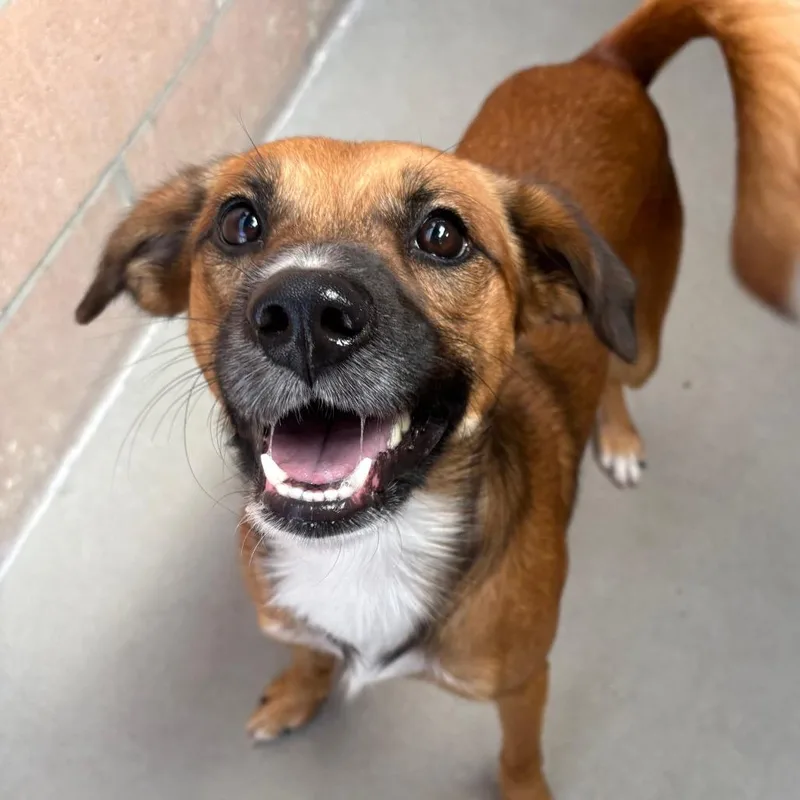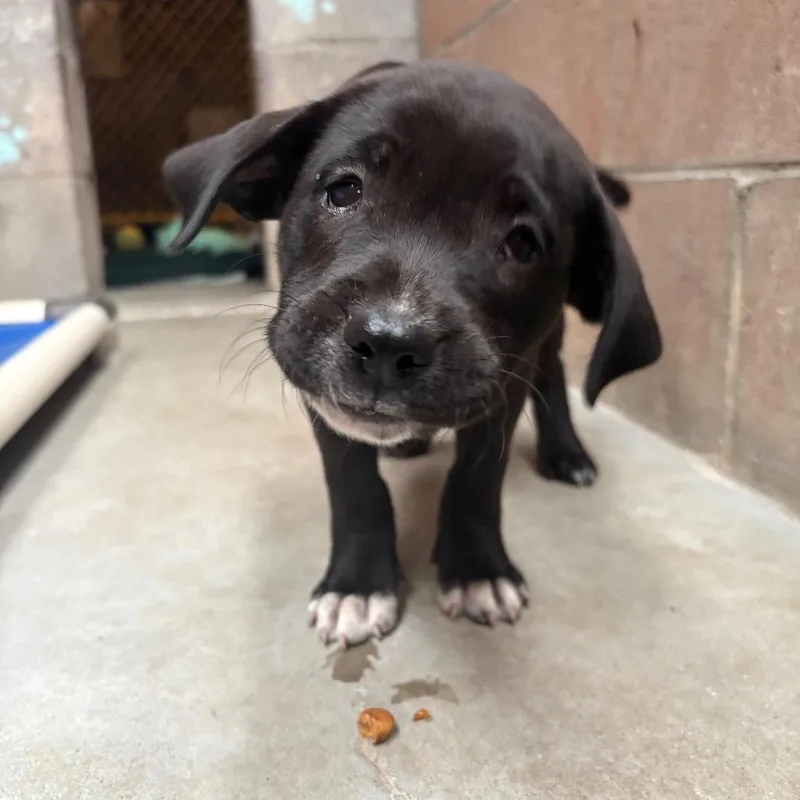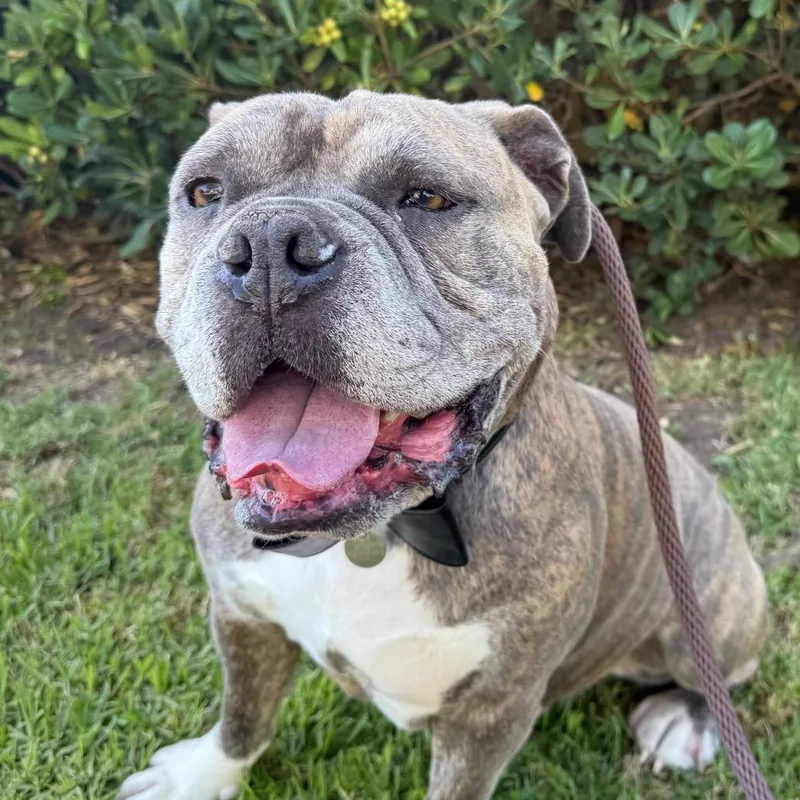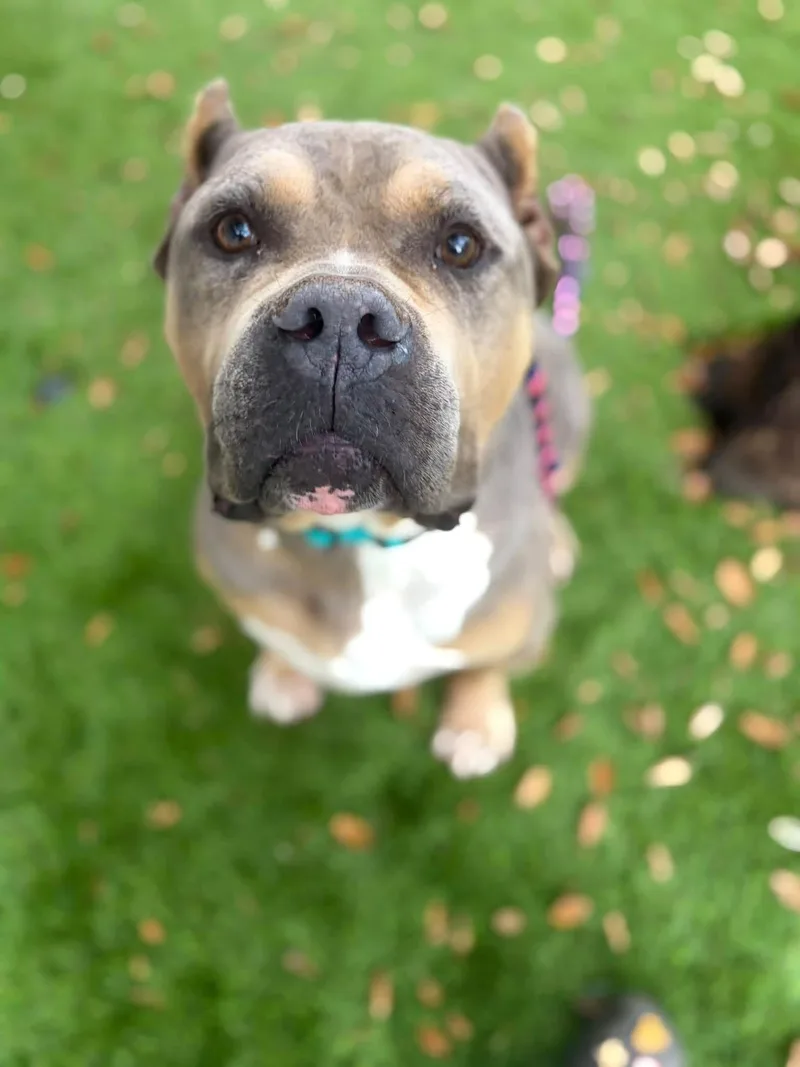
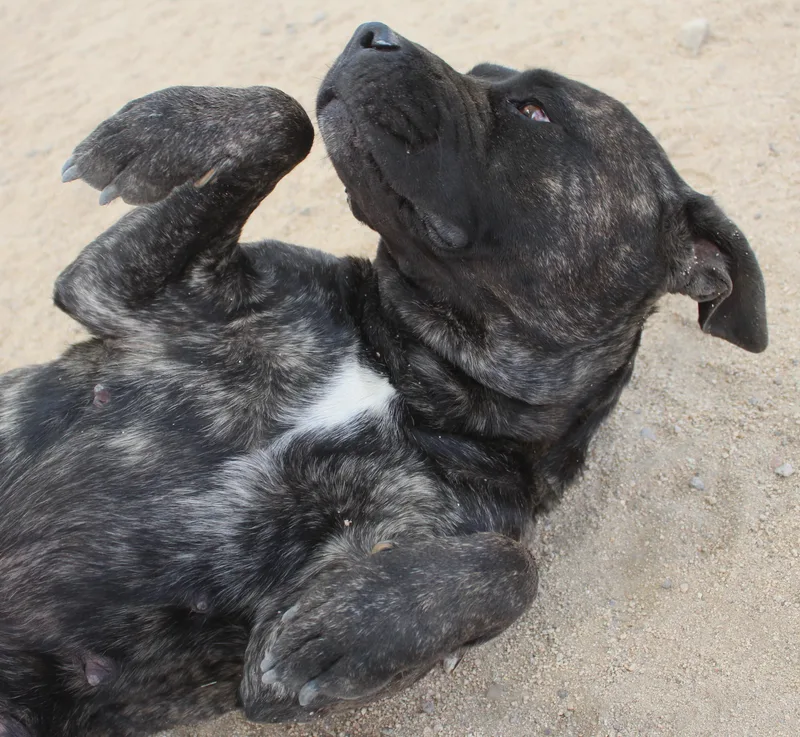
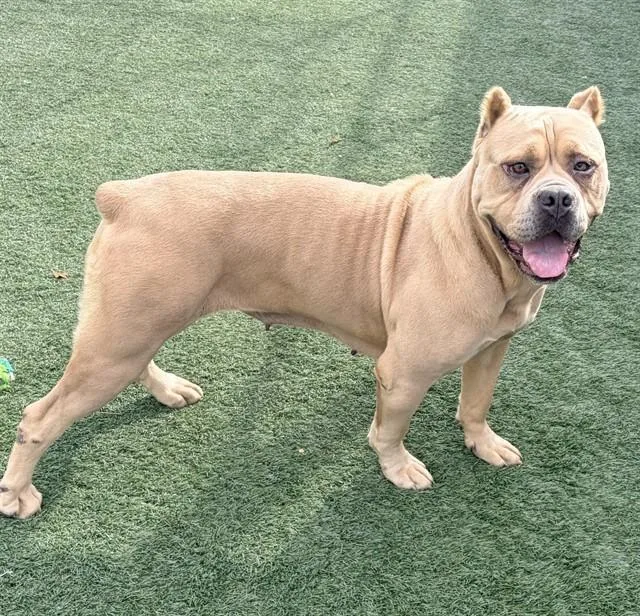
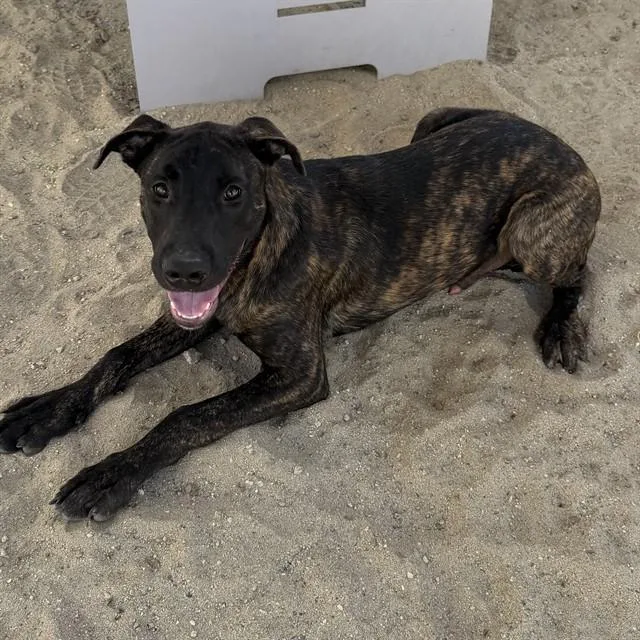
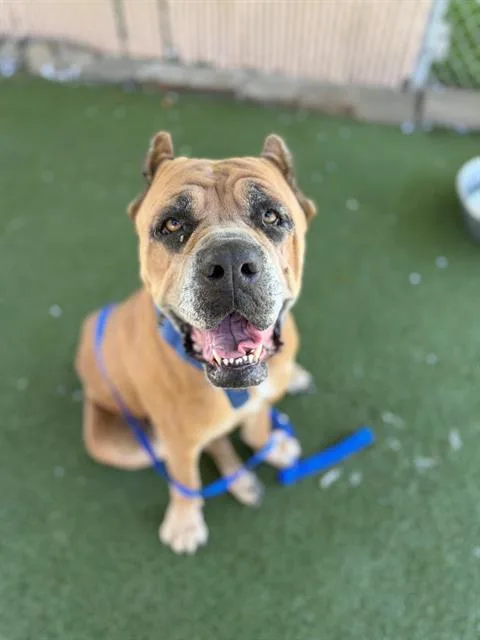
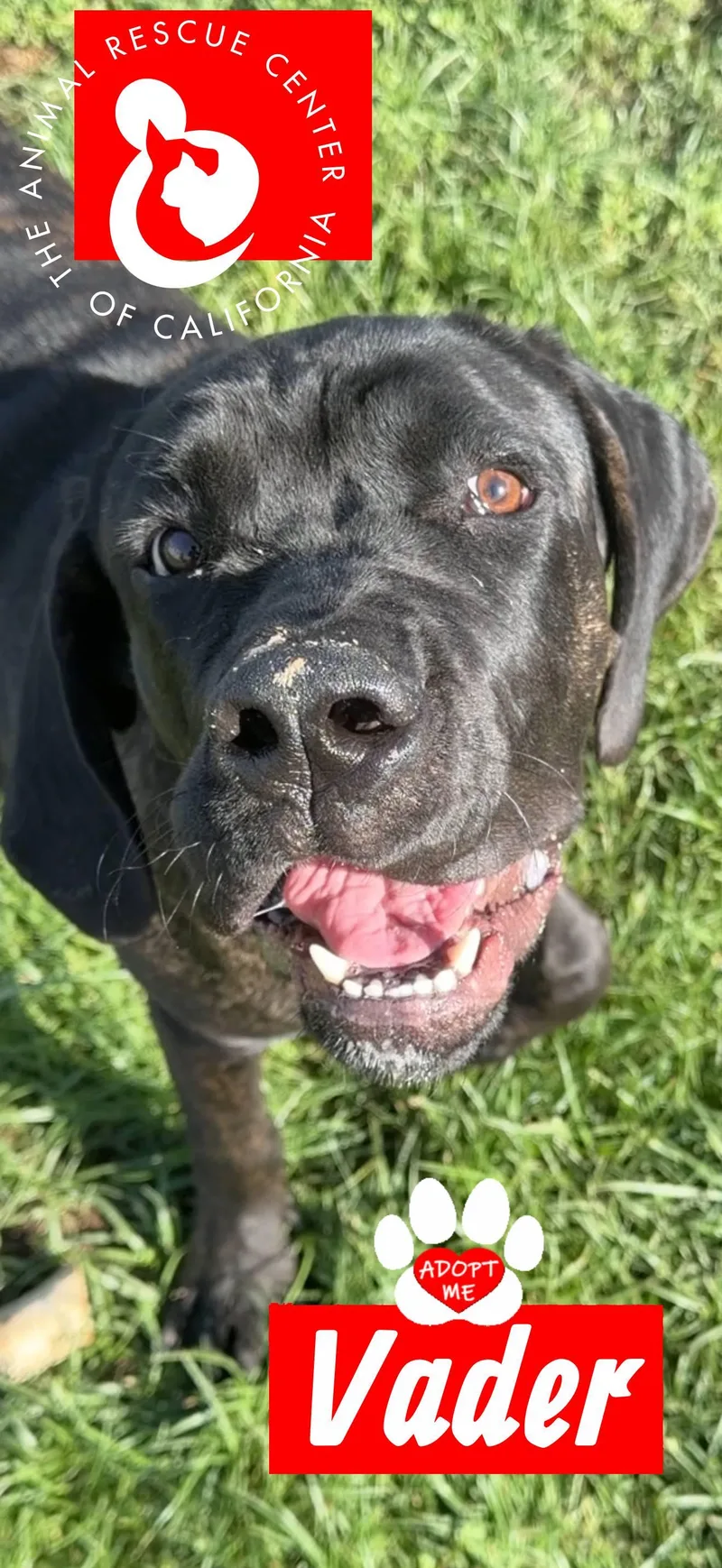
Mastiff Dogs for Adoption in Santa Barbara, CA

Your guide to finding and caring for a Mastiff in Santa Barbara

A Mastiff suits Santa Barbara's mellow pace, as long as the home has room. Most are happy with a slow stroll and a long nap, which fits the Mesa, where a walk to Douglas Family Preserve and its ocean views makes a full outing. Single-family streets in Alta Mesa and Bel Air give a dog this big space to sprawl. Steep Riviera hills and small walk-ups are harder, since a 150-pound dog is tough to haul up stairs or pull back on a slope.

944 Mastiffs available in Santa Barbara and nationwide

Give a Mastiff a home

While we don't have enough dogs near Santa Barbara, keep in mind that many rescues may offer transport.

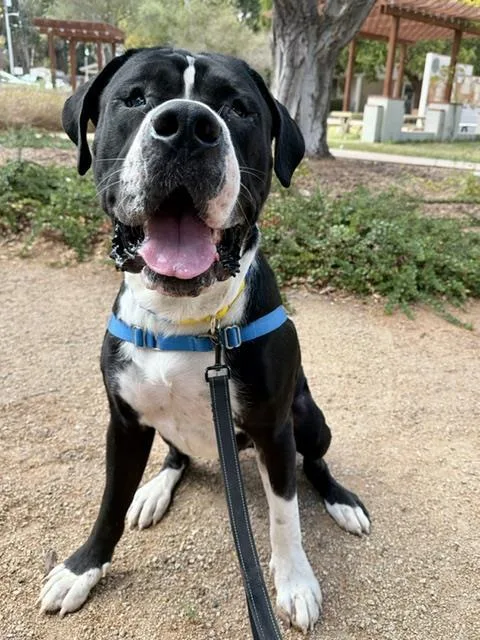
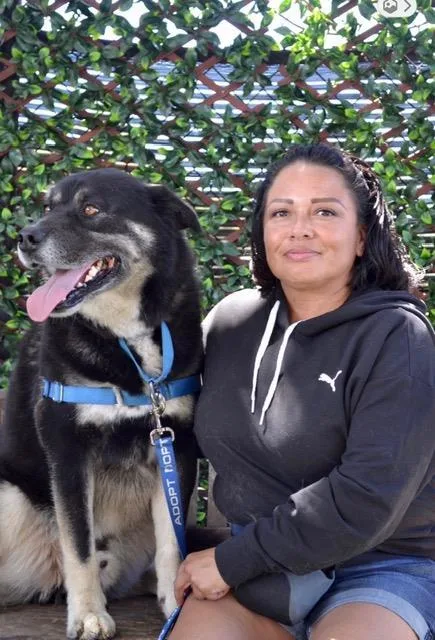
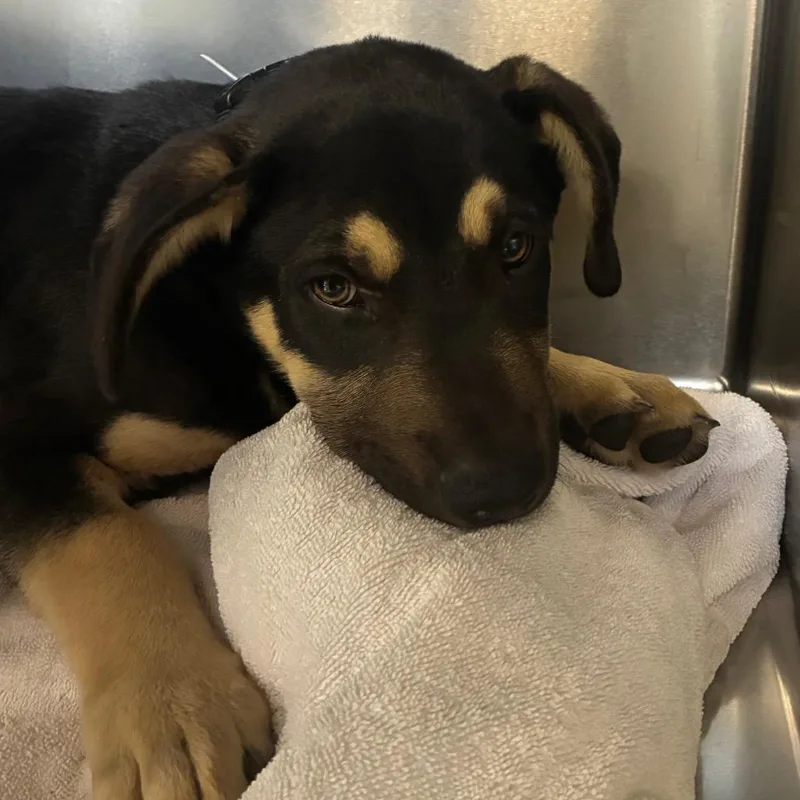
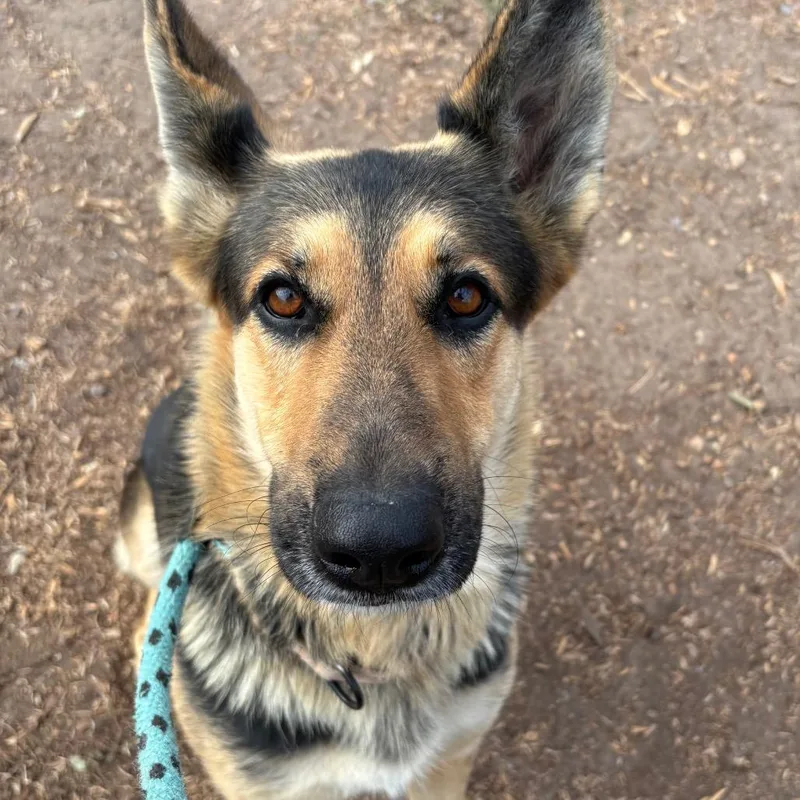
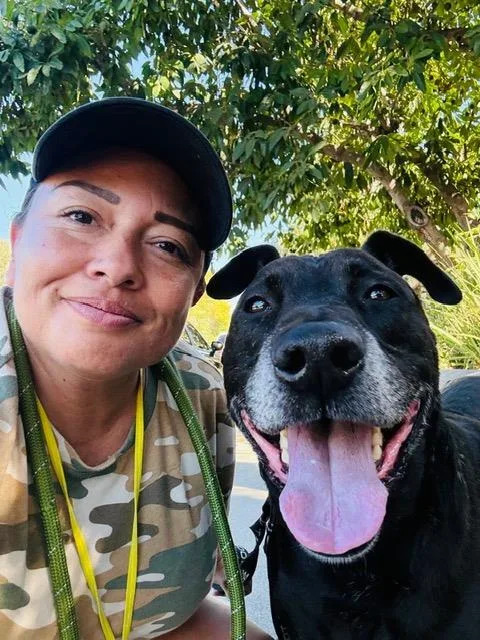
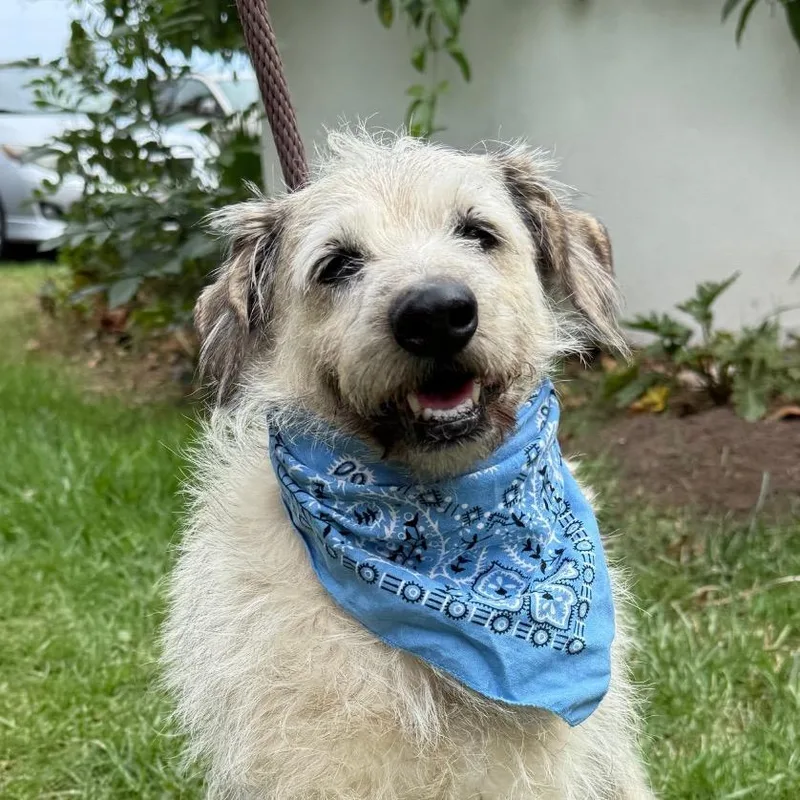
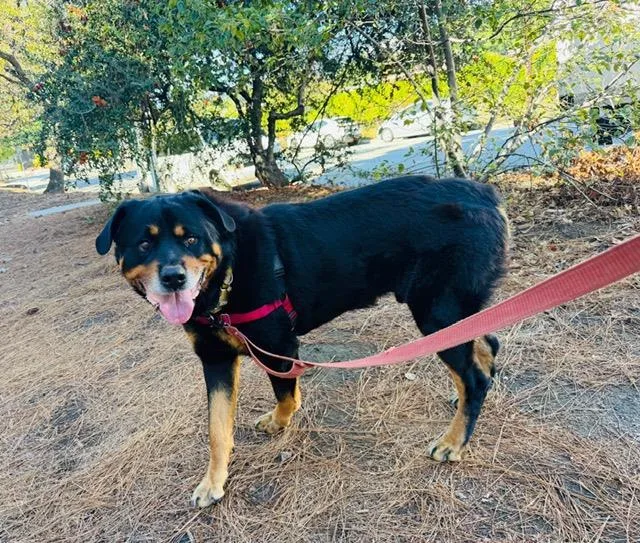
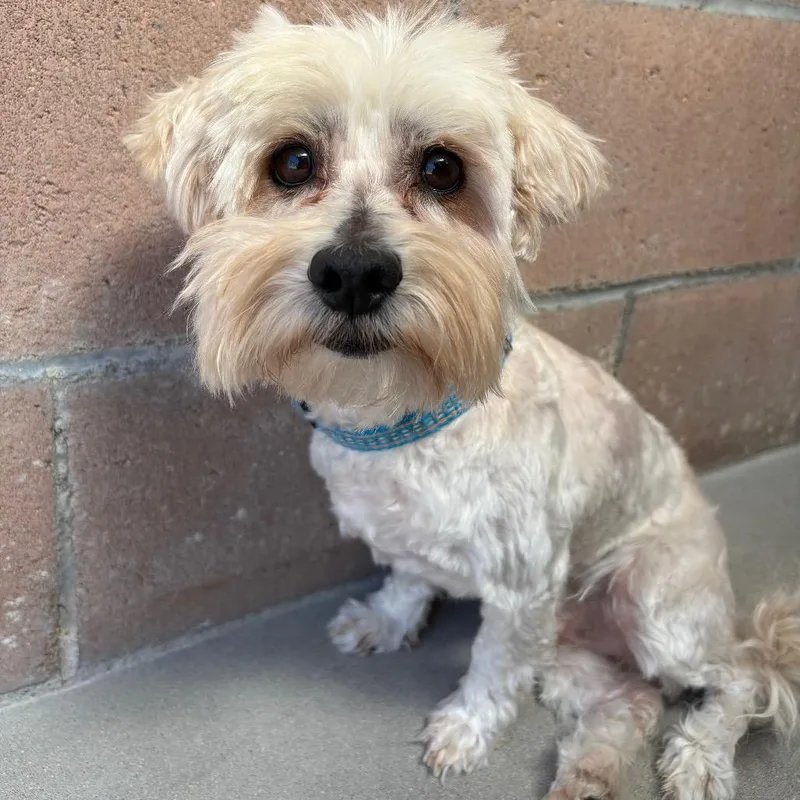
Mastiffs Available for Adoption Near Santa Barbara

About the Mastiff breed

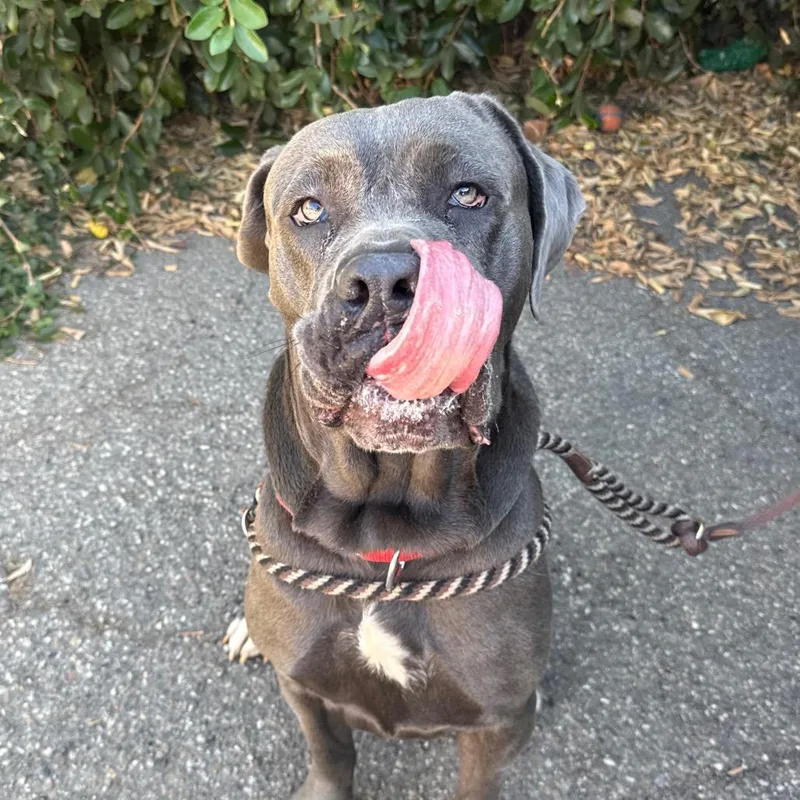
The Mastiff, often called the English Mastiff, is a massive, heavy-boned guardian with a broad head, dark mask and short fawn, apricot or brindle coat. Large guard dogs have lived in Britain for centuries, and the modern breed nearly disappeared after World War II before a small group of dogs rebuilt it.

Most Mastiffs are calm, dignified and gentle at home, with a quiet protectiveness toward their people. They're usually couch-lovers rather than athletes, but their size changes every part of daily life: a leaning, drooling dog needs early training, sturdy gear and a budget for giant-breed food and veterinary care. Lifespans are shorter than for smaller breeds, often under ten years, and dogs vary in energy and manners.

Weight
120–230 lbs
Height
27–36 in
Lifespan
6–10 yrs
Temperament
Gentle, Dignified, Protective
Group
Working
Shedding
Moderate

Owning a Mastiff in Santa Barbara

Having a Mastiff in Santa Barbara

A Mastiff's steady nature comes in one of the heaviest bodies in the dog world. These cards cover how that size shapes exercise, health and housing in Santa Barbara, so you can judge whether a giant guardian fits your home and routine.

Temperament

Mastiffs tend to be good-natured, calm and affectionate with family, and many are patient with respectful children. They're naturally watchful and often aloof with strangers, so steady socialization matters. Start reward-based training early, because a stubborn adult this heavy can't be physically managed. Each dog's personality differs, so spend time with the dog before deciding.

Exercise Needs

Adult Mastiffs usually need moderate exercise, such as daily walks and relaxed play, rather than long runs. Santa Barbara's mild days make that easy, but keep outings short and shaded in warm spells. Puppies should avoid stairs, jumping and forced running while joints develop. Sniffing walks and short training sessions keep the mind busy.

Health Considerations

Mastiffs are prone to hip and elbow dysplasia, bloat, obesity and bone cancer, and some carry heart disease, eye conditions or cystinuria. Bloat is an emergency, so learn its signs. Keeping a Mastiff lean protects its joints. A veterinarian can check hips and heart and set up regular visits, since giant breeds age faster.

Living Space

Mastiffs are quiet indoors, but a home with few stairs and room to sprawl suits them best. In Santa Barbara, that points to single-family streets or ground-floor and elevator apartments. Plan for a giant crate, a sturdy car setup and space for a tail at table height. Washable covers and drool towels help.

What it costs to own a Mastiff in Santa Barbara

ExpenseTypical costPer year
Food$80 to $160 per month$960 to $1,920
Pet insurance$85 to $170 per month$1,020 to $2,040
Routine vet care$250 to $500 per year$250 to $500
Other*$590 to $1,690 per year$590 to $1,690
Estimated yearly total (after year one)$2,820 to $6,150

Other costs are estimates and vary with size, age and health.

* Giant-dose flea, tick and heartworm prevention, a dental cleaning allowance, the City of Santa Barbara dog license, durable toys and bedding, basic coat care and joint supplements.

Adopt a Mastiff in Santa Barbara.

Now that you know more, let’s find you a new best friend. These rescues and shelters below currently have Mastiffs available.

Rescues in Santa Barbara with Mastiffs Available

Santa Barbara's adoption community includes a county shelter and nonprofit rescues, several of them along Overpass Road near Goleta. Here are the rescues & shelters in the Santa Barbara area where you can find Mastiffs and other dogs available for adoption.

Frequently Asked Questions

Generally no. Santa Barbara MTD buses allow small pets only in approved carriers, and a Mastiff is far too big for one. Service animals are welcome and ride on the floor out of the aisle. Amtrak's Pacific Surfliner caps pet plus carrier at 20 pounds, so plan to drive your Mastiff, with a sturdy, well-ventilated car setup.

Yes, it's one of the easier climates for the breed. Highs stay in the mid-60s to mid-70s, with only about five days a year at 90°F or above, mostly in October. Mastiffs overheat easily, so walk in cooler hours during fall sundowner winds and keep fresh water and shade available. Wildfire smoke days call for staying indoors.

Douglas Family Preserve on the Mesa has ocean views and a posted off-leash area, and MacKenzie Park has a fenced large-dog area. Hale Park offers off-leash trails among eucalyptus. Rattlesnake Canyon Trail is shaded and leashed, but it's a moderate climb, so go slowly and watch for snakes. Skip beach stairs with young or arthritic dogs.

Yes. Santa Barbara has no breed-specific rules, and California bars labeling a breed dangerous. You'll need a city license for dogs over four months, within 30 days of adoption, plus a leash of six feet or less in public. Keeping four or more dogs counts as a kennel under city code and needs a kennel license.

It can, if the building and landlord allow it. Mastiffs are quiet indoors, so noise is rarely the problem. Size is: weight limits are common, and stairs are hard on a heavy dog. Ground-floor or elevator units work best. Since about 60% of residents rent, ask about limits before applying, and remember the deposit cap includes pet deposits.

It can be, for a home with space and a steady routine. The mild weather and short, easy walks suit a calm Mastiff. Challenges include rental limits on large dogs, steep hillside streets like the Riviera, and giant-breed expenses. Adopters who are home often and can manage a heavy dog usually do best, though every Mastiff differs.

Sometimes, on outdoor patios only. California lets each restaurant decide whether to allow pet dogs outdoors, and indoors only service animals are permitted. Call ahead or look for a patio with room, since a Mastiff takes up a lot of floor. Bring a mat and water, and keep the dog leashed and out of the aisle.

Little. A weekly brushing handles the short coat's moderate shedding, with baths only when needed. The local work is cleanup: wipe drool, rinse sand and salt after beach trips, and check paws, ears and skin for foxtails after dry-season outings on foothill trails. Grooming costs fall within the Other line of the cost chart above.

We have 1 rescue with Mastiffs available: Santa Barbara County Animal Services--Santa Barbara Shelter. You can see every rescue with Mastiffs available in the list above these questions, or scroll to the top to see the Mastiffs near Santa Barbara.

Plan on roughly $2,800 to $6,150 a year for a Mastiff in Santa Barbara. Food runs $80 to $160 a month and insurance $85 to $170 a month. Routine vet care adds $250 to $500 a year, and other costs such as prevention, dental care and supplies add $590 to $1,690 a year.