Japanese Spitz Dogs for Adoption in San Ramon, CA

Your guide to finding and caring for a Japanese Spitz in San Ramon

54 dogs similar to Japanese Spitz available in San Ramon and nationwide

Meet your next Japanese Spitz

While we don't have enough dogs near San Ramon, keep in mind that many rescues may offer transport.

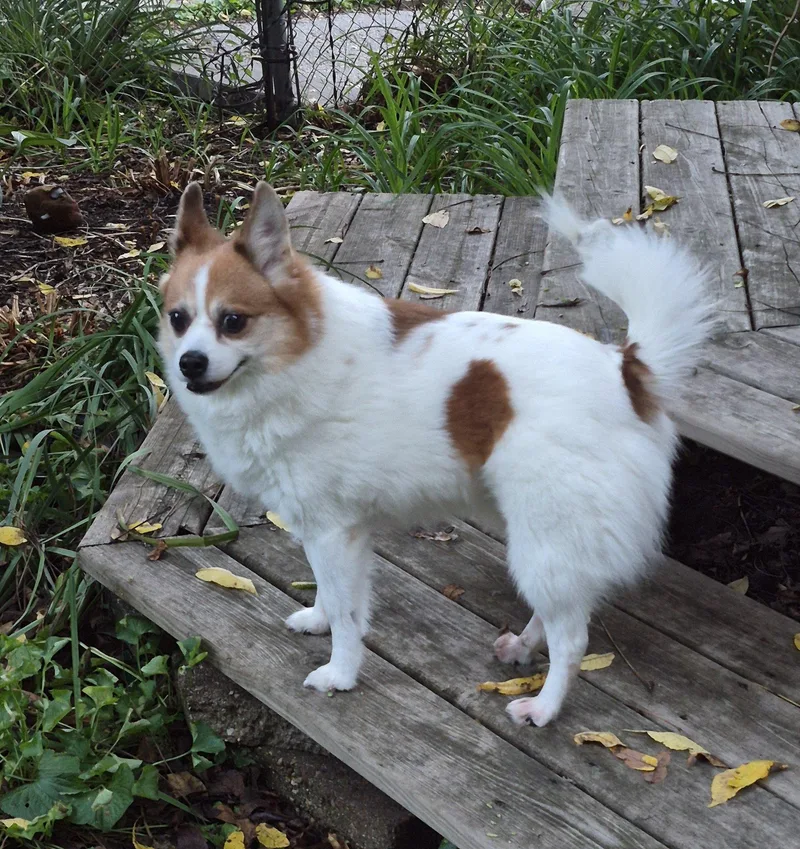
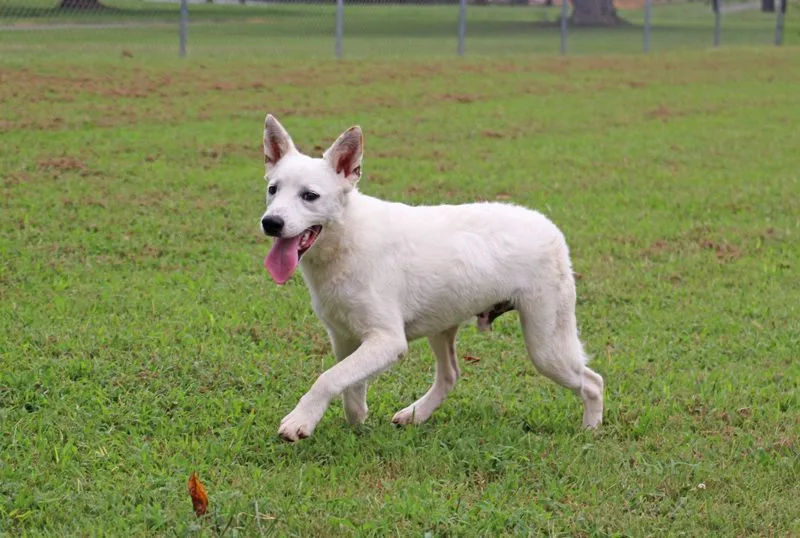
Japanese Spitzs and Similar Breeds Available for Adoption Near San Ramon

About the Japanese Spitz breed

The Japanese Spitz was developed in Japan in the 1920s and 1930s from white spitz dogs, descended from German Spitz stock, brought in from several countries, and it was standardized after World War II as a companion dog. It is a small dog of about 12 to 15 inches with a pure white stand-off coat, a pointed muzzle, small upright ears, dark eyes and a plumed tail curled over the back. It looks like a small Samoyed but is a separate breed.

Many Japanese Spitz are cheerful, affectionate and closely attached to their people, with a playful streak that lasts well into adulthood. They are usually alert to visitors and may bark to announce them. Their coat sheds dirt surprisingly well but blows out heavily once or twice a year, and they do best in homes where someone is around for much of the day.


Weight
11–20 lbs
Height
12–15 in
Lifespan
12–14 yrs
Temperament
Cheerful, Affectionate, Alert, Playful
Shedding
Moderate to High

Owning a Japanese Spitz in San Ramon

Having a Japanese Spitz in San Ramon

A Japanese Spitz offers a bright, devoted companion in a compact, snowy package. Its attachment to people, alert barking, moderate energy and seasonal shedding shape daily life more than its looks, so these traits deserve a close look before adopting.

Temperament

Japanese Spitz tend to be cheerful, affectionate and eager to be near their people. Many are good with respectful children and other pets they know, though some are reserved with strangers at first. They are alert and may bark at arrivals. They usually enjoy reward-based training, and they can become anxious or noisy when left alone for long hours.

Exercise Needs

Most Japanese Spitz are happy with 30 to 60 minutes of daily activity, such as a couple of brisk walks plus play. They enjoy fetch, trick training and dog sports like agility and rally. Mental work matters as much as exercise, since a bored Spitz may bark or chew. Their thick coat means warm-weather exercise belongs in cooler hours.

Health Considerations

The Japanese Spitz is generally a healthy breed, with UK records putting average life expectancy around 13 years. Patellar luxation, where the kneecap slips, is the main concern. Runny eyes and tear staining are common, and a late-onset form of progressive retinal atrophy has been identified. Skin allergies also occur.

Living Space

A Japanese Spitz adapts well to apartments and houses because of its small size and moderate exercise needs. Alert barking can bother close neighbors, so early training helps. It should live indoors with its family, with air conditioning or a cool spot in hot weather. Expect white hair on dark furniture during shedding season.

What it costs to own a Japanese Spitz

ExpenseTypical costPer year
Food$20 to $45 per month$240 to $540
Pet insurance$35 to $70 per month$420 to $840
Routine vet care$200 to $400 per year$200 to $400
Other*$490 to $1,290 per year$490 to $1,290
Estimated yearly total (after year one)$1,350 to $3,070

Other costs are national averages for Japanese Spitzs; we don't have costs specific to San Ramon yet.

* Flea, tick and heartworm prevention, a dental cleaning allowance, a dog license, toys and bedding, and frequent brushing and baths for a heavy-shedding white double coat; license fees vary by city.

Adopt a Japanese Spitz in San Ramon.

Now that you know more, let’s find you a new best friend. These rescues and shelters below currently have Japanese Spitzs available.

Rescues in San Ramon with Japanese Spitzs Available

Here are the rescues & shelters in the San Ramon area where you can find Japanese Spitzs and other dogs available for adoption.

Frequently Asked Questions

A Japanese Spitz is a small companion dog developed in Japan, standing about 12 to 15 inches tall and weighing roughly 11 to 20 pounds. It is known for its pure white stand-off coat, pointed muzzle, upright ears and curled tail. Many are cheerful, affectionate and closely bonded to their people, with an alert, playful nature that lasts well into adulthood.

The Japanese Spitz comes from Japan. It descends from white German Spitz-type dogs that reached Japan in the 1920s, with more white spitz dogs brought in from Canada, the United States, Australia and China over the following decade. Crossing these dogs produced the breed, which was standardized in Japan after World War II, around 1948.

Japanese Spitz were developed purely as companion dogs, not as working dogs. Unlike many spitz breeds that pulled sleds or herded, they were shaped to be cheerful, affectionate house dogs with a striking white coat. That history shows today: most want to be near their people, enjoy play and training, and can become anxious or noisy when left alone for long hours.

Yes, the Japanese Spitz is uncommon in the United States, where it is not yet fully recognized by the AKC, and it rarely appears in shelters. It is more common in Japan, Australia, the UK and Europe. Watch the listings on this page, look at similar breeds such as the American Eskimo Dog or Pomeranian, and save a search to hear when a Japanese Spitz becomes available.

A Japanese Spitz has a pure white double coat with a straight, stand-off outer layer that forms a mane around the neck and chest. It has a pointed muzzle, black nose, dark eyes, small upright triangular ears and a plumed tail curled over its back. It resembles a small Samoyed or American Eskimo Dog but is a separate breed.

Japanese Spitz are small dogs. Most stand about 12 to 15 inches tall at the shoulder, with females often slightly smaller than males, and weigh roughly 11 to 20 pounds, though some guides list weights up to about 25 pounds. Their fluffy coat makes them look bigger than they are, so a dog that seems sturdy may feel surprisingly light when you pick it up.

Most Japanese Spitz reach their adult height at around 10 to 12 months, like many small breeds. They may keep filling out in chest and coat until about 12 to 18 months, and the full adult coat can take a little longer to come in. Timing varies from dog to dog, so a veterinarian can confirm whether a young dog is growing normally.

Japanese Spitz usually live about 12 to 14 years, and a 2024 UK study put their average life expectancy around 13 years. Some live into their mid-teens. Keeping the dog lean, protecting its knees, caring for its teeth and keeping up regular veterinary checkups all help a Japanese Spitz stay healthy longer.

Yes, Japanese Spitz shed, and more than their size suggests. Their dense double coat sheds steadily year-round and blows out heavily once or twice a year, when the undercoat comes out in clumps. Brushing a few times a week is usually enough most of the year, but daily brushing helps during those seasonal sheds. Expect white hair on clothes and dark furniture.

We have 1 rescue with Japanese Spitzs available: Love & Second Chances. You can see every rescue with Japanese Spitzs available in the list above these questions.