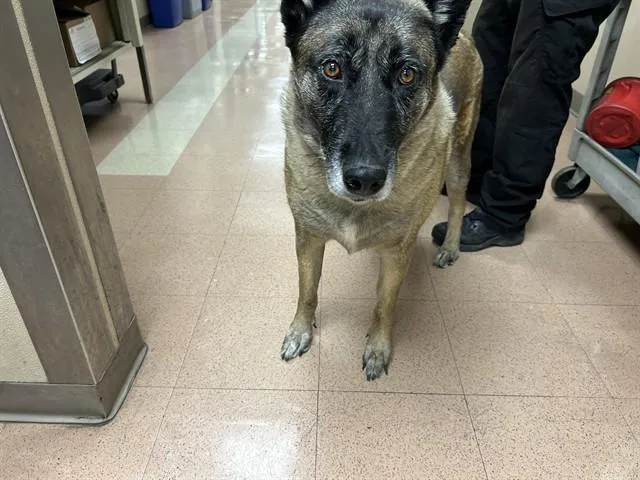
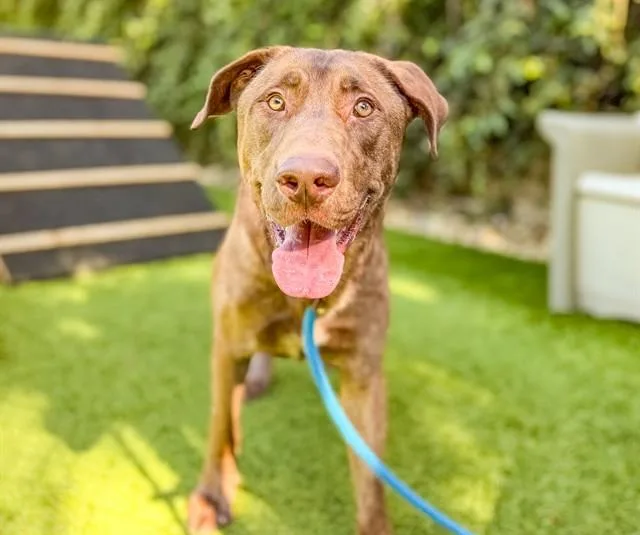
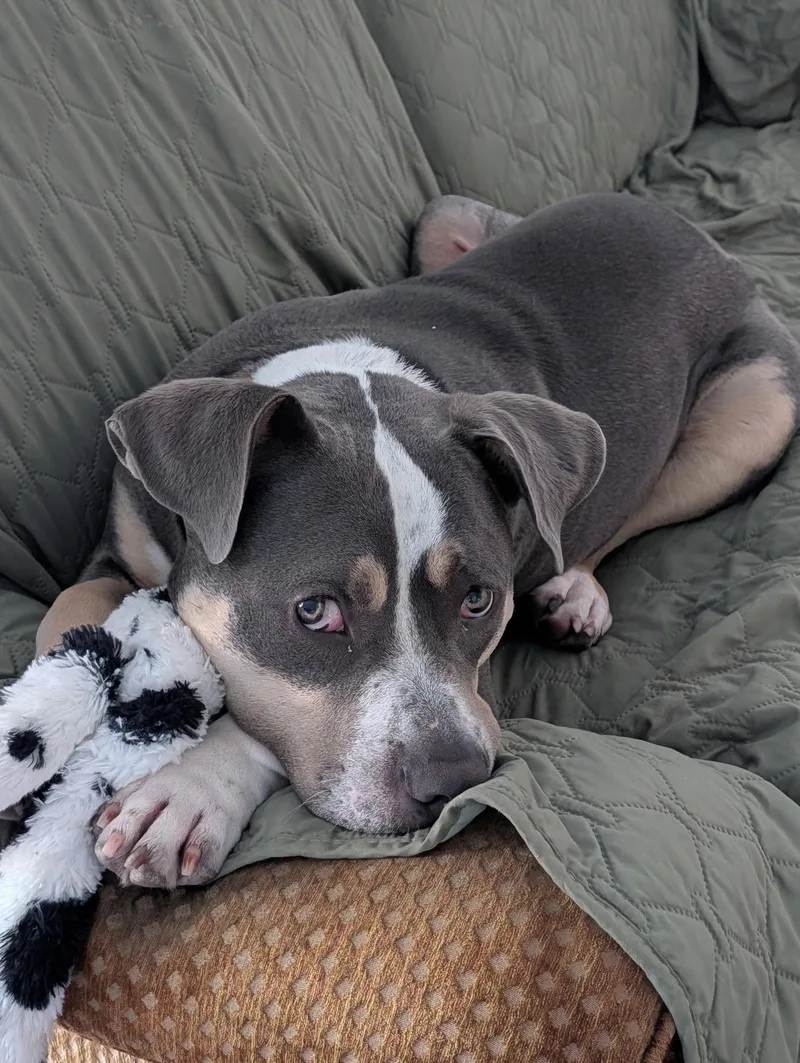
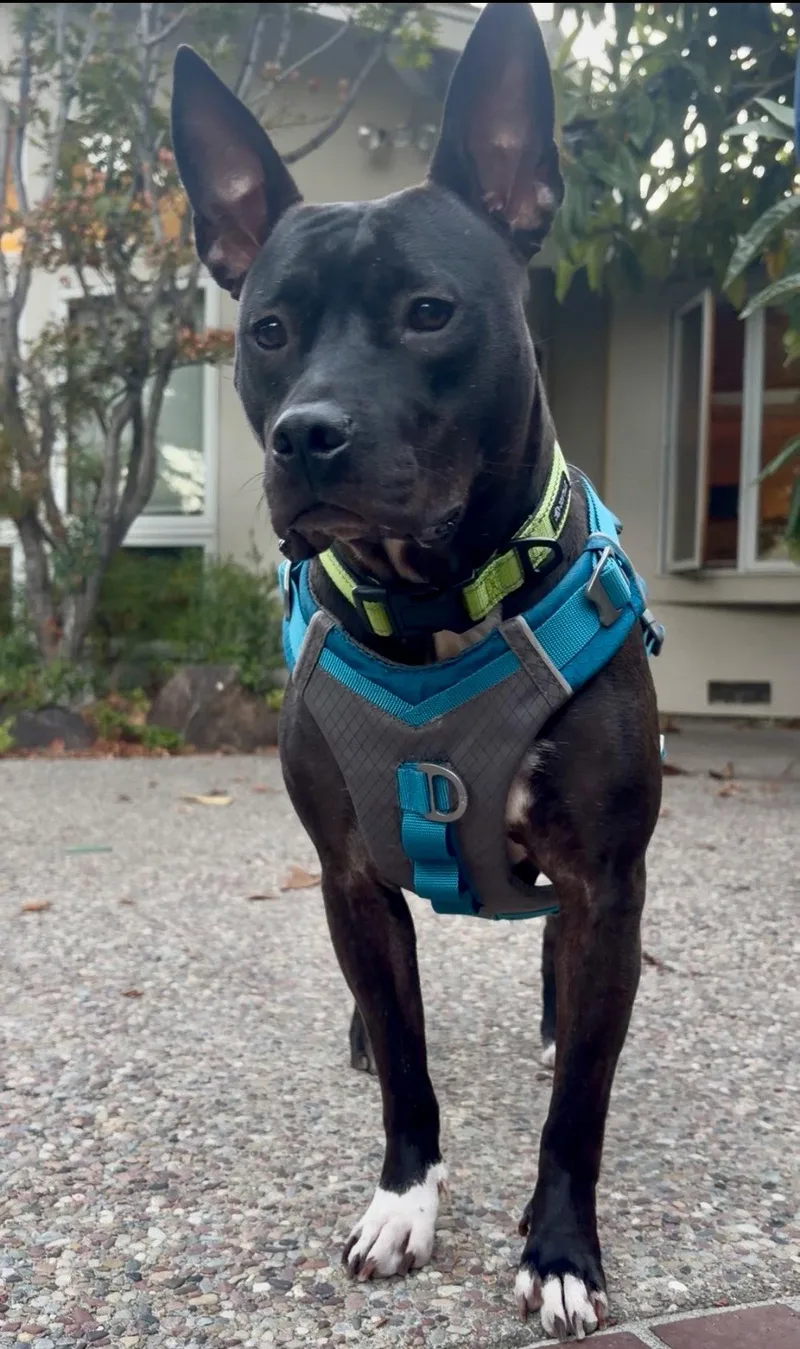
Great Pyrenees dog

Great Pyrenees Dogs for Adoption in San Jose, CA

Your guide to finding and caring for a Great Pyrenees in San Jose

A Great Pyrenees suits the fenced-yard side of San Jose, in places like Almaden Valley or Evergreen, better than a downtown high-rise. These are big, calm dogs that patrol and bark at night, so solid fencing and tolerant neighbors matter. Evergreen's foothill streets give a Pyr plenty to watch, and a slow evening stroll is usually all the exercise it wants. They shed a lot, so expect white fur on the sofa year-round.

2309 Great Pyrenees available in San Jose and nationwide

Open your home to a Great Pyrenees

Great Pyrenees Available for Adoption Near San Jose

About the Great Pyrenees breed

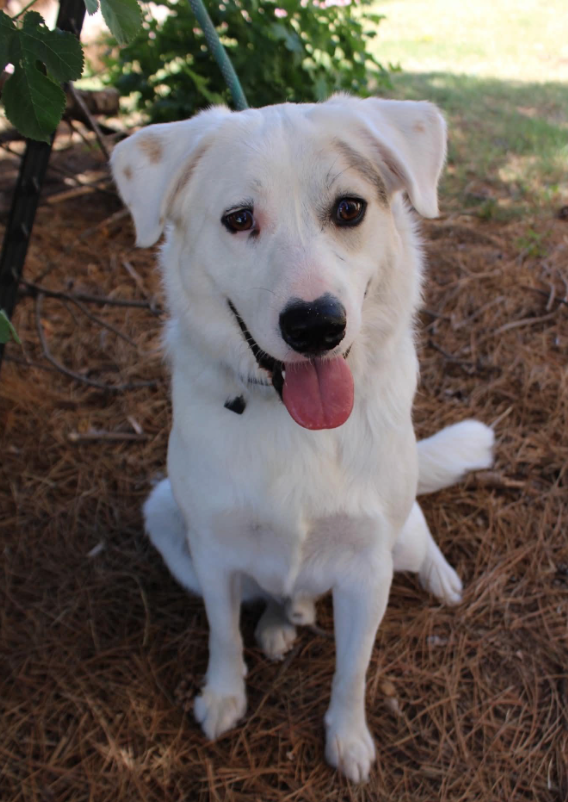
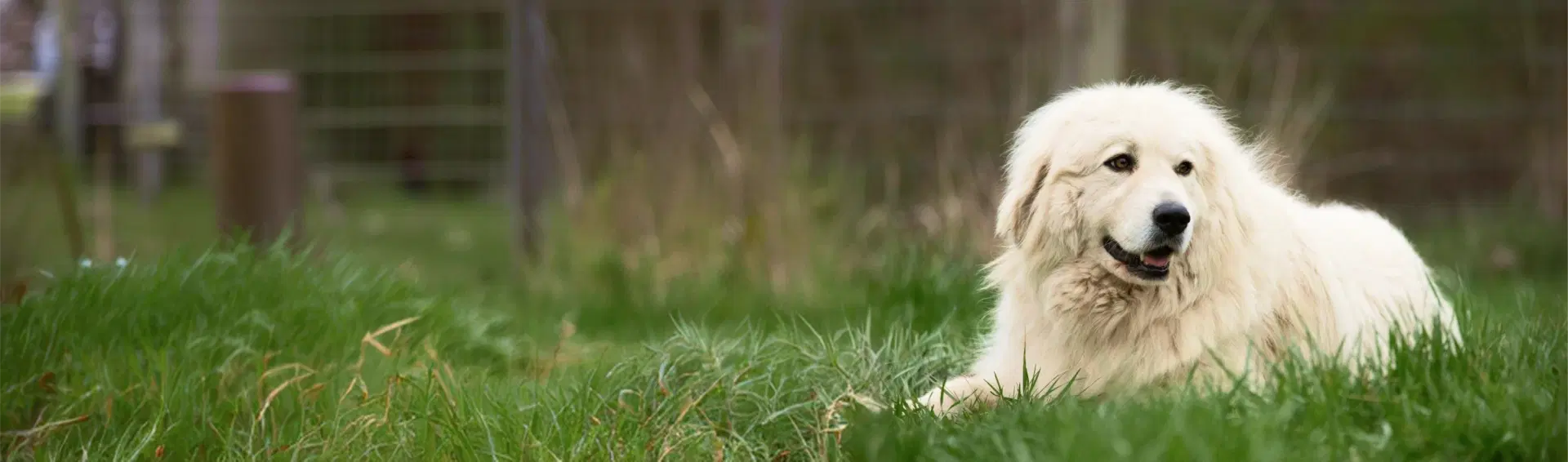
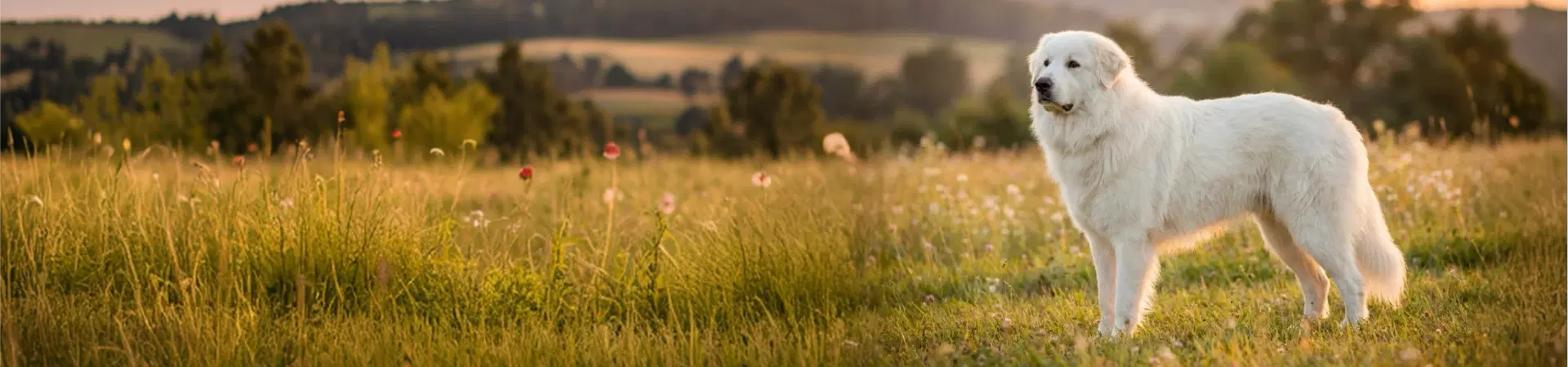
The Great Pyrenees, called the Patou in France, is a giant livestock guardian from the mountains between France and Spain. Shepherds relied on these white dogs to stay with flocks and drive off wolves, bears and thieves. Adults usually weigh 85 to 120 pounds and wear a thick double coat, white or white with gray, tan or reddish-brown markings.

That history explains the Pyr you meet today: calm and gentle with family, but independent, watchful and inclined to bark at night. In San Jose, it means planning for fencing, nearby neighbors and a leash on every walk, since many Pyrs roam. Pyrs and Pyr mixes turn up often in shelters, though each dog's personality matters more than the breed label.

Weight
85–120 lbs
Height
25–32 in
Lifespan
10–12 yrs
Temperament
Calm, Protective, Independent
Group
Working
Shedding
High

Owning a Great Pyrenees in San Jose

Having a Great Pyrenees in San Jose

A Great Pyrenees pairs a quiet, patient manner with a guardian's independence. Size, nighttime barking and a heavy white coat shape daily life more than anything else, which is worth weighing against San Jose's mix of fenced suburban homes, townhomes and condos.

Temperament

Pyrs tend to be gentle and devoted with their families, yet wary of strangers and protective of their space. In San Jose's close-set neighborhoods, that can mean barking at passersby or night noises. Early socialization and patient, reward-based training help, though a Pyr may treat cues as suggestions. Dogs vary.

Exercise Needs

Expect moderate needs: a daily walk or two plus time patrolling a secure yard. San Jose's creek trails require a leash of 6 feet or less, which suits a Pyr that tends to roam. Skip long runs, and walk in the cool morning or evening, since the thick coat makes warm afternoons tiring.

Health Considerations

Giant breeds like the Great Pyrenees face hip and elbow dysplasia, kneecap luxation, bloat and bone cancer, and lifespans around 10 to 12 years. Feed several small meals, avoid hard exercise around mealtimes, and keep the dog lean. Because foxtails are common in dry California grass, check ears, paws and coat after walks.

Living Space

A Pyr does best with a securely fenced yard, which fits San Jose's single-family areas such as Willow Glen or West San Jose better than a downtown tower. A calm adult can manage in a townhome or apartment with a committed owner, but size and night barking can strain close quarters.

What it costs to own a Great Pyrenees in San Jose

ExpenseTypical costPer year
Food$80 to $160 per month$960 to $1,920
Pet insurance$85 to $170 per month$1,020 to $2,040
Routine vet care$250 to $500 per year$250 to $500
Other*$705 to $1,880 per year$705 to $1,880
Estimated yearly total (after year one)$2,935 to $6,340

Other costs are estimates and vary with size, age and health.

* The $30 San Jose license for an altered dog, flea, tick and heartworm prevention, a dental cleaning allowance, toys and bedding, brushing and baths for heavy shedding, and joint supplements for a giant breed.

Great Pyrenees dog

Adopt a Great Pyrenees in San Jose.

Now that you know more, let’s find you a new best friend. These rescues and shelters below have dogs available in and near San Jose.

Frequently Asked Questions

Yes, San Jose has no breed-specific rules, and California law bars breed-specific programs other than spay/neuter and breeding rules. Dogs over 4 months need a license and rabies vaccination, a home can have up to three dogs, and dogs can't be tethered to fixed objects. Because Pyrs roam, secure fencing matters more than any local rule.

A calm adult Pyr can, but it's a stretch. Many buildings restrict giant dogs, so confirm weight limits first. Night barking and heavy shedding are harder with shared walls, so a ground-floor unit or townhome with easy outdoor access works best. Plan on daily walks, since a Pyr won't get its exercise from the apartment alone.

Discovery Dog Park downtown, Raleigh Linear Dog Park and the off-leash area at Hellyer County Park are other off-leash options, while Coyote Creek Trail and the Almaden Lake Loop suit leashed walks. Trail leashes must be 6 feet or shorter, which helps with a roaming Pyr. Alum Rock Park doesn't allow dogs.

Usually yes, with some care. San Jose summers are milder than much of California, but heat waves happen and the Pyr's thick coat holds warmth. Walk at dawn or after sunset, keep fresh water and shade available, and give the dog a cool indoor space. Hot pavement can burn paws, so test it with your hand.

Brush at least weekly with a pin or slicker brush, and several times a week during heavy shedding, which often peaks in spring and fall. Baths are occasional because the coat sheds dirt. San Jose's mild climate doesn't call for shaving. Grooming supplies or occasional professional help fit within the yearly Other costs listed above.

Mostly no. VTA buses and light rail allow only pets small enough to ride in an enclosed carrier on your lap, and BART requires an enclosed pet carrier. Caltrain allows only service animals. A giant Pyr won't fit a carrier, so plan on a car or walking for trips.

Only to outdoor patios, and only where the restaurant chooses to allow dogs. California law doesn't permit pet dogs indoors, and outdoor dogs must be leashed, under control and kept off seats. A giant Pyr takes up patio space, so confirm the policy at the door and pick a quiet time.

A Great Pyrenees is a giant livestock guardian dog from the Pyrenees mountains between France and Spain, bred to protect sheep from predators. It has a thick, weather-resistant white coat, often with gray, tan or badger markings, and double dewclaws on its hind legs. Many are calm, gentle and devoted to family, yet independent and watchful.

Great Pyrenees are giant dogs. Males usually stand about 27 to 32 inches at the shoulder and females about 25 to 29 inches. Most males weigh 100 pounds or more and most females 85 pounds or more, with many adults landing between about 85 and 120 pounds. Their fluffy coat makes them look even larger.

Plan on roughly $2,900 to $6,300 a year for a Pyr: food at $80 to $160 a month, insurance at $85 to $170 a month, routine vet care of $250 to $500, and other costs of about $705 to $1,880 a year. Giant-breed food, joint care and shedding supplies drive most of it.