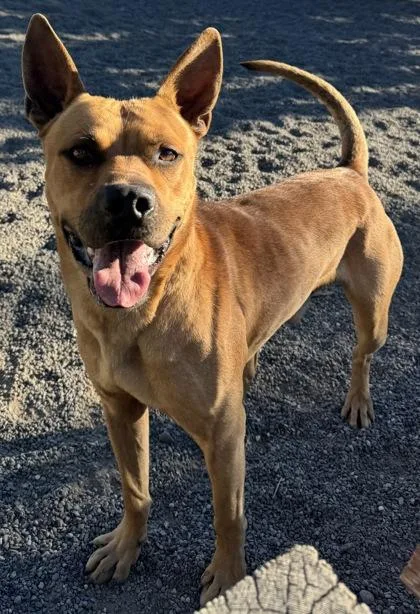
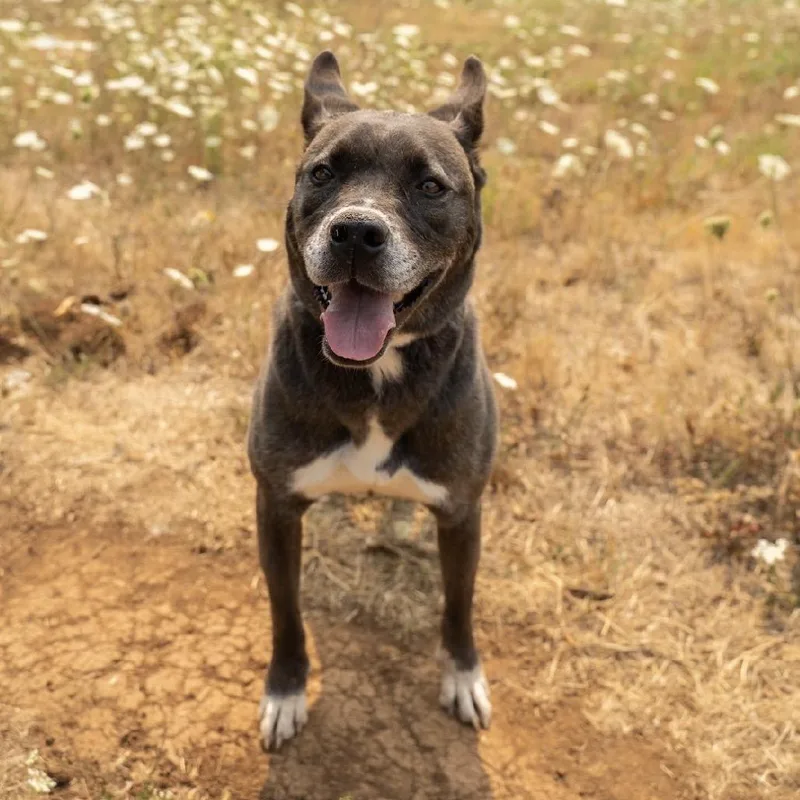
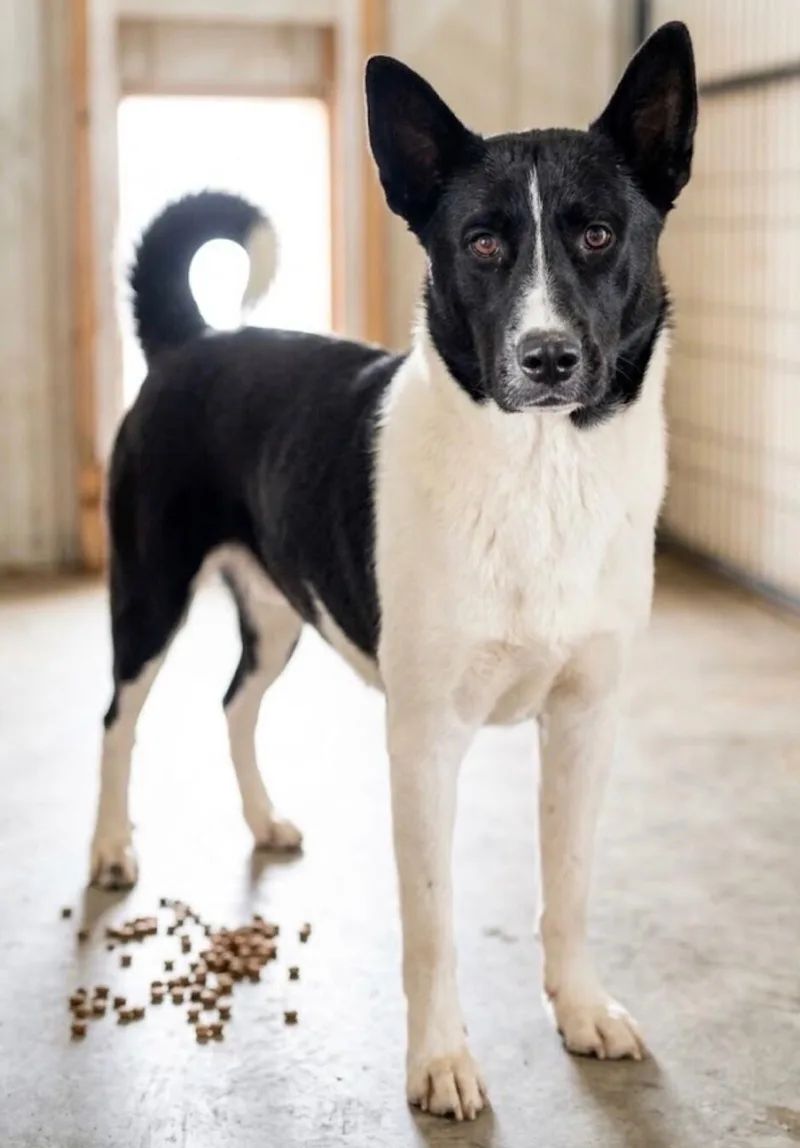
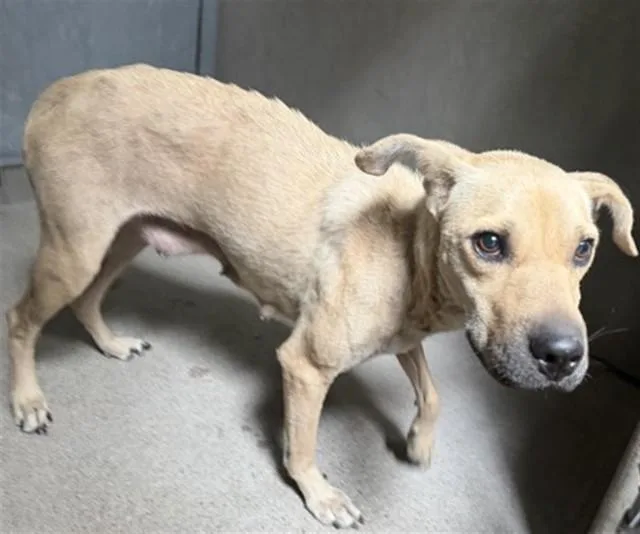
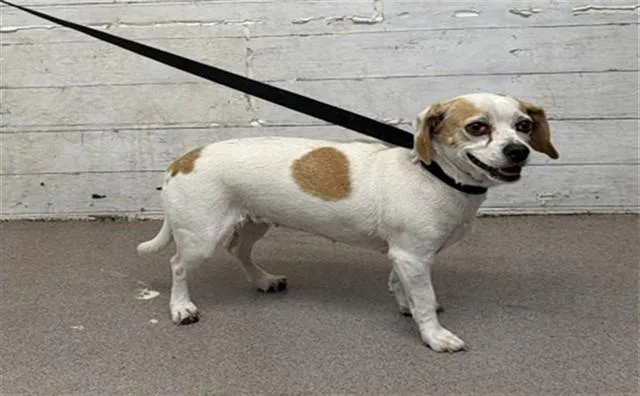
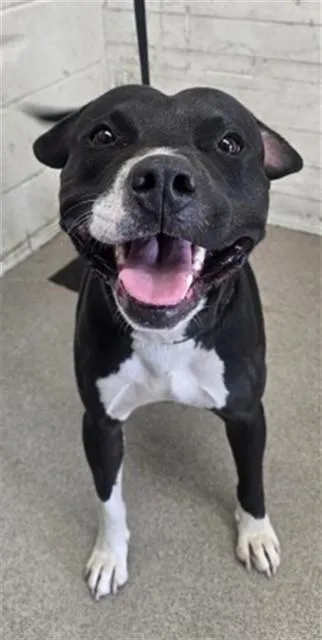
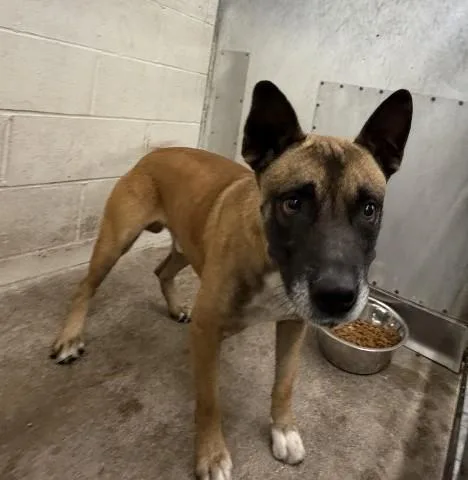
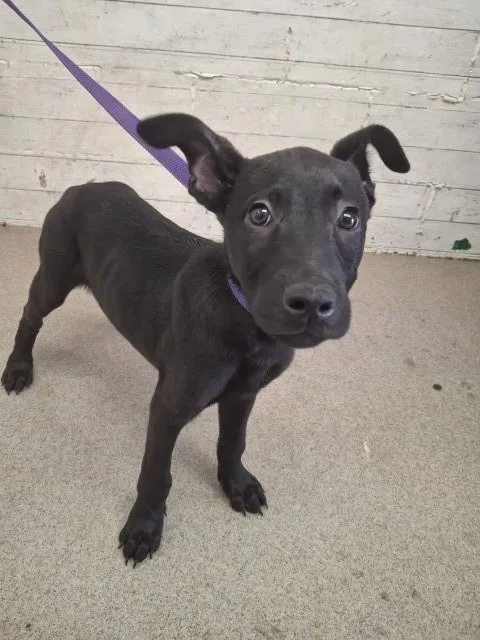
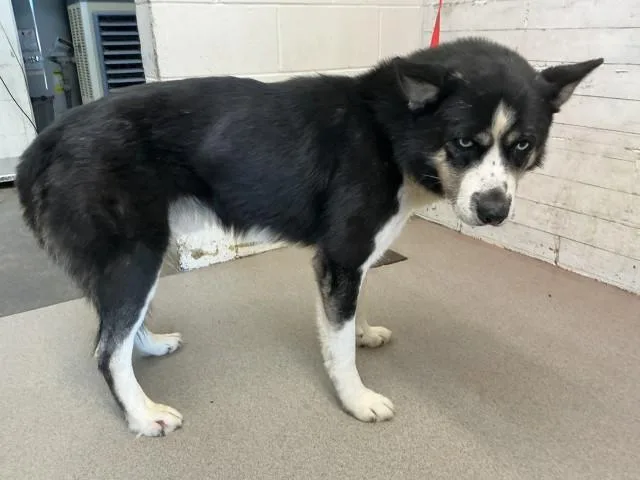
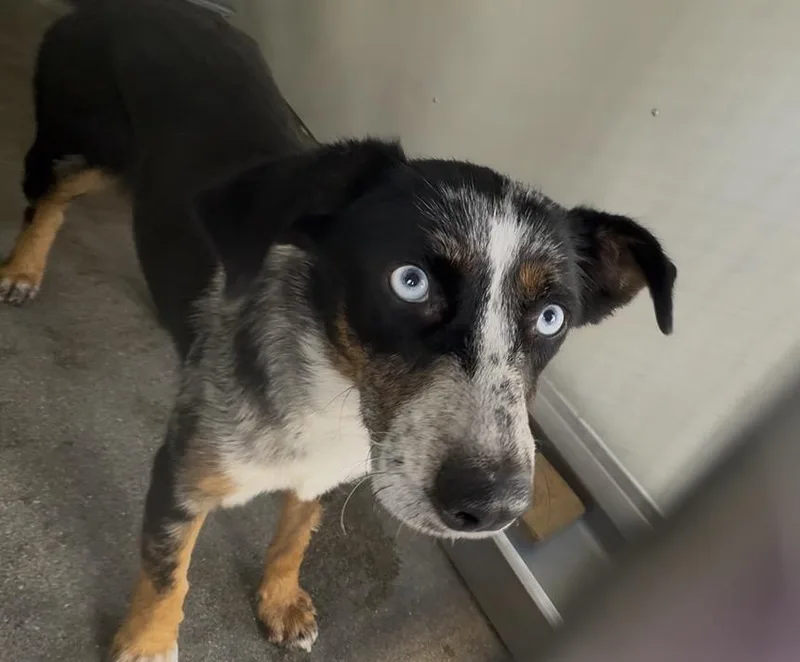
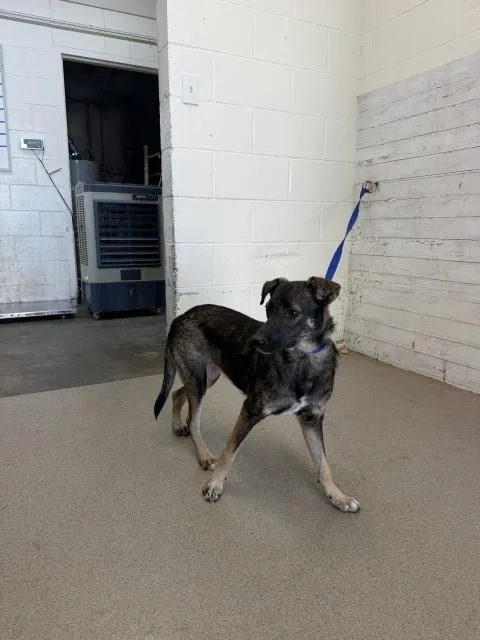
Akita dog

Akita Dogs for Adoption in San Bernardino, CA

Your guide to finding and caring for an Akita in San Bernardino

Akitas fit San Bernardino best in the roomier parts of town, like the large lots of Muscupiabe. They're calm and devoted with their own family but reserved with strangers, so a house with a fenced yard usually works better than a busy complex. Early walks along the quiet streets of Verdemont give most of them the moderate exercise they need before the summer heat arrives. Plan on a lot of brushing, because that thick double coat sheds heavily.

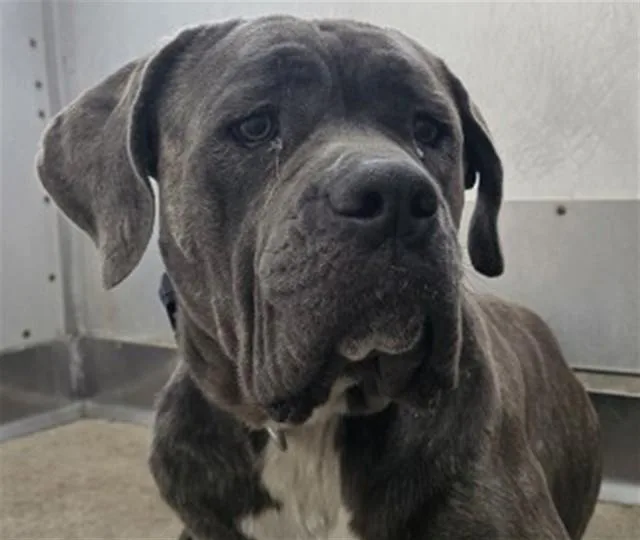
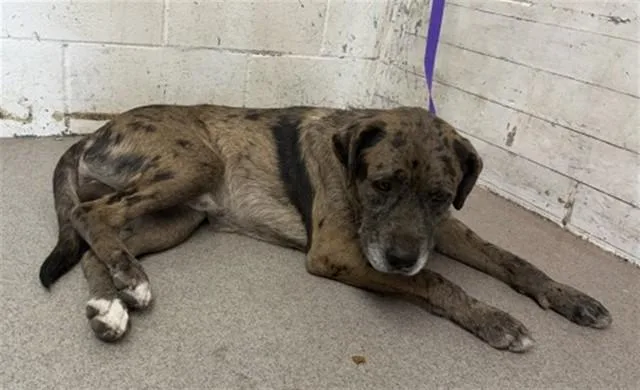
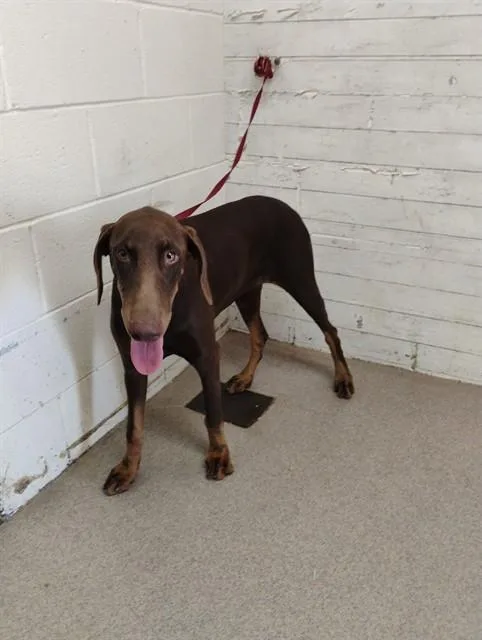
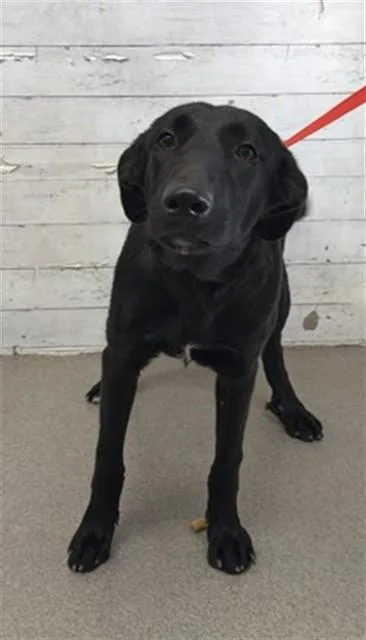
452 Akitas available in San Bernardino and nationwide

Your Akita is waiting

Akitas Available for Adoption Near San Bernardino

About the Akita breed

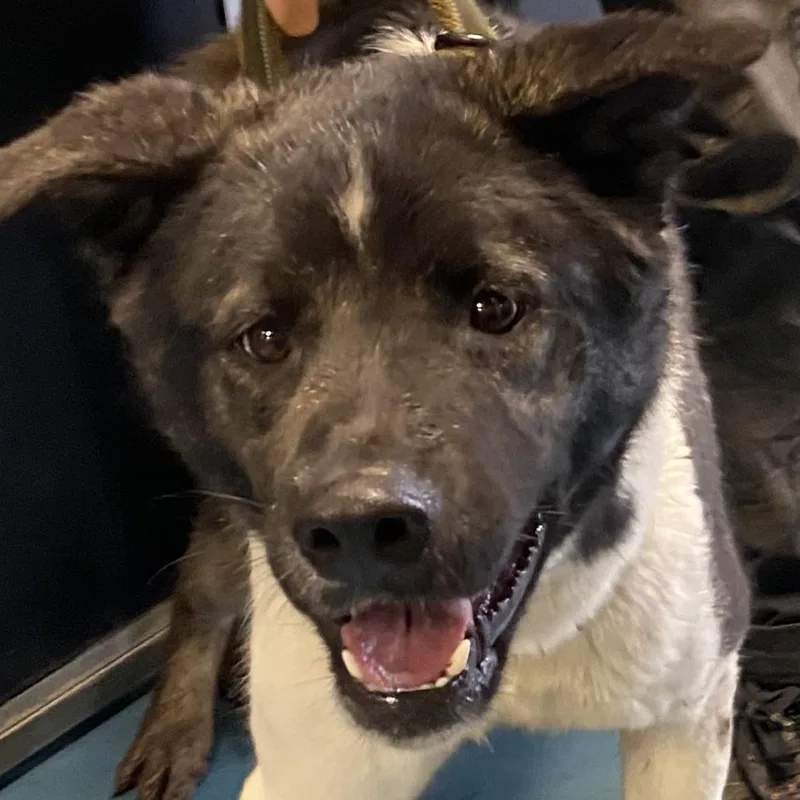
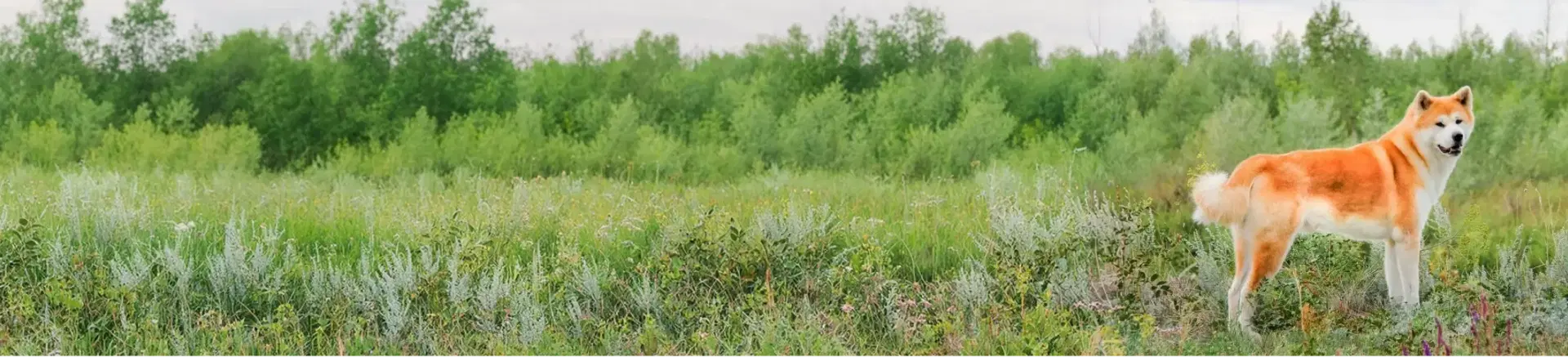
Akitas come from the snowy mountains of northern Japan, where spitz-type dogs hunted bear, boar and serow before guarding estates. The Akita most Americans meet is the heavier, bear-headed type, with a broad head, small upright ears, a plush double coat and a large tail curled over the back, in almost any color. Males can reach 130 pounds, while females often stay closer to 70 to 100.

Many Akitas are quiet, dignified and deeply loyal to their own people while staying aloof with strangers. They often have strong guarding instincts and may not tolerate other dogs, especially of the same sex. In San Bernardino, that means patient, consistent training, careful introductions and a plan for twice-yearly coat blowouts, when brushing becomes a near-daily job.

Weight
70–130 lbs
Height
24–28 in
Lifespan
10–14 yrs
Temperament
Loyal, Dignified, Protective, Independent
Group
Working
Shedding
High

Owning an Akita in San Bernardino

Having an Akita in San Bernardino

An Akita offers quiet loyalty in a big, powerful body. Independence, a guarding streak and a heavy coat shape daily life in San Bernardino more than looks do, so it pays to match each dog's personality to your household.

Temperament

Akitas tend to be affectionate and calm with family but reserved with visitors and neighbors. Many are intolerant of other dogs, especially the same sex, and some chase small animals. They're clever yet independent, so consistent, reward-based training works best. Dogs vary, so consider how a particular dog fits your household's mix of people and pets.

Exercise Needs

Most Akitas need moderate daily exercise: brisk walks, sniffing outings and short training sessions. In San Bernardino, schedule outings for early morning or after sunset during the long hot season, and keep paws off hot asphalt. Many Akitas do better on leashed walks and in a securely fenced yard than at a dog park.

Health Considerations

Akitas can develop hip dysplasia, hypothyroidism, bloat and immune-related conditions such as sebaceous adenitis, plus eye problems like glaucoma and progressive retinal atrophy. Their blood naturally holds more potassium, which can confuse lab results, so mention the breed to any new veterinarian. Regular checkups and a vet review of the dog's records are a sound start.

Living Space

A house with a securely fenced yard is ideal in San Bernardino, though an apartment can work with daily exercise and calm handling. An Akita's size and wariness of strangers make busy hallways and shared elevators harder. Akitas should live indoors with the family, with a cool room for hot afternoons. Heavy shedding means frequent vacuuming.

What it costs to own an Akita in San Bernardino

ExpenseTypical costPer year
Food$55 to $110 per month$660 to $1,320
Pet insurance$65 to $130 per month$780 to $1,560
Routine vet care$250 to $500 per year$250 to $500
Other*$590 to $1,490 per year$590 to $1,490
Estimated yearly total (after year one)$2,280 to $4,870

Other costs are estimates and vary with size, age and health.

* The $24 San Bernardino license for a spayed or neutered dog, a dental cleaning allowance, flea, tick and heartworm prevention, toys and bedding, and brushing and baths for heavy seasonal coat blowouts.

Adopt an Akita in San Bernardino.

Now that you know more, let’s find you a new best friend. These rescues and shelters below currently have Akitas available.

Rescues in San Bernardino with Akitas Available

San Bernardino's shelters and rescues care for dogs of every size, and the groups below list their adoptable pets here. Here are the rescues & shelters in the San Bernardino area where you can find Akitas and other dogs available for adoption.

Frequently Asked Questions

Not unless they're service animals. Omnitrans buses and the sbX line allow pets only in a secure carrier that fits on your lap, and Metrolink and Arrow trains allow only small pets in a ventilated carrier. That rules out nearly every Akita, so plan on driving or walking for outings with one.

For leashed walks, try the half-mile loop around Seccombe Lake downtown, the hiking trails at Perris Hill Park, or the paved Santa Ana River Trail from Waterman Avenue. Wildwood Park has the city's off-leash dog park, but many Akitas are poor dog-park candidates, so a leashed outing is often the safer choice.

Yes, an Akita can live in an apartment in San Bernardino if it gets daily exercise and calm handling. A ground-floor unit with easy outdoor access is easier than a busy upper-floor building, since many Akitas are wary of strangers. Many rentals set weight limits, so confirm the rules before applying.

It can be, if you have a house with a fenced yard, can walk early and late during the long hot season, and want a loyal but reserved companion. Quieter, large-lot neighborhoods suit it better than crowded complexes. It's a weaker fit if you want a dog-park regular or a dog that greets every visitor.

Only to patios, and only if the restaurant chooses to allow dogs. California law lets restaurants permit leashed dogs in outdoor dining areas that have a separate entrance, but it's each restaurant's call. An Akita's reserved manner around strangers and other dogs makes crowded patios a challenge, so practice calm settling first.

Plan on brushing a few times a week, and almost daily during the twice-yearly coat blowouts, plus occasional baths. In San Bernardino's hot, dry summers, removing loose undercoat helps your Akita stay comfortable, but don't shave the double coat. Grooming is a modest part of the yearly Other costs, roughly $100 to $300.

An Akita is a large, powerful spitz-type dog from northern Japan, known for its plush double coat, upright ears and tail curled over the back. In the United States, the Akita is the heavier American type, while the lighter Japanese Akita Inu is now registered separately. Many Akitas are devoted to their family, reserved with strangers and selective about other dogs.

An Akita is a big, heavy-boned dog with a broad, bear-like head, small deep-set eyes and thick triangular ears that stand upright. Its dense double coat is about two inches long, and its full tail curls over the back. American-type Akitas come in almost any color, including white, brindle and pinto, often with a dark mask.

We have 1 rescue with Akitas available: City of San Bernardino Animal Services. You can see every rescue with Akitas available in the list above these questions, or scroll to the top to see the Akitas near San Bernardino.

Plan on roughly $55 to $110 a month for food and $65 to $130 for insurance, plus $250 to $500 a year for routine vet care and $590 to $1,490 a year for other costs such as prevention, dental care and coat grooming. Altogether, that's about $2,300 to $4,900 a year.