Maltipoo Dogs for Adoption in Ontario, CA

Your guide to finding and caring for a Maltipoo in Ontario

102 Maltipoos available in Ontario and nationwide

Bring home a Maltipoo

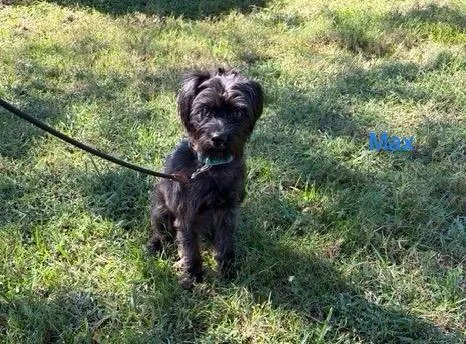
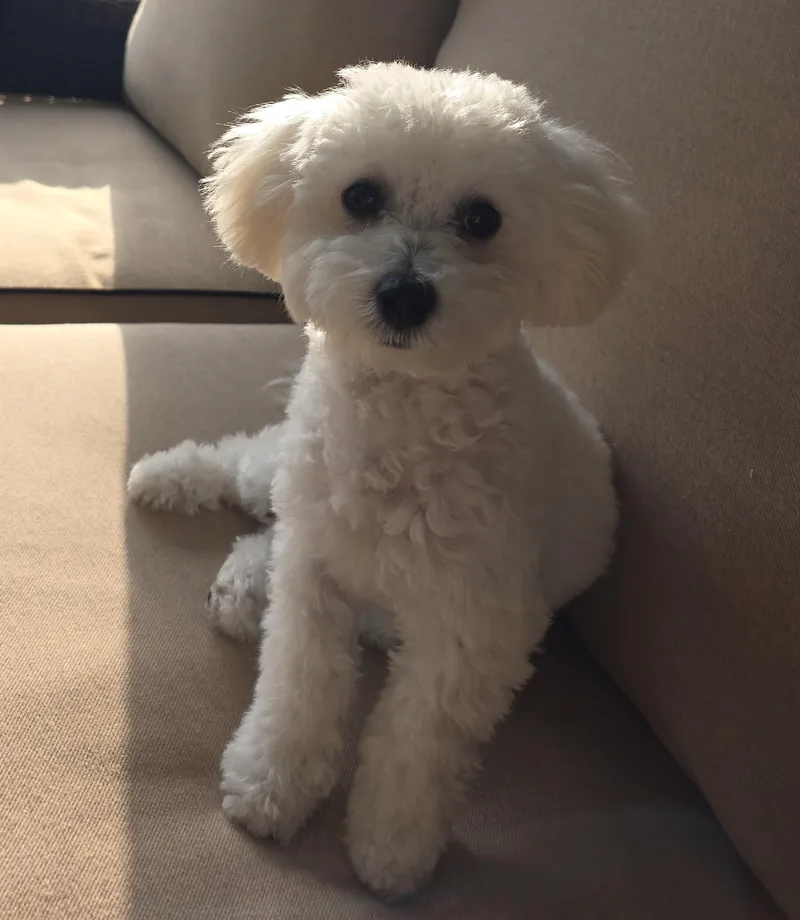
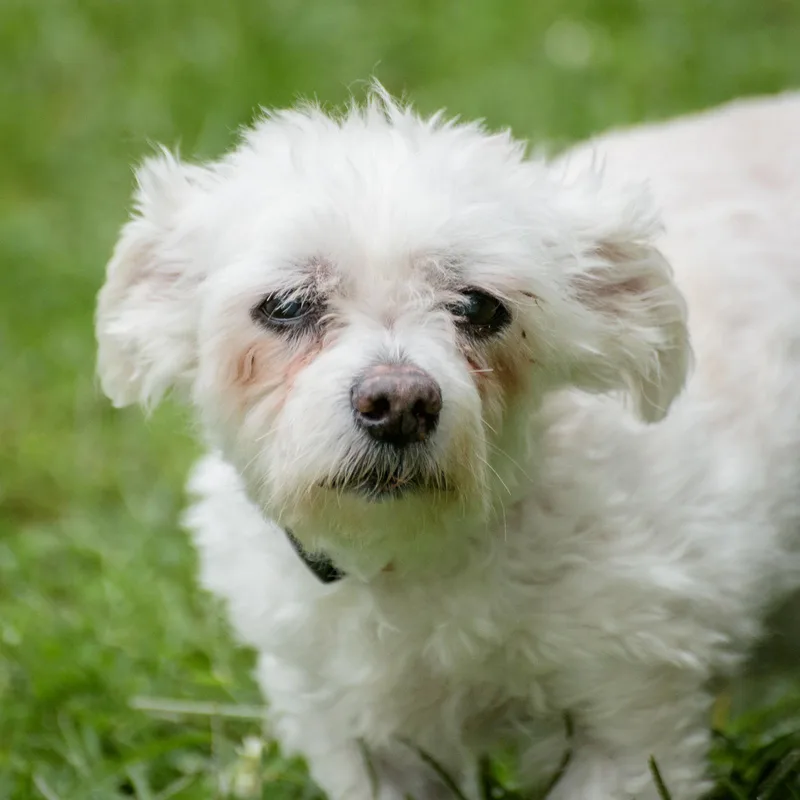
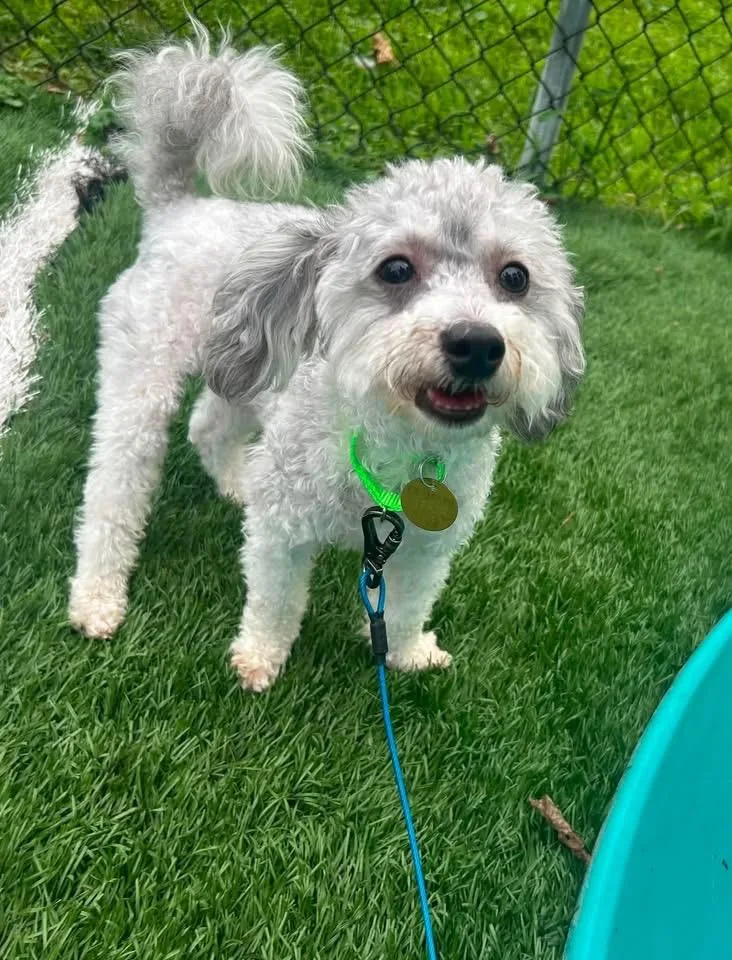
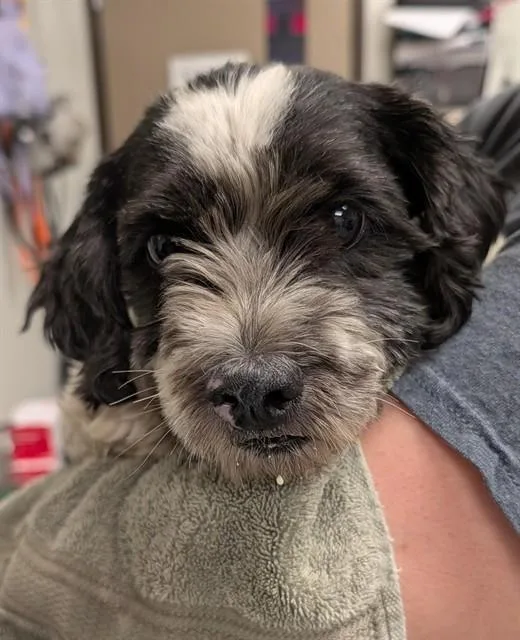
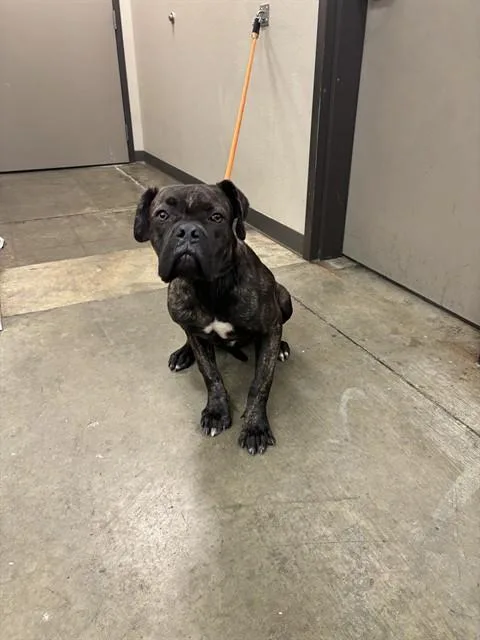
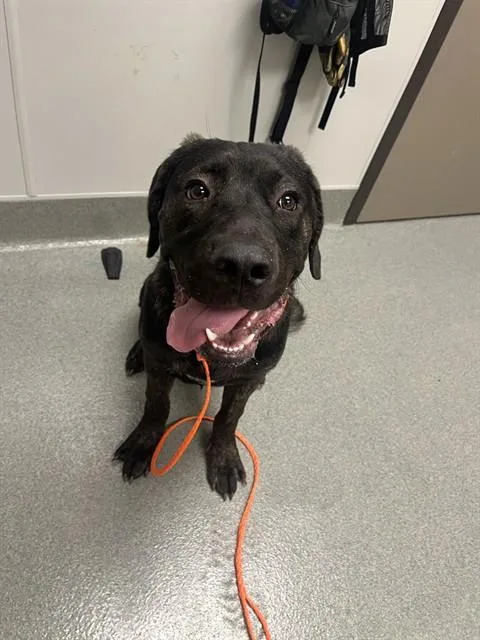
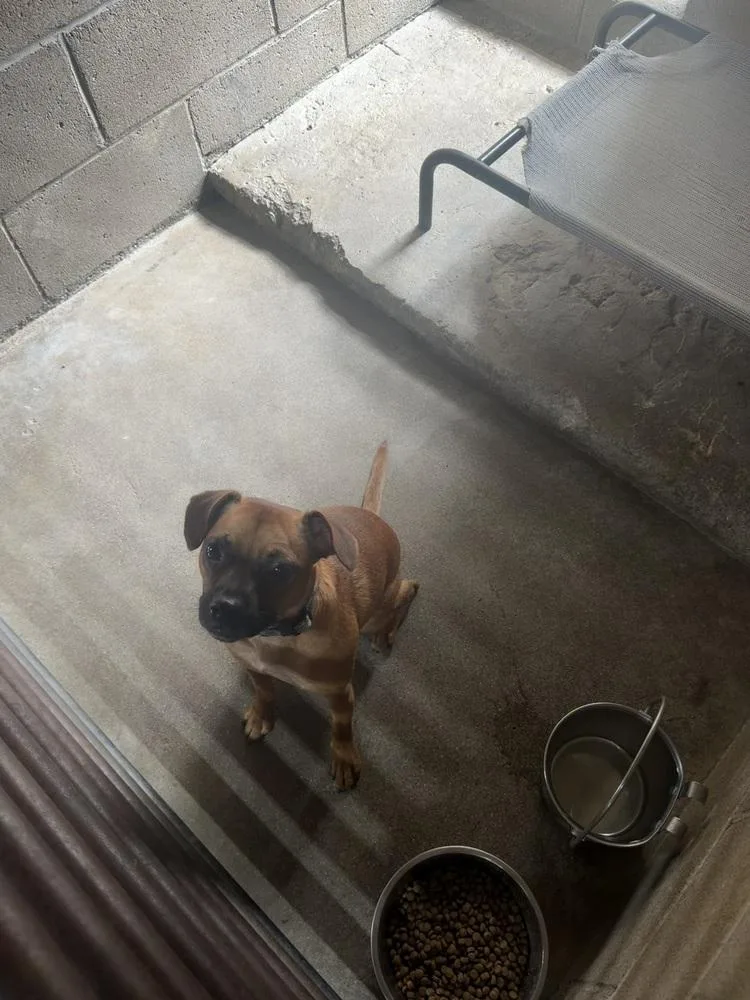
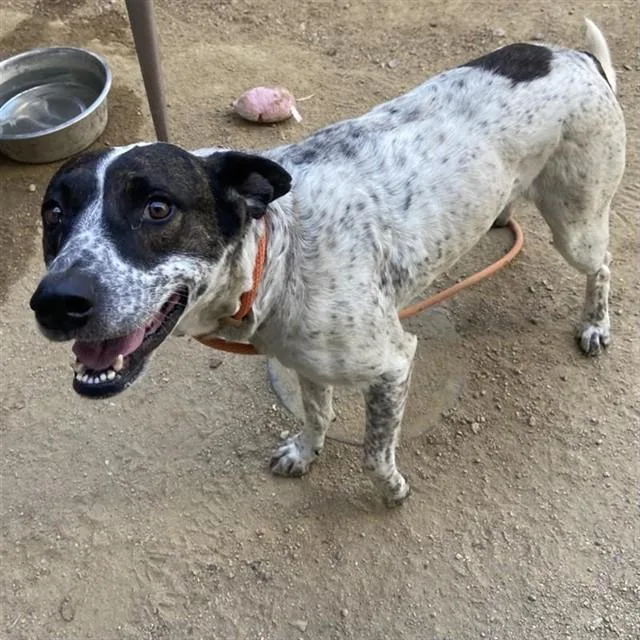
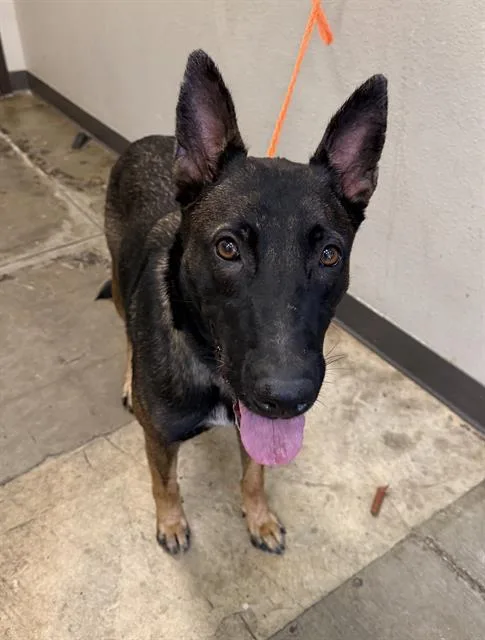
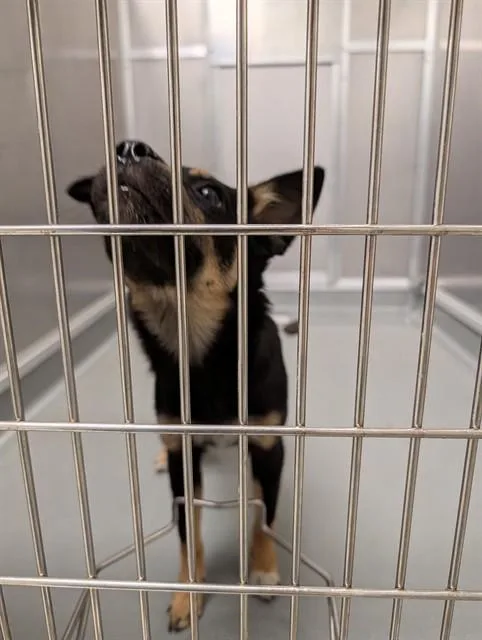
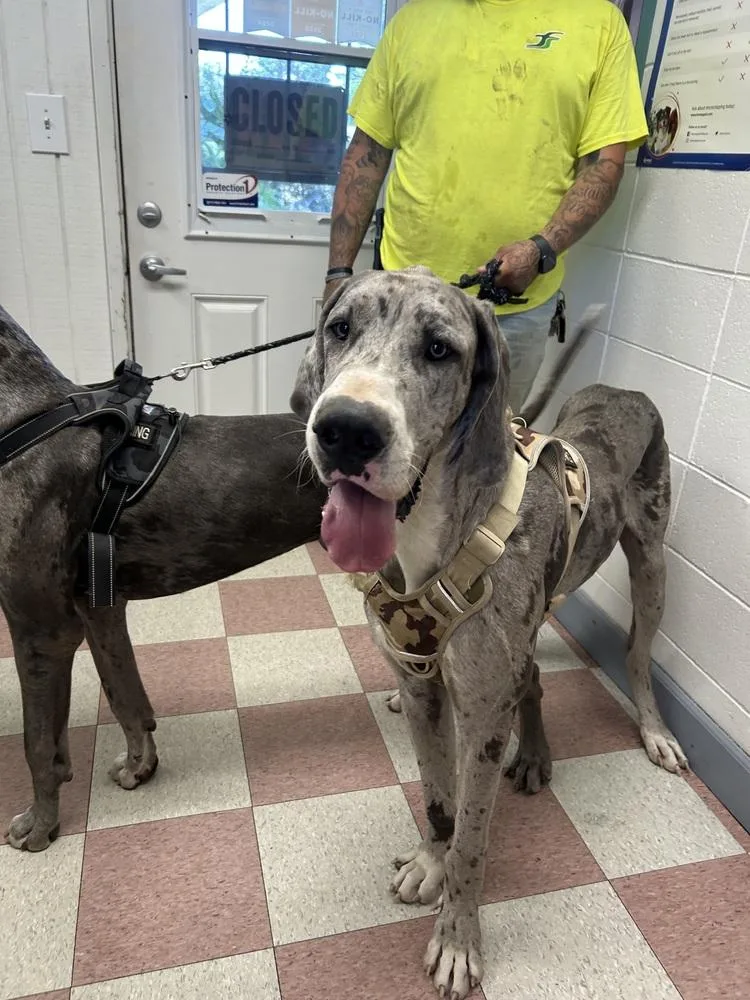
Maltipoos Available for Adoption Near Ontario

About the Maltipoo breed

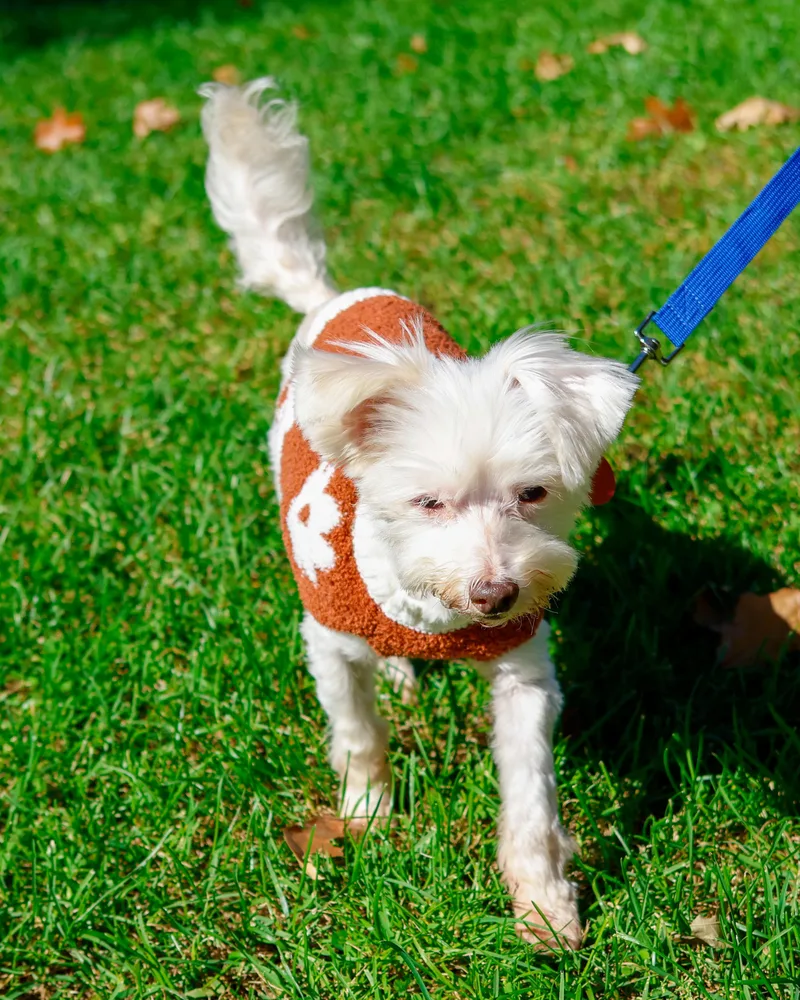
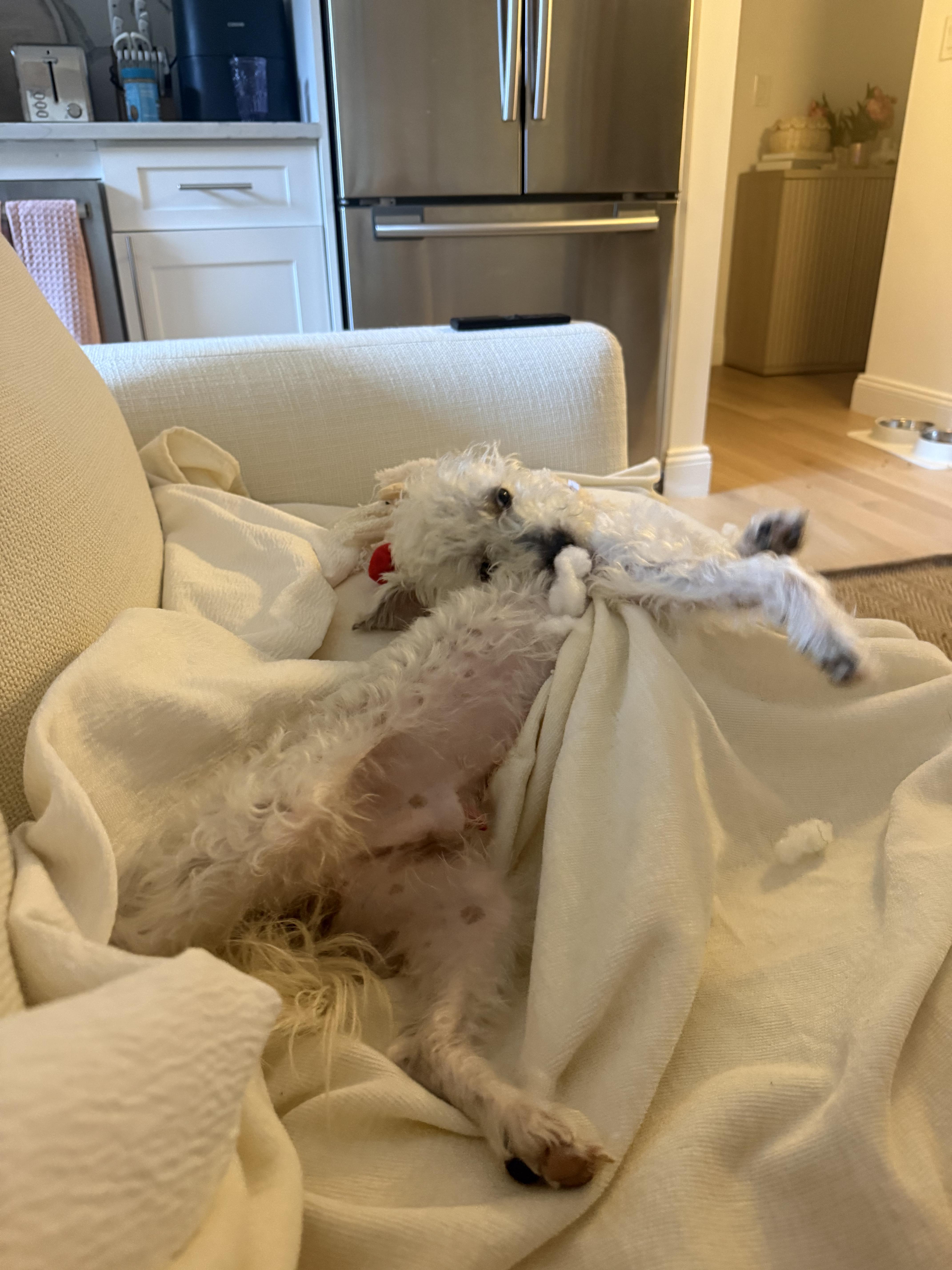
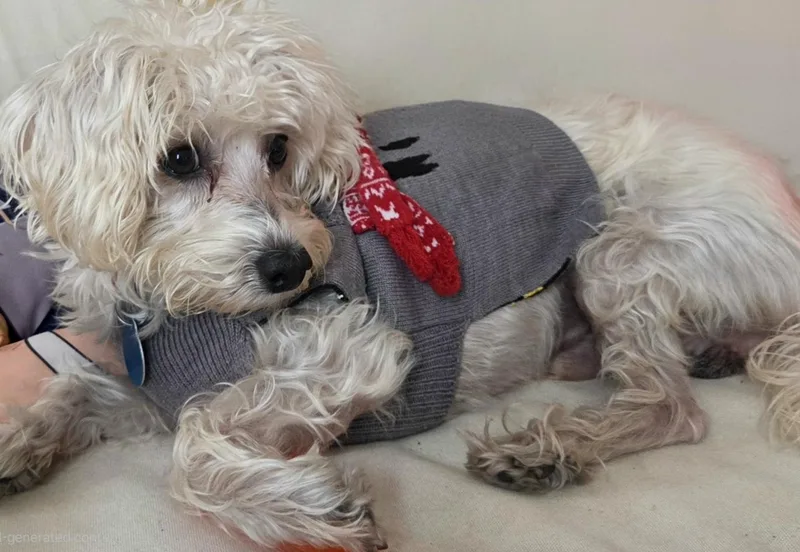
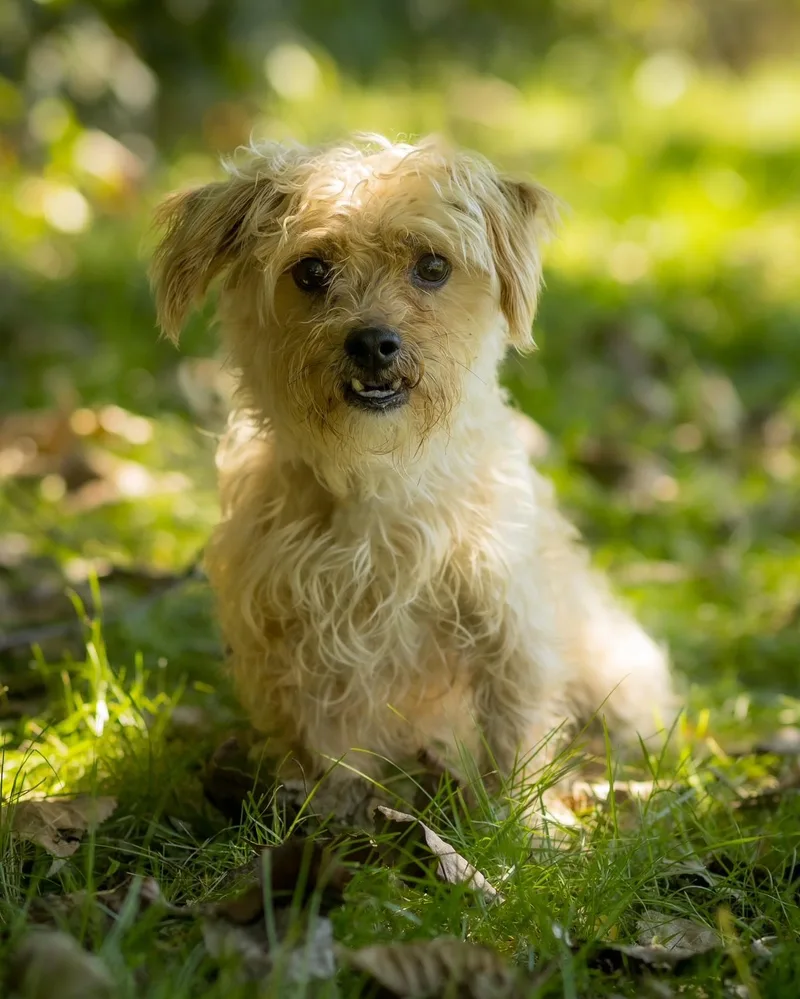
A Maltipoo is a cross between a Maltese and a Poodle, usually a Toy Poodle, developed in the United States as a small companion with a low-shedding coat. Because it is a cross rather than a breed, looks vary: coats run from soft and wavy to tight curls, and colors range from white and cream to apricot, gray and black. Most adults are toy-sized, though crosses with Miniature Poodles can be noticeably larger.

Many Maltipoos are affectionate, playful and quick to learn, blending the Maltese's devotion with the Poodle's brains. They often want to be wherever their people are, which makes them sweet companions but can lead to barking or distress when left alone for long stretches. Regular professional grooming, daily dental care and gentle handling around small children are part of life with one.

Weight
5–15 lbs
Height
8–14 in
Lifespan
12–16 yrs
Temperament
Affectionate, Playful, Gentle
Shedding
Low

Owning a Maltipoo in Ontario

Having a Maltipoo in Ontario

Maltipoos pack a lot of personality into a small, fluffy package. Their people-focused nature, continuously growing coat and toy-sized frame shape daily care, from grooming appointments to how much time alone they can comfortably handle.

Temperament

Maltipoos tend to be loving, cheerful and eager to stay close to their family, and many enjoy meeting new people. The Poodle side often brings sharp intelligence and responsiveness to reward-based training. Some become vocal or anxious when left alone, so early practice with short absences helps. Each dog's history shapes its confidence more than its parentage.

Exercise Needs

Daily walks and indoor play usually meet a Maltipoo's physical needs, and most enjoy fetch in a hallway as much as a park stroll. Their minds need work too: trick training, food puzzles and short sessions of obedience keep them content. Dogs with more Miniature Poodle in them may want a little more activity.

Health Considerations

Maltipoos can inherit problems from both parents, including dental disease, kneecap luxation, tracheal collapse, Legg-Calve-Perthes disease and progressive retinal atrophy. Tear staining is common in light coats. Daily tooth brushing and a harness instead of a collar help, and a veterinarian can advise on screening for any adopted dog.

Living Space

A Maltipoo's small size and modest exercise needs make it well suited to apartments, condos and houses alike. What matters most is companionship, since many dislike long hours alone. Stairs, high furniture and rough play with young children can injure a toy dog, so a calm household with some supervision works best.

What it costs to own a Maltipoo

ExpenseTypical costPer year
Adoption fee$1,000, one time$1,000 in year one
Food$15 to $35 per month$180 to $420
Pet insurance$35 to $70 per month$420 to $840
Routine vet care$200 to $400 per year$200 to $400
Other*$940 to $2,340 per year$940 to $2,340
Estimated yearly total (after year one)$1,740 to $4,000
First-year total (with adoption fee)$2,740 to $5,000

Adoption fee is the fee on Maltipoo listings in Ontario on GetBuddy today. Other costs are national averages for Maltipoos; we don't have costs specific to Ontario yet.

* Professional grooming every 6–8 weeks, dental cleanings for a breed prone to dental disease, flea, tick and heartworm prevention, a dog license, and toys and bedding; license fees vary by city.

Adopt a Maltipoo in Ontario.

Now that you know more, let’s find you a new best friend. These rescues and shelters below currently have Maltipoos available.

Frequently Asked Questions

A Maltipoo is a cross between a Maltese and a Poodle, most often a Toy Poodle. It is a small companion dog, usually weighing about 5 to 15 pounds, with a soft, wavy or curly coat that sheds little. Because it is a mix rather than a recognized breed, size, coat and personality can vary from one dog to the next.

Maltipoos shed very little, because both parent breeds have hair that grows continuously instead of a seasonal undercoat. Loose hairs tend to get caught in the coat rather than land on the floor, which is why regular brushing matters to prevent mats. Low shedding is not the same as allergen-free, so allergy sufferers should spend time with a dog before adopting.

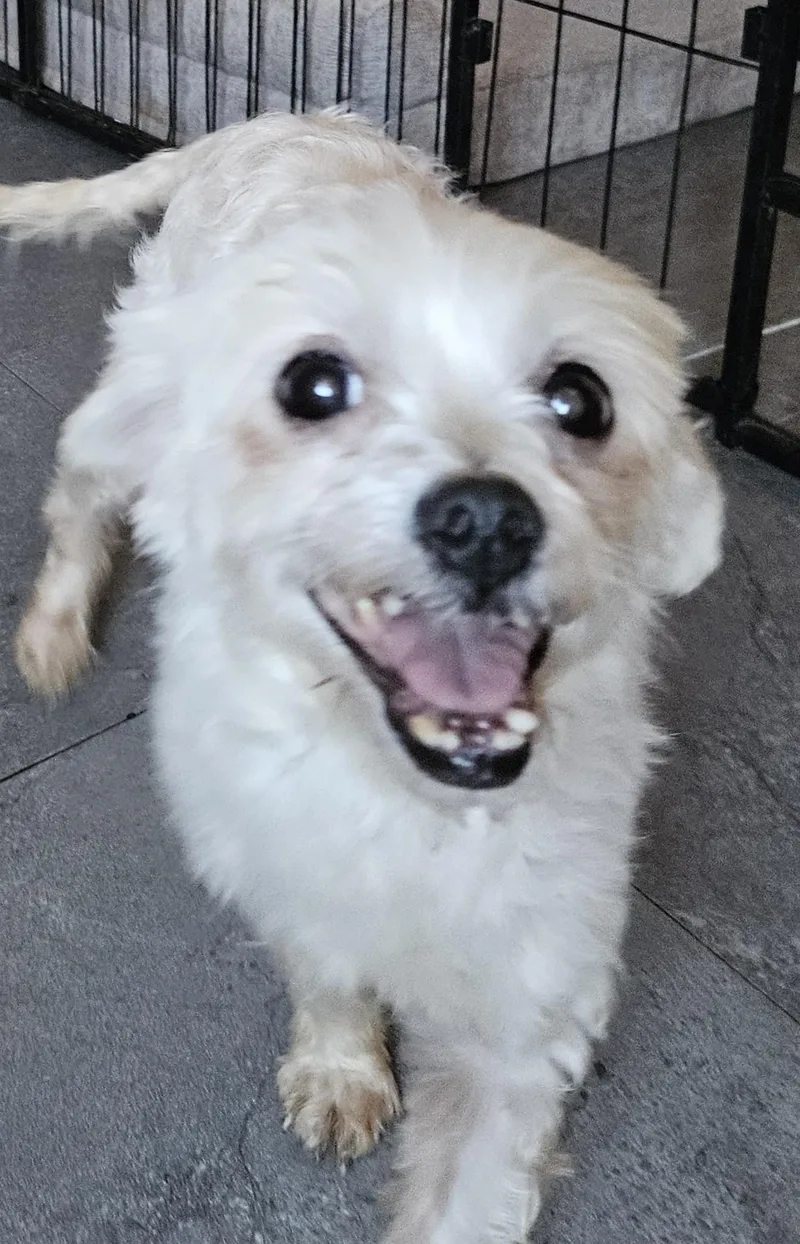
A Maltipoo usually looks like a small, fluffy teddy bear, with a rounded head, dark eyes, drop ears and a soft coat that can be wavy, curly or fairly straight. Colors include white, cream, apricot, gray, black, brown and mixed patterns. Coat type and size depend on which parent a dog favors, so two Maltipoos can look quite different.

Maltipoos are often excellent companions for people who want a small, affectionate dog that stays close by. Many are friendly, playful and quick to learn. They do need regular grooming, daily dental care and company, and some bark or become anxious when left alone. A good match depends on the individual dog and on how much time the household can give.

A Maltipoo puppy looks like a tiny ball of soft fluff, often with a straighter, silkier coat than it will have as an adult. Many puppies are white, cream or apricot, and darker coats sometimes lighten with age. Ears, legs and muzzle look short at first, and the adult coat texture usually settles in somewhere around the first year.

Maltipoos are generally smart dogs, thanks largely to the Poodle, one of the most trainable breeds. Many learn tricks, house rules and cues quickly with treats and praise. That intelligence also means they notice inconsistency and can learn to bark for attention. Short, upbeat training sessions and puzzle toys put their brains to good use and help prevent boredom.

Maltipoo puppies are typically playful, curious and cuddly, with bursts of energy followed by long naps. Like most toy puppies, they can be slow to house-train and need frequent potty breaks. They are fragile, so gentle handling and supervision around children matter. Early socialization and practice being alone briefly help them grow into confident, relaxed adults.

Maltipoos commonly live about 12 to 16 years, in line with their long-lived Maltese and Toy Poodle parents. Small dogs generally outlive large ones. Good dental care, a healthy weight, regular veterinary checkups and prompt attention to problems like kneecap or eye issues all help a Maltipoo enjoy a long life, though no individual lifespan is guaranteed.

Maltipoos were bred to be companion dogs. The cross combines the gentle, devoted Maltese with the clever, low-shedding Poodle to produce a small dog with a soft coat that suits indoor family life and people with mild allergies. They have no hunting or working background, so their main job is keeping their people company.

We have 1 rescue with Maltipoos available: PartOfThePackSocal. You can see every rescue with Maltipoos available in the list above these questions, or scroll to the top to see the Maltipoos near Ontario.