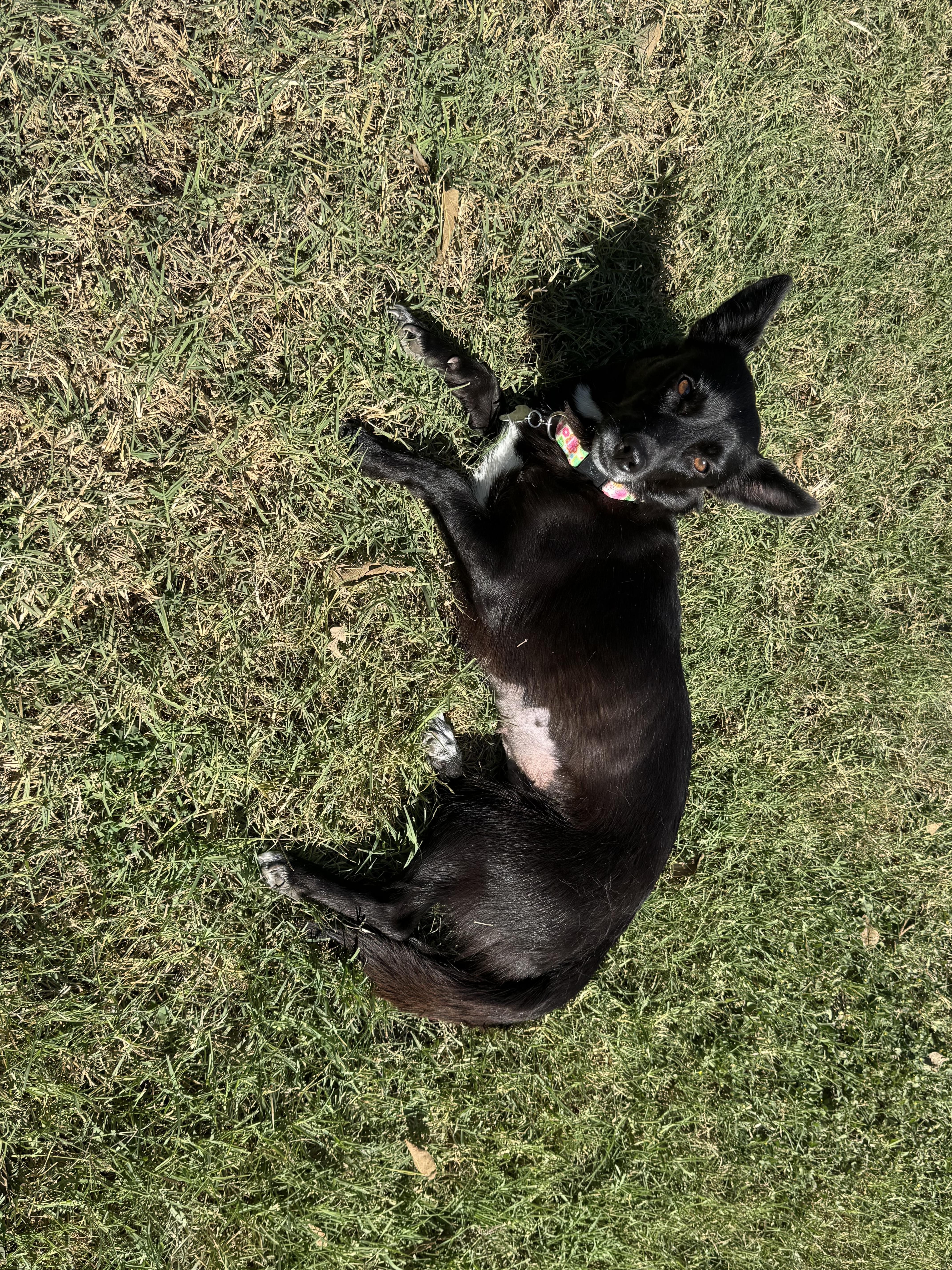
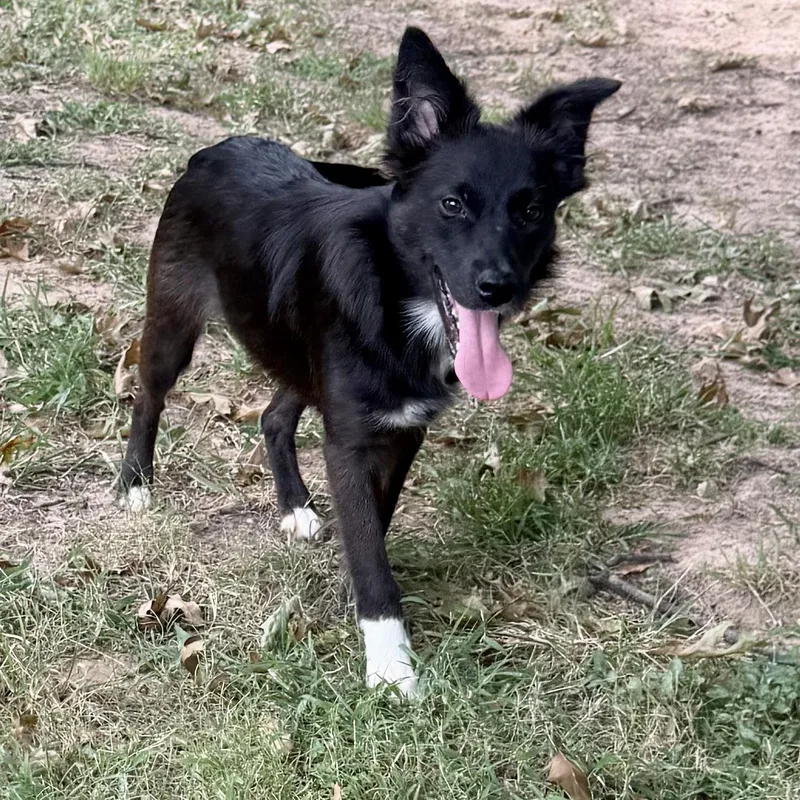
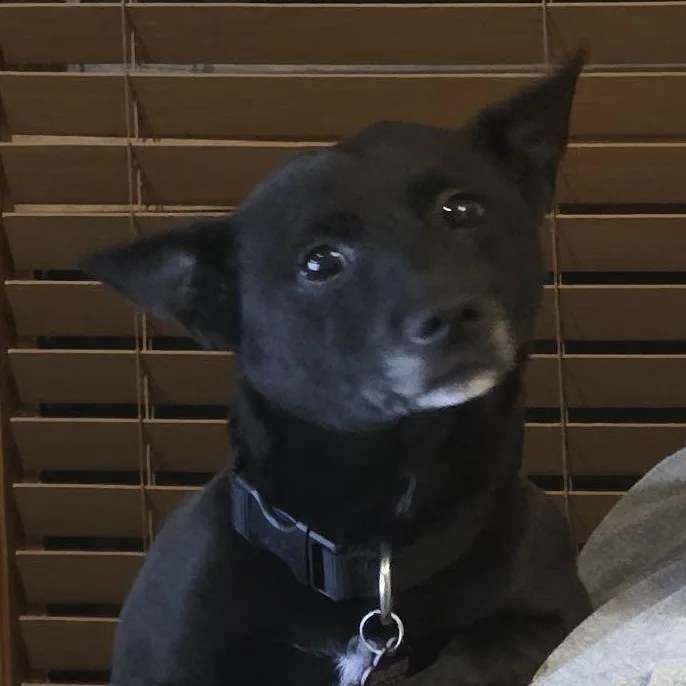
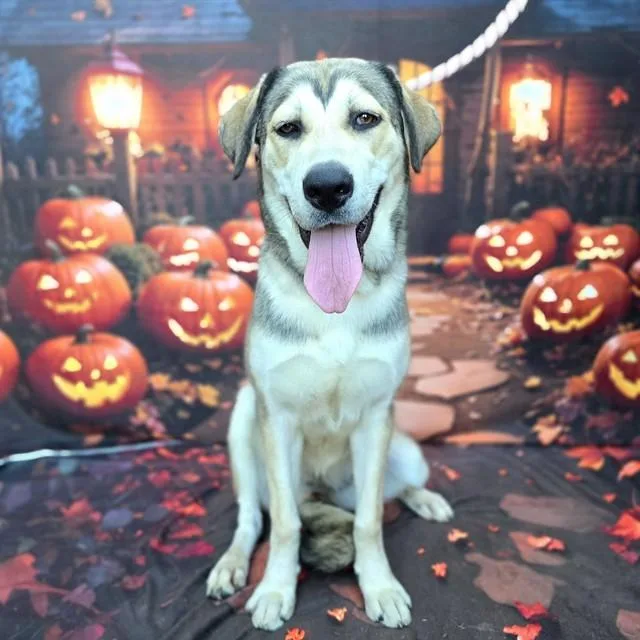
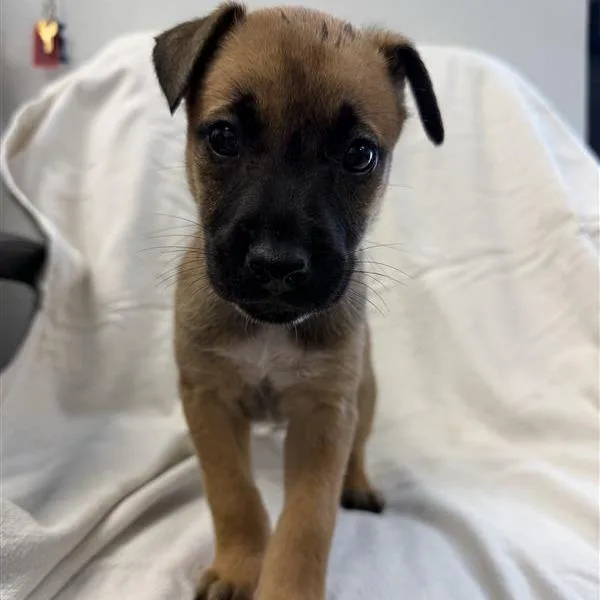
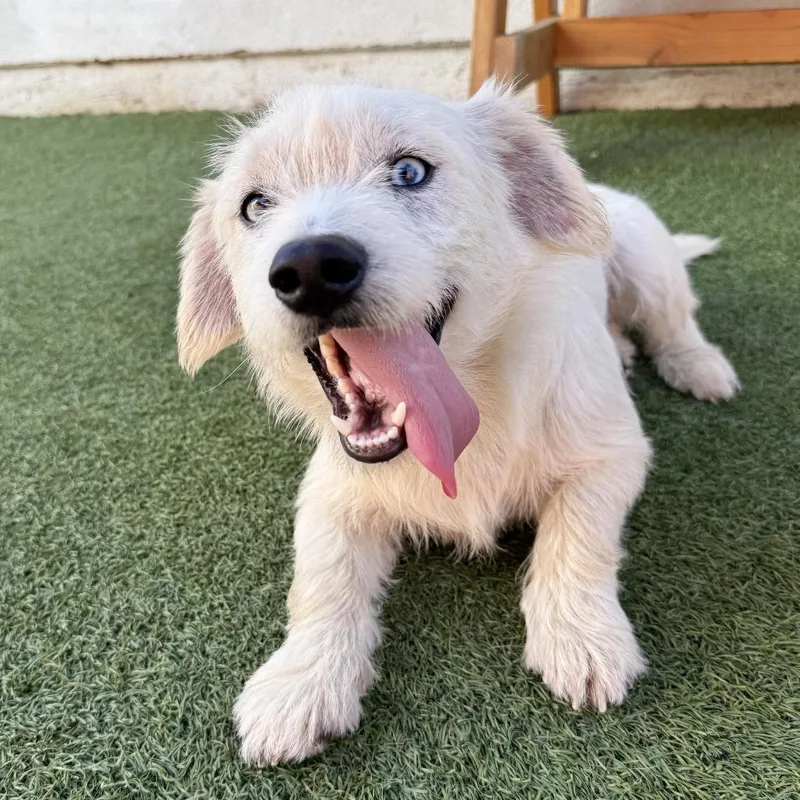
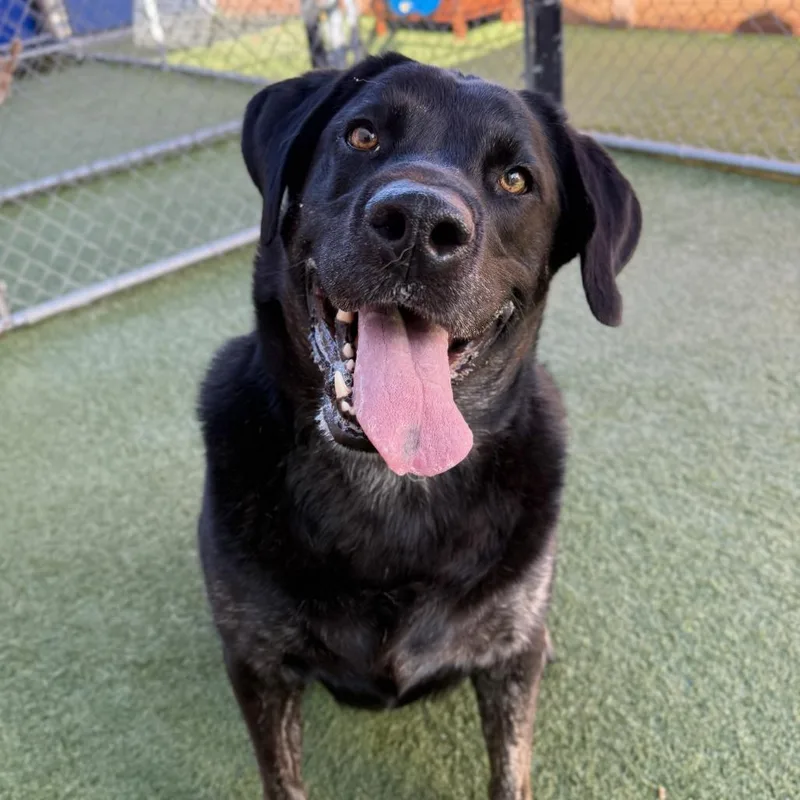
Schipperke Dogs for Adoption in Long Beach, CA

Your guide to finding and caring for a Schipperke in Long Beach

A Schipperke suits the condos and bungalows of Alamitos Beach, as long as it gets out twice a day. Many buildings there date from the 1920s and sit a short walk from the sand, and a 10-to-16-pound dog is easy to carry up the stairs and content to watch the street from a window. It will announce every passerby, though. Bring a secure leash and a harness, because Schipperkes chase small animals and slip out of gates.

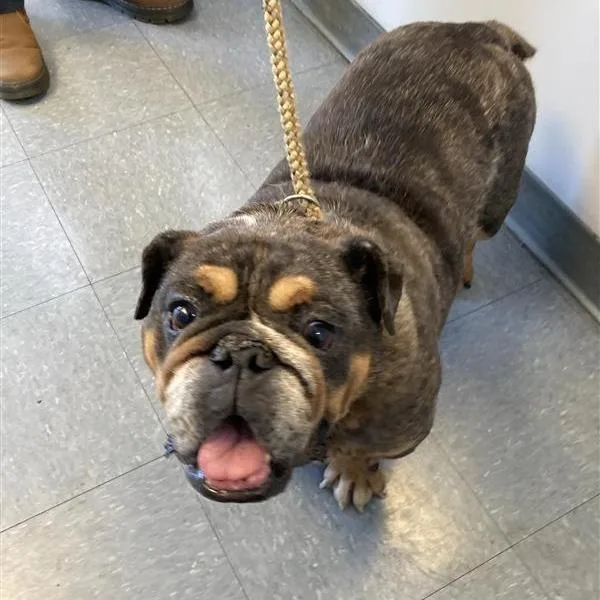
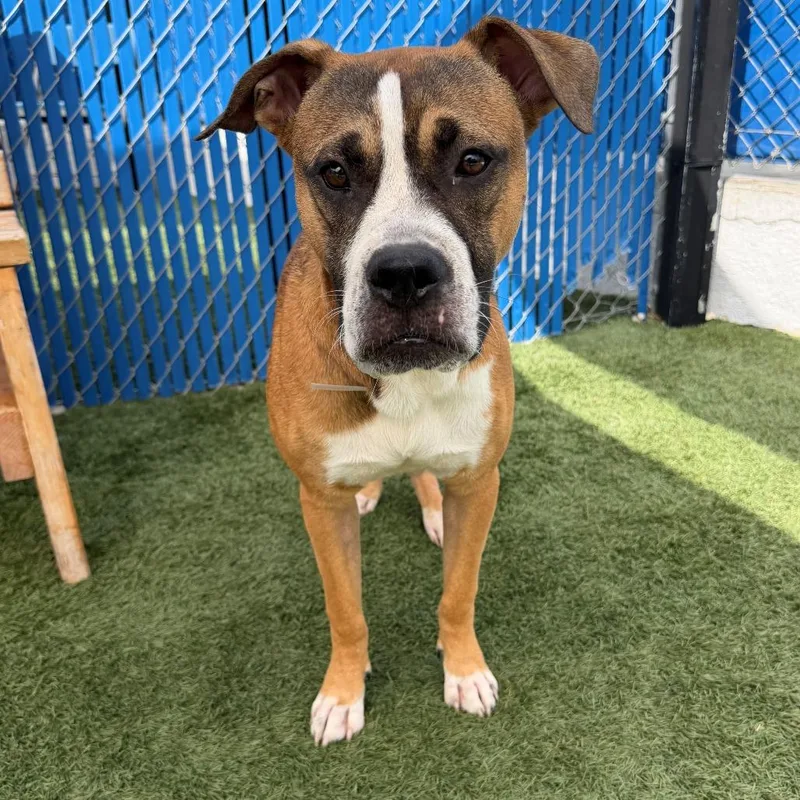
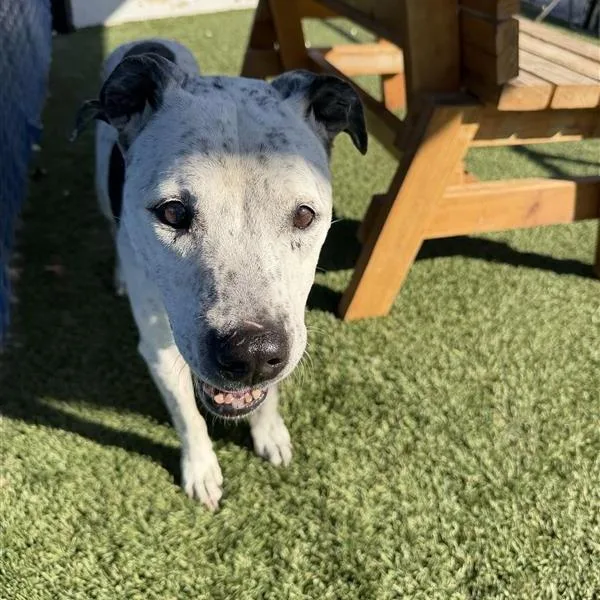
24 Schipperkes available in Long Beach and nationwide

Find your forever Schipperke

While we don't have enough dogs near Long Beach, keep in mind that many rescues may offer transport.

Schipperkes Available for Adoption Near Long Beach

About the Schipperke breed

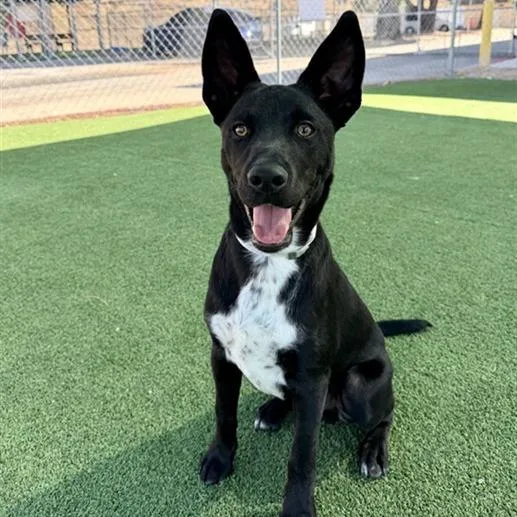
The Schipperke is a small, black, spitz-type dog from Flanders, Belgium, where it worked as a ratter and watchdog around workshops and canal boats. Its name is usually read as "little captain." Expect a fox-like face, a thick ruff around the neck, and a tail that is often short or missing altogether.

Schipperkes are curious, confident and busy, loyal to their people and wary of strangers. They're clever but can be stubborn, they tend to chase small animals, and they blow their undercoat heavily once or twice a year. Dogs vary, so an adult's personality is easier to read than a puppy's. In Long Beach, that mix suits owners who enjoy daily walks and a watchful companion at home.

Weight
10–16 lbs
Height
10–13 in
Lifespan
13–15 yrs
Temperament
Curious, Alert, Confident, Lively
Group
Non-Sporting
Shedding
Moderate to High

Owning a Schipperke in Long Beach

Having a Schipperke in Long Beach

Watchfulness, a carrying voice, a chasing instinct and seasonal shedding shape daily life with a Schipperke. In Long Beach, that means planning for shared walls, a secure leash near busy streets and the water, and coat care that suits the mild weather.

Temperament

Schipperkes tend to be bold, loyal and nosy, quick to sound the alarm at footsteps in a hallway. In a Long Beach apartment building, that can mean barking at neighbors, so early socialization and consistent house rules matter. Some are bossy with other dogs, and temperament varies from dog to dog.

Exercise Needs

Plan on two brisk walks a day plus play that uses a Schipperke's quick mind, like scent games or tricks. Most Long Beach dog parks have separate small-dog areas. Dogs must be over four months old, vaccinated and licensed, and kept on a leash outside the fence.

Health Considerations

The breed can carry MPS IIIB, an inherited neurological disease with a DNA test, and may also develop Legg-Calvé-Perthes disease, kneecap luxation, hypothyroidism or epilepsy. Schipperkes gain weight easily, so measured meals help. A veterinarian can advise on testing and watch for limping or hind-leg trouble at regular checkups.

Living Space

At 10 to 16 pounds, a Schipperke fits Long Beach condos, apartments and bungalows alike. Alert barking carries through shared walls, so training a quiet cue helps. Ground-floor yards need tight fencing, since many Schipperkes climb and squeeze through gaps. Expect clumps of shed undercoat during the seasonal blow.

What it costs to own a Schipperke in Long Beach

ExpenseTypical costPer year
Food$20 to $45 per month$240 to $540
Pet insurance$40 to $85 per month$480 to $1,020
Routine vet care$200 to $400 per year$200 to $400
Other*$490 to $1,290 per year$490 to $1,290
Estimated yearly total (after year one)$1,410 to $3,250

Other costs are estimates and vary with size, age and health.

* The $28 Long Beach license for a spayed or neutered dog, a yearly dental cleaning, flea, tick and heartworm prevention, toys and supplies, and brushing and baths for the seasonal coat blow.

Adopt a Schipperke in Long Beach.

Now that you know more, let’s find you a new best friend. These rescues and shelters below currently have Schipperkes available.

Rescues in Long Beach with Schipperkes Available

Long Beach's adoption community includes a city shelter and local rescues, all listed below along with the pets they currently show. Here are the rescues & shelters in the Long Beach area where you can find Schipperkes and other dogs available for adoption.

Frequently Asked Questions

Yes, you can own a Schipperke in Long Beach. The city has no breed-specific rules, and California law bars breed-specific dangerous-dog rules. Dogs over four months need a City license and rabies vaccine, dogs over six months must be spayed or neutered unless exempt, and leashes can't exceed six feet. A household can keep up to four pets.

Yes, a Schipperke's 10 to 16 pounds suits Long Beach apartments and condos if it gets two daily walks and some mental work. The catch is noise: the city's barking rule covers dogs that disturb nearby neighbors, and Schipperkes are quick to sound an alarm. Puzzle toys and training a quiet cue help in shared buildings.

A Schipperke is a good fit for Long Beach residents who walk daily and like a watchful companion. The mild climate, small dog parks and compact size help. It's a weaker match for anyone away all day, hoping for a quiet building, or unable to keep a close leash near busy streets and the shoreline.

Yes, Long Beach's mild climate generally suits Schipperkes. Freezing weather is essentially absent, and heat is occasional rather than constant, peaking in late summer. On hot days, walk early or late, check pavement and sand with your hand, and don't shave the double coat. Stormy winter days and smoky air call for indoor play.

Recreation Dog Park (5201 E. 7th St.) is lit at night and open until 10 p.m., and El Dorado Park Dog Park has seasonal hours. For leashed walks, the 4.5-mile Shoreline path follows the ocean. Dogs must be over four months old, vaccinated and licensed, with one dog per adult. The El Dorado Nature Center doesn't allow pets.

Yes, if a Schipperke rides in a carrier. Long Beach Transit requires pets that aren't service animals to travel in a rigid carrier with locks or latches. The Metro A Line allows only service animals or animals in fully enclosed carriers, and a purse or open backpack doesn't count. Most Schipperkes fit a carrier, so practice at home first.

Only at restaurants that choose to allow dogs. Long Beach lets patios decide under California health rules: a separate outdoor entrance, a leashed dog kept on the ground, and disposable water bowls. Indoors, only service animals are allowed. A Schipperke's alarm barking can make a busy patio hard, so practice settling quietly first.

A Schipperke needs weekly brushing, daily brushing during the once- or twice-a-year coat blow, plus nail trims and tooth care. Long Beach's mild weather doesn't change that, and shaving isn't recommended because the double coat insulates. Most owners brush at home, and occasional baths or a groomer visit fit within the Other yearly costs.

We have 1 rescue with Schipperkes available: Ghetto Rescue FFoundation. You can see every rescue with Schipperkes available in the list above these questions, or scroll to the top to see the Schipperkes near Long Beach.

Plan on roughly $1,400 to $3,250 a year for a Schipperke in Long Beach, or about $120 to $270 a month. That covers food ($20 to $45 monthly), insurance ($40 to $85 monthly), routine vet care ($200 to $400 yearly) and other costs ($490 to $1,290 yearly), such as parasite prevention, dental care, the license and brushing supplies.

Find Schipperkes in Nearby Cities

Expand your search to find Schipperkes available for adoption near Long Beach.