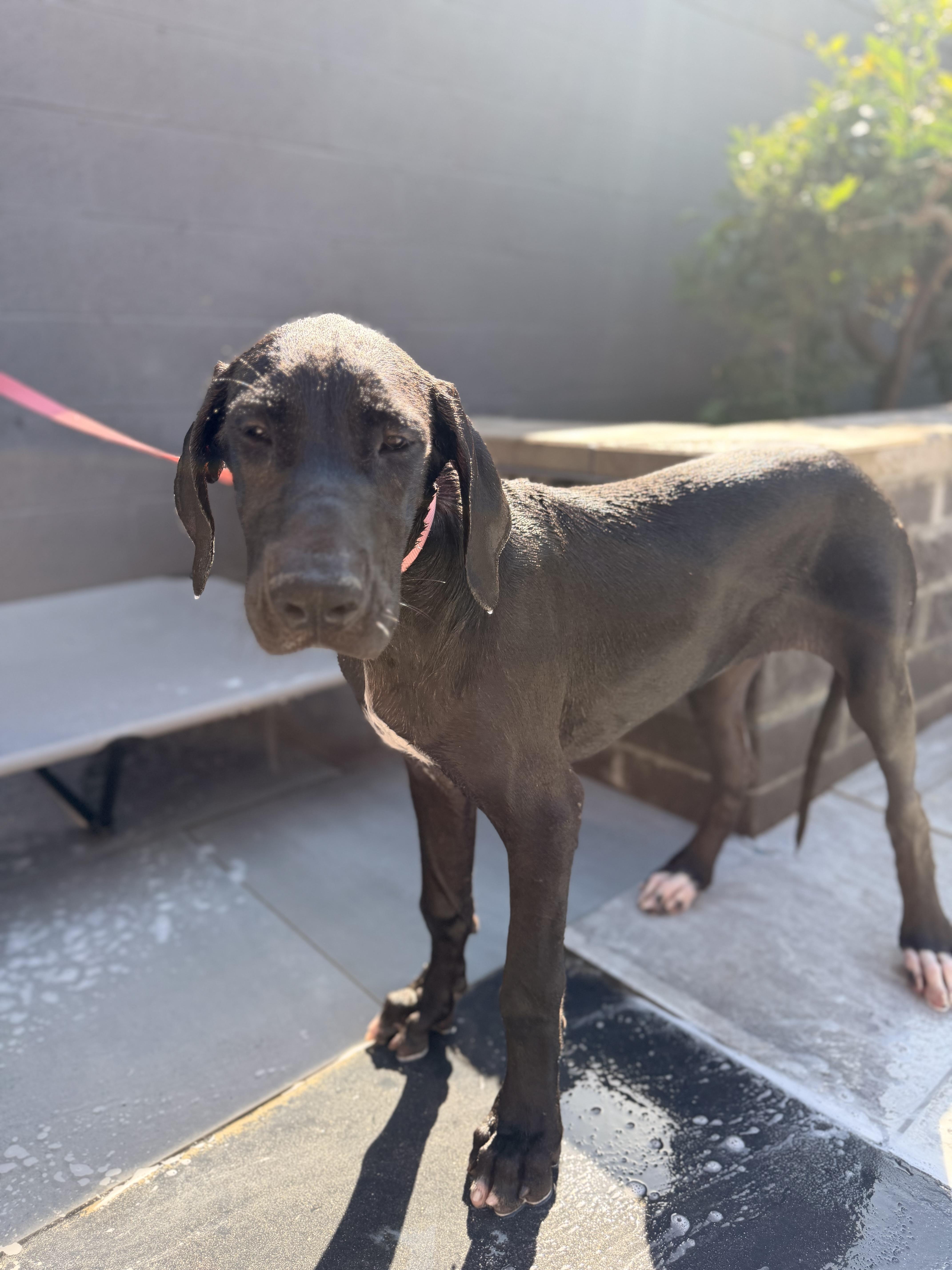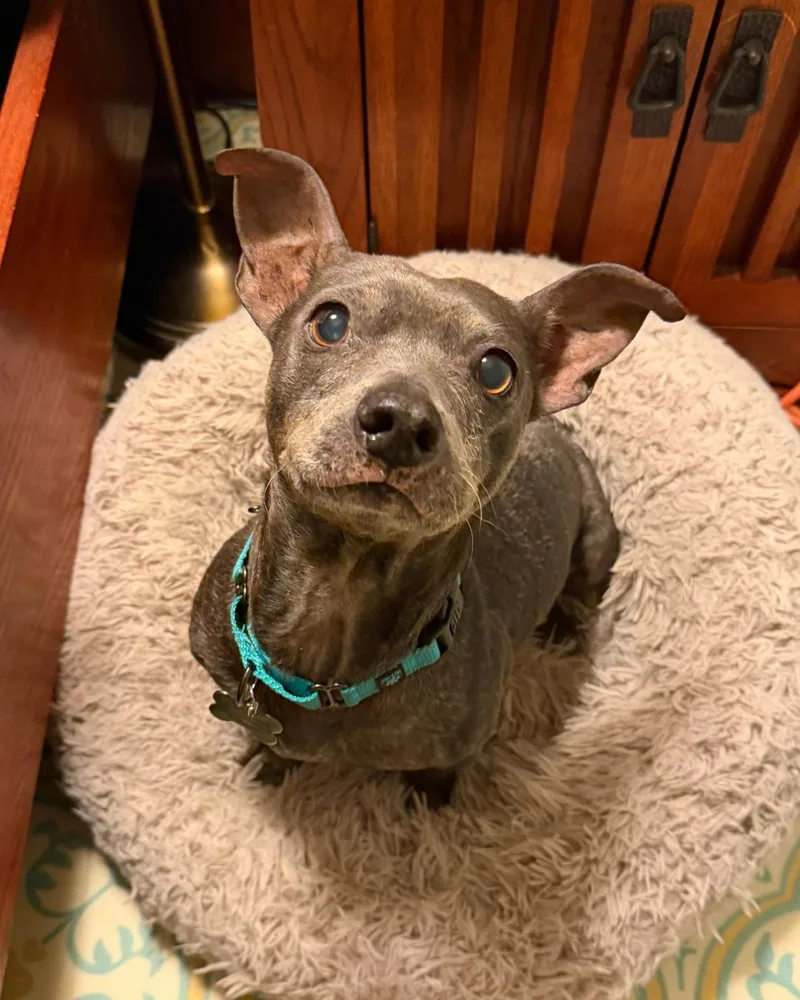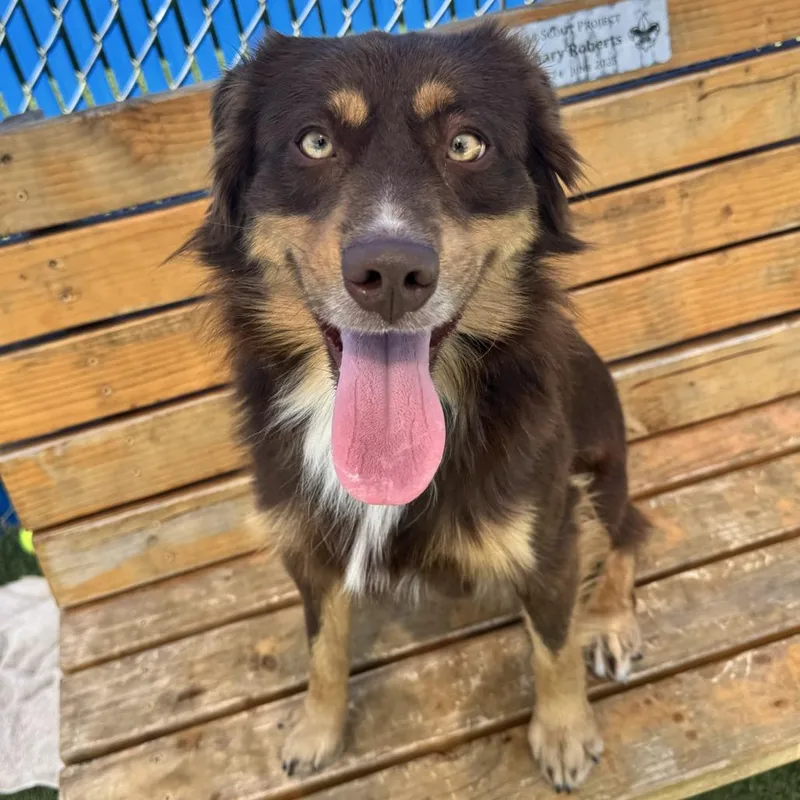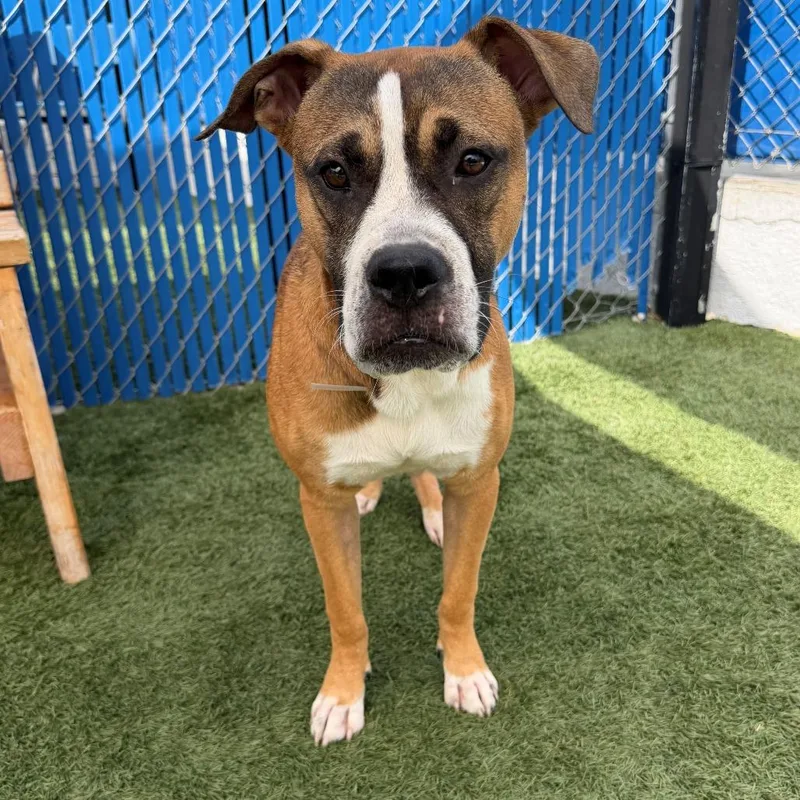
Black Labrador Retriever Dogs for Adoption in Long Beach, CA

Your guide to finding and caring for a Black Labrador Retriever in Long Beach

Black Labs suit Long Beach when there's water nearby and room to run. In El Dorado Park Estates, with its single-family homes beside the park, a Lab can get a morning walk and an afternoon game of fetch easily. Weekends can mean Rosie's Dog Beach in Belmont Shore, which suits a breed that loves to swim. It works best if you're home a fair amount, since most Labs get bored and chewy when left alone all day.

3262 Black Labrador Retrievers available in Long Beach and nationwide

Find your Black Labrador Retriever

Black Labrador Retrievers Available for Adoption Near Long Beach

About the Black Labrador Retriever breed

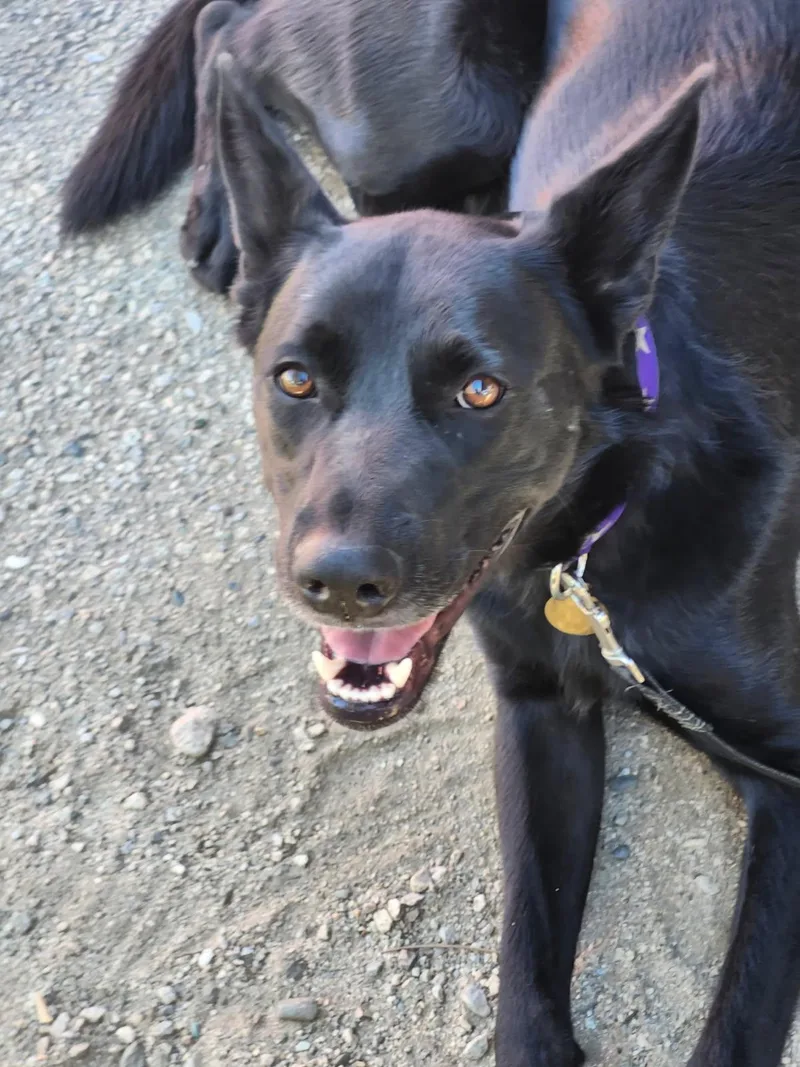
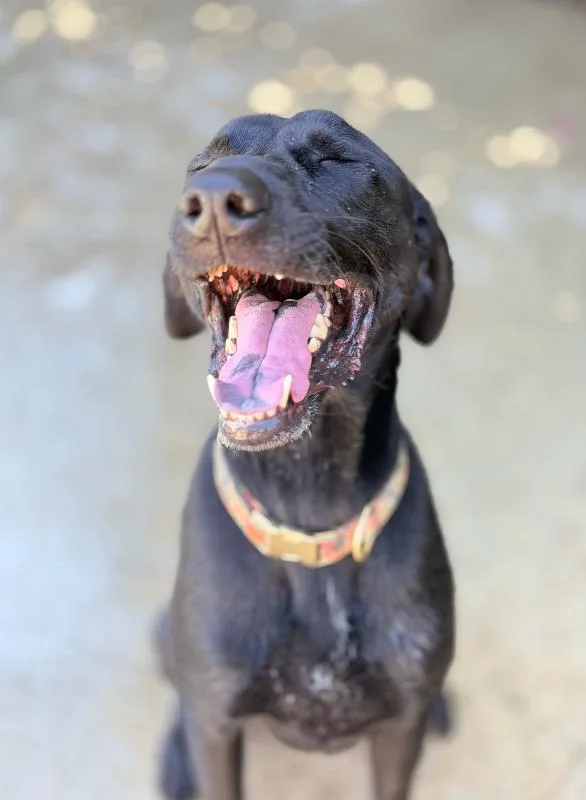
A black Lab is a Labrador Retriever in the breed's original color, not a separate breed. Labs trace back to Newfoundland's St. John's water dogs, which British sportsmen refined into gun dogs, and black dogs were common from the start. They have a broad head, an otter tail and a dense, water-resistant double coat, and some carry a small white chest spot.

In Long Beach, that heritage shows up as a love of water and fetch. Expect a friendly, food-motivated dog that matures slowly, so adolescence can be bouncy. Field-bred dogs are often leaner and more driven than show-bred ones, and every Lab varies. Plan on daily exercise, steady training, measured portions and plenty of brushing when the coat sheds.

Weight
55–80 lbs
Height
21–25 in
Lifespan
10–14 yrs
Temperament
Friendly, Outgoing, Active
Group
Sporting
Shedding
Moderate to High

Owning a Black Labrador Retriever in Long Beach

Having a Black Labrador Retriever in Long Beach

Sociable, athletic and always hungry, black Labs are easy to like and do best with steady structure. In Long Beach, daily exercise, appetite and shedding shape life far more than coat color, so match a dog's age and energy to your routine.

Temperament

Black Labs are usually outgoing and affectionate with family, visitors and other dogs, which helps on busy Long Beach sidewalks and at dog parks. Young Labs can be mouthy and boisterous, and food rewards make training effective. Temperament varies by dog, so a Lab's age, history and socialization say more than breed reputation or coat color.

Exercise Needs

Plan on an hour or more of activity most days: brisk walks, fetch, swimming or scent games. Long Beach has 12 city dog parks, though most are small, and Rosie's Dog Beach offers off-leash sand and water during posted hours. Field-bred dogs usually need more, while seniors benefit from gentler outings.

Health Considerations

Labs can develop hip and elbow dysplasia, cruciate ligament tears, exercise-induced collapse, progressive retinal atrophy, ear infections and skin allergies. Obesity is common, so measure meals and keep up regular weigh-ins. Long Beach's mild weather allows year-round outdoor play, which helps with weight. A veterinarian can check hips and elbows and set a preventive plan.

Living Space

A black Lab can manage in a Long Beach apartment or condo if daily exercise is covered, though a house with a fenced yard makes play easier. Expect shed hair and a sweeping tail that clears coffee tables. Labs want to live indoors with their people, and a dark coat needs shade and water outside.

What it costs to own a Black Labrador Retriever in Long Beach

ExpenseTypical costPer year
Food$55 to $110 per month$660 to $1,320
Pet insurance$65 to $130 per month$780 to $1,560
Routine vet care$250 to $500 per year$250 to $500
Other*$590 to $1,490 per year$590 to $1,490
Estimated yearly total (after year one)$2,280 to $4,870

Other costs are estimates and vary with size, age and health.

* The $28 Long Beach license for a spayed or neutered dog, a dental cleaning allowance, flea, tick and heartworm prevention, toys and bedding, and brushing and baths for heavy seasonal shedding.

Adopt a Black Labrador Retriever in Long Beach.

Now that you know more, let’s find you a new best friend. These rescues and shelters below currently have Black Labrador Retrievers available.

Frequently Asked Questions

Yes. Long Beach has no breed-specific rules, and California law limits breed-specific rules to spay/neuter and breeding. Expect to license your Lab and keep rabies shots current from four months, and keep your household to four pets or fewer. State law also limits tethering a dog to a fixed object, so use a fenced yard or a leash.

Yes, many black Labs manage in Long Beach apartments when their exercise is covered. Because the city is renter-heavy, review each building's pet policy, since some landlords set weight limits and deposits. Plan on several walks a day, regular dog park or beach trips and plenty of chew toys. Barking that disturbs neighbors can draw complaints under city rules.

Rosie's Dog Beach in Belmont Shore is the top pick for swimming and off-leash play, open 6 a.m. to 8 p.m. daily. Recreation Dog Park, Wrigley Heights and the El Dorado Park dog park give a big Lab more room than the small downtown runs. For leashed walks, try the Shoreline path along the ocean or the Los Angeles River path.

Yes. A Lab's water-resistant double coat and love of swimming fit Long Beach's mild climate and dry summers. The main risk is a dark coat during late-summer heat waves, which can top 100°F, so shift walks to early morning or evening and watch for heavy panting or lagging. On smoky days, keep outings short.

Yes, if you can give a Lab daily exercise and company. Long Beach has a dog beach, a dozen dog parks and flat, walkable streets that suit an active, social dog. It's a tougher match for long workdays away, since Labs left alone tend to chew and bark. Fireworks around July 4 frighten many dogs, so keep ID tags and microchip registration current.

Generally no, unless the dog is a service animal. Long Beach Transit requires other pets to ride in a rigid carrier with locks or latches, and the Metro A Line allows only service animals or fully enclosed carriers. A 55-to-80-pound Lab won't fit in one, so plan on walking or driving. Check current Metro and Long Beach Transit rules before traveling.

Only to a patio, and only where the restaurant chooses to allow dogs. California law lets restaurants permit leashed dogs in outdoor dining areas with a separate entrance, and the dog must stay on the ground with water in a disposable bowl. Indoors, only service animals are allowed. Confirm the policy at the door, since each business decides.

Plan on brushing a few times a week, and daily during heavy shedding, which often comes with changing seasons. Long Beach's mild weather means a Lab sheds moderately year-round. A bath every month or two is plenty, and trims aren't needed. Occasional professional baths fall within the Other line of the cost table, so grooming won't add a separate budget.

We have 1 rescue with Black Labrador Retrievers available: spcaLA PD Pitchford Companion Animal Village. You can see every rescue with Black Labrador Retrievers available in the list above these questions, or scroll to the top to see the Black Labrador Retrievers near Long Beach.

Expect roughly $2,300 to $4,900 a year for a black Lab in Long Beach, or about $190 to $405 a month. Food runs $55 to $110 a month, insurance $65 to $130, routine vet care $250 to $500 a year, and other costs $590 to $1,490 a year. Large dogs eat more, and shedding care adds up.