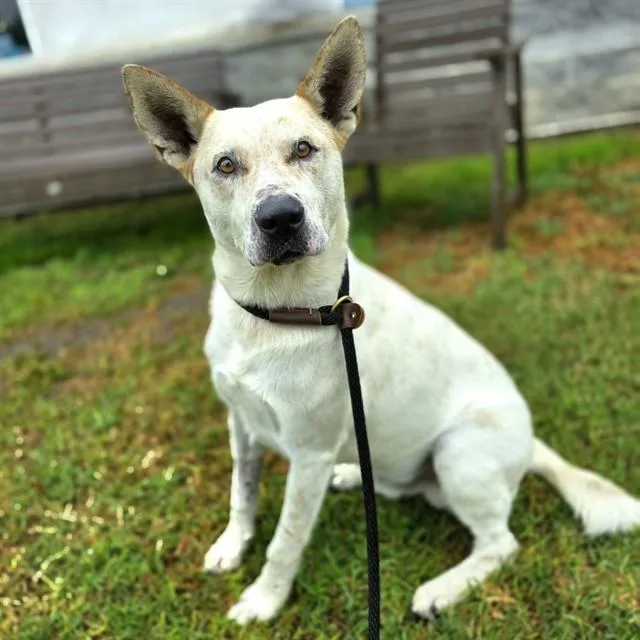
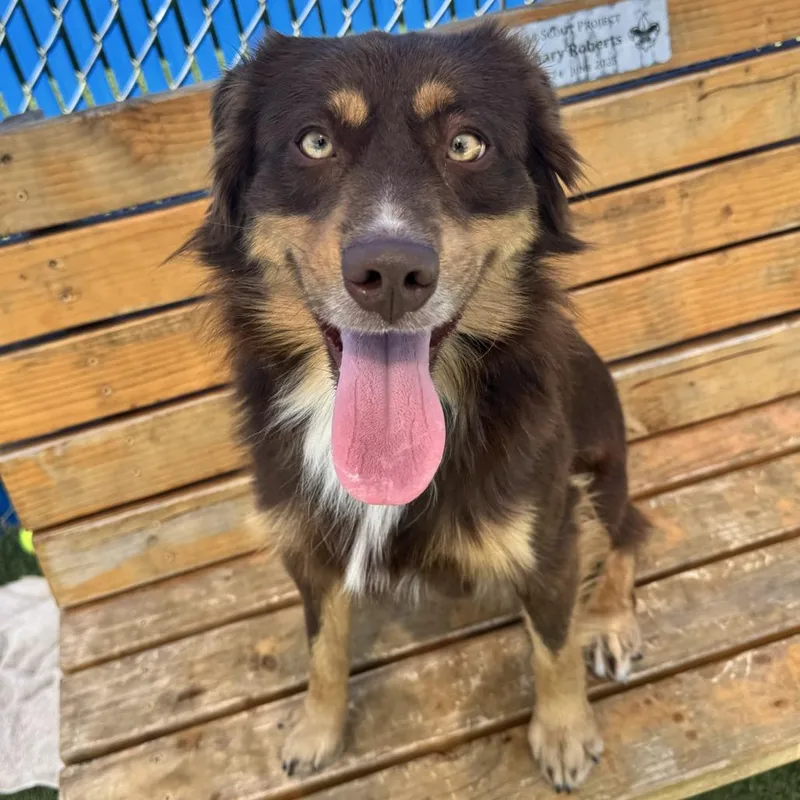
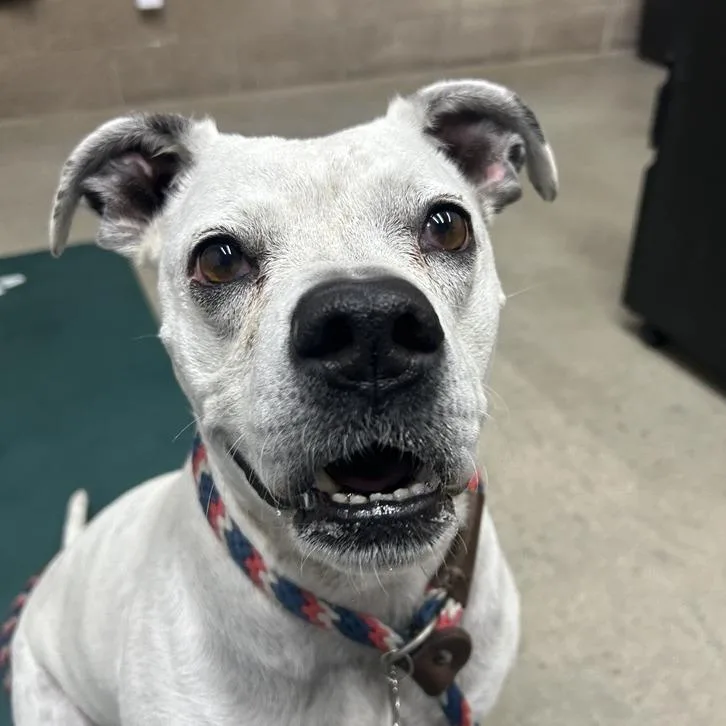
Akita dog

Akita Dogs for Adoption in Long Beach, CA

Your guide to finding and caring for an Akita in Long Beach

An Akita fits best on the quieter residential streets of Long Beach, like Lakewood Village or El Dorado Park Estates. Those blocks of single-family homes suit a dog that prefers a calm routine and a few steady walks over crowds. Akitas are loyal, reserved with strangers and heavy shedders, so a securely fenced yard is a real help. Cool coastal evenings make the thick coat easy to live with, though late-summer afternoons can run hot. Plan on brushing several times a week.

431 Akitas available in Long Beach and nationwide

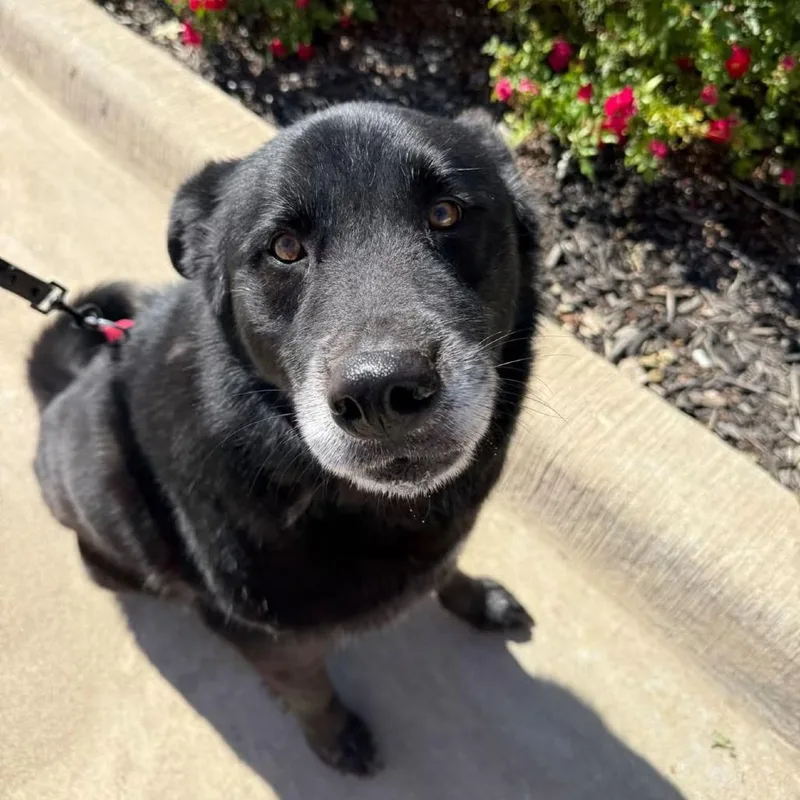
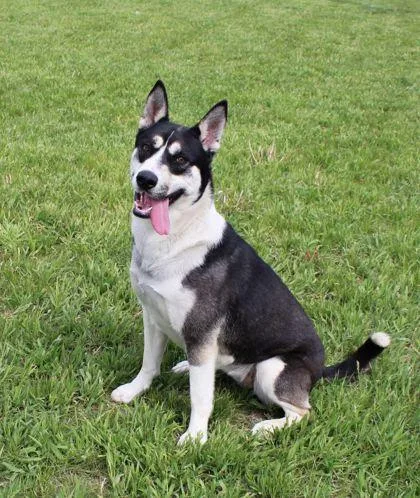
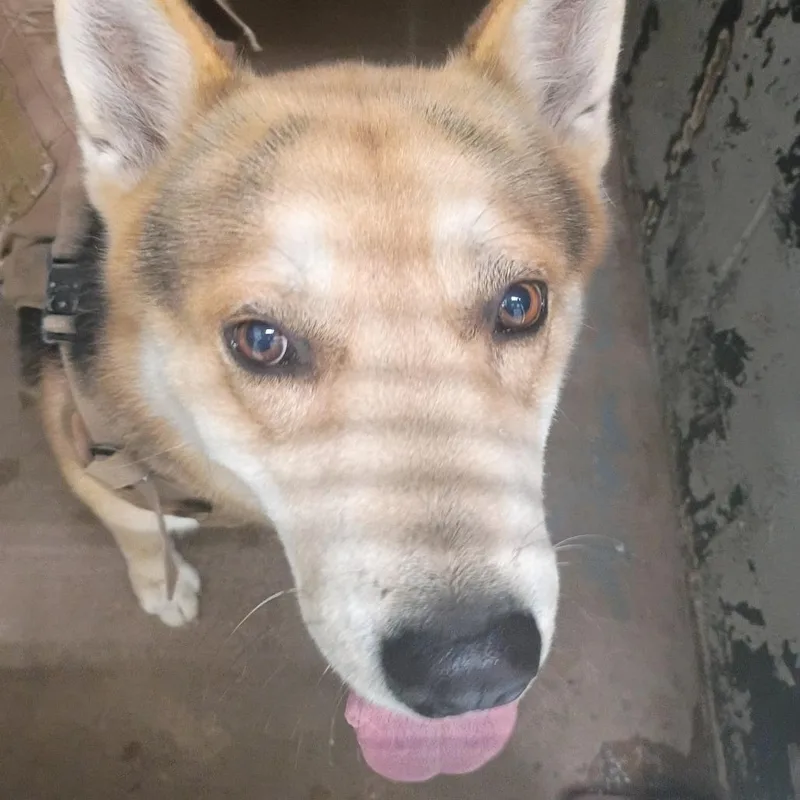
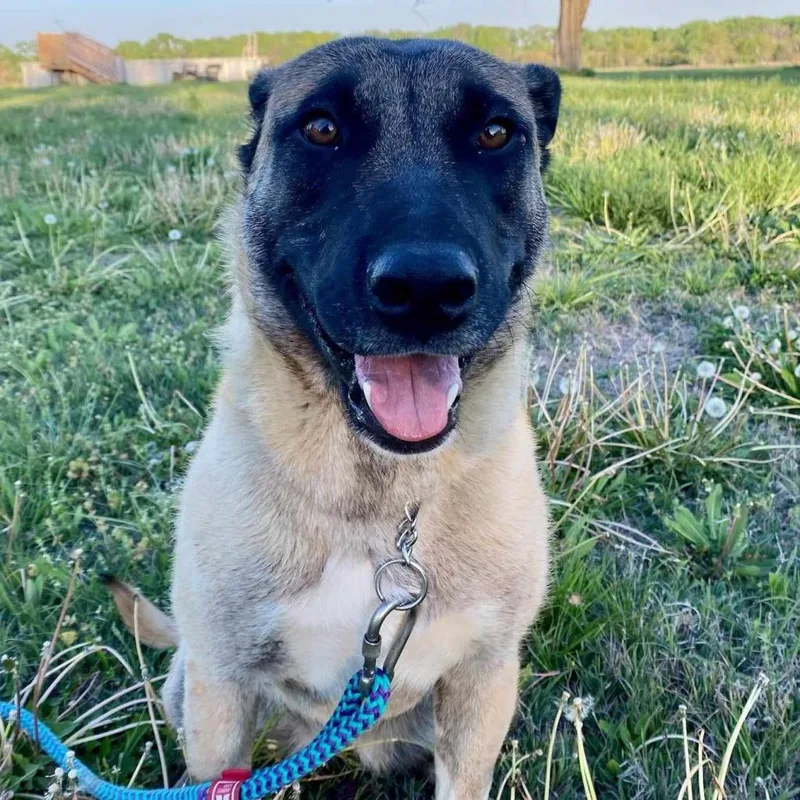
Your Akita is waiting

Akitas Available for Adoption Near Long Beach

About the Akita breed

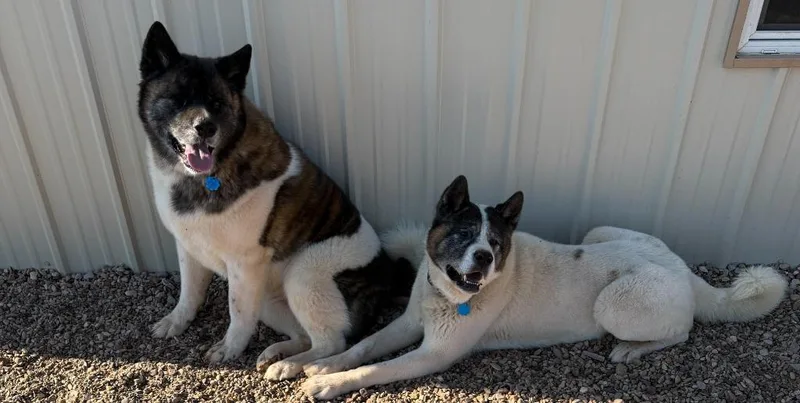
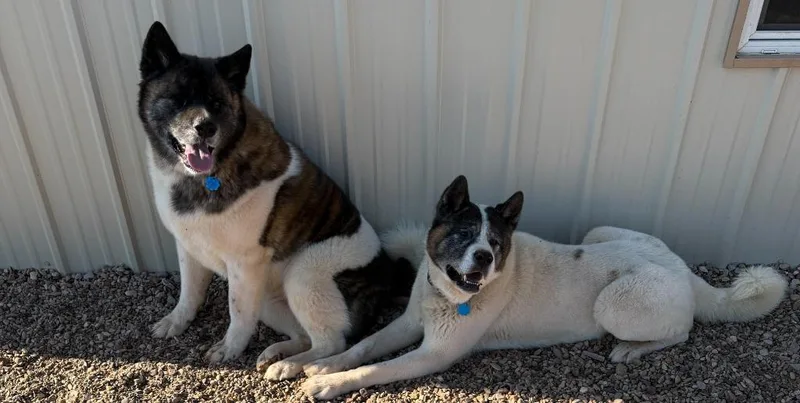
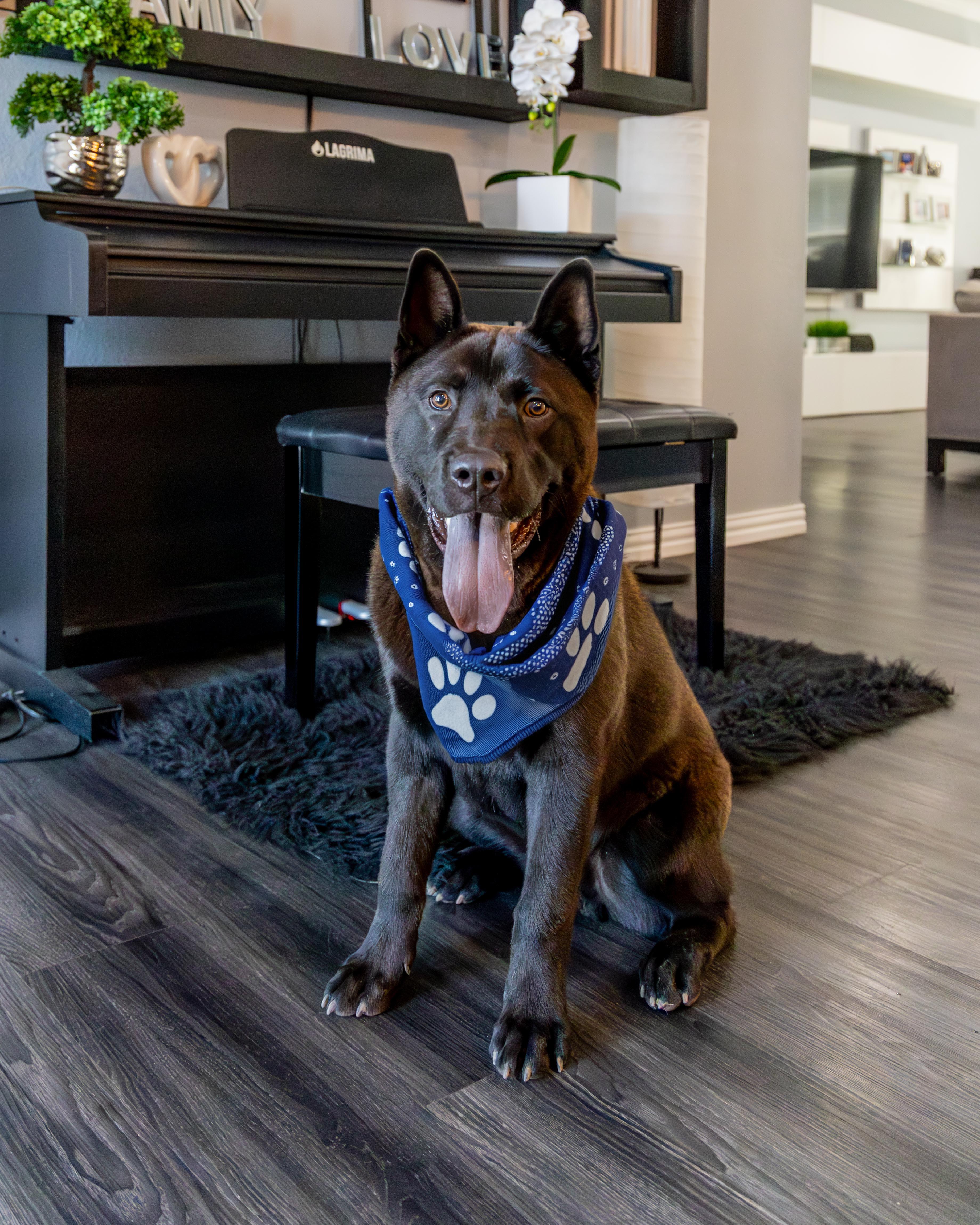
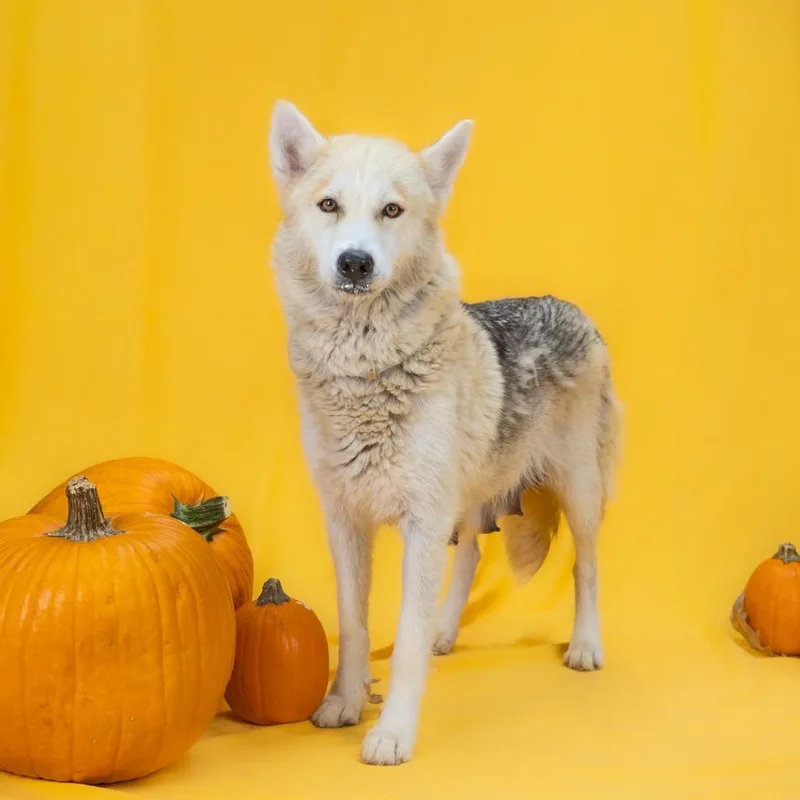
Akitas come from the snowy mountains of northern Japan, where spitz-type dogs hunted bear, boar and serow before later guarding estates. The American-type Akita is the heavier, bear-headed dog, with a broad head, small upright ears, a plush double coat and a large tail curled over the back. Adults commonly weigh 70 to 130 pounds, with males at the top of that range.

Many Akitas are quiet, dignified and devoted to their own people while staying aloof with strangers. Guarding instincts are common, and some don't tolerate other dogs, especially of the same sex. In Long Beach, that usually means leashed walks on neighborhood streets, careful introductions and consistent, reward-based training. Expect heavy coat blowouts about twice a year, and remember that each Akita's personality varies.


Weight
70–130 lbs
Height
24–28 in
Lifespan
10–14 yrs
Temperament
Loyal, Dignified, Protective, Independent
Group
Working
Shedding
High

Owning an Akita in Long Beach

Having an Akita in Long Beach

An Akita's appeal is quiet loyalty in a large, powerful body. Independence, a heavy coat and selective tolerance of other dogs shape daily life in Long Beach far more than looks do, so matching the right Akita to your home matters.

Temperament

Akitas tend to be affectionate with family and reserved with strangers, and many are intolerant of other dogs, especially of the same sex. Long Beach's busy sidewalks and crowded patios can test that wariness, so go slowly with introductions and keep leash manners steady. Training works best when it's consistent and reward-based.

Exercise Needs

Most Akitas need moderate daily exercise, such as brisk leashed walks and sniffing outings. Many do poorly around unfamiliar dogs, and Long Beach requires a leash no longer than six feet in public, so a secure yard and quiet routes often suit them better than busy off-leash areas. Short training sessions help keep their minds busy.

Health Considerations

Akitas can develop hip dysplasia, hypothyroidism, bloat and immune-related conditions, including sebaceous adenitis and eye and skin disorders. Their red blood cells naturally hold more potassium, which can confuse lab results, so make sure any veterinarian knows the breed. Review records and keep up regular checkups so problems are caught early.

Living Space

An Akita can manage a house or an apartment if it gets daily exercise, but its size and wariness of strangers make busy hallways and shared elevators harder. A securely fenced yard is valuable. It should live indoors with its family and have a cool spot, and heavy shedding means frequent vacuuming.

What it costs to own an Akita in Long Beach

ExpenseTypical costPer year
Food$55 to $110 per month$660 to $1,320
Pet insurance$65 to $130 per month$780 to $1,560
Routine vet care$250 to $500 per year$250 to $500
Other*$590 to $1,490 per year$590 to $1,490
Estimated yearly total (after year one)$2,280 to $4,870

Other costs are estimates and vary with size, age and health.

* The $28 Long Beach license for a spayed or neutered dog, flea, tick and heartworm prevention, a dental cleaning allowance, toys and bedding, and brushing and baths for heavy coat blowouts.

Adopt an Akita in Long Beach.

Now that you know more, let’s find you a new best friend. These rescues and shelters below currently have Akitas available.

Frequently Asked Questions

Yes, an Akita can live in a Long Beach apartment if it gets daily exercise and calm handling. Its size and wariness of strangers make busy hallways, elevators and shared courtyards harder, so a quieter building helps. Because so many homes here are rentals, confirm weight limits and pet terms in writing, and expect heavy shedding to show in small spaces.

An Akita fits Long Beach best with a patient owner who is home a fair amount and enjoys steady leashed walks more than dog parks. The mild coast helps the thick coat, but expect late-summer heat, crowded sidewalks and two coat blowouts a year. Akitas vary, so the dog's own manner matters more than the breed.

Leashed routes usually suit Akitas better than off-leash crowds. Try the 4.5-mile Shoreline path from Shoreline Village to Belmont Shore, the Los Angeles River path or Bluff Park above the beach. City dog parks require licensed, vaccinated dogs over four months old, one dog per adult, and many Akitas dislike unfamiliar dogs.

Mostly yes. Winters essentially never freeze, summer nights are cool, and only about 23 days a year reach 90°F, so the thick coat is manageable. The hottest stretch comes in August and September, so exercise early or after sunset and provide shade, water and a cool indoor spot. Winter brings rain, not cold.

Usually not. Long Beach Transit requires pets that aren't service animals to ride in a rigid, latched carrier, and the Metro A Line allows only service animals or animals in fully enclosed carriers. An Akita is far too big for any carrier, so plan on walking or driving, with the dog secured safely in the car.

Only to patios that choose to allow dogs. California law lets restaurants admit leashed dogs outdoors if they enter through a separate outdoor entrance and stay on the ground, and each business decides. Indoor dining is limited to service animals. Many Akitas are wary of strangers, so a quiet corner and a calm settle-down habit help.

Plan on brushing a few times a week, and daily during the two coat blowouts, with baths only as needed. Long Beach's mild climate means the coat stays heavy all year, and shaving can damage it. Budget roughly $100 to $300 a year for brushing and baths, which falls within the Other cost line.

An Akita is a large, powerful spitz-type dog from northern Japan, known for its plush double coat, upright ears and tail curled over the back. In the United States, the Akita is the heavier American type, while the lighter Japanese Akita Inu is now registered separately. Many Akitas are devoted to their family, reserved with strangers and selective about other dogs.

We have 1 rescue with Akitas available: spcaLA PD Pitchford Companion Animal Village. You can see every rescue with Akitas available in the list above these questions, or scroll to the top to see the Akitas near Long Beach.

Expect roughly $2,300 to $4,900 a year for an Akita in Long Beach, covering food, insurance, routine vet care and other costs such as parasite prevention, dental care and coat grooming. Food runs $55 to $110 a month and insurance $65 to $130 a month. Large dogs with heavy coats tend toward the higher end.