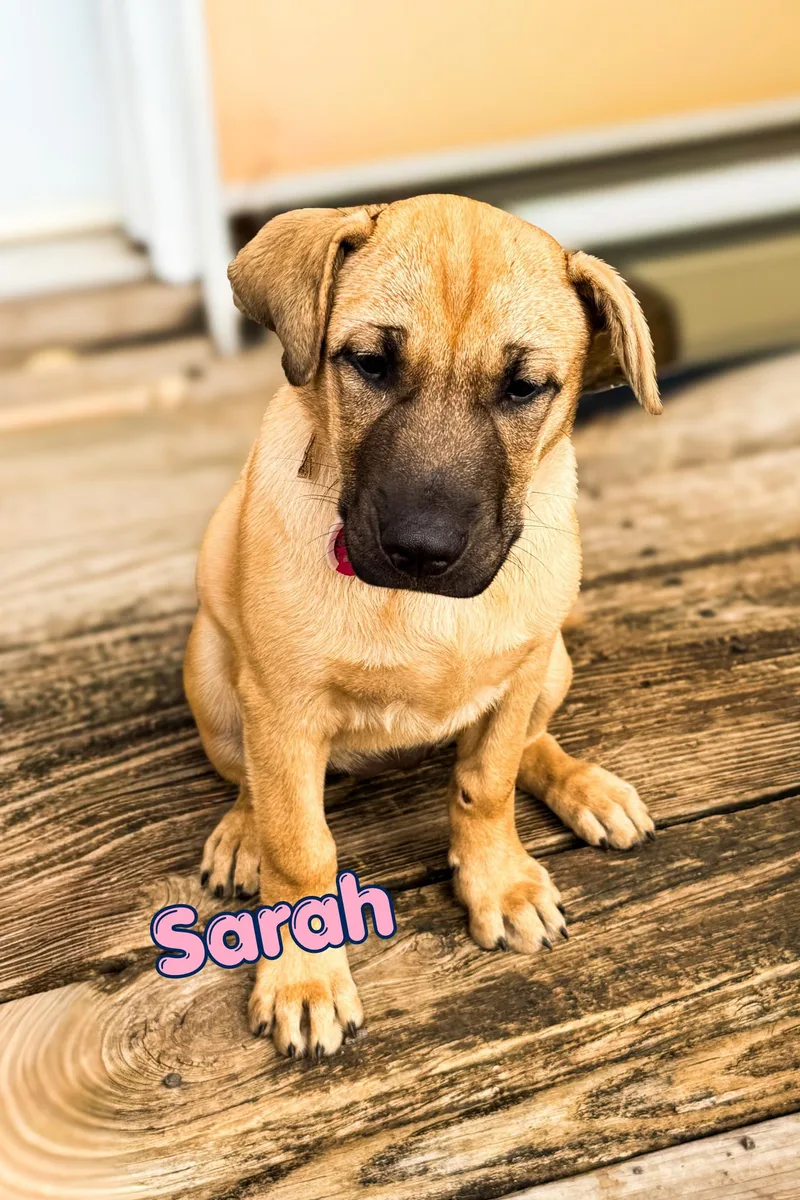
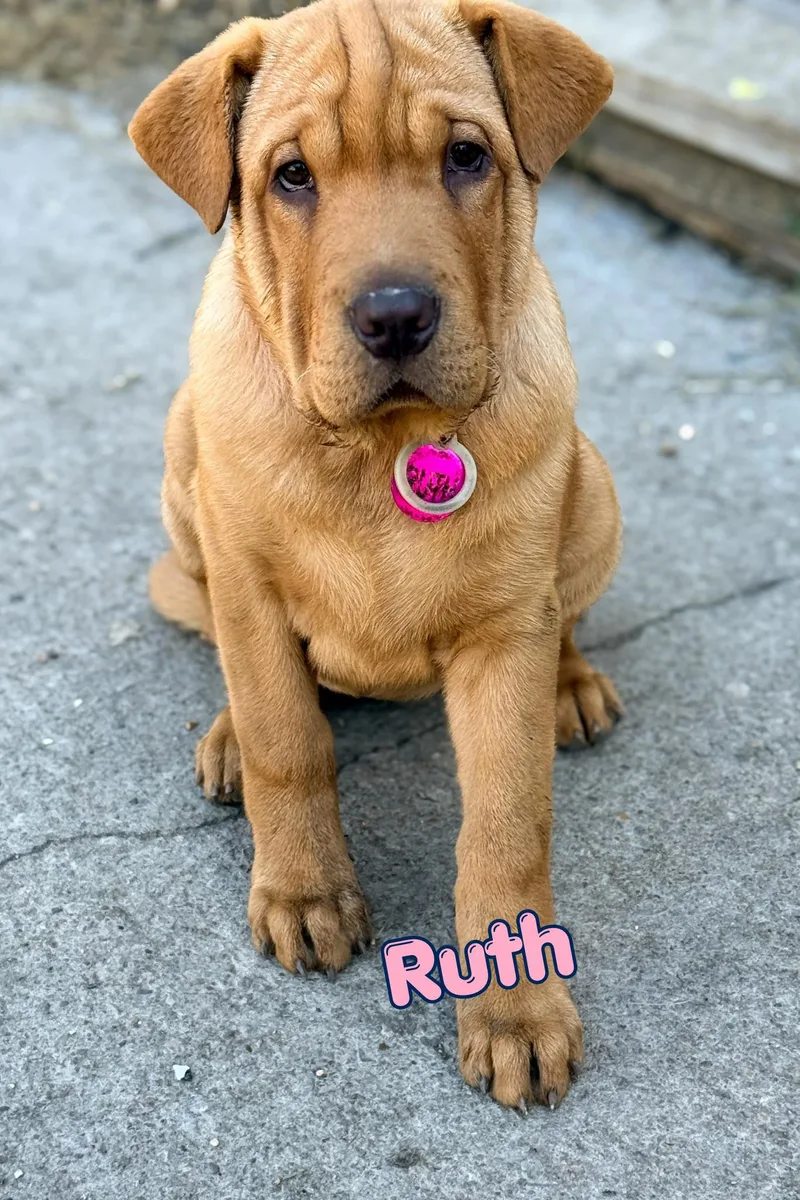
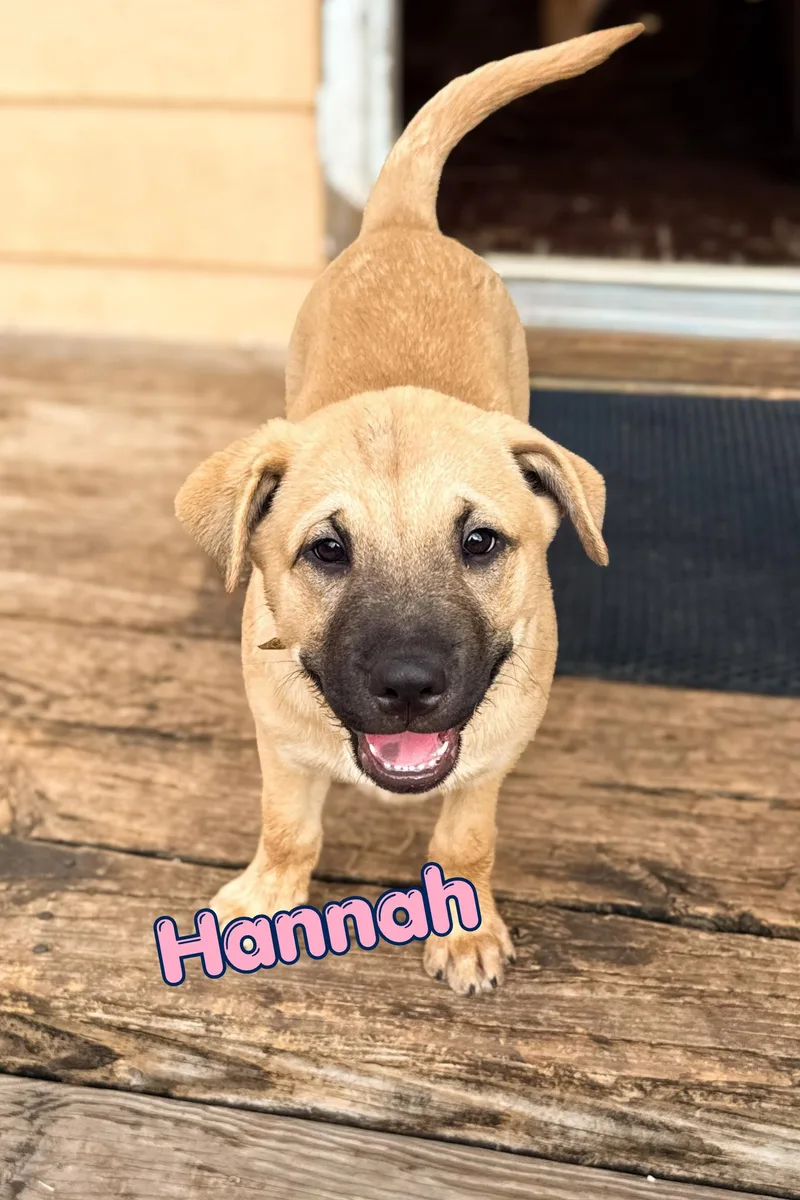
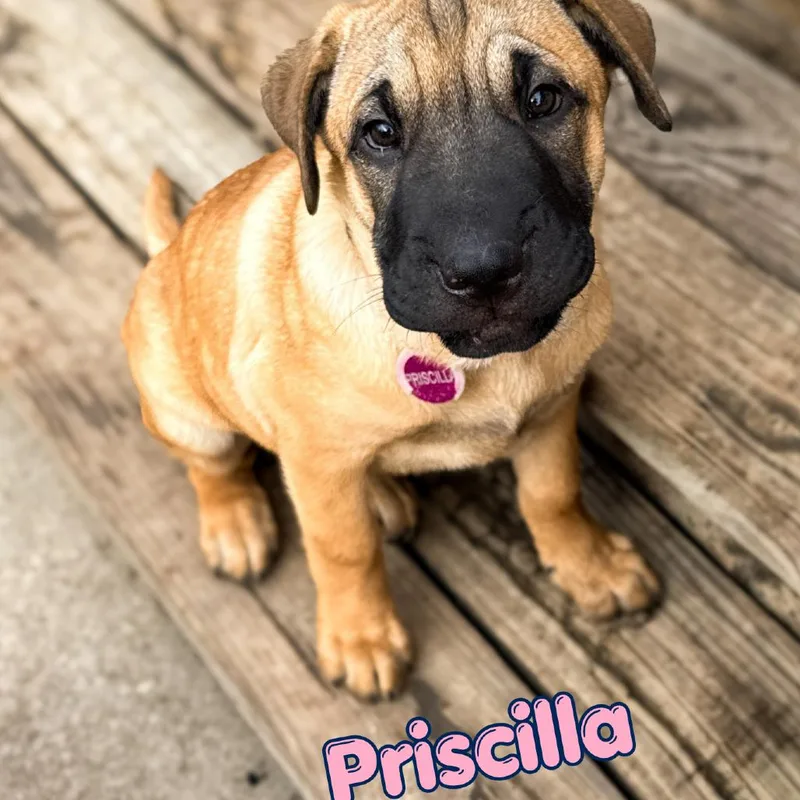
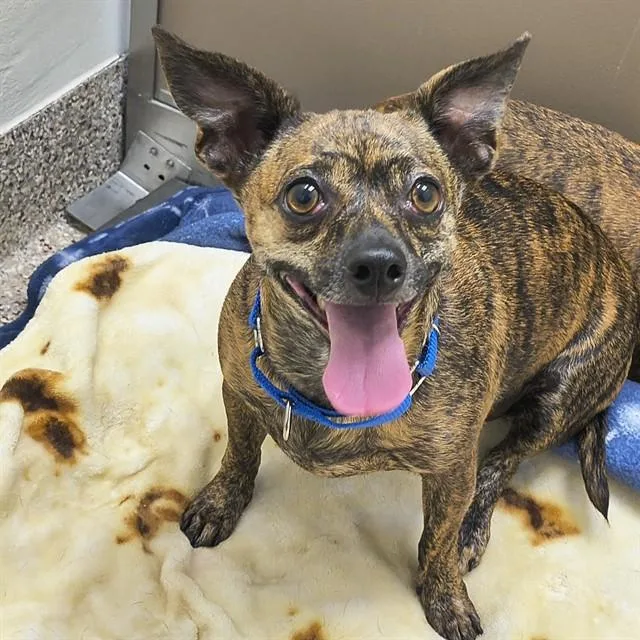
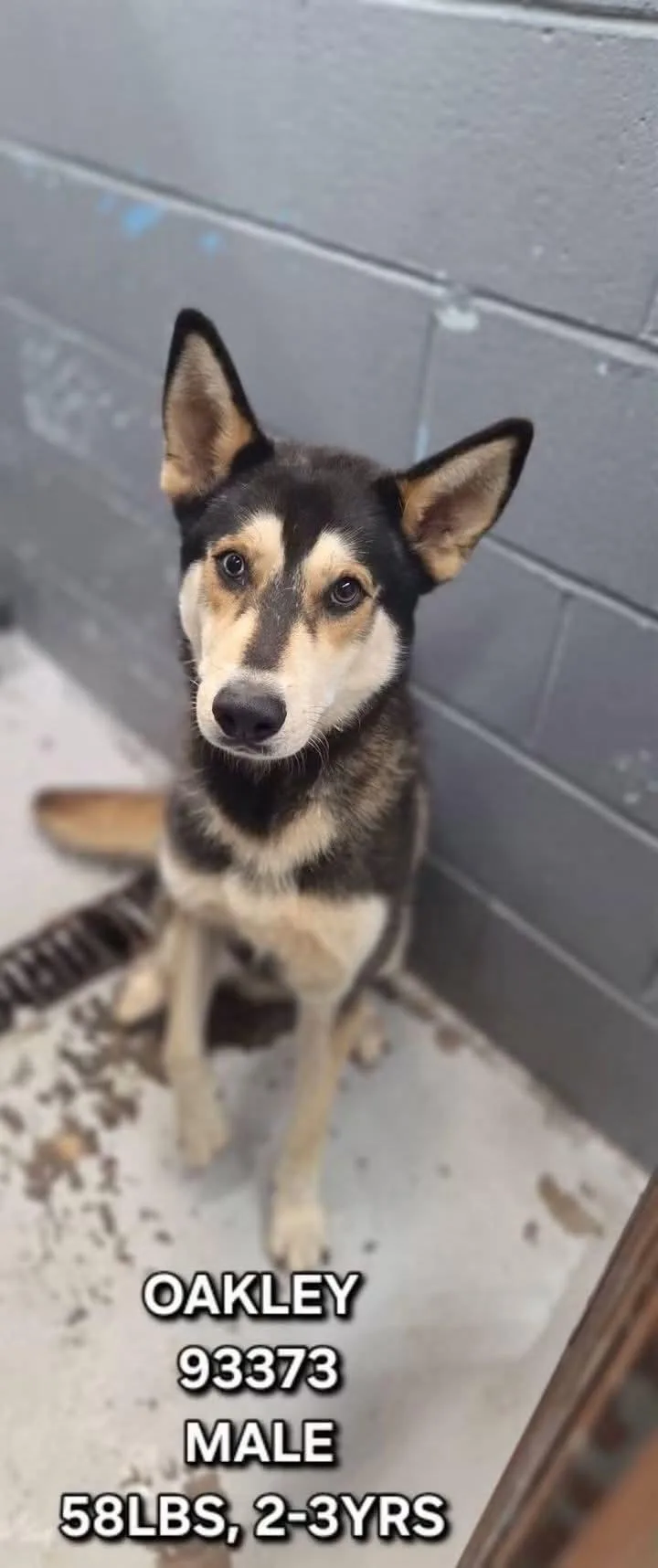
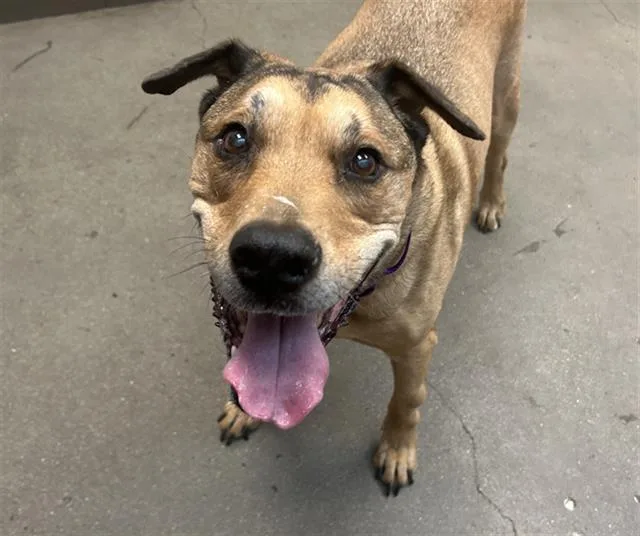
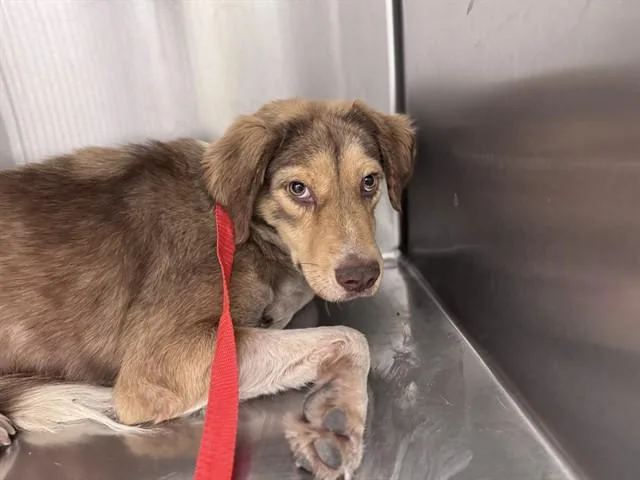
Shar-Pei Dogs for Adoption in Tucson, AZ

Your guide to finding and caring for a Shar-Pei in Tucson

Shar-Peis suit Tucson's quieter routines, as long as the walks happen early. A leashed morning stroll along the Rillito path near Fort Lowell, then a cool afternoon on the floor at home, is about all most of them ask for. Many are reserved with strangers, so a calm street of historic homes in Sam Hughes usually goes better than a crowded patio on Fourth Avenue. Triple-digit summers are the main thing to plan around, and shade and air conditioning matter more than a big yard.

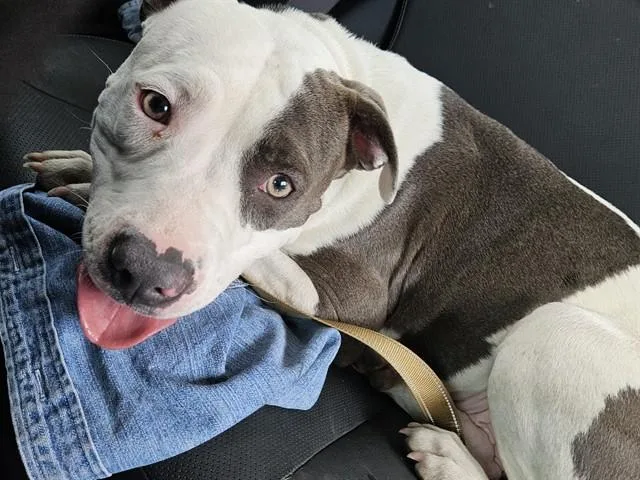
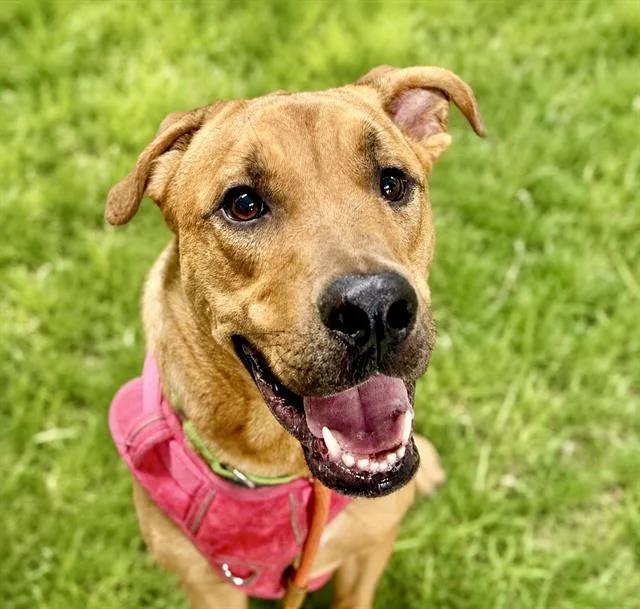
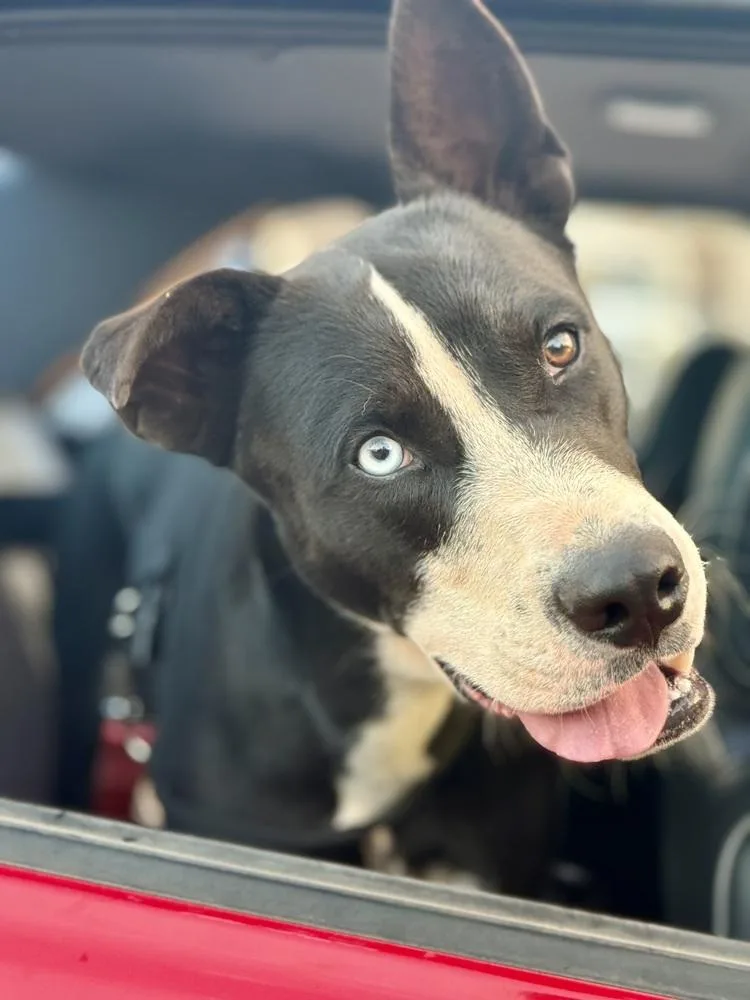
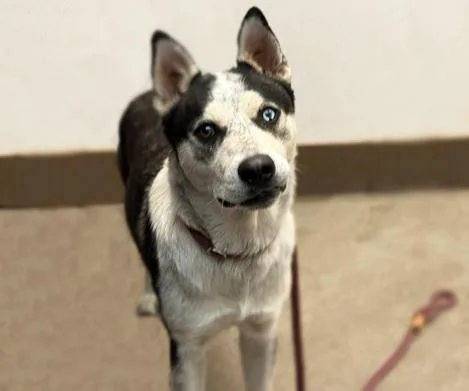
641 Shar-Peis available in Tucson and nationwide

Bring home a Shar-Pei

While we don't have enough dogs near Tucson, keep in mind that many rescues may offer transport.

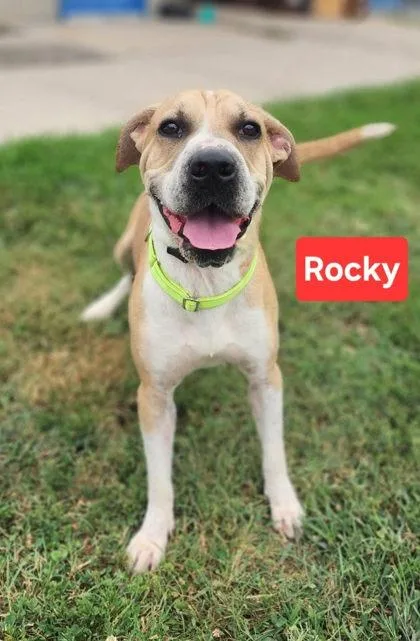
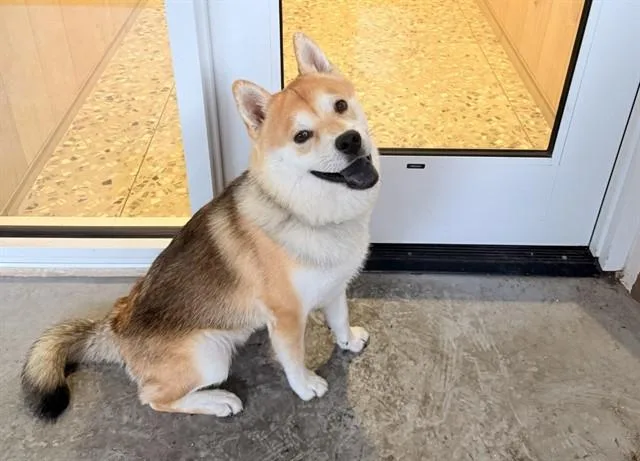
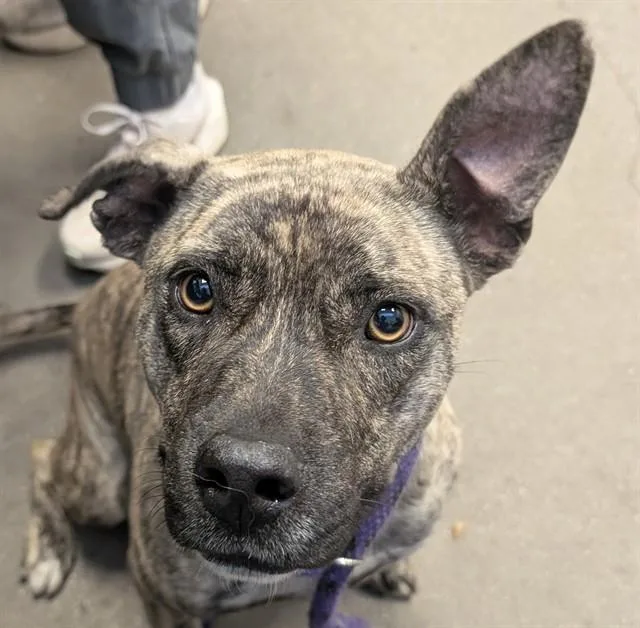
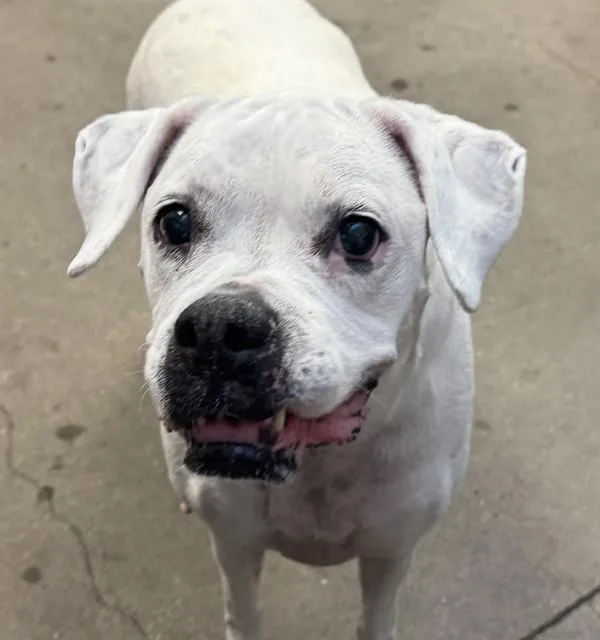
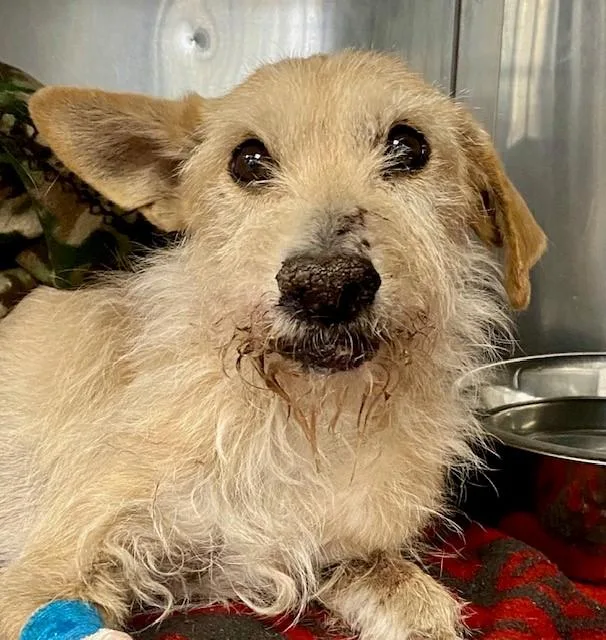
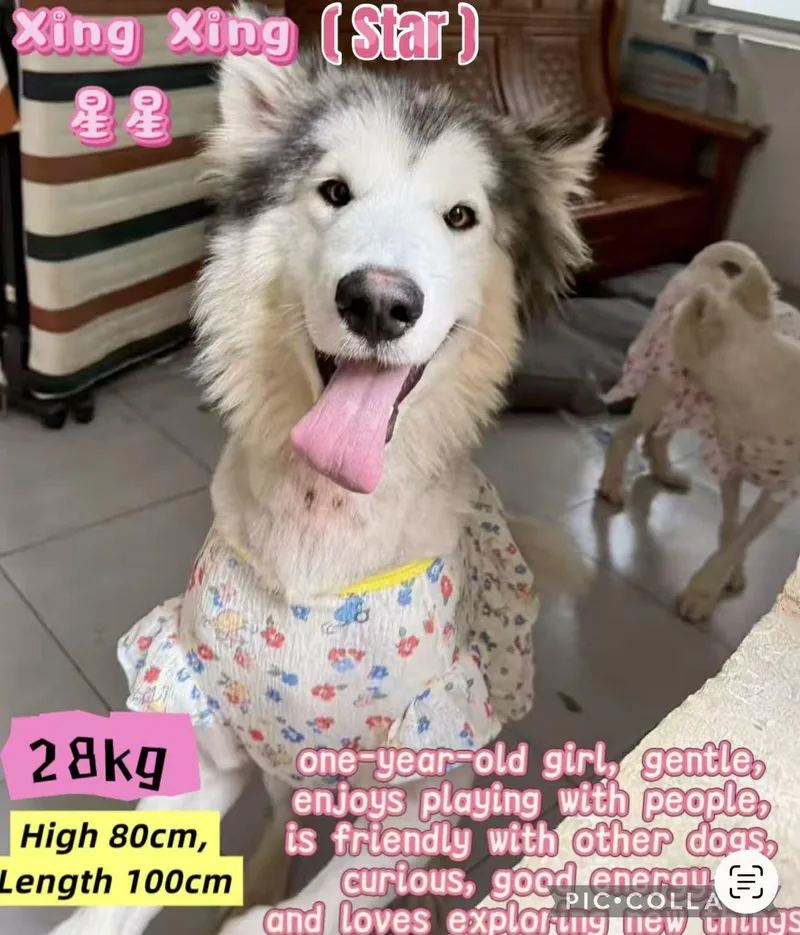
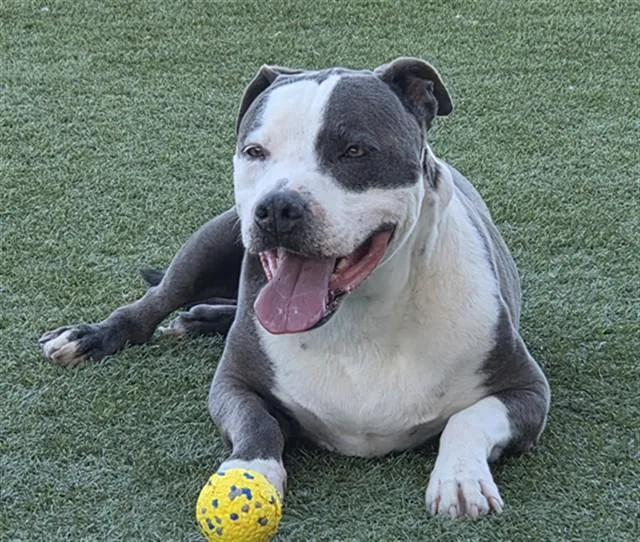
Shar-Peis Available for Adoption Near Tucson

About the Shar-Pei breed

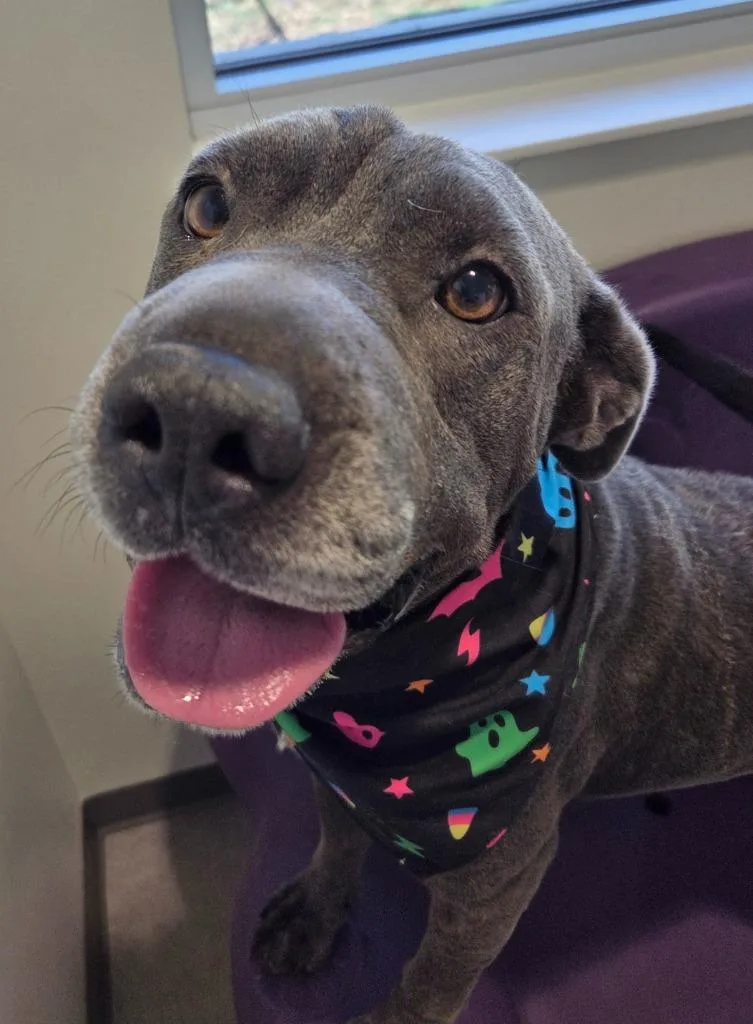
The Shar-Pei is a square, medium-sized dog from southern China, where it guarded homes and livestock. Deep wrinkles, a broad hippopotamus-shaped muzzle, tiny folded ears and a blue-black tongue make it easy to spot, and its harsh, short coat is where the name "sand skin" comes from. The breed nearly vanished in the twentieth century before it was revived, and the AKC recognized it in 1992.

Many Shar-Peis are calm and clean indoors and deeply attached to their families, though they tend to be aloof with visitors and sometimes picky about other dogs, and each dog varies. Their skin and eyes need steady attention, which matters in Tucson's dust and dry heat. Plan on regular wipe-downs of the folds and ears, and a veterinarian who knows the breed.

Weight
45–60 lbs
Height
18–20 in
Lifespan
8–12 yrs
Temperament
Independent, Loyal, Protective, Calm
Group
Non-Sporting
Shedding
Moderate

Owning a Shar-Pei in Tucson

Having a Shar-Pei in Tucson

A Shar-Pei in Tucson is a low-key companion whose real work is heat management and skin care. Expect modest exercise needs, a cool home, and regular attention to eyes, ears and folds, plus awareness of a few desert hazards.

Temperament

Shar-Peis are typically calm, independent and devoted to their own people, but wary of strangers and sometimes selective about other dogs. In Tucson, that means building calm greetings in apartment hallways and on shared sidewalks. Early socialization and reward-based training help, though each dog's history and personality differ.

Exercise Needs

Plan on two moderate walks a day plus some play or training games. In Tucson, the paved, leashed Chuck Huckelberry Loop works well, and in summer the walk should happen at dawn, when lows still sit in the 70s. Keep outings short and shaded, and skip hot sand and asphalt.

Health Considerations

Familial Shar-Pei fever, entropion, skin allergies, and ear and fold infections are the main breed concerns. Tucson adds valley fever, which the University of Arizona says sickens about 6 to 10 percent of dogs in Pima County and neighboring counties each year, so report a lasting cough or low energy to your vet promptly.

Living Space

A Shar-Pei is usually quiet and calm indoors, so a Tucson apartment or an older central home can work if it stays cool and the dog gets its daily walks. A secure fence or leash matters because of protective and prey instincts, and quiet space away from frequent visitors helps.

What it costs to own a Shar-Pei in Tucson

ExpenseTypical costPer year
Food$35 to $70 per month$420 to $840
Pet insurance$55 to $100 per month$660 to $1,200
Routine vet care$225 to $450 per year$225 to $450
Other*$490 to $1,490 per year$490 to $1,490
Estimated yearly total (after year one)$1,795 to $3,980

Other costs are estimates and vary with size, age and health.

* The $20 Pima County dog license for a spayed or neutered dog, dental cleanings, flea, tick and heartworm prevention, supplies, and skin-fold and ear care.

Adopt a Shar-Pei in Tucson.

Now that you know more, let’s find you a new best friend. These rescues and shelters below currently have Shar-Peis available.

Frequently Asked Questions

Yes, with planning. Tucson sees about 68 days a year at 100°F or more, and a Shar-Pei's broad muzzle and dense skin make it prone to overheating. Walk at dawn, keep the home air-conditioned, offer water and shade, and never leave the dog in a parked car, which Arizona law treats as animal cruelty when injury or death is likely.

Usually not. Sun Tran buses and the Sun Link streetcar allow pets only in a fully enclosed carrier small enough to fit on your lap, and animals aren't allowed on seats. A 45- to 60-pound Shar-Pei won't fit, so only service animals can ride. Plan on driving or walking for outings.

The paved, leashed Chuck Huckelberry Loop is a flat, easy option, open sunrise to sunset along the Rillito and Santa Cruz river parks. City dog parks such as Esquer, Iron Horse and Danny Lopez require a licensed collar and dogs at least four months old. Skip Sabino Canyon and Tucson Mountain Park, which bar dogs.

Yes. Tucson has no breed-specific rules, and Arizona law prohibits cities from regulating dogs by breed. You'll need a rabies vaccination and a Pima County license, and a leash of six feet or less in public. Landlords and insurers may still set their own restrictions, so confirm them before you commit.

Often yes. Shar-Peis are usually calm and quiet indoors, so a Tucson apartment can work if it stays cool and the dog gets its daily walks. Look for a building where hallway and shared-walkway meetings are manageable, since many Shar-Peis are wary of strangers and unfamiliar dogs. Review the lease for breed, weight and pet-fee terms.

Only to some patios. In Pima County, a restaurant needs a permit before allowing pet dogs, and they must stay leashed and under control; indoors, only service animals are allowed. Patio access is up to each restaurant, so don't assume it. A reserved Shar-Pei does best at a quiet table, and midday summer patios are too hot.

Little brushing, but regular skin care. The short, harsh coat needs only occasional brushing, while skin folds and ears need regular cleaning and thorough drying. Tucson's dust and dry heat can irritate skin, so wipe paws and folds after outings. Grooming costs stay low and fall within the $490 to $1,490 yearly Other range.

A Shar-Pei is a medium-sized dog from southern China, known for its loose, wrinkled skin, broad hippopotamus-like muzzle, small folded ears and blue-black tongue. It was used as a guardian and all-purpose farm dog. Today it is a calm, loyal companion that tends to be devoted to its family and reserved with strangers.

We have 2 rescues with Shar-Peis available: Pima Animal Care Center and Pathways for Paws. You can see every rescue with Shar-Peis available in the list above these questions, or scroll to the top to see the Shar-Peis near Tucson.

Plan on roughly $1,800 to $4,000 a year for a Shar-Pei in Tucson, covering food at $35 to $70 a month, insurance at $55 to $100 a month, routine vet care of $225 to $450 a year, and other costs of $490 to $1,490 a year. Insurance leans higher because of the breed's inherited health conditions.

Find Shar-Peis in Nearby Cities

Expand your search to find Shar-Peis available for adoption near Tucson.