Papillon Dogs for Adoption in Tucson, AZ

Your guide to finding and caring for a Papillon in Tucson

Papillons fit well in Tucson's older central neighborhoods, where bungalows and apartments are common. A dog under ten pounds doesn't need much room, and a loop around Sam Hughes or a stroll along Fourth Avenue covers a good share of its daily exercise. They're bright, chatty and quick to learn tricks, which keeps them busy in a small home. In summer, walks shift to dawn, before the pavement heats up.

125 Papillons available in Tucson and nationwide

Adopt a Papillon today

While we don't have enough dogs near Tucson, keep in mind that many rescues may offer transport.

Papillons Available for Adoption Near Tucson

About the Papillon breed

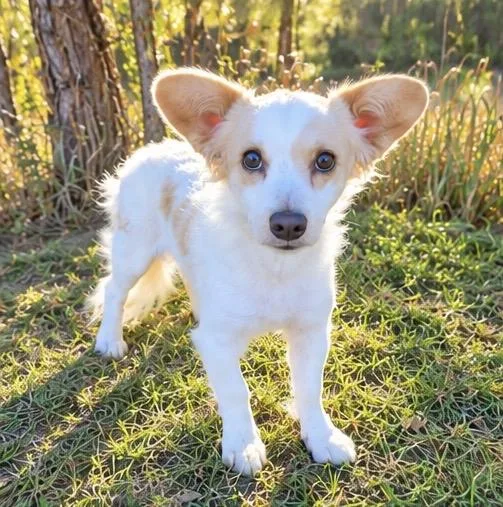
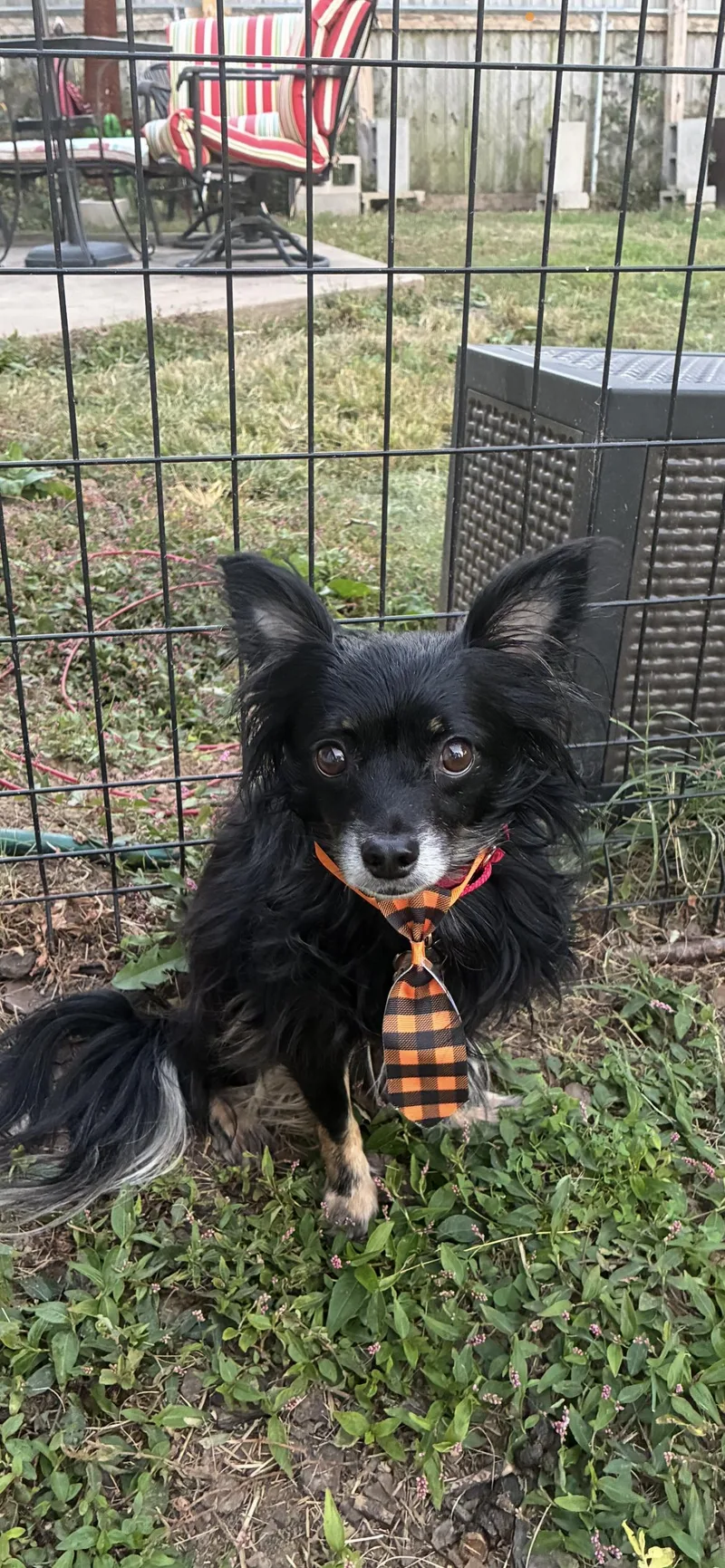
Papillons are toy spaniels from France and Belgium, named for the French word for butterfly because of their large, fringed, upright ears. Some have drooping ears and are called Phalènes, but they're the same breed. The long, silky coat is white with patches of color, and with no undercoat it needs less grooming than it looks like it would.

The delicate look can fool you. Papillons are athletic, curious and sociable, and they're often vocal, so they suit people who enjoy training and play. In Tucson, that means plenty of indoor games during the hot months and gentle handling around young kids and bigger dogs. Papillons vary, and each dog's energy and noise level will differ.

Weight
5–10 lbs
Height
8–11 in
Lifespan
13–16 yrs
Temperament
Intelligent, Playful, Alert
Group
Toy
Shedding
Moderate

Owning a Papillon in Tucson

Having a Papillon in Tucson

Papillons combine a quick mind, lively energy and a friendly streak in a body under ten pounds. Trainability, alert barking and fragile bones tend to shape daily life most, though every dog differs.

Temperament

Papillons are usually friendly, curious and eager to stay near their people, which suits Tucson apartments and small homes. Many bark at footsteps or neighbors, so early training helps with shared walls. They can act bold around larger dogs, and rough handling may make some snappy, so calm introductions matter.

Exercise Needs

Plan on daily walks plus play and some mental work. Indoor fetch and trick training cover a lot, and the paved, leashed paths of the Chuck Huckelberry Loop work well in cooler months. In summer, move outings to dawn and lean on indoor games. A bored Papillon often turns to barking.

Health Considerations

Papillons often live 13 to 16 years, but patellar luxation, dental disease, eye conditions and some heart problems occur. Their fine bones can break in falls from furniture. In Tucson, about 6 to 10 percent of dogs in Pima County get sick with valley fever each year, so have a vet look at a lingering cough or low energy.

Living Space

Papillons suit apartments, duplexes and small bungalows because much of their exercise happens indoors. Check fences for gaps, block jumps from sofas, and supervise closely around toddlers and larger dogs. In Tucson, a cool, shaded spot indoors matters more than a big yard.

What it costs to own a Papillon in Tucson

ExpenseTypical costPer year
Food$15 to $35 per month$180 to $420
Pet insurance$30 to $60 per month$360 to $720
Routine vet care$200 to $400 per year$200 to $400
Other*$490 to $1,240 per year$490 to $1,240
Estimated yearly total (after year one)$1,230 to $2,780

Other costs are estimates and vary with size, age and health.

* The $20 Pima County license for a spayed or neutered dog, flea, tick and heartworm prevention, dental care, toys and bedding, and light home grooming.

Adopt a Papillon in Tucson.

Now that you know more, let’s find you a new best friend. These rescues and shelters below currently have Papillons available.

Frequently Asked Questions

Yes, but only in a carrier. Tucson's Sun Tran buses and Sun Link streetcar allow pets only in a fully enclosed, secured carrier small enough to fit on your lap, and animals aren't allowed on seats. A Papillon weighing 5 to 10 pounds fits easily. Service animals are the exception, and Tucson has no subway.

Yes, with a careful routine. Tucson sees about 68 days a year at 100°F or higher, and June is the hottest month. Walk at dawn, keep afternoons indoors with cooling, carry water and avoid hot sand. Never leave a Papillon in a parked car; in Arizona that can count as animal cruelty.

Danny Lopez, Kennedy, Palo Verde and Wagging Tails dog parks all have areas for small dogs, and dogs must wear a licensed collar and be current on vaccinations. Puppies under four months aren't allowed. Saguaro National Park permits dogs only on a few paved trails and roads, such as the Desert Discovery Trail.

Yes. Tucson has no breed bans, and Arizona law doesn't allow cities to regulate dogs by breed. You'll need a rabies vaccination and a Pima County dog license, and you'll keep your dog on a leash in public. Any limits you meet will come from a landlord or an insurer.

Yes, Papillons usually do well in apartments because indoor play and short walks meet much of their needs. The main issue is barking, which can bother neighbors through shared walls, so start training early. In summer, plan on indoor games and dawn walks, and make sure the unit stays cool while you're out.

A Papillon can be a good fit if you're home often, enjoy training and can adjust your routine to the heat. They're sociable and compact, so they fit Tucson's bungalows and apartments. They do less well left alone for long days, and some dogs bark a lot, so consider your schedule and neighbors.

Only to some patios. In Pima County a food establishment needs permission before allowing pet dogs, and dogs aren't allowed indoors unless they're service animals. Keep your Papillon leashed and under control, and confirm the patio welcomes dogs before you go. Summer afternoons on a patio can be too hot for a small dog.

Less than the long coat suggests, since Papillons have a silky single coat with no undercoat. Brush weekly and comb behind the ears, legs and hindquarters, with a bath every few months. Trim nails often, and after desert walks check the coat and paws for burrs and cactus spines. Home grooming adds little to yearly costs.

We have 1 rescue with Papillons available: Pathways for Paws. You can see every rescue with Papillons available in the list above these questions, or scroll to the top to see the Papillons near Tucson.

Expect roughly $1,230 to $2,780 a year for a Papillon in Tucson, covering food, insurance, routine vet care and other costs. Food runs $15 to $35 a month and insurance $30 to $60. Routine vet care is $200 to $400 a year, and other costs run $490 to $1,240, with dental care a major piece for toy breeds.