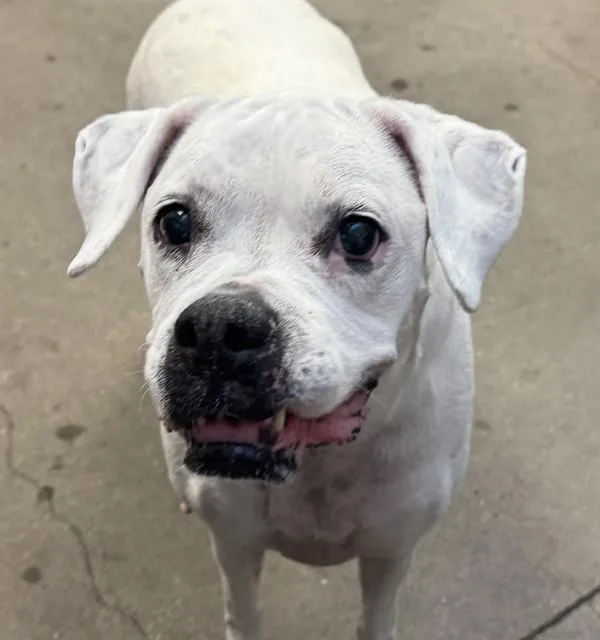
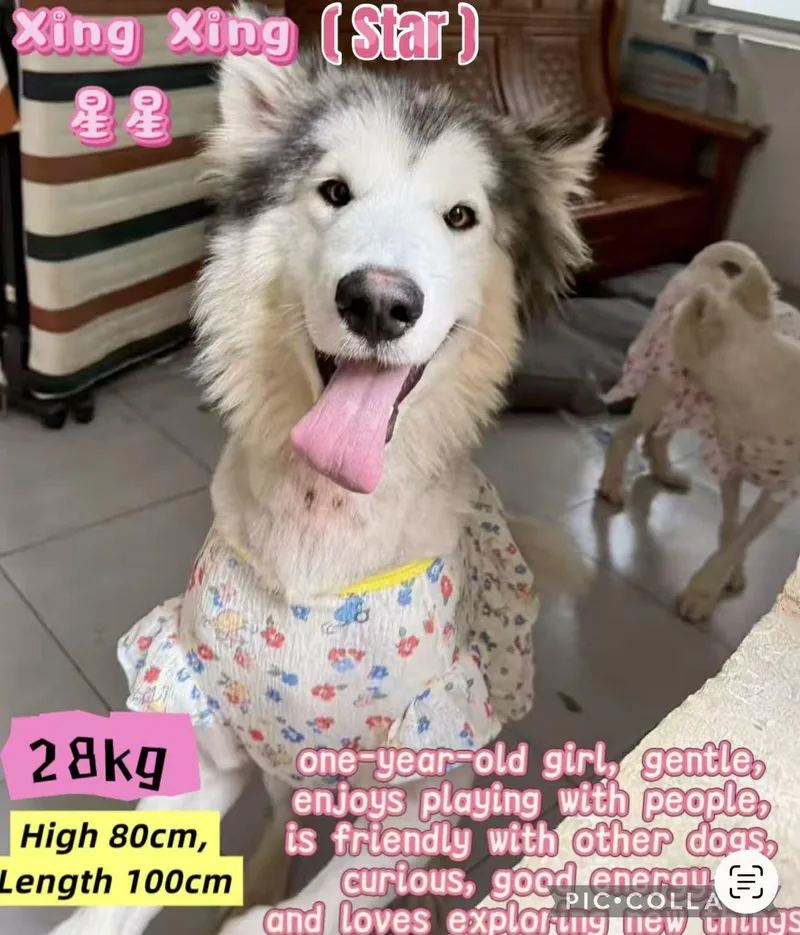
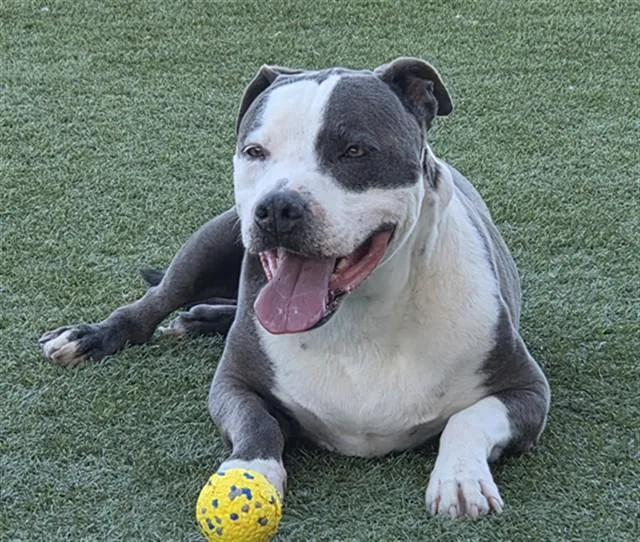
Mastiff Dogs for Adoption in Tucson, AZ

Your guide to finding and caring for a Mastiff in Tucson

A Mastiff in Tucson mostly wants a cool floor and a slow morning walk along the Rillito. The flat, paved river path near Fort Lowell suits a heavy dog that tires fast, and the single-family neighborhoods of the Eastside usually give a giant more room to turn around than a downtown apartment. Summer sets the schedule: triple digits run from late May into September, so walks happen at dawn. Mastiffs are gentle but enormous, so measure your doorways and your car before you meet one.

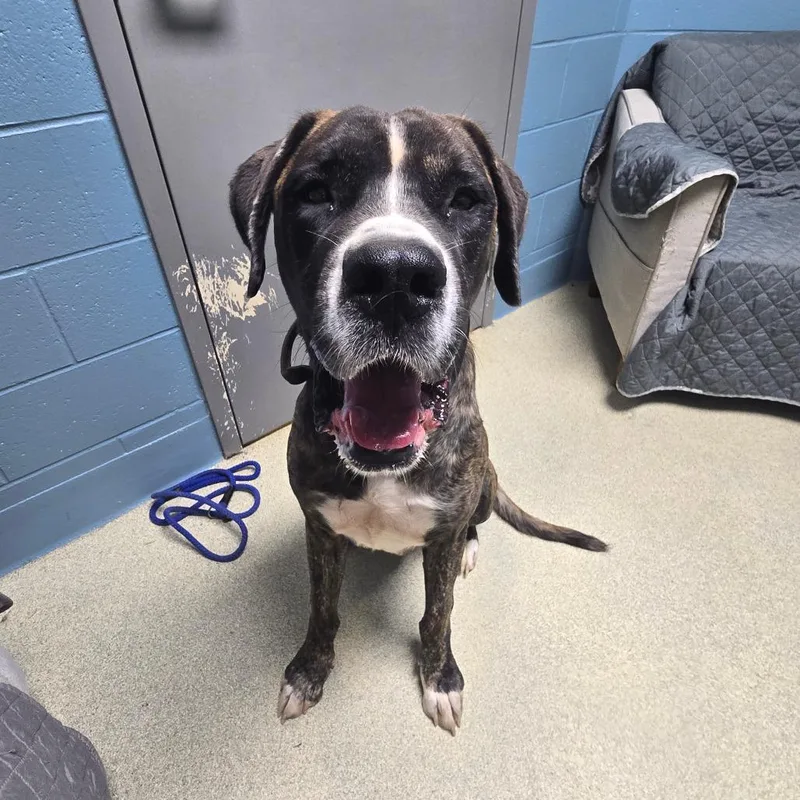
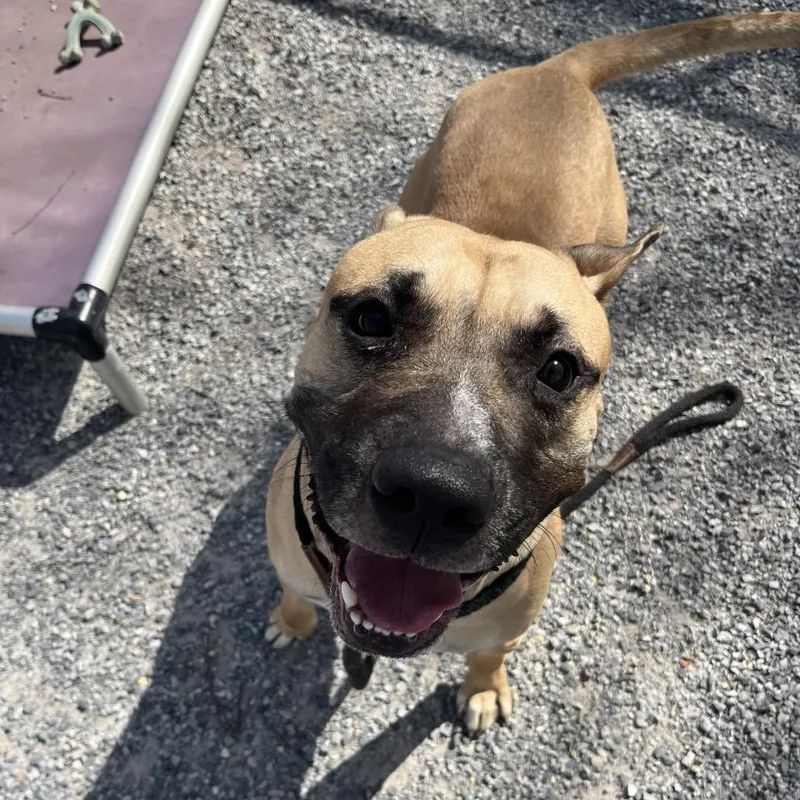
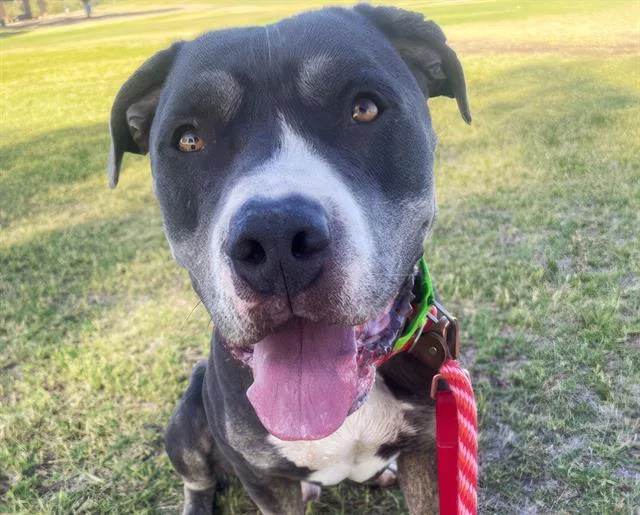
930 Mastiffs available in Tucson and nationwide

Give a Mastiff a home

While we don't have enough dogs near Tucson, keep in mind that many rescues may offer transport.

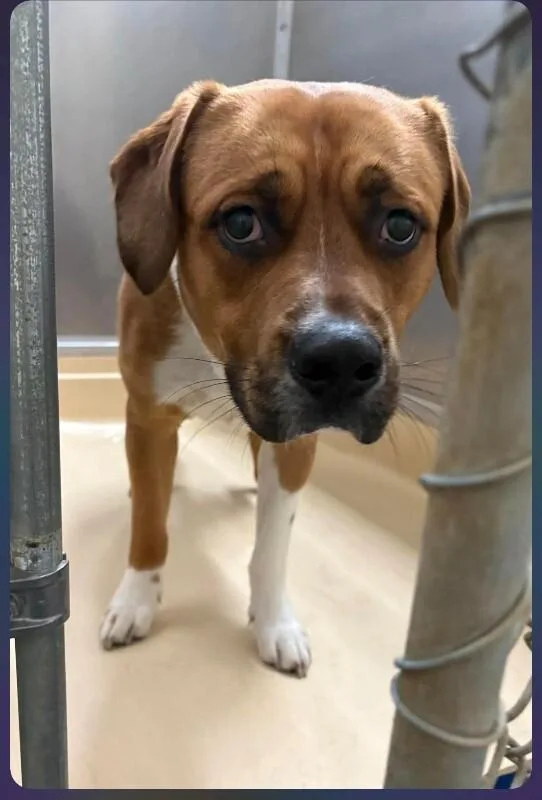
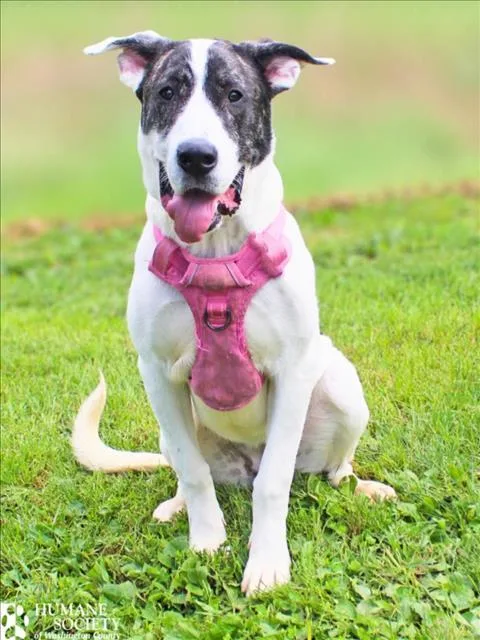
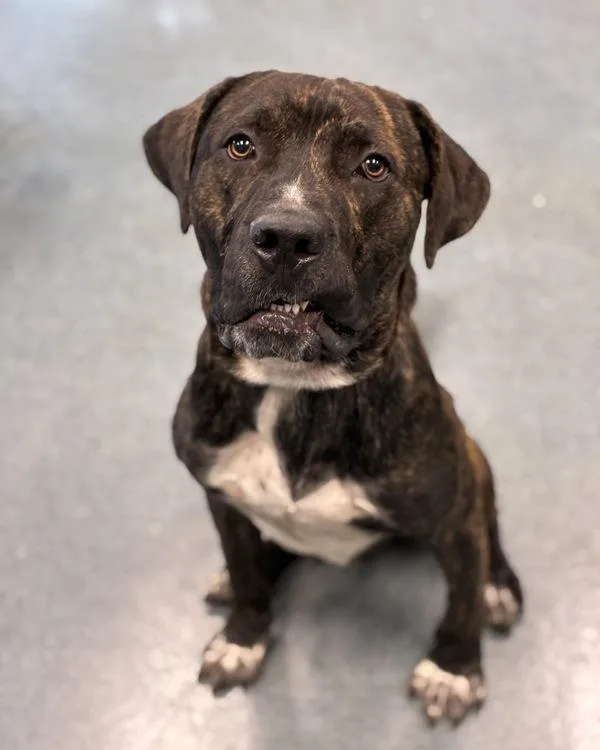
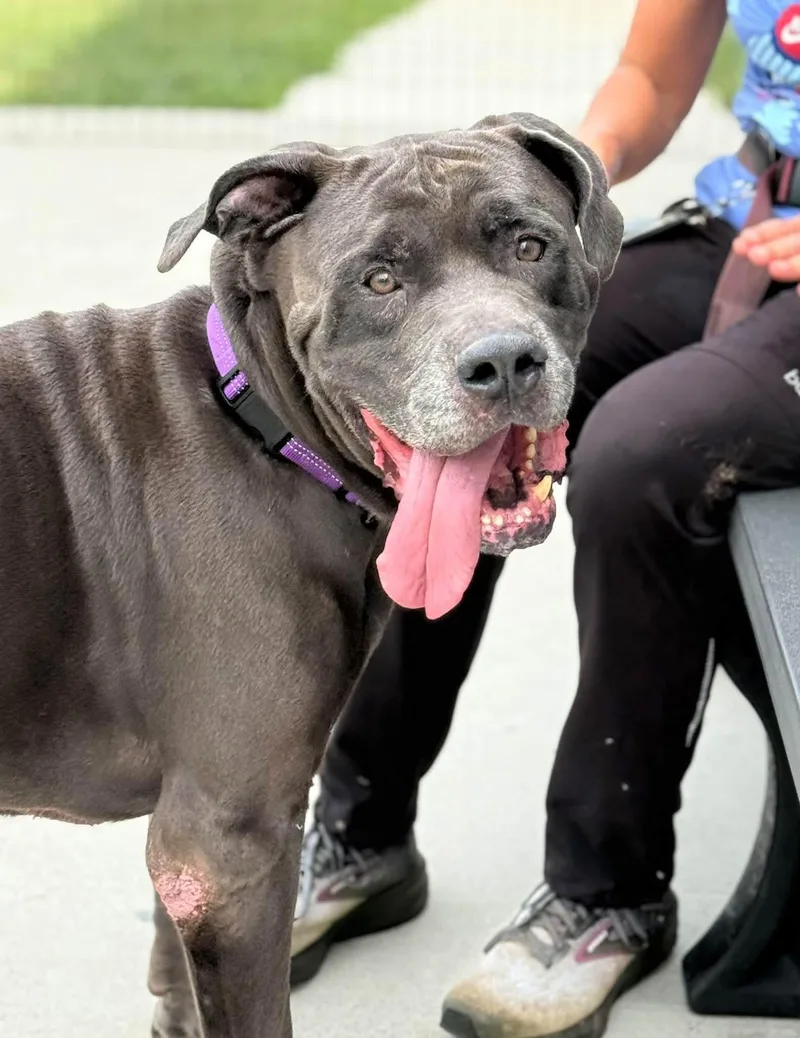
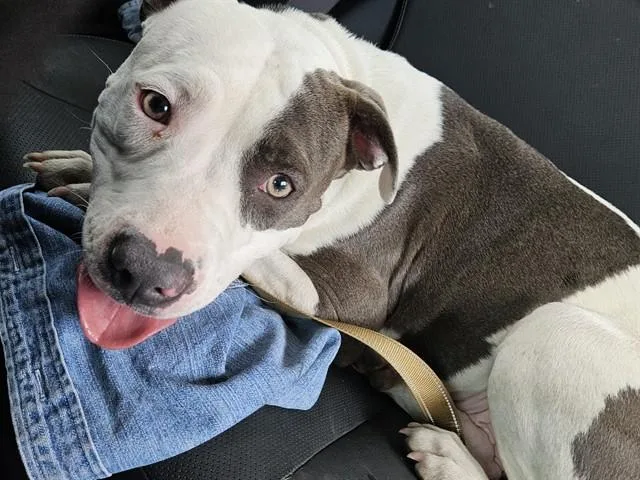
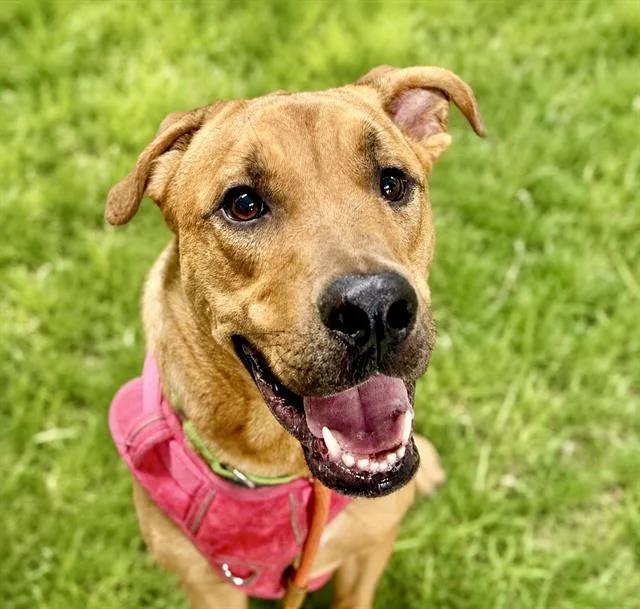
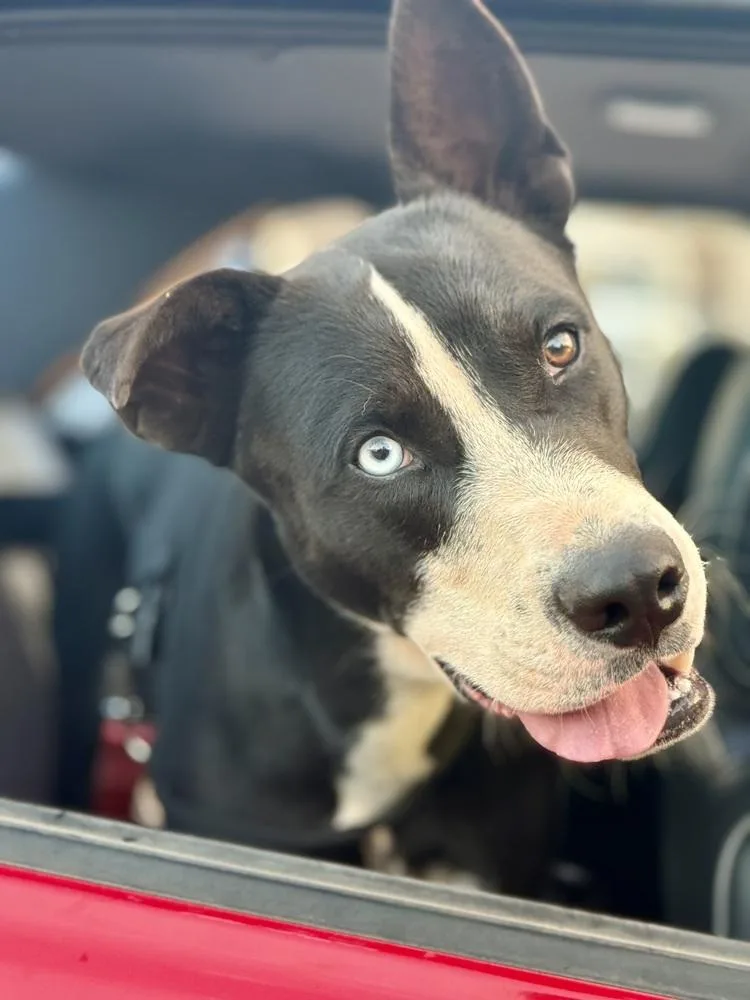
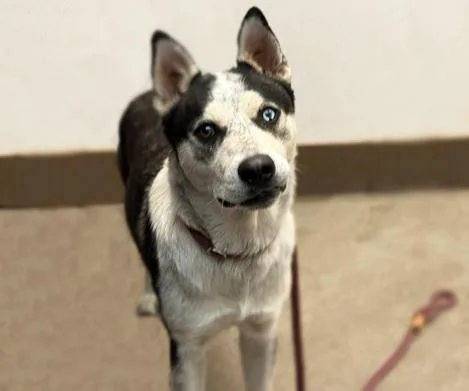
Mastiffs Available for Adoption Near Tucson

About the Mastiff breed

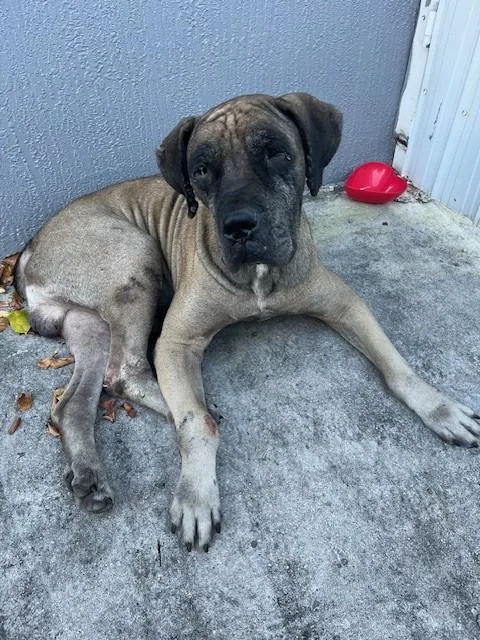
The Mastiff, also called the English Mastiff, is a massive, heavy-boned guardian with a broad head, dark mask and short fawn, apricot or brindle coat. Large guard dogs have lived in Britain since Roman times, and the modern breed nearly vanished after World War II before a small group of dogs rebuilt it. Adults typically weigh 120 to 230 pounds, with males heavier.

Most Mastiffs are calm, dignified and quietly protective, more couch-loving than athletic. In Tucson, that sofa-first temperament works in their favor, since a dog that happily lounges indoors copes with the heat better than a restless one. Size still shapes everything: giant-breed food, a sturdy crate, drool towels and a lifespan that is often under ten years. Mastiffs vary, so the dog in front of you may be livelier or more reserved than the description.

Weight
120–230 lbs
Height
27–36 in
Lifespan
6–10 yrs
Temperament
Gentle, Dignified, Protective
Group
Working
Shedding
Moderate

Owning a Mastiff in Tucson

Having a Mastiff in Tucson

A Mastiff's gentle manner comes in one of the heaviest bodies of any breed. In Tucson, that size matters most for heat, joints and housing, so these cards cover temperament, exercise, health and living space with the desert in mind.

Temperament

Mastiffs are usually calm, affectionate and watchful, and often aloof with strangers. That quiet protectiveness suits a city with plenty of foot traffic outside the window, but it needs early, steady socialization so greetings stay polite. Use reward-based training from the start, because a stubborn adult this heavy can't be managed by force.

Exercise Needs

Expect daily walks and relaxed play rather than runs. In Tucson, schedule them around the sun: dawn is the usable window from late spring through early fall, and the paved, leashed Loop beats hot asphalt streets. Keep outings short and shaded, carry water, and skip jumping and forced running for puppies.

Health Considerations

Mastiffs are prone to hip and elbow dysplasia, bloat, obesity and bone cancer, so keep the dog lean and learn the signs of bloat. Tucson adds valley fever: roughly 6 to 10 percent of dogs in Pima, Pinal and Maricopa counties get sick each year from a soil fungus, usually inhaled in dust. Report coughing, limping or low energy to your vet early.

Living Space

Mastiffs are quiet indoors and need floor space more than a yard. Tucson's heat means they live inside with air conditioning, so a layout with room to sprawl and few stairs works best. Plan for a giant crate, a sturdy car setup and washable furniture covers. A shaded patio is a bonus, not a substitute for a cool house.

What it costs to own a Mastiff in Tucson

ExpenseTypical costPer year
Adoption fee$300, one time$300 in year one
Food$80 to $160 per month$960 to $1,920
Pet insurance$85 to $170 per month$1,020 to $2,040
Routine vet care$250 to $500 per year$250 to $500
Other*$590 to $1,690 per year$590 to $1,690
Estimated yearly total (after year one)$2,820 to $6,150
First-year total (with adoption fee)$3,120 to $6,450

Adoption fee is the fee on Mastiff listings in Tucson on GetBuddy today. Other costs are estimates and vary with size, age and health.

* The $20 Pima County dog license for a spayed or neutered dog, giant-dose flea, tick and heartworm prevention, a dental cleaning allowance, durable toys and bedding, basic coat care and joint supplements.

Adopt a Mastiff in Tucson.

Now that you know more, let’s find you a new best friend. These rescues and shelters below currently have Mastiffs available.

Frequently Asked Questions

Mastiffs can handle a Tucson summer only with careful management. Triple-digit heat runs from late May through September, and a heavy, short-muzzled giant overheats easily. Keep your Mastiff in air conditioning, walk at dawn, stick to shade or grass over asphalt, and carry water. Never leave a dog in a parked car; Arizona treats it as animal cruelty when injury or death is likely.

Mastiffs can't ride public transit in Tucson. Sun Tran buses and the Sun Link streetcar allow only service animals and pets in a fully enclosed carrier small enough to fit on your lap, and animals aren't allowed on seats. A Mastiff is far too large for that, so plan on a car or on walking around your neighborhood.

Start with the flat, paved Chuck Huckelberry Loop along the Rillito and Santa Cruz river parks, where dogs must be leashed and the path is open sunrise to sunset. City dog parks such as Esquer, Udall and Iron Horse have large-dog areas and require a licensed collar. Saguaro National Park allows leashed dogs only on a few paved roads and trails.

Yes, you can own a Mastiff in Tucson, because the city has no breed-specific rules and Arizona law forbids them. You'll need a rabies vaccination, a Pima County dog license and a leash no longer than six feet on public property. Size limits, if any, come from landlords and insurers rather than the city.

A Mastiff can live in a Tucson apartment if the building allows it and the layout works. They're quiet indoors, but a giant needs floor space, an elevator or few stairs, and a reliably cool unit. Because summer heat keeps the dog inside much of the day, confirm size limits and pet fees in writing before you apply.

A Mastiff can fit Tucson well for people who are home often and keep a cool house. The dog's calm nature suits quiet evenings, but heat limits outings to dawn for much of the year, and giant-breed bills add up. If you want midday hikes or a dog that thrives outdoors, a more heat-tolerant breed may suit you better.

You can bring a Mastiff only to patios of restaurants that choose to allow dogs, never indoors. Pima County requires a food establishment to have approval before it welcomes pet dogs, so policies vary by restaurant. Given the heat and a Mastiff's size, pick shaded tables in cooler months, keep the leash short, and bring water.

A Mastiff needs only light grooming in Tucson. Weekly brushing handles the short coat's moderate shedding, plus regular wipes for drool and facial folds. Trim nails, clean ears and wipe paws after hot or dusty walks. Baths every month or two are plenty, and most owners do it at home, so it stays within the basic coat-care part of the Other budget.

We have 2 rescues with Mastiffs available: Pima Animal Care Center and Paws Without Borders. You can see every rescue with Mastiffs available in the list above these questions, or scroll to the top to see the Mastiffs near Tucson.

Plan on roughly $2,800 to $6,150 a year for a Mastiff in Tucson: food at $80 to $160 a month, insurance at $85 to $170 a month, routine vet care at $250 to $500 a year, and $590 to $1,690 in other costs. Emergencies such as bloat, valley fever treatment or a toad poisoning are extra.

Find Mastiffs in Nearby Cities

Expand your search to find Mastiffs available for adoption near Tucson.