Greater Swiss Mountain Dogs for Adoption in Tucson, AZ

Your guide to finding and caring for a Greater Swiss Mountain Dog in Tucson

A Greater Swiss Mountain Dog suits Tucson's roomier neighborhoods, like the single-family streets east of Swan Road or the southeast side near Lincoln Regional Park. Yards give a dog this size room to stretch out, and Wagging Tails Dog Park has turf to play on. Swissies prefer steady walks to hard running, so the flat, paved Loop along the Rillito works well. Summer afternoons are the one real limit here. They also pull hard on a leash, so start loose-leash training early.

18 Greater Swiss Mountain Dogs available in Tucson and nationwide

Bring home a Greater Swiss Mountain Dog

While we don't have enough dogs near Tucson, keep in mind that many rescues may offer transport.

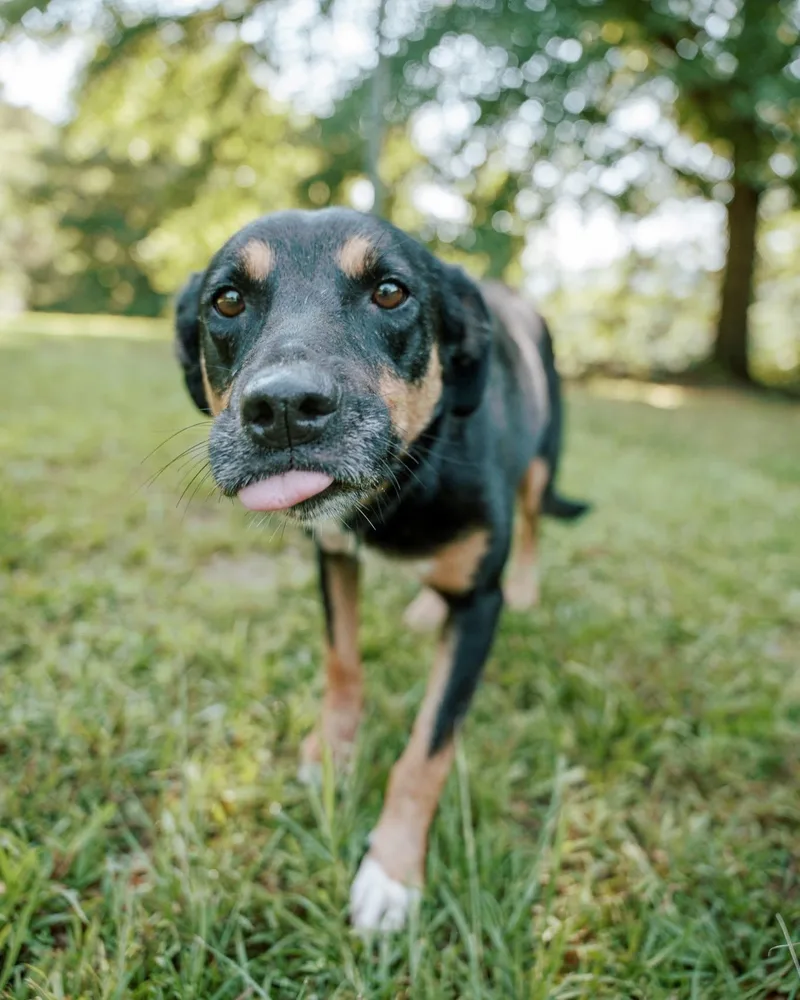
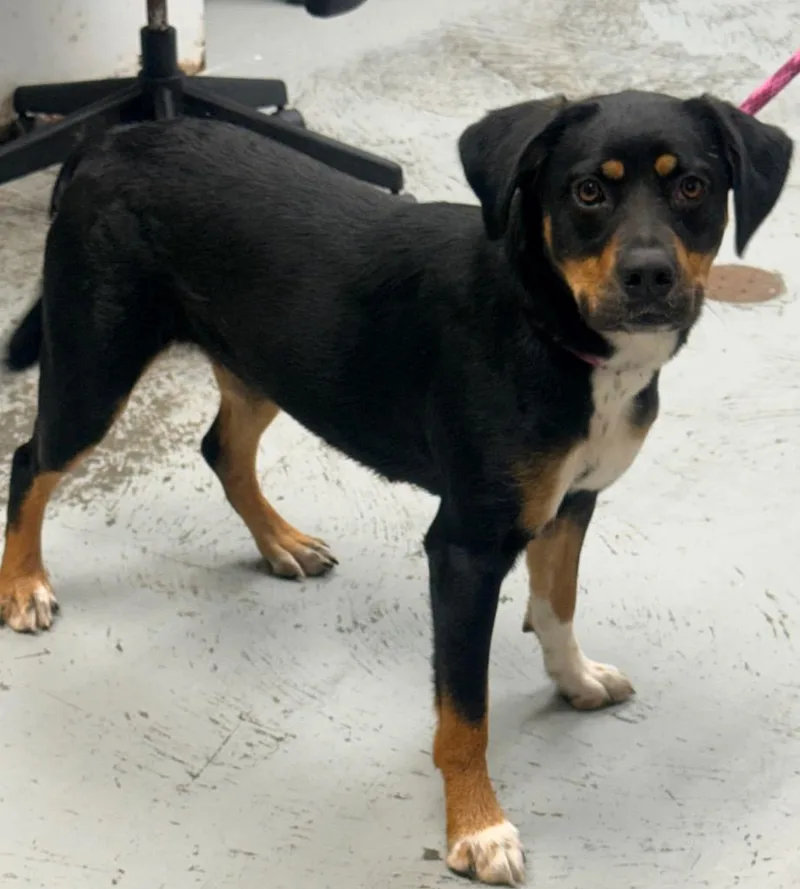
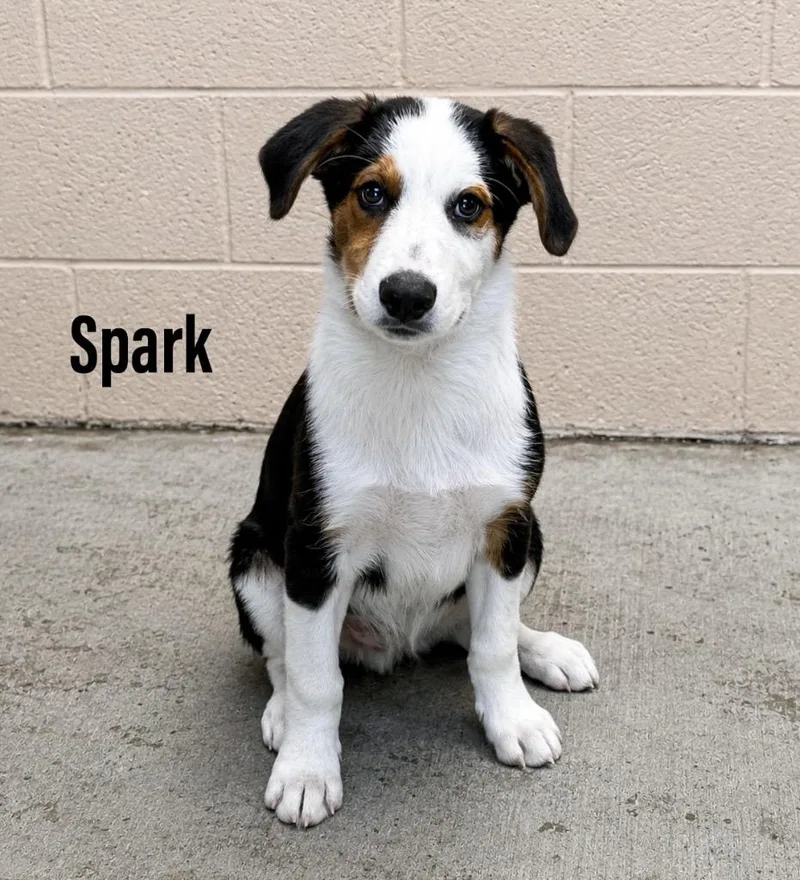
Greater Swiss Mountain Dogs Available for Adoption Near Tucson

About the Greater Swiss Mountain Dog breed

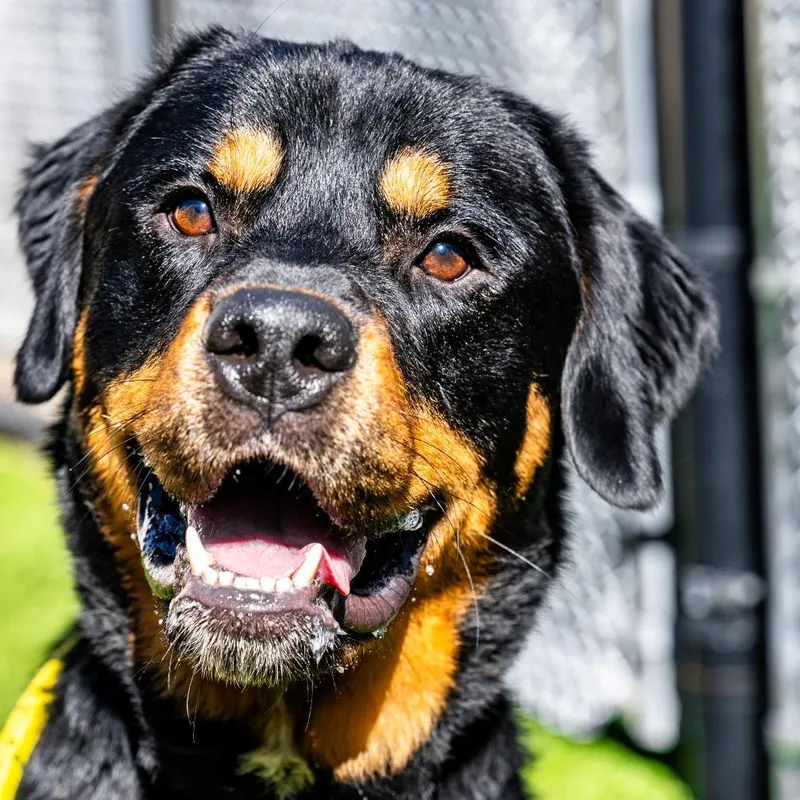
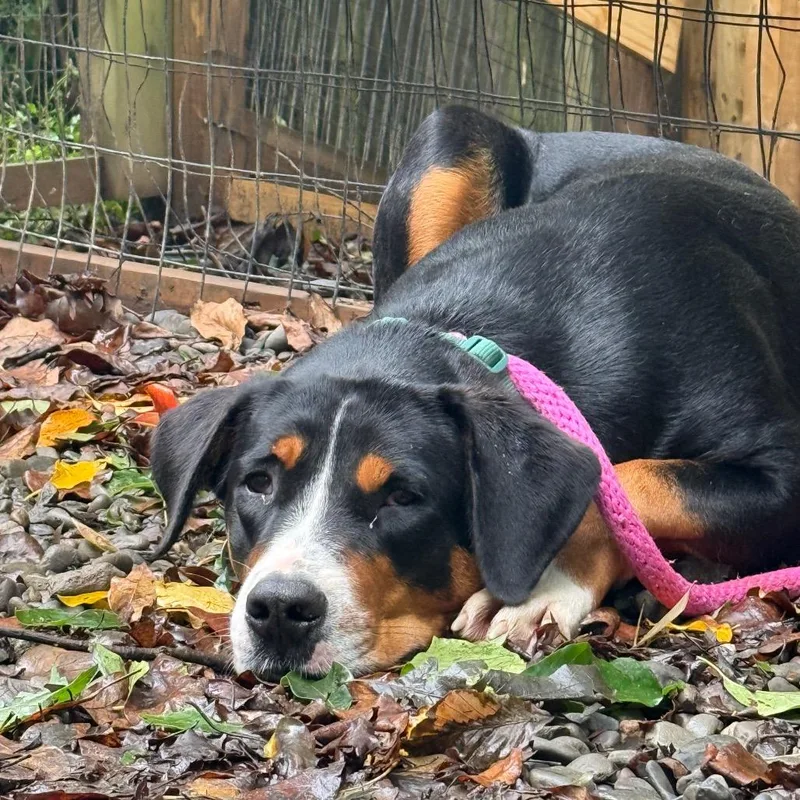
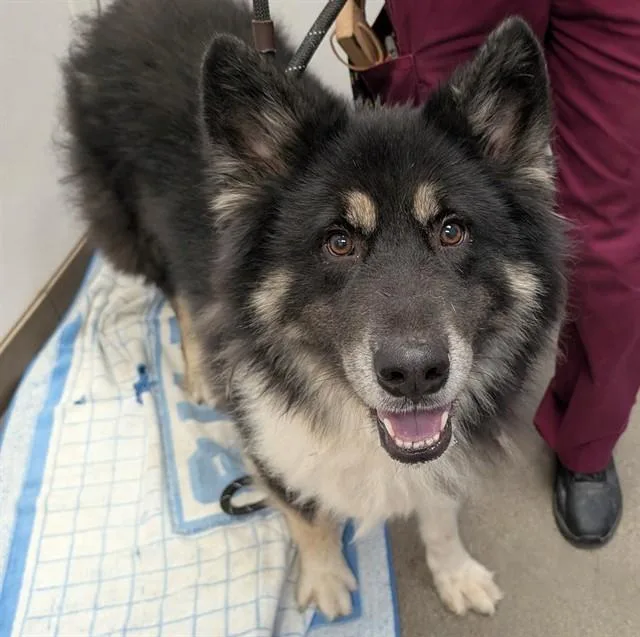
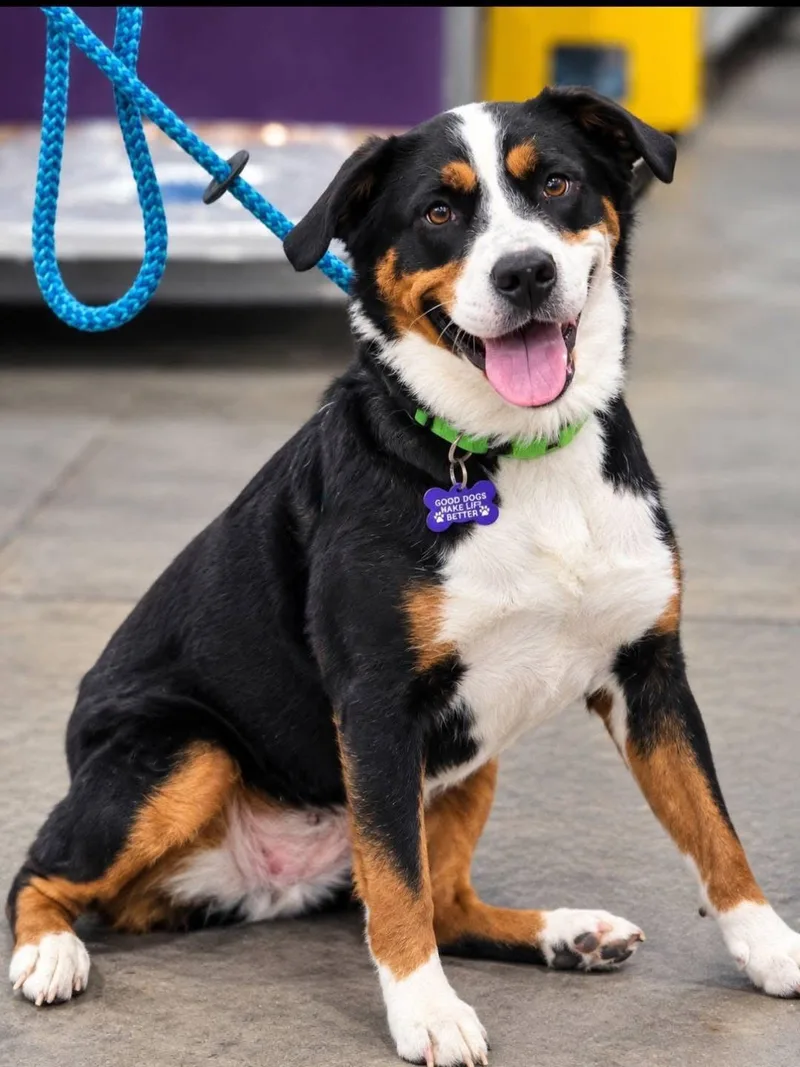
Swiss farmers called the Greater Swiss Mountain Dog the poor man's horse, since one dog could pull a milk cart, drive cattle to market and watch the farmyard. It's the largest of the four Swiss mountain breeds, and enthusiasts revived it in the early 1900s after machines nearly ended draft work. Adults usually weigh 80 to 140 pounds and wear a dense black coat marked in rust and white.

Many Swissies are loyal and gentle with their families, and alert enough to bark at anything unusual. They mature slowly and can be strong-willed, so early training matters. In Tucson, that thick double coat is the main thing to plan around, along with a lifespan of roughly 8 to 11 years and health risks such as bloat. Dogs vary, so judge each one on its own behavior.

Weight
80–140 lbs
Height
23–29 in
Lifespan
8–11 yrs
Temperament
Loyal, Confident, Alert
Group
Working
Shedding
Moderate to High

Owning a Greater Swiss Mountain Dog in Tucson

Having a Greater Swiss Mountain Dog in Tucson

Swissies are big, strong and slow to mature, with a steady temperament that rewards early training. In Tucson, the dense coat and the desert heat matter as much as size, so cool mornings, shade and indoor rest shape daily life.

Temperament

Swissies tend to be faithful, confident and watchful, often gentle with their families and reserved with strangers. Many bark to announce visitors, which matters in dense neighborhoods and apartment complexes. Some are dog-selective, so socialize early and use patient, reward-based training. Adolescence can last two to three years, and each dog differs.

Exercise Needs

Plan on moderate daily exercise: a long walk, a hike or play in a fenced yard. Tucson mornings are the best window for much of the year, and the leashed, flat Loop paths make an easy outing. Swissies aren't distance runners, and young dogs need gentle, regular activity while their joints mature.

Health Considerations

Giant-breed risks include hip and elbow dysplasia, bloat and splenic torsion, both emergencies. Epilepsy, eyelid problems and hypothyroidism also occur. Valley fever is a local concern: University of Arizona researchers report that about 6 to 10 percent of dogs in Pima County get sick each year. A vet can check coughing, lameness or low energy.

Living Space

A securely fenced yard suits a Swissy best, and Tucson's single-family neighborhoods offer plenty of them. A calm adult can manage an apartment if exercised daily, though stairs and slick floors are hard on big joints. Expect hair on everything and a dog that wants to be indoors with its people.

What it costs to own a Greater Swiss Mountain Dog in Tucson

ExpenseTypical costPer year
Food$80 to $160 per month$960 to $1,920
Pet insurance$85 to $170 per month$1,020 to $2,040
Routine vet care$250 to $500 per year$250 to $500
Other*$690 to $1,890 per year$690 to $1,890
Estimated yearly total (after year one)$2,920 to $6,350

Other costs are estimates and vary with size, age and health.

* The $20 Pima County license for a spayed or neutered dog, giant-dog flea, tick and heartworm prevention, a dental cleaning allowance, large bedding and toys, brushing and grooming for heavy shedding, and joint supplements.

Adopt a Greater Swiss Mountain Dog in Tucson.

Now that you know more, let’s find you a new best friend. These rescues and shelters below currently have Greater Swiss Mountain Dogs available.

Frequently Asked Questions

Yes. Tucson has no breed-specific rules, and Arizona law forbids cities from regulating dogs by breed. You'll need a rabies vaccination and a Pima County license, and your Swissy must stay on a leash of six feet or less in public. Any size or breed limits you meet are more likely to come from a landlord or insurer.

It can be for adopters with a fenced yard or nearby dog park, an air-conditioned home and time for early walks. Mild winters give a long outing season, but the desert adds hazards such as valley fever, toads and cactus. A small rental, long days away or a wish for a summer running partner makes it harder.

Many can with careful management, but summer is the hardest season for them. Keep the house cool, save walks for dawn, and always have shade and water. Heavy panting, drooling, weakness or collapse means move to a cool spot and call a vet right away. Never leave a dog in a parked car; Arizona treats it as cruelty when injury is likely.

A calm adult can, but it's not the easiest fit. About 48% of Tucson households rent, and many leases set weight limits, so read the pet terms before you apply. A ground-floor unit near a dog park helps. Plan on daily walks, a cool apartment in summer and enough floor space for a dog that may top 100 pounds.

Anza, Esquer and Iron Horse dog parks have large-dog areas near central Tucson. Leashed county trails such as Agua Caliente Park also allow dogs. City dog parks require a licensed collar, current vaccinations and dogs at least four months old, and most close weekly for maintenance. Walk early in summer, when pavement and sand can burn paws.

Realistically, no. Tucson's Sun Tran buses and Sun Link streetcar allow pets only in a fully enclosed carrier small enough to fit on your lap, and animals can't sit on the seats. Service animals, including ones in training, are the exception. An adult Swissy weighs 80 to 140 pounds, so plan on driving or walking.

Only to patios, and only where the restaurant has county approval and chooses to allow dogs, so expect some to say no. Dogs stay leashed and under control, and indoor dining is limited to service animals. A Swissy takes up lots of floor space, so practice a calm down-stay and go at cooler, quieter times.

Plan on brushing several times a week, and daily during the heavy shed that comes twice a year. Dust and dry heat make a quick wipe-down after walks worthwhile. Shaving a double coat usually isn't recommended, because the coat helps insulate against heat. Professional baths fall under the Other costs of $690 to $1,890 a year.

We have 1 rescue with Greater Swiss Mountain Dogs available: Pima Animal Care Center. You can see every rescue with Greater Swiss Mountain Dogs available in the list above these questions, or scroll to the top to see the Greater Swiss Mountain Dogs near Tucson.

Expect roughly $2,900 to $6,350 a year for a Swissy in Tucson, counting food, insurance, routine vet care and other costs. Food runs $80 to $160 a month and insurance $85 to $170. Routine vet care is $250 to $500 a year, and other costs add $690 to $1,890. Giant-dog portions and doses drive most of it.