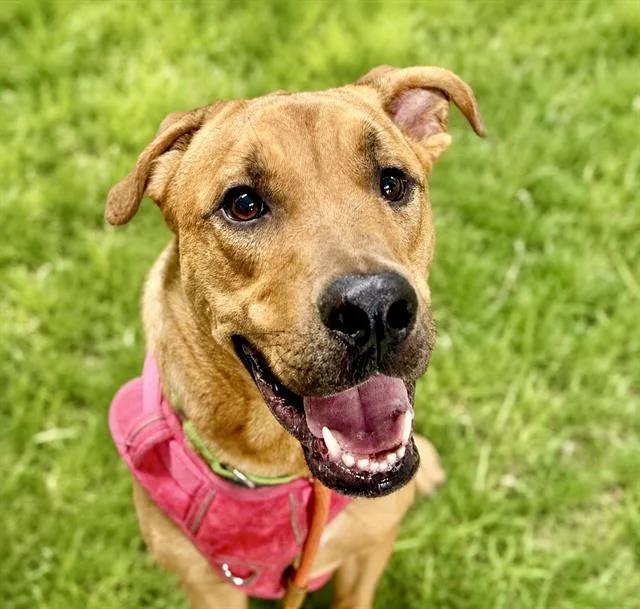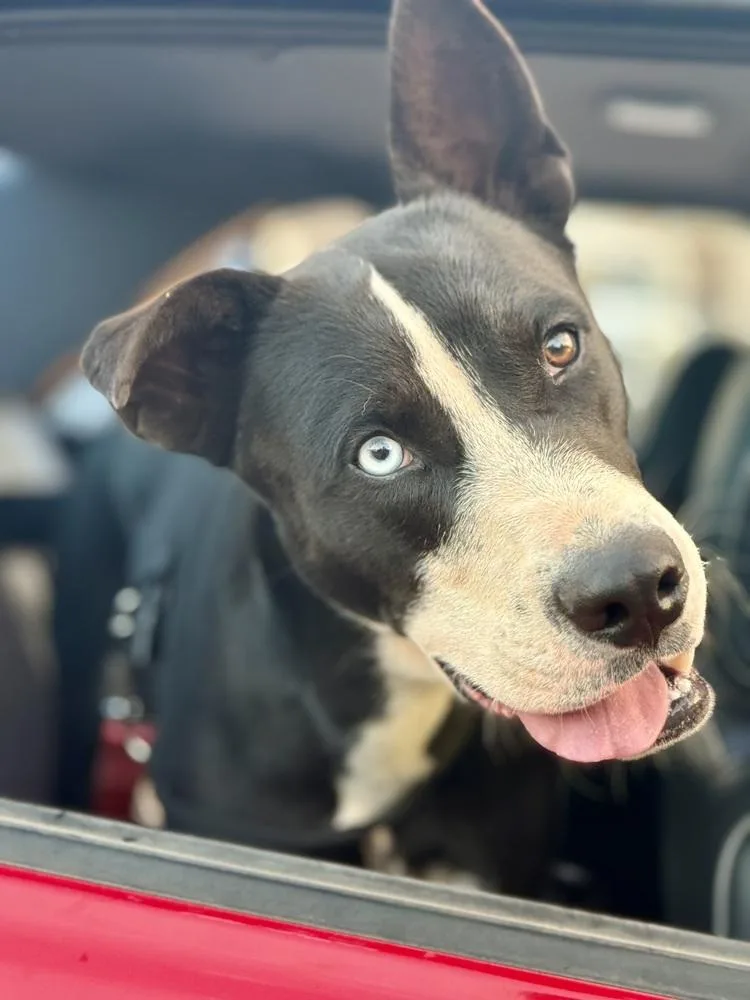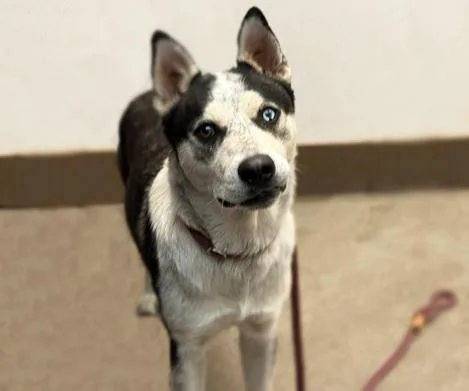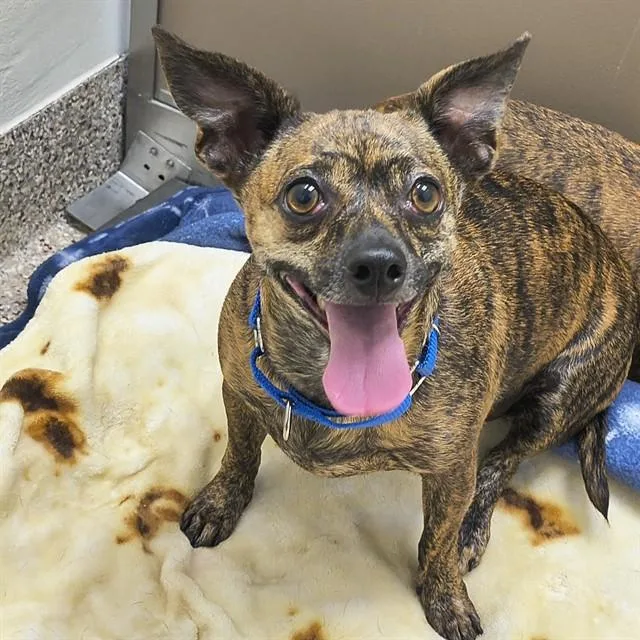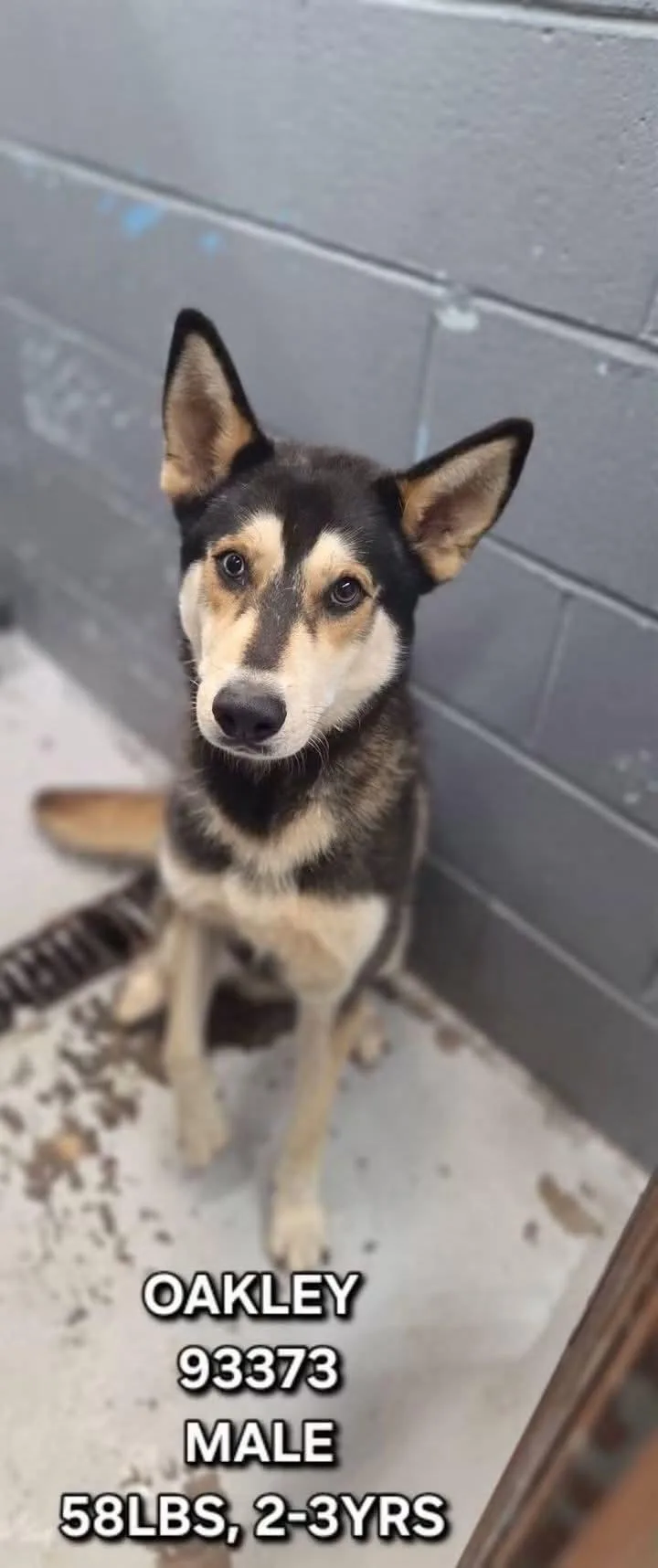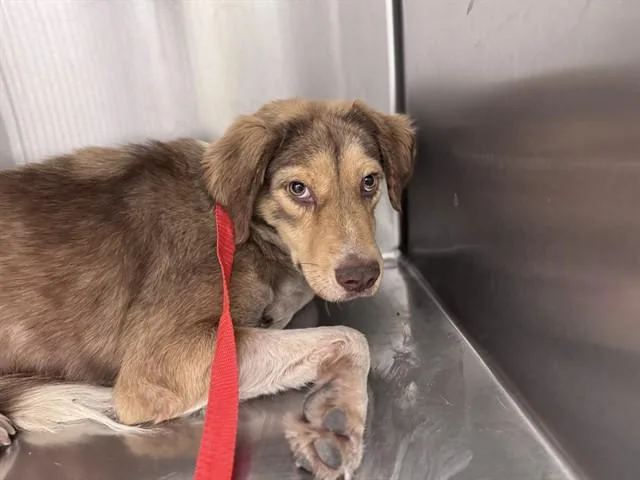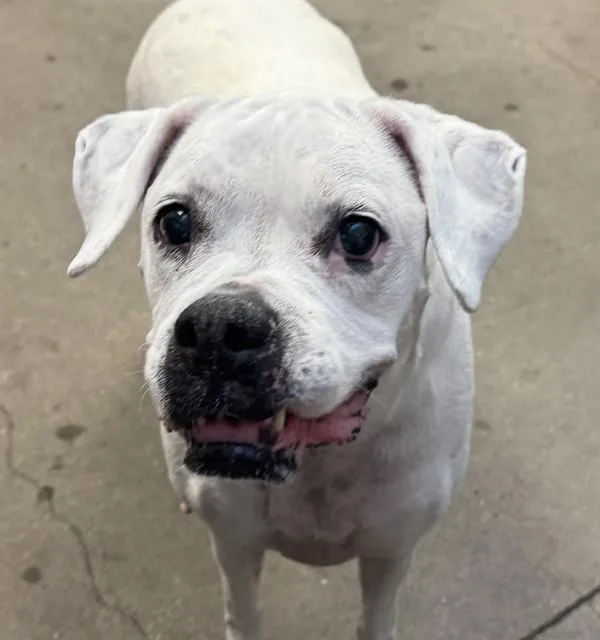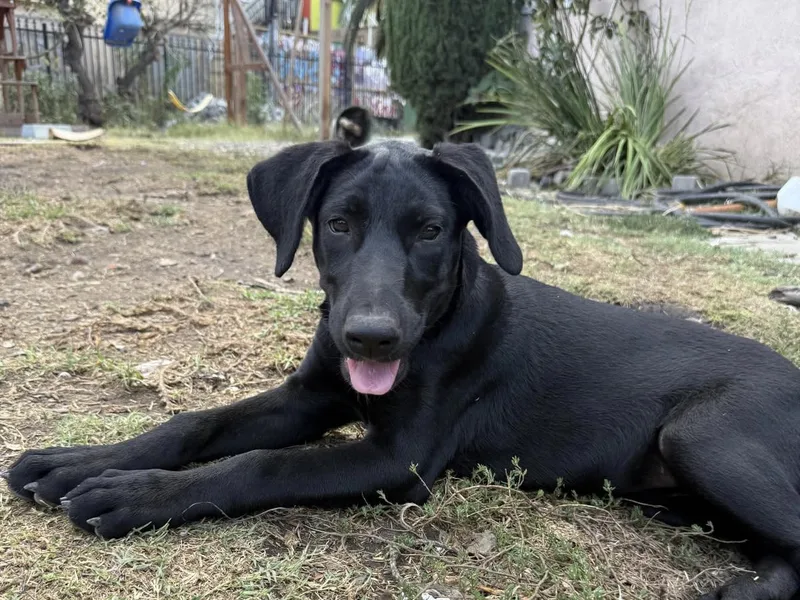
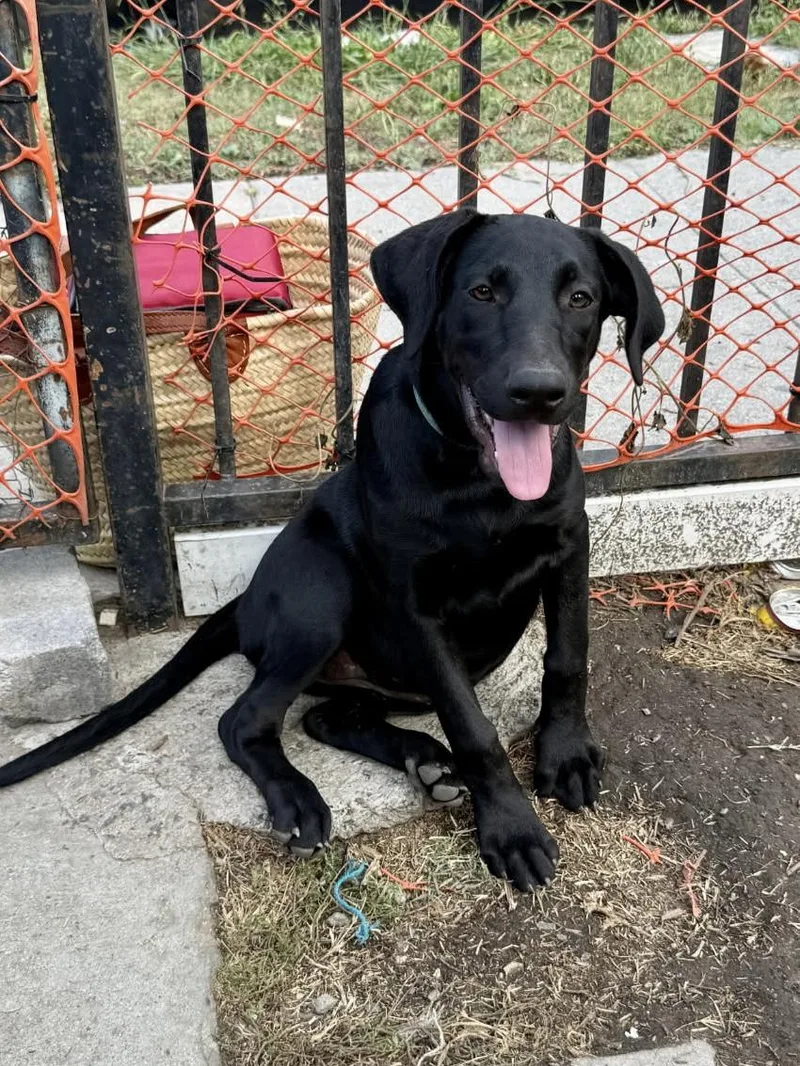
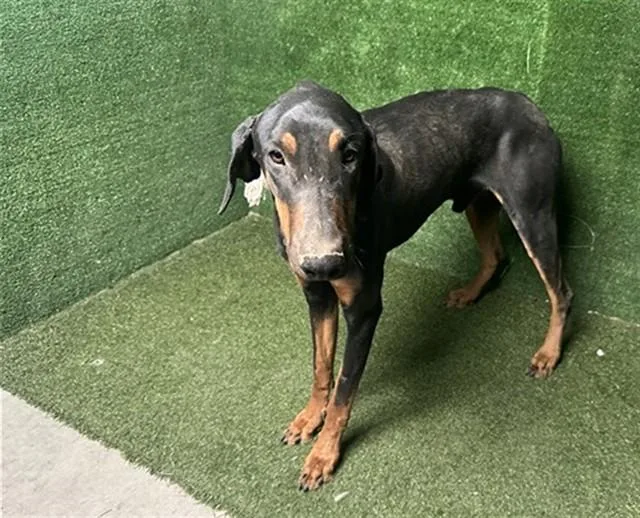

Doberman Pinscher Dogs for Adoption in Tucson, AZ

Your guide to finding and caring for a Doberman Pinscher in Tucson

A Doberman fits well in Tucson's older Eastside and Fort Lowell neighborhoods, where single-family lots and the Rillito path make daily exercise simple. These dogs want a real workout, like a brisk leashed walk or a run once they're fully grown, and then they'll shadow you around the house. In summer that workout has to happen at dawn. Most Dobermans also hate long days alone, so they suit people who are home a fair amount.

1142 Doberman Pinschers available in Tucson and nationwide

Fall for a Doberman Pinscher

While we don't have enough dogs near Tucson, keep in mind that many rescues may offer transport.

Doberman Pinschers Available for Adoption Near Tucson

About the Doberman Pinscher breed

The Doberman was developed in Germany in the late 1800s by Louis Dobermann, a tax collector who wanted a dependable dog to accompany him on his rounds. It's a large, lean, muscular dog, usually 60 to 100 pounds, with a short glossy coat in black, red, blue or fawn with rust markings. Ears may be cropped or natural.

Many Dobermans are affectionate, sensitive and devoted to their families, while staying watchful with strangers. In Tucson that means structured daily activity, early socialization and reward-based training, plus a plan for the heat, since a lean, short-coated dog can overheat quickly. Dobermans vary, and a calm, middle-aged dog can be a very different housemate than a driven young one.

Weight
60–100 lbs
Height
24–28 in
Lifespan
10–12 yrs
Temperament
Loyal, Alert, Intelligent, Protective
Group
Working
Shedding
Moderate

Owning a Doberman Pinscher in Tucson

Having a Doberman Pinscher in Tucson

Dobermans are athletic, people-focused dogs that need daily exercise, mental work and attention to heart health. In Tucson, the main local questions are summer heat, desert hazards on walks, and whether your home offers a secure yard or a solid exercise routine.

Temperament

Dobermans usually bond closely with their families and are reserved with strangers, which can feel reassuring in a busy neighborhood but calls for early, calm socialization. They respond best to gentle, consistent training. Temperament varies by dog, from laid-back companions to intense working-line types, so spend time with a dog before deciding.
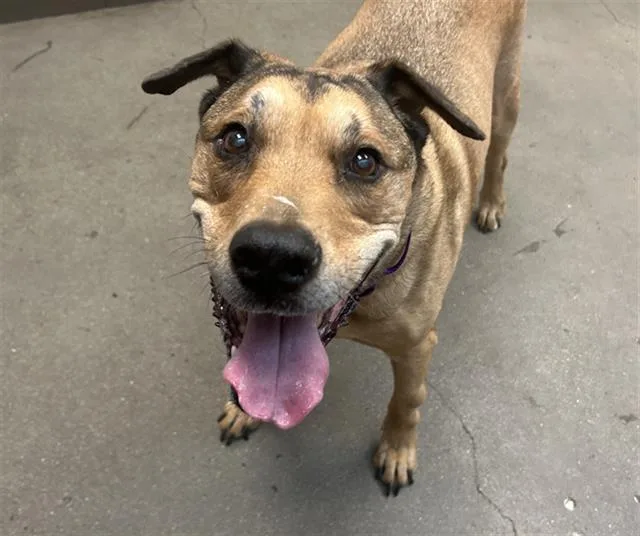
Exercise Needs

Plan on an hour or more of brisk walking, fetch or training every day. The leashed, paved Chuck Huckelberry Loop along the river parks suits jogging with a fully grown dog, and city dog parks offer off-leash play. In summer, exercise at dawn and keep sessions short on hot days.

Health Considerations

Dilated cardiomyopathy is the breed's most serious concern, so have a veterinarian check the heart soon after adoption and discuss regular screening. Von Willebrand disease, wobbler syndrome and bloat also occur. In Tucson, add valley fever: about 6 to 10 percent of dogs in the area get sick each year, so report a lingering cough or low energy promptly.

Living Space

Dobermans can manage in apartments with enough daily exercise and company, but a securely fenced yard helps, and single-family streets like those on the Eastside suit them well. They're indoor dogs that dislike isolation, and their thin coat needs air-conditioned rest through Tucson's summers.

What it costs to own a Doberman Pinscher in Tucson

ExpenseTypical costPer year
Adoption fee$300, one time$300 in year one
Food$55 to $110 per month$660 to $1,320
Pet insurance$65 to $130 per month$780 to $1,560
Routine vet care$250 to $500 per year$250 to $500
Other*$540 to $1,440 per year$540 to $1,440
Estimated yearly total (after year one)$2,230 to $4,820
First-year total (with adoption fee)$2,530 to $5,120

Adoption fee is the fee on Doberman Pinscher listings in Tucson on GetBuddy today. Other costs are estimates and vary with size, age and health.

* The Pima County dog license, flea, tick and heartworm prevention, a dental cleaning allowance, toys and bedding, basic coat care, and a light winter coat.

Adopt a Doberman Pinscher in Tucson.

Now that you know more, let’s find you a new best friend. These rescues and shelters below currently have Doberman Pinschers available.

Frequently Asked Questions

Yes, with careful management. Tucson sees about 68 days a year at 100°F or higher, and lean, short-coated dogs can overheat quickly and burn their paws on hot ground. Walk at dawn, provide shade, water and air conditioning, and never leave a dog in a parked car. Bring dogs indoors during monsoon storms.

Try city dog parks such as Danny Lopez, Udall and Wagging Tails, where dogs need a licensed collar and current vaccinations. For leashed exercise, the paved Chuck Huckelberry Loop runs along the Rillito and Santa Cruz river parks. Dogs aren't allowed at Sabino Canyon or Tucson Mountain Park, so plan desert hikes elsewhere.

Yes, if the dog gets a long daily workout and plenty of company, since Dobermans dislike long stretches alone. Get the landlord's breed and weight limits in writing before applying. A ground-floor unit near a dog park, like Iron Horse or Anza downtown, makes quick outings easier.

Very little. The short, close coat needs a weekly rubber-mitt brushing, plus occasional baths, nail trims and ear checks. After desert walks, check paws for cactus spines and irritation from hot sand. Most owners skip professional grooming, so budget at most about $100 a year, which falls within the Other costs.

Only to patios, and only where the restaurant allows it. In Pima County, a food establishment needs a permit before allowing pet dogs, which must stay leashed and under control. Indoor dining is limited to service animals. Bring your own water bowl, and skip hot midday patios in summer.

Generally no. Tucson city code allows animals on Sun Tran buses and the Sun Link streetcar only if they're service animals or in a fully enclosed carrier small enough for your lap, and pets can't sit on seats. A full-size Doberman won't fit, so plan on driving or walking.

Yes, Doberman Pinschers shed, though their short coat makes it less noticeable than in double-coated breeds. They lose small, fine hairs year-round, often with slightly heavier shedding in spring and fall. Weekly brushing with a rubber curry or grooming mitt keeps loose hair down and the coat glossy. Patchy hair loss is worth a vet check.

Doberman Pinschers typically live about 10 to 12 years, and some reach their teens. Dilated cardiomyopathy, a heart disease common in the breed, shortens many lives, so regular cardiac screening is often recommended. Keeping a Doberman lean, active and up to date on checkups gives the best chance at a long life.

We have 3 rescues with Doberman Pinschers available: Pima Animal Care Center, Pathways for Paws and Paws Without Borders. You can see every rescue with Doberman Pinschers available in the list above these questions, or scroll to the top to see the Doberman Pinschers near Tucson.

Expect roughly $2,200 to $4,800 a year for food, insurance, routine vet care and other costs combined. Food runs $55 to $110 a month, insurance $65 to $130, routine vet care $250 to $500 a year, and other costs $540 to $1,440. Heart screening and emergencies are extra.

Find Doberman Pinschers in Nearby Cities

Expand your search to find Doberman Pinschers available for adoption near Tucson.