Bloodhound Dogs for Adoption in Tucson, AZ

Your guide to finding and caring for a Bloodhound in Tucson

A Bloodhound fits best in a single-family neighborhood on Tucson's Eastside, where homes with yards are common. East of Swan Road, the mostly 1950s-to-1970s streets give a nose-led dog fresh smells on every block, and the Loop's paved river paths make a flat, leashed outing. Bloodhounds are big, droolly and loud, so tolerant neighbors help. Summer afternoons are too hot for a heavy hound, which makes dawn the walking hour.

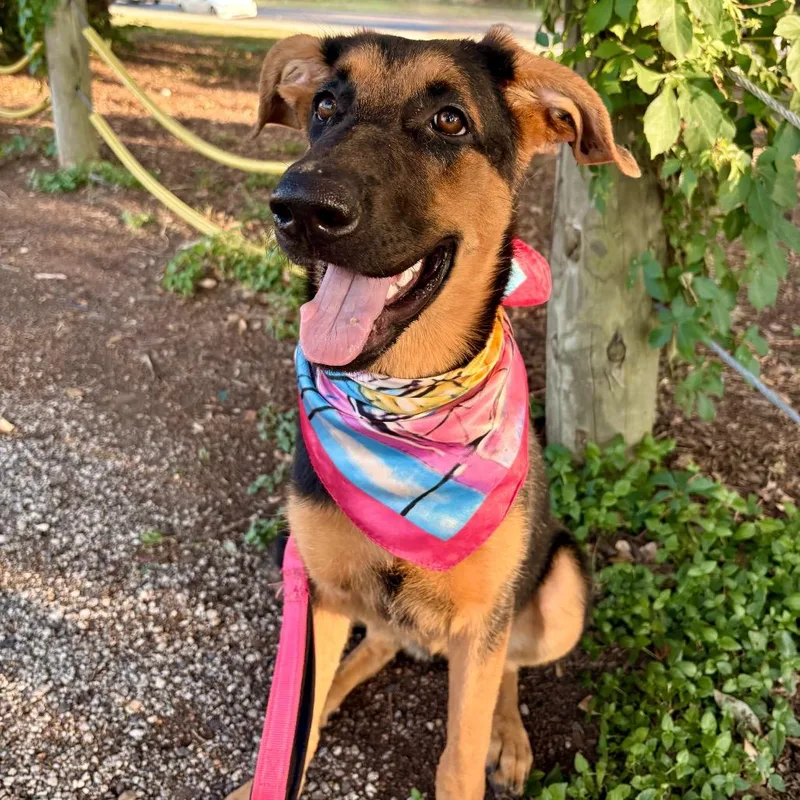
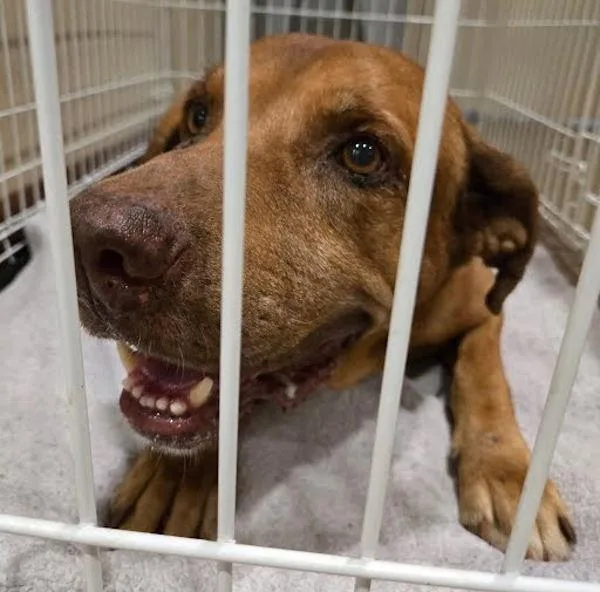
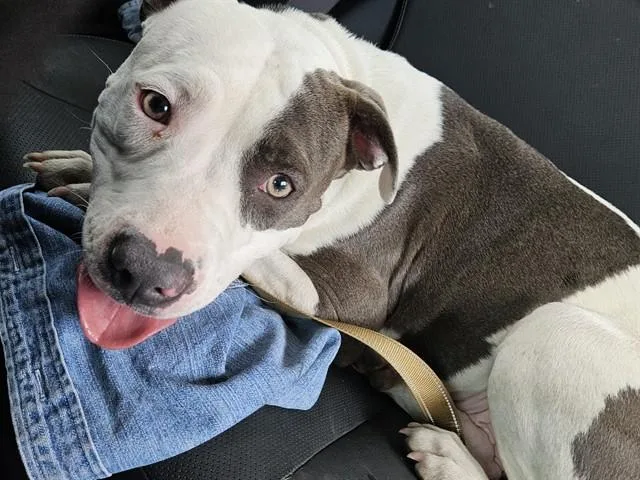
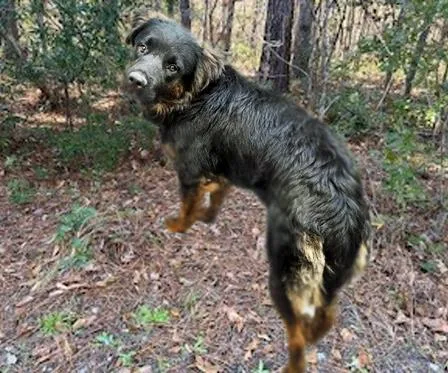
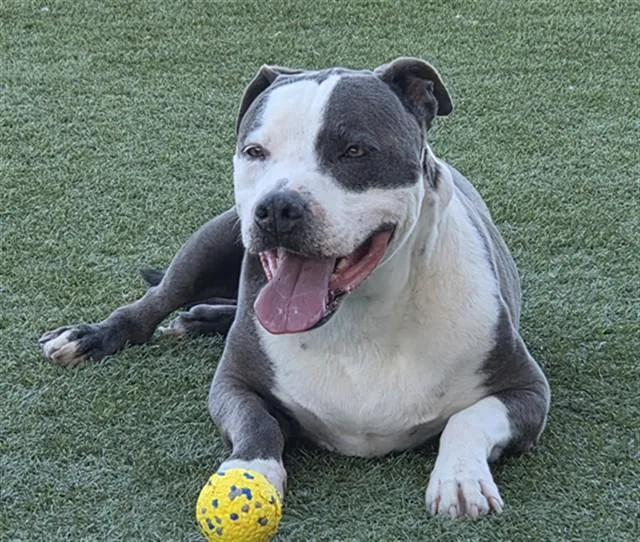
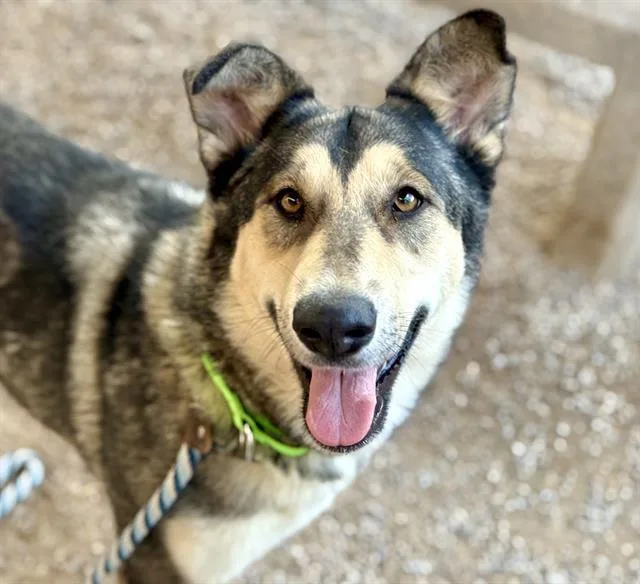
134 Bloodhounds available in Tucson and nationwide

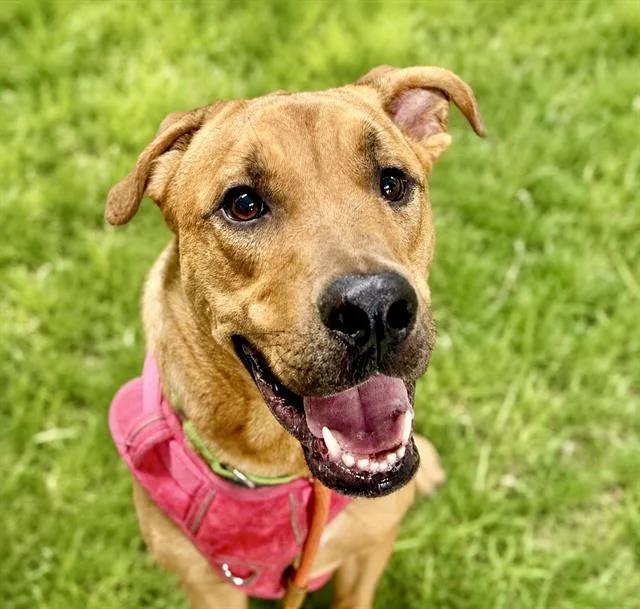
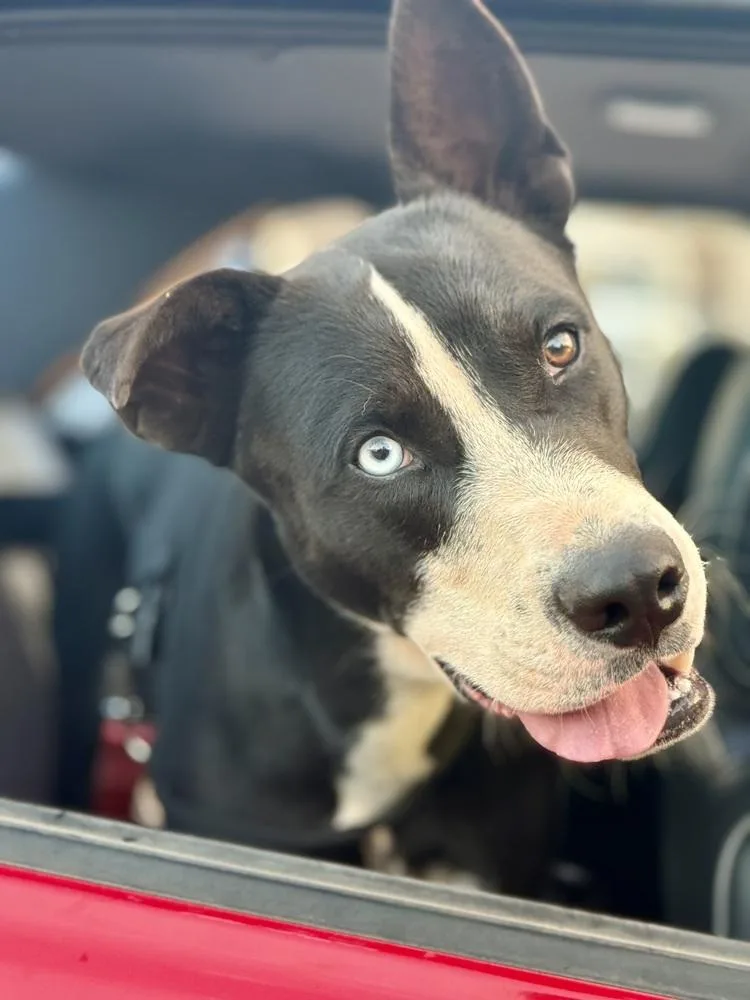
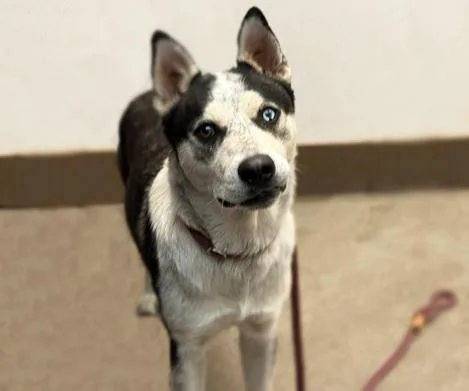
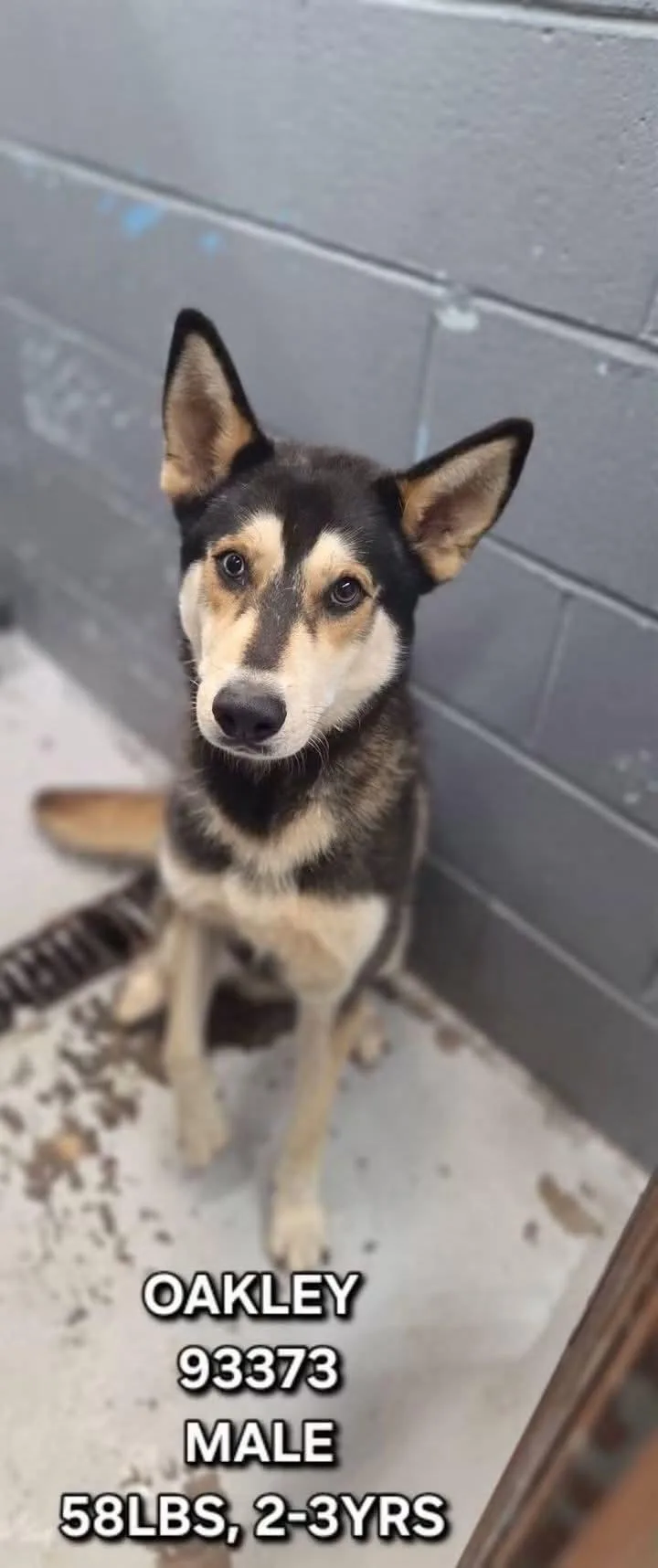
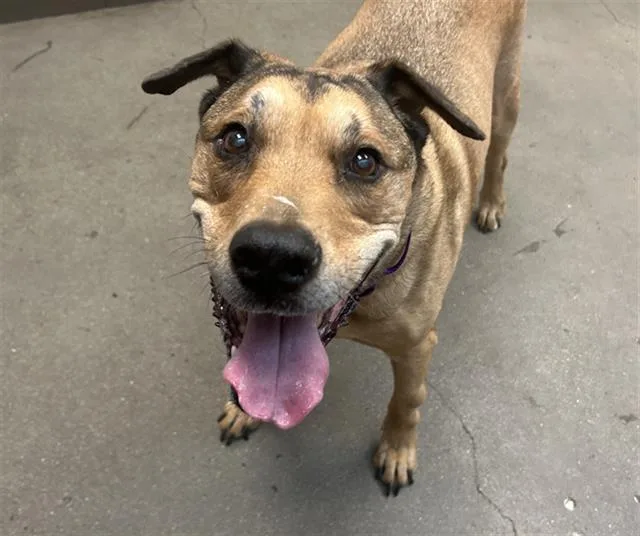
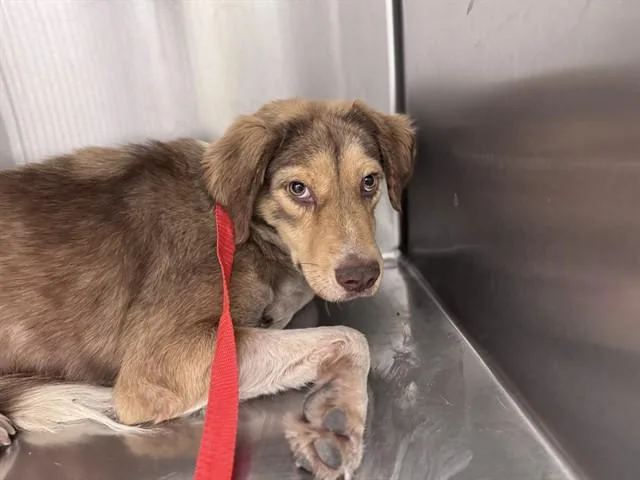
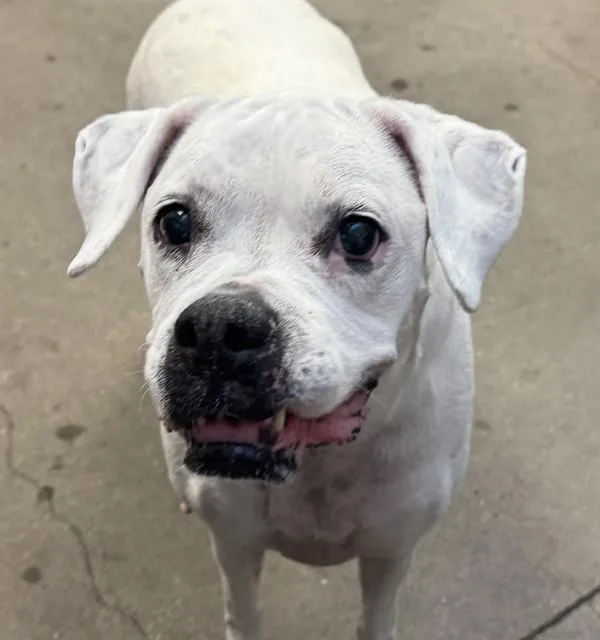
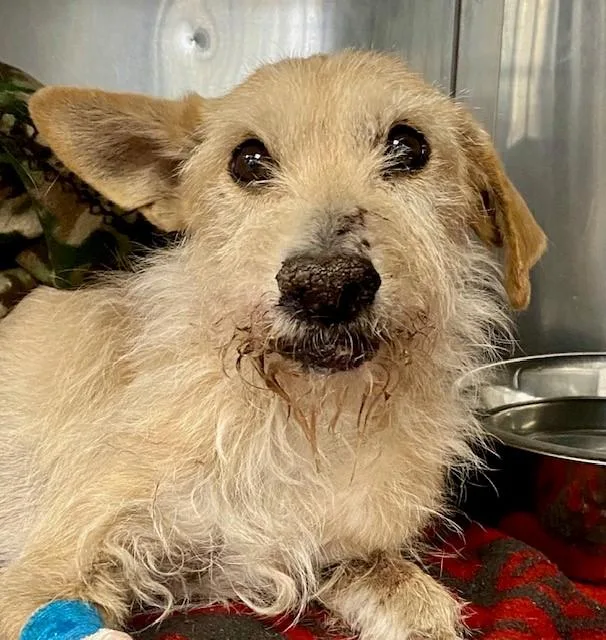
Meet a Bloodhound who needs you

While we don't have enough dogs near Tucson, keep in mind that many rescues may offer transport.

Bloodhounds Available for Adoption Near Tucson

About the Bloodhound breed

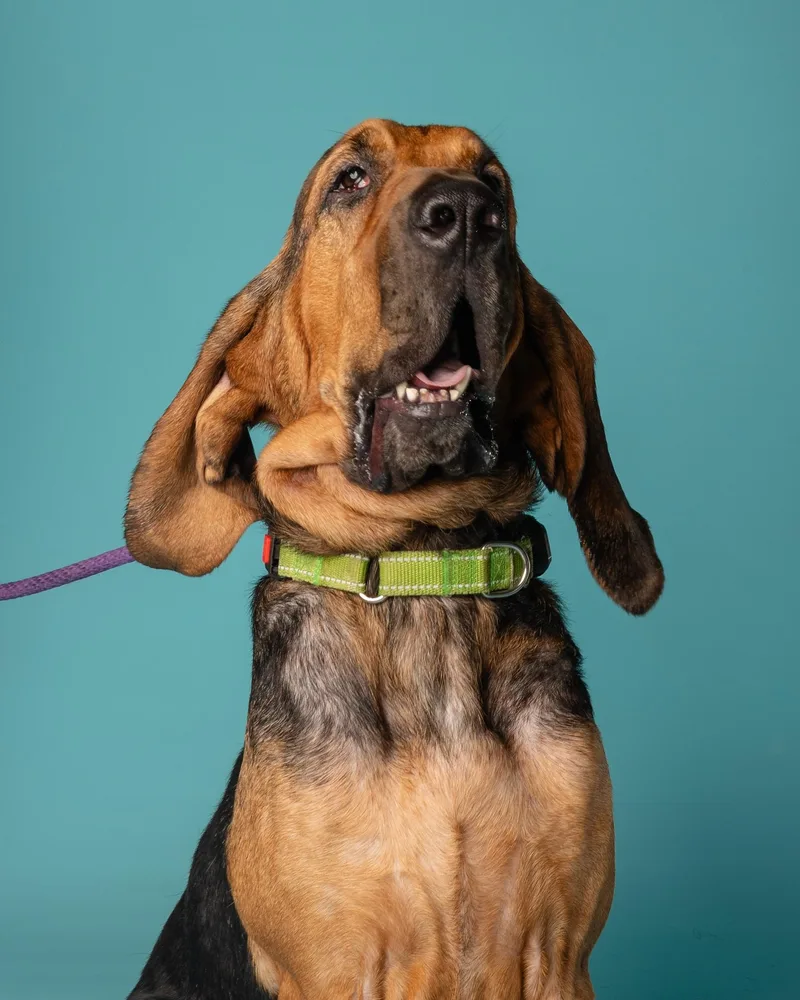
The Bloodhound is a large scent hound with deep wrinkles, long ears and loose skin. Its lineage traces to hounds kept at the Abbey of Saint-Hubert in Belgium, and the breed was refined in Britain. Police and search-and-rescue teams still use Bloodhounds to trail missing people. Adults usually weigh 80 to 110 pounds and live roughly 9 to 12 years.

Off duty, many Bloodhounds are gentle, affectionate and tolerant, though they can also be stubborn, messy and very vocal. In Tucson, heat, dusty ground and cactus all deserve attention on a dog that walks with its nose down. Patient, food-based training and secure fencing go a long way, and each dog varies in confidence and energy.

Weight
80–110 lbs
Height
23–27 in
Lifespan
9–12 yrs
Temperament
Gentle, Affectionate, Independent, Vocal
Group
Hound
Shedding
Moderate

Owning a Bloodhound in Tucson

Having a Bloodhound in Tucson

A Bloodhound's nose drives nearly everything: how it walks, what it ignores and how far it will wander. In Tucson, size, stamina, desert heat and serious health risks like bloat shape daily care more than looks do.

Temperament

Bloodhounds are often sweet, mild-mannered and sociable with people, children and other dogs, but they can turn single-minded once a scent grabs them. Many bay loudly, which matters in close Tucson neighborhoods, where barking complaints are handled by Pima County. Patient, food-based training works best, and each dog varies.

Exercise Needs

Plan on substantial daily exercise: long leashed sniffing walks plus scent games or trailing classes. In Tucson, do them at dawn from May through September, and favor shaded dirt or grass over hot asphalt. The paved Loop along the river parks is flat and leashed. Skip hard exercise around meals because of bloat risk.

Health Considerations

Bloat is a leading cause of death in Bloodhounds, so learn its signs and talk with a veterinarian about feeding routines and preventive surgery. Eyelid problems, ear infections, skin fold irritation and joint dysplasia are also common. In Tucson, ask a vet about valley fever, which sickens roughly 6 to 10 percent of dogs in Pima County and neighboring counties each year.

Living Space

A Bloodhound does best in a house with a secure, fully fenced yard, since its size, baying and wandering nose make open gates risky. Apartments work only with very reliable exercise and tolerant neighbors. Expect drool on walls and furniture, and keep food out of reach of a tall, persistent counter-surfer.

What it costs to own a Bloodhound in Tucson

ExpenseTypical costPer year
Food$55 to $110 per month$660 to $1,320
Pet insurance$65 to $130 per month$780 to $1,560
Routine vet care$250 to $500 per year$250 to $500
Other*$540 to $1,490 per year$540 to $1,490
Estimated yearly total (after year one)$2,230 to $4,870

Other costs are estimates and vary with size, age and health.

* The $20 Pima County license for an altered dog, flea, tick and heartworm prevention, a dental cleaning allowance, toys and sturdy bedding, basic coat care, and ear and skin fold cleaning supplies.

Adopt a Bloodhound in Tucson.

Now that you know more, let’s find you a new best friend. These rescues and shelters below currently have Bloodhounds available.

Frequently Asked Questions

Yes, you can own a Bloodhound in Tucson. The city has no breed bans, and Arizona law forbids breed-specific rules. Dogs three months or older need a rabies vaccination and a Pima County license, and a leash no longer than six feet is required on public property. A Bloodhound's size and baying make a fenced yard and tolerant neighbors the practical hurdles.

Bloodhounds can handle Tucson summers with careful management, but they aren't heat-tough. About 68 days a year reach 100 degrees, and nights stay in the 70s. Walk at dawn, carry water, keep a heavy hound on shaded dirt or grass rather than hot asphalt, and provide cool indoor rest. Bring the dog inside before monsoon storms.

A Bloodhound can live in a Tucson apartment, but it's a stretch. Their size, drool and booming bay strain close quarters, so you'd need reliable daily walks and tolerant neighbors. About 48% of Tucson households rent, and landlords may set breed or weight limits, so read the lease's pet terms carefully. A ground-floor unit near a good walking route helps.

The best options are the paved Chuck Huckelberry Loop along the Rillito and Santa Cruz river parks, which is leashed and open sunrise to sunset, and city dog parks like Wagging Tails or Udall. Dog parks require voice control, so a scent-driven hound may do better on leash. Sabino Canyon and Tucson Mountain Park don't allow dogs.

Bloodhounds can't realistically ride public transit in Tucson. Sun Tran buses and the Sun Link streetcar allow pets only in a completely enclosed carrier small enough to fit on your lap, and animals aren't allowed on seats. Service animals are the exception. A Bloodhound weighs 80 to 110 pounds, so plan on driving or walking.

You can bring a Bloodhound only to restaurant patios, and only where the restaurant has county approval to allow dogs. Indoors, only service animals are permitted. Keep the dog leashed and under control. A large, drooly, baying hound can be a lot on a busy patio, so choose a quiet corner and avoid midday summer heat.

A Bloodhound needs little coat grooming, but its folds and ears need regular care. Brush the short coat weekly to manage moderate shedding, wipe skin folds, and clean the ears routinely, since dust and heat can irritate both. Most of this is home care, with an occasional professional bath optional, and it fits within the Other costs shown on this page.

A Bloodhound is a large scent hound in the AKC Hound Group, bred to follow the trail of people and animals over long distances. It is recognized by its loose, wrinkled skin, long ears, droopy eyes and black and tan, liver and tan or red coat. Many are gentle at home but stubborn and tireless on a scent.

We have 1 rescue with Bloodhounds available: Pima Animal Care Center. You can see every rescue with Bloodhounds available in the list above these questions, or scroll to the top to see the Bloodhounds near Tucson.

Plan on roughly $2,200 to $4,900 a year for a Bloodhound in Tucson, or about $185 to $405 a month. Food runs $55 to $110 a month, insurance $65 to $130, routine vet care $250 to $500 a year, and other costs $540 to $1,490 a year. Large size and bloat risk push totals toward the upper end.

Find Bloodhounds in Nearby Cities

Expand your search to find Bloodhounds available for adoption near Tucson.