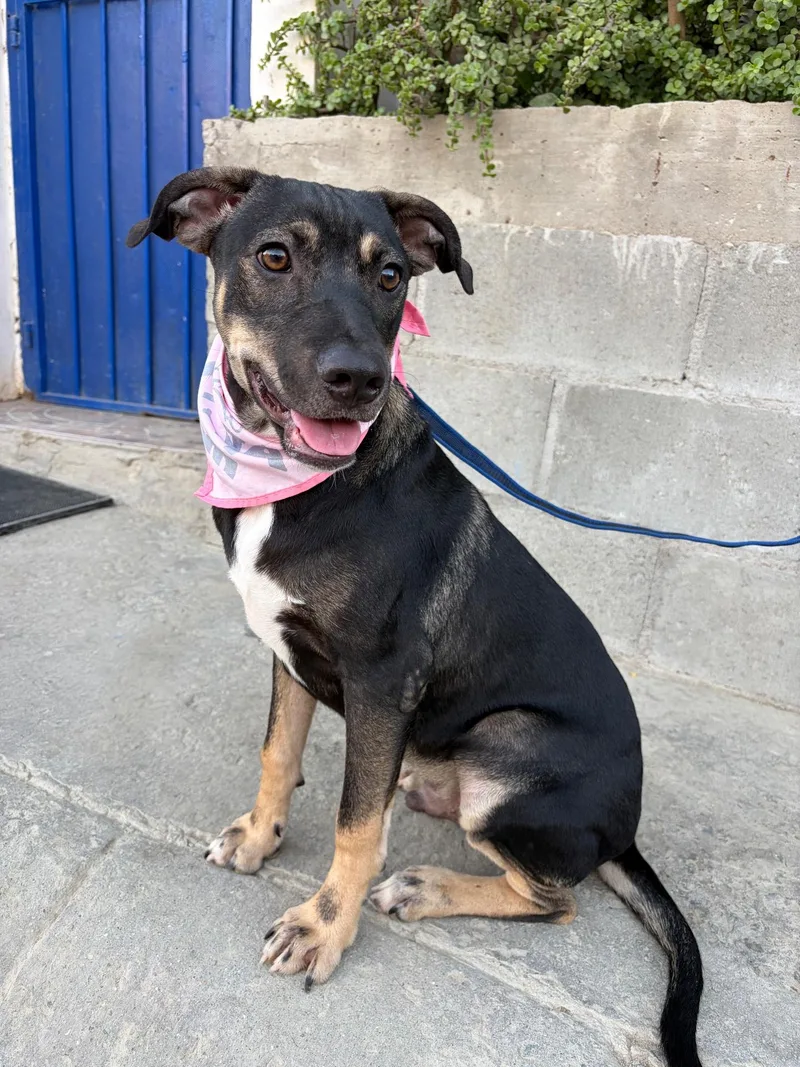
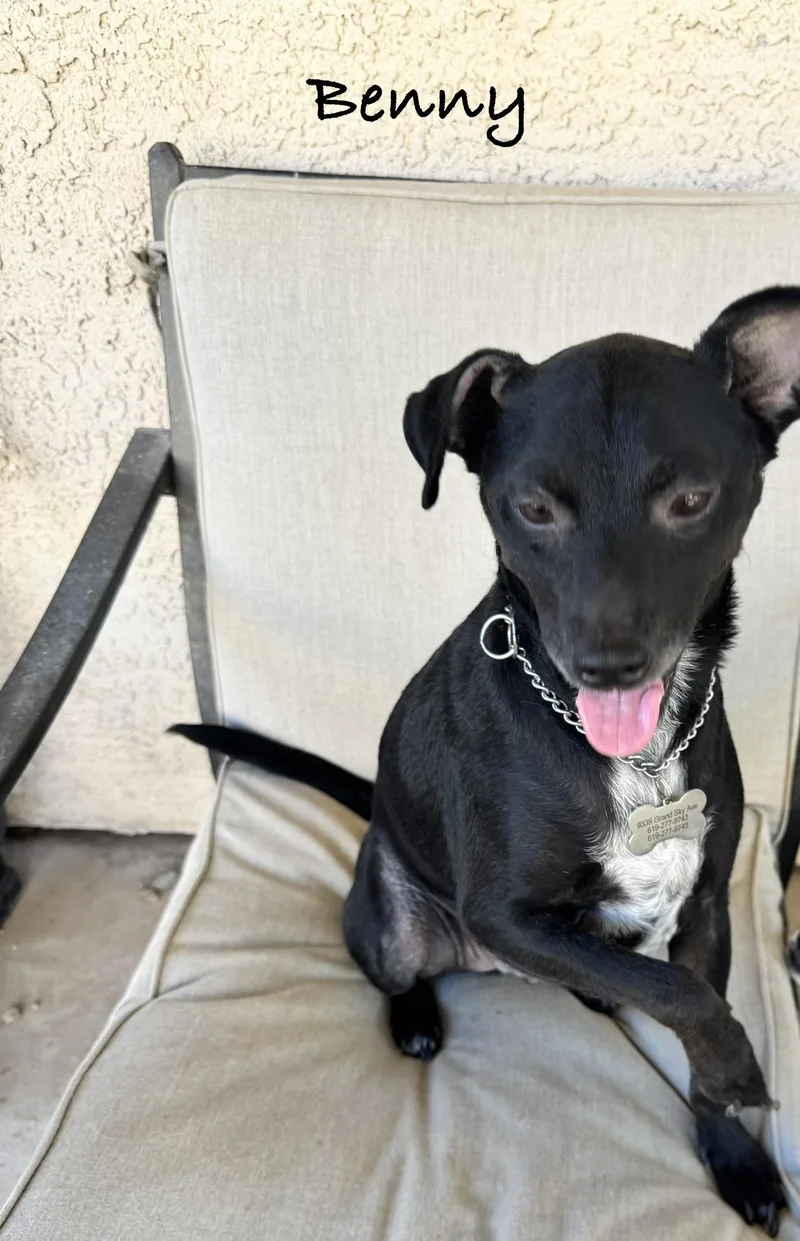
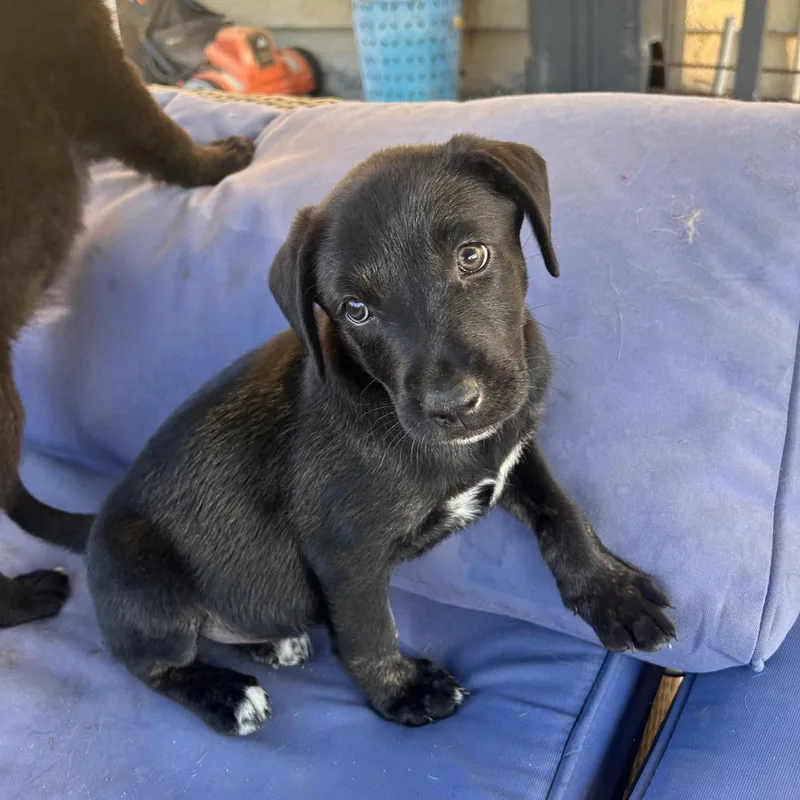
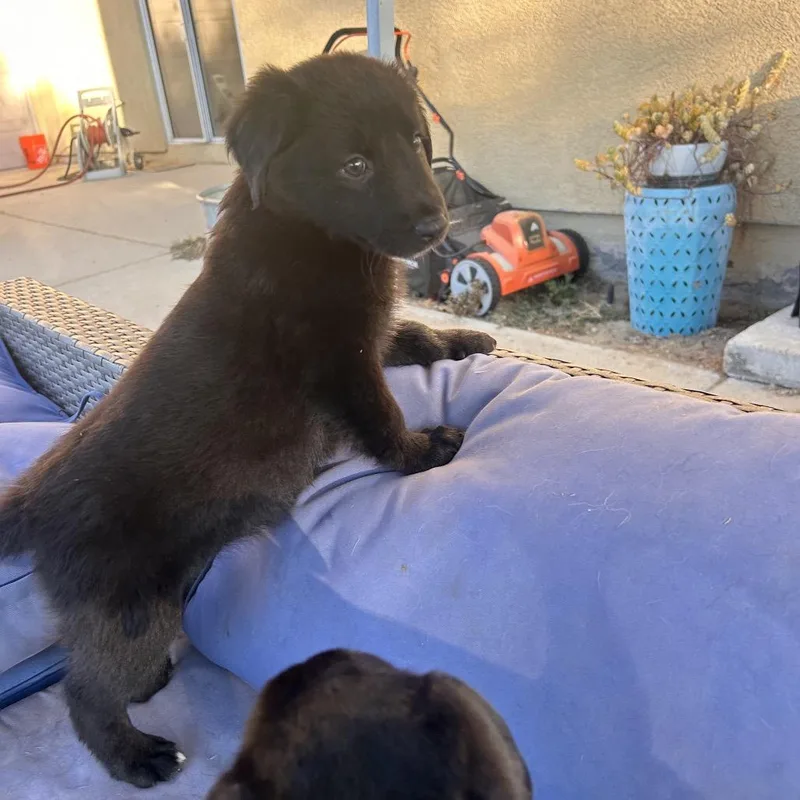
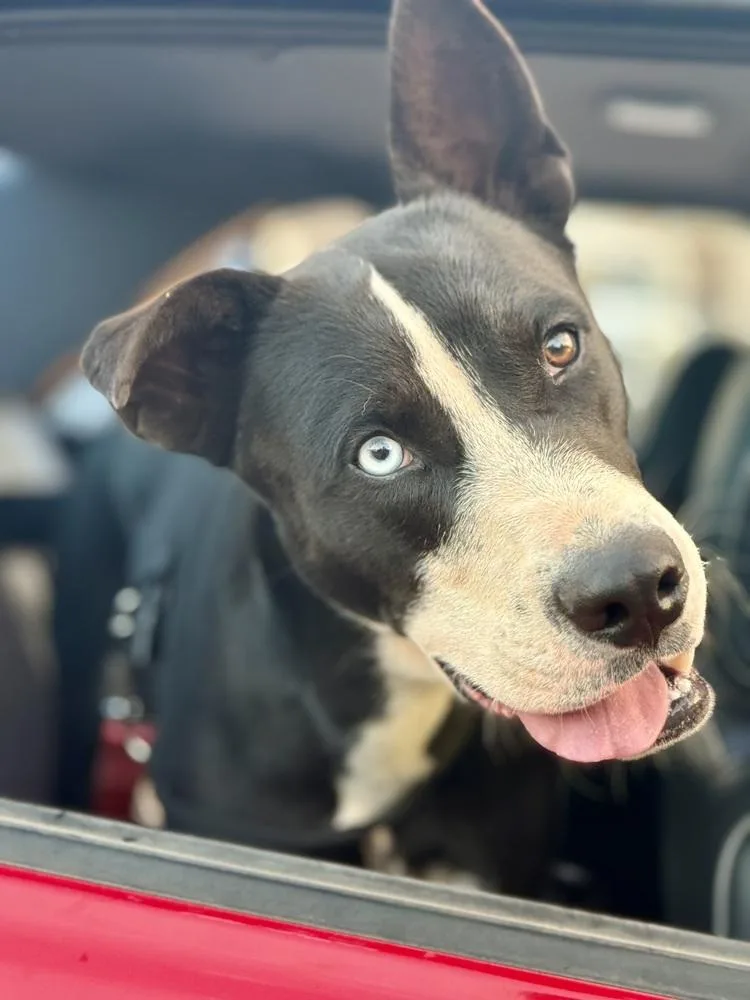
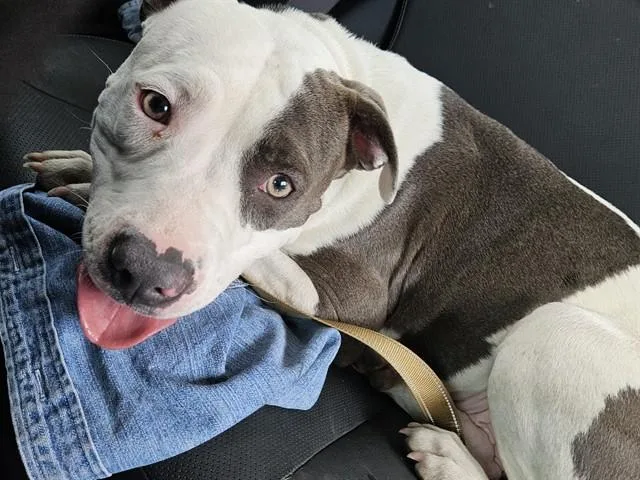
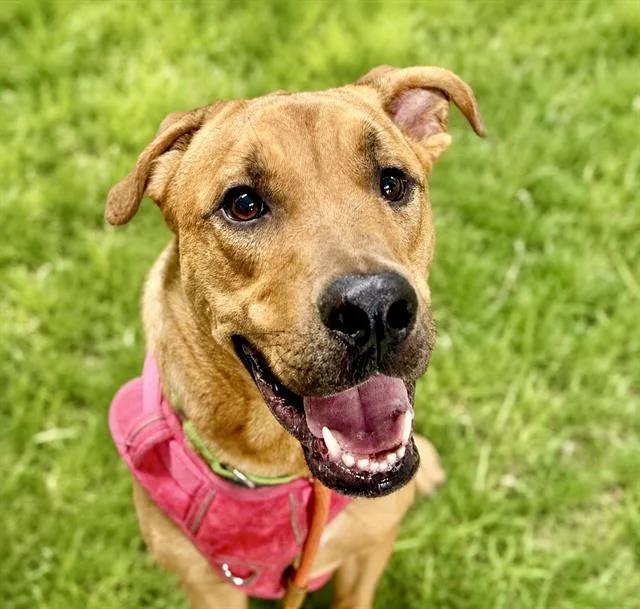
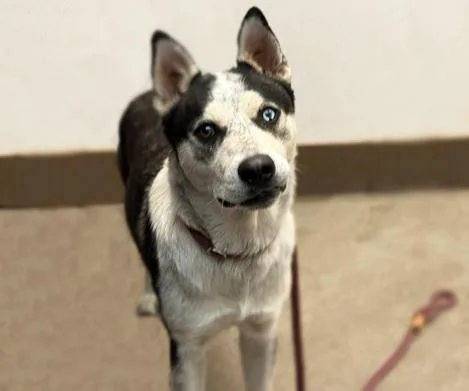
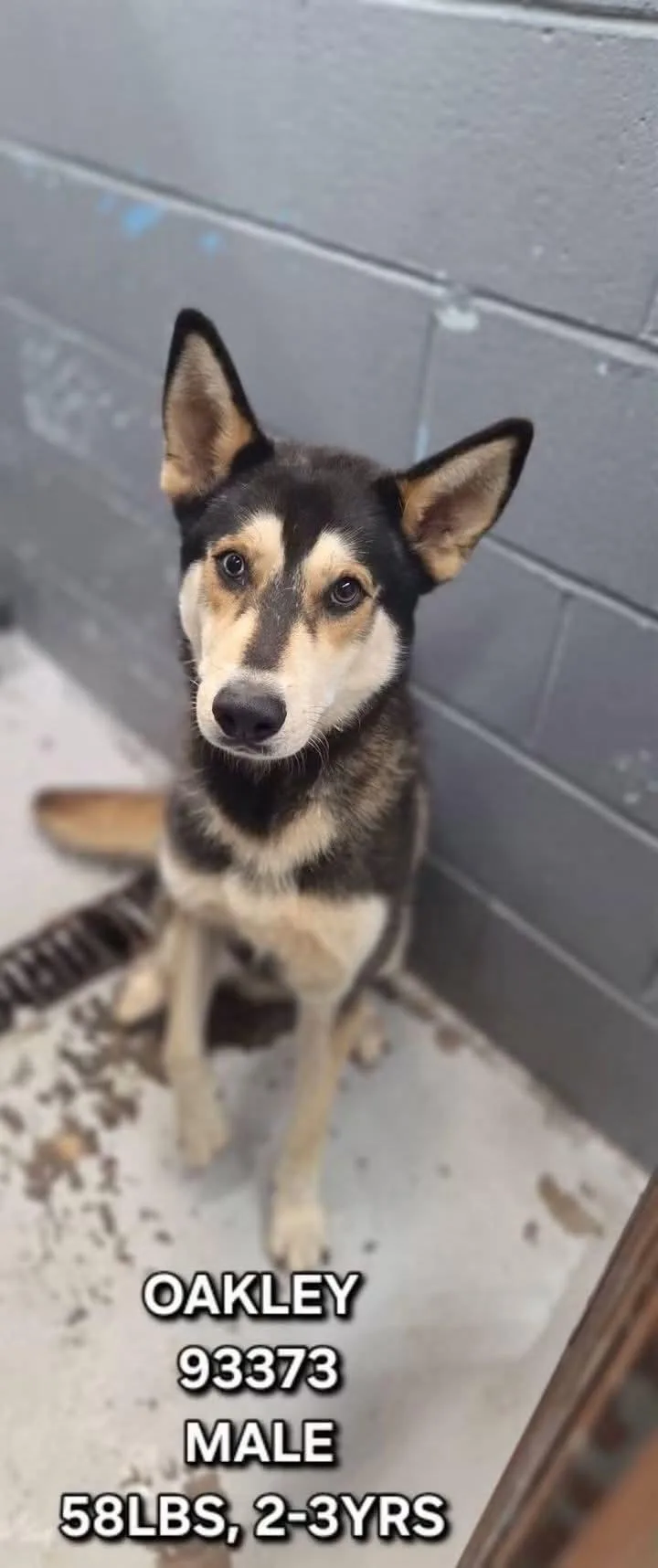
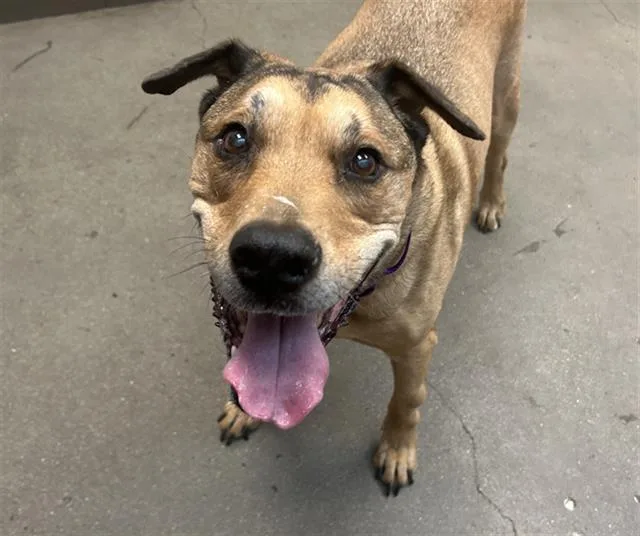
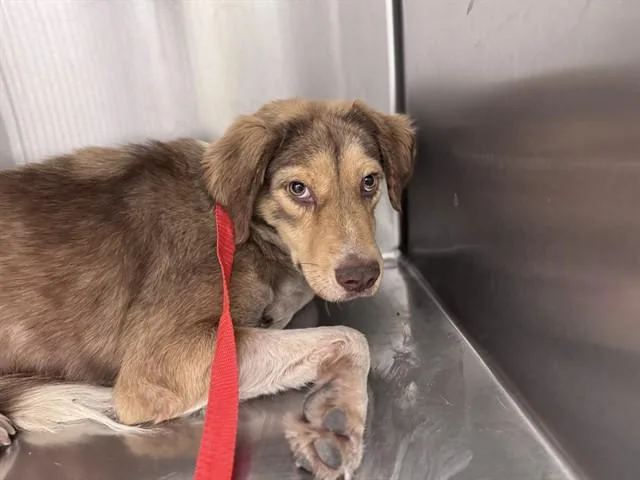
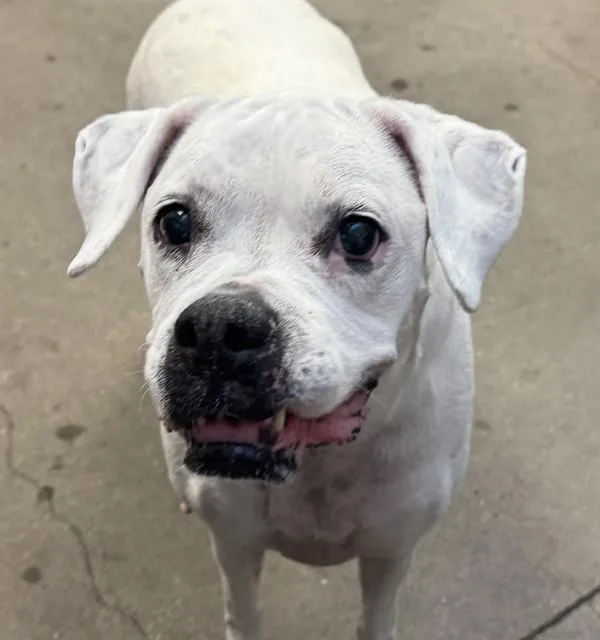
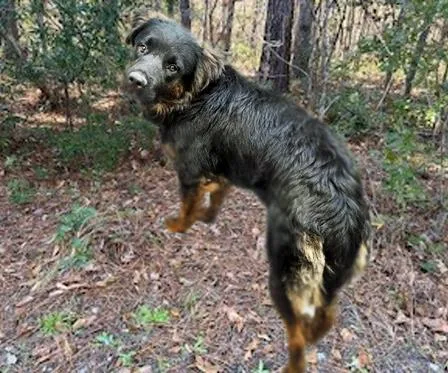
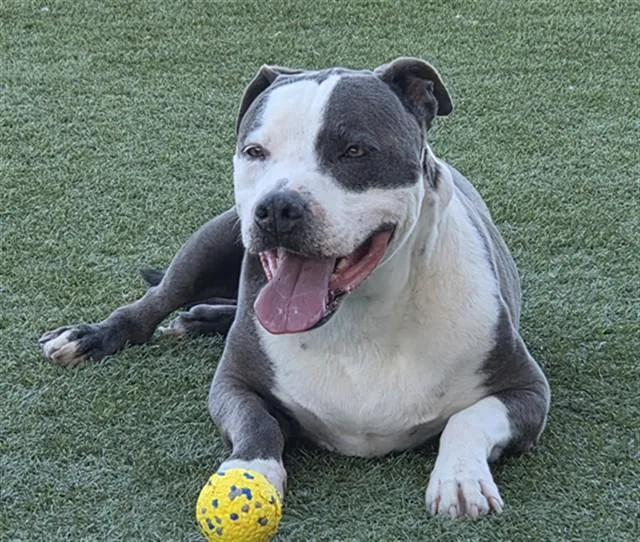
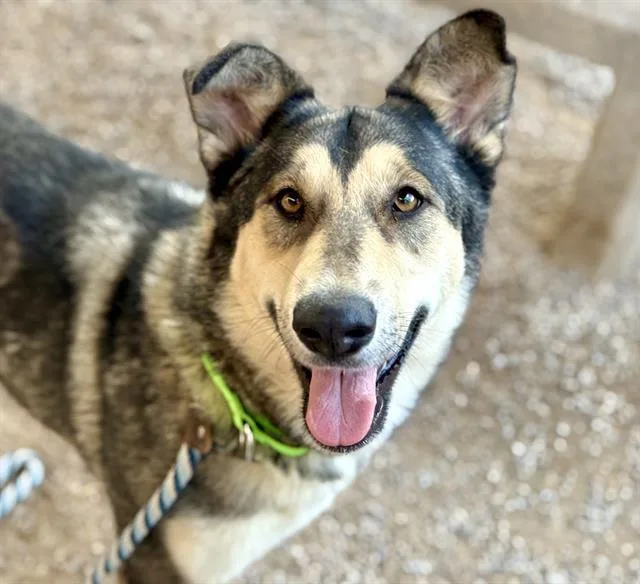
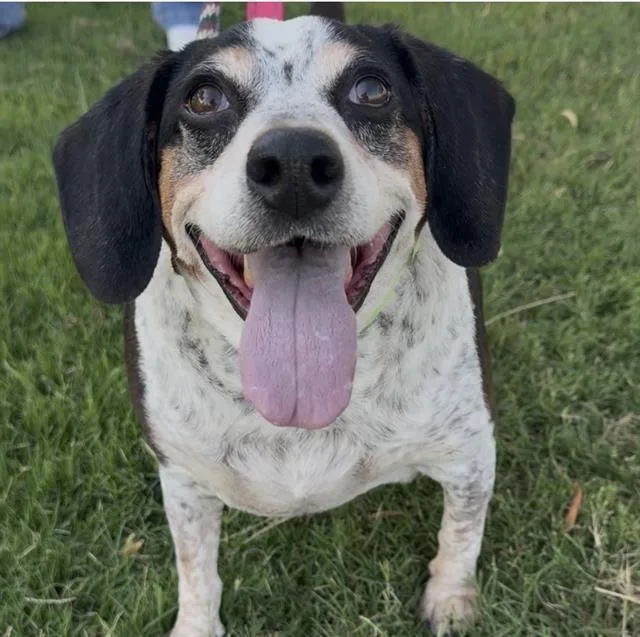
Black Labrador Retriever Dogs for Adoption in Tucson, AZ

Your guide to finding and caring for a Black Labrador Retriever in Tucson

A black Lab fits Tucson's east side well, especially near the Rillito path. The paved Loop gives a young Lab flat, leashed miles, and Udall Dog Park on Tanque Verde Road handles off-leash fetch. East of Swan Road, the neighborhoods are mostly 1950s–1970s single-family homes, so a big dog fits right in. Black coats soak up sun, so summer walks move to dawn. Most Labs want a job, and a daily walk along the Rillito is a good one.

3259 Black Labrador Retrievers available in Tucson and nationwide

Find your Black Labrador Retriever

While we don't have enough dogs near Tucson, keep in mind that many rescues may offer transport.

Black Labrador Retrievers Available for Adoption Near Tucson

About the Black Labrador Retriever breed

A black Lab is a Labrador Retriever in the breed's original and most familiar color, not a separate breed. The earliest Labs descended from the St. John's water dogs of Newfoundland and were refined in Britain into gun dogs, and most of them were black. They share the breed's otter tail, broad head and dense, water-resistant double coat, sometimes with a small white chest spot.

Color doesn't change personality, so a black Lab is usually as friendly, food-motivated and eager to please as any other Lab, though field-bred dogs tend to be leaner and more driven. In Tucson, expect a dog who needs daily exercise, steady training, measured portions, a plan for hot afternoons and plenty of brushing during shedding season. Labs mature slowly, so a bouncy adolescence is normal.


Weight
55–80 lbs
Height
21–25 in
Lifespan
10–14 yrs
Temperament
Friendly, Outgoing, Active
Group
Sporting
Shedding
Moderate to High

Owning a Black Labrador Retriever in Tucson

Having a Black Labrador Retriever in Tucson

Energy, appetite and seasonal shedding shape life with a black Lab far more than coat color does. In Tucson, the dark coat adds one more factor: heat. Match a dog's age and drive to your routine, and plan active time for early mornings.

Temperament

Black Labs tend to be outgoing and affectionate with family, guests and other dogs, and many are patient with respectful children. Young dogs are often mouthy and boisterous, and strong enough to knock over a toddler. Their love of food makes reward-based training work well. A dog's history and socialization say more than breed or coat color.

Exercise Needs

Most grown black Labs need vigorous daily exercise, such as brisk walks, fetch or running. In Tucson, that means dawn outings in summer, with the paved Loop (open sunrise to sunset) or a city dog park the rest of the year. Scent work and short training sessions give their minds a job. Seniors still benefit from gentler outings.

Health Considerations

Labs can be affected by hip and elbow dysplasia, cruciate ligament tears, exercise-induced collapse and obesity. In Tucson, valley fever is also worth knowing about: this soil fungus sickens roughly 6–10% of dogs in Pima and nearby counties each year, mostly through dust. A veterinarian can check hips, elbows and weight, and look into a cough that lingers.

Living Space

A black Lab can do well in a Tucson apartment or house when daily exercise is covered. A fenced yard helps but doesn't replace walks. Dark coats absorb heat, so a shaded spot, fresh water and a cool indoor space matter in summer. Expect shed hair, a sweeping tail and a dog who wants to live indoors.

What it costs to own a Black Labrador Retriever in Tucson

ExpenseTypical costPer year
Adoption fee$175 to $200, one time$175 to $200 in year one
Food$55 to $110 per month$660 to $1,320
Pet insurance$65 to $130 per month$780 to $1,560
Routine vet care$250 to $500 per year$250 to $500
Other*$590 to $1,490 per year$590 to $1,490
Estimated yearly total (after year one)$2,280 to $4,870
First-year total (with adoption fee)$2,455 to $5,070

Adoption fee is the range of fees on Black Labrador Retriever listings in Tucson on GetBuddy today. Other costs are estimates and vary with size, age and health.

* The $20 Pima County license for a spayed or neutered dog, flea, tick and heartworm prevention, a yearly dental cleaning, toys and bedding, and brushing and baths for seasonal shedding.

Adopt a Black Labrador Retriever in Tucson.

Now that you know more, let’s find you a new best friend. These rescues and shelters below currently have Black Labrador Retrievers available.

Frequently Asked Questions

Yes, you can own a Black Labrador Retriever in Tucson, because the city has no breed bans or breed-specific restrictions, and Arizona law prohibits them. You'll need a rabies vaccination and a Pima County dog license, and your Lab must stay on a leash six feet or shorter in public. Any limits you meet will come from landlords or insurers, not the city.

Yes, a Black Lab can handle a Tucson summer with a routine built around the heat. Walk right after sunrise, keep midday indoors and carry water. Heavy panting, drooling, stumbling or collapse can signal heat stroke, which needs a veterinarian right away. Never leave your Lab in a parked car, which Arizona treats as cruelty when injury or death is likely.

Tucson's city dog parks suit a black Lab, including Iron Horse and Anza near downtown, Miko's Corner in Reid Park and Cherry Avenue on the south side. Dogs need a collar with a valid license and current vaccinations. For longer walks, the paved Loop is open sunrise to sunset, leashed. Sabino Canyon doesn't allow dogs.

Yes, a Black Lab can live in a Tucson apartment if daily walks, play and company are covered. Plan exercise for summer mornings, and keep the unit cool while you're out. Near the university, North Sixth Avenue Dog Park has no separate small-dog side, which suits a big Lab, and Esquer Dog Park serves the central barrios. Expect plenty of shedding.

A Black Lab fits Tucson well for active people who can walk early and keep the home cool. Dog parks, river paths and a long mild season suit a sociable dog. The tradeoffs are valley fever dust, toads and cactus spines, so discourage digging. If your Lab licks a toad, flush its mouth with running water and call a veterinarian.

Not realistically. Tucson has Sun Tran buses and the Sun Link streetcar, and pets other than service animals must ride in a fully enclosed carrier small enough for your lap, so a full-grown Black Lab can't ride. Animals also aren't allowed on seats. Service animals are the exception. Plan on driving or walking with your Lab.

A Black Lab needs weekly brushing most of the year and more during heavy shedding, usually in spring and fall, plus a bath when it gets dirty or smelly. Tucson's dust and desert plants mean checking paws, ears and coat for burrs and spines after outings. Home brushing and occasional baths fit within the Other costs listed on this page.

Only to some patios. Arizona leaves outdoor dining to local rules, and in Pima County a restaurant needs county approval before allowing pet dogs, so it's up to each restaurant. Indoors, only service animals are allowed. Keep your Lab leashed and under control, don't expect staff to pet it, and expect disposable containers for any water.

We have 2 rescues with Black Labrador Retrievers available: Hope of Deliverance and HOPE Animal Shelter. You can see every rescue with Black Labrador Retrievers available in the list above these questions, or scroll to the top to see the Black Labrador Retrievers near Tucson.

A Lab in Tucson typically runs about $120–$240 a month for food and insurance combined, plus $250–$500 a year for routine vet care and $590–$1,490 a year in other costs. Over a year, that adds up to roughly $2,300–$4,900. Emergencies, such as valley fever treatment or a toad or snakebite visit, aren't included.