Black and Tan Coonhound Dogs for Adoption in Tucson, AZ

Your guide to finding and caring for a Black and Tan Coonhound in Tucson

Black and Tan Coonhounds fit best in Tucson's single-family eastside neighborhoods, where a fenced yard gives that nose room to work. Much of the area east of Swan Road is single-family homes built between the 1950s and 1970s, and Udall Dog Park gives a hound an enclosed place to stretch. Indoors, these hounds are mellow and happy to sprawl near you. Outdoors, scent runs the show, so plan on a leash and a deep bay the neighbors will notice. Summer pushes walks to dawn.

178 Black and Tan Coonhounds available in Tucson and nationwide

Fall for a Black and Tan Coonhound

While we don't have enough dogs near Tucson, keep in mind that many rescues may offer transport.

Black and Tan Coonhounds Available for Adoption Near Tucson

About the Black and Tan Coonhound breed

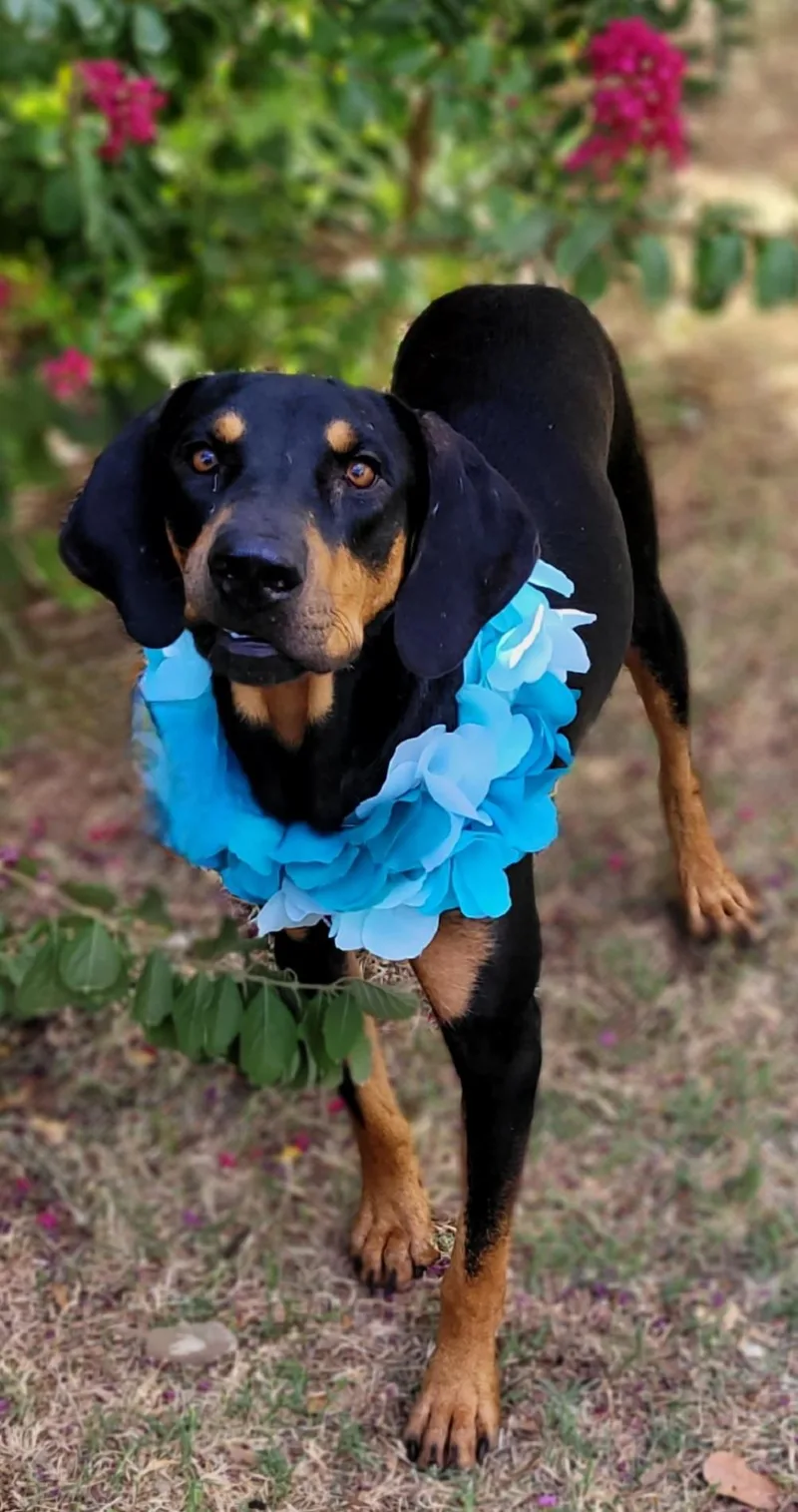
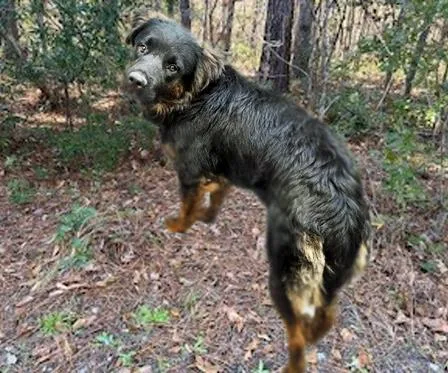
The Black and Tan Coonhound was developed in the American South from colonial-era foxhounds with Bloodhound influence, and it was the first of the six coonhound breeds the AKC recognized, in 1945. It trails raccoon and other game entirely by scent, then bays at the tree until the hunter arrives. Expect a big, rangy hound with a short coal-black coat, rich tan markings and long ears that fold well past the nose.

That history shows up in everyday care. Most stand 23 to 27 inches tall and weigh somewhere between 50 and 100 pounds, so these are large dogs. The short coat needs only weekly brushing, but the long ears need regular checks. Hounds sniff everything, and the Sonoran Desert offers plenty to investigate, from cactus to toads, so supervision matters. Dogs vary, and a hound's own history says more than the breed label.


Weight
50–100 lbs
Height
23–27 in
Lifespan
10–12 yrs
Temperament
Easygoing, Friendly, Vocal
Group
Hound
Shedding
Moderate

Owning a Black and Tan Coonhound in Tucson

Having a Black and Tan Coonhound in Tucson

This is a relaxed housemate with a powerful nose and a big voice. In Tucson, the main questions are whether you have a securely fenced yard, how you will keep summer exercise safe, and whether your neighbors can live with a baying hound.

Temperament

Black and Tans are usually even-tempered and sociable, and many get along with other dogs because the breed was developed to work in packs. Some are reserved with strangers. They're independent, so training takes patience, and small pets can trigger a chase. In a Tucson apartment or on a shared fence line, that bay becomes a neighbor issue.

Exercise Needs

Plan on a long daily sniffing walk plus some fenced play. In Tucson, that means dawn outings in summer and nearly any hour from late fall to early spring. Keep the dog leashed on the Loop, since a fresh scent can override recall. Scent games at home give the nose a job on hot days.

Health Considerations

Hip dysplasia, ear infections, eye problems and hypothyroidism show up in the breed, and deep-chested hounds carry some bloat risk. Tucson adds valley fever, which sickens roughly 6 to 10 percent of dogs in Pima County each year. A hound that sniffs and digs in dust has more exposure, so mention coughing or low energy to your vet promptly.

Living Space

A house with a tall, solid fence suits a Black and Tan best. Apartments can work for a calm adult if walks are long and the neighbors tolerate a bay, but size and voice limit the options. Indoors, many settle happily on the sofa. Watch for climbing and digging along the fence line.

What it costs to own a Black and Tan Coonhound in Tucson

ExpenseTypical costPer year
Food$55 to $110 per month$660 to $1,320
Pet insurance$55 to $110 per month$660 to $1,320
Routine vet care$250 to $500 per year$250 to $500
Other*$495 to $1,270 per year$495 to $1,270
Estimated yearly total (after year one)$2,065 to $4,410

Other costs are estimates and vary with size, age and health.

* The $20 Tucson dog license for an altered dog, a dental cleaning allowance, flea, tick and heartworm prevention, toys and bedding, and basic home grooming with ear cleaning.

Adopt a Black and Tan Coonhound in Tucson.

Now that you know more, let’s find you a new best friend. These rescues and shelters below currently have Black and Tan Coonhounds available.

Frequently Asked Questions

Yes, most can with planning, but summer is the season to take seriously. Tucson sees about 68 days a year at 100°F or more, mostly from late May through September. Walk at dawn, since June to August lows stay in the 70s, carry water, and keep the dog off hot sand and pavement. Never leave a dog in a parked car.

It can be, if you have a secure yard, an early-morning routine and tolerant neighbors. Tucson's mild winters and long walking season suit a hound that wants hours of sniffing, and the Loop and city dog parks add variety. The trade-offs are summer heat, desert hazards like cactus and toads, and a deep bay that can draw noise complaints.

It's possible for a calm adult, but not ideal. These large hounds bay loudly, and shared walls make that a real issue, since Pima County handles barking complaints with warning letters. If you rent, get pet terms and any breed or size limits in writing. A house with a solid fence usually works better for a dog that wants to roam.

Udall Dog Park and Danny Lopez Dog Park have separate large-dog areas, but dogs must stay under voice control, so watch a scent-driven hound closely. For long sniffing walks, the paved Chuck Huckelberry Loop works on a leash. Skip Sabino Canyon and Tucson Mountain Park, which don't allow dogs.

Generally no. Sun Tran buses and the Sun Link streetcar allow pets only in a fully enclosed carrier small enough to fit on your lap, and animals aren't allowed on seats. A Black and Tan, at 50 pounds or more, won't fit in one. Service animals are the exception, so plan on driving to parks and vet visits.

Only to patios, and only where the restaurant has county approval to allow dogs, so each place decides. Indoor dining is limited to service animals. Keep your hound leashed and under control, and remember that a baying, food-motivated dog can be a lot on a busy patio. In summer, pick a shaded spot.

Very little. The short, dense coat needs a weekly hound-mitt brushing, and shedding is moderate. Clean and check the long ears weekly, since they trap moisture and debris, and after desert walks look over the paws for cactus spines and burns. Home grooming keeps costs low, a small part of the yearly Other costs.

Black and Tan Coonhounds typically live about 10 to 12 years. Lifespan depends on genetics, weight, exercise and veterinary care, and keeping one lean is among the most useful things an owner can do, since extra pounds strain the hips and joints of a large hound. Regular ear care and learning the signs of bloat also help protect a coonhound's health over the years.

We have 1 rescue with Black and Tan Coonhounds available: Pima Animal Care Center. You can see every rescue with Black and Tan Coonhounds available in the list above these questions, or scroll to the top to see the Black and Tan Coonhounds near Tucson.

Expect roughly $55 to $110 a month for food and $55 to $110 for insurance, plus $250 to $500 a year for routine vet care and $495 to $1,270 for other costs. That works out to roughly $2,065 to $4,410 a year in total, before emergencies such as valley fever treatment or toad poisoning.

Find Black and Tan Coonhounds in Nearby Cities

Expand your search to find Black and Tan Coonhounds available for adoption near Tucson.