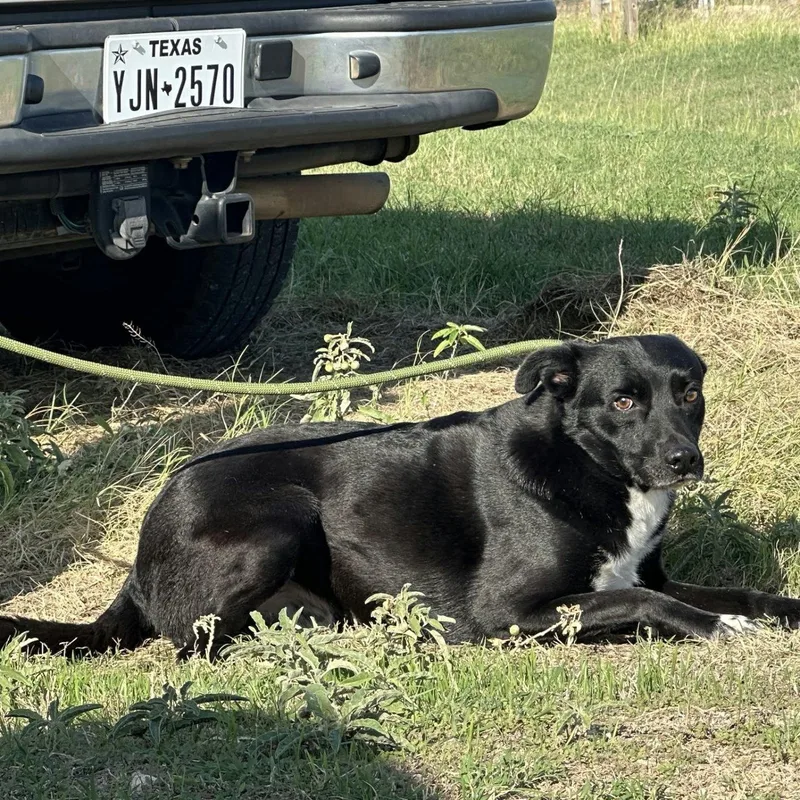
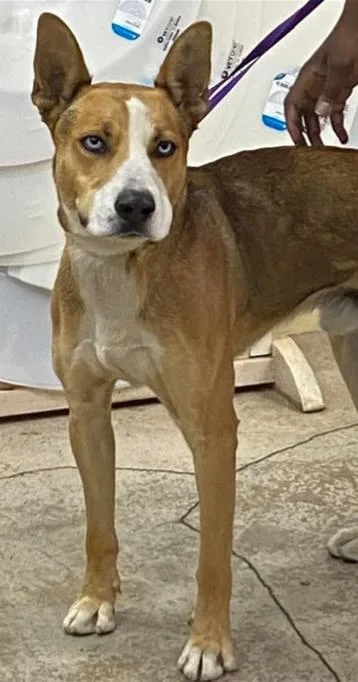
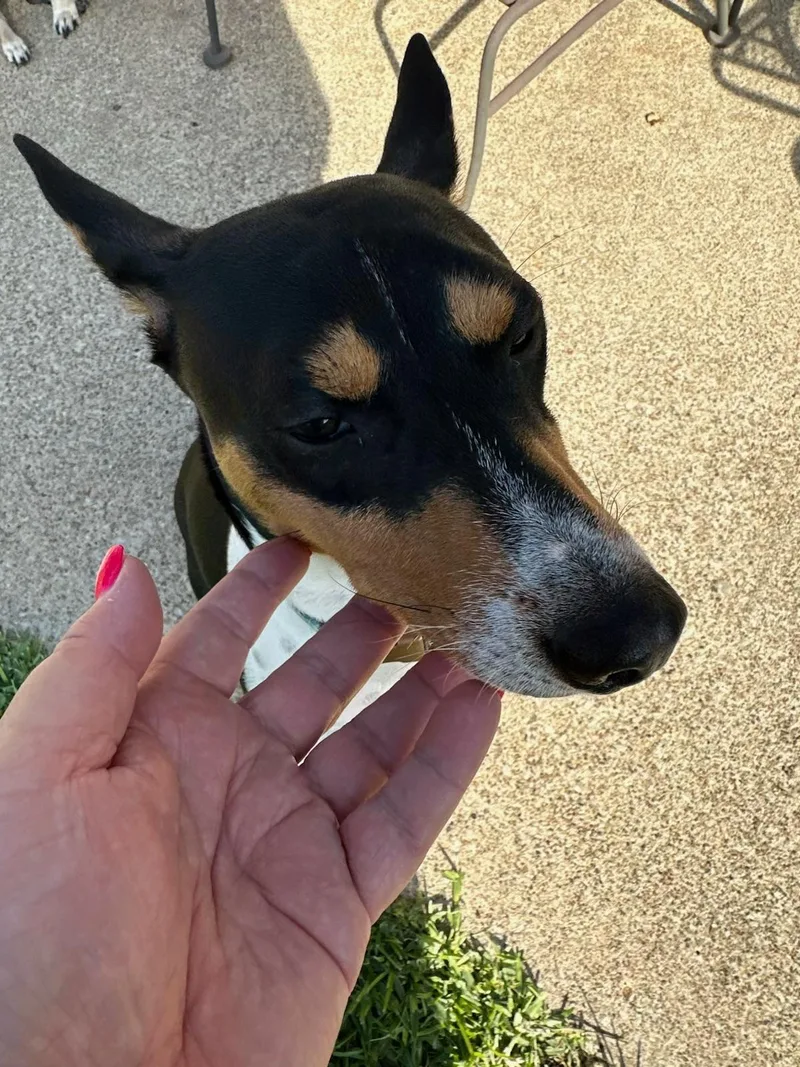
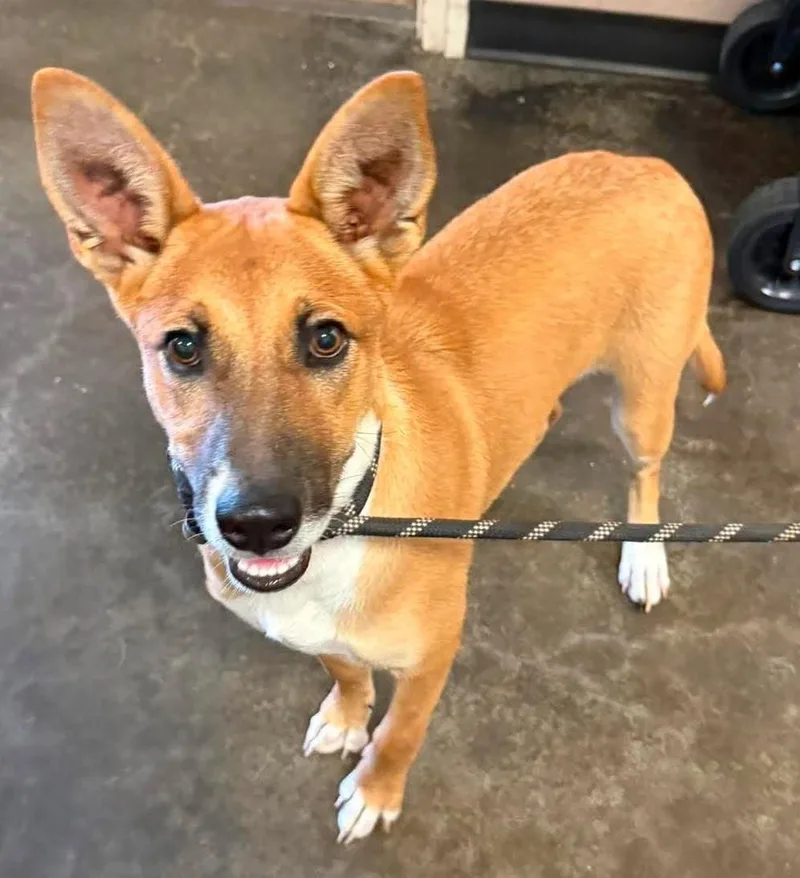
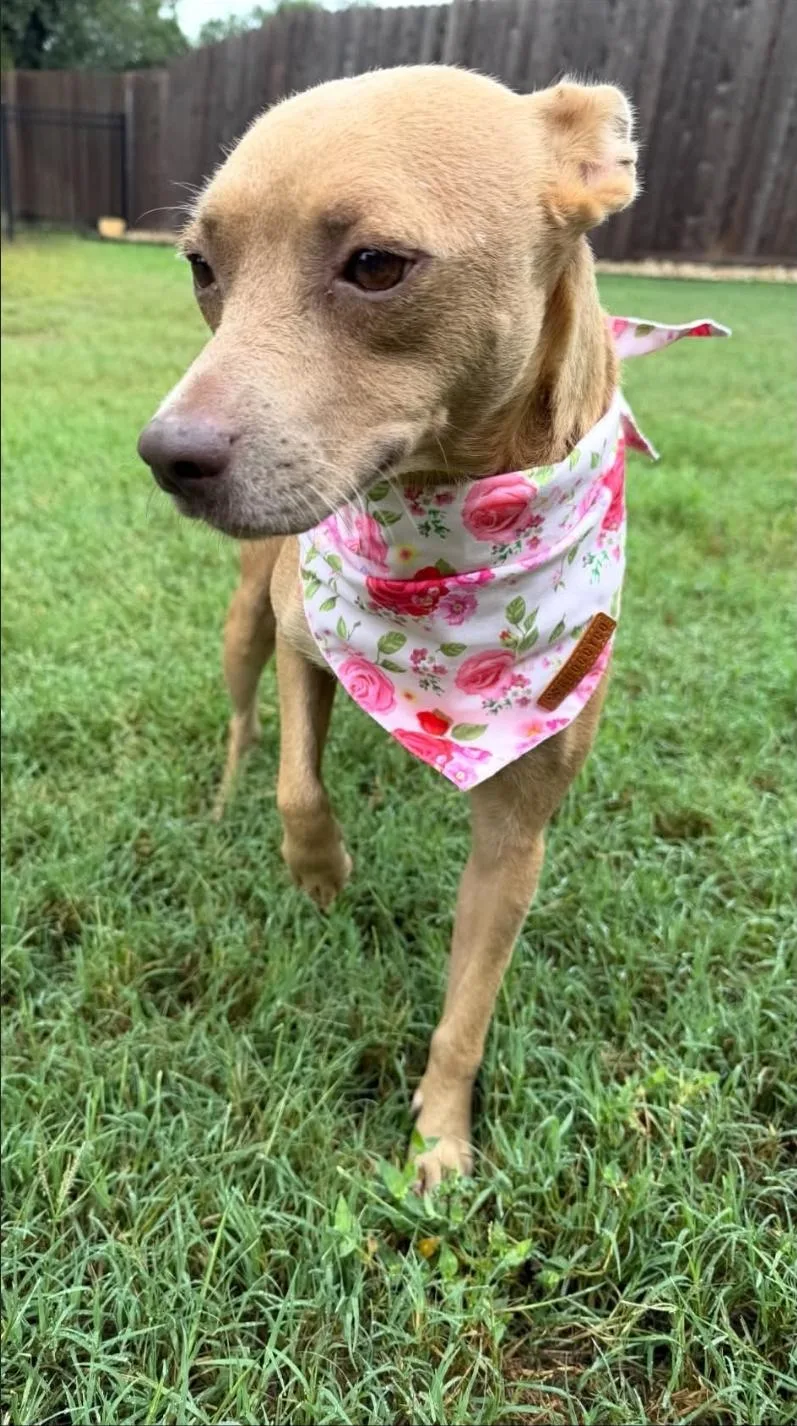
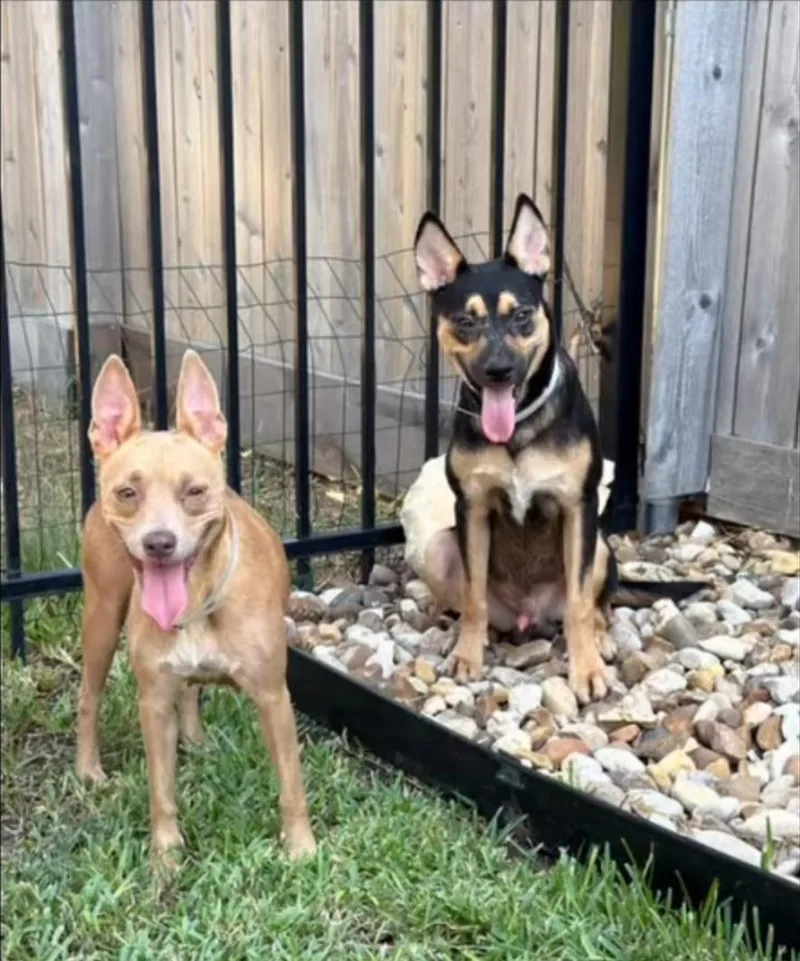
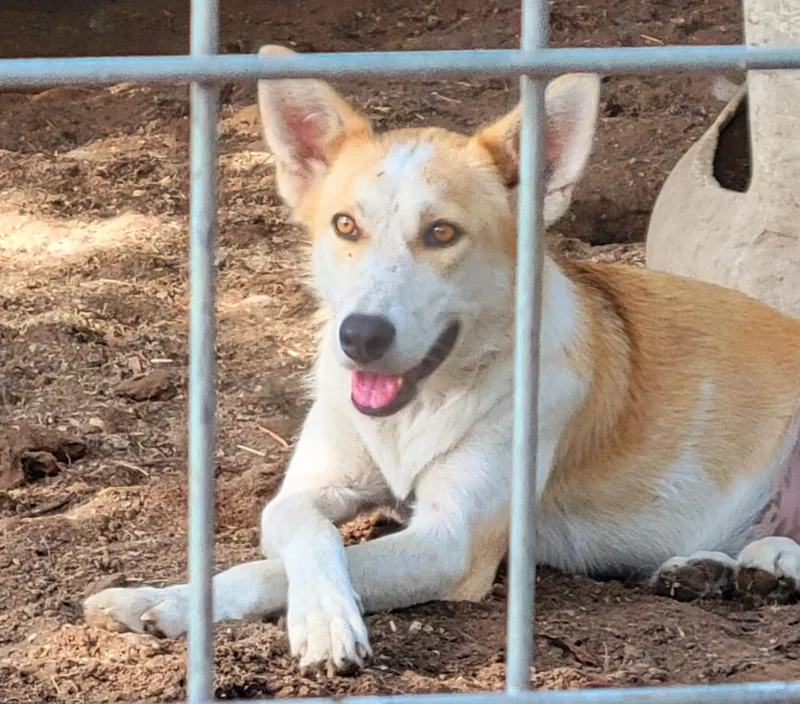
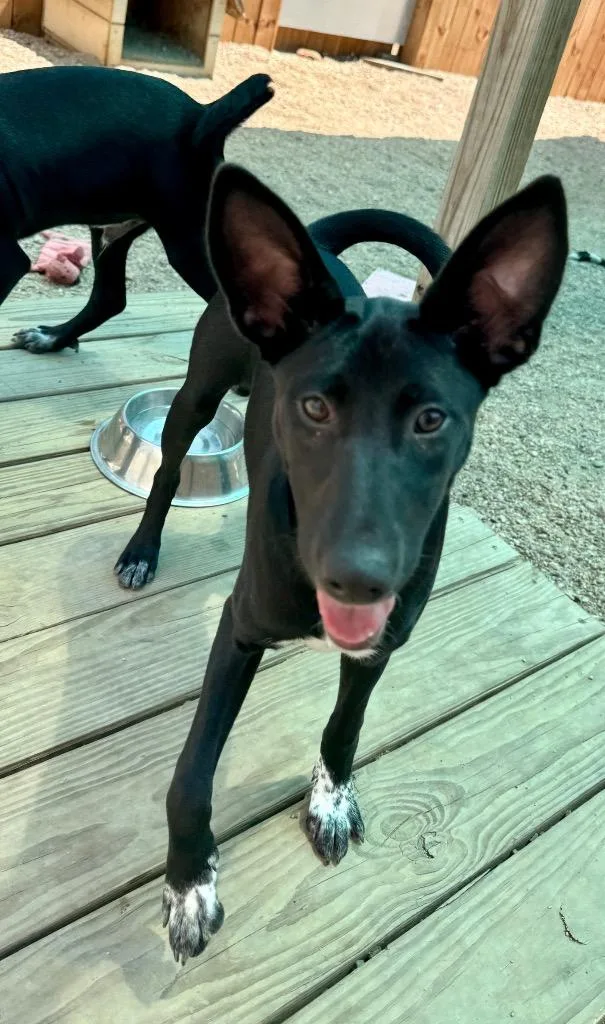
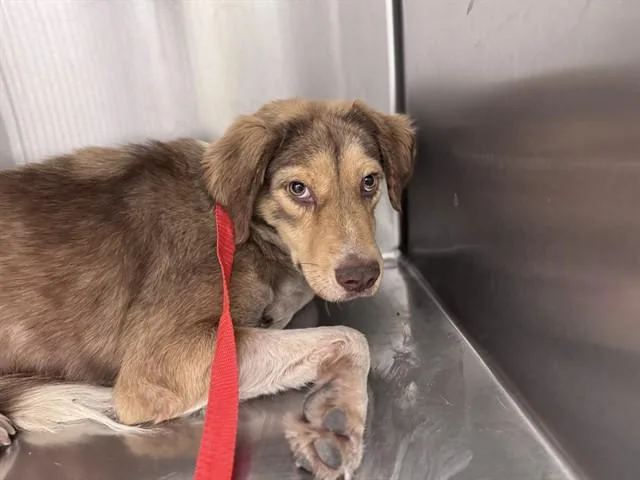
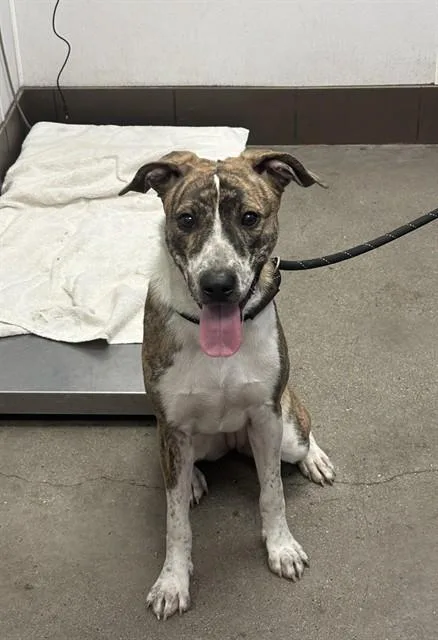
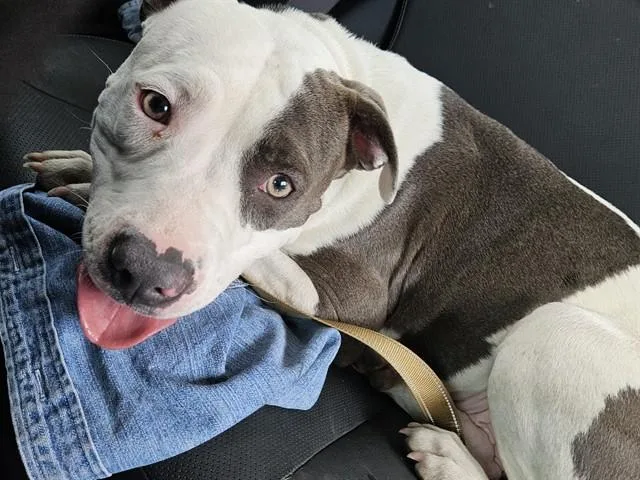
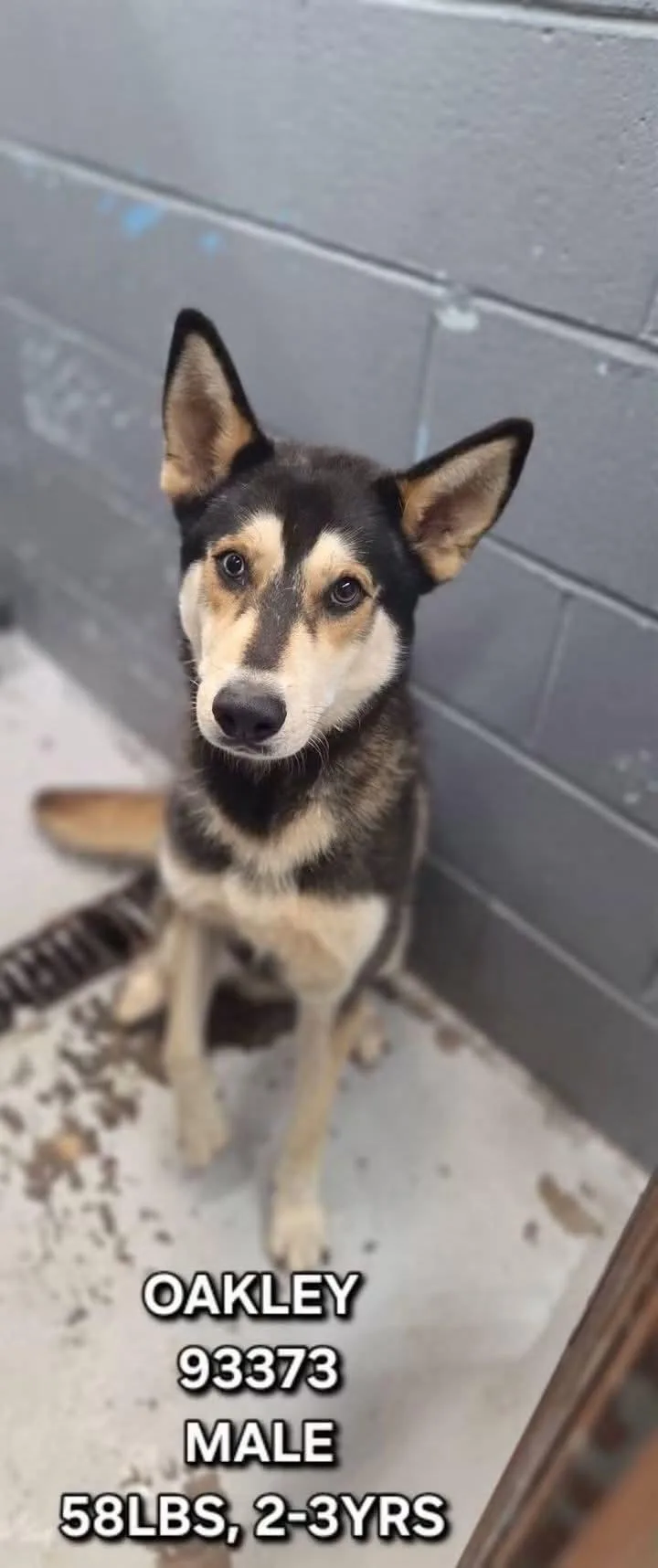
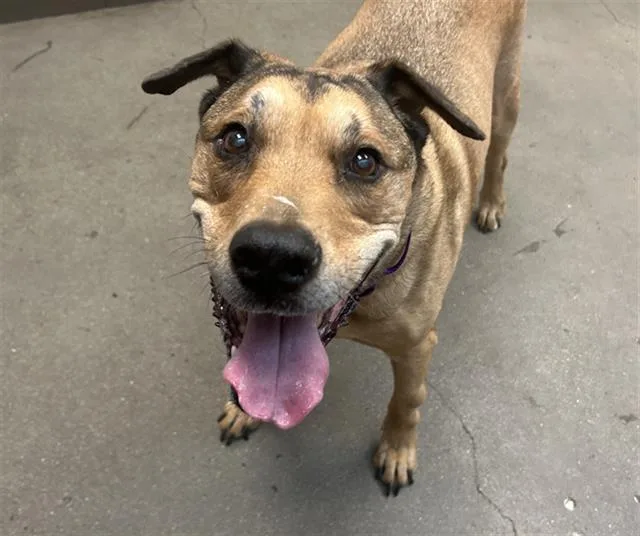
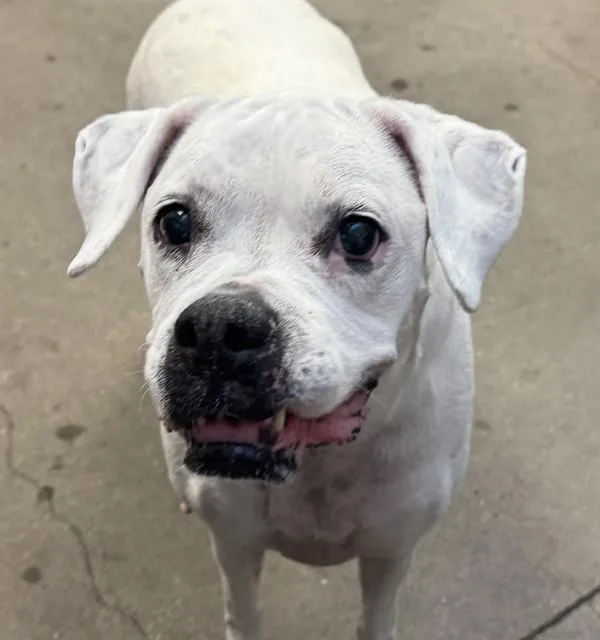
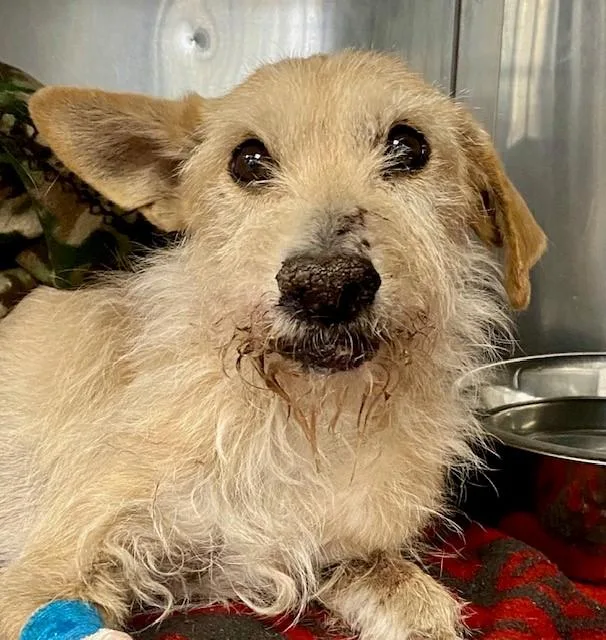
Basenji Dogs for Adoption in Tucson, AZ

Your guide to finding and caring for a Basenji in Tucson

Basenjis do well in Tucson if their exercise happens at dawn. Their yodel is much quieter than a bark, which helps in an older Fourth Avenue apartment or a rental near the university, and the short, fine coat handles desert sun better than most. What they won't forgive is a gap in the fence, because they climb and squeeze out fast. A morning sprint at Udall Dog Park, then a cool afternoon indoors once summer passes 100°F, fits the breed well.

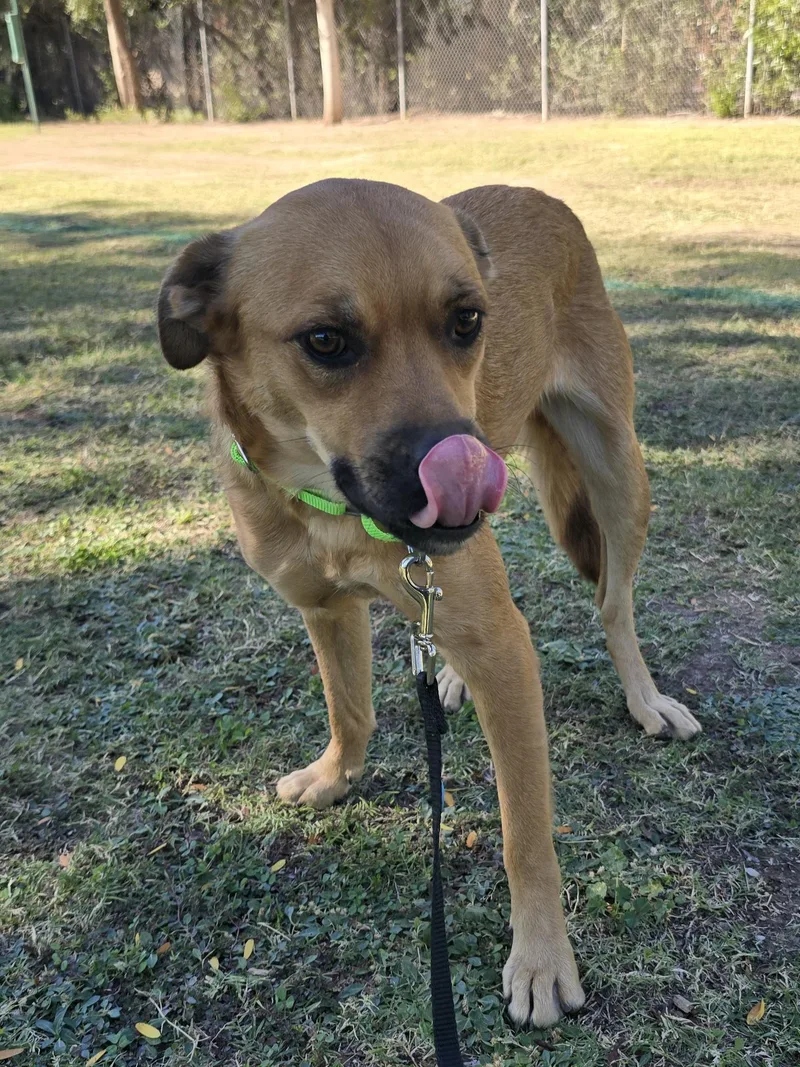
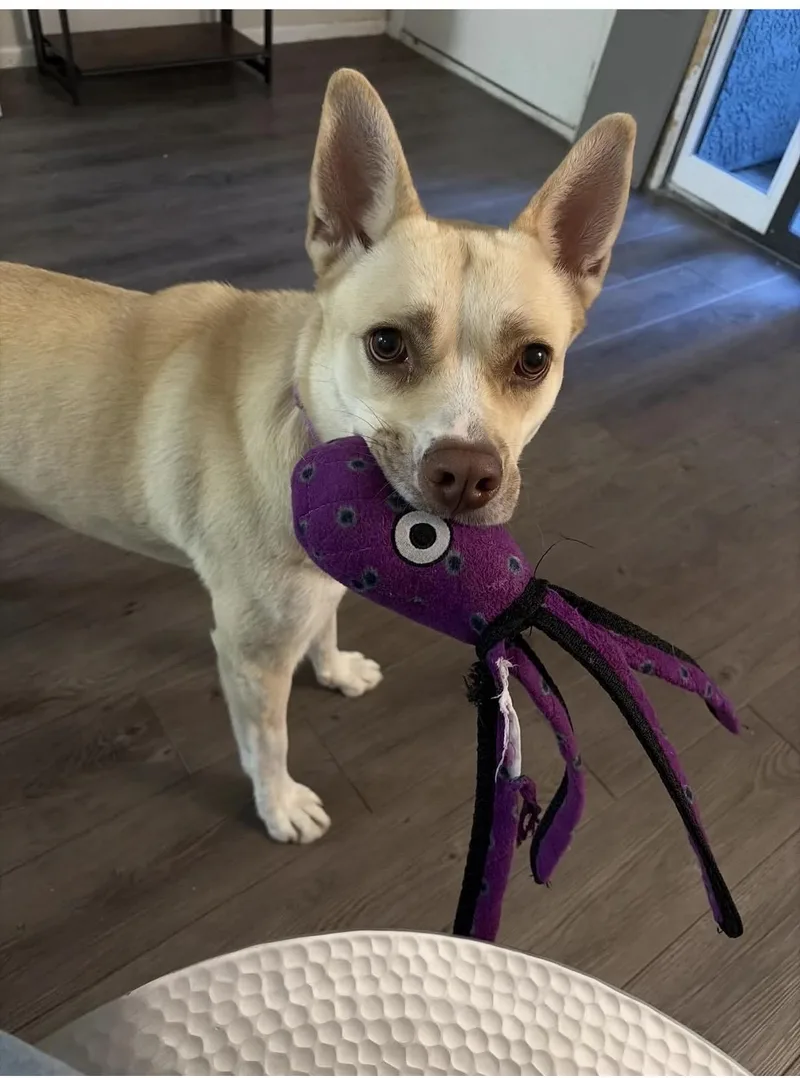
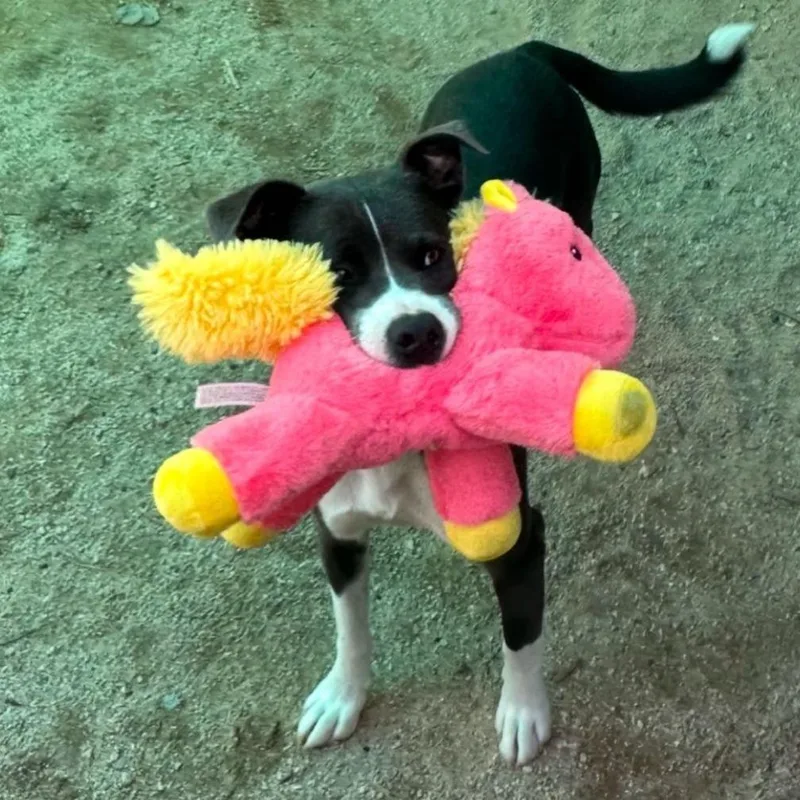
165 Basenjis available in Tucson and nationwide

Fall for a Basenji

While we don't have enough dogs near Tucson, keep in mind that many rescues may offer transport.

Basenjis Available for Adoption Near Tucson

About the Basenji breed

The Basenji is a small, ancient hunting breed from Central Africa's Congo basin, where village hunters used quick, quiet dogs to flush small game into nets. Instead of barking, it yodels and makes a sound called a baroo. Adults weigh about 20 to 26 pounds, with a wrinkled brow, upright ears, a tightly curled tail and a short coat that sheds little.

Basenjis groom themselves like cats and have little odor, but they aren't low effort. Many are affectionate at home, reserved with strangers and strongly driven to chase, and they chew and escape with real creativity. In Tucson, that means secure fencing and leashed walks along the Loop rather than off-leash running. Dogs vary, so a Basenji's own personality matters more than the breed description.

Weight
20–26 lbs
Height
15–18 in
Lifespan
12–15 yrs
Temperament
Independent, Intelligent, Alert, Affectionate
Group
Hound
Shedding
Low

Owning a Basenji in Tucson

Having a Basenji in Tucson

A Basenji's hunter's drive, cat-like cleanliness and yodel set it apart from most small dogs. In Tucson, the biggest questions are secure fencing, hot afternoons and desert hazards, so this overview covers temperament, exercise, health and space with local context.

Temperament

Basenjis are often affectionate with family, alert and aloof with strangers. They think for themselves, so training takes patience and good rewards. Strong prey drive means lizards, birds and neighborhood cats can set off a chase on Tucson walks. Some Basenjis enjoy other dogs, and some prefer to be the only one.

Exercise Needs

Expect a brisk walk or run every day, plus mental work like puzzle toys and scent games. In Tucson, do it at dawn in summer, using an enclosed dog park such as Esquer or Jacobs for real sprinting. On the paved Loop, keep the leash on, since a Basenji that bolts after a rabbit rarely comes back.

Health Considerations

Basenjis can carry Fanconi syndrome, a kidney disorder, plus progressive retinal atrophy, pyruvate kinase deficiency and hypothyroidism, so regular checkups and urine screening are worth discussing with a veterinarian. In Tucson, add valley fever: about 6–10% of dogs in Pima, Pinal and Maricopa counties get sick each year, so report any cough, fever or lethargy promptly.

Living Space

Basenjis fit apartments and houses if they get daily exercise, and their quiet voice helps with neighbors. Security matters more than square footage: they climb and chew through barriers, so a yard needs tall, tight fencing with no gaps. Tucson's frosty winter nights can chill such a short coat, so give the dog a warm bed.

What it costs to own a Basenji in Tucson

ExpenseTypical costPer year
Adoption fee$50, one time$50 in year one
Food$20 to $45 per month$240 to $540
Pet insurance$40 to $85 per month$480 to $1,020
Routine vet care$200 to $400 per year$200 to $400
Other*$390 to $1,090 per year$390 to $1,090
Estimated yearly total (after year one)$1,310 to $3,050
First-year total (with adoption fee)$1,360 to $3,100

Adoption fee is the fee on Basenji listings in Tucson on GetBuddy today. Other costs are estimates and vary with size, age and health.

* The $20 Pima County license for a spayed or neutered dog, flea, tick and heartworm prevention, a dental cleaning allowance, durable chew toys and bedding, and minimal grooming.

Adopt a Basenji in Tucson.

Now that you know more, let’s find you a new best friend. These rescues and shelters below currently have Basenjis available.

Frequently Asked Questions

Yes, you can own a Basenji in Tucson. The city has no breed-specific rules, and Arizona law forbids cities from regulating dogs by breed. You'll need a rabies vaccine and a Pima County dog license, $20 if the dog is spayed or neutered, and a leash no longer than six feet on public property. Even on your own property, a dog can't roam loose.

Mostly yes, with summer caveats. Winters are mild, though a short-coated Basenji may want a sweater on frosty mornings. Summer brings about 68 days of 100°F or more, so walk at dawn, avoid hot pavement and keep the dog indoors by afternoon. Monsoon thunder can also unsettle sensitive dogs, so have a quiet indoor spot ready.

Enclosed city dog parks like Esquer, Iron Horse, Udall and Jacobs are the safest places for a Basenji to sprint. Armory is closed for storm damage. For walks, the Chuck Huckelberry Loop is paved and leashed, open sunrise to sunset. Skip Sabino Canyon and Tucson Mountain Park, which bar dogs, and keep the leash on, since Basenjis bolt after prey.

A Basenji can fit Tucson well if you can exercise it at dawn and keep it secure. The quiet yodel suits rentals and the dry climate suits the short coat, but summer afternoons are too hot for outings, and cactus, toads and valley fever call for attention. It's a better match for active, patient people than for those wanting an easygoing companion.

Rarely. Tucson's Sun Tran buses and Sun Link streetcar allow pets only in a completely enclosed carrier small enough to fit on your lap, and animals can't sit on seats; service animals are exempt. A Basenji at 20 to 26 pounds is unlikely to fit, so plan on driving for most trips.

Only to patios, and only where the restaurant allows it. In Pima County, a food establishment needs approval to admit pet dogs, who must stay leashed and under control, and indoors is limited to service animals. Because Basenjis are wary of strangers and chase quickly, choose a quiet patio corner and keep the leash short.

Very little. Basenjis groom themselves like cats, shed lightly and have little odor, so a weekly brush and an occasional bath are usually enough, even in desert dust. Trim nails regularly and inspect paws after desert walks for cactus spines. Grooming costs stay low and fall within the Other line in the cost table, not a big yearly expense.

A Basenji is a small, ancient hunting dog from Central Africa, famous for not barking. It belongs to the AKC Hound Group and was recognized in 1943. Basenjis are lean and elegant, with a wrinkled forehead, upright ears and a tightly curled tail. They tend to be clever, independent, clean and energetic, with a strong instinct to chase.

We have 2 rescues with Basenjis available: Pima Animal Care Center and Arizona Rescue Life. You can see every rescue with Basenjis available in the list above these questions, or scroll to the top to see the Basenjis near Tucson.

Budget roughly $240 to $540 a year for food, $480 to $1,020 for insurance, $200 to $400 for routine vet care, and $390 to $1,090 for other costs. That comes to about $1,310 to $3,050 in total. A short, self-cleaning coat keeps grooming costs low, while durable chew toys and bedding add up.

Find Basenjis in Nearby Cities

Expand your search to find Basenjis available for adoption near Tucson.