Basenji Dogs for Adoption in Scottsdale, AZ

Your guide to finding and caring for a Basenji in Scottsdale

A Basenji suits Scottsdale's condos and townhomes near the Indian Bend Wash Greenbelt better than most hounds do. They're small, quiet and tidy, so a McCormick Ranch condo or a Southern Scottsdale rental can work, as long as the dog gets a brisk walk every day. What you can't skip is a secure leash and a gap-free fence, because Basenjis chase anything that bolts and climb what they can't squeeze under. The greenbelt's underpass crossings help with that.

163 Basenjis available in Scottsdale and nationwide

Fall for a Basenji

While we don't have enough dogs near Scottsdale, keep in mind that many rescues may offer transport.

Basenjis Available for Adoption Near Scottsdale

About the Basenji breed

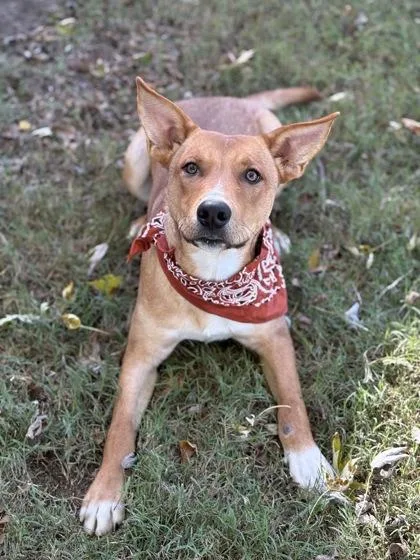
Basenjis come from Central Africa, where village hunters used these quick, quiet dogs to find small game and drive it into nets. Instead of barking, they yodel and make a sound called a baroo. They stand about 15 to 18 inches tall and weigh 20 to 26 pounds, with a wrinkled brow, upright ears and a tightly curled tail.

Their short, fine coat sheds little, and Basenjis clean themselves much like cats. In Scottsdale that easy coat is a plus, though it offers little protection from heat or chill. Many are affectionate at home yet independent and reserved with strangers. Expect a clever dog that chews, climbs and tests fences, so training should be patient and creative.

Weight
20–26 lbs
Height
15–18 in
Lifespan
12–15 yrs
Temperament
Independent, Intelligent, Alert, Affectionate
Group
Hound
Shedding
Low

Owning a Basenji in Scottsdale

Having a Basenji in Scottsdale

Basenjis pair a catlike independence with a hunter's drive, and that shapes training, safety and daily routine more than size does. In Scottsdale, desert heat and fence security matter as much as the breed's famously quiet voice.

Temperament

Basenjis are usually affectionate with their families, alert and reserved with strangers. They think for themselves and may ignore commands that seem pointless, so short, rewarding training works best. Strong prey drive means small pets and desert wildlife are a concern. Each Basenji differs, and some prefer being the only dog.

Exercise Needs

Plan on a brisk daily walk or run, plus puzzle toys and scent games. In Scottsdale, schedule summer outings for early morning or after sunset, and keep the dog leashed on the greenbelt and trails, since a Basenji that spots a rabbit or javelina may bolt. Fenced dog park areas suit controlled play.

Health Considerations

Basenjis can develop Fanconi syndrome, a kidney disorder, plus progressive retinal atrophy, pyruvate kinase deficiency and hypothyroidism. DNA tests exist for some of these, so ask a veterinarian about screening and periodic urine checks after adoption. In Scottsdale, have a vet look at any cough or lameness, since Valley fever can affect dogs.

Living Space

A Basenji fits a Scottsdale condo or townhome when daily exercise is covered, and its quiet voice helps with shared walls, though yodeling happens. In a house with a yard, secure fencing matters most: Basenjis climb, squeeze through gaps and chew barriers. Solid block walls without gaps work best.

What it costs to own a Basenji in Scottsdale

ExpenseTypical costPer year
Adoption fee$400, one time$400 in year one
Food$20 to $45 per month$240 to $540
Pet insurance$40 to $85 per month$480 to $1,020
Routine vet care$200 to $400 per year$200 to $400
Other*$390 to $1,090 per year$390 to $1,090
Estimated yearly total (after year one)$1,310 to $3,050
First-year total (with adoption fee)$1,710 to $3,450

Adoption fee is the fee on Basenji listings in Scottsdale on GetBuddy today. Other costs are estimates and vary with size, age and health.

* The annual county dog license, flea, tick and heartworm prevention, a dental cleaning allowance, durable chew toys and bedding, and minimal grooming for a short, self-cleaning coat.

Adopt a Basenji in Scottsdale.

Now that you know more, let’s find you a new best friend. These rescues and shelters below currently have Basenjis available.

Frequently Asked Questions

Only in a carrier. Valley Metro buses allow pets only when they're stowed in an enclosed carrier on the lap or under the seat, and a 20- to 26-pound Basenji is a tight fit for most. Scottsdale has no rail, and the free Scottsdale Trolley's pet rule isn't stated, so confirm it with Valley Metro before boarding.

Mostly, with a big summer caveat. Winters are mild, but Basenjis dislike cold and rain, so a sweater helps. Summer highs run above 100°F and July nights stay in the low 80s, so walks belong at dawn or after dark. A short coat doesn't make a Basenji heat-proof, and indoor air conditioning is essential.

Fenced dog parks like Chaparral and Thompson Peak are the safest choice, since a Basenji can bolt after prey and climb fences. The McDowell Sonoran Preserve works on a handheld 6-foot leash, but only when it's under 90°F all through your outing. Pinnacle Peak Park doesn't allow dogs.

Yes. Arizona law bars cities from regulating dogs by breed, so Basenjis face no breed-specific rules in Scottsdale. You'll need an annual county dog license after a rabies vaccination, a leash of 6 feet or less outside dog parks, and a plan for any yodeling, since habitual barking or howling complaints can be enforced.

Only to some patios. Maricopa County requires a dog-friendly patio permit, and the patio must be reached from outside, with your dog leashed and under your control. Indoor dining is limited to service animals. Basenjis are quiet and tidy, but summer patio concrete gets hot, so test it with your hand first.

Very little. A Basenji's short coat sheds lightly and the dog cleans itself like a cat, so a weekly rub with a rubber brush, regular nail trims and occasional baths are enough. In Scottsdale, the real extra is paw care: use booties on hot pavement. Grooming stays within the low end of the yearly Other costs.

A Basenji is a small, ancient hunting dog from Central Africa, famous for not barking. It belongs to the AKC Hound Group and was recognized in 1943. Basenjis are lean and elegant, with a wrinkled forehead, upright ears and a tightly curled tail. They tend to be clever, independent, clean and energetic, with a strong instinct to chase.

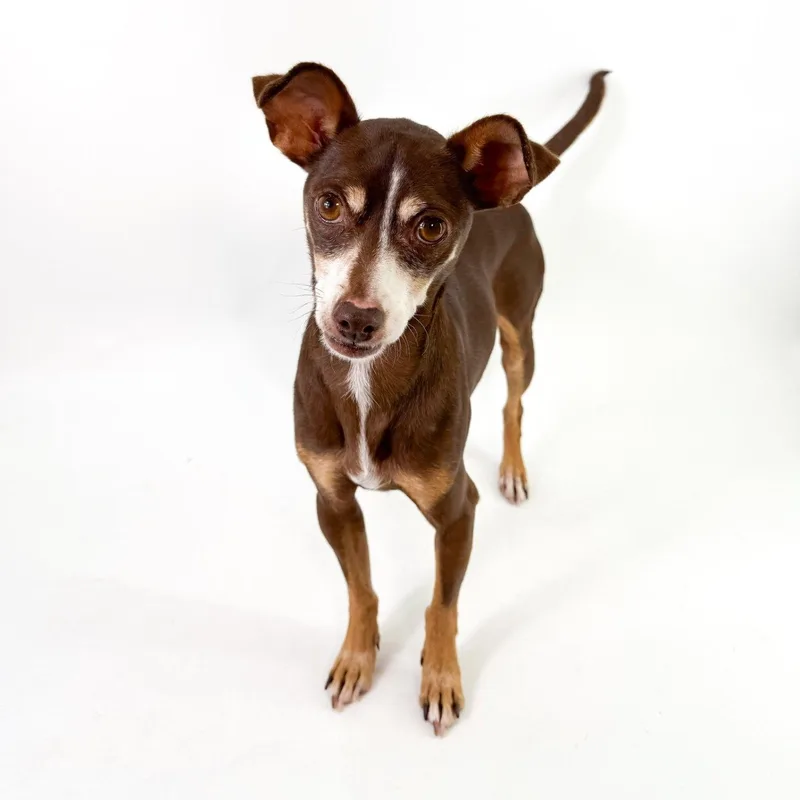
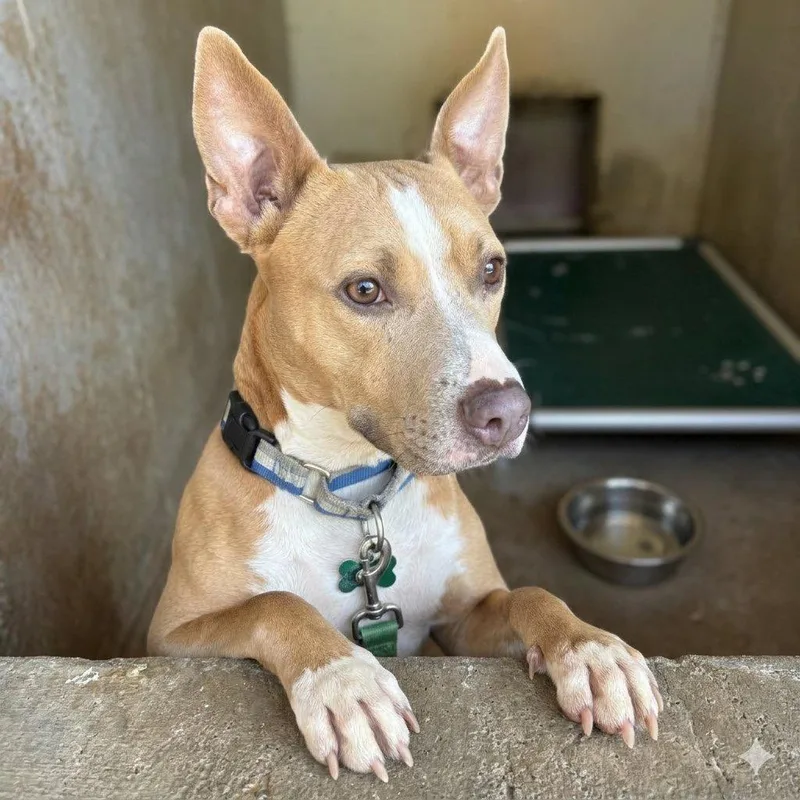
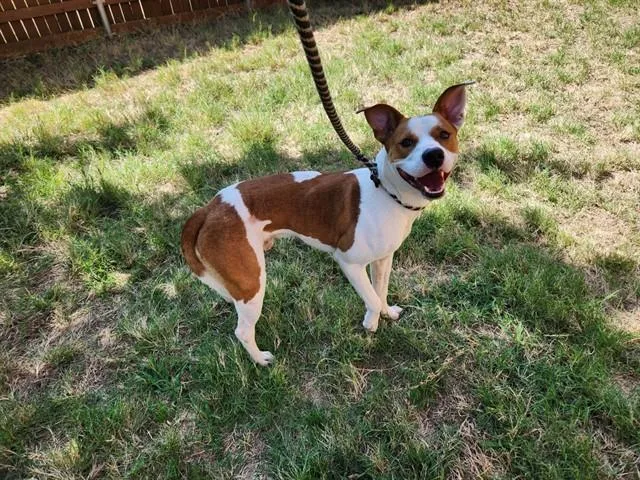
A Basenji looks like a small, athletic dog with a short, fine coat, upright pointed ears, a wrinkled forehead and a tail curled tightly over its back. Common colors are chestnut red, black, tricolor and brindle, always with white feet, chest and tail tip. It moves with a quick, springy trot often compared to a trotting racehorse.

We have 1 rescue with Basenjis available: Heart of Infinity Rescue. You can see every rescue with Basenjis available in the list above these questions, or scroll to the top to see the Basenjis near Scottsdale.

Expect roughly $110 to $255 a month for a Basenji in Scottsdale once food, insurance, routine vet care and other yearly costs are spread out. Food runs $20 to $45 a month, insurance $40 to $85, routine vet care $200 to $400 a year and other costs $390 to $1,090 a year. Emergency care is extra.