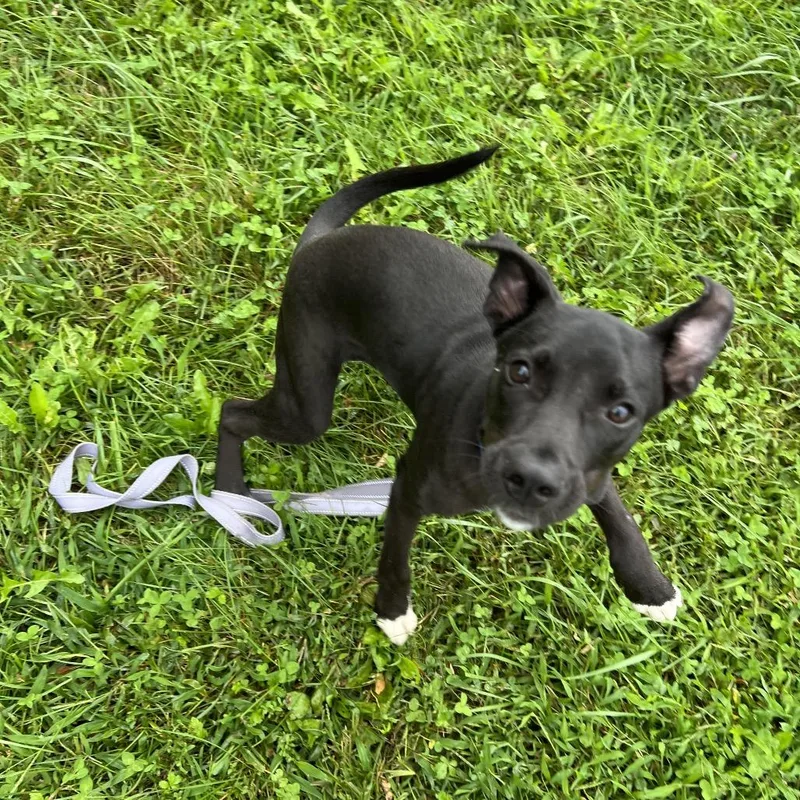
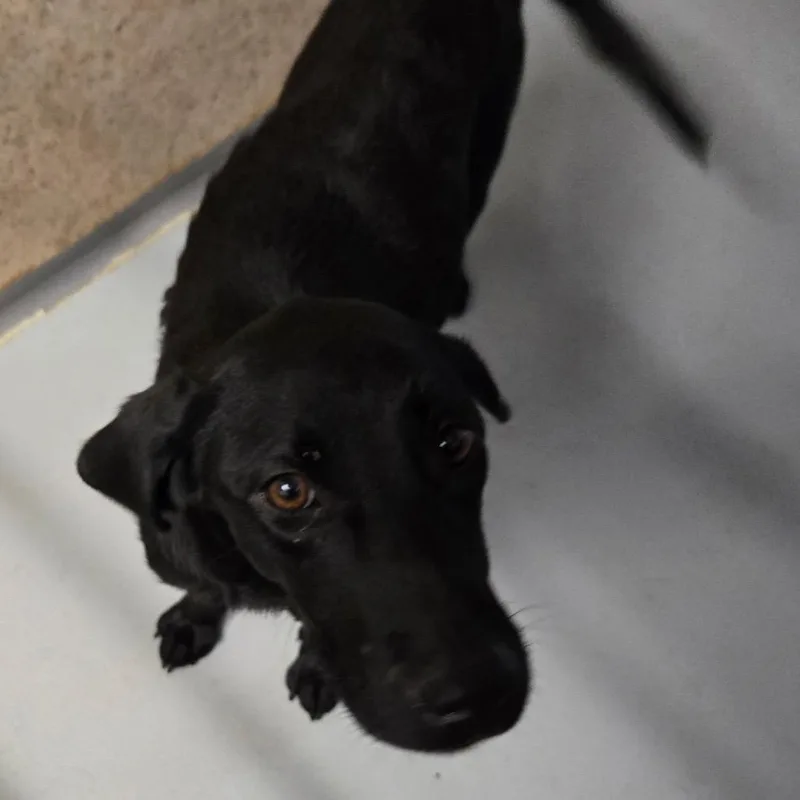
Black Labrador Retriever Dogs for Adoption in Peoria, AZ

Your guide to finding and caring for a Black Labrador Retriever in Peoria

A black Lab suits Peoria best if you're happy to walk at sunrise. The Sunrise Mountain and West Wing trails open at first light, and the New River path gives a Lab miles of flat, leashed walking. Most Labs are glad to do that every day and then flop on the couch. Just remember the dark coat soaks up sun, so from May on the real exercise happens early. It's a natural match for a Westwing Mountain or Parkridge household with free mornings.

3195 Black Labrador Retrievers available in Peoria and nationwide

Find your Black Labrador Retriever

Black Labrador Retrievers Available for Adoption Near Peoria

About the Black Labrador Retriever breed

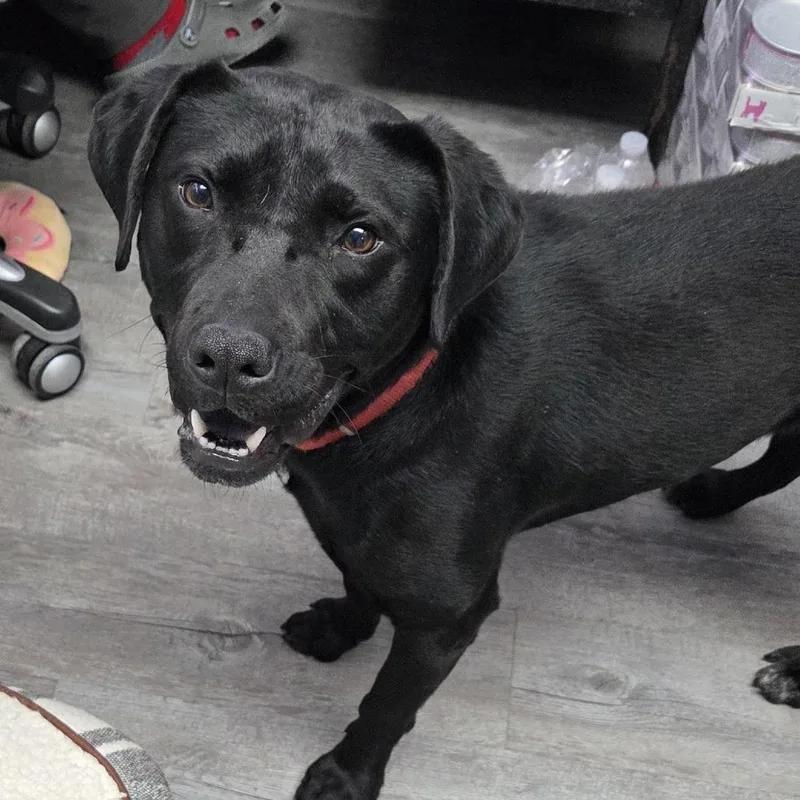
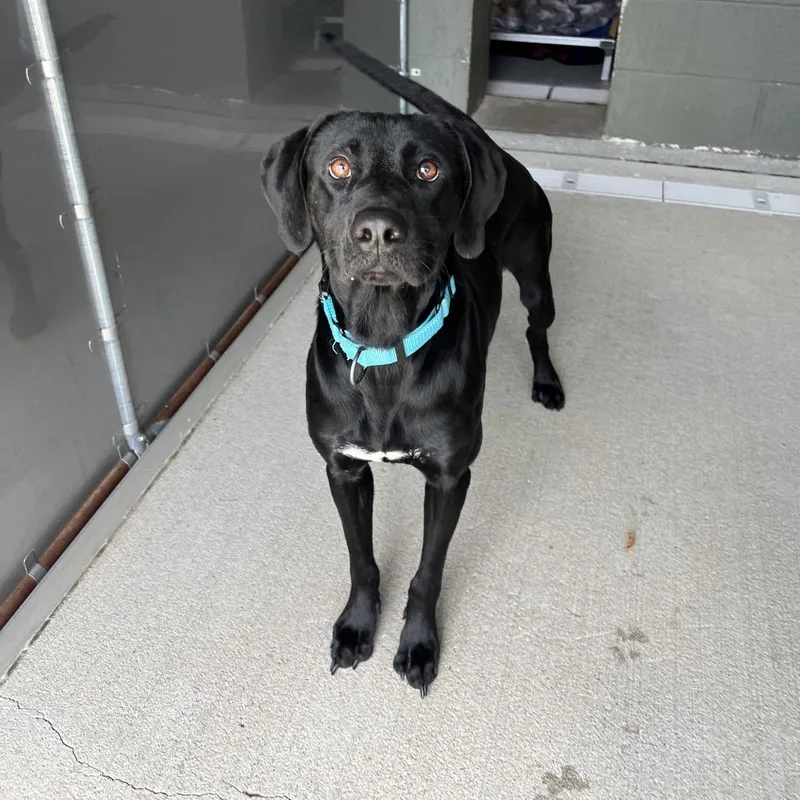
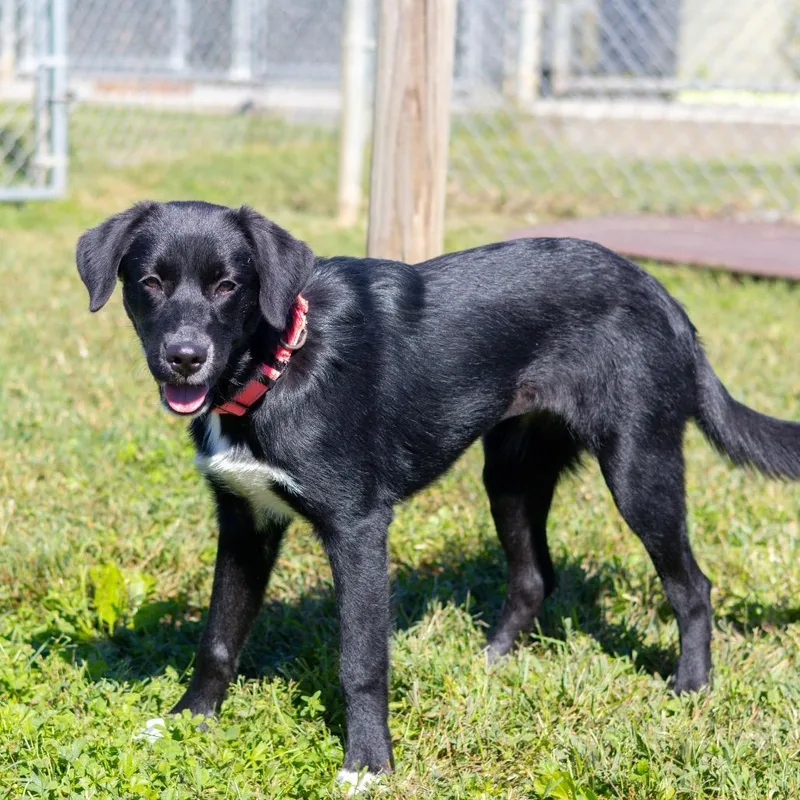
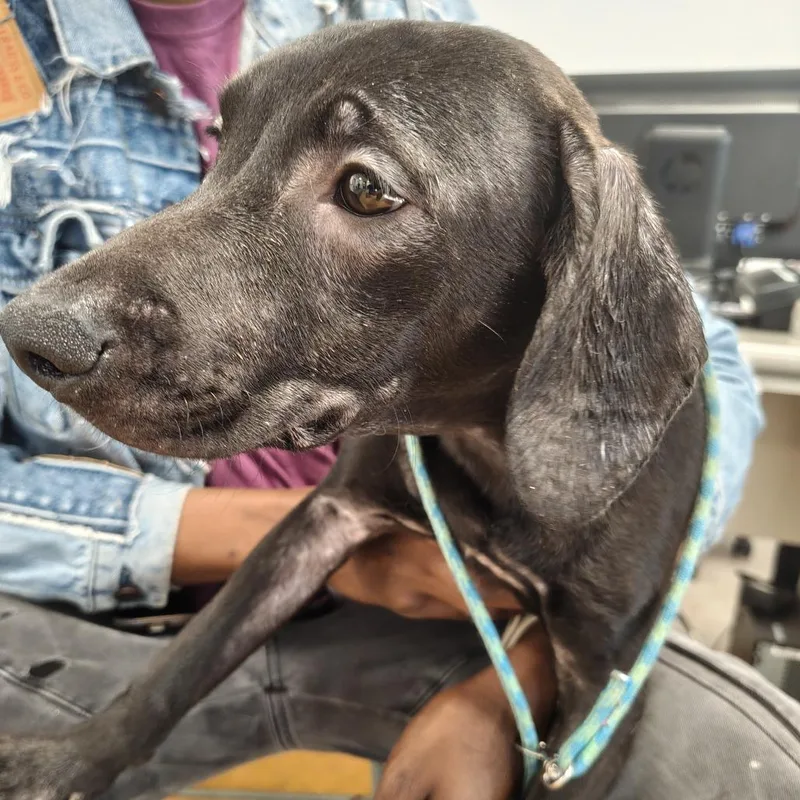
A black Lab is a Labrador Retriever in the breed's original and most familiar color, not a separate breed. Labs descend from the St. John's water dogs of Newfoundland, and British sportsmen refined them into gun dogs. They have an otter tail, a broad head and a dense, water-resistant double coat, sometimes with a small white chest spot.

Color doesn't change personality. Most Labs are friendly, food-motivated and eager to please, though field-bred dogs are often leaner and more driven than show-bred ones. Expect daily exercise, consistent training, measured portions and plenty of brushing during shedding season. In Peoria that also means shade, water and a dog who lives indoors. Labs mature slowly, so a bouncy adolescence can last well into the second or third year.

Weight
55–80 lbs
Height
21–25 in
Lifespan
10–14 yrs
Temperament
Friendly, Outgoing, Active
Group
Sporting
Shedding
Moderate to High

Owning a Black Labrador Retriever in Peoria

Having a Black Labrador Retriever in Peoria

Energy, appetite and shedding shape life with a black Lab far more than coat color does. Match the dog's age and drive to your routine, and plan on early-morning exercise and a cool indoor home base in Peoria.

Temperament

Black Labs tend to be outgoing and affectionate with family, guests and other dogs, and many are patient with respectful children. Young dogs can be mouthy and boisterous, strong enough to knock over a toddler. Food motivation makes reward-based training work well. A dog's history and socialization matter more than breed reputation or coat color.

Exercise Needs

Most grown black Labs need vigorous daily exercise such as brisk walks, fetch or jogging. In Peoria, the New River trail and the Sunrise Mountain and Calderwood Butte preserves open at sunrise, with leashes of six feet or less. Scent games and short training sessions indoors fill hot afternoons, when pavement is too hot for paws.

Health Considerations

Labs can be affected by hip and elbow dysplasia, cruciate tears, exercise-induced collapse and inherited eye disease, and obesity is common. Ear infections and skin allergies also occur. In Arizona, valley fever is a local concern for dogs that dig or sniff disturbed desert soil. A cough, fever or low energy deserves a vet visit, and so do regular weigh-ins.

Living Space

Peoria is largely a city of single-family homes, so many Labs have a yard, but a fence doesn't replace walks and company. A black Lab also needs to live indoors with air conditioning through summer. Apartments can work when daily exercise is reliable, though expect shed hair and a sweeping tail either way.

What it costs to own a Black Labrador Retriever in Peoria

ExpenseTypical costPer year
Food$55 to $110 per month$660 to $1,320
Pet insurance$65 to $130 per month$780 to $1,560
Routine vet care$250 to $500 per year$250 to $500
Other*$597 to $1,472 per year$597 to $1,472
Estimated yearly total (after year one)$2,287 to $4,852

Other costs are estimates and vary with size, age and health.

* The $22 Maricopa County license for a spayed or neutered dog, flea, tick and heartworm prevention, a dental cleaning allowance, toys and bedding, and brushing and baths for seasonal shedding.

Adopt a Black Labrador Retriever in Peoria.

Now that you know more, let’s find you a new best friend. These rescues and shelters below have dogs available in and near Peoria.

Rescues and Shelters in or near Peoria

Peoria has no city-run adoption shelter, so dogs here come through rescues and shelters serving the wider West Valley. Here are the rescues & shelters in the Peoria area with dogs available for adoption, worth asking whether a Black Labrador Retriever is coming in.

Frequently Asked Questions

A black Lab can be a good fit for Peoria if you can exercise it early in the morning and keep it cool indoors the rest of the day. Active owners with a fenced yard or trail access suit it best. Long, hot days alone are hard on a social, energetic Lab, so consider your work schedule.

Yes, with planning. South Peoria sees roughly 115 days a year at 100°F or hotter, and a black coat absorbs heat quickly. Walk before sunrise, skip hot pavement and rock, and keep fresh water nearby. Heavy panting, drooling or weakness means cool the dog down and call a vet right away.

Yes. Arizona law forbids breed-specific city rules, so Peoria has no restrictions on Labs. The real hurdles are practical: your HOA or landlord may limit dog size or number, county licensing starts at three months, and Peoria's leash law means a Lab needs a secure fence, tether or leash even at home.

Paloma Community Park's lighted dog park lets you visit once the sun is down, while Sunrise Mountain and Calderwood Butte offer sunrise hikes on leash. The New River path adds more than 20 flat miles. Lake Pleasant is leashed-only with no dog beach, and its shoreline rock gets very hot.

A black Lab needs a weekly brushing, and daily brushing during the heavy sheds in spring and fall. Bathe every couple of months or after dusty trail days, and check the ears. Don't shave the double coat in summer. Brushing and baths fit within the yearly Other costs, and many owners do them at home.

Only to patios, and only where the restaurant holds a Maricopa County Dog Friendly Patio permit, so look for the county sign. Dogs must be leashed and kept off seats and tables, and indoor dining is limited to service animals. In summer, even shaded patios can be too hot for a Lab.

Generally no. Valley Metro buses admit pets only in an enclosed carrier that fits on your lap, which rules out a 55 to 80 pound Lab, though trained service animals are welcome. Peoria has no light rail or subway, so plan on driving and keep the car cool before loading the dog.

A Labrador Retriever is a large sporting dog developed to retrieve game for hunters, especially from water. Labs have a short, dense double coat, a thick otter tail and a broad head, and they come in black, yellow and chocolate. Many are friendly, food-motivated and eager to work, which makes them common family, guide and service dogs.

Labs are large dogs, usually standing about 21.5 to 24.5 inches at the shoulder and weighing about 55 to 80 pounds, with females toward the lower end. Field-bred Labs often look taller and leaner, while show-bred Labs tend to be stockier. Most reach adult height by about a year and keep filling out until around two.

Plan on roughly $2,300 to $4,900 a year for a black Lab in Peoria, covering food, pet insurance, routine vet care and other costs such as the county license, parasite prevention, dental cleaning and brushing. Food is the biggest steady expense for a large dog, and emergency care or one-time supplies come on top.