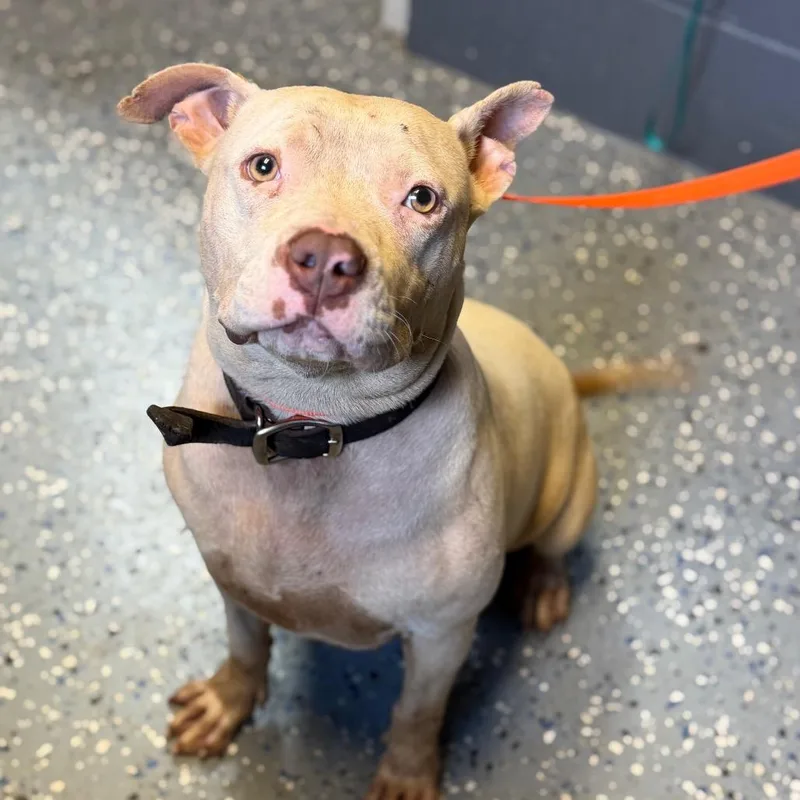
German Shorthaired Pointer Dogs for Adoption in Tuscaloosa, AL

Your guide to finding and caring for a German Shorthaired Pointer in Tuscaloosa

German Shorthaired Pointers do well in Tuscaloosa as long as their people like to be outside. The tree-lined streets of The Downs and Hillcrest and the quiet neighborhoods around Lake Tuscaloosa give a GSP room to stretch, and the pine-lined creek trails at Hurricane Creek Park handle the rest. They aren't short-stroll dogs, though. Expect an hour or more of real running every day, and a household that's home often, since most GSPs hate long days alone.

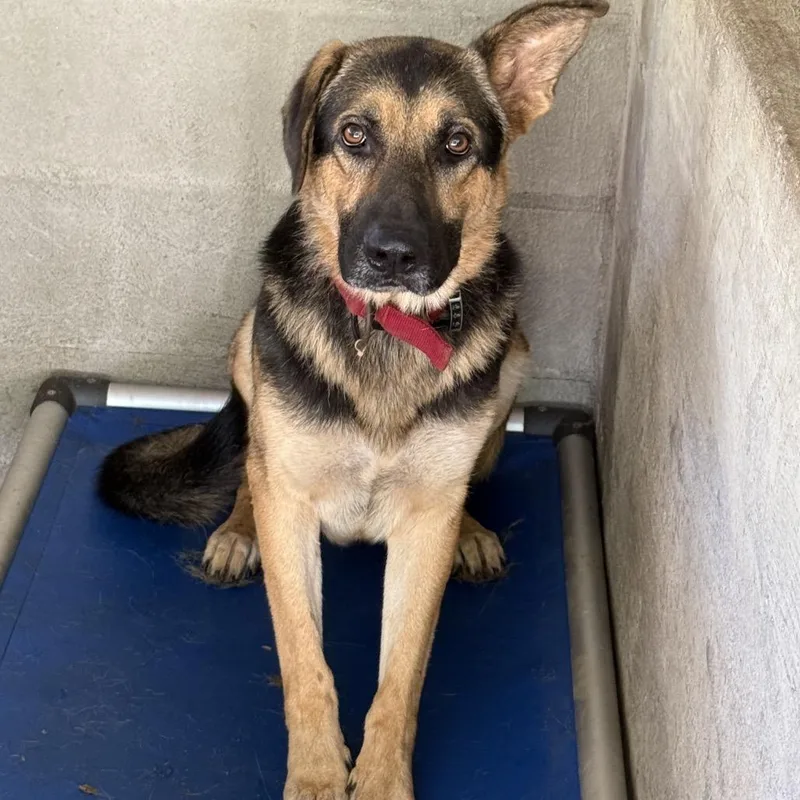
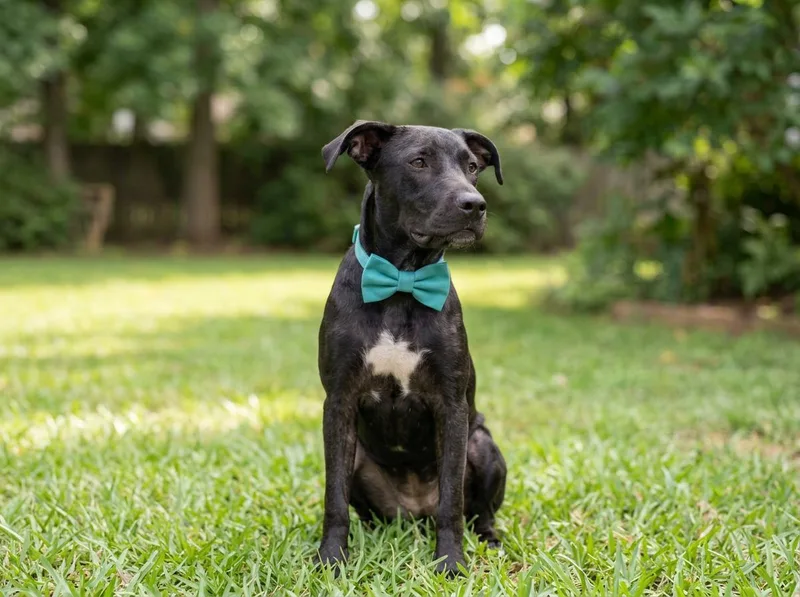
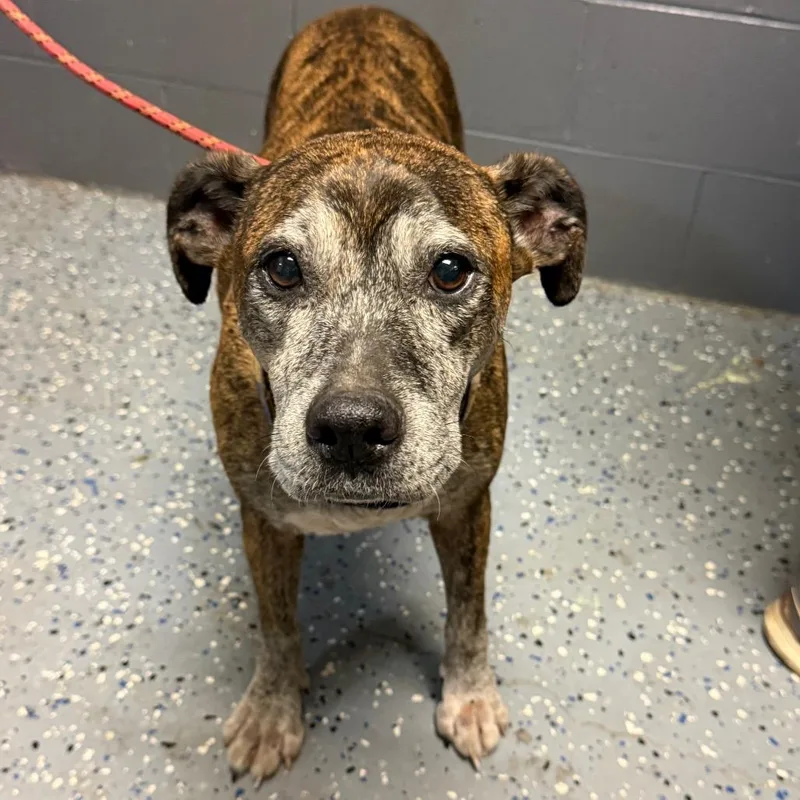
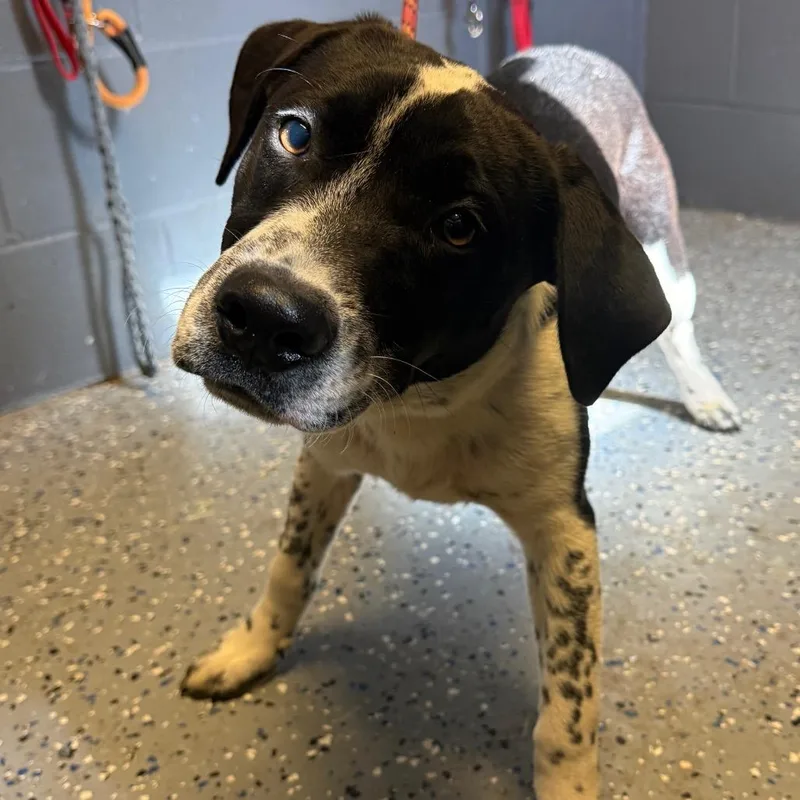
361 German Shorthaired Pointers available in Tuscaloosa and nationwide

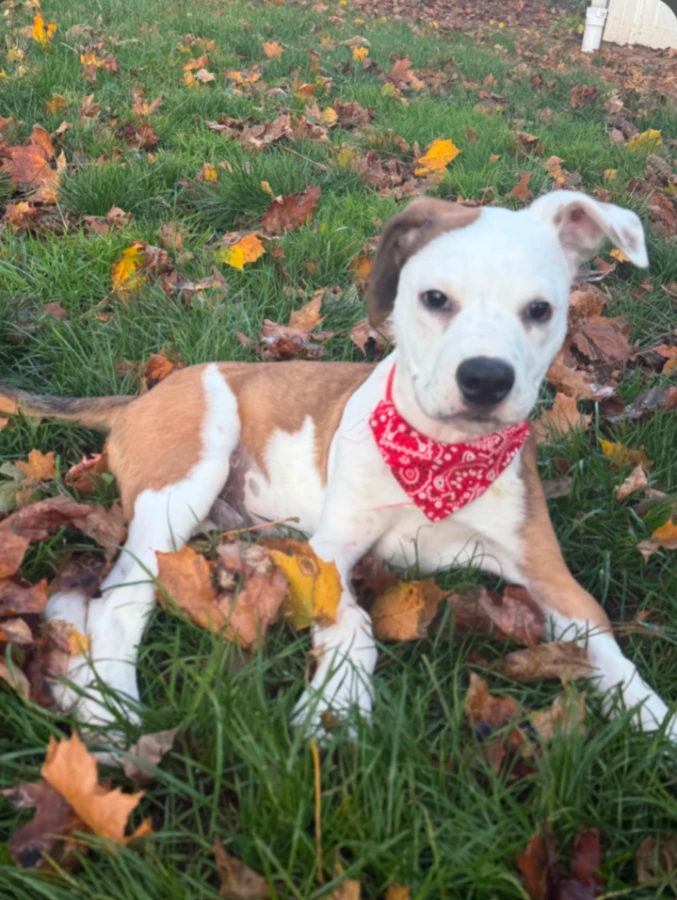
Fall for a German Shorthaired Pointer

While we don't have enough dogs near Tuscaloosa, keep in mind that many rescues may offer transport.

German Shorthaired Pointers Available for Adoption Near Tuscaloosa

About the German Shorthaired Pointer breed

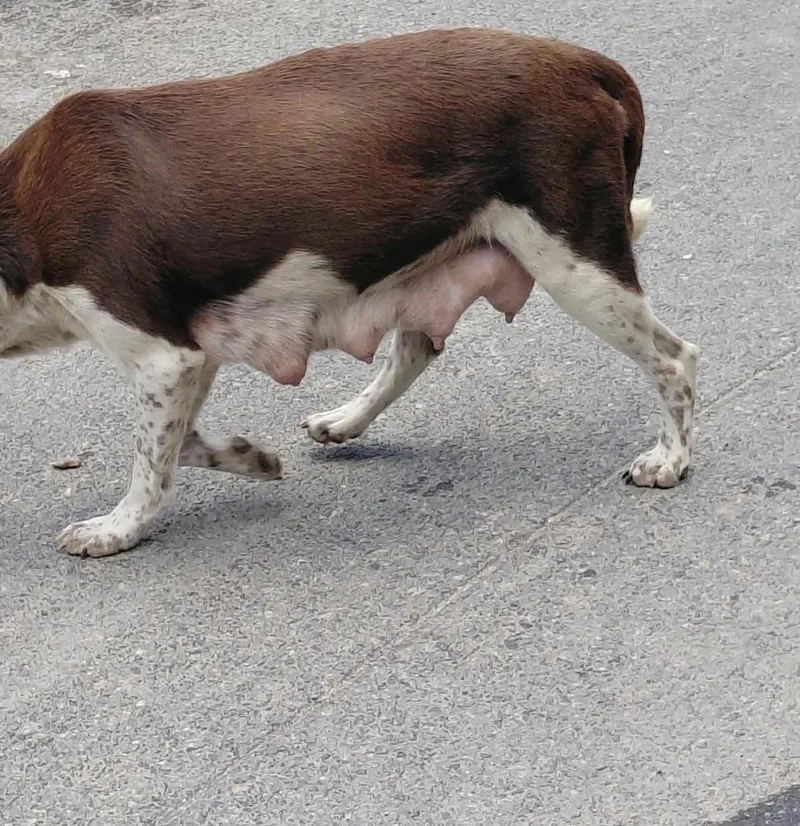
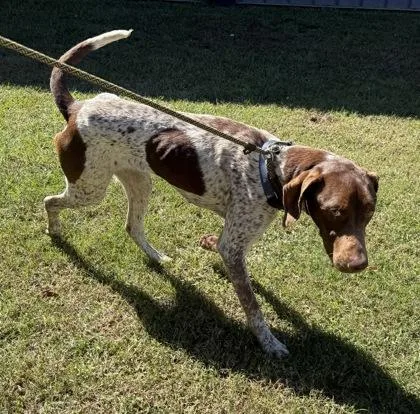
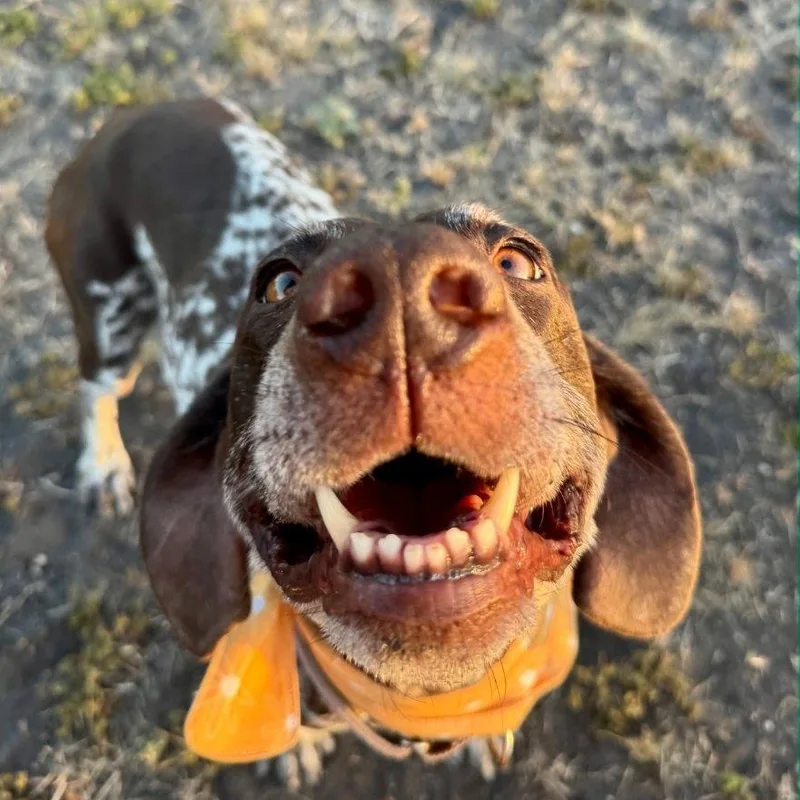
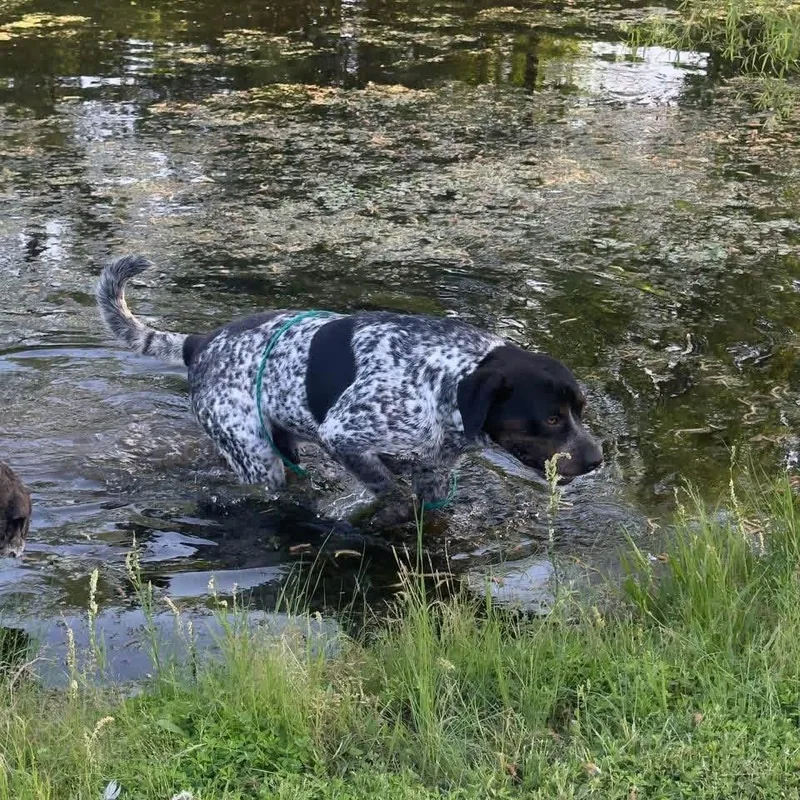
The German Shorthaired Pointer was developed in nineteenth-century Germany as an all-purpose hunting dog that could point birds, track wounded game and retrieve from land and water. The result is a lean, muscular dog, usually 45 to 70 pounds, with a short liver or liver-and-white coat that is often ticked or roan. Shedding is moderate year-round, and a weekly brushing keeps it manageable.

That history shows up in daily life. GSPs are friendly, affectionate and happiest when they're doing something with their people. Many stay very energetic until two or three years old, and a strong prey drive means squirrels and neighborhood cats can look like invitations. Dogs vary, so the dog's own pace matters more than the breed label.

Weight
45–70 lbs
Height
21–25 in
Lifespan
10–14 yrs
Temperament
Energetic, Friendly, Intelligent
Group
Sporting
Shedding
Moderate

Owning a German Shorthaired Pointer in Tuscaloosa

Having a German Shorthaired Pointer in Tuscaloosa

GSPs pair a big engine with a close attachment to their people. In Tuscaloosa, that means planning for daily running, secure fencing, heat-smart schedules and company through the day. The cards below cover exercise, health and space in more detail.

Temperament

Most GSPs are cheerful, affectionate and eager to please, and many shadow their people from room to room. Some are reserved with strangers at first. Strong prey drive can make cats, birds and small pets a challenge, and a bored or lonely dog may chew or bark. Reward-based training works well, though every dog differs.

Exercise Needs

Plan on an hour or more of hard running, swimming or retrieving daily for a young adult, since leash walks alone rarely do it. Tuscaloosa's paved Riverwalk suits leashed jogging, and Will May Dog Park in Northport offers fenced off-leash runs. Nose work and training games fill in on rainy days.

Health Considerations

Hip dysplasia, bloat, hereditary lymphedema, eye conditions and some bleeding and skin disorders turn up in the breed. Deep chests raise bloat risk, so skip hard exercise around meals. Tuscaloosa's long warm season keeps fleas, ticks and mosquitoes active, so year-round prevention is wise. A veterinarian can check hips, eyes and skin after adoption.

Living Space

A fenced yard suits a GSP best, ideally six feet high, since many are strong jumpers. Apartments can work for a committed owner who provides daily running, but the dog will want to be indoors with the family. In Tuscaloosa, a house with a yard is an easier match than a small rental near campus.

What it costs to own a German Shorthaired Pointer in Tuscaloosa

ExpenseTypical costPer year
Adoption fee$100, one time$100 in year one
Food$55 to $110 per month$660 to $1,320
Pet insurance$55 to $110 per month$660 to $1,320
Routine vet care$250 to $500 per year$250 to $500
Other*$490 to $1,290 per year$490 to $1,290
Estimated yearly total (after year one)$2,060 to $4,430
First-year total (with adoption fee)$2,160 to $4,530

Adoption fee is the fee on German Shorthaired Pointer listings in Tuscaloosa on GetBuddy today. Other costs are estimates and vary with size, age and health.

* Flea, tick and heartworm prevention, a dental cleaning allowance, durable toys and bedding, and minimal grooming for a short coat.

Adopt a German Shorthaired Pointer in Tuscaloosa.

Now that you know more, let’s find you a new best friend. These rescues and shelters below currently have German Shorthaired Pointers available.

Rescues in Tuscaloosa with German Shorthaired Pointers Available

Tuscaloosa Metro Animal Shelter takes in strays for the city, Northport and the county, and local rescues add more dogs. Here are the rescues & shelters in the Tuscaloosa area where you can find German Shorthaired Pointers and other dogs available for adoption.

Frequently Asked Questions

Yes, you can own a German Shorthaired Pointer in Tuscaloosa, and no breed-specific rules are known. The city's dangerous-dog rules look at behavior, not breed. The basics are a leash of 10 feet or less off your property, rabies vaccination by three months, and generally no more than three dogs. Landlords may set their own breed or weight limits.

Yes, with planning. Tuscaloosa summers are long, with highs near 91°F and warm nights, so exercise at dawn or after dark, bring water and give the dog a cool indoor spot. Test pavement with your hand before walking. Never leave a GSP in a parked car, and watch for heavy panting, drooling or stumbling.

Will May Dog Park in Northport has separate yards for large dogs and training, which suits a GSP that needs room to run. In Tuscaloosa, the Riverwalk and Hurricane Creek Park's trails work for leashed outings. Lake Lurleen State Park, outside the city in Coker, welcomes leashed dogs but not on its beach or swimming area.

It can, but only with a committed owner. A GSP needs an hour or more of hard running daily, and a bored dog may bark or chew. Tuscaloosa's rules treat continuous barking, meaning most of a ten-minute stretch, as a violation, so exercise and company matter. Confirm the building's weight limit before applying.

Very little. A GSP's short coat needs weekly brushing with a rubber mitt and baths only when dirty. In Tuscaloosa's humid heat, wipe the dog down after muddy runs, dry the ears and check for ticks. Grooming stays a small part of the $490 to $1,290 yearly Other budget, since most owners handle the basics at home.

Possibly, on patios only. Alabama lets restaurants open qualifying outdoor dining areas to leashed dogs, but it's each restaurant's choice, and dogs must stay off chairs and seats. Indoor dining is limited to service dogs. A GSP's energy makes a long meal hard, so exercise the dog first and bring a mat.

Probably not. Tuscaloosa Transit Authority runs city buses and trolleys with a $1 fare, but no pet policy is published, so don't count on a GSP being allowed aboard. There's no subway or rail. A car is the easier way to reach trails and the Northport dog park with an energetic dog.

A GSP is a German Shorthaired Pointer, a versatile hunting dog from Germany bred to point, track and retrieve game on land and in water. GSPs are athletic, medium-to-large dogs with short liver or liver-and-white coats and a keen expression. Many are affectionate, high-energy companions who thrive with active people and daily exercise.

We have 1 rescue with German Shorthaired Pointers available: Tuscaloosa Metro Animal Shelter. You can see every rescue with German Shorthaired Pointers available in the list above these questions, or scroll to the top to see the German Shorthaired Pointers near Tuscaloosa.

Expect roughly $2,060 to $4,430 a year for a GSP in Tuscaloosa: food at $55 to $110 a month, insurance at $55 to $110 a month, routine vet care at $250 to $500 a year, and $490 to $1,290 a year in other costs such as parasite prevention and dental care. Your total depends on the dog's size, health and appetite.

Find German Shorthaired Pointers in Nearby Cities

Expand your search to find German Shorthaired Pointers available for adoption near Tuscaloosa.