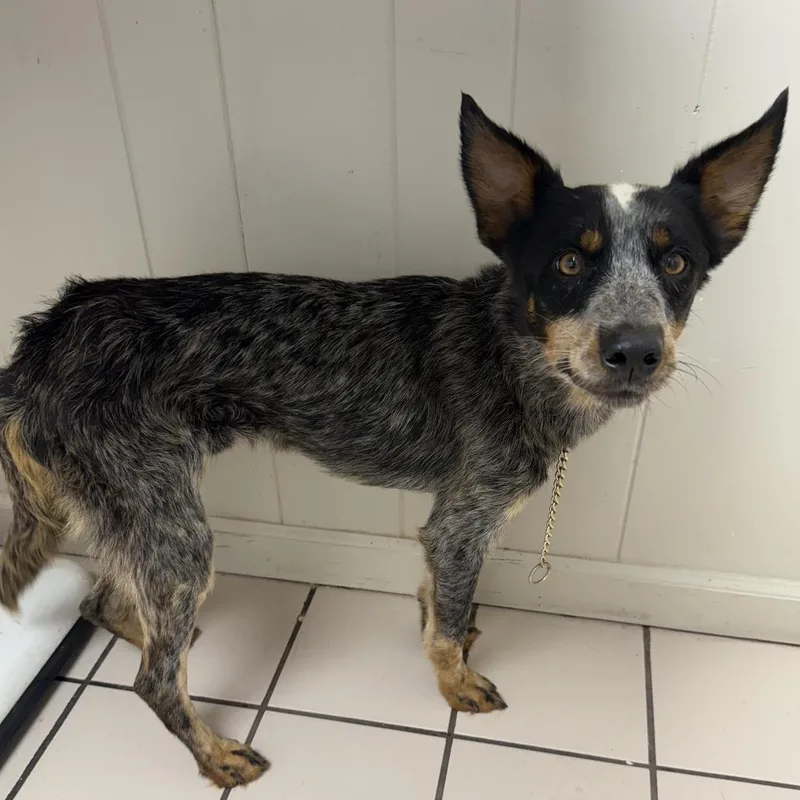
Catahoula Leopard Dogs for Adoption in Tuscaloosa, AL

Your guide to finding and caring for a Catahoula Leopard Dog in Tuscaloosa

Catahoula Leopard Dogs fit best in the roomier, tree-lined parts of Tuscaloosa, where a fenced yard gives them space to patrol. Streets around The Downs, Glendale Gardens and Hillcrest have the larger lots an athletic, watchful dog likes, and the quiet neighborhoods near Lake Tuscaloosa leave room for long walks. A small rental near campus is a tougher match, since a Catahoula needs hard daily exercise and may bark at the foot traffic. Summer afternoons are for resting indoors.

1547 Catahoula Leopard Dogs available in Tuscaloosa and nationwide

Give a Catahoula Leopard Dog a home

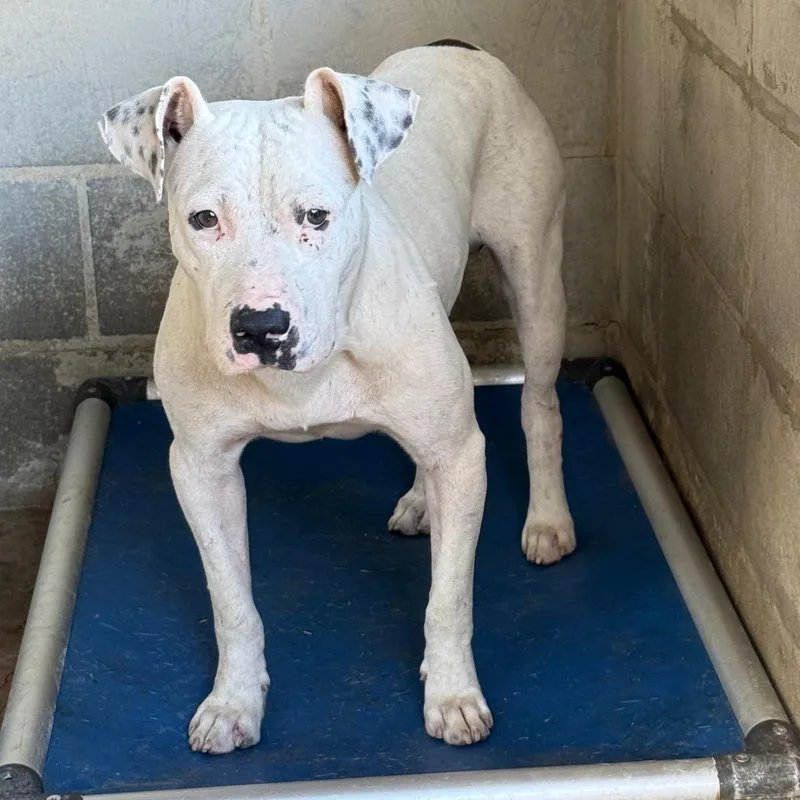
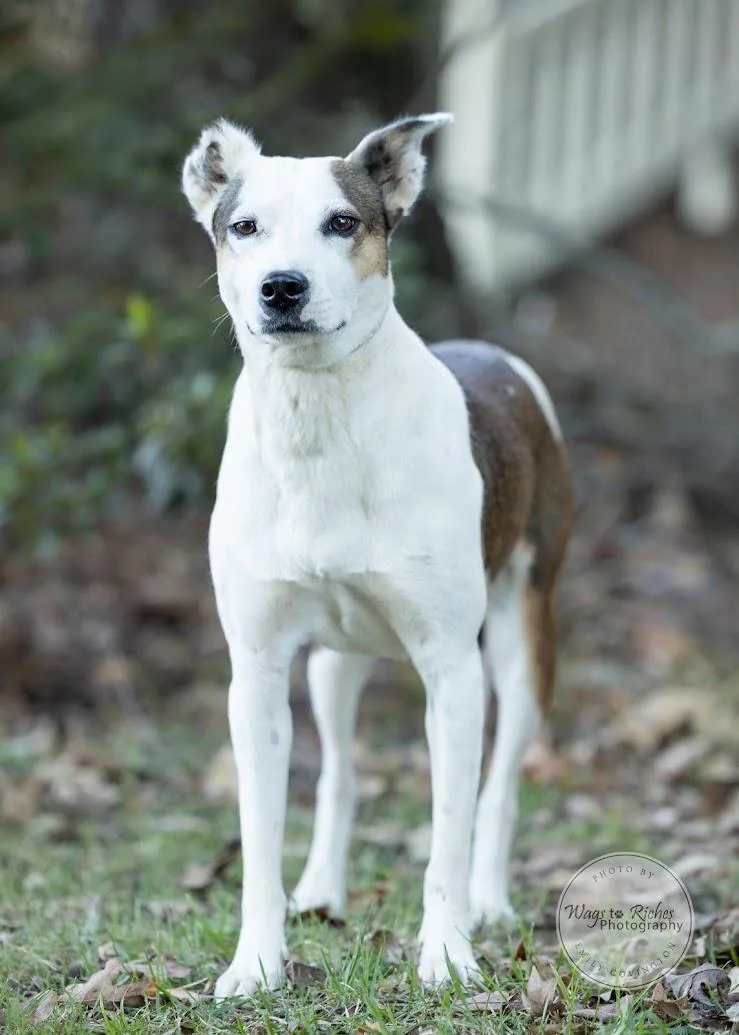
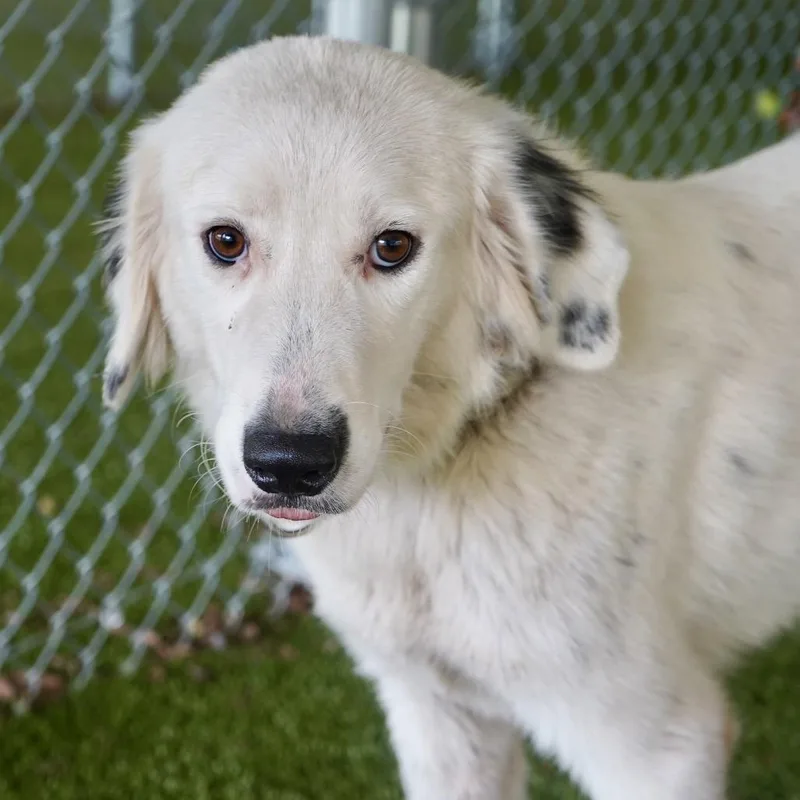
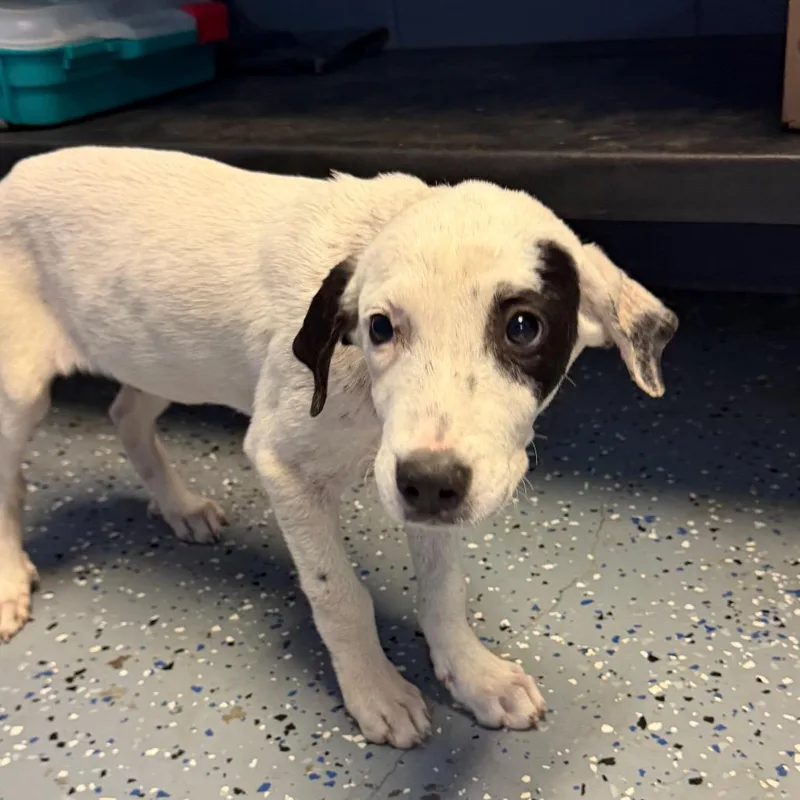
Catahoula Leopard Dogs Available for Adoption Near Tuscaloosa

About the Catahoula Leopard Dog breed

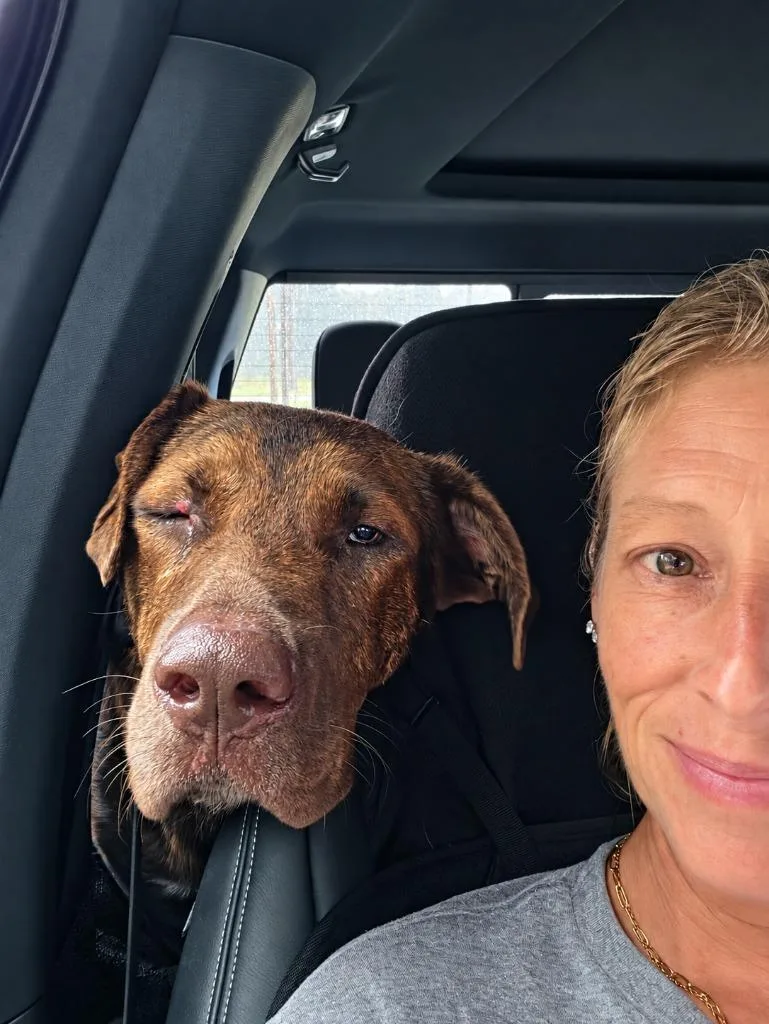
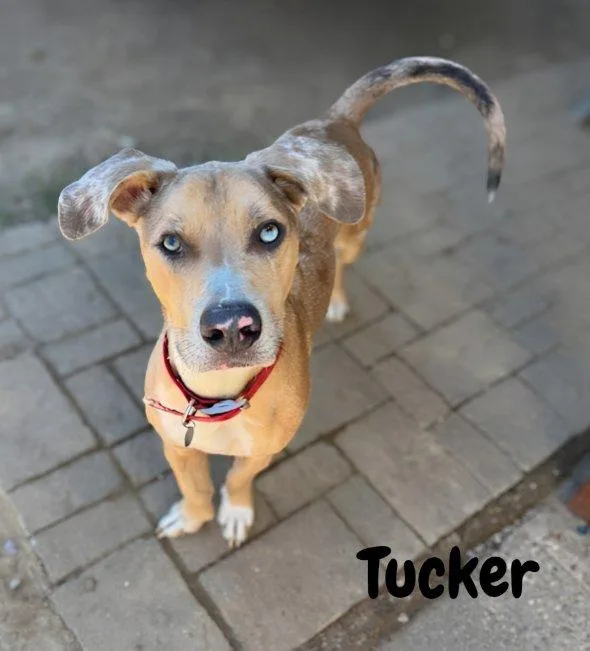
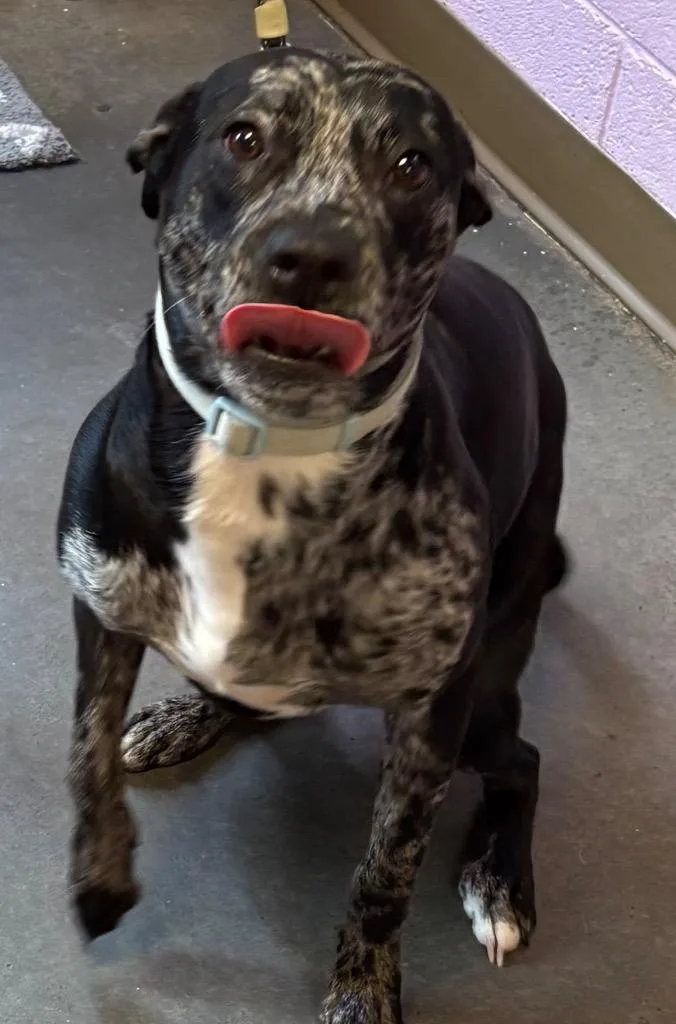
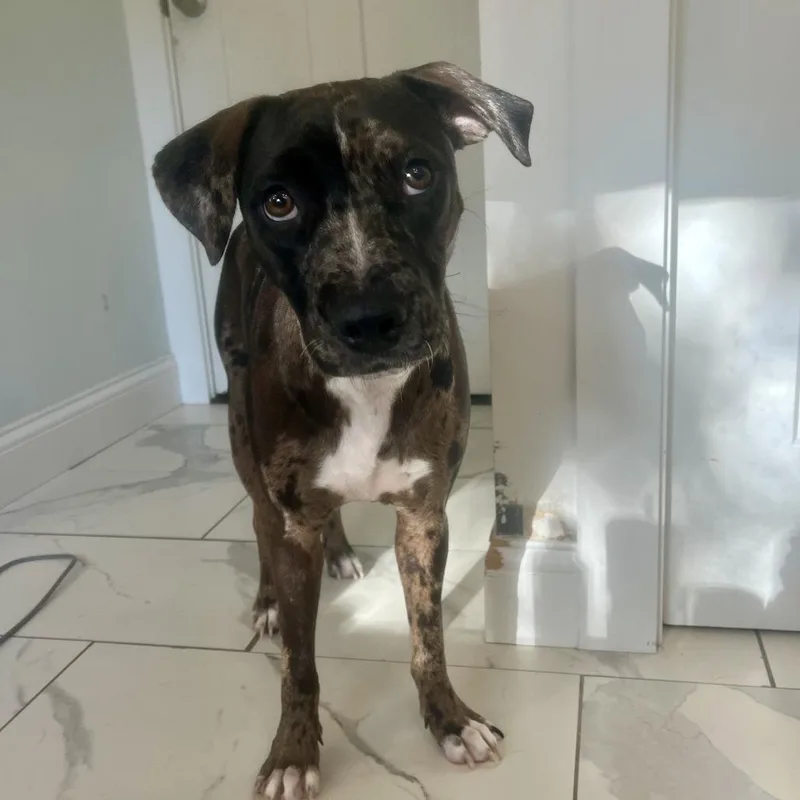
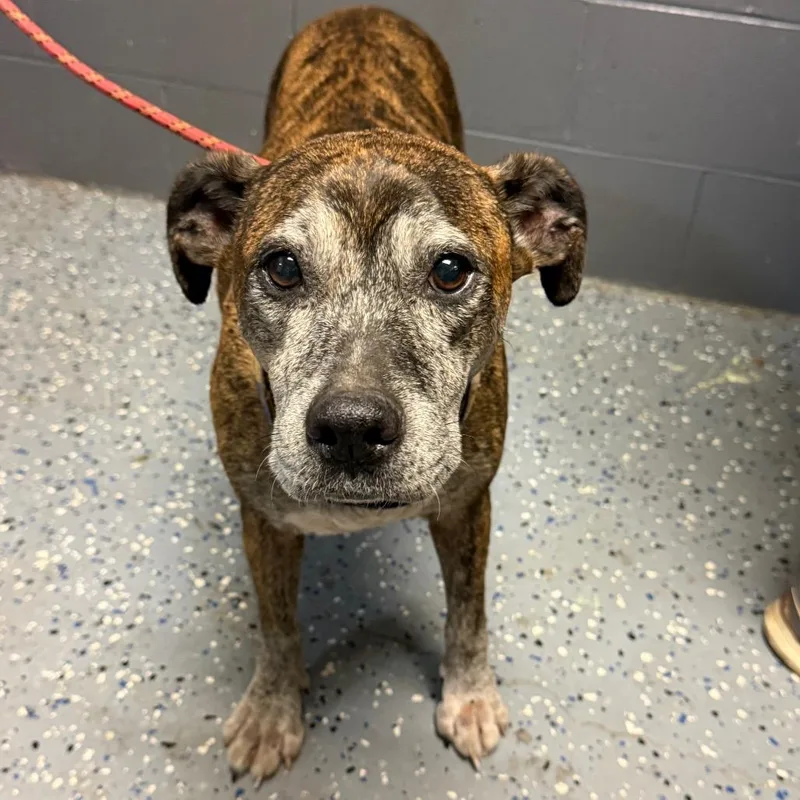
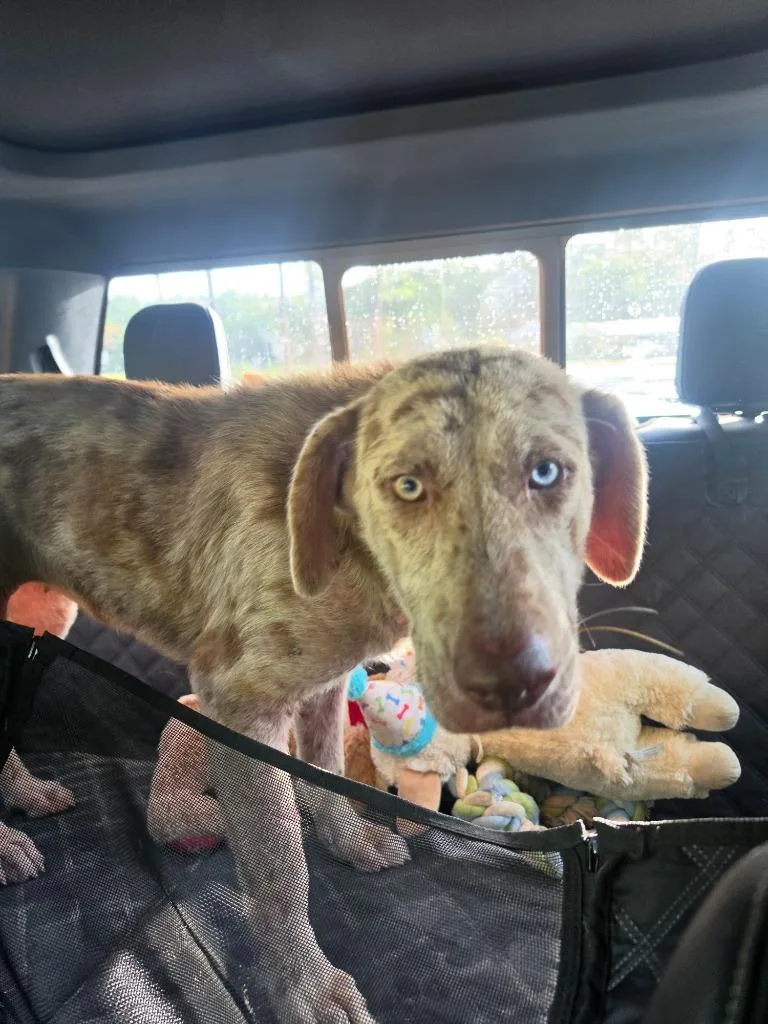
Named for Catahoula Parish in Louisiana, this working dog was developed in the swamps and woods of the Gulf South to find and hold feral hogs and gather semi-wild cattle. Ability mattered more than looks, so Catahoulas vary in size and build, usually 50 to 95 pounds. Many have a merle "leopard" coat and glass-blue or mismatched eyes, though brindle and solid colors are common. The short coat sheds moderately.

Catahoulas tend to be intelligent, independent and loyal, with a protective streak. Many bond tightly with family and stay wary of strangers, and some are choosy about other dogs or small animals. Because many shelter dogs labeled Catahoula are mixes, a dog's own behavior tells you more than the label does. Plan on vigorous daily exercise, firm but kind training and early socialization.

Weight
50–95 lbs
Height
20–26 in
Lifespan
10–14 yrs
Temperament
Energetic, Independent, Protective
Group
Herding
Shedding
Moderate

Owning a Catahoula Leopard Dog in Tuscaloosa

Having a Catahoula Leopard Dog in Tuscaloosa

Catahoulas are working dogs, so stamina, independence and a watchful streak shape daily life. In Tuscaloosa that means a secure fence, exercise timed around the heat and a plan for noise. Hearing and hip checks matter too.

Temperament

Catahoulas are often devoted with their own people and reserved with strangers. In Tuscaloosa's close-packed rental areas, passing neighbors can set off a watchful dog, so early socialization and calm introductions matter. Some are choosy with other dogs or chase small animals. Consistent, reward-based training shapes how each dog turns out.

Exercise Needs

Plan on a long run, hike or hard game of fetch every day, plus mental work like scent games or puzzle feeders. In warm months, early mornings work best. A Catahoula that gets too little activity may dig, chew, bark or escape, which is a problem in close quarters. Energy often stays high well into middle age.

Health Considerations

Deafness is a known risk in Catahoulas, especially heavily white or double-merle dogs, which can also have eye defects. Hip dysplasia occurs too. A veterinarian can check hearing, eyes and hips after adoption. With mosquitoes active through Alabama's long warm season, ask your vet about heartworm prevention timing.

Living Space

A securely fenced yard suits a Catahoula best, since many jump and dig. Tuscaloosa's tree-lined subdivisions with larger lots fit better than a small student apartment, though apartment life can work with very reliable, vigorous exercise. These dogs do best living indoors with the family, not left outside alone.

What it costs to own a Catahoula Leopard Dog in Tuscaloosa

ExpenseTypical costPer year
Adoption fee$100, one time$100 in year one
Food$55 to $110 per month$660 to $1,320
Pet insurance$55 to $110 per month$660 to $1,320
Routine vet care$250 to $500 per year$250 to $500
Other*$490 to $1,290 per year$490 to $1,290
Estimated yearly total (after year one)$2,060 to $4,430
First-year total (with adoption fee)$2,160 to $4,530

Adoption fee is the fee on Catahoula Leopard Dog listings in Tuscaloosa on GetBuddy today. Other costs are estimates and vary with size, age and health.

* Flea, tick and heartworm prevention, a dental cleaning allowance, any license or tag fees, toys and bedding, and basic at-home brushing for the short coat.

Adopt a Catahoula Leopard Dog in Tuscaloosa.

Now that you know more, let’s find you a new best friend. These rescues and shelters below currently have Catahoula Leopard Dogs available.

Rescues in Tuscaloosa with Catahoula Leopard Dogs Available

Tuscaloosa's rescue community includes the county's metro animal shelter and a volunteer-run, no-kill humane society working to place dogs. Here are the rescues & shelters in the Tuscaloosa area where you can find Catahoula Leopard Dogs and other dogs available for adoption.

Frequently Asked Questions

Yes. There's no known breed ban in Tuscaloosa, and the city's dangerous-dog rules turn on a dog's behavior, not its breed. Expect to keep the dog on a leash of ten feet or less off your property, vaccinated for rabies by three months, and within the general three-dog household limit. Rental restrictions are usually the bigger hurdle.

Will May Dog Park at Sokol Park South in Northport is the area's fenced off-leash option, with separate large-dog and training areas. For leashed outings, try Randall Parkway's 1.1-mile paved trail in Northridge Park or the trails at Bowers Park. Catahoulas jump well, so keep the leash on until you're inside a fence.

Yes, with planning. About 85 days a year reach 90°F and summer nights hover near 70°F, so a short coat helps but doesn't cancel the heat. Exercise at dawn or after dark, carry water, check pavement before walks and give the dog a cool indoor spot. Save the hardest runs for spring and fall.

It's possible, but only with reliable, vigorous daily exercise. Many Tuscaloosa rentals set breed or weight limits, so make sure the landlord accepts a large dog before you apply. Catahoulas are alert and may bark at passersby, so choose a quieter building; city code treats barking through most of a ten-minute stretch as a violation.

It can be, for active people with a fenced yard and a plan for summer heat. Tuscaloosa's tree-lined neighborhoods and trails give a Catahoula room to burn off energy, but a busy student schedule or a small rental near campus may make its exercise needs hard to meet. Weigh your daily routine honestly before adopting.

Only to patios, and only where a restaurant chooses to allow it. Alabama law lets restaurants open qualifying outdoor dining areas to leashed dogs, but none are required to. Dogs must stay on a leash or in a carrier and off chairs and seats. A watchful Catahoula should be calm around strangers before you try it.

Very little. The short coat needs a weekly brushing with a rubber curry or mitt to lift loose hair, plus an occasional bath. In Tuscaloosa's humid climate, dry the ears and check for ticks after muddy or wet trail days. Any professional grooming is a small part of the Other costs listed on this page.

A Catahoula Leopard Dog is a medium-to-large working breed from Louisiana, developed to hunt and bay feral hogs and to herd cattle. It is athletic and muscular, often with a merle coat and striking light or mismatched eyes. Catahoulas are typically intelligent, loyal, independent and energetic, and they need experienced handling, training and lots of activity.

We have 1 rescue with Catahoula Leopard Dogs available: Tuscaloosa Metro Animal Shelter. You can see every rescue with Catahoula Leopard Dogs available in the list above these questions, or scroll to the top to see the Catahoula Leopard Dogs near Tuscaloosa.

Expect roughly $2,060 to $4,430 a year for a Catahoula in Tuscaloosa. That covers food at $55 to $110 a month, insurance at $55 to $110 a month, routine vet care at $250 to $500 a year, and $490 to $1,290 a year in other costs such as parasite prevention and dental care.