Foxhound Dogs for Adoption in Anchorage, AK

Your guide to finding and caring for a Foxhound in Anchorage

A Foxhound's nose and stamina get plenty of use in Anchorage, as long as the dog stays on a leash. Eagle River's roomier lots and the paths around Kincaid Park give a hound hours of sniffing, and Foxhounds are mellow once they're back indoors. The catch is a scent drive that can beat any recall, and moose share those same green spaces. Pick a spot with a tall fence, and expect some baying.

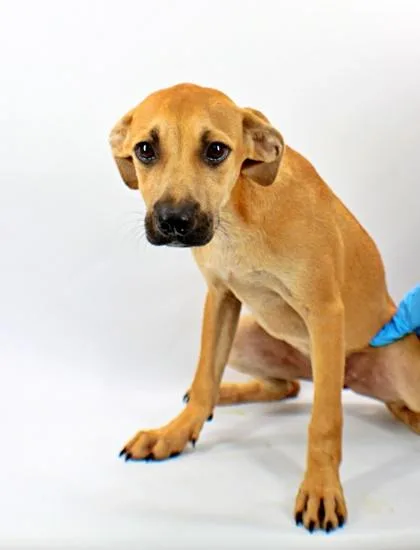
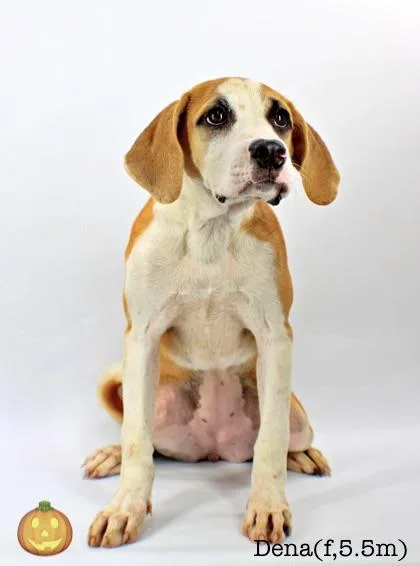
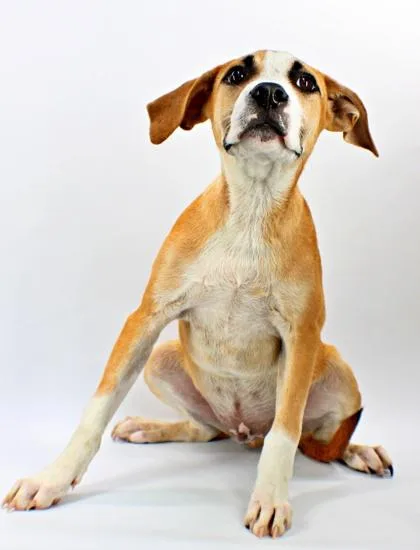
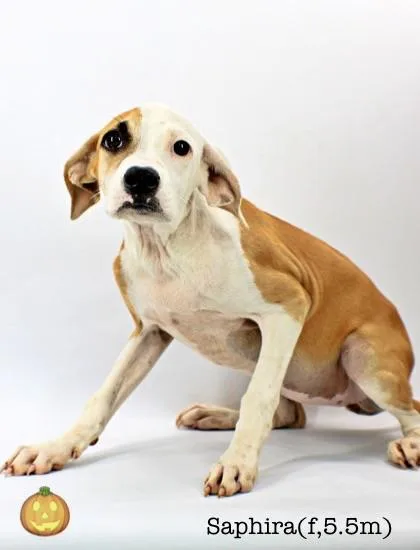
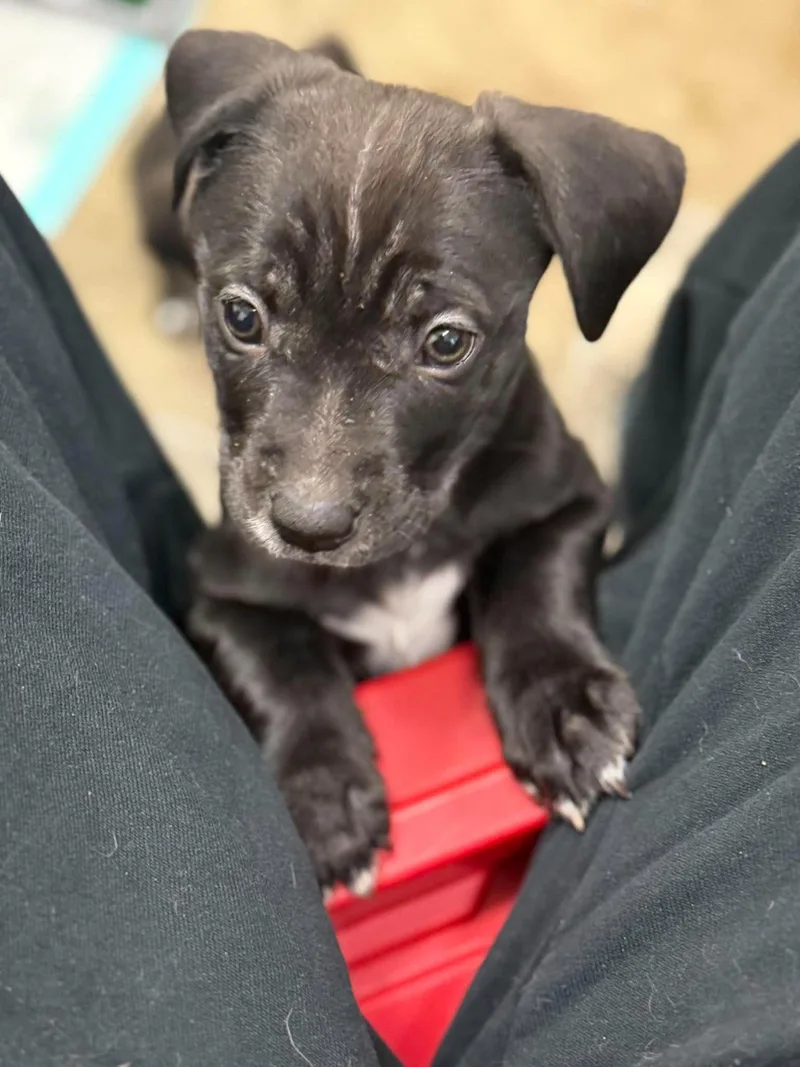
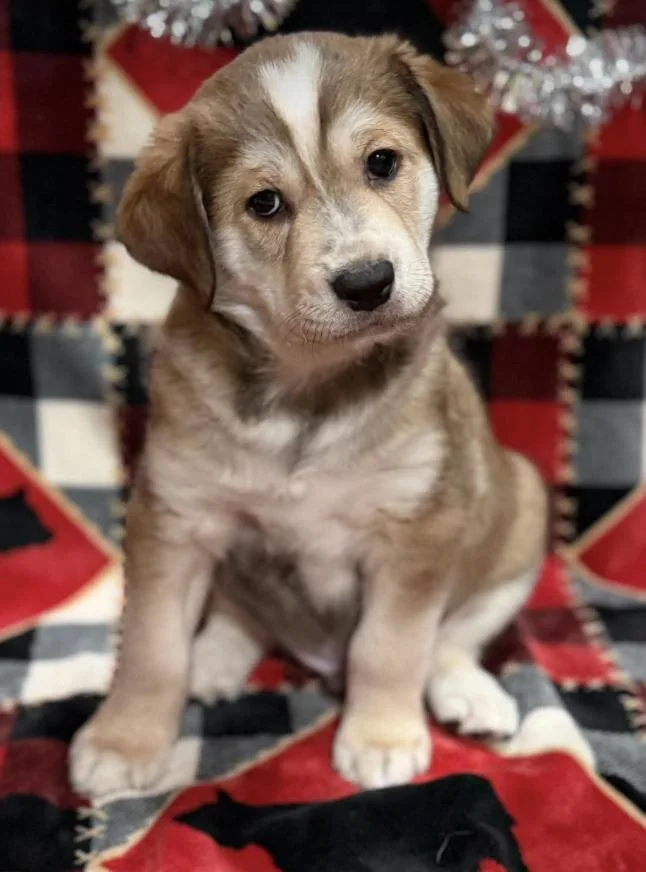
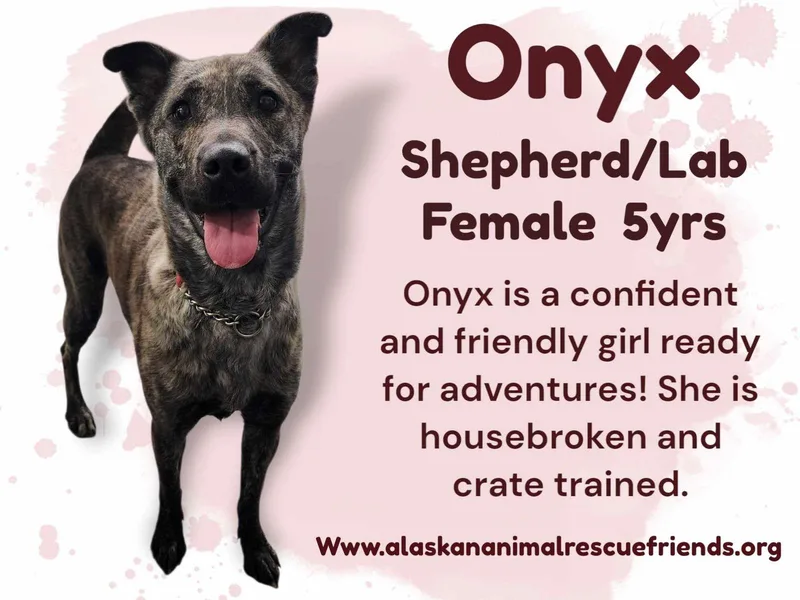
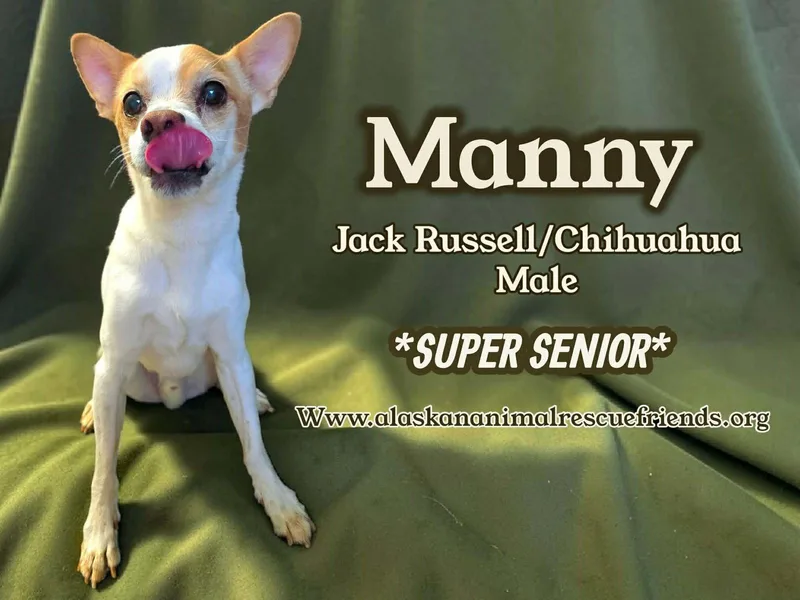
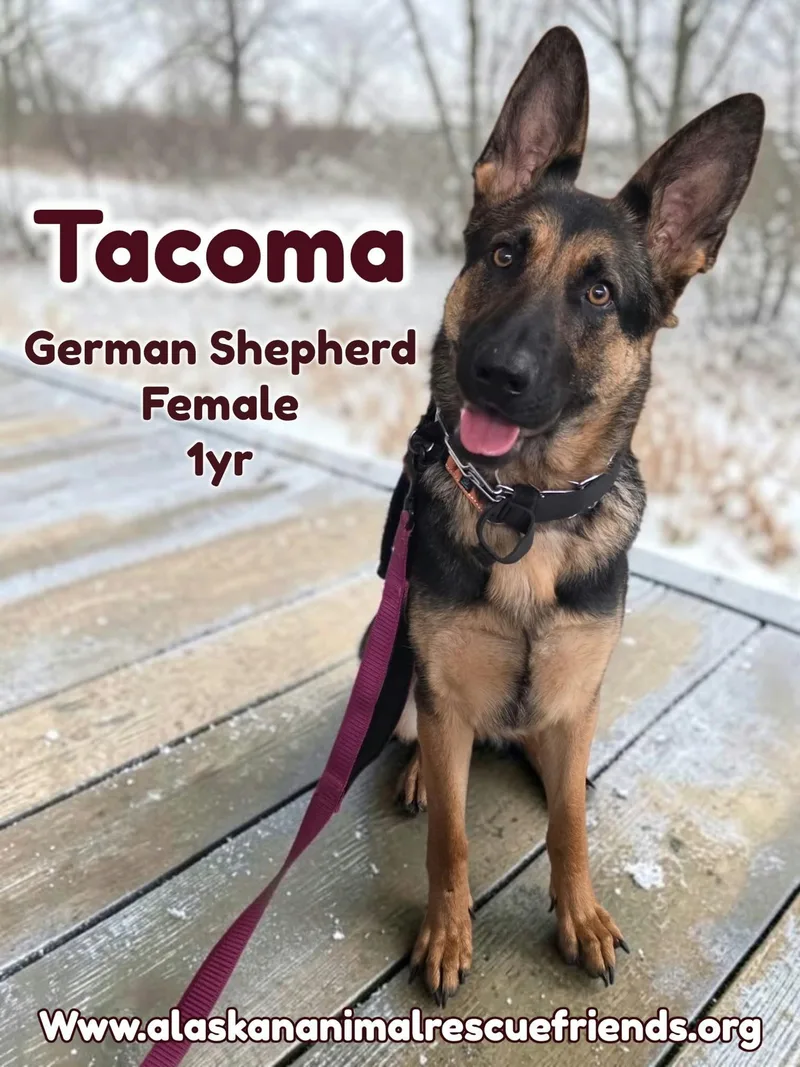
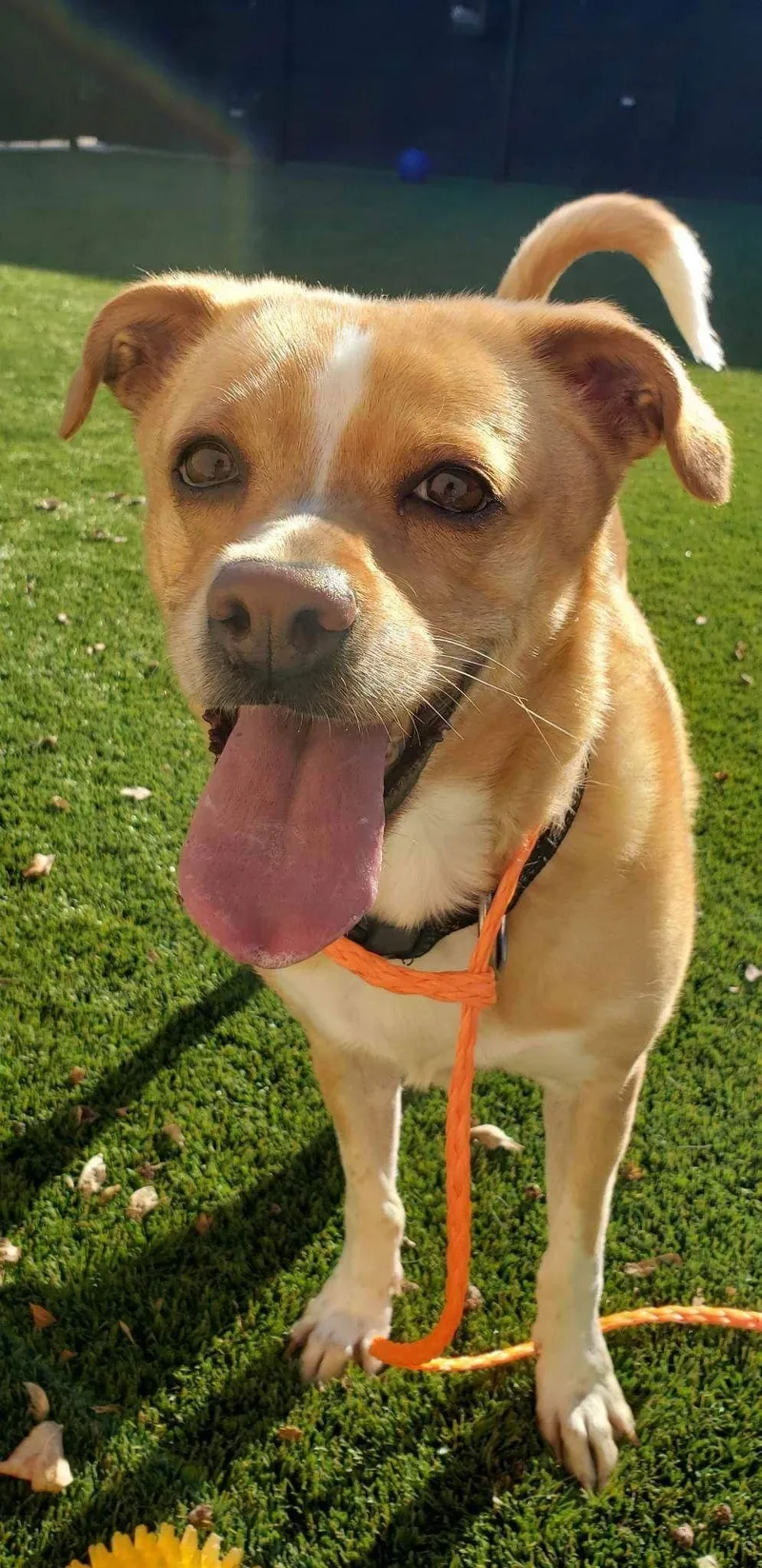
152 Foxhounds available in Anchorage and nationwide

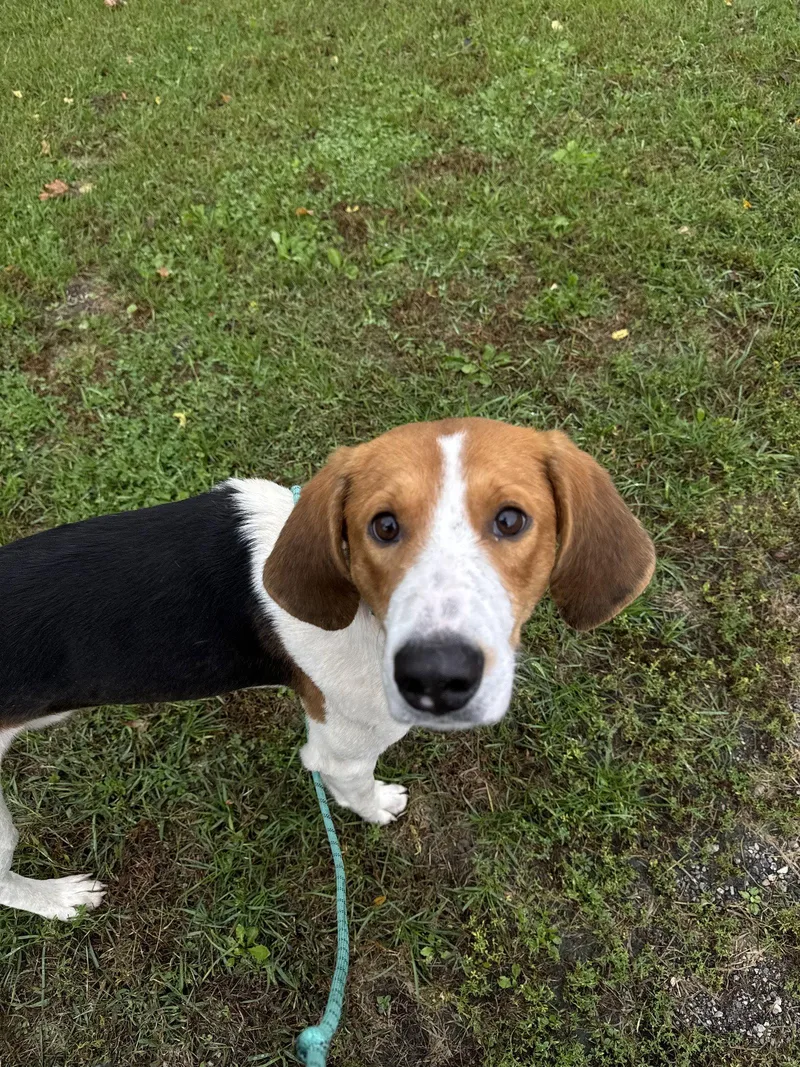
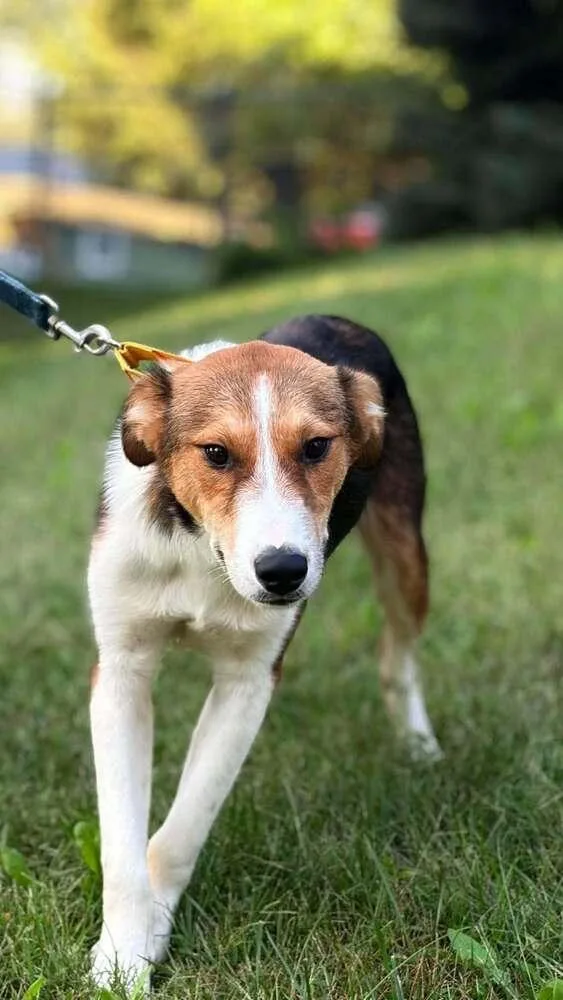
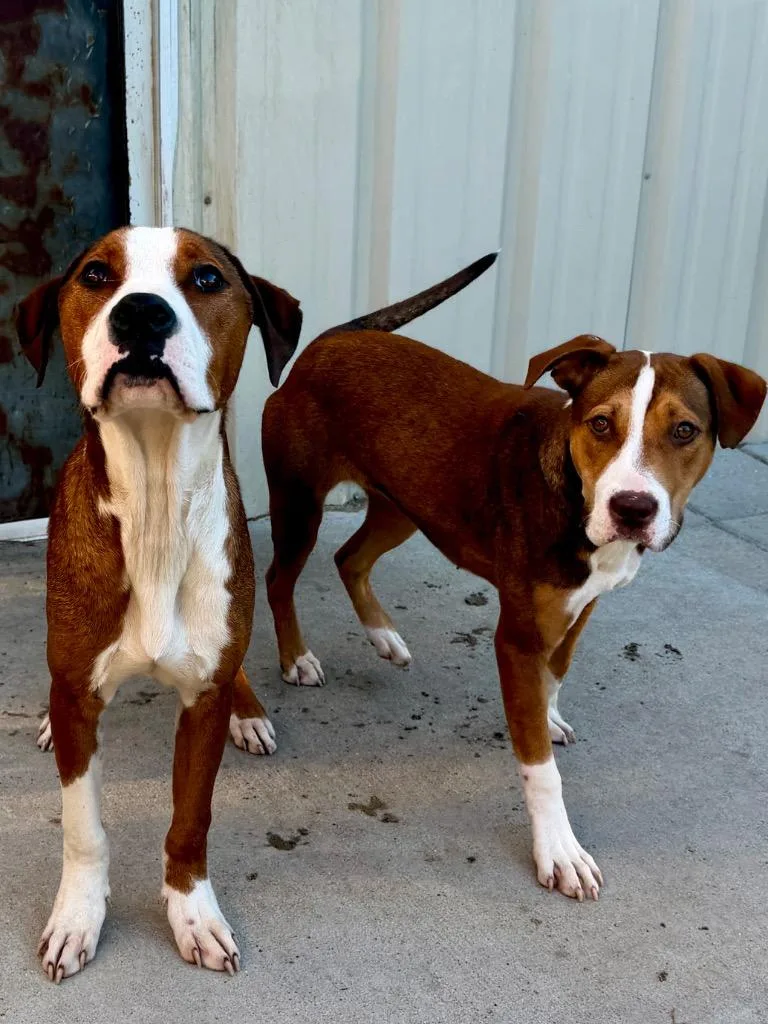
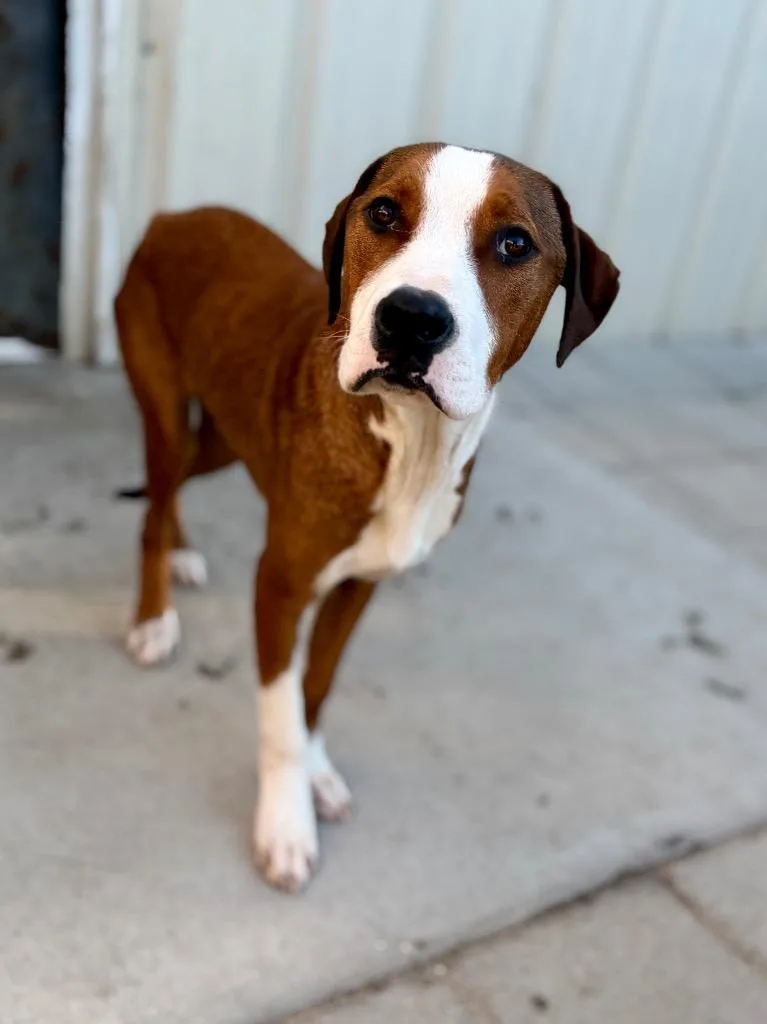
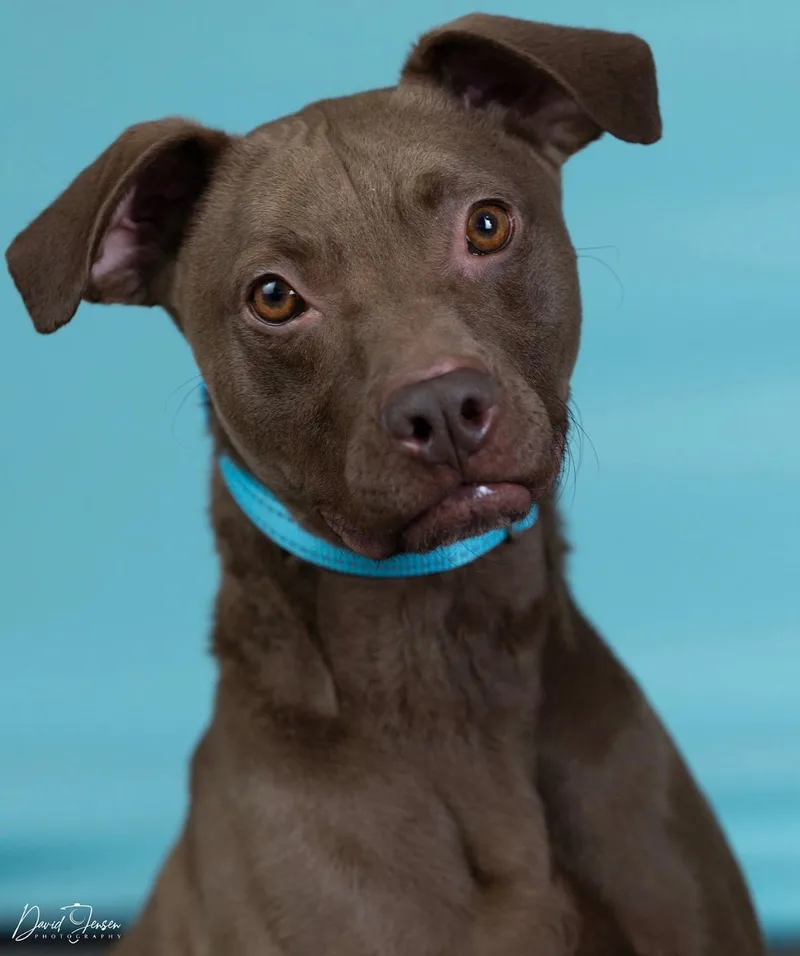
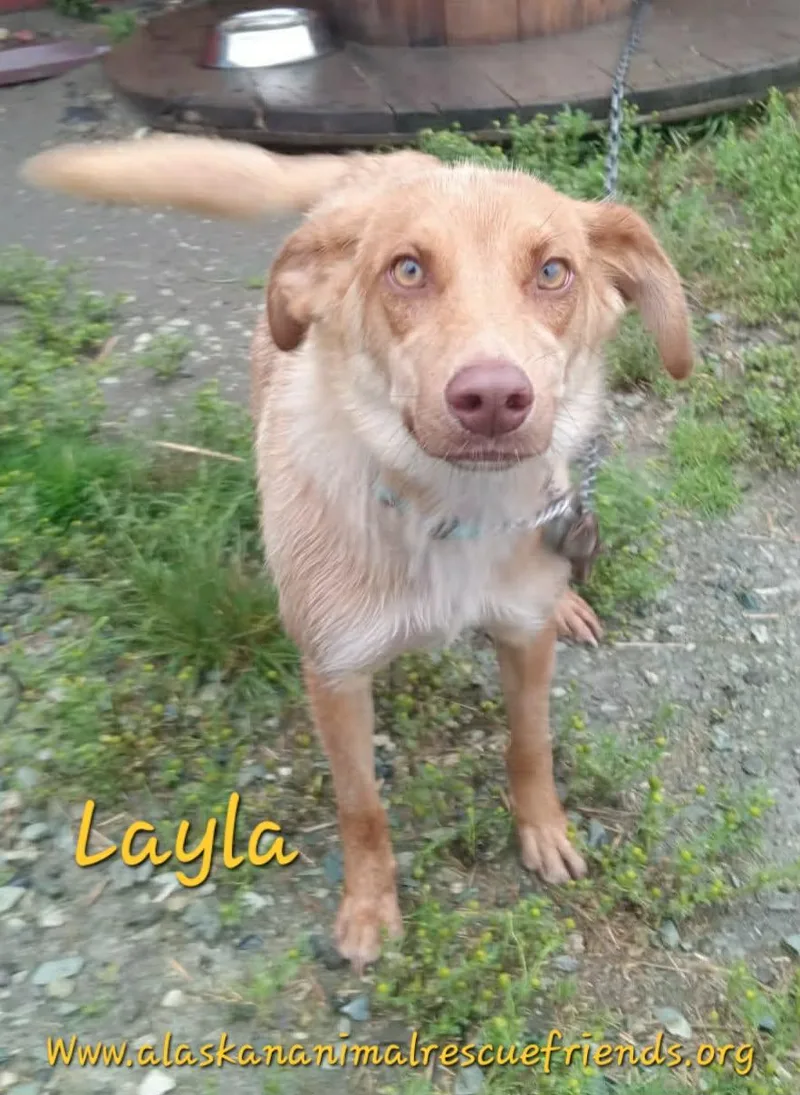
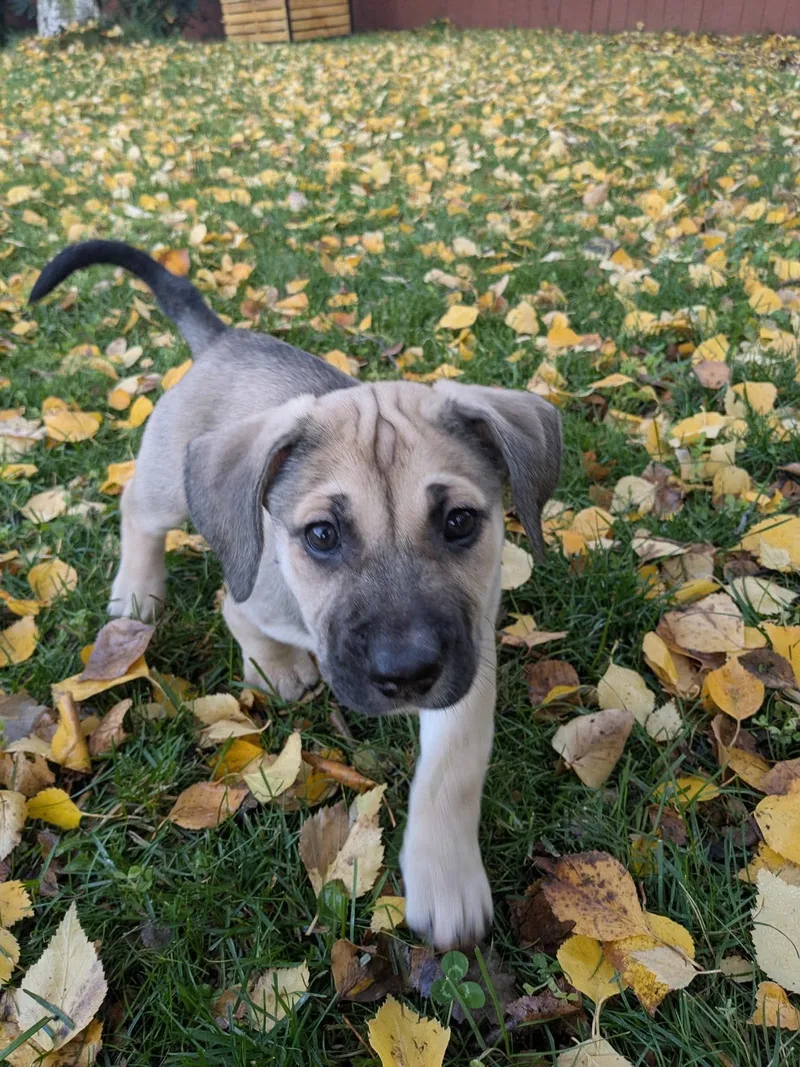
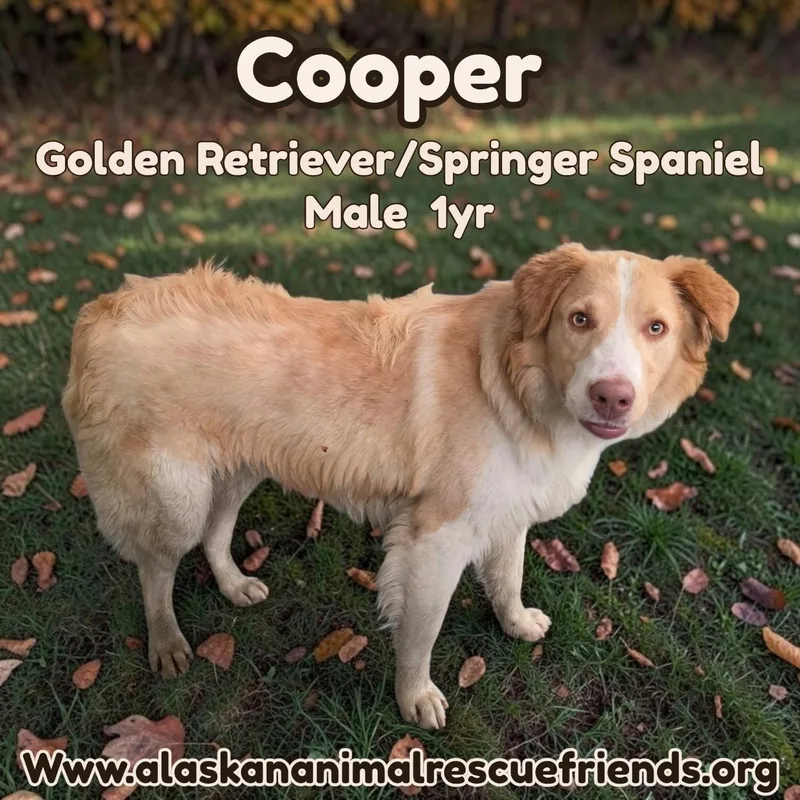
Say hello to your Foxhound

While we don't have enough dogs near Anchorage, keep in mind that many rescues may offer transport.

Foxhounds Available for Adoption Near Anchorage

About the Foxhound breed

Foxhound is the name for two related scent hounds: the American Foxhound, a lighter, rangier dog from colonial Maryland and Virginia, and the English Foxhound, heavier boned with roots in British hunts. Both were built to follow a trail for hours in a pack, which explains the deep chest, long legs, long ears and loud, musical bay. Most weigh 55 to 75 pounds and live 10 to 13 years.

Foxhounds are usually sweet, sociable and easygoing, though each dog has its own personality, and many field hounds have never lived indoors, so house training takes patience. The short, hard coat sheds moderately all year and needs only weekly brushing, but it offers little insulation. In Anchorage, that means planning for winter gear and a leash on every outing.

Weight
55–75 lbs
Height
21–25 in
Lifespan
10–13 yrs
Temperament
Gentle, Easygoing, Social, Independent
Group
Hound
Shedding
Moderate

Owning a Foxhound in Anchorage

Having a Foxhound in Anchorage

Foxhounds are big-hearted, nose-driven hounds with serious stamina. In Anchorage, the main questions are how you'll meet their exercise needs through long, dark winters, whether you have a secure fence, and how a deep bay fits with your neighbors.

Temperament

Foxhounds are usually gentle and sociable with people and other dogs, though each dog differs. Independence comes with the package: a moose track or fresh scent in a greenbelt can outrank any command. A hound new to home life may need patience with house training and with being left alone.

Exercise Needs

Expect long daily walks or runs, often in the dark during winter, so a reflective vest and a light help. Anchorage code requires a leash outside designated off-leash areas, including on the Tony Knowles Coastal Trail. Scent games and hidden treats at home tire a hound's nose, too.

Health Considerations

Hip dysplasia occurs, and American Foxhounds can inherit a platelet disorder called thrombocytopathy, which a veterinarian can help screen for. Long ears hold moisture, so check them after snowy or wet outings. Foxhounds gain weight easily, which strains joints on icy sidewalks, so measure meals and keep up routine vet visits.

Living Space

A house with a tall, secure fence suits a Foxhound best, since a nose can find gaps. Moose sometimes wander into Anchorage yards, so look around before letting the dog out. Apartments can work for a calm adult, but the bay may draw complaints under the city's barking rule.

What it costs to own a Foxhound in Anchorage

ExpenseTypical costPer year
Food$55 to $110 per month$660 to $1,320
Pet insurance$55 to $110 per month$660 to $1,320
Routine vet care$250 to $500 per year$250 to $500
Other*$490 to $1,273 per year$490 to $1,273
Estimated yearly total (after year one)$2,060 to $4,413

Other costs are estimates and vary with size, age and health.

* The Anchorage dog license ($15 a year if spayed or neutered, $23 if not), flea, tick and heartworm prevention, a dental cleaning allowance, toys and bedding, and minimal grooming.

Adopt a Foxhound in Anchorage.

Now that you know more, let’s find you a new best friend. These rescues and shelters below have dogs available in and near Anchorage.

Rescues and Shelters in or near Anchorage

Anchorage has a municipal shelter and several rescue groups, many foster-based, working to place dogs in homes. Here are the rescues & shelters in the Anchorage area with dogs available for adoption, worth asking whether a Foxhound is coming in.

Frequently Asked Questions

Yes, most healthy Foxhounds manage Anchorage winters with some help. Their stamina suits cold-weather walks, but the short, hard coat gives little insulation, and the city sees about 18 nights a year at or below 0°F. Use a coat on the coldest days, shorten outings, rinse ice-melt from paws, and add reflective gear for dark mornings.

Fenced off-leash areas such as Chanshtnu Muldoon Park and Valley of the Moon Park are the safest picks, since a Foxhound's nose can override recall. For longer outings, the paved Tony Knowles Coastal Trail and Kincaid Park work well on a leash. Moose and bears use these green spaces, so keep your distance and stay alert.

Anchorage has People Mover buses but no subway or rail. Pets are generally allowed only in closed carriers, and a 55- to 75-pound Foxhound won't fit in one, so riding is realistically limited to service animals. Check current rules with People Mover. For most Foxhound owners, a car is the practical way to reach trails.

Yes. Anchorage has no breed-specific rules, and its dangerous-dog system is based on a dog's behavior, not its breed. Dogs four months and older need a city license and current rabies vaccination, with lower license fees for spayed or neutered dogs. Owners of four or more dogs need a multi-animal facility license.

It's possible for a calm adult, but not always easy. About 36% of Anchorage households rent, and some landlords limit dog size. A Foxhound's bay carries, and city code allows barking citations after more than five minutes without a short break. A ground-floor unit near trails, plus long daily walks, helps.

It can be, for active households that are home often and committed to long, leashed walks. Foxhounds are sociable and easygoing, and Anchorage's trail network gives their noses plenty to do. The trade-offs are winter gear, dark winter walks, moose and bear awareness, and a fence tall enough to keep a scent-driven dog home.

Probably not inside. Alaska's food code bars pet dogs from food establishments, with exceptions for service animals. Patio policies vary by restaurant, so don't count on one, and confirm before you go. A Foxhound's bay and constant sniffing also make crowded patios a challenge, so trails and dog parks are easier outings.

Very little. The short, hard coat needs weekly brushing, and shedding is moderate year-round. In Anchorage the extra work is seasonal: wipe or rinse ice-melt and snow from paws in winter, dry the long ears after wet weather, and trim nails. Most owners can do this at home, so grooming costs stay small within the yearly Other budget.

Yes, the American Foxhound is Virginia's official state dog, designated in 1966. The choice reflects the breed's deep roots in the state, where colonial landowners, including George Washington at Mount Vernon, bred and hunted with foxhounds. Virginia's long tradition of mounted fox hunting kept the breed closely tied to the region, even though it is uncommon in most American homes today.

A Foxhound typically costs $55 to $110 a month for food and $55 to $110 a month for insurance, plus $250 to $500 a year for routine vet care. Other yearly costs, including the Anchorage dog license, parasite prevention, dental care and supplies, add roughly $490 to $1,273.