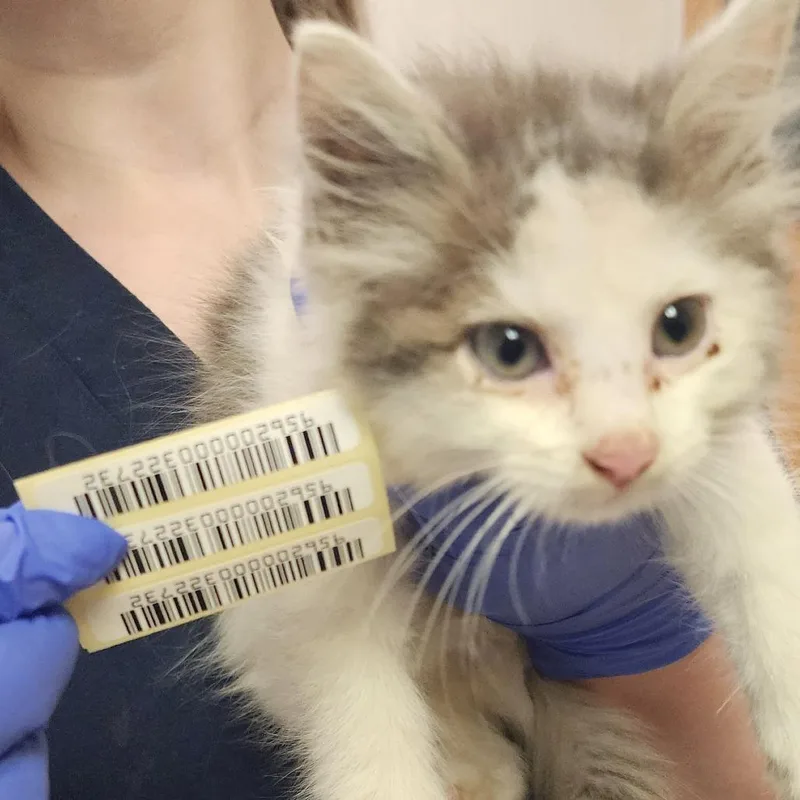
Calico Cats for Adoption in Charleston, WV

Your guide to finding and caring for a Calico in Charleston

A calico fits well in the East End's brick apartment buildings and in the hillside houses of South Hills. Calico is a coat pattern, not a breed, so these cats vary in temperament and coat length. Most do well indoors with a window to watch, and Charleston's wooded hillsides and river valley give them plenty to look at without going out. Plan on a window perch and a couple of short play sessions a day, and the rest is naps.

1491 Calicos available in Charleston and nationwide

Bring home a Calico

While we don't have enough cats near Charleston, keep in mind that many rescues may offer transport.

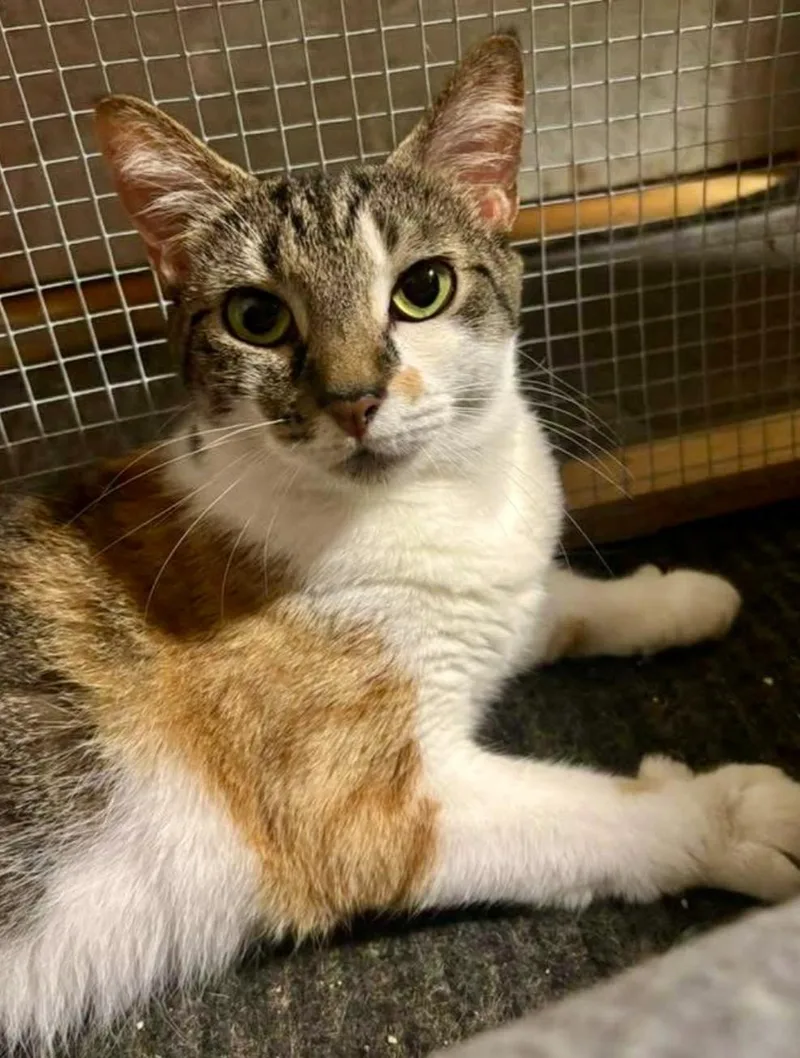
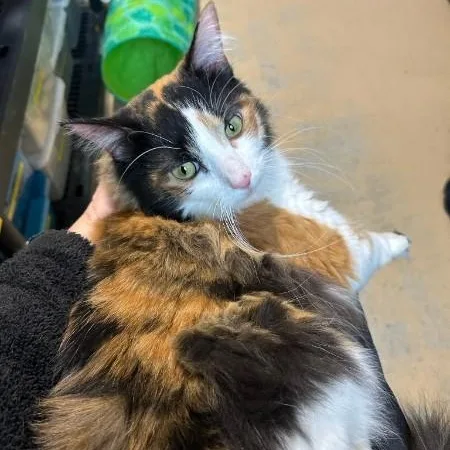
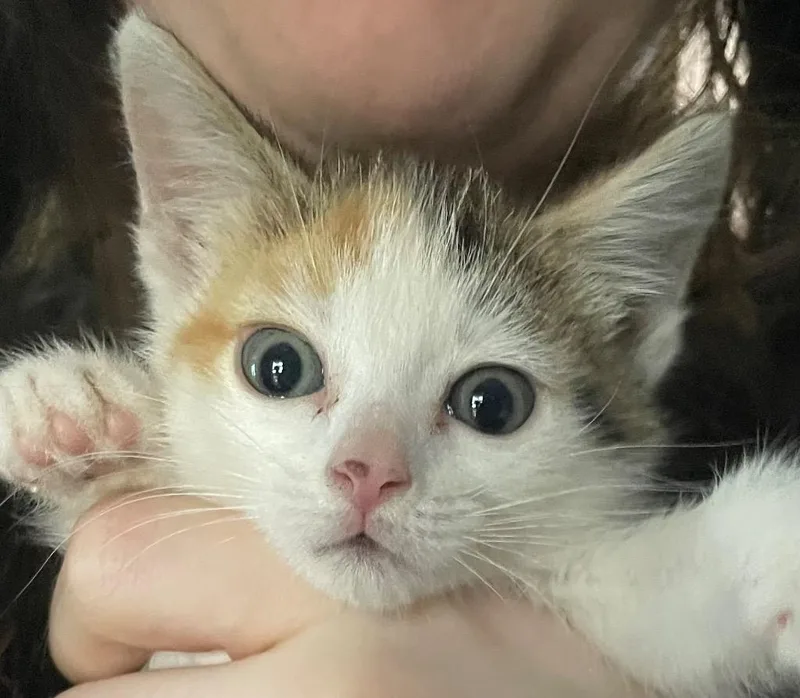
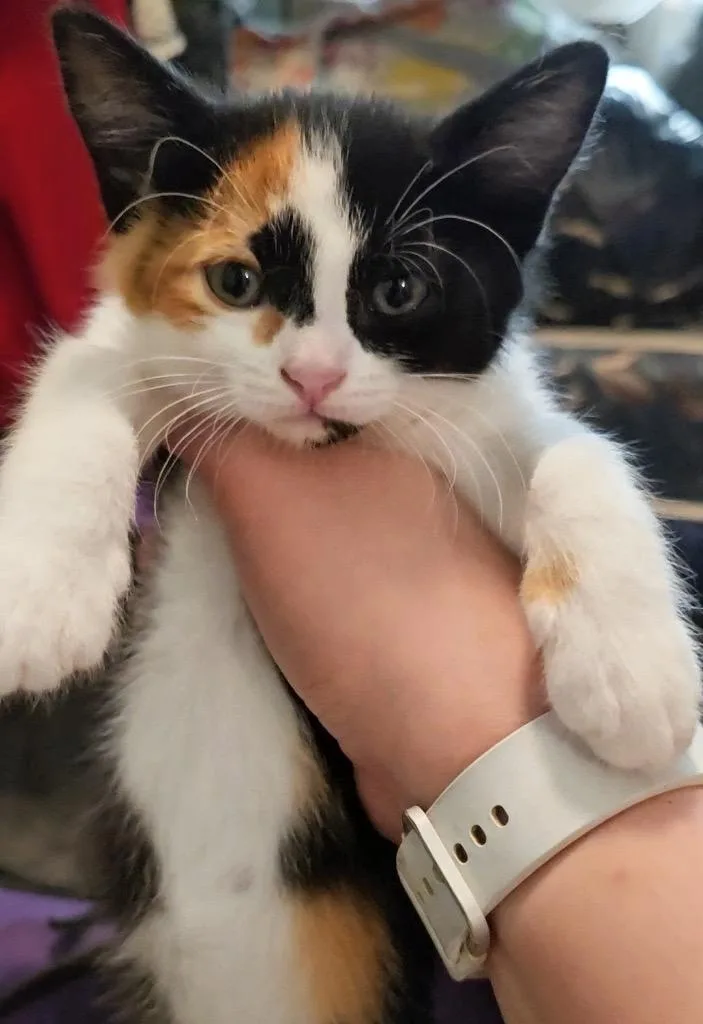
Calicos Available for Adoption Near Charleston

About the Calico breed

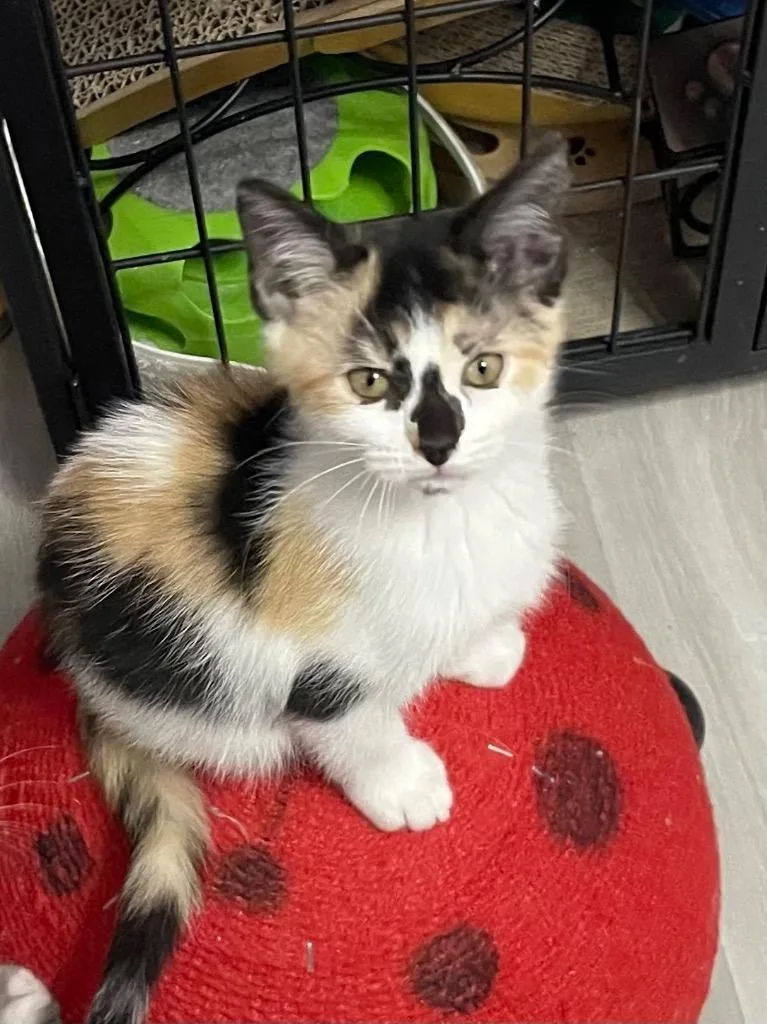
Calico describes a coat, white with patches of black and orange (or gray and cream in the dilute version), rather than a breed. The pattern appears in domestic shorthairs and longhairs and in several pedigreed breeds, and nearly all calicos are female. A calico you meet in Charleston is most likely a domestic shorthair, weighing roughly 6 to 12 pounds and living 12 to 18 years.

Because coat color doesn't predict personality, each calico is best met as the cat she is. Some are shy and gentle, others bold and chatty. For city living, age, energy and how she reacts to noise, visitors and other pets matter far more than her patches. Longhaired calicos need regular brushing, while shorthaired ones usually manage with a weekly pass. A quiet first week in one room helps most newcomers settle.

Weight
6–12 lbs
Height
8–10 in
Lifespan
12–18 yrs
Temperament
Adaptable, Affectionate, Independent
Shedding
Moderate

Owning a Calico in Charleston

Having a Calico in Charleston

A calico's traits come from her ancestry, age and past experiences, not her patches. In Charleston, that usually means an adaptable indoor cat who needs daily play, a window view and a plan for ice storms and fireworks.

Temperament

Calicos range from shy and gentle to bold and talkative, since personality follows each cat's genes and history rather than color. Shy cats often do well in a calm home, while sociable ones enjoy a busy household. Spending time with a cat before adopting is the best guide to how she'll handle visitors, noise and other pets.

Exercise Needs

Plan on two or three short play sessions a day with wand toys, balls or food puzzles. A window perch overlooking Charleston's trees and birds adds easy daily stimulation. Young cats need more play than seniors. For outdoor time, a harness walk or a secure catio is safer than roaming, especially since black bears have been reported in some neighborhoods.

Health Considerations

Calicos need the same care as any domestic cat: vaccines, dental care, weight control and yearly checkups. Charleston requires rabies vaccination for cats six months and older. A veterinarian can check a newly adopted cat for parasites and dental problems. Rare male calicos may face extra health concerns, including urinary issues.

Living Space

Calicos adapt to apartments and houses when they have scratching posts, a high perch, hiding spots and daily play. Charleston's older brick apartments and hillside houses both work for an indoor cat. Shy cats appreciate a quiet room to settle in at first. Keep window screens secure, especially on upper floors.

What it costs to own a Calico in Charleston

ExpenseTypical costPer year
Adoption fee$100, one time$100 in year one
Food$25 to $50 per month$300 to $600
Pet insurance$20 to $45 per month$240 to $540
Routine vet care$150 to $350 per year$150 to $350
Other*$450 to $1,150 per year$450 to $1,150
Estimated yearly total (after year one)$1,140 to $2,640
First-year total (with adoption fee)$1,240 to $2,740

Adoption fee is the fee on Calico listings in Charleston on GetBuddy today. Other costs are estimates and vary with size, age and health.

* Litter, flea prevention, a yearly dental cleaning allowance, toys and supplies, and home brushing.

Adopt a Calico in Charleston.

Now that you know more, let’s find you a new best friend. These rescues and shelters below currently have Calicos available.

Rescues in Charleston with Calicos Available

A long-running local humane association leads Charleston's shelter community, helping cats and dogs find homes across the Kanawha Valley. Here are the rescues & shelters in the Charleston area where you can find Calicos and other cats available for adoption.

Frequently Asked Questions

For many households, yes. A Calico adapts to East End apartments and South Hills houses alike, and Charleston's four seasons pose little trouble for an indoor cat. Because coat color doesn't predict personality, a calm cat suits a quiet home while a bold, social one suits a busier household. Plan for daily play, a window perch and storm-outage supplies.

Yes. Calico is a coat pattern rather than a breed, and no breed-specific rules are known in Charleston. Cats six months and older need a rabies vaccination, and no cat license is known. The city's two-dog limit doesn't apply to cats. If you rent, confirm pet terms in your lease, then browse the cats listed on this page.

Yes, calicos usually do well in apartments. About 37% of Charleston households rent, so lease terms matter: landlords set their own pet policies, and a pet fee is nonrefundable only if agreed in writing. Give her scratching posts, a high perch, hiding spots and daily play, and keep window screens secure on upper floors.

Yes, indoor Calicos handle Charleston winters well. Lows average about 28°F, the area gets roughly 31.5 inches of snow a year, and ice storms occasionally cause power outages. Keep a warm bed away from drafts, extra water, and a carrier plus a few days of food and litter ready. Cats are safest kept inside when it's icy.

It depends on coat length. Most calicos are shorthaired and need a brush about once a week, while longhaired ones need brushing several times a week to prevent mats. Shedding rises in spring and fall as Charleston's weather shifts. Home brushing is the main task, and it's counted in the yearly Other costs for a calico.

No, not on KRT buses, which are Charleston's public transit; rider rules list no pets. Service animals are an exception under federal law. For vet visits and other trips, plan on a car or a ride from someone you trust, and use a sturdy, secure carrier so she stays calm and safe.

Most cats prefer home to parks, but a harness-trained Calico can visit Kanawha State Forest, where leashed pets are welcome on roughly 14 miles of foot trails. Pick quiet hours, keep her leashed and carry her past dogs. Black bears have been seen in some neighborhoods, so avoid dusk and keep outings short.

Almost all calico cats are female, but not every single one. The genes for orange and black coat color sit on the X chromosome, so a cat normally needs two X chromosomes to show both colors at once. Roughly 1 in 3,000 calicos is male, usually because of an extra X chromosome, a genetic quirk rather than a separate type.

We have 1 rescue with Calicos available: Krazie Ladies Animal Rescue. You can see every rescue with Calicos available in the list above these questions, or scroll to the top to see the Calicos near Charleston.

A calico typically costs about $25 to $50 a month for food and $20 to $45 a month for optional pet insurance. Routine vet care runs about $150 to $350 a year, and other costs such as litter, flea prevention, dental care and supplies add roughly $450 to $1,150 a year, depending on the cat's size and coat.

Find Calicos in Nearby Cities

Expand your search to find Calicos available for adoption near Charleston.

Explore Other Breeds in Charleston

Looking for a different breed? Browse other cats available for adoption in Charleston.