Calico Cats for Adoption in Milwaukee, WI

Your guide to finding and caring for a Calico in Milwaukee

A calico suits Milwaukee's duplexes and Polish flats, where a sunny window makes a good lookout. In Riverwest or Layton Park, where bungalows and two-family homes line the blocks, a calico can claim a sill and watch the street all day. Calico is a coat pattern rather than a breed, so each cat's energy and temperament vary. Most are medium-sized shorthairs who settle into an apartment fine when they have a perch, a scratching post and a little play every day.

1486 Calicos available in Milwaukee and nationwide

Bring home a Calico

While we don't have enough cats near Milwaukee, keep in mind that many rescues may offer transport.

Calicos Available for Adoption Near Milwaukee

About the Calico breed

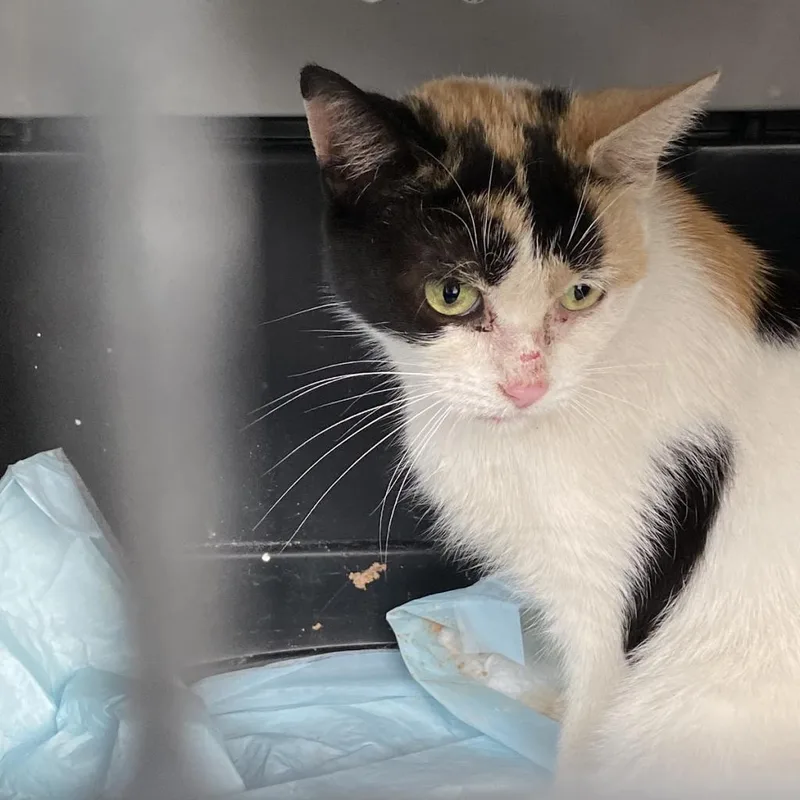
Calico describes a coat, not a breed: white with patches of black and orange, or soft gray and cream in the dilute version. The pattern appears in domestic shorthairs and longhairs and in several pedigreed breeds, though most calicos in shelters are domestic shorthairs. Nearly all are female, because the orange and black colors are carried on the X chromosome. Size, shedding and health follow ordinary house cats, usually 6 to 12 pounds with moderate shedding.

In Milwaukee, that makes a calico a practical match for a lot of homes. Indoor living suits her well through the long winters, and weekly brushing keeps shedding manageable. Folklore calls calicos sassy, but coat color doesn't predict personality, so spend time with a cat to see how she handles people, noise and other pets before deciding.

Weight
6–12 lbs
Height
8–10 in
Lifespan
12–18 yrs
Temperament
Adaptable, Affectionate, Independent
Shedding
Moderate

Owning a Calico in Milwaukee

Having a Calico in Milwaukee

Calico is a coat pattern, so traits depend on a cat's ancestry, age and background rather than her colors. In Milwaukee, the practical differences come down to indoor space, winter play and coat length, which can run from sleek shorthair to fluffy longhair.

Temperament

Calicos range from shy and gentle to bold and chatty, since personality comes from each cat's genes and experiences, not her patches. Milwaukee's winters mean long stretches indoors, so a cat who enjoys company and play tends to settle in well. Spending time with a cat in person is the best guide to her personality.

Exercise Needs

Plan on two or three short play sessions a day with wand toys, balls or food puzzles. Milwaukee's snowy months keep cats inside, so a window perch, a cat tree and a few rotating toys help burn off energy. Kittens and young adults need more play than seniors, and heavier or longhaired mixes may prefer gentler games.

Health Considerations

Calico coloring doesn't cause health problems in female cats, so care looks like any domestic cat's: vaccines, dental care, weight control and yearly checkups. Long indoor winters can let weight creep up, so measure meals. A veterinarian can check teeth, weight and heart at the first visit. Rare male calicos may face extra concerns.

Living Space

Calicos adapt to apartments and houses alike when they have scratching posts, a perch, hiding spots and regular play. That suits Milwaukee's many rental flats and duplexes. A shy cat appreciates a quiet room to settle into at first. Keep her indoors, with a catio or harness time for fresh air.

What it costs to own a Calico in Milwaukee

ExpenseTypical costPer year
Food$25 to $50 per month$300 to $600
Pet insurance$20 to $45 per month$240 to $540
Routine vet care$150 to $350 per year$150 to $350
Other*$462 to $1,162 per year$462 to $1,162
Estimated yearly total (after year one)$1,152 to $2,652

Other costs are estimates and vary with size, age and health.

* The $12 Milwaukee County cat license for a spayed or neutered cat, litter, flea prevention, a dental cleaning allowance, toys and supplies, and home brushing.

Adopt a Calico in Milwaukee.

Now that you know more, let’s find you a new best friend. These rescues and shelters below have cats available in and near Milwaukee.

Frequently Asked Questions

Yes. Milwaukee has no breed-specific pet rules, and calico is just a coat pattern anyway. You'll need a Milwaukee County license once she's over five months old, a current rabies certificate and a registered microchip. Households are limited to four dogs, cats and rabbits combined without a permit.

Yes, Calicos handle Milwaukee winters well as indoor cats. Winter highs hover around 33°F, January lows reach about 17°F, and the city gets roughly 49 inches of snow a year. Keep her inside with a warm bed, a play space and easy access to litter and water, and skip outdoor time on freezing days.

Yes, but only in a closed carrier. MCTS buses, including the CONNECT 1 line, and The Hop streetcar allow pets only in a closed carrier or crate that fits on your lap. Milwaukee has no subway. Get your calico used to a sturdy carrier at home before any trip.

Yes, most Calicos adapt well to apartments, which suits Milwaukee's many flats and duplexes. Give her a window perch, scratching posts and daily play, since winter keeps cats indoors for months. Landlords set their own pet policies, so get deposits, pet rent and any restrictions in writing before you sign a lease.

Most Calicos are shorthaired and need brushing about once a week, while longhaired mixes need it several times a week. Shedding rises in spring as the winter coat comes out, and dry indoor heat can add dander in winter. Professional grooming is rarely needed, and any cost falls under the Other line in the cost table.

Often, yes, for people who want an indoor companion through long winters. Calico is a coat pattern, so personality varies; spend time with a cat to see whether she is shy or bold. Plan on daily play, a window perch, a license and microchip, and a lease that allows cats.

Almost all calico cats are female, but not every single one. The genes for orange and black coat color sit on the X chromosome, so a cat normally needs two X chromosomes to show both colors at once. Roughly 1 in 3,000 calicos is male, usually because of an extra X chromosome, a genetic quirk rather than a separate type.

A calico cat is any cat with a three-color coat of white plus distinct patches of black and orange, or gray and cream in dilute calicos. Calico is a coat pattern rather than a breed, so it appears in domestic shorthairs, longhairs and many pedigreed breeds. Nearly all calicos are female because of how coat color genes are inherited.

Yes, calico cats can be male, but it is very rare. A male calico usually has XXY chromosomes instead of the typical XY, a condition similar to Klinefelter syndrome in people, or is a chimera formed from two embryos. These males are almost always sterile and may have extra health needs, so regular veterinary care is especially worthwhile.

A calico typically costs roughly $1,150 to $2,650 a year, counting food, insurance, routine vet care and other items. Food runs $25 to $50 a month, insurance $20 to $45 a month, and routine vet visits $150 to $350 a year. Litter, parasite prevention, dental care and supplies make up the rest.