



Tuxedo Cats for Adoption in Kenosha, WI

Your guide to finding and caring for a Tuxedo in Kenosha

Tuxedo cats suit Kenosha's older Uptown and Columbus homes as well as newer HarborPark condos. The pattern is just a coat, so you'll meet shy cats, chatty cats, kittens and seniors. A sunny window overlooking a Columbus street gives an indoor cat plenty to watch, and most tuxedos are domestic shorthairs with moderate shedding. If you're picturing two cats, remember Kenosha caps households at three dogs and cats combined.

2052 Tuxedos available in Kenosha and nationwide

Say hello to your Tuxedo cat

Tuxedos Available for Adoption Near Kenosha

About the Tuxedo breed

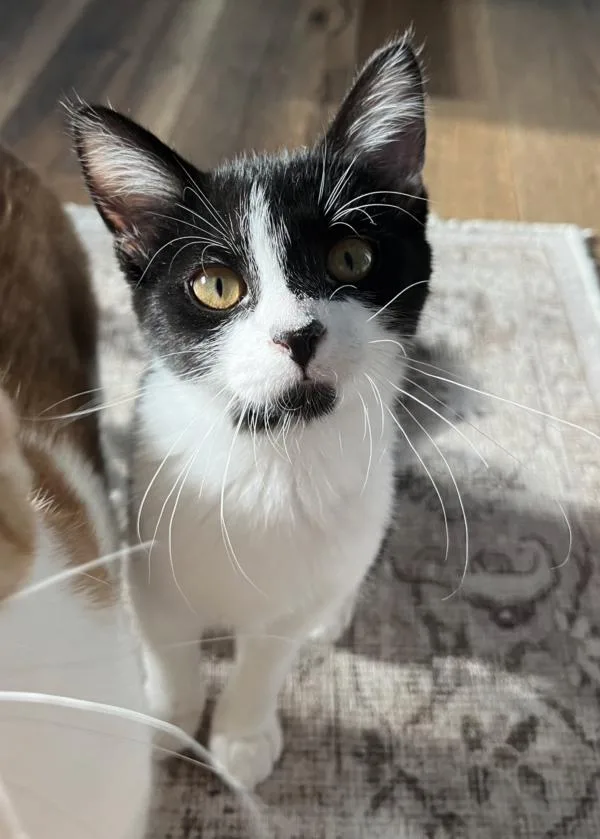
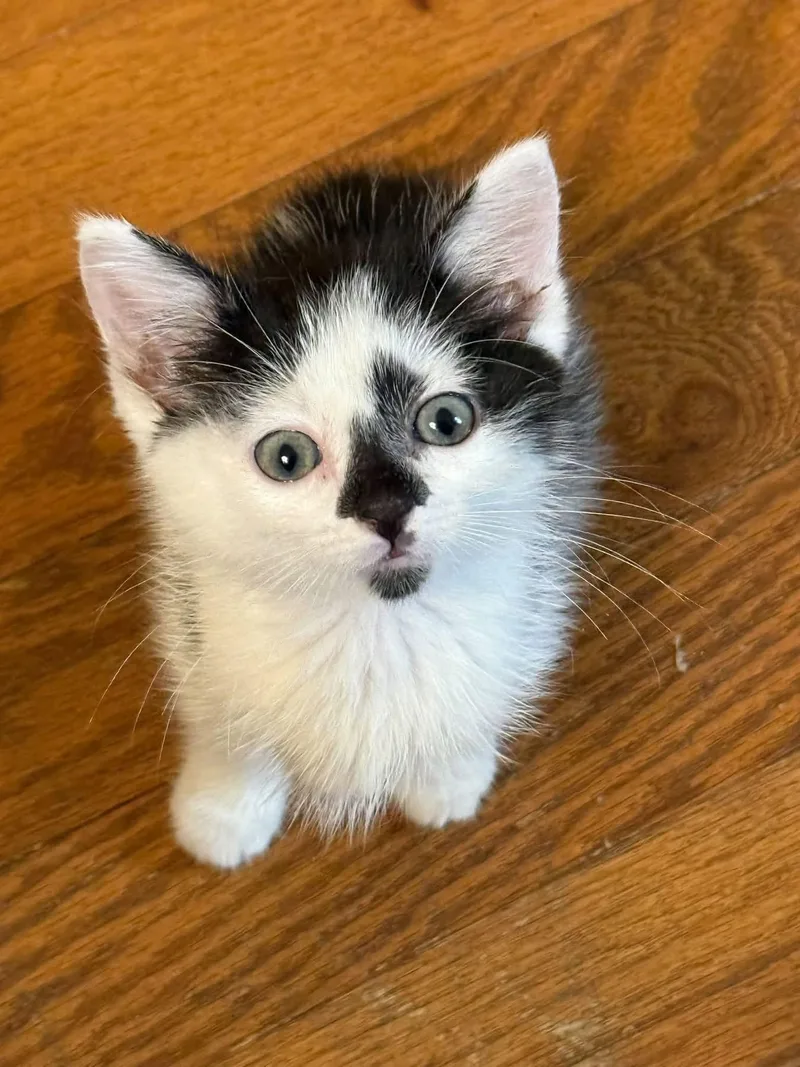
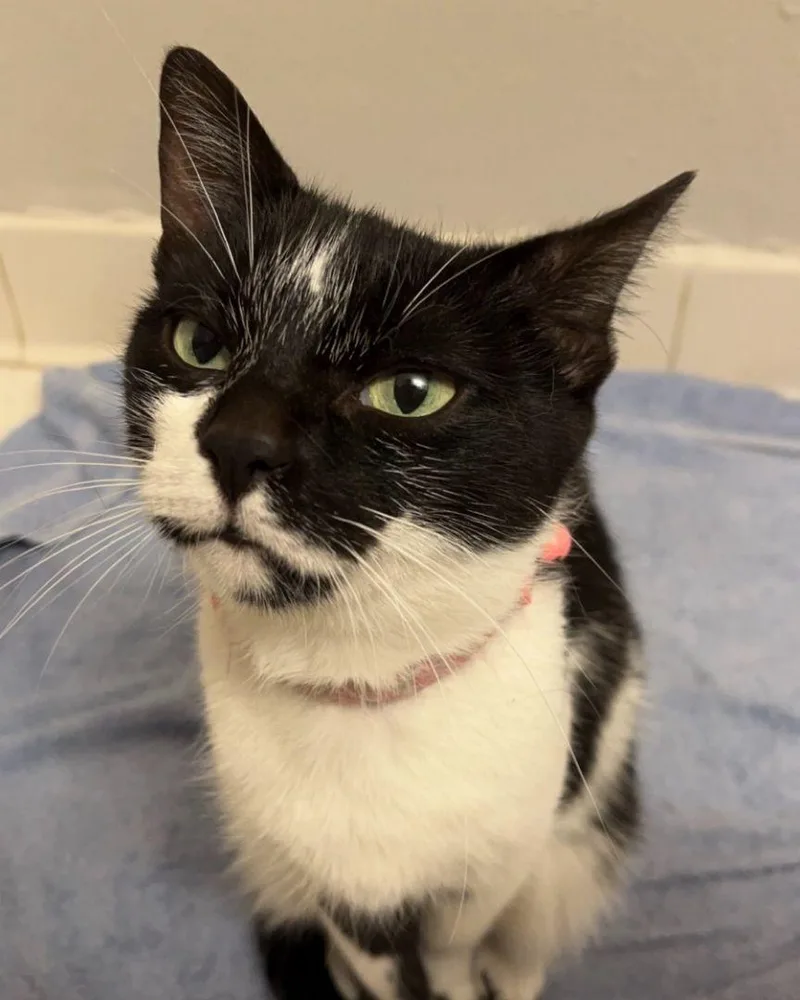
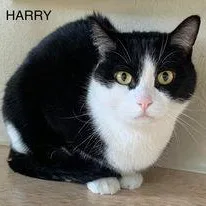
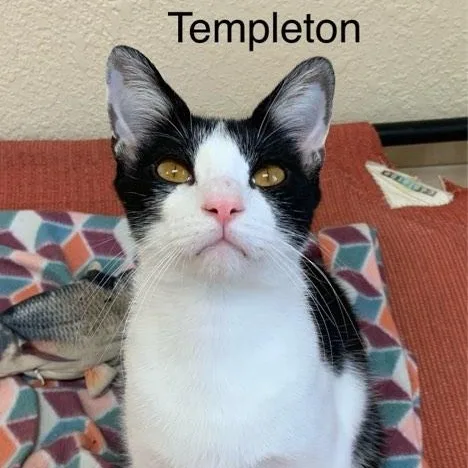
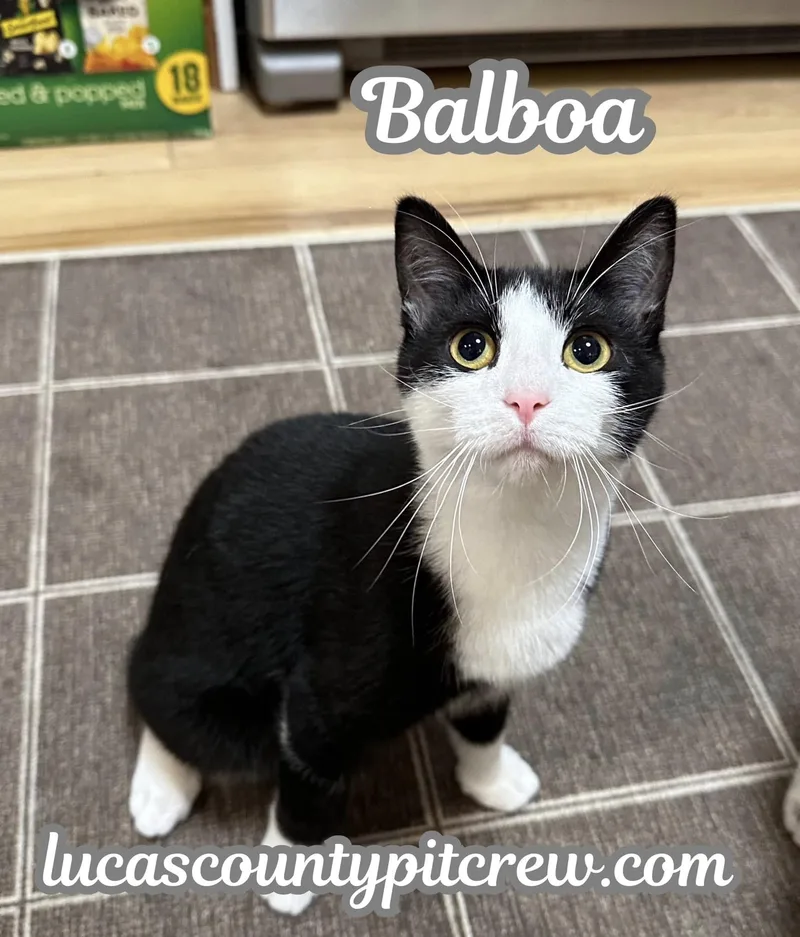
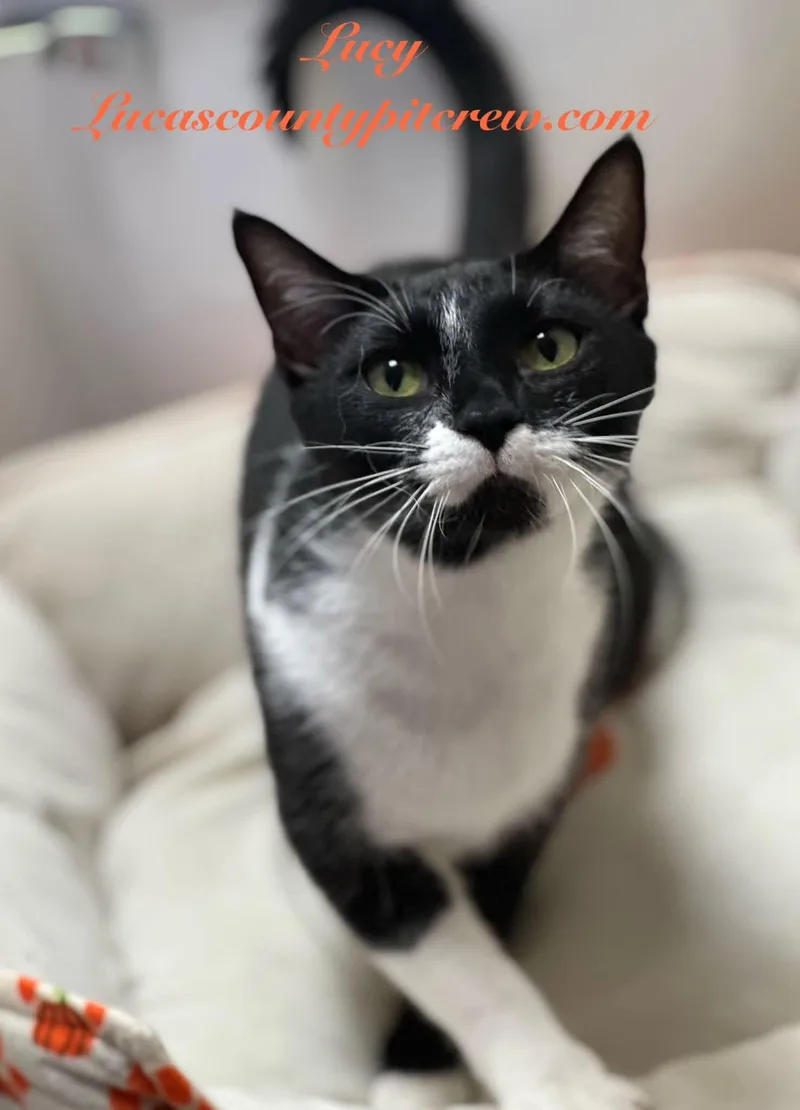
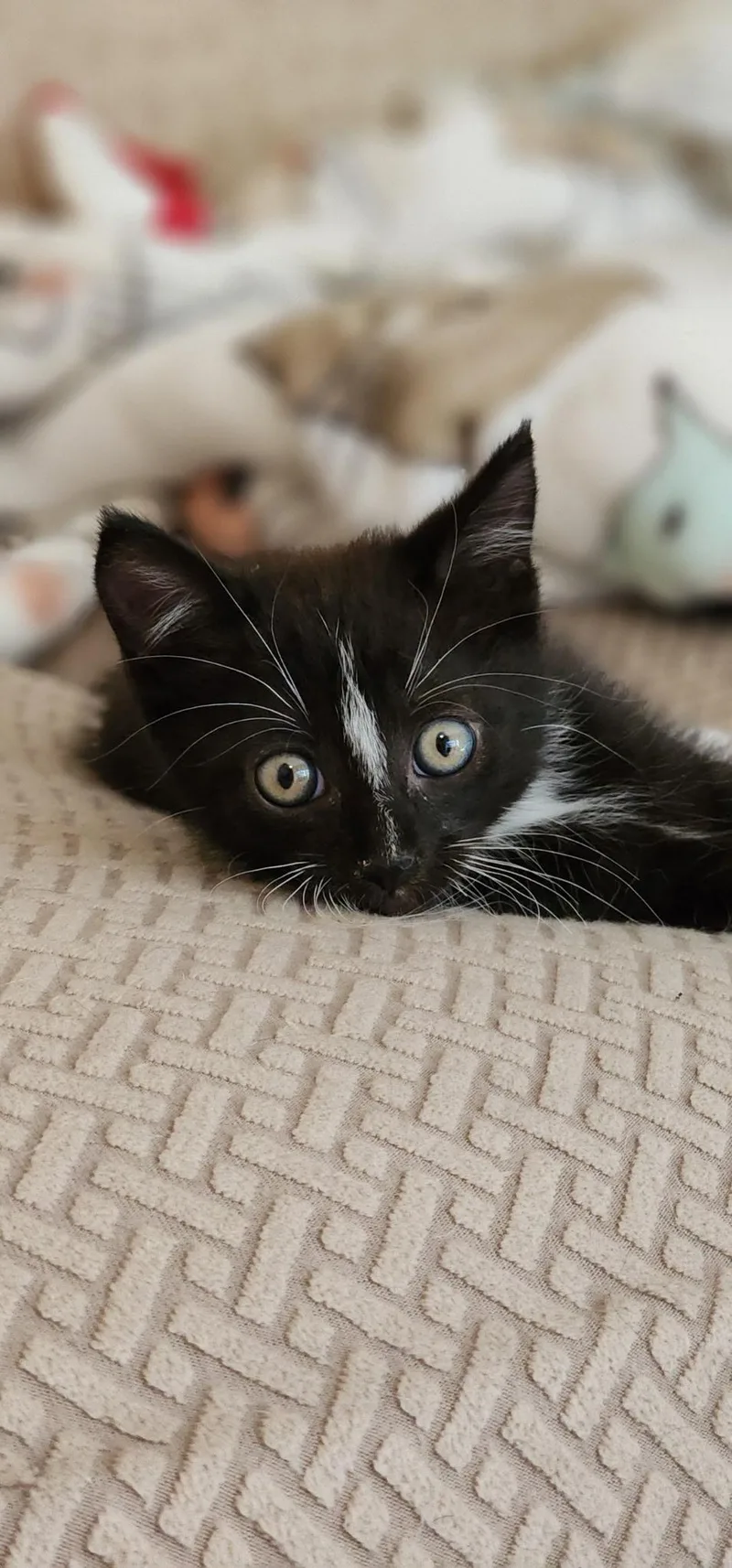
Tuxedo describes a coat pattern, not a breed: a bicolor cat, usually black and white, with a white chest that looks like a shirtfront and often white paws or chin. Grey-and-white tuxedos exist too. The pattern comes from white spotting in the KIT gene, and because it isn't sex-linked, males and females are about equally common.

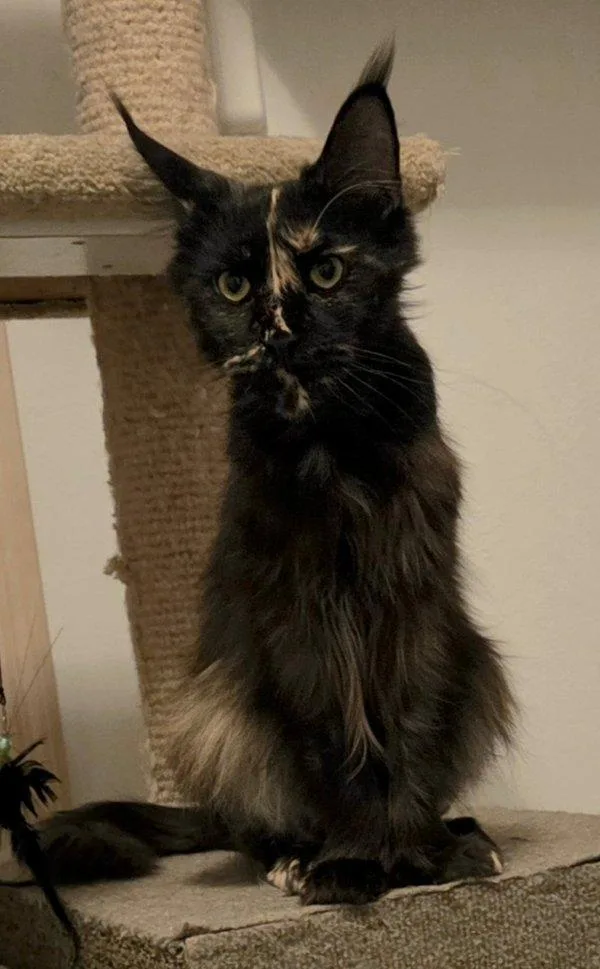
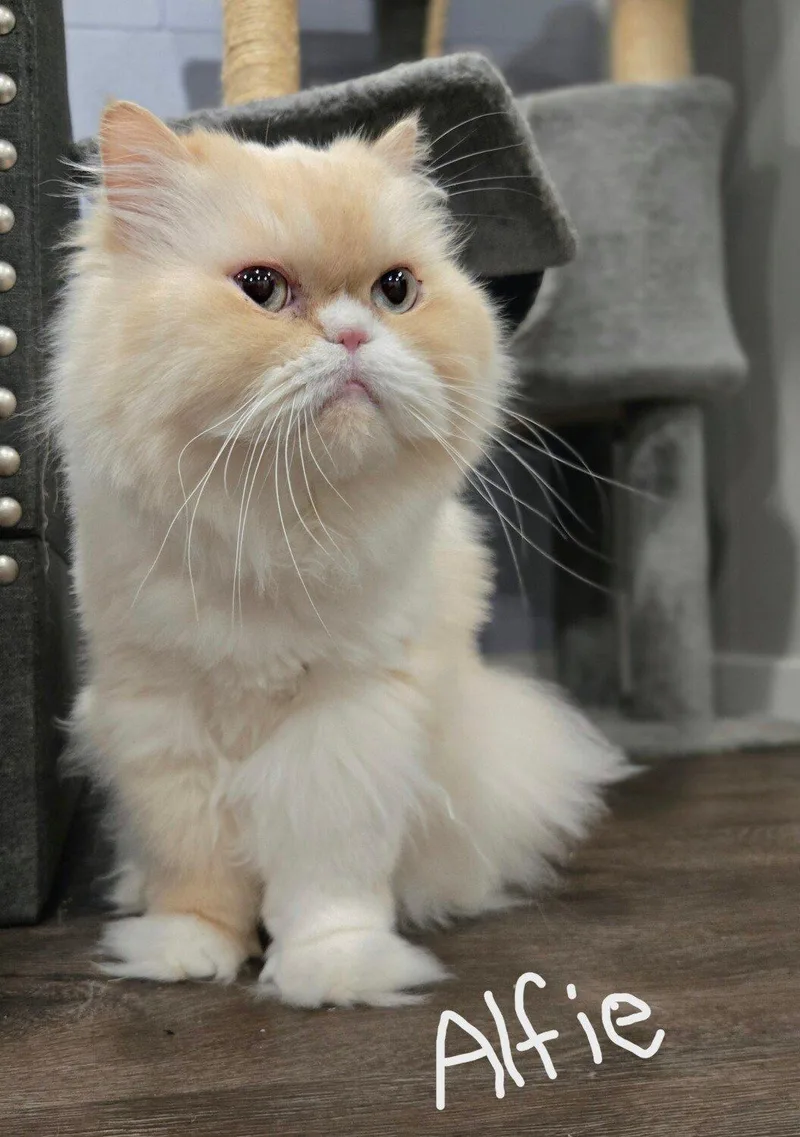
Most tuxedos are domestic shorthairs, though the pattern also turns up in breeds like the Maine Coon and Persian. Weight usually falls between 6 and 14 pounds, and lifespans of 12 to 18 years are common, so adopting one is a long commitment. Color doesn't set personality, so meet the cat in front of you rather than relying on tuxedo folklore.

Weight
6–14 lbs
Height
8–10 in
Lifespan
12–18 yrs
Temperament
Adaptable, Playful, Affectionate
Shedding
Moderate

Owning a Tuxedo in Kenosha

Having a Tuxedo in Kenosha

Markings tell you little about a cat. Coat length, age, energy and history shape daily care, and in Kenosha the long winters and the mix of houses and small apartment buildings make indoor enrichment the main practical concern.

Temperament

Tuxedos range from outgoing, talkative cats to reserved ones who prefer a quiet corner, and the pattern doesn't predict which. Many adjust well to children and other pets with patient introductions. In Kenosha's duplexes and small apartment buildings, a cat's comfort with hallway noise and close neighbors is worth watching.
Exercise Needs

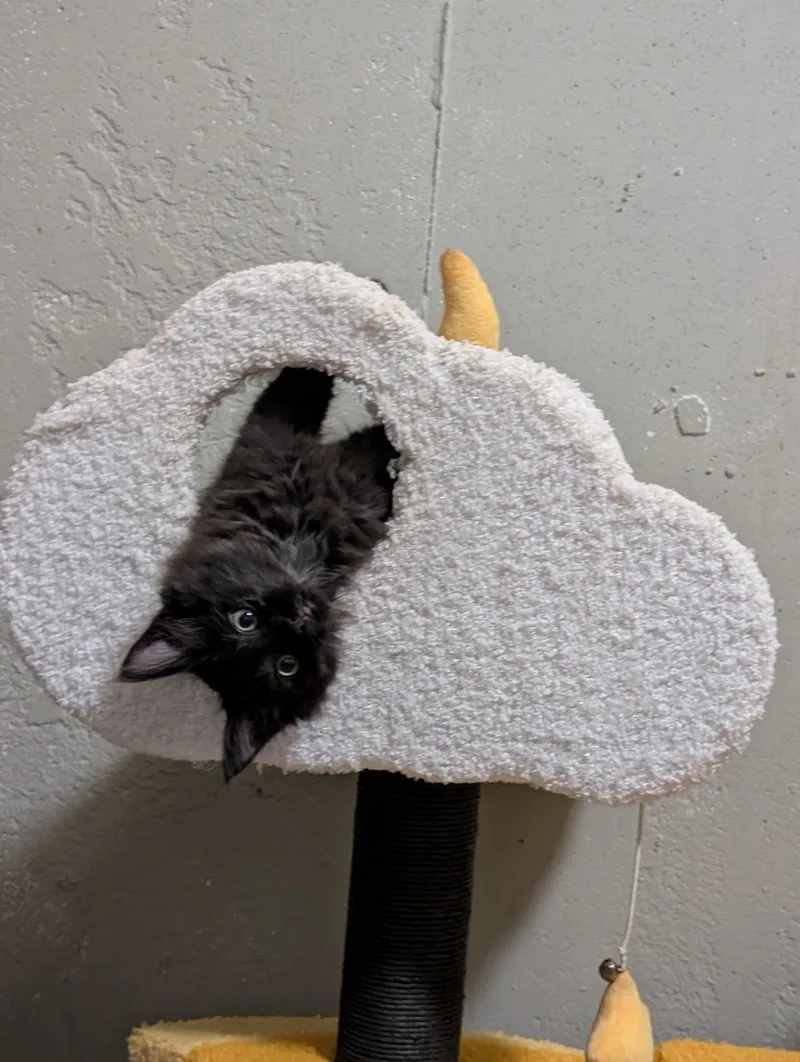
Daily play with wand toys, puzzle feeders and chasing games keeps indoor cats fit. Kittens may want several short bursts, while seniors prefer gentler sessions. Kenosha's long freezing stretch keeps cats inside more, so window perches, cat trees and climbing shelves help burn energy. A secure enclosed patio adds safe fresh air.

Health Considerations

The tuxedo pattern carries no known health risk. Cats of any coat can face dental disease, obesity, urinary problems and, with age, kidney disease, diabetes or hyperthyroidism. A tuxedo with a pedigreed ancestor may carry that breed's conditions. Kenosha requires cats to have current rabies vaccination, so it's part of routine care, and a veterinarian can check the rest.

Living Space

Tuxedos usually do well in Kenosha's single-family homes, duplexes and apartments alike. Vertical space, scratching surfaces, hiding spots and clean litter boxes matter more than square footage. Keep window screens secure on upper floors, and keep cats indoors or in an enclosure to protect them from traffic and the coyotes seen in some city neighborhoods.

What it costs to own a Tuxedo in Kenosha

ExpenseTypical costPer year
Food$25 to $50 per month$300 to $600
Pet insurance$20 to $45 per month$240 to $540
Routine vet care$150 to $350 per year$150 to $350
Other*$450 to $1,150 per year$450 to $1,150
Estimated yearly total (after year one)$1,140 to $2,640

Other costs are estimates and vary with size, age and health.

* Litter, flea prevention, a dental cleaning allowance, toys and supplies, home grooming, and the annual Kenosha cat license.

Adopt a Tuxedo in Kenosha.

Now that you know more, let’s find you a new best friend. These rescues and shelters below currently have Tuxedos available.

Rescues in Kenosha with Tuxedos Available

Kenosha's rescue community cares for cats of every coat and age, and the animals listed here change often. Here are the rescues & shelters in the Kenosha area where you can find Tuxedos and other cats available for adoption.

Frequently Asked Questions

Yes, you can adopt a Tuxedo cat in Kenosha as long as you stay within local rules. Cats must be licensed every year and have a current rabies vaccination, and a household is limited to three dogs and cats combined over five months old, or five with a pet fancier permit. No breed restriction is known, and tuxedo is a coat pattern anyway.

Yes, a Tuxedo handles a Kenosha winter well as an indoor cat. About 120 to 135 nights a year reach freezing and roughly 36 inches of snow falls near the lake, so the risk is outdoor exposure, not indoor living. Keep the home draft-free, offer warm beds and window perches, add play for cabin days, and keep a microchip current in case a cat slips out.

Yes, a Tuxedo can ride if it's in a carrier. Kenosha Area Transit buses and the downtown streetcar reportedly allow only service animals or pets in cages that fit on your lap, so a lap-size carrier is the safe plan. Metra trains toward Chicago allow small pets in enclosed carriers, though crews can refuse them on crowded trains. Confirm current rules before riding.

Yes, a Tuxedo can live happily in a Kenosha apartment. About 41% of households rent, and many buildings are duplexes or small apartment buildings where a cat's quiet habits fit well. Provide a cat tree, scratching posts and a clean litter box, and get pet terms in writing before signing. The three-pet household limit applies regardless of your lease.

Most Tuxedos need only a weekly brushing, since many are shorthairs with moderate shedding, while longhaired ones need brushing several times a week. In Kenosha, shedding often picks up in spring and fall, and dry heated air in winter can leave skin flaky, so keep brushing regular. Home grooming costs little and sits well within the yearly other costs shown above.

We have 1 rescue with Tuxedos available: Specialty Purebred Cat Rescue. You can see every rescue with Tuxedos available in the list above these questions, or scroll to the top to see the Tuxedos near Kenosha.

A tuxedo in Kenosha typically runs about $1,140 to $2,640 a year in total, counting food, optional insurance, routine vet care and other costs such as litter. Food is $25 to $50 a month, insurance $20 to $45, routine vet care $150 to $350 a year, and other costs $450 to $1,150 a year.