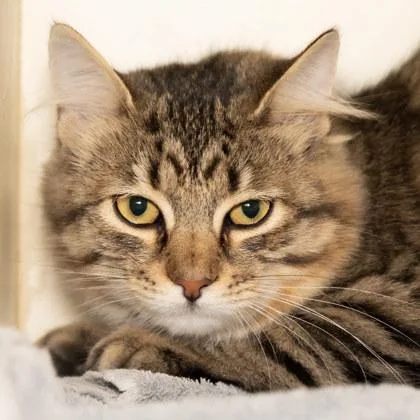
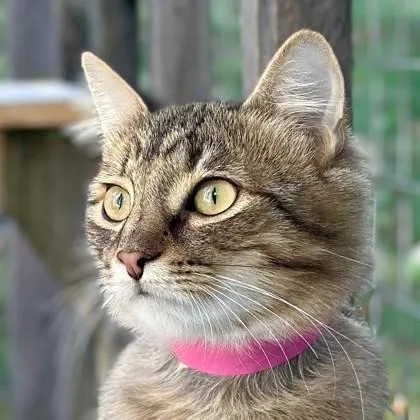
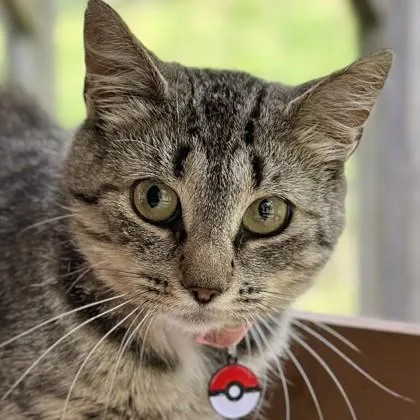
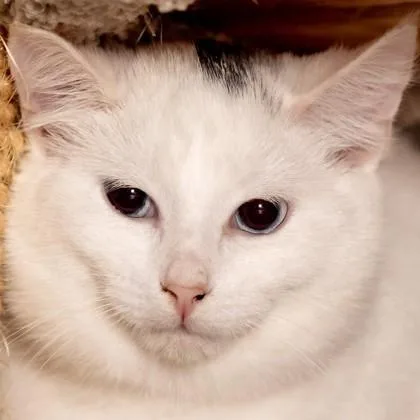
Domestic Medium Hair Cats for Adoption in Kenosha, WI

Your guide to finding and caring for a Domestic Medium Hair in Kenosha

A Domestic Medium Hair fits Kenosha's older duplexes and small apartment buildings well, because these cats are happy with a sunny window and a few good perches. In Uptown or Allendale, where many homes date to the early 1900s, a fluffy cat can watch the street from a sill for hours. The longer coat takes a few brushing sessions a week, and January wind off the lake is a good reason to keep them indoors. Expect plenty of fur on the couch in spring.

11280 Domestic Medium Hairs available in Kenosha and nationwide

Meet your next Domestic Medium Hair

Domestic Medium Hairs Available for Adoption Near Kenosha

About the Domestic Medium Hair breed

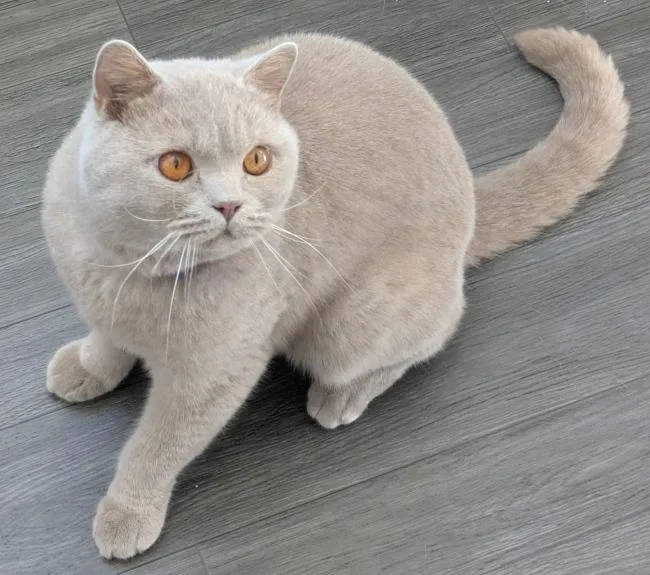
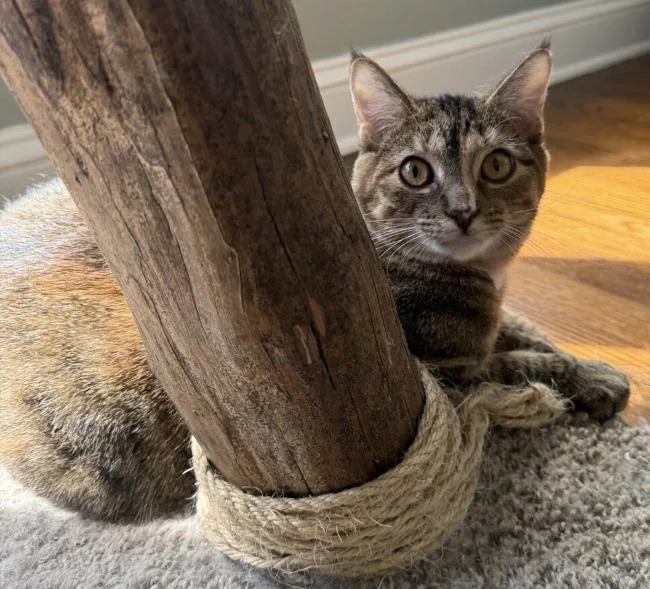
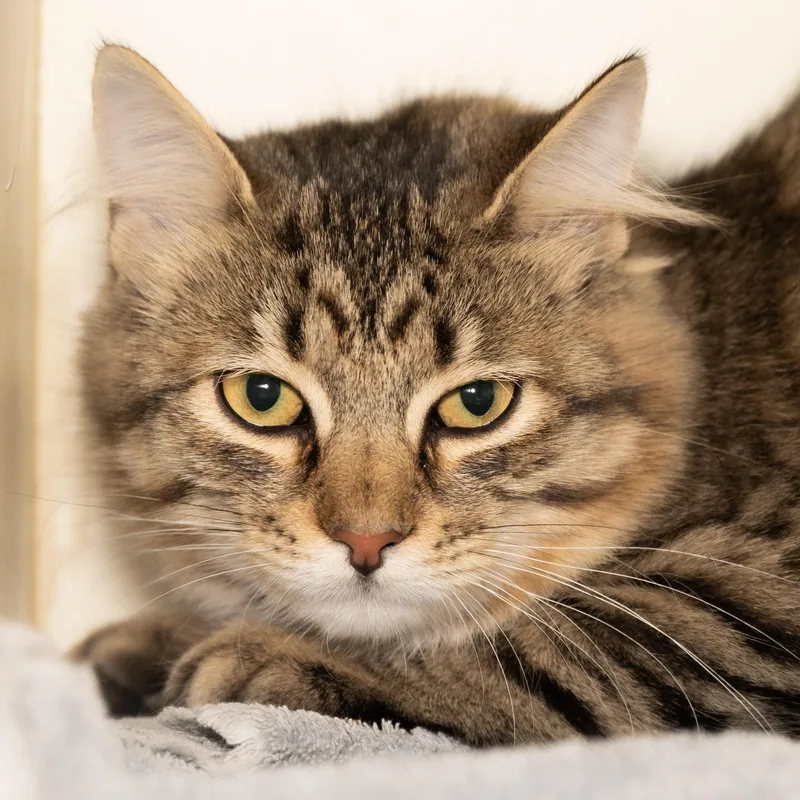
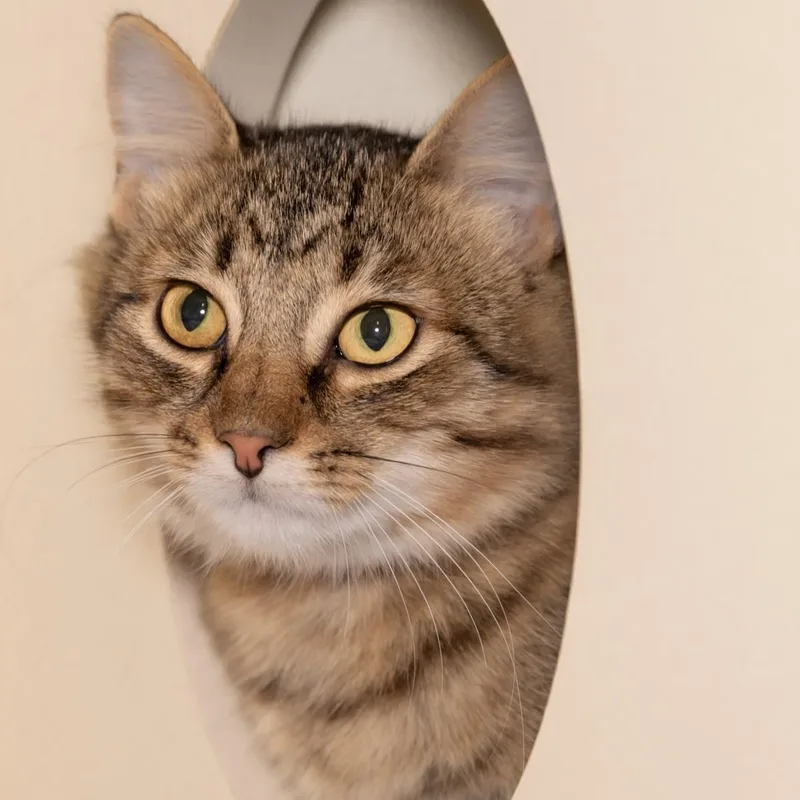
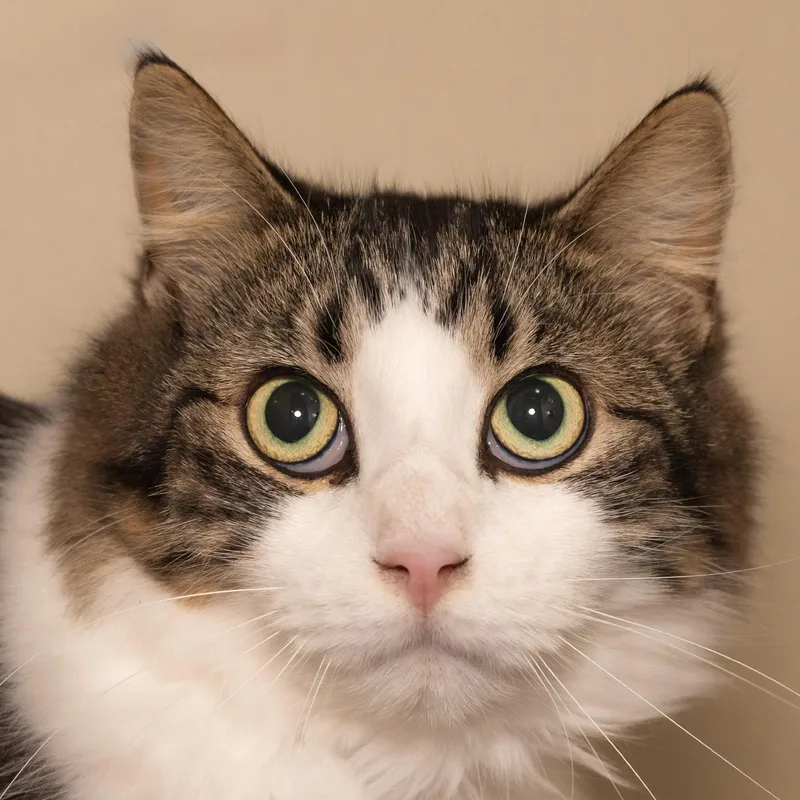
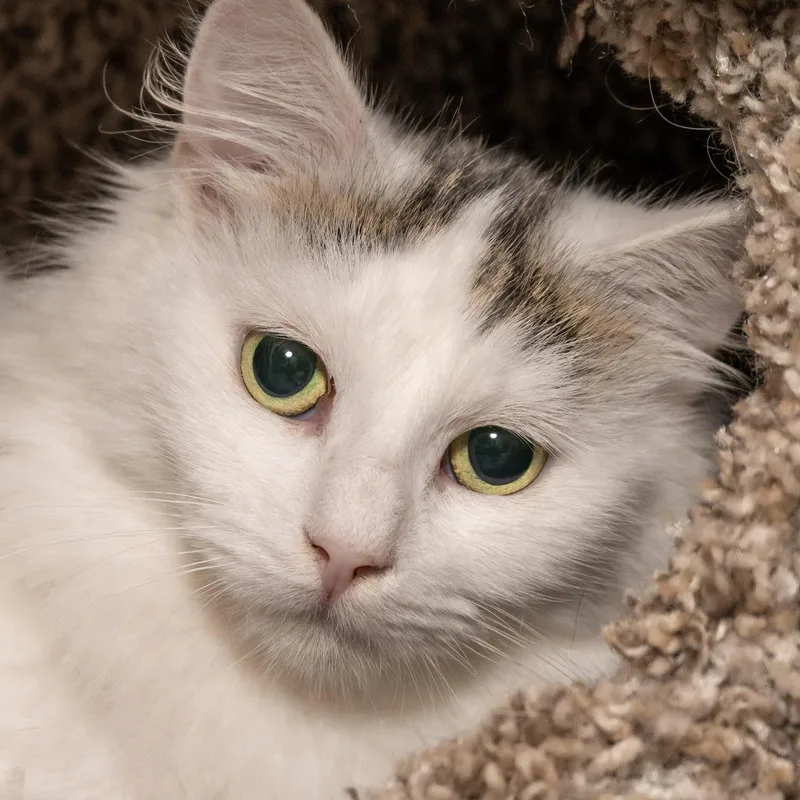
Domestic Medium Hair is a coat description rather than a breed. The label covers mixed-ancestry house cats whose fur falls between short and long, usually with a plumed tail, tufts between the toes and a soft undercoat, and it shows up in every color and pattern. Most weigh 6 to 14 pounds and live 12 to 18 years.

Because ancestry is mixed, size, personality and health vary from one cat to the next, so a cat's age and history say more than its coat. Adopters in Kenosha should plan on indoor living, since traffic and the coyotes seen in some city neighborhoods make outdoor roaming risky, and on brushing that picks up in spring and fall when the undercoat sheds.

Weight
6–14 lbs
Height
8–10 in
Lifespan
12–18 yrs
Temperament
Adaptable, Affectionate, Curious
Shedding
Moderate to High

Owning a Domestic Medium Hair in Kenosha

Having a Domestic Medium Hair in Kenosha

A Domestic Medium Hair's traits come from mixed ancestry, upbringing and age, so the range is wide. In Kenosha, the main practical points are indoor enrichment through long winters and regular brushing for the fuller coat.

Temperament

Personalities run from shy lap cats to bold, chatty explorers, since temperament follows each cat's genes and early experiences, not coat length. Many are adaptable and affectionate once settled, which suits Kenosha's mix of apartments and family homes. A cat's past with children and other pets tells you more than its looks.

Exercise Needs

Most have typical house-cat energy: bursts of chasing and climbing between long naps. Two or three play sessions a day with wand toys, balls or treat puzzles keep them fit, and they matter even more when snow keeps windows closed for months. Kittens need more play, while seniors prefer gentler games and warm spots.

Health Considerations

Mixed ancestry gives many of these cats good genetic diversity, but dental disease, obesity, urinary problems and kidney disease in older age still turn up. The fuller coat can cause hairballs and mats without brushing. Yearly checkups, vaccines, dental care and weight control help, and a veterinarian can assess any cat's health after adoption.

Living Space

These cats adapt to apartments and houses alike if they have scratching posts, perches, hiding spots and regular play. A shy cat appreciates a quiet room at first. Keeping them indoors is safest in Kenosha; a window perch or enclosed catio gives outdoor interest without traffic, coyotes or winter cold.

What it costs to own a Domestic Medium Hair in Kenosha

ExpenseTypical costPer year
Food$25 to $50 per month$300 to $600
Pet insurance$20 to $45 per month$240 to $540
Routine vet care$150 to $350 per year$150 to $350
Other*$500 to $1,250 per year$500 to $1,250
Estimated yearly total (after year one)$1,190 to $2,740

Other costs are estimates and vary with size, age and health.

* Litter, the annual Kenosha cat license, flea prevention, a dental cleaning allowance, supplies and toys, and brushing tools for a semi-long coat.

Adopt a Domestic Medium Hair in Kenosha.

Now that you know more, let’s find you a new best friend. These rescues and shelters below currently have Domestic Medium Hairs available.

Rescues in Kenosha with Domestic Medium Hairs Available

The Wisconsin Humane Society's Kenosha Campus, the county's only open-admission shelter, spays, neuters and microchips every pet before adoption. Here are the rescues & shelters in the Kenosha area where you can find Domestic Medium Hairs and other cats available for adoption.

Frequently Asked Questions

Yes, and no known Kenosha rule restricts Domestic Medium Hairs, since the label describes a coat rather than a breed. The main limit is household size: the city allows three dogs and cats combined over five months old per person, or five with a pet fancier permit. Licensing and rabies requirements apply to every cat.

Yes, most do well in apartments because they're moderately active and content with indoor routines. Give the cat a window perch, a tall scratching post and daily play, which matters through the long winters. Before you apply, read the lease for pet fees or limits, since landlords set their own terms.

Yes, as indoor cats they handle it comfortably. Kenosha sees about 120 to 135 freezing nights a year and 7 to 10 below zero, so the fuller coat isn't a reason to let a cat outside. Keep them in, offer warm resting spots, and keep play sessions going when the weather limits window time.

Plan on brushing two or three times a week, and daily during spring and fall when the undercoat sheds. Check the armpits, belly and behind the ears for mats. Home brushing costs little, and a professional groom is optional; either way it fits within the yearly Other costs listed above.

Usually only in a secure carrier. Kenosha Area Transit's buses and streetcar have allowed just service animals or pets in cages that fit on your lap, and Metra allows small pets in enclosed carriers on a lap or under the seat, though crews can refuse them on crowded trains. Confirm current rules before riding.

No, plan to leave your cat at home. Wisconsin's food code lets restaurants allow dogs, and only dogs, on outdoor patios that meet certain conditions, so cats aren't covered. A carrier is best saved for veterinarian visits, and most cats are calmer in a familiar room than in a noisy dining area.

Usually, yes, for adopters who want an adaptable indoor cat. It needs no yard, copes with Kenosha's cold months indoors, and enjoys a window with a view of the street. The fuller coat means regular brushing, and each cat's personality varies. Save a search on this page to hear when new cats are listed.

Major cat registries recognize anywhere from roughly 45 to more than 70 pedigreed breeds, depending on the registry, with counts changing as new breeds are accepted. Most pet cats, however, belong to no breed at all. Domestic shorthair, medium hair and longhair are coat descriptions for these mixed-ancestry cats, not breeds.

We have 1 rescue with Domestic Medium Hairs available: Kenosha Forgotten Friends,Inc. You can see every rescue with Domestic Medium Hairs available in the list above these questions, or scroll to the top to see the Domestic Medium Hairs near Kenosha.

Plan on food at $25 to $50 a month, insurance at $20 to $45 a month, and routine vet care of $150 to $350 a year. Other yearly costs of $500 to $1,250 cover litter, flea prevention, dental care, supplies and brushing. Together that's roughly $1,200 to $2,750 a year, depending on the cat's size, age and coat.

Explore Other Breeds in Kenosha

Looking for a different breed? Browse other cats available for adoption in Kenosha.