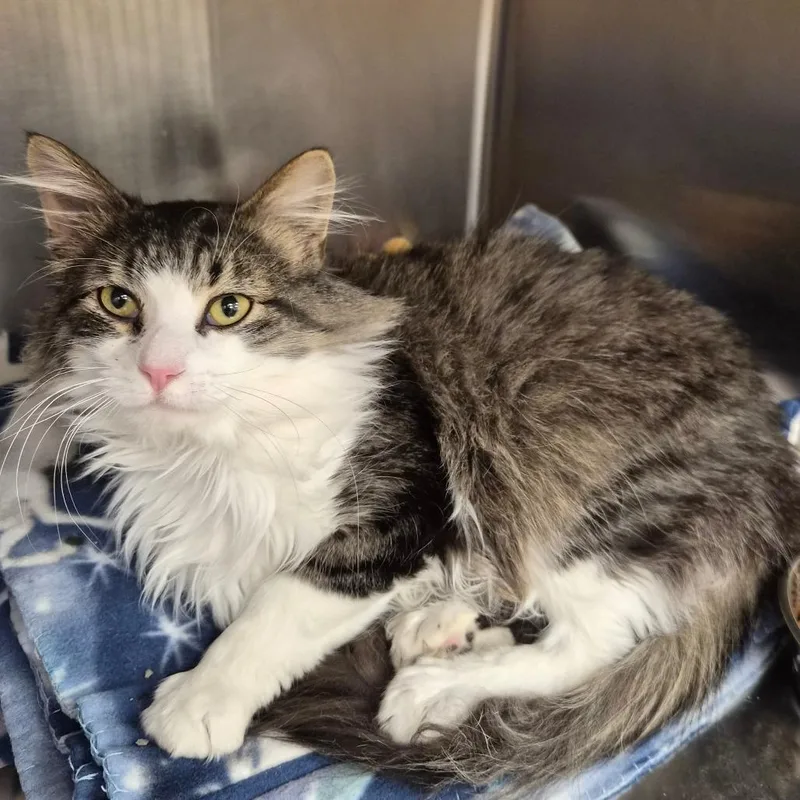
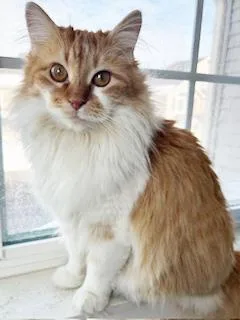
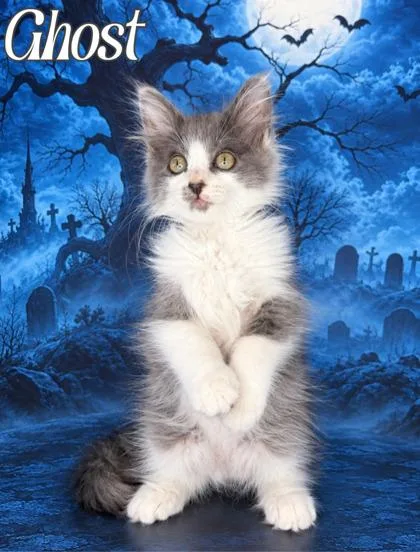
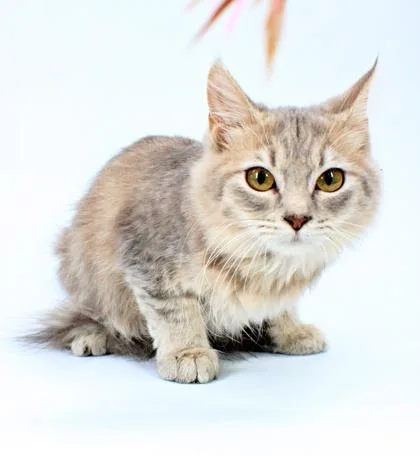
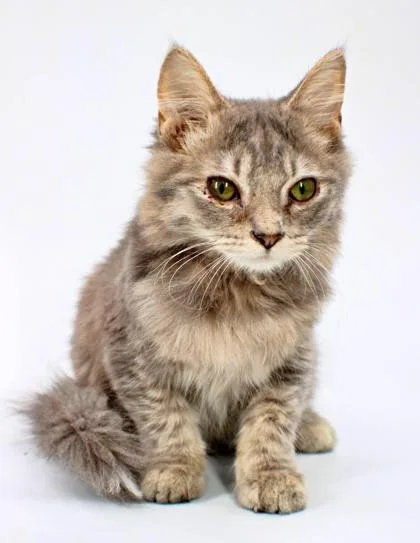
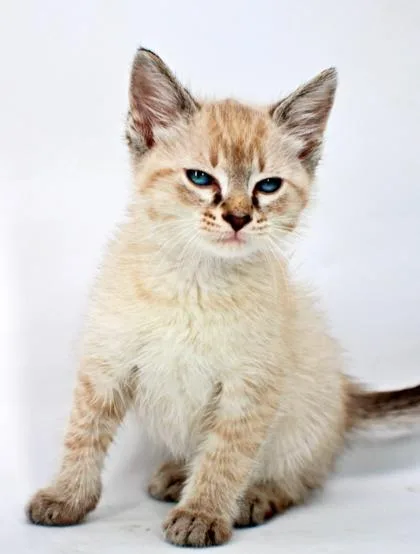
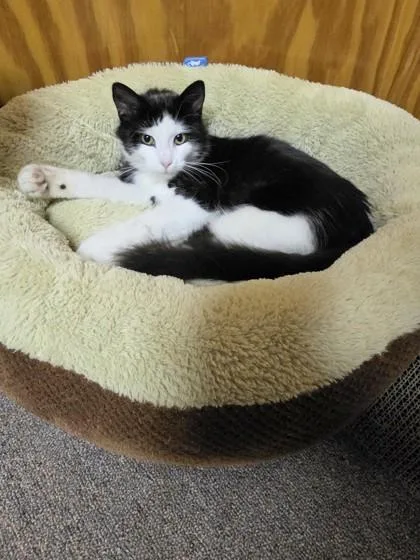
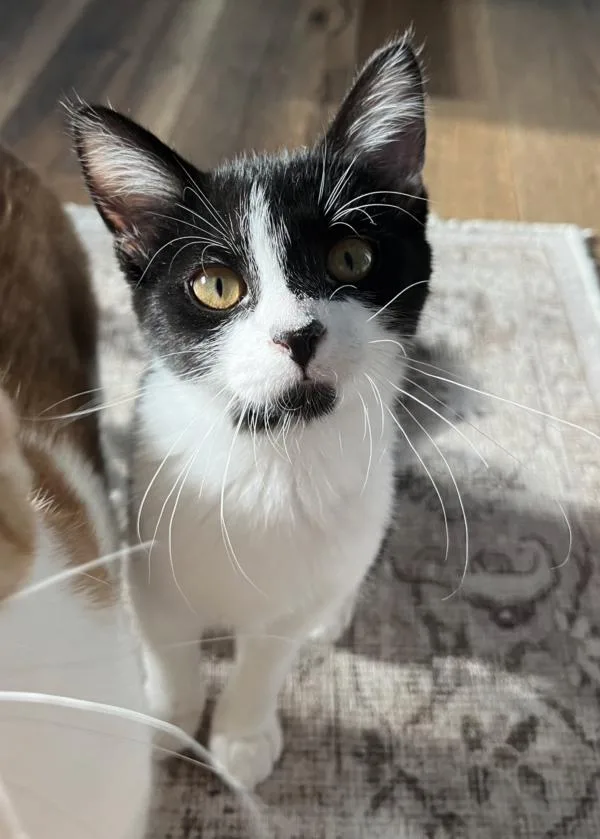
Domestic Long Hair Cats for Adoption in Kenosha, WI

Your guide to finding and caring for a Domestic Long Hair in Kenosha

Domestic Long Hairs fit easily into Kenosha's mix of single-family homes, duplexes and lakefront condos. A cat can claim a sunny window in an Uptown duplex or watch boats from a HarborPark condo, and that thick coat doesn't mind a windy January from the warm side of the glass. These cats aren't a breed, just fluffy cats in every color and temperament, so personalities vary. Plan on brushing a few times a week and a cozy perch by the window.

6500 Domestic Long Hairs available in Kenosha and nationwide

Your Domestic Long Hair is waiting

Domestic Long Hairs Available for Adoption Near Kenosha

About the Domestic Long Hair breed

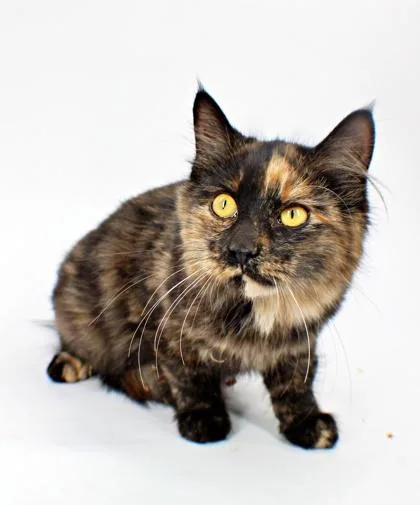
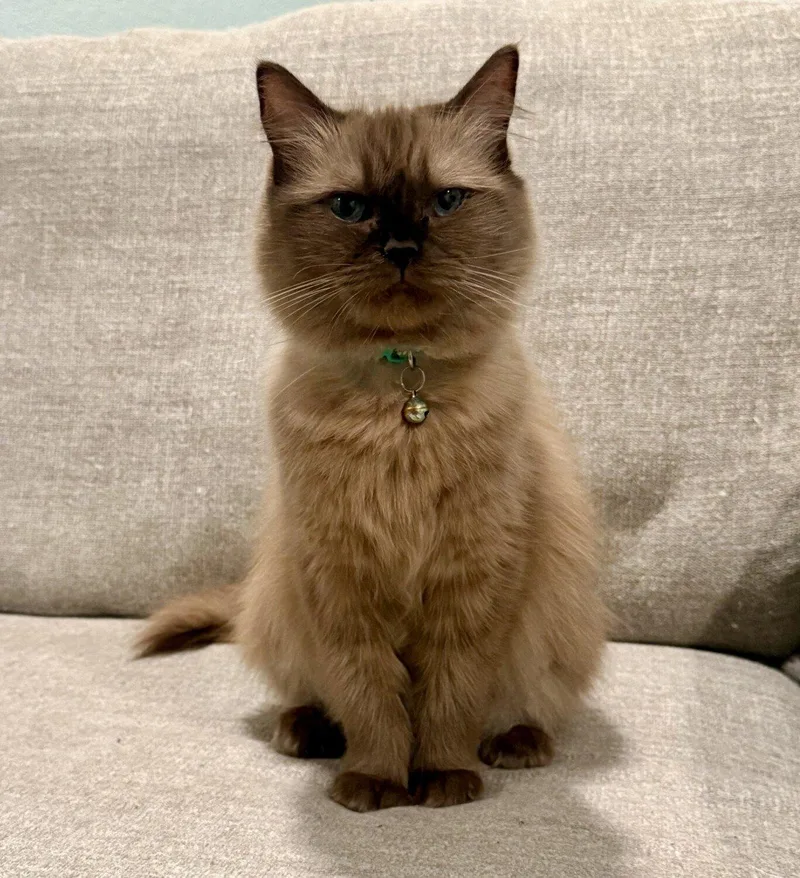
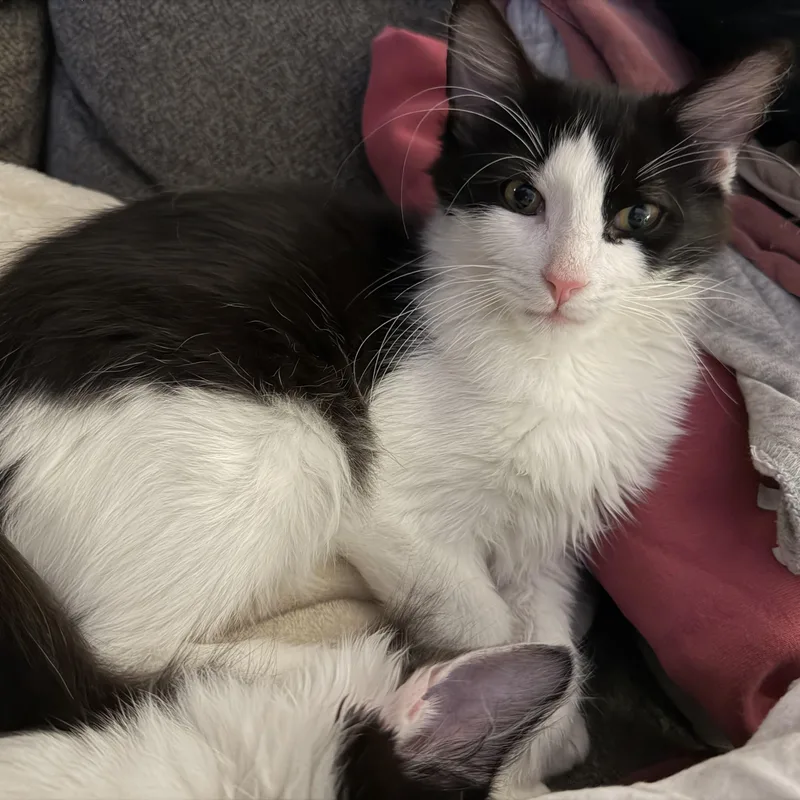
Domestic Long Hair is a coat description, not a breed. It's the label used for mixed-ancestry cats with medium to long fur, and they come in every color and pattern, from tabby and calico to smoke and solid black. Some resemble Maine Coons or Persians without sharing that ancestry. Adults typically weigh 8 to 15 pounds, and the fur can make them look even bigger.

In Kenosha, where long winters keep most cats indoors, the coat matters more than the label. Expect to brush a few times a week, and more during heavy shedding, to prevent mats and hairballs. Personality comes from each cat's history and socialization, so spend time with a cat before deciding. Mixed ancestry tends to bring good genetic variety, and many of these cats live 12 to 18 years.

Weight
8–15 lbs
Height
8–11 in
Lifespan
12–18 yrs
Temperament
Adaptable, Affectionate, Gentle
Shedding
Moderate to High

Owning a Domestic Long Hair in Kenosha

Having a Domestic Long Hair in Kenosha

Domestic Long Hair describes fur, not a pedigree, so every cat is different. In Kenosha, the questions that matter most are how much brushing the coat needs, how a cat copes with long indoor winters, and whether your home has room to climb and hide.

Temperament

Domestic Long Hairs range from mellow lap cats to bold explorers and shy cats who warm up slowly, so a cat's own history says more than its coat. Many settle into affectionate routines. A cat that enjoys quiet company often suits a duplex or condo in a household with a steady daily rhythm.

Exercise Needs

Two or three short play sessions a day with wand toys or puzzle feeders keep most of these cats fit, which also helps them keep their coats clean. During Kenosha's long winters, indoor play matters even more. Cat trees and window perches overlooking the street add enrichment for cats of any energy level.

Health Considerations

Mats, hairballs and soiled fur are the main coat concerns, especially in older or overweight cats. Dental disease, obesity and kidney disease are common in cats generally, so yearly checkups help. Kenosha requires cats to have current rabies vaccination, and a veterinarian can give it during the same visit as the exam.

Living Space

Domestic Long Hairs do well in apartments and houses alike, given litter boxes, scratching posts, hiding spots and climbing space. Kenosha's housing includes many single-family homes plus duplexes and small apartment buildings, and any of them can work. Indoor life also protects the coat from burrs, traffic and the cold.

What it costs to own a Domestic Long Hair in Kenosha

ExpenseTypical costPer year
Food$25 to $50 per month$300 to $600
Pet insurance$20 to $45 per month$240 to $540
Routine vet care$150 to $350 per year$150 to $350
Other*$500 to $1,250 per year$500 to $1,250
Estimated yearly total (after year one)$1,190 to $2,740

Other costs are estimates and vary with size, age and health.

* Litter, the annual Kenosha cat license, flea prevention, a dental cleaning allowance, toys, scratchers and other supplies, and brushing tools or occasional grooming for the long coat.

Adopt a Domestic Long Hair in Kenosha.

Now that you know more, let’s find you a new best friend. These rescues and shelters below currently have Domestic Long Hairs available.

Rescues in Kenosha with Domestic Long Hairs Available

Kenosha County has one open-admission shelter, and the rescues listed below share their adoptable cats on this page. Here are the rescues & shelters in the Kenosha area where you can find Domestic Long Hairs and other cats available for adoption.

Frequently Asked Questions

Only in a carrier, and only on some services. Kenosha Area Transit buses and the streetcar have been reported to allow service animals or pets in cages that fit on your lap. Metra trains to Chicago allow small pets in enclosed carriers that fit on a lap or under the seat. Rules can change, so confirm current policies before riding.

Yes, as indoor cats. Kenosha sees about 120 to 135 freezing nights a year and roughly 36 inches of snow near the lake, so a long coat helps indoors but doesn't make outdoor time safe. Keep a warm perch away from drafts, brush regularly to prevent mats, and wipe any road salt off paws.

Yes. Kenosha has no known breed restrictions, and Domestic Long Hair is a coat type rather than a breed. Cats must be licensed every year and have current rabies vaccination. Each household can have up to three dogs and cats combined over five months old, or five with a pet fancier permit.

Yes, most do well in apartments. Roughly four in ten Kenosha households rent, and duplexes and small apartment buildings are common. Give the cat a litter box, scratching post, hiding spot and a window perch. Read your lease for pet fees or limits, and remember the three-pet household limit applies regardless of lease.

Plan on brushing a few times a week, and daily during spring and fall shedding. Dry indoor air in winter can add static and mats, especially around the belly and hindquarters. Most owners handle this at home, and the grooming supplies or occasional professional trim fit within the Other cost range of $500 to $1,250 a year.

You can usually tell a kitten will have long hair by about three to four weeks old, when its fur looks noticeably fluffier than its littermates'. Look for longer tufts on the ears, between the toes and on the tail, plus a softer, fuller coat overall. The full adult coat, ruff and tail plume can take one to two years to develop.

Yes, long hair is a recessive trait in cats. A kitten needs two copies of a long-hair variant, usually in the FGF5 gene, one from each parent, to grow a long coat. Two shorthaired parents can produce longhaired kittens if both carry the variant, while a longhair bred to a cat with two short-hair copies produces only shorthaired kittens.

Domestic Long Hair cats commonly live about 12 to 18 years, and many indoor cats reach their late teens or beyond. Mixed-breed cats have broad genetic diversity, and UK veterinary research found non-pedigree cats lived longer than purebreds on average. Indoor living, a healthy weight, dental care and regular checkups make the biggest difference.

We have 1 rescue with Domestic Long Hairs available: Specialty Purebred Cat Rescue. You can see every rescue with Domestic Long Hairs available in the list above these questions, or scroll to the top to see the Domestic Long Hairs near Kenosha.

A Domestic Long Hair in Kenosha typically costs about $1,200 to $2,750 a year. That adds up food at $25 to $50 a month, insurance at $20 to $45 a month, routine vet care at $150 to $350 a year, and other costs at $500 to $1,250 a year, including litter, grooming and the cat license.