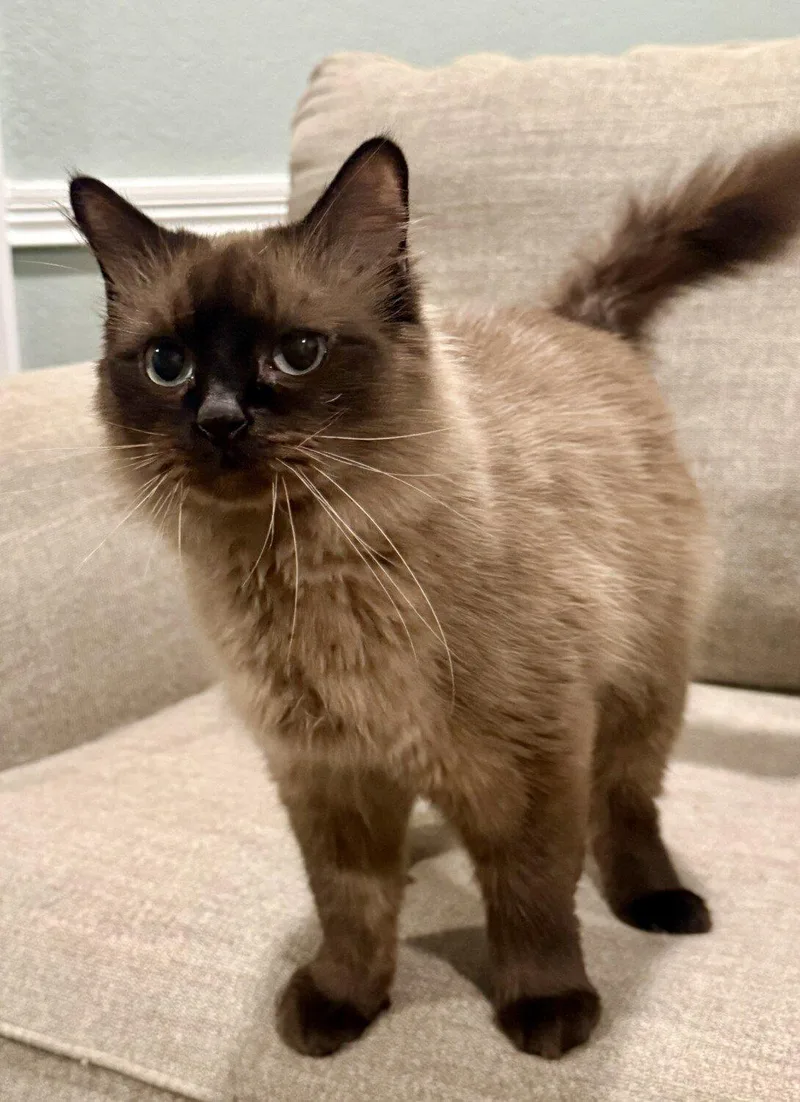
Cornish Rex Cats for Adoption in Kenosha, WI

Your guide to finding and caring for a Cornish Rex in Kenosha

A Cornish Rex suits a Kenosha duplex or Uptown apartment better than a drafty porch. These lean, curly-coated cats want to be wherever you are, so a flat near Lincoln Park or a bungalow in Allendale gives them windowsills to claim and people to follow. The thin coat means they run cold, and Kenosha's windy winters make a heated bed more than a luxury. Expect a playful cat that fetches, climbs and wants company in the evenings.

16 cats similar to Cornish Rex available in Kenosha and nationwide

Fall for a Cornish Rex

While we don't have enough cats near Kenosha, keep in mind that many rescues may offer transport.

Cornish Rexes and Similar Breeds Available for Adoption Near Kenosha

About the Cornish Rex breed

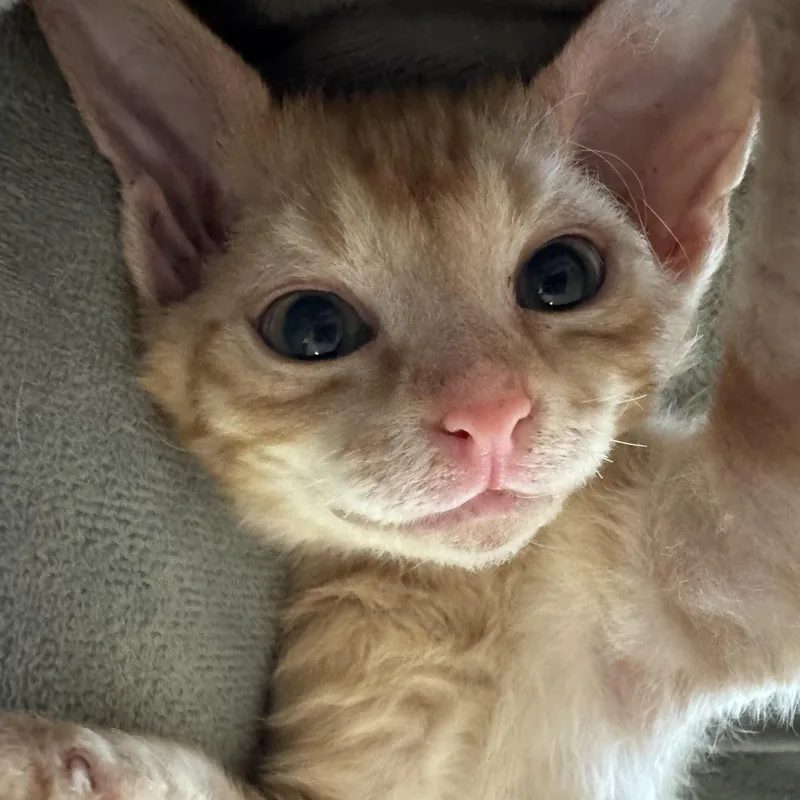
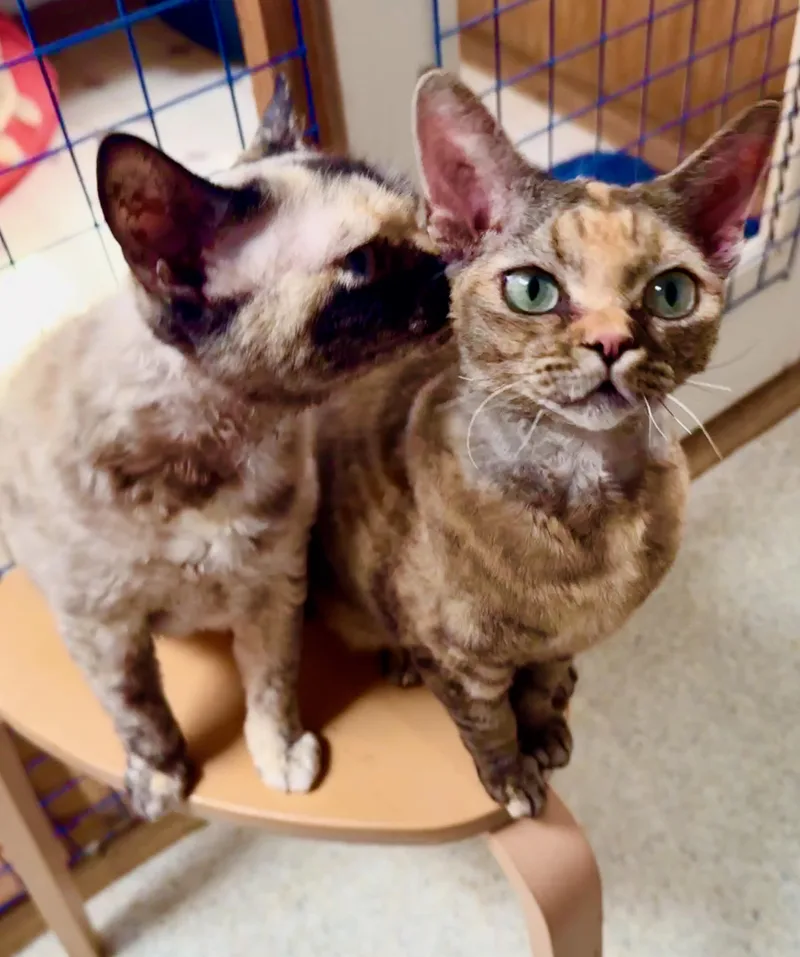
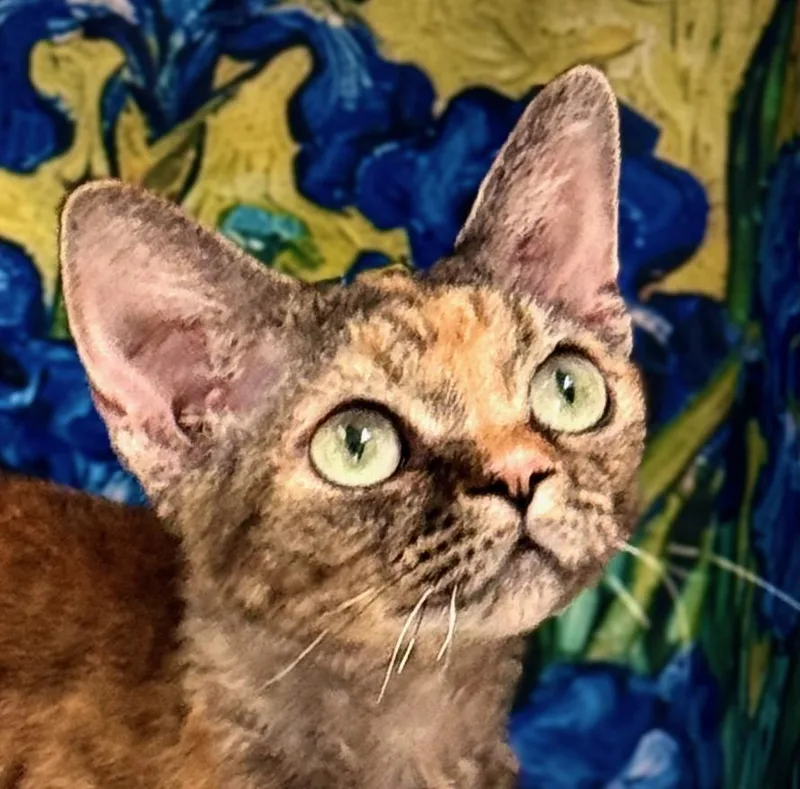
The Cornish Rex began in 1950 on a farm in Cornwall, England, when a curly-coated kitten named Kallibunker was born. The curls come from a natural recessive mutation, and the coat is only the soft down layer, with no guard hairs. It lies in tight waves that feel like warm suede. Add a lean, arched body, long legs, an egg-shaped head and very large ears, and the look is hard to mistake.

Many Cornish Rex cats stay playful well into adulthood, fetching toys and following their people from room to room. In Kenosha, that pairs well with a home where someone is around in the evenings. The coat sheds little but gives almost no protection from cold or sun, so indoor living, warm resting spots, occasional baths and regular ear cleaning matter. They aren't truly hypoallergenic, and personalities vary from cat to cat.

Weight
6–10 lbs
Height
8–12 in
Lifespan
11–15 yrs
Temperament
Active, Affectionate, Playful, Curious
Shedding
Low

Owning a Cornish Rex in Kenosha

Having a Cornish Rex in Kenosha

A Cornish Rex pairs a busy, people-loving personality with a delicate coat. In Kenosha, that means plenty of play and company indoors, a warm spot to retreat to when the lake wind blows, and routine skin and ear care.

Temperament

Cornish Rex cats are often curious, affectionate and eager to be part of whatever you're doing, which suits a Kenosha household where someone is home in the evenings. Many enjoy visitors and cat-friendly dogs after slow introductions. Some get pushy when bored. A cat's history and comfort level count for more than breed reputation.

Exercise Needs

Plan on several short play sessions a day with wand toys, balls or a game of fetch, plus puzzle feeders to keep the mind busy. Tall cat trees and shelves let a Rex climb and leap even in a small Kenosha apartment. Long winter evenings are a good time for clicker training.

Health Considerations

Hypertrophic cardiomyopathy and progressive retinal atrophy have been reported in the breed, so regular checkups matter, and a veterinarian can listen to the heart and examine the eyes. The thin coat leads to oily skin, ear wax buildup and chill. Many Rex cats have big appetites, so measure portions.

Living Space

A Cornish Rex can fit a Kenosha single-family home, duplex or apartment as long as it has warmth, climbing space and company. Keep it indoors, since the fine coat gives little protection from cold or sun. Heated beds, blankets and sunny windowsills are favorites, and a playmate can help during long workdays.

What it costs to own a Cornish Rex in Kenosha

ExpenseTypical costPer year
Food$20 to $40 per month$240 to $480
Pet insurance$25 to $50 per month$300 to $600
Routine vet care$150 to $350 per year$150 to $350
Other*$500 to $1,350 per year$500 to $1,350
Estimated yearly total (after year one)$1,190 to $2,780

Other costs are estimates and vary with size, age and health.

* Litter, parasite prevention, a dental cleaning allowance, toys and scratchers, bath and ear-care supplies, warm bedding or sweaters for a thin coat, and the annual Kenosha cat license.

Adopt a Cornish Rex in Kenosha.

Now that you know more, let’s find you a new best friend. These rescues and shelters below currently have Cornish Rexes available.

Rescues in Kenosha with Cornish Rexes Available

The Wisconsin Humane Society's Kenosha Campus, the county's only open-admission shelter, serves all of Kenosha County. Here are the rescues & shelters in the Kenosha area where you can find Cornish Rexes and other cats available for adoption.

Frequently Asked Questions

Yes, if the cat travels in a carrier. A small Cornish Rex in a lap-size carrier is the safest bet on Kenosha Area Transit buses and the downtown streetcar, since larger animals are generally limited to service animals. Metra's Union Pacific North line, which ends in Kenosha, also allows small pets in enclosed carriers. Check current KAT and Metra rules before riding.

Yes, as long as they stay indoors. Kenosha sees roughly 120 to 135 freezing nights a year and about 36 inches of snow near the lake, which is far too harsh for a thin-coated Cornish Rex outside. In a warm home with a heated bed, blankets and a sweater if needed, most do fine. Keep beds away from drafts.

Yes. No known Kenosha rule restricts Cornish Rex cats or any other cat breed. Adopters mainly need to keep the cat's annual license and rabies vaccination current and stay within the household pet limit. Renters should also get their landlord's pet policy in writing, and anyone living in a nearby village should know it has its own animal rules.

Yes. A Cornish Rex does well in an apartment, duplex or house if it has climbing space, daily play and company. Kenosha has plenty of duplexes and small apartment buildings, which suit an indoor cat. Prioritize a tall cat tree, a window perch and a warm bed. A second playful pet can help if you're out for long hours.

It can be, if you're home fairly often and keep the house warm. Kenosha's long, windy winters suit a cat that spends them on a heated bed beside you, and mild summers make heat less of a worry. A Rex left alone for long days may get bored, so it fits best with people who enjoy daily play.

Very little brushing, but regular skin and ear care. Plan on occasional baths, since thin coats gather oil, and a weekly ear check for wax. Dry the cat fully afterward and keep it warm, especially in winter, when Kenosha's heating season runs long. Bath and ear-care supplies fall under the yearly Other costs of roughly $500 to $1,350, which also cover litter.

No, Cornish Rex cats are not hypoallergenic. The main cat allergen, a protein called Fel d 1, comes from saliva and skin glands rather than hair, and Cornish Rex cats produce it like other cats. Because they shed little, some people with mild allergies report fewer symptoms. Spend time with a specific cat before adopting to test your reaction.

A Cornish Rex is a small, slender cat breed from Cornwall, England, known for its short, wavy coat made only of soft down hair. It has large ears, a long arched body, long legs and an egg-shaped head. Cornish Rex cats are typically active, affectionate and playful, and they need indoor living, warmth and plenty of attention.

We have 1 rescue with Cornish Rexes available: Specialty Purebred Cat Rescue. You can see every rescue with Cornish Rexes available in the list above these questions.

Food runs about $20 to $40 a month and optional insurance $25 to $50. Routine vet care is roughly $150 to $350 a year, and other costs such as litter, parasite prevention and dental care add $500 to $1,350. Together that comes to roughly $1,190 to $2,780 a year, before emergencies or illness.