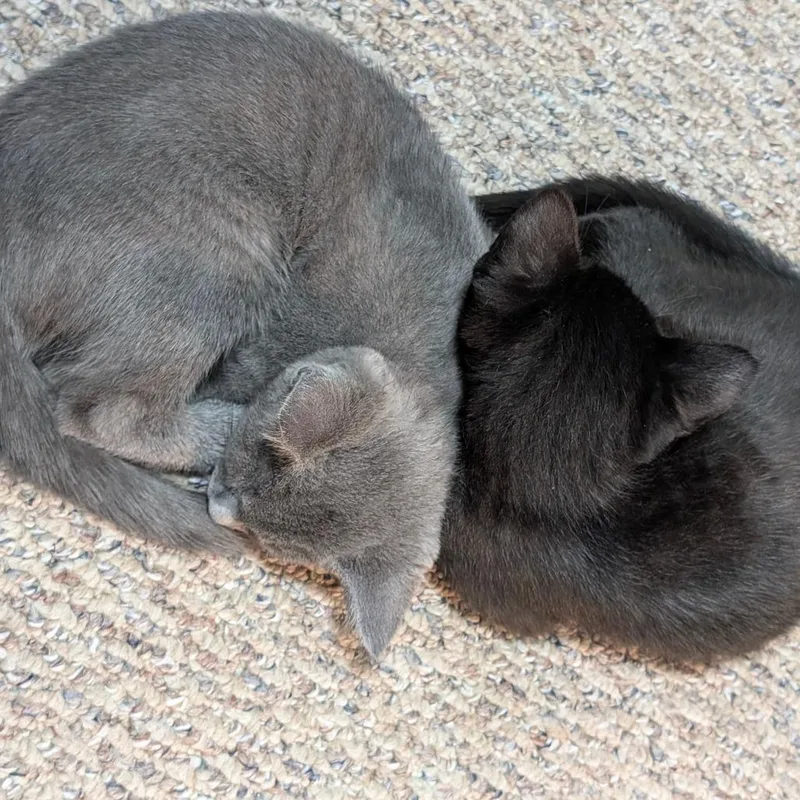
Domestic Short Hair Cats for Adoption in Saint John, VI

Your guide to finding and caring for a Domestic Short Hair in Saint John

A Domestic Short Hair fits Saint John's compact hillside homes well, since these cats need a window perch and a daily play session more than square footage. Whether you're in a Cruz Bay rental a short walk from the ferry dock or a house up the ridge toward Coral Bay, an indoor cat stays clear of the feral donkeys, mongoose and traffic on Centerline Road. DSH cats vary a lot, so the cat's age and energy tell you more than coat color.

130358 Domestic Short Hairs available in Saint John and nationwide

Find your Domestic Short Hair

Domestic Short Hairs Available for Adoption Near Saint John

About the Domestic Short Hair breed

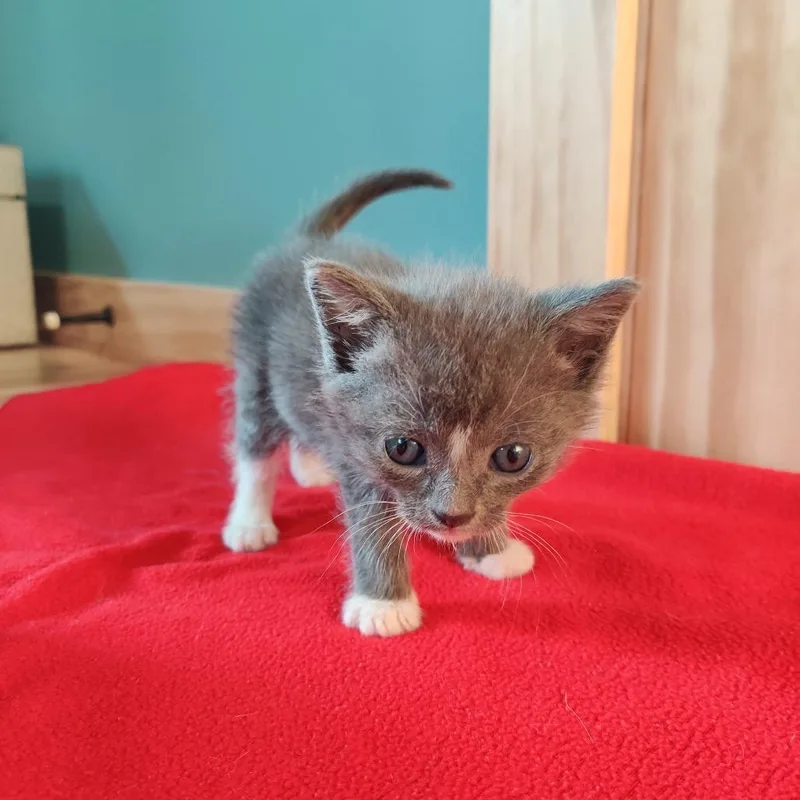
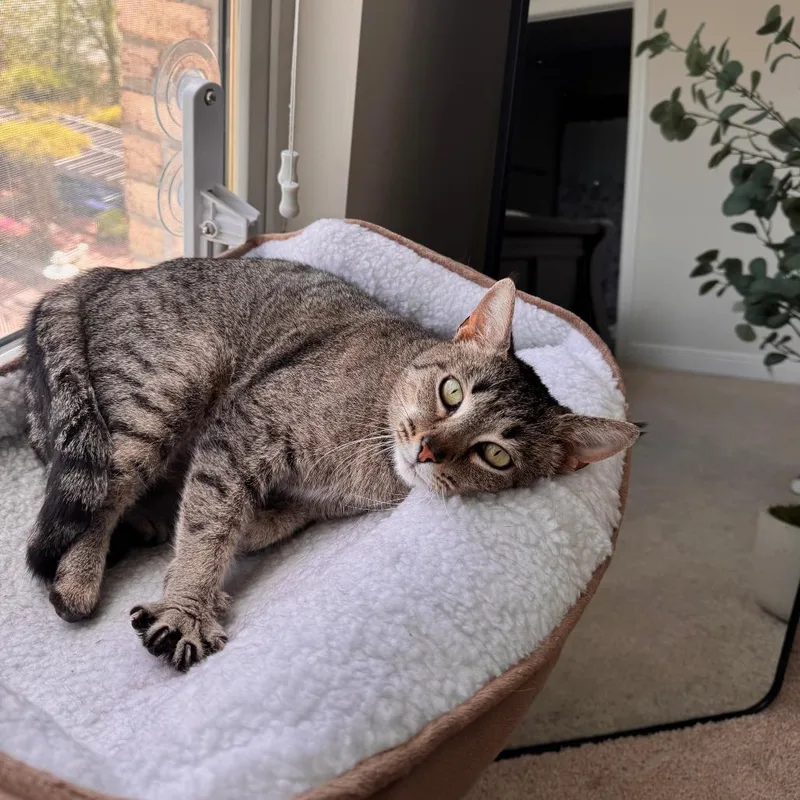
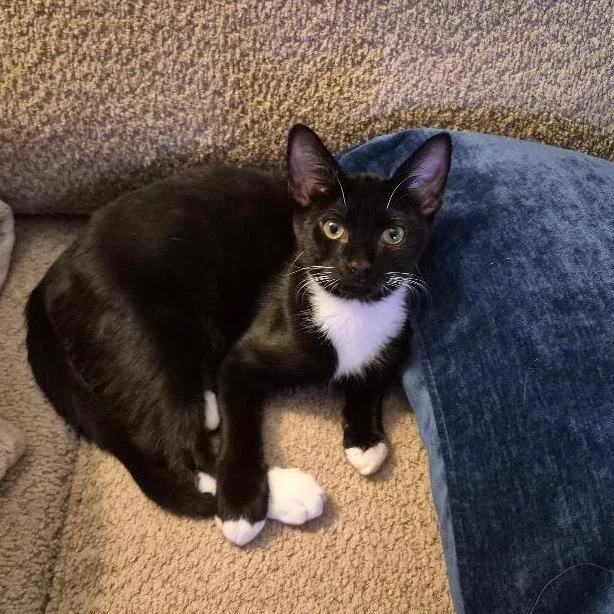
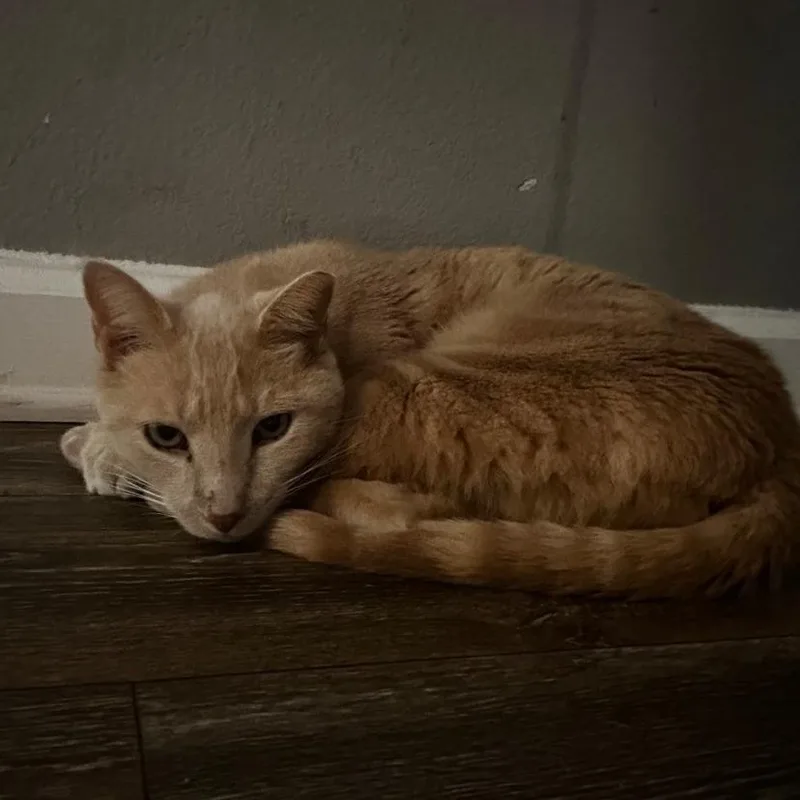
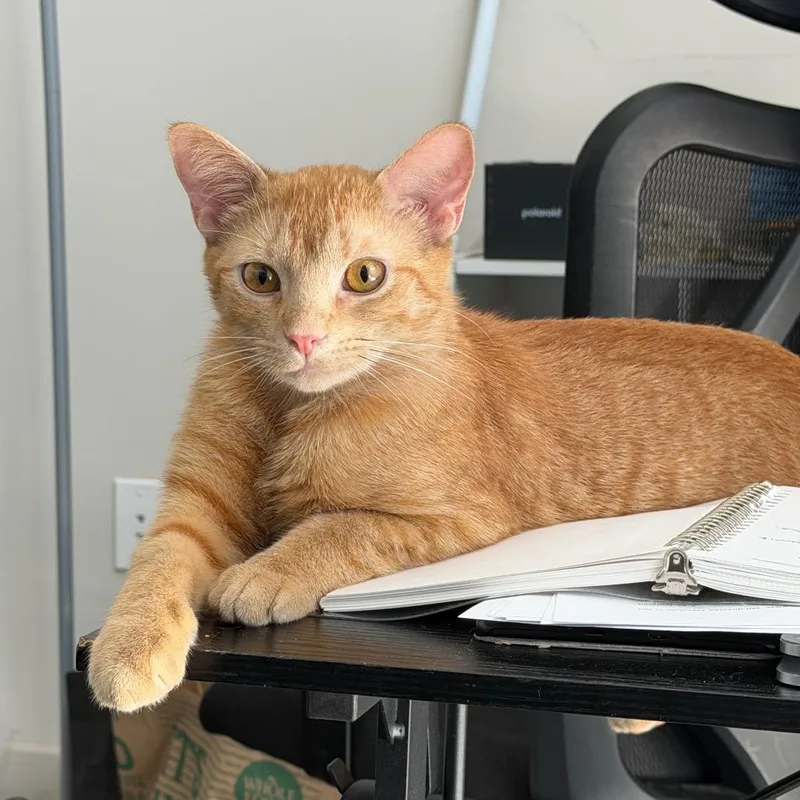
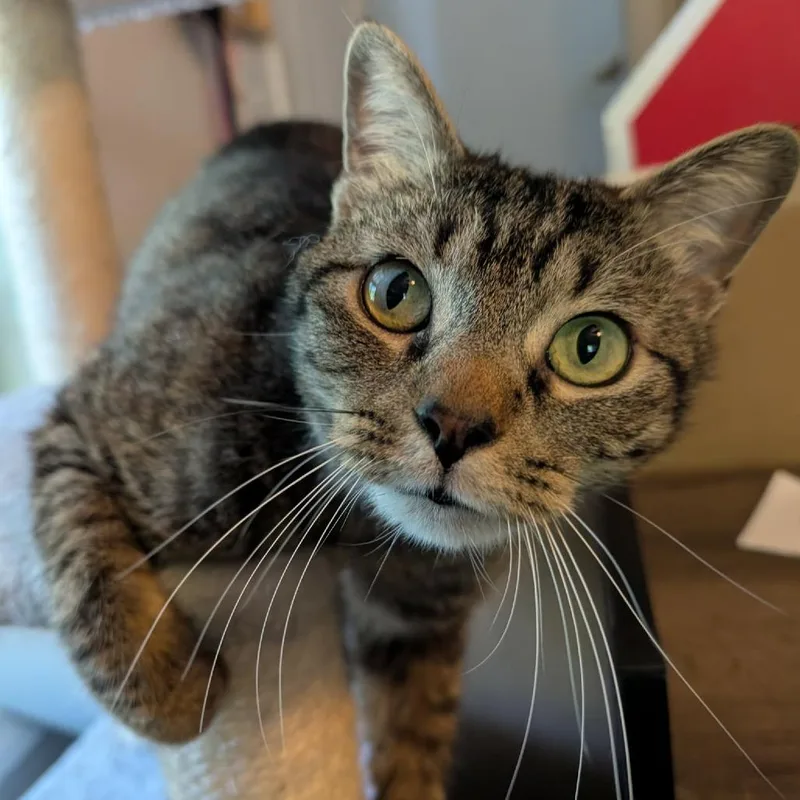
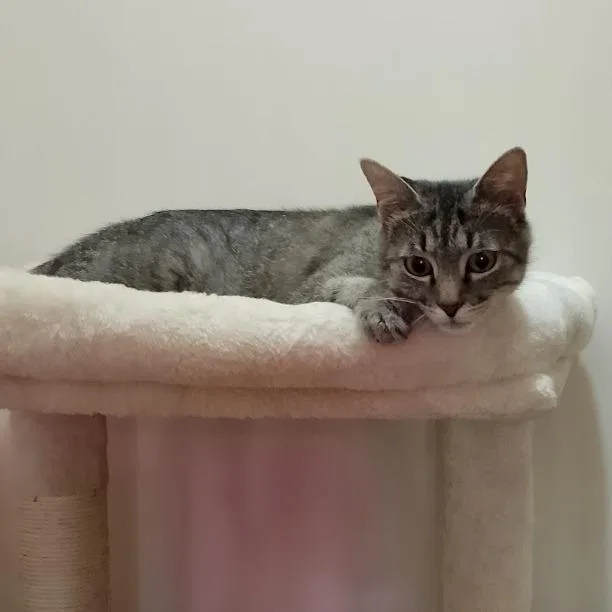
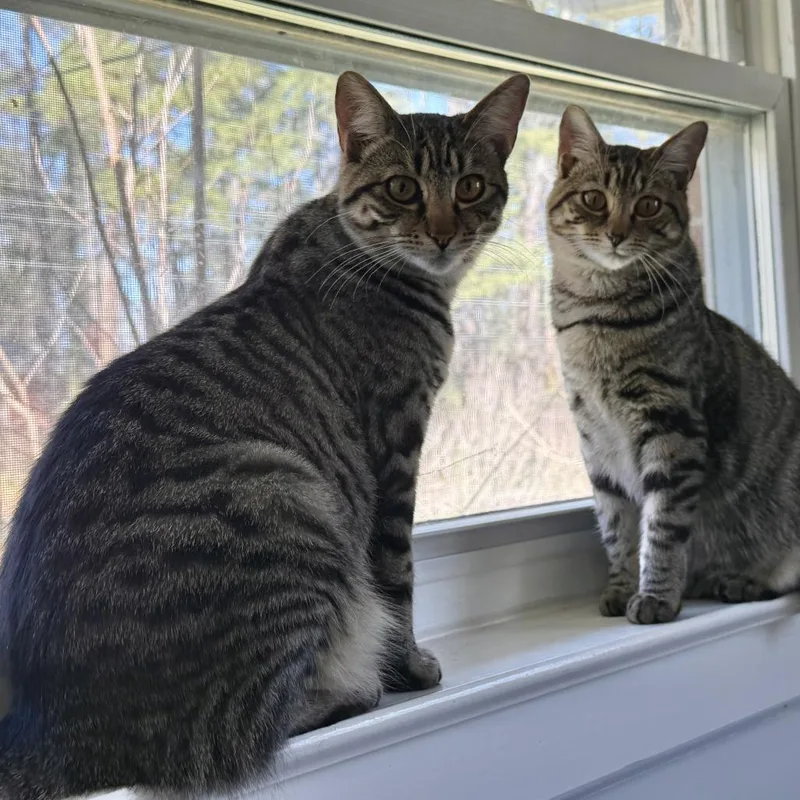
Domestic Short Hair isn't a breed but a type of cat: a short-coated cat of mixed or unknown ancestry. DSH is the label you'll see on most adoption records, and these cats come in every color and pattern, from tabby and tuxedo to calico and solid black. They're easy to tell apart from pedigreed breeds like the American Shorthair, which has a defined look and lineage.

Because the gene pool is so wide, personalities range from lap-loving and chatty to quiet window-watchers. Most are medium-sized, sturdy and adaptable, and the short coat needs little upkeep. In a place like Saint John, where an open-air home can mean geckos, insects and the occasional storm, a curious, adaptable cat tends to settle in comfortably when it has safe indoor space.

Weight
6–14 lbs
Height
8–10 in
Lifespan
12–18 yrs
Temperament
Adaptable, Curious, Affectionate
Shedding
Moderate

Owning a Domestic Short Hair in Saint John

Having a Domestic Short Hair in Saint John

Coat and size are about all Domestic Short Hairs have in common. Energy, sociability and confidence depend on each cat's age and past experience, so watching how a cat behaves in person is the surest way to find a good match for island life.

Temperament

Domestic Short Hairs run from outgoing lap cats to shy observers, and many adapt well to new homes after a gradual introduction. On Saint John, a cat that stays calm around visitors, ferry-day bustle and loud festival nights will find small island homes easier. Kittens are bold and playful, while adults show settled personalities.

Exercise Needs

Most DSH cats need a few interactive play sessions a day. Wand toys, chase games and food puzzles burn energy and satisfy hunting instincts indoors. Since steep terrain and wildlife make roaming risky, climbing shelves, window perches and a screened porch give a cat room to explore. Young cats want more play, and seniors prefer gentler sessions.

Health Considerations

Mixed ancestry may lower the risk of some inherited conditions, but DSH cats still face obesity, dental disease, urinary problems and, later in life, kidney disease, hyperthyroidism and diabetes. Saint John is rabies-free, yet flea prevention matters in the warm climate. Yearly exams, weight checks and dental care help a veterinarian catch problems early.

Living Space

A Domestic Short Hair usually does well in a Cruz Bay apartment or a hillside house, as long as there are scratching posts, hiding spots and a clean litter box. Sturdy screens on windows and balconies keep cats from falling, and keeping the cat indoors or in a secure enclosure protects it from traffic, donkeys and mongoose.

What it costs to own a Domestic Short Hair in Saint John

ExpenseTypical costPer year
Food$25 to $50 per month$300 to $600
Pet insurance$20 to $45 per month$240 to $540
Routine vet care$150 to $350 per year$150 to $350
Other*$450 to $1,150 per year$450 to $1,150
Estimated yearly total (after year one)$1,140 to $2,640

Other costs are estimates and vary with size, age and health.

* Litter, flea prevention, a dental cleaning allowance, toys, scratchers and other supplies, and minimal home grooming.

Adopt a Domestic Short Hair in Saint John.

Now that you know more, let’s find you a new best friend. These rescues and shelters below currently have Domestic Short Hairs available.

Rescues in Saint John with Domestic Short Hairs Available

Saint John's rescue community is small but active, and the groups listed here help cats and kittens find homes. Here are the rescues & shelters in the Saint John area where you can find Domestic Short Hairs and other cats available for adoption.

Frequently Asked Questions

Yes, Domestic Short Hairs handle Saint John summers well indoors. Typical highs reach about 89°F, and about 80 days a year hit 90°F nearby, with warm nights. Keep the cat in shade or a fan's breeze, provide extra water bowls, and never leave a cat in a parked car. Panting or lethargy needs a veterinarian quickly.

Possibly, but pet rules aren't spelled out. VITRAN's bus runs roughly hourly on weekdays along Centerline Road and welcomes service animals free. Ferries and car barges to St. Thomas set their own policies, so confirm with the operator before a vet trip. Always use a secure, ventilated carrier that your cat can't squeeze out of.

Yes, you can. There is no known breed-specific rule for cats on Saint John, and DSH cats are common. If you're bringing a cat in from the mainland or Puerto Rico, you'll need a health certificate issued within 10 days of arrival showing current rabies vaccination, or the cat may be quarantined at your expense.

Yes, a Domestic Short Hair usually does well in a small Cruz Bay apartment. Cats need vertical space, scratching posts, a quiet retreat and daily play more than square footage. Secure screens on windows and balconies prevent falls, and since many homes are open-air, they also keep out insects and wildlife. Confirm the landlord's pet policy in writing.

Often, yes, if you're ready for island quirks. DSH cats adapt well to small homes and quiet routines. Plan for hurricane season with a carrier, ID, extra food and litter, since ferry links can stop after storms. Cats that are noise-shy may need a quiet room during July 4 festival fireworks in Cruz Bay.

Probably not. Many Saint John restaurants are open-air, but patio pet policies are up to each business, and indoor dining generally excludes pets. Most cats are also stressed by crowds, heat and noise, so they're usually better off resting at home in the shade. Service animals are the exception to venue rules.

For most Domestic Short Hairs, home is the best spot. Virgin Islands National Park allows leashed pets on trails such as Reef Bay Trail, with a leash of 6 feet or less, but pets aren't allowed on its beaches. Cats are rarely comfortable on hot, steep trails, so a harness-trained cat should go early and carry water.

Very little. A weekly brushing handles the short coat and loose hair, and DSH cats groom themselves. Heat doesn't change that much, though more frequent brushing can help during shedding seasons. Occasional nail trims are enough, so grooming costs fit inside the small "Other" budget rather than needing regular professional appointments.

We have 1 rescue with Domestic Short Hairs available: Animal Care Center of St. John Inc.. You can see every rescue with Domestic Short Hairs available in the list above these questions, or scroll to the top to see the Domestic Short Hairs near Saint John.

Expect roughly $1,140 to $2,640 a year for a Domestic Short Hair on Saint John. Food runs about $25 to $50 a month and pet insurance about $20 to $45 a month. Routine veterinary care is about $150 to $350 a year, and other costs such as litter and prevention add about $450 to $1,150 yearly.