Tortoiseshell Cats for Adoption in Virginia Beach, VA

Your guide to finding and caring for a Tortoiseshell in Virginia Beach

A tortoiseshell cat fits a Kempsville townhouse or a Town Center apartment as easily as a house in Green Run. Tortoiseshell is a coat pattern, so these cats run from shy to bold, and most are domestic shorthairs that settle into indoor life. A window perch over a quiet Thalia street keeps a tortie busy for hours. Plan on daily play, a sturdy scratching post and a hiding spot for thunderstorm evenings.

960 Tortoiseshells available in Virginia Beach and nationwide

Your Tortoiseshell is waiting

While we don't have enough cats near Virginia Beach, keep in mind that many rescues may offer transport.

Tortoiseshells Available for Adoption Near Virginia Beach

About the Tortoiseshell breed

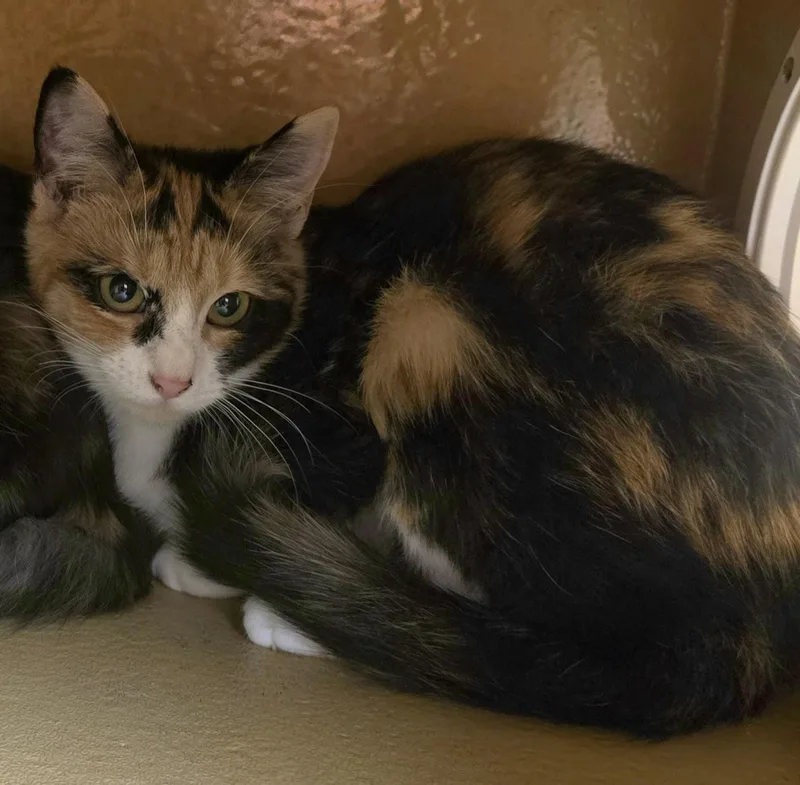
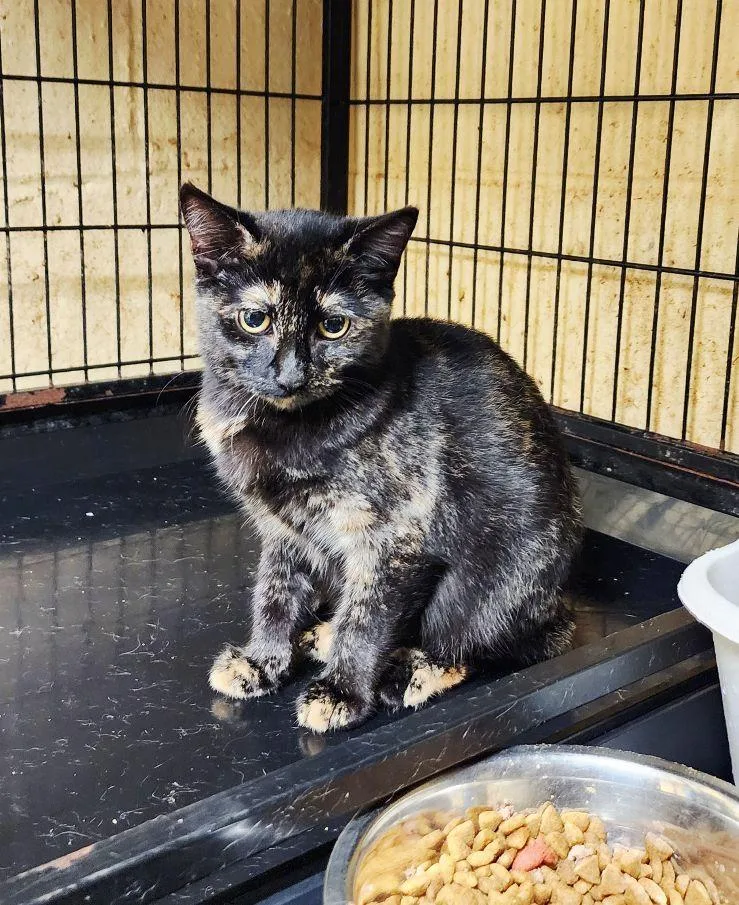
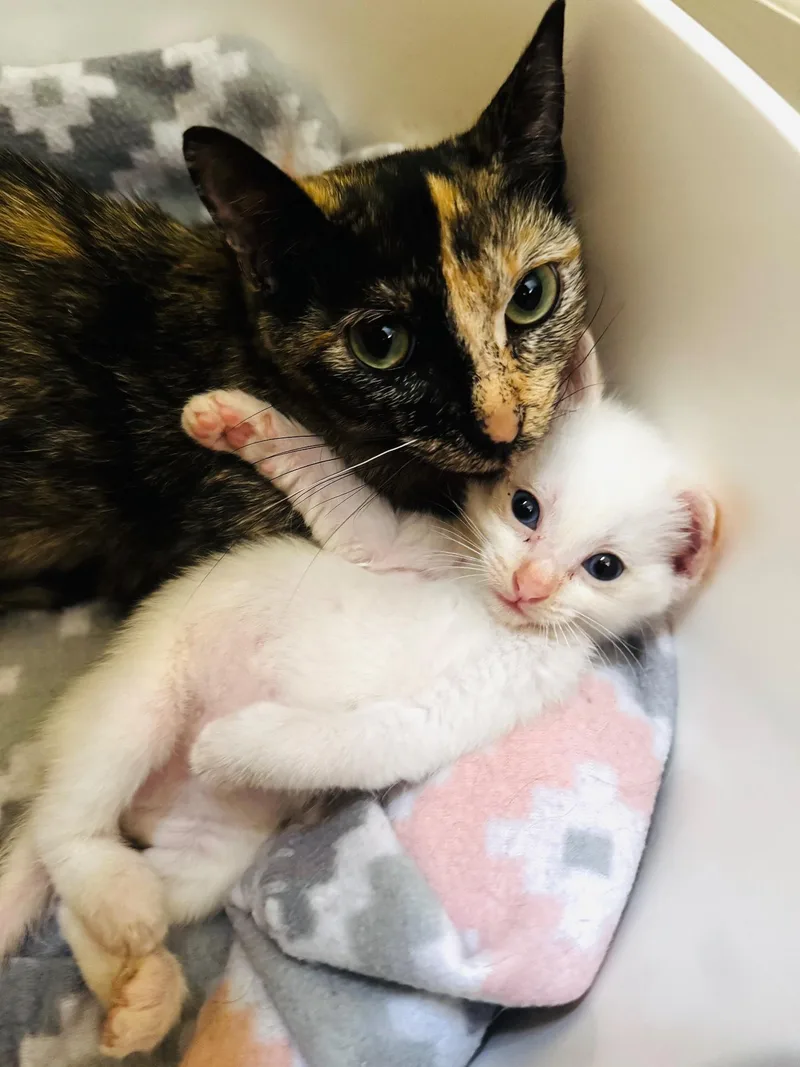
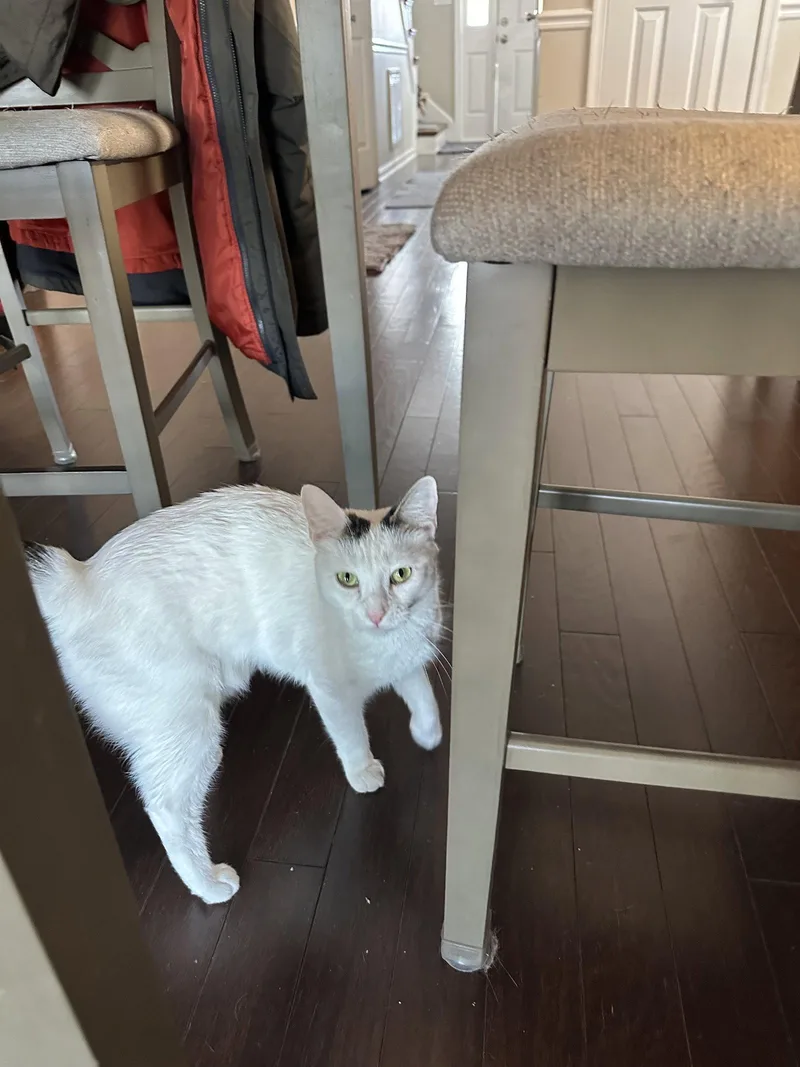
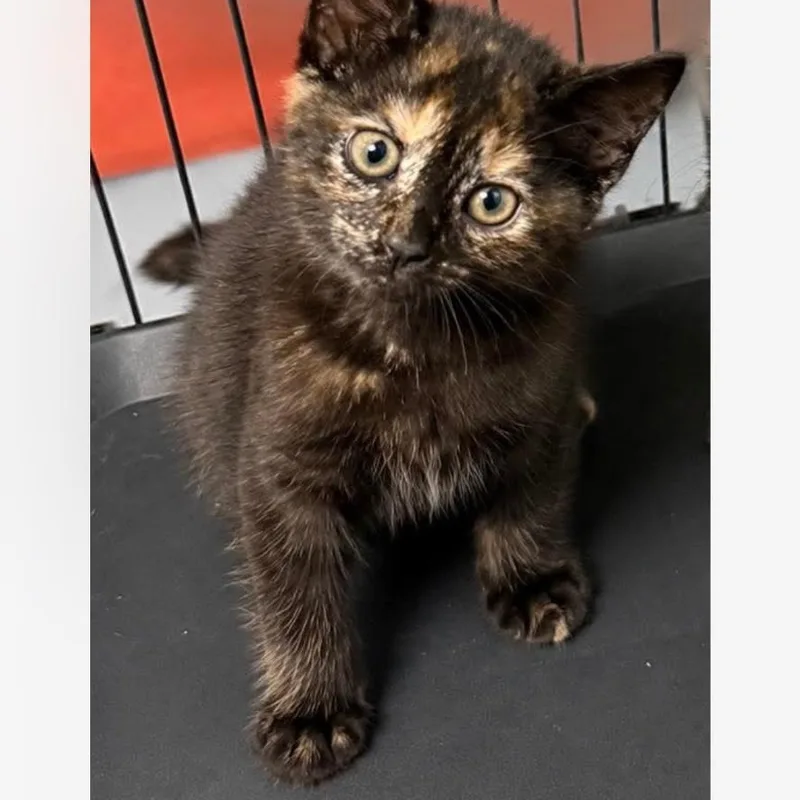
Tortoiseshell is a coat pattern, not a breed. Black-based and orange-based colors mix in patches or a fine mottled blend, usually with little white, and nearly all tortoiseshells are female. Most are domestic shorthairs, though the pattern also appears in Persians, Maine Coons and British Shorthairs. Typical weight runs 6 to 14 pounds, and many live 12 to 18 years.

Their reputation for spirited "tortitude" is mostly folklore. A cat's age, history and socialization say far more about personality than coat color, so torties range from shy to bold and from cuddly to independent. In Virginia Beach, most live indoors in townhouses, apartments and single-family homes, where moderate shedding, daily play and a few sturdy perches cover most of their care.

Weight
6–14 lbs
Height
8–10 in
Lifespan
12–18 yrs
Temperament
Independent, Affectionate, Playful
Shedding
Moderate

Owning a Tortoiseshell in Virginia Beach

Having a Tortoiseshell in Virginia Beach

Because tortoiseshell describes a coat rather than a breed, these cards cover what holds for most torties, usually domestic shorthairs. Age, background and upbringing shape each cat more than color does, so use them as a starting point, not a promise.

Temperament

Torties are often called spirited or opinionated, but the evidence linking coat color to behavior is limited and rests mostly on owner impressions. Expect anything from shy to bold and from cuddly to independent. Spend time with a cat before adopting, and watch how it reacts to handling, noise and play.

Exercise Needs

Plan on daily interactive play with wand toys, chase games and puzzle feeders. Kittens and young adults usually need more activity, while seniors prefer gentler sessions. Indoor cats in Virginia Beach also get enrichment from a window perch, a tall cat tree and a secure screened window for watching birds.

Health Considerations

The tortoiseshell pattern carries no particular health risks in females, while the rare males often have an extra X chromosome and may face added concerns. Otherwise, health follows ancestry and age. Keep the rabies vaccine current, since Virginia requires it, and have a veterinarian check teeth, weight and flea and tick prevention.

Living Space

Tortoiseshells fit townhouses, apartments and houses equally well, since space needs follow personality, not coat. Vertical space such as cat trees, scratching posts and window perches matters more than square footage. Shy cats may prefer a quiet room, while bold, social ones often take busy households in stride.

What it costs to own a Tortoiseshell in Virginia Beach

ExpenseTypical costPer year
Food$25 to $50 per month$300 to $600
Pet insurance$20 to $45 per month$240 to $540
Routine vet care$150 to $350 per year$150 to $350
Other*$455 to $1,160 per year$455 to $1,160
Estimated yearly total (after year one)$1,145 to $2,650

Other costs are estimates and vary with size, age and health.

* Litter, flea and tick prevention, a dental cleaning allowance, the $5 to $10 Virginia Beach cat license, toys and supplies, and home grooming.

Adopt a Tortoiseshell in Virginia Beach.

Now that you know more, let’s find you a new best friend. These rescues and shelters below have cats available in and near Virginia Beach.

Rescues and Shelters in or near Virginia Beach

Virginia Beach has a city-run shelter and nonprofit rescues that help cats of every coat color find homes. Here are the rescues & shelters in the Virginia Beach area with cats available for adoption, worth asking whether a Tortoiseshell is coming in.

Frequently Asked Questions

Yes. No known Virginia Beach rule limits cats by coat color, and Tortoiseshell is a pattern rather than a breed. Once your cat is four months old, you'll need a city license and a current rabies vaccine. Virginia law also requires adopted cats to be sterilized or have sterilization arranged, so expect that as part of adoption.

Yes. Tortoiseshell cats are medium-sized and do well in apartments, including Town Center's mid- and high-rise buildings, as long as they have a cat tree, scratching posts and daily play. Confirm the lease allows cats and has no restrictions before applying. A window perch with a view keeps most torties entertained.

Often, yes, especially for people who want an indoor companion. Mild winters, plenty of townhouse and apartment housing and no known breed rules make it straightforward. Coat color doesn't predict personality, so match the cat's energy and confidence to your household. Keep a carrier and an evacuation plan ready for hurricane season.

Yes, as indoor cats. Summers reach the mid-80s with high humidity and about a month of 90°F days, so air conditioning or fans matter more than coat color. Offer fresh water in several spots, close blinds on sunny windows and never leave a cat in a parked car. Panting or drooling calls for a veterinarian.

Most torties are shorthairs and do well with a weekly brushing, while longhaired ones need brushing several times a week to prevent mats. Shedding is moderate and often rises in spring. Humid summers don't change the routine much. Home grooming is covered in the Other costs on this page, so professional grooming is optional unless a long coat mats.

Only in a small carrier. Hampton Roads Transit buses and the VB Wave trolley allow animals in small cages that don't need a separate seat. The Tide light rail runs only in Norfolk and admits just service animals. Use a secure, ventilated carrier that fits on your lap, and keep the cat inside it for the whole ride.

No. Virginia's food rules let restaurants admit dogs, not cats, and only on open-air patios with a separate entrance and posted signs. Pet cats aren't allowed in dining rooms, and service animals follow disability law. Your tortie will be happier at home with a window perch and a fresh bowl of water while you eat out.

A tortoiseshell cat is a cat with a coat pattern of black-based and orange-based colors blended or patched together, usually with little or no white. It is not a breed; the pattern appears in many breeds and most often in domestic shorthairs. Nearly all tortoiseshells are female because the genes for orange and black are carried on the X chromosome.

Almost all tortoiseshell cats are female, but not all. A female has two X chromosomes and can carry both orange and black color genes, producing the mixed coat. Males normally have only one X. Rare male torties usually have an extra X chromosome or are genetic chimeras, and they are estimated at roughly 1 in 3,000 tortoiseshells.

Plan on about $1,145 to $2,650 a year for a tortoiseshell in Virginia Beach. Food runs $25 to $50 a month and insurance $20 to $45 a month. Routine vet care is $150 to $350 a year, and other costs such as litter, prevention, dental care and the city license add $455 to $1,160. Adoption fees are separate.

Find Tortoiseshells in Nearby Cities

Expand your search to find Tortoiseshells available for adoption near Virginia Beach.

Explore Other Breeds in Virginia Beach

Looking for a different breed? Browse other cats available for adoption in Virginia Beach.