Havana Cats for Adoption in Virginia Beach, VA

Your guide to finding and caring for a Havana in Virginia Beach

A Havana suits a Virginia Beach townhouse or condo well, since it wants company more than space. In Green Run's townhouses or a Town Center apartment, this chocolate-brown cat will follow you from room to room, bat a wand toy around the living room and chat in a soft voice from the window perch. It's a rare breed, so many adopters meet Havana mixes or brown shorthairs. Havanas like people around, so a household that's home a good part of the day fits best.

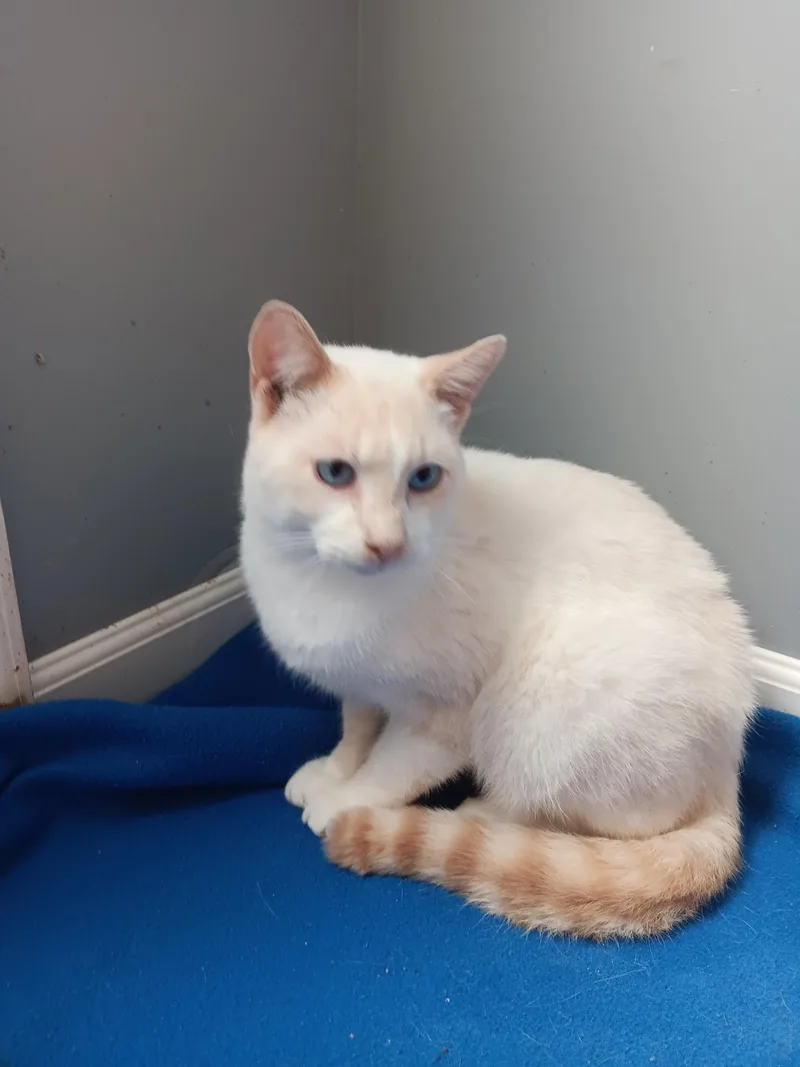
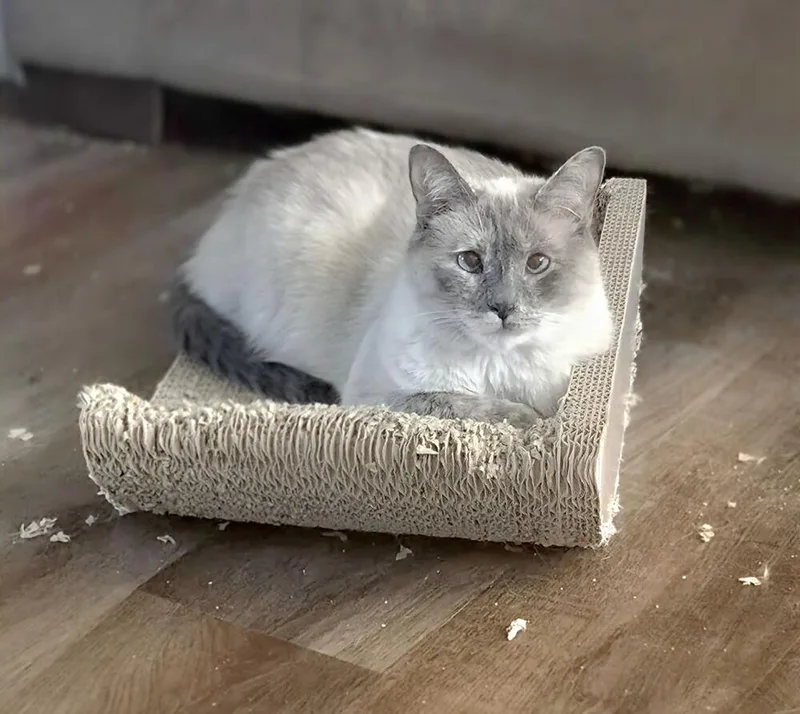
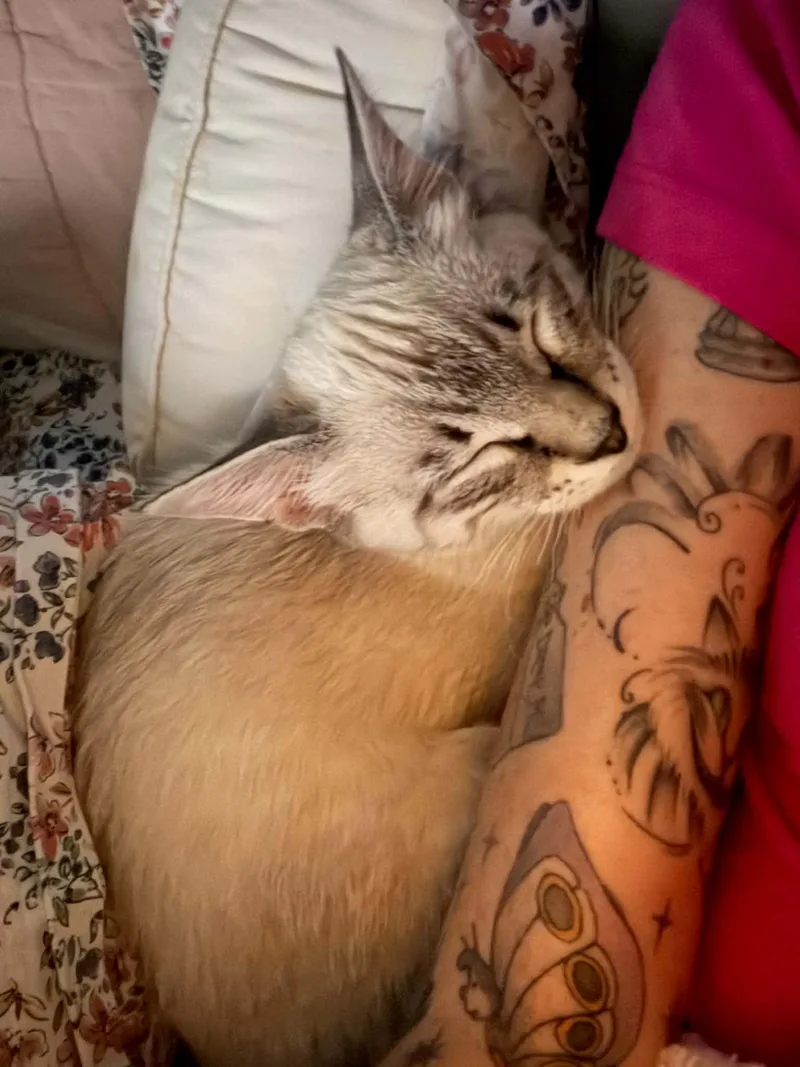
2798 cats similar to Havana available in Virginia Beach and nationwide

Give a Havana Brown a home

While we don't have enough cats near Virginia Beach, keep in mind that many rescues may offer transport.

Havanas and Similar Breeds Available for Adoption Near Virginia Beach

About the Havana breed

The Havana was developed in Britain in the 1950s by pairing chocolate-carrying Siamese cats with black domestic shorthairs. The goal was a solid, warm brown cat, and it shows: glossy chocolate fur, brown whiskers, green eyes, big forward-tilted ears and a squared-off muzzle. Most weigh 6 to 10 pounds and live 10 to 15 years.

Havanas are curious and people-focused, and many pat objects and people with a paw to investigate. Their voice is softer than a Siamese's. The short coat sheds little and needs only a quick weekly brush. Because the breed is so rare, a cat you meet may be a Havana mix or a brown shorthair, and cats vary in energy and sociability, so go by the cat in front of you.

Weight
6–10 lbs
Height
9–11 in
Lifespan
10–15 yrs
Temperament
Social, Curious, Affectionate, Playful
Shedding
Low

Owning a Havana in Virginia Beach

Having a Havana in Virginia Beach

A Havana pairs an easy-care coat with a strong wish to be involved in household life. For Virginia Beach adopters, the questions are how much company the cat gets, how it handles apartment living, and how you'll keep it comfortable through humid summers and storm season.

Temperament

Havanas are often affectionate and interactive, following people from room to room and greeting visitors with interest. Many get along with considerate children and calm dogs. Because they're so people-oriented, some get lonely during long workdays, so a cat tree by a window or a second friendly pet can help. Each cat's personality can differ from the breed's reputation.
Exercise Needs

Most Havanas are moderately active. Two or three short play sessions a day with wand toys, balls or puzzle feeders usually suit them better than one long one. In Virginia Beach, indoor play is the safest outlet, since coyotes are reported across the city. A screened window perch or an enclosed catio adds fresh-air interest.

Health Considerations

No breed-specific genetic disease is well documented in the Havana, though gum inflammation may be somewhat more common. The breed's small gene pool means records are limited, so schedule a veterinary exam soon after adoption and keep up dental care. With Virginia Beach's long warm season, ask your vet about year-round flea prevention.

Living Space

A Havana does fine in a Kempsville garden apartment, a Thalia single-family home or a one-bedroom unit, because companionship matters more than square footage. Give it window perches, a sturdy cat tree and a few hiding spots. It does best with people home part of the day, since long stretches alone can leave it bored.

What it costs to own a Havana in Virginia Beach

ExpenseTypical costPer year
Food$25 to $50 per month$300 to $600
Pet insurance$25 to $50 per month$300 to $600
Routine vet care$150 to $350 per year$150 to $350
Other*$455 to $1,160 per year$455 to $1,160
Estimated yearly total (after year one)$1,205 to $2,710

Other costs are estimates and vary with size, age and health.

* Litter, the $5 to $10 Virginia Beach cat license, flea prevention, a dental cleaning allowance, toys and scratchers, and minimal home grooming.

Adopt a Havana in Virginia Beach.

Now that you know more, let’s find you a new best friend. These rescues and shelters below have cats available in and near Virginia Beach.

Rescues and Shelters in or near Virginia Beach

Virginia Beach adopters can find cats through a city-run shelter and private nonprofit groups, listed below with their current pets. Here are the rescues & shelters in the Virginia Beach area with cats available for adoption, worth asking whether a Havana is coming in.

Frequently Asked Questions

Yes. No breed-specific rules are known for Havanas in Virginia Beach. Any cat over four months old needs a city license and a current rabies vaccination, and renters should confirm their lease allows cats. Havanas are rare, so watch the listings on this page, which may include Havana mixes and brown shorthairs, and consider saving a search.

Yes, a Havana generally adapts well to apartments. Its soft voice is easier on thin walls than a Siamese's, and low shedding keeps things tidy. Provide a tall cat tree, a window perch and daily play, and plan for company, since Havanas dislike long stretches alone. Read your lease's pet policy before applying.

Often, yes, especially for people who are home a fair amount. A Havana's sociable, curious nature suits a busy household, and it adapts well to the indoor lifestyle that storm season and local wildlife favor. It's a weaker match if you're away long days, since many Havanas get lonely. Cats vary, so weigh each cat's personality, not just the breed.

Yes, as indoor cats. Summers are humid, with about a month of 90-degree days, but a Havana with air conditioning, shade and fresh water stays comfortable. Never leave a cat in a parked car or a sunny closed room. Watch for panting, drooling or lethargy, which call for cooling off and a call to your vet.

Only in a small carrier. Hampton Roads Transit buses and the VB Wave trolley allow animals in small cages that don't need a separate seat, so a Havana's carrier must fit on your lap. The Tide light rail runs only in Norfolk and admits service animals only. Check current rules and fares with HRT before riding.

Very little. Brush the short coat with a rubber brush about once a week, trim nails every few weeks and brush teeth when you can, since gum inflammation is a concern. Professional grooming is rarely needed, which is why grooming adds little to the yearly Other costs listed on this page.

A Havana cat, also called the Havana Brown, is a rare shorthaired breed developed in Britain in the 1950s from Siamese and black domestic cats. It is recognized by its rich chocolate-brown coat, brown whiskers, green eyes and distinctive muzzle. Havanas tend to be social, curious and people-focused, and few are available, so brown shorthaired mixes are more common in shelters.

Plan on roughly $1,200 to $2,700 a year for a Havana in Virginia Beach. Food runs $25 to $50 a month and insurance $25 to $50 a month. Routine vet care is $150 to $350 a year, and other costs such as litter, flea prevention, dental care and the cat license run $455 to $1,160 a year. Emergencies would be extra.

Explore Other Breeds in Virginia Beach

Looking for a different breed? Browse other cats available for adoption in Virginia Beach.