Tabby Cats for Adoption in Richmond, VA

Your guide to finding and caring for a Tabby in Richmond

A tabby suits Richmond's mix of old rowhouses and new loft apartments. Tabby is a coat pattern, not a breed, so these cats range from lap-seekers to independent watchers. A curious one will happily claim a tall window in a Scott's Addition loft or a sunny sill and a staircase in an Oregon Hill townhouse. Summers here get muggy, so a tabby does best living indoors where the air conditioning runs. Pick the cat whose personality fits your household, stripes aside.

31 Tabbies available for adoption in Richmond

Find your Tabby

Tabbies Available for Adoption in Richmond

About the Tabby breed

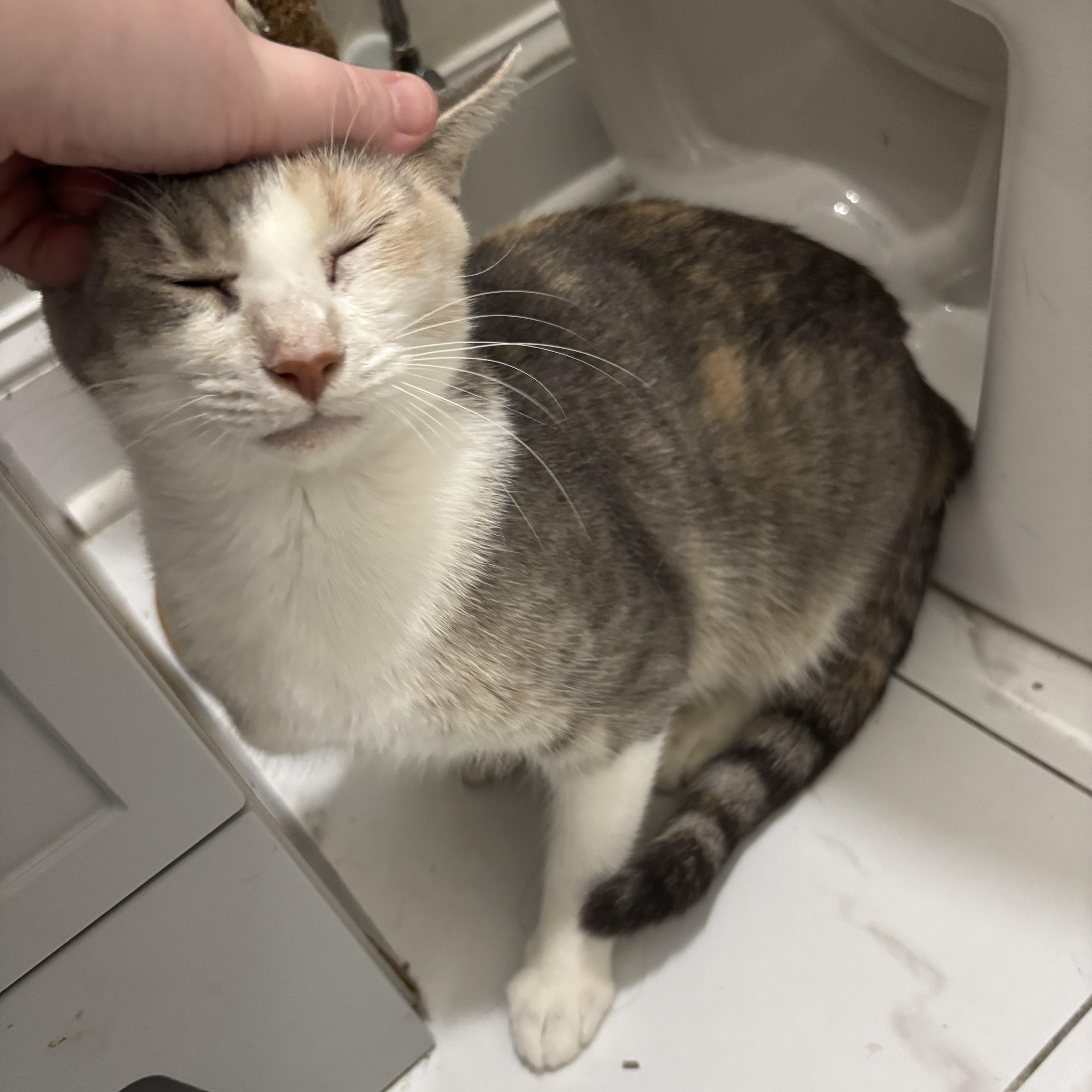
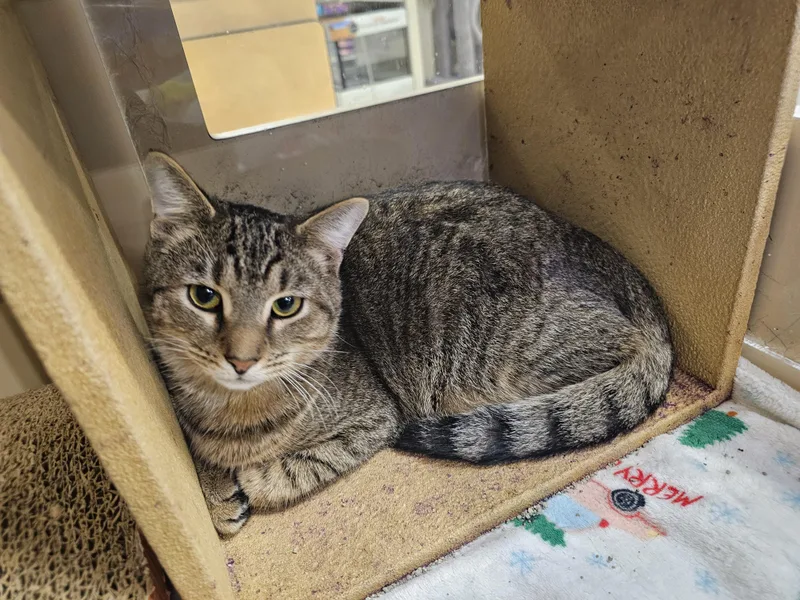
Tabby is a coat pattern rather than a breed. A cat is a tabby when it has stripes, swirls, spots or ticked hairs along with the M-shaped mark on the forehead, and the pattern appears in domestic shorthairs, Maine Coons, American Shorthairs and many other cats. The four main patterns are mackerel, classic, spotted and ticked, in colors from brown and orange to gray, silver and cream.

Most tabbies you meet in Richmond are medium-sized domestic cats, usually 6 to 14 pounds, and they often live 12 to 18 years with good care. Temperament comes from genetics, upbringing and experience, not stripes, so one tabby may be a lap cat and another a shy observer. Shedding is moderate year-round, a little heavier in spring and fall. Meeting the cat tells you more than the pattern ever will.

Weight
6–14 lbs
Height
8–10 in
Lifespan
12–18 yrs
Temperament
Curious, Adaptable, Affectionate
Shedding
Moderate

Owning a Tabby in Richmond

Having a Tabby in Richmond

Tabby describes a coat pattern found in many breeds and mixes, so a tabby's traits depend on the cat itself. Energy, coat length, age and health history say far more than stripes, and each is worth weighing against your Richmond home and schedule.

Temperament

Coat pattern doesn't set personality, so expect the full range of feline temperaments. Many tabbies are friendly, curious and adaptable, while others are shy or aloof. The belief that orange tabbies are extra outgoing partly reflects that most orange cats are male. Spend time with the cat and see how it responds to you.

Exercise Needs

Like most domestic cats, tabbies need daily play that mimics hunting, such as wand toys, chasing and pouncing. Window perches, cat trees and scratching posts add enrichment for apartment cats. Kittens and young adults usually want several short play sessions a day, while older cats prefer gentler games that still keep them moving.

Health Considerations

Coat pattern has no known effect on health. A tabby's risks depend on its breed or mix, age and lifestyle. Common feline problems include obesity, dental disease and urinary trouble, plus kidney disease, hyperthyroidism and diabetes in older cats. Annual wellness exams, dental care and a healthy weight protect any tabby, and your vet can check a newly adopted cat.

Living Space

Most tabbies adapt well to Richmond's rowhouse apartments, lofts and houses when they have places to climb, scratch, hide and look outside. Indoor living protects cats from traffic and disease. Vertical spaces, a litter box in a quiet spot and a retreat help in busy homes. A long-haired tabby needs more grooming time.

What it costs to own a Tabby in Richmond

ExpenseTypical costPer year
Adoption fee$180 to $200, one time$180 to $200 in year one
Food$25 to $50 per month$300 to $600
Pet insurance$20 to $45 per month$240 to $540
Routine vet care$150 to $350 per year$150 to $350
Other*$460 to $1,160 per year$460 to $1,160
Estimated yearly total (after year one)$1,150 to $2,650
First-year total (with adoption fee)$1,330 to $2,850

Adoption fee is the range of fees on Tabby listings in Richmond on GetBuddy today. Other costs are estimates and vary with size, age and health.

* Litter, the $10 Richmond cat license, flea and tick prevention, a dental cleaning allowance, toys, scratchers and bedding, and occasional grooming.

Adopt a Tabby in Richmond.

Now that you know more, let’s find you a new best friend. These rescues and shelters below currently have Tabbies available.

Frequently Asked Questions

Yes, but only in a closed carrier. GRTC buses and the Pulse allow ADA service animals plus an animal that is contained and won't bother other passengers, so a cat zipped into a secure carrier on your lap generally works, while a leashed or loose cat doesn't. Richmond has no subway. GRTC rides are currently fare-free, though that could change.

Yes, as long as the tabby lives indoors. Winters are cold enough to want a warm bed but rarely harsh. Summers are the harder season, hot and humid, so keep air conditioning or fans running, leave fresh water out and plan for power outages after storms. A cat with a sunny window and play time doesn't need outdoor access.

Yes. Tabby is a coat pattern, and Richmond has no known breed restrictions on cats. You'll need a $10 annual city license for cats four months and older, a current rabies vaccination, and spaying or neutering by six months unless you hold a breeding permit. Renters should also confirm that their lease allows cats.

Yes, most tabbies adapt well to apartment life. Rowhouse conversions in the Fan and lofts in Scott's Addition suit a cat with a tall scratching post, a window perch and a litter box away from noisy appliances. Read your lease for pet rent, deposits and pet limits, and play with the cat daily to prevent boredom.

Often, yes, though it depends on the cat. Tabbies are usually adaptable, which suits Richmond's mix of compact rowhouses, lofts and houses. Consider the cat's age, energy and sociability, plus your schedule and lease. A curious young tabby wants play time, while a calm older one may be happy with a sunny sill.

A short-haired tabby needs a brushing about once a week, and a long-haired one several times a week. Expect heavier shedding in spring and fall, and keep cats cool and brushed through the humid summer. Professional grooming is rarely needed, and occasional costs fall under the Other line in the cost table.

A tabby cat is any cat with a tabby coat pattern, meaning stripes, swirls, spots or ticked hairs plus a distinctive M-shaped marking on the forehead. Tabby is not a breed. The pattern appears in domestic shorthairs and longhairs as well as many pedigreed breeds, such as the American Shorthair, Maine Coon and Abyssinian, and it is one of the most common cat patterns.

A tabby cat isn't any one breed, because tabby is a coat pattern. Cats with the pattern include shelter domestic shorthairs and longhairs as well as breeds such as the American Shorthair, Maine Coon, Bengal and Abyssinian. Most tabbies available for adoption are mixed-breed domestic cats, so browse the cats listed here and look at each one's age and personality.

We have 1 rescue with Tabbies available: Cats Cradle of Greater Richmond Inc.. You can see every rescue with Tabbies available in the list above these questions, or scroll to the top to see the Tabbies in Richmond.

Expect roughly $1,150 to $2,650 a year for a tabby in Richmond. That covers food at $300 to $600, insurance at $240 to $540, routine vet care at $150 to $350, and other costs such as litter, the city license, flea prevention and dental care at $460 to $1,160. Emergencies and illness are extra.