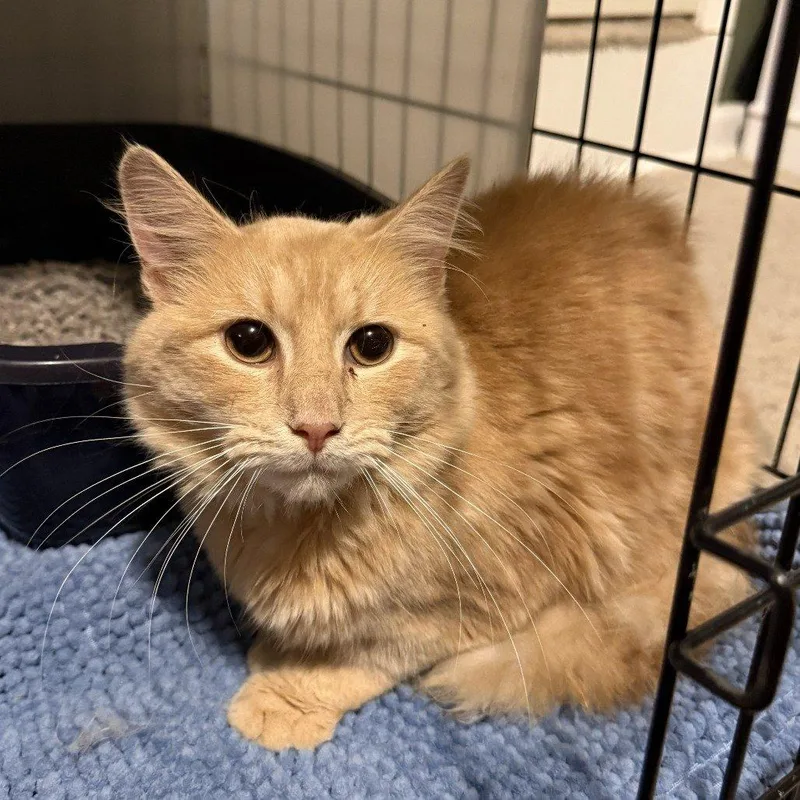
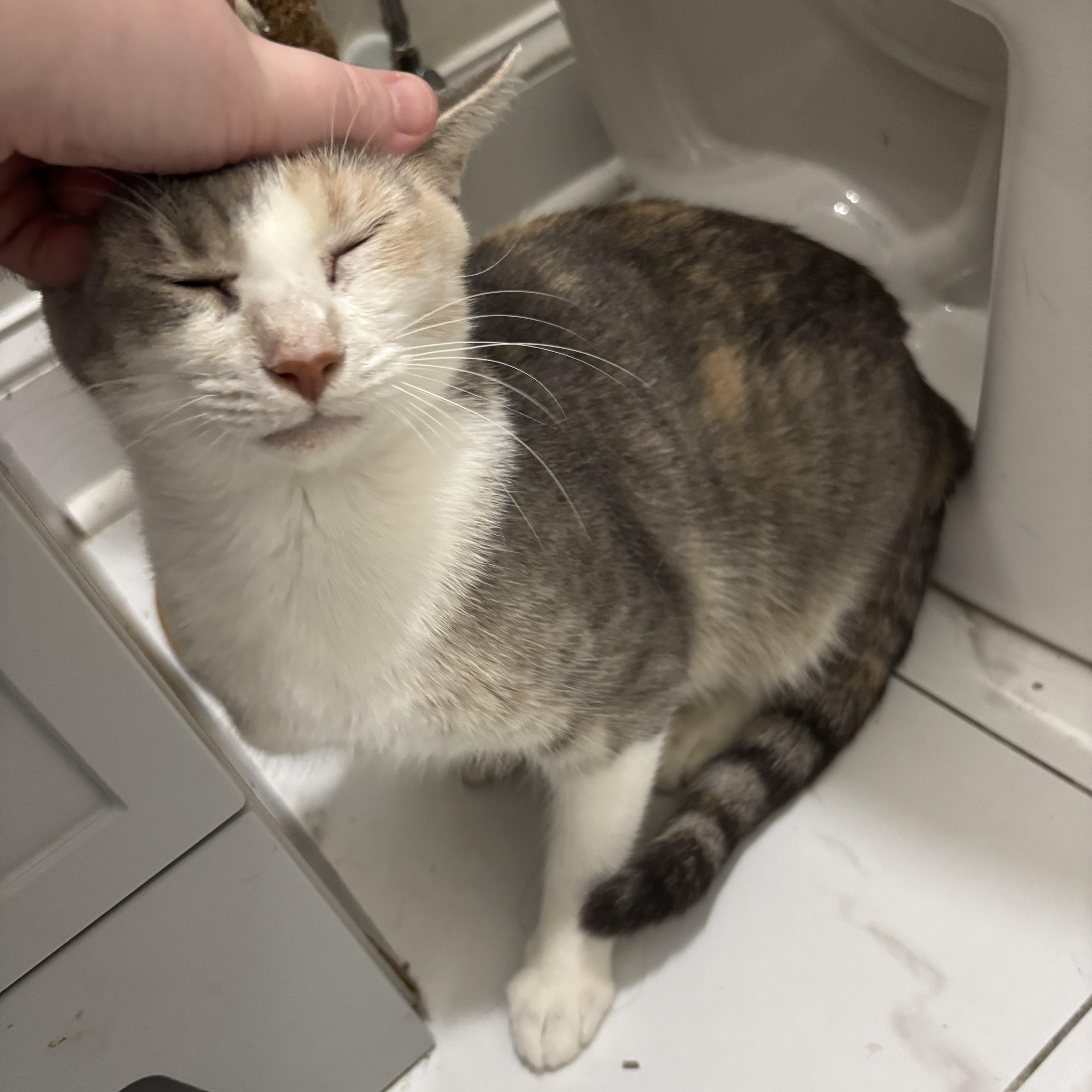
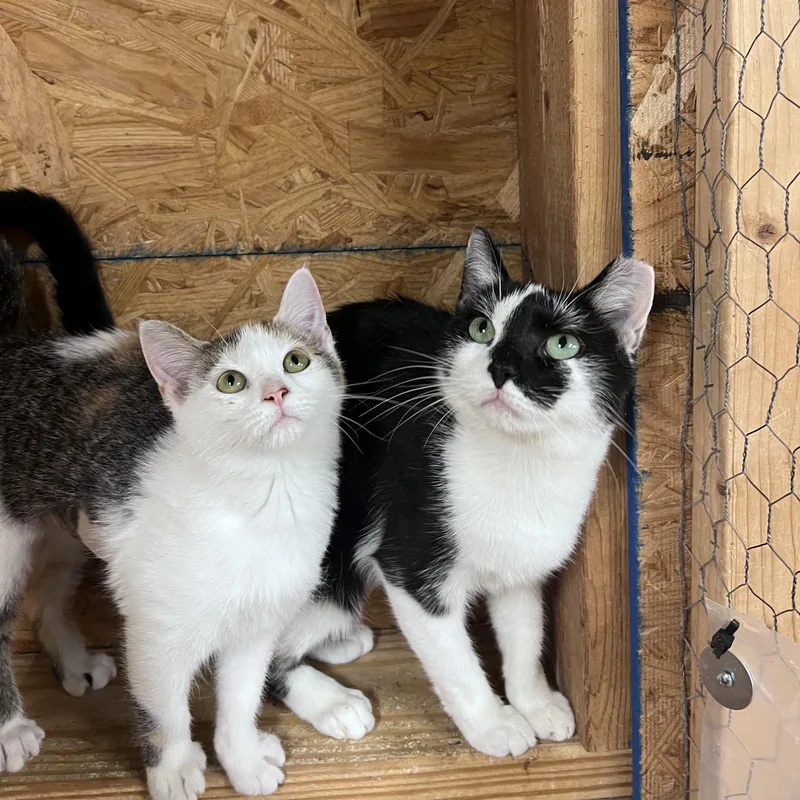
Dilute Tortoiseshell Cats for Adoption in Richmond, VA

Your guide to finding and caring for a Dilute Tortoiseshell in Richmond

A Dilute Tortoiseshell does well in the kind of apartment Richmond has plenty of, like a Scott's Addition conversion or an Oregon Hill townhouse. The blue-gray and cream coat is a pattern, not a breed, so these cats run from shy to bold. Most are happiest indoors with a window perch, a daily play session and something to watch on the street below. Summers get muggy, so a cool spot matters.

263 Dilute Tortoiseshells available in Richmond and nationwide

Meet your next Dilute Tortie

While we don't have enough cats near Richmond, keep in mind that many rescues may offer transport.

Dilute Tortoiseshells Available for Adoption Near Richmond

About the Dilute Tortoiseshell breed

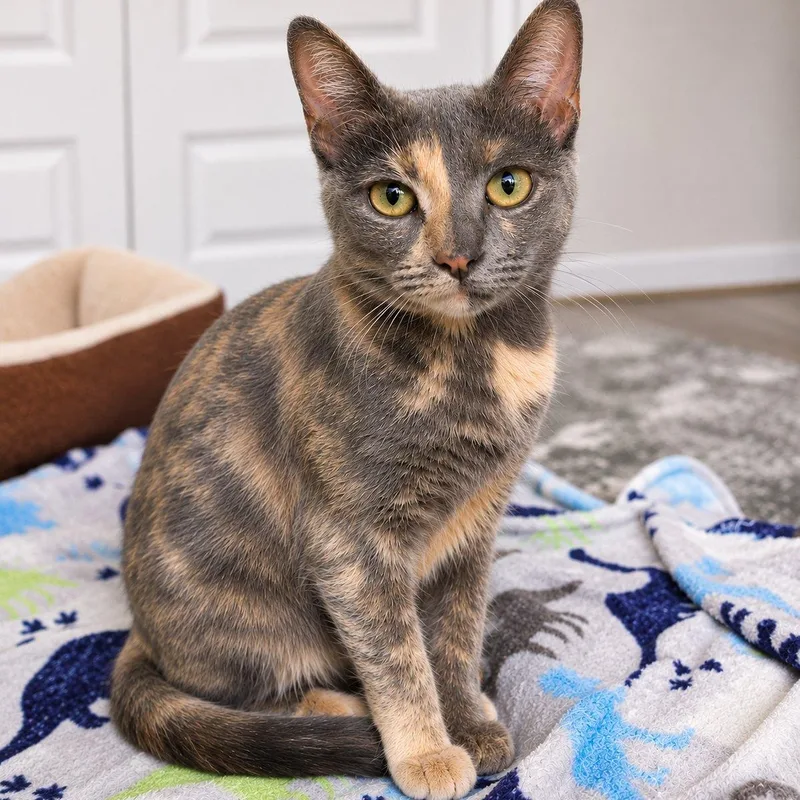
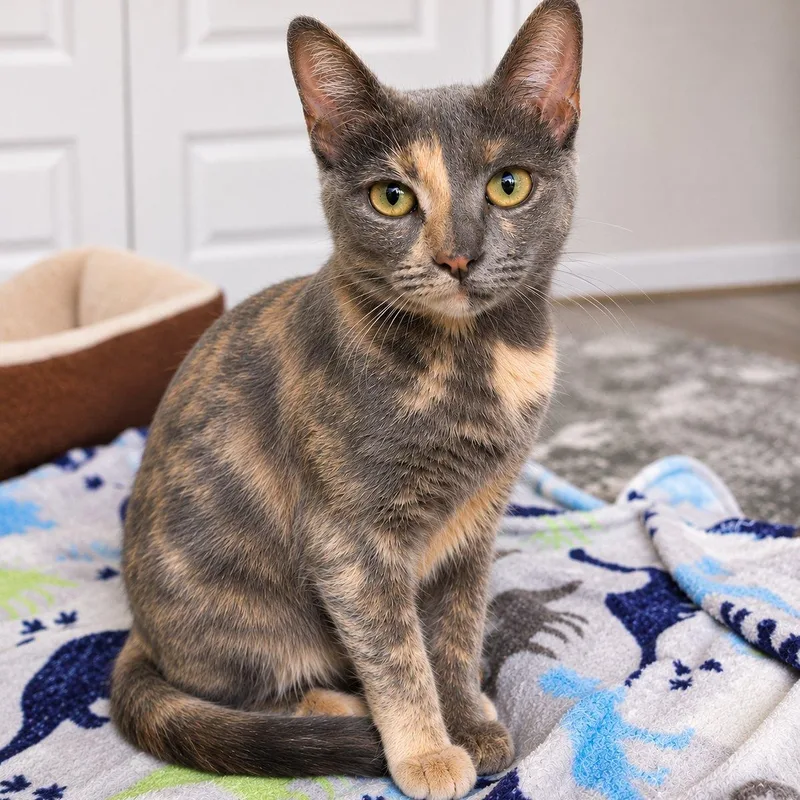
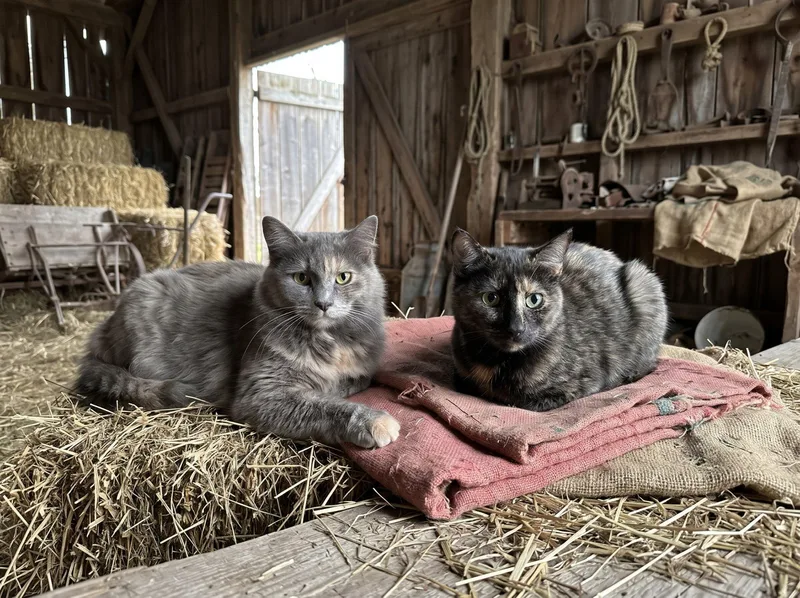
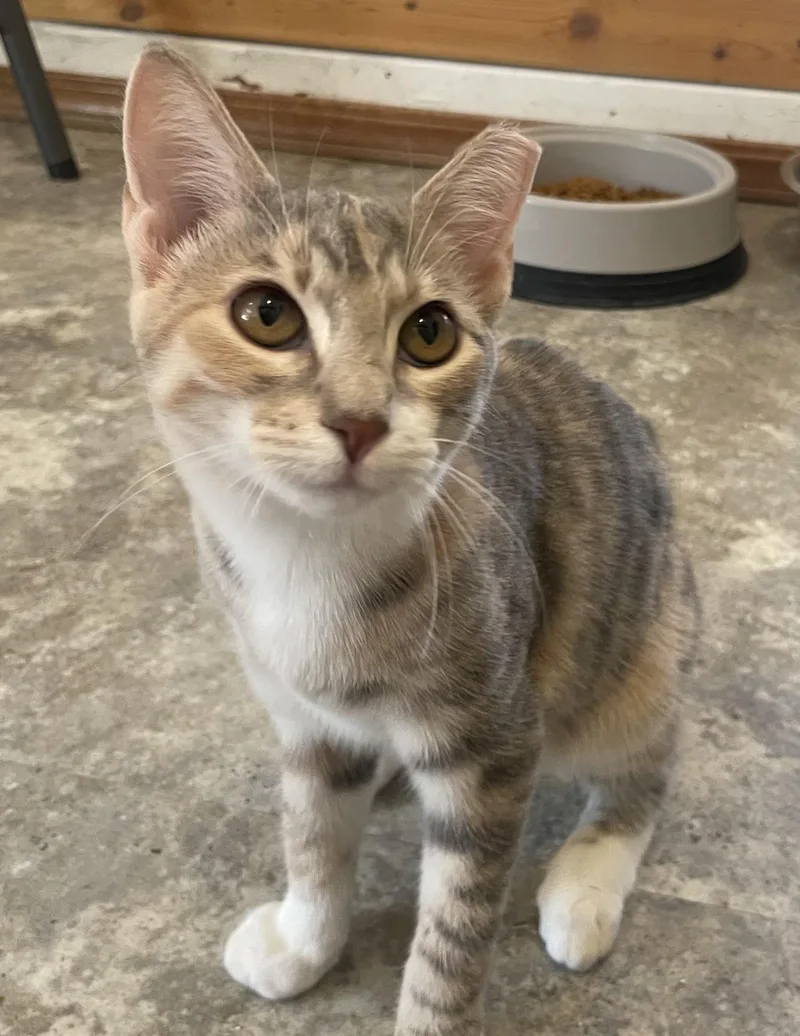
A dilute tortoiseshell is a coat pattern, not a breed. Where a standard tortie mixes black and orange, a dilute tortie shows blue-gray and cream, often called blue-cream, in patches or a fine marbled blend. The soft shades come from a recessive dilution gene, and the patchwork depends on two X chromosomes, which is why nearly all dilute torties are female.

Most dilute torties in Richmond will be domestic shorthairs or longhairs, though the coloring also appears in Persians, British Shorthairs and Maine Coons. Coat color says nothing reliable about personality, despite the folklore. A dilute tortie can be shy, outgoing, cuddly or independent, so time spent with the cat matters more than the color. Longhaired cats need regular brushing.

Weight
6–14 lbs
Height
8–10 in
Lifespan
12–18 yrs
Temperament
Affectionate, Independent, Curious
Shedding
Moderate

Owning a Dilute Tortoiseshell in Richmond

Having a Dilute Tortoiseshell in Richmond

Dilute tortoiseshell describes coloring, so a cat's traits follow its breed mix, age and upbringing. In Richmond, most are indoor domestic cats suited to apartments and rowhouses, with day-to-day care shaped mainly by the heat and humidity of summer.

Temperament

Most dilute torties are domestic cats, and they range from timid to confident and from lap-loving to independent. Many are curious and affectionate, but coat color doesn't predict either. In Richmond's apartments and rowhouses, a calm cat often settles in quickly with a quiet routine, while a bolder one may enjoy watching street life from a window.

Exercise Needs

Plan a couple of play sessions a day with wand toys or balls, plus puzzle feeders and climbing spots. Kittens and young adults need the most, while older cats prefer gentler games. Indoor play works year-round in Richmond, and a harness-trained cat can take supervised outings, since city parks require pets to be leashed.

Health Considerations

The coat pattern carries no known health risk for female cats, while the rare males are usually XXY and may have added concerns. Routine checkups, dental care and a healthy weight matter most. In Richmond, rabies vaccination is required by four months, and a veterinarian can advise on flea and tick prevention.

Living Space

Dilute torties do well in apartments, lofts and rowhouses as long as there are scratching posts, perches and hiding spots. Quieter cats often settle best in calm homes, while confident ones handle busy households. Keep window screens secure, and plan a regular brushing routine if the cat has a long coat.

What it costs to own a Dilute Tortoiseshell in Richmond

ExpenseTypical costPer year
Adoption fee$200, one time$200 in year one
Food$25 to $50 per month$300 to $600
Pet insurance$20 to $45 per month$240 to $540
Routine vet care$150 to $350 per year$150 to $350
Other*$460 to $1,160 per year$460 to $1,160
Estimated yearly total (after year one)$1,150 to $2,650
First-year total (with adoption fee)$1,350 to $2,850

Adoption fee is the fee on Dilute Tortoiseshell listings in Richmond on GetBuddy today. Other costs are estimates and vary with size, age and health.

* The $10 Richmond cat license, litter, flea and tick prevention, a yearly dental cleaning allowance, toys and supplies, and light home grooming.

Adopt a Dilute Tortoiseshell in Richmond.

Now that you know more, let’s find you a new best friend. These rescues and shelters below currently have Dilute Tortoiseshells available.

Rescues in Richmond with Dilute Tortoiseshells Available

Richmond's city shelter and nonprofit rescues care for cats of every coat, age and personality, including tortoiseshells. Here are the rescues & shelters in the Richmond area where you can find Dilute Tortoiseshells and other cats available for adoption.

Frequently Asked Questions

Yes. Richmond has no known restrictions tied to cat coat color, and a dilute tortie is a coat pattern rather than a breed. You'll need a $10 annual city license once the cat is four months old, proof of rabies vaccination, and spay/neuter by six months unless you hold a $200 breeding permit.

Yes, for cats kept indoors. Richmond has about 45 days a year at or above 90°F and humid summer nights, so air conditioning or a cool, shaded room matters. Winters are cold but short, with occasional heavy snow and power outages. Never leave a cat in a parked car; call 911 if you see one in trouble.

Yes, if the cat is fully contained. GRTC buses and the Pulse allow only service animals and animals that are secure in a closed carrier and won't bother other passengers. A leashed, uncontained cat isn't allowed, so choose a sturdy carrier with a latch. GRTC rides have recently been fare-free.

Yes. Dilute torties are usually domestic cats that adapt well to lofts, rowhouse flats and other apartments. Give the cat scratching posts, a window perch and daily play sessions, and choose a calm cat if walls are thin. Review the lease for pet rules, and keep window screens secure on upper floors.

It can be, since the coat pattern says little about personality and most dilute torties are adaptable domestic cats. Keep the cat indoors for safety: coyotes live along the river corridor, rabies cases in wildlife are tracked locally, and traffic is a risk. Vaccinate on schedule and plan for muggy summers.

Brush a shorthaired dilute tortie about once a week and a longhaired one several times a week, or daily during heavier shedding in spring and fall. Humid summers make mats more of a concern for long coats. Home grooming is inexpensive and counted in the yearly Other costs, so professional grooming is optional.

A tortoiseshell cat is a cat with a coat pattern, not a breed, that mixes black-based and orange-based colors in patches or a mottled blend with little or no white. The dilute version shows blue-gray and cream instead. The pattern appears in domestic shorthairs and many purebreds, and because of its genetics nearly all tortoiseshells are female.

Almost all tortoiseshell cats are female, but not every single one. The orange and black color genes sit on the X chromosome, and a cat needs two X chromosomes to show both colors together. Females have two, so they can be torties. A tortoiseshell male is possible only through rare genetic exceptions, such as carrying an extra X chromosome.

We have 1 rescue with Dilute Tortoiseshells available: Cats Cradle of Greater Richmond Inc.. You can see every rescue with Dilute Tortoiseshells available in the list above these questions, or scroll to the top to see the Dilute Tortoiseshells near Richmond.

Expect food at $25 to $50 a month, insurance at $20 to $45 a month, and routine vet care at $150 to $350 a year. Other costs such as litter, prevention, dental care and supplies run about $460 to $1,160 a year. Altogether, that comes to roughly $1,150 to $2,650 a year.