Turkish Van Cats for Adoption in San Antonio, TX

Your guide to finding and caring for a Turkish Van in San Antonio

Turkish Vans do well in San Antonio homes as long as there's something tall to climb. An apartment near the Medical Center or an older Southtown bungalow works fine once there's a cat tree by a window. Vans are big, athletic and chatty, and plenty of them like to splash in a water bowl or watch the shower. With August highs around 96°F, a Van here is an indoor cat. Expect one that follows you from room to room and supervises the dishes.

181 Turkish Vans available in San Antonio and nationwide

Bring home a Turkish Van

While we don't have enough cats near San Antonio, keep in mind that many rescues may offer transport.

Turkish Vans Available for Adoption Near San Antonio

About the Turkish Van breed

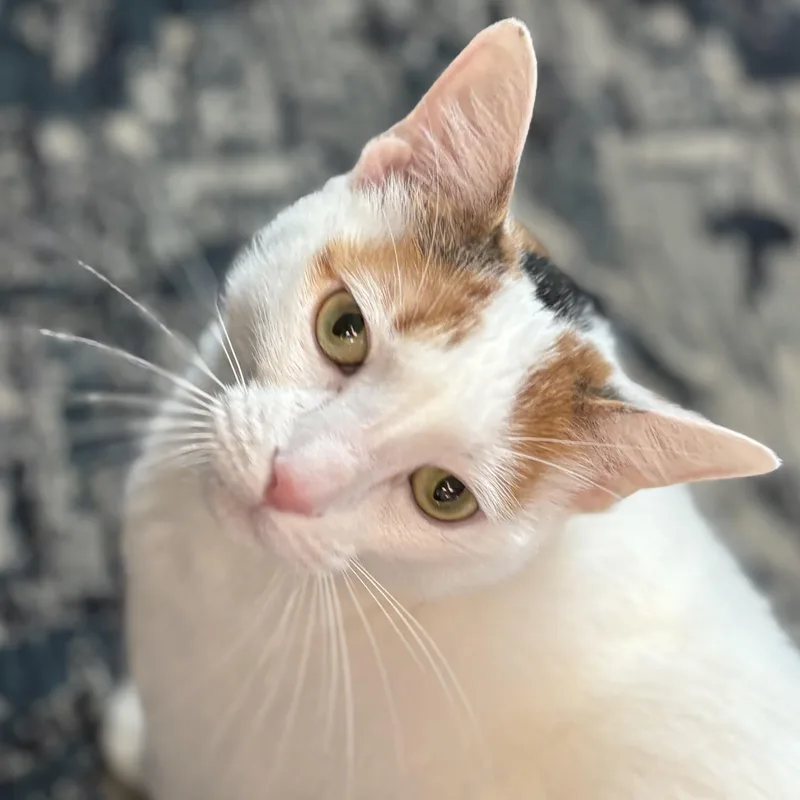
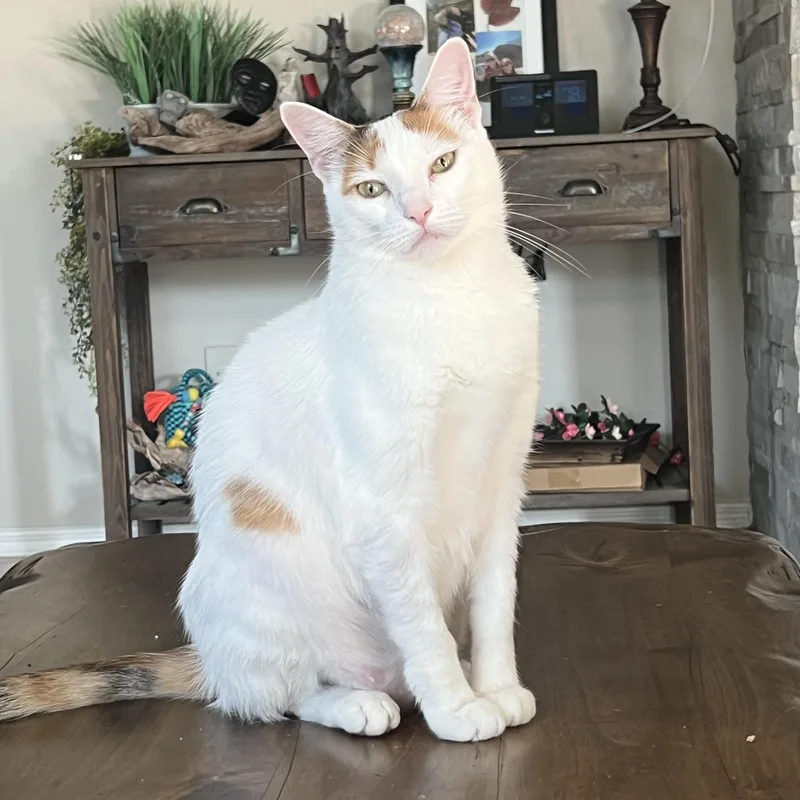
The Turkish Van is a large, muscular cat with a semi-long, cashmere-soft coat and the van pattern: a white body with color on the head and tail. The coat is a single layer with no undercoat and sheds heavily during seasonal molts, which is a plus in a warm city. The breed was developed in Britain in the 1950s from cats brought back from Turkey.

Vans mature slowly, often taking three to five years to reach full size, so a young Van may keep its gangly, playful streak for a long time. Many are bright, vocal and happiest when they can climb, fetch and help with whatever you're doing, though most prefer company on their own terms over being carried. Each cat differs, and a Van's own personality matters more than the breed's reputation.

Weight
7–20 lbs
Height
10–14 in
Lifespan
12–17 yrs
Temperament
Active, Intelligent, Playful
Shedding
Moderate

Owning a Turkish Van in San Antonio

Having a Turkish Van in San Antonio

Turkish Vans are strong, curious cats that need climbing space and daily play more than they need floor area. In San Antonio, the heat keeps that activity indoors, so how you set up your home shapes life with a Van.

Temperament

Many Turkish Vans are bold, chatty and devoted, following their people from room to room. Some dislike being picked up, and a few are wary of strangers, so a busy apartment complex with lots of visitors suits some Vans better than others. Let the cat set the pace, and judge the cat in front of you rather than the breed.

Exercise Needs

Plan on daily wand-toy or fetch sessions, plus climbing and puzzle feeders. With San Antonio's long hot season, nearly all of that happens indoors, so a tall cat tree, shelves and a window perch do the work a yard might elsewhere. A secure, enclosed balcony can add fresh air in the cooler months.

Health Considerations

Heart muscle disease has been reported in Turkish Vans, so a veterinarian can listen to the heart and recommend further checks if needed. Their large frame makes weight control important, and dental disease is common in cats of every breed. In San Antonio, year-round flea prevention and a rabies vaccine by 16 weeks are part of routine care.

Living Space

A Van adapts to apartments and houses alike if there's vertical space. Renters can rely on a freestanding cat tree and window perches instead of drilling wall shelves. Put secure lids on toilets and tubs, since many Vans investigate water, and keep window screens in good repair so a climber can't push through.

What it costs to own a Turkish Van in San Antonio

ExpenseTypical costPer year
Adoption fee$200, one time$200 in year one
Food$30 to $60 per month$360 to $720
Pet insurance$25 to $55 per month$300 to $660
Routine vet care$150 to $350 per year$150 to $350
Other*$500 to $1,250 per year$500 to $1,250
Estimated yearly total (after year one)$1,310 to $2,980
First-year total (with adoption fee)$1,510 to $3,180

Adoption fee is the fee on Turkish Van listings in San Antonio on GetBuddy today. Other costs are estimates and vary with size, age and health.

* Litter, flea and tick prevention, a dental cleaning allowance, climbing trees, toys and supplies, and combing the semi-long coat through seasonal molts.

Adopt a Turkish Van in San Antonio.

Now that you know more, let’s find you a new best friend. These rescues and shelters below currently have Turkish Vans available.

Frequently Asked Questions

Yes, San Antonio has no breed bans, and a Turkish Van is treated like any other cat. There's no annual license, but cats must be microchipped and registered, which is free for city residents, and vaccinated against rabies by 16 weeks. A home can have up to eight cats without an excess animal permit. Nearby small cities like Alamo Heights set their own rules.

Yes, a Turkish Van can thrive in a San Antonio apartment if it has vertical space and daily play. Choose a tall freestanding cat tree, a window perch and a regular wand-toy routine, and keep toilet lids closed. Read the lease for pet deposits and fees, since Texas doesn't cap them, and enclose any balcony before the cat goes out.

A Turkish Van can be a good fit if you're home enough to play and can keep the house cool. The heat keeps the cat indoors much of the year, so you'll supply the climbing and activity. Vans are talkative, energetic and often not lap cats, so they suit people who enjoy an active, opinionated companion. Each cat differs.

Yes, as indoor cats with air conditioning. San Antonio has about 122 days a year at or above 90°F, with summer lows near 74°F, so the cat shouldn't spend time outside. Close curtains on sunny windows, leave fresh water out, and treat heavy panting or drooling as an emergency for a veterinarian. A Van's single coat helps, but cool air matters more.

Less than many long-haired cats. The single coat has no undercoat, so combing once or twice a week is usually enough, with extra sessions during spring and fall molts. Professional grooming is optional and fits within the roughly $500–$1,250 yearly Other costs, alongside litter, flea prevention and dental care. Because a San Antonio Van lives indoors, the coat stays fairly clean.

Only in an enclosed carrier. San Antonio's VIA service is buses only, with no rail, and its code of conduct bars animals other than service animals and pets in an enclosed carrier. A full-grown Van can reach 20 pounds, so pick a roomy, secure carrier that stays closed. A leash or harness doesn't count.

Yes, Turkish Van cats are rare, especially in the United States, where relatively few are registered each year. Even in Europe, where the breed is better known, they make up only a tiny share of pedigreed kitten registrations. Because purebred Vans seldom reach shelters, adopters often find van-patterned domestic cats, which share the striking look but not necessarily the breed's personality.

A Turkish Van is a large, semi-longhaired cat breed known for its white body with color only on the head and tail. The breed was developed in Britain from cats brought from Turkey in 1955 and named after the Lake Van region. Vans are typically athletic, clever and playful, with a soft, water-resistant coat that lacks an undercoat.

We have 1 rescue with Turkish Vans available: Helotes Humane Society. You can see every rescue with Turkish Vans available in the list above these questions, or scroll to the top to see the Turkish Vans near San Antonio.

Expect about $30–$60 a month for food and $25–$55 a month for optional pet insurance. Routine vet care runs about $150–$350 a year, and other costs such as litter, flea prevention, dental cleaning, climbing trees and coat combing add roughly $500–$1,250 a year. San Antonio charges no cat license, and microchips are free for residents.

Find Turkish Vans in Nearby Cities

Expand your search to find Turkish Vans available for adoption near San Antonio.