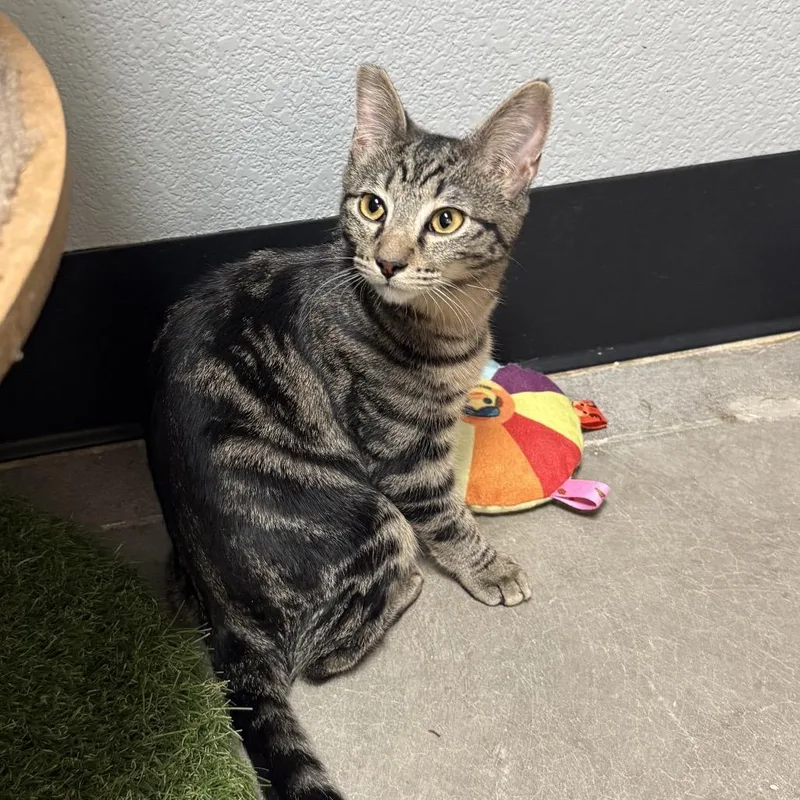
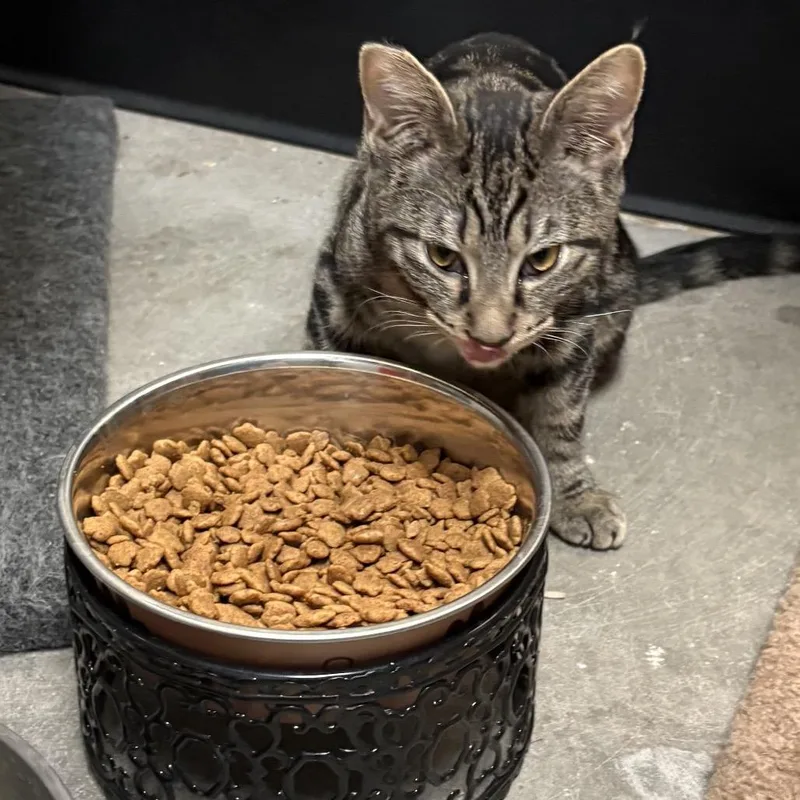
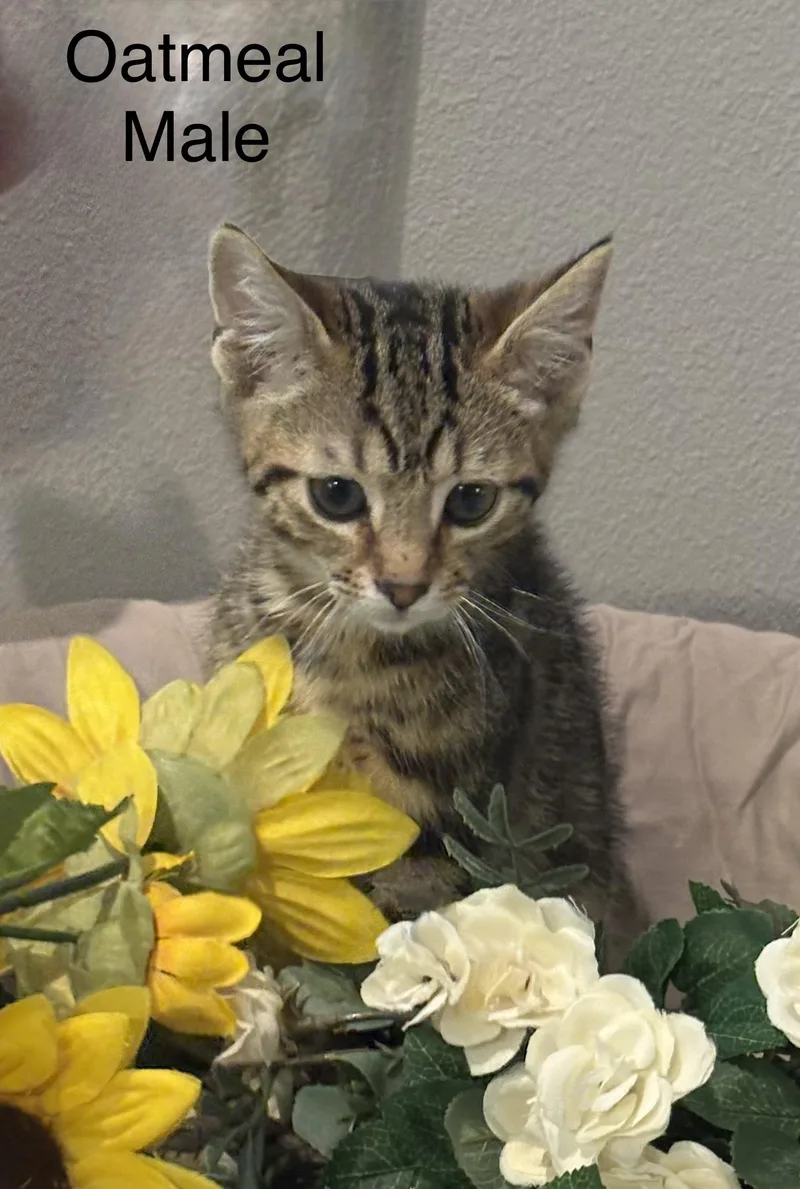
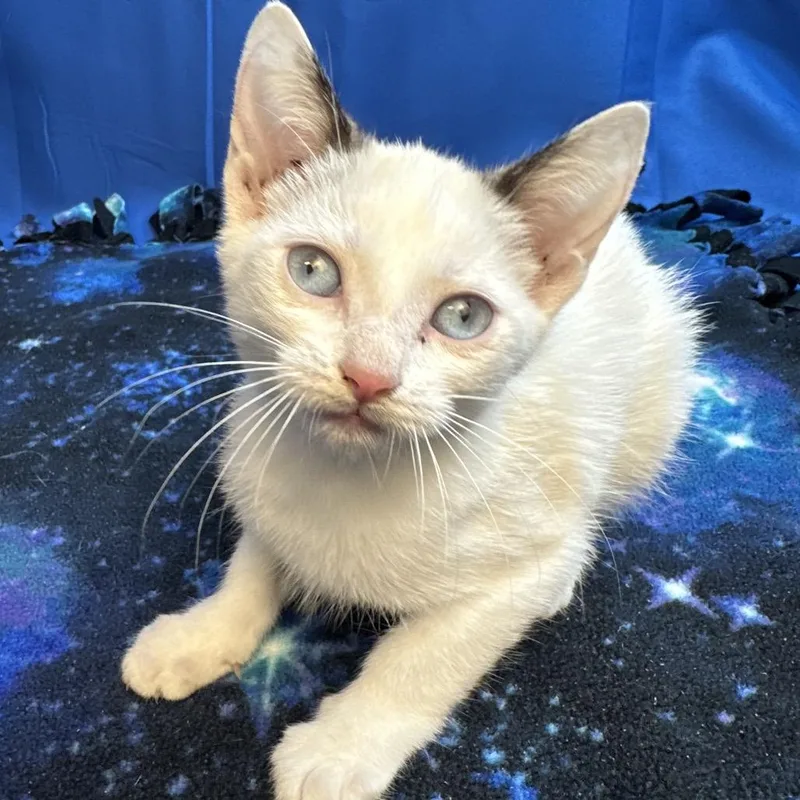
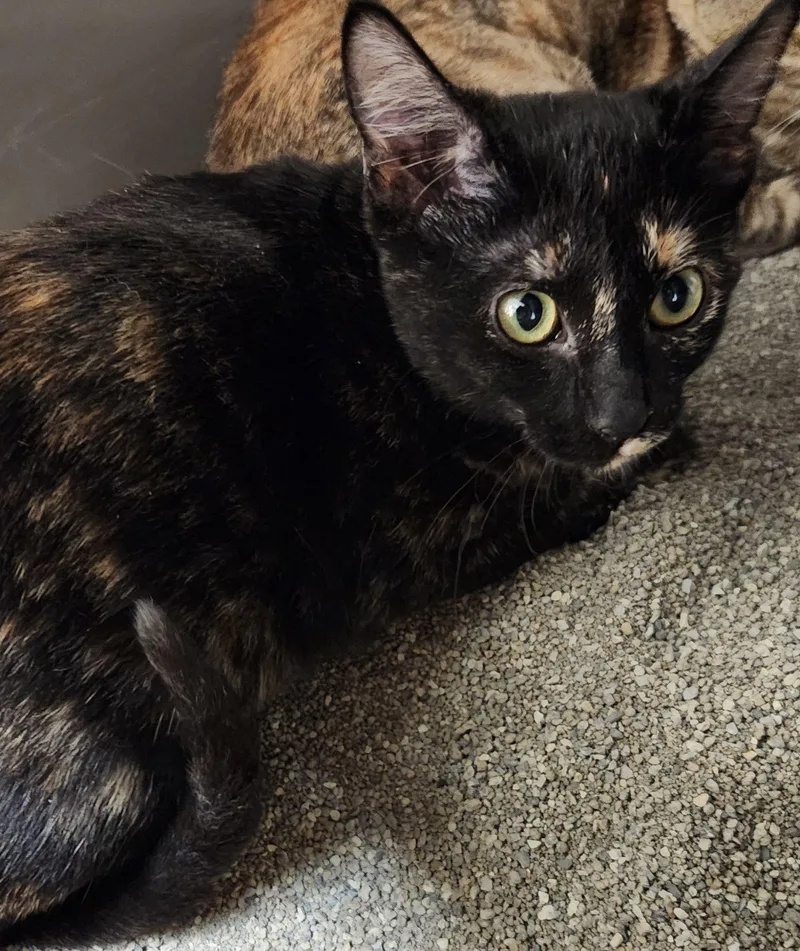
Bengal Cats for Adoption in San Antonio, TX

Your guide to finding and caring for a Bengal in San Antonio

A Bengal fits San Antonio best in a home with plenty to climb and someone around to play. In a Medical Center apartment or an older Monte Vista house, a Bengal will treat the bookshelves as a jungle gym and the kitchen faucet as a toy. Long, hot afternoons suit a cat that's best kept indoors anyway. Bengals do well with people who are home a lot, or with a second playful cat for company.

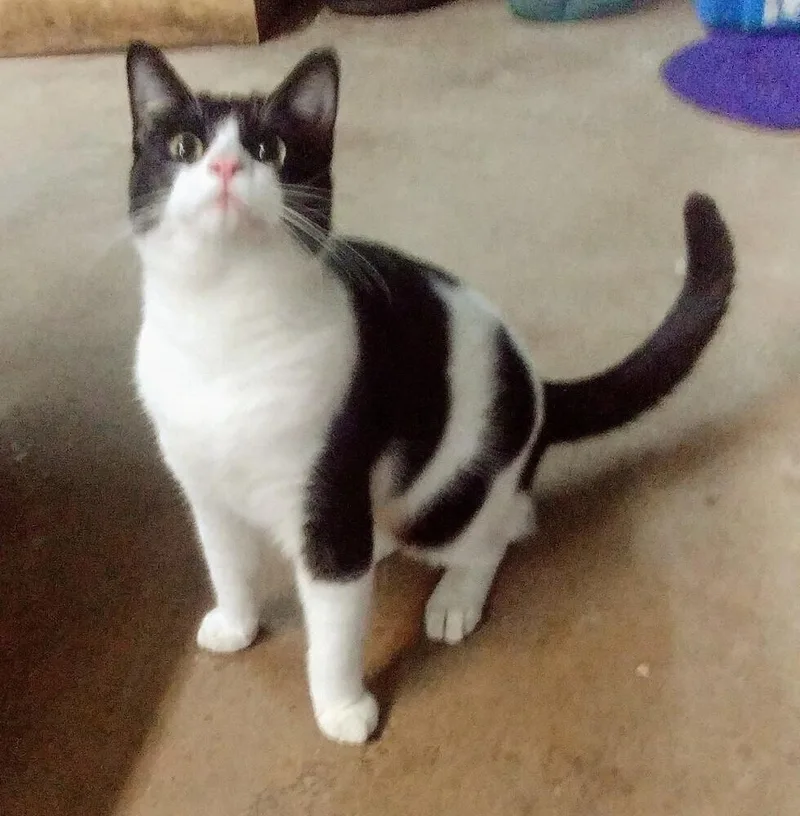
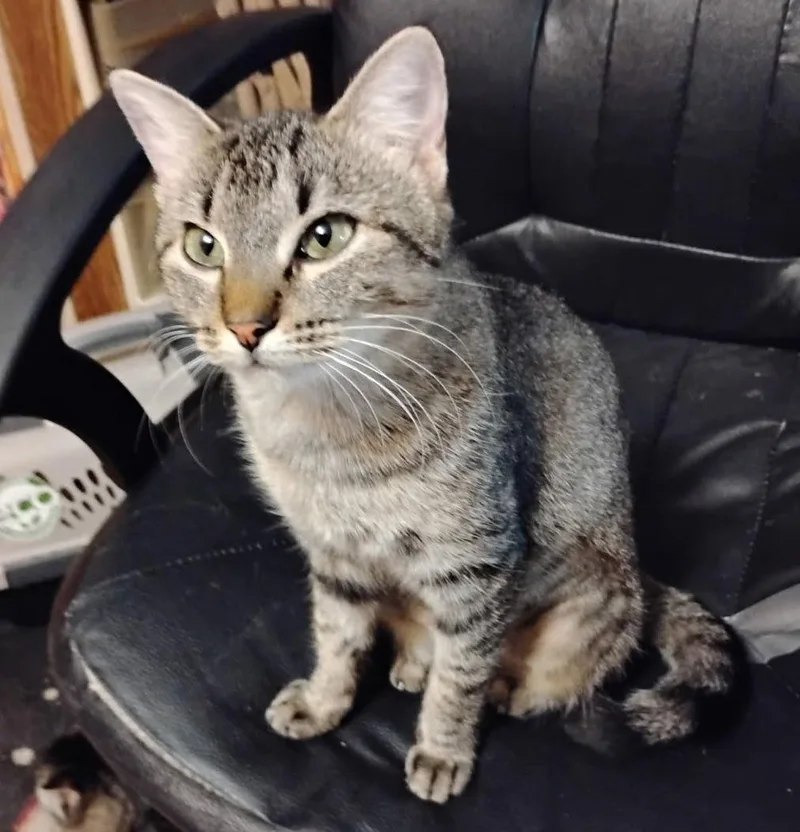
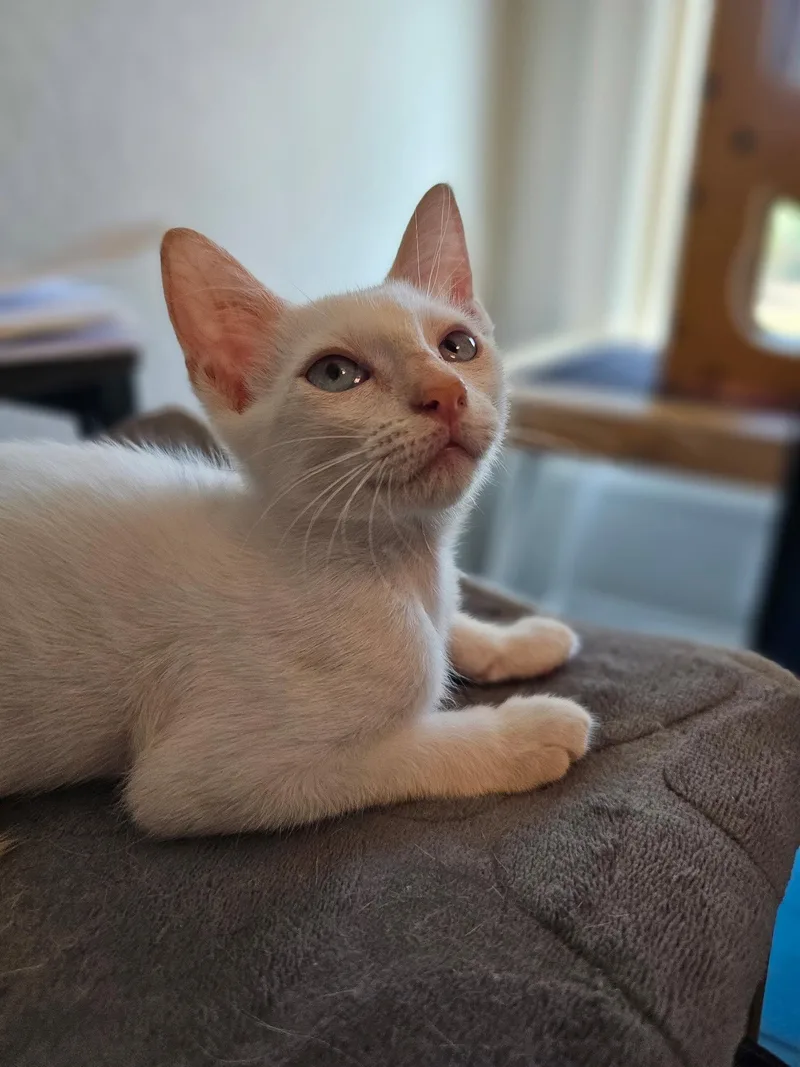
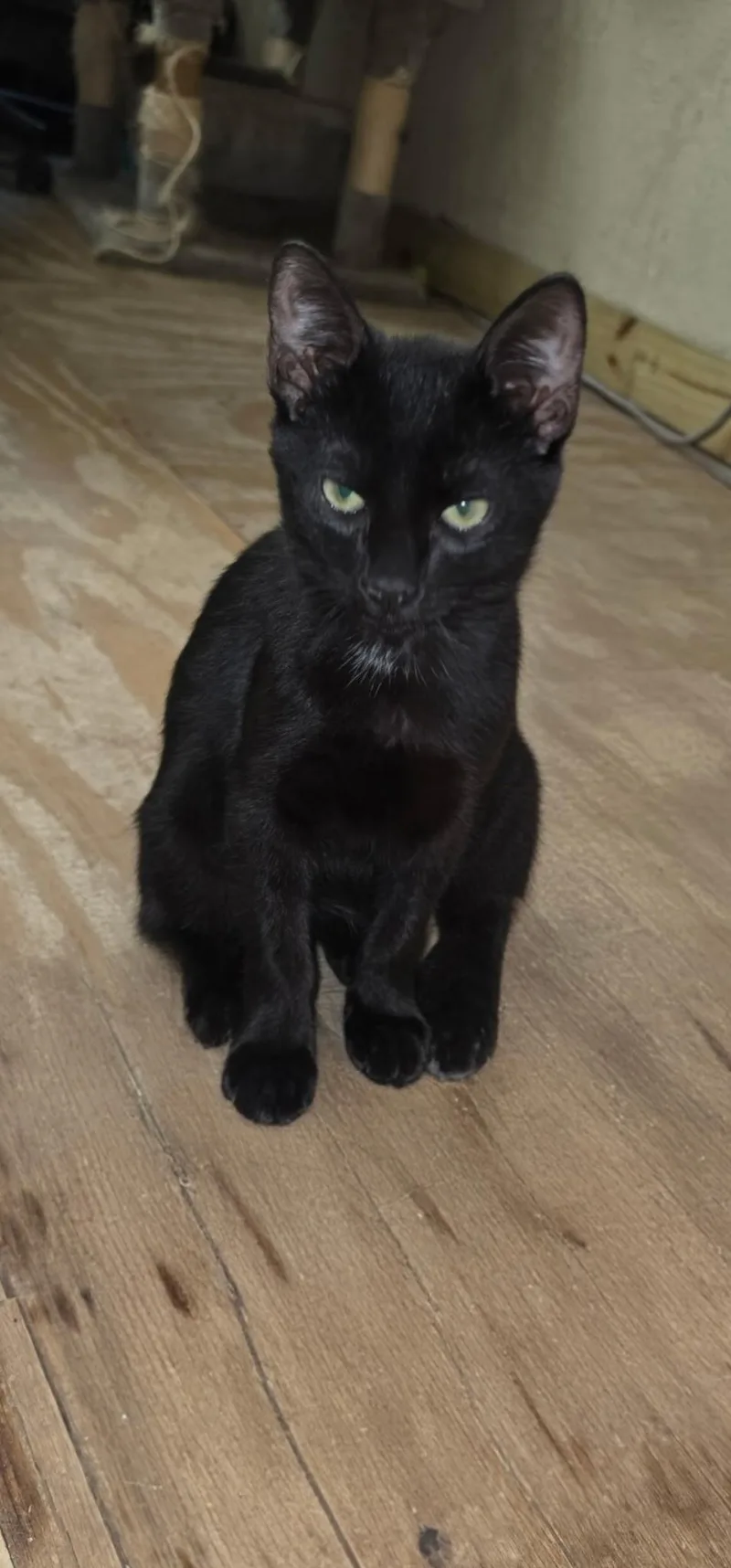
223 Bengals available in San Antonio and nationwide

A Bengal is ready for you

While we don't have enough cats near San Antonio, keep in mind that many rescues may offer transport.

Bengals Available for Adoption Near San Antonio

About the Bengal breed

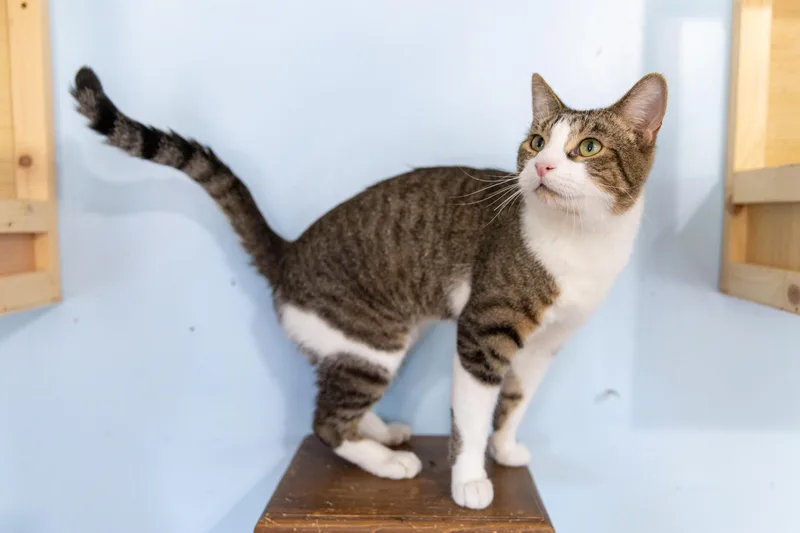
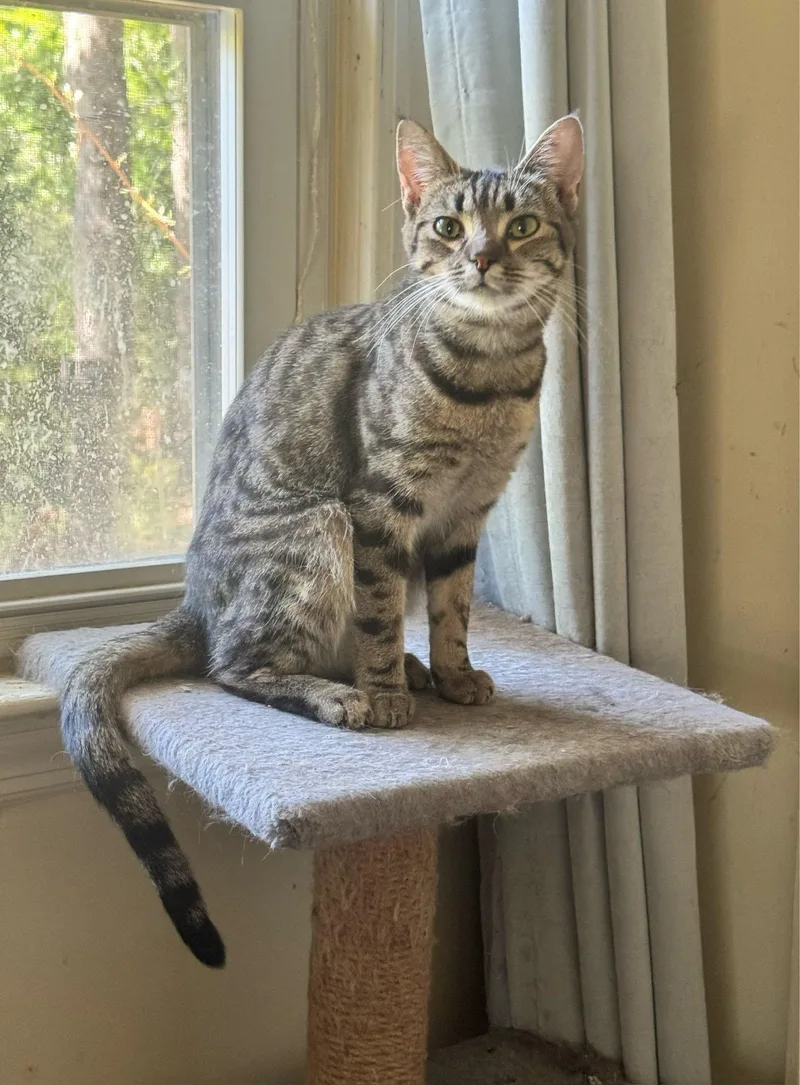
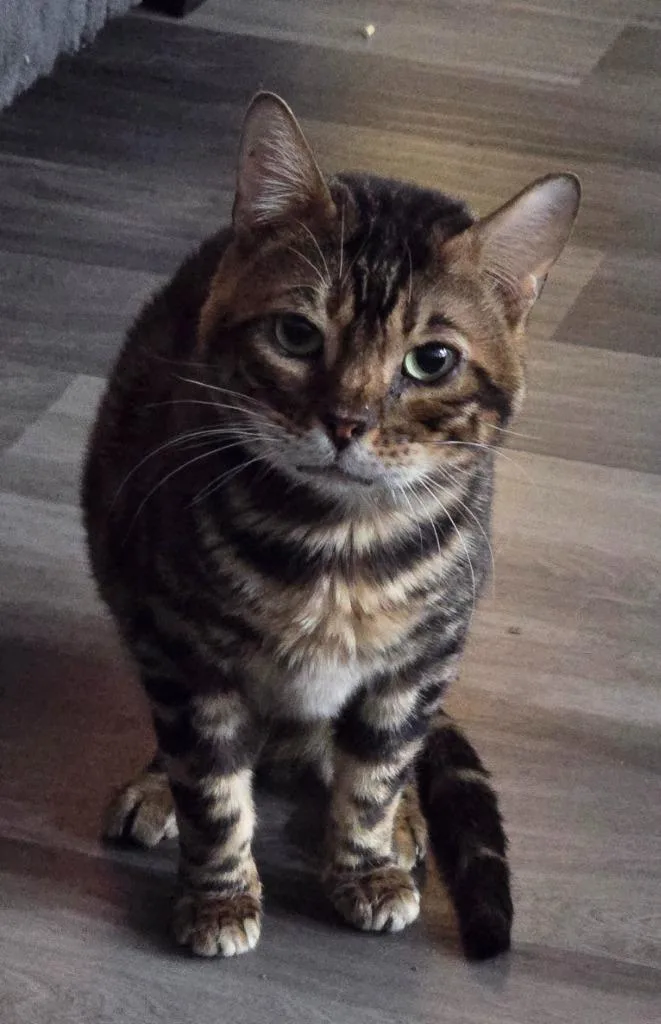
Bengals are medium, muscular cats, usually 8 to 15 pounds, with a short, soft coat in spots, rosettes or marbling, often with a glittery sheen. The breed began in the 1960s with crosses between domestic cats and the Asian leopard cat, but pet Bengals today are many generations removed from that ancestor and are fully domestic.

Bengals are bright, active and talkative. Many fetch, walk on a harness and learn to open doors, and they stay playful well into adulthood. In San Antonio, where heat keeps most cats indoors for much of the year, that energy needs an outlet: climbing shelves, puzzle feeders and several play sessions a day. Shedding is low to moderate, though Bengals aren't hypoallergenic, and some are cuddlier or calmer than others.

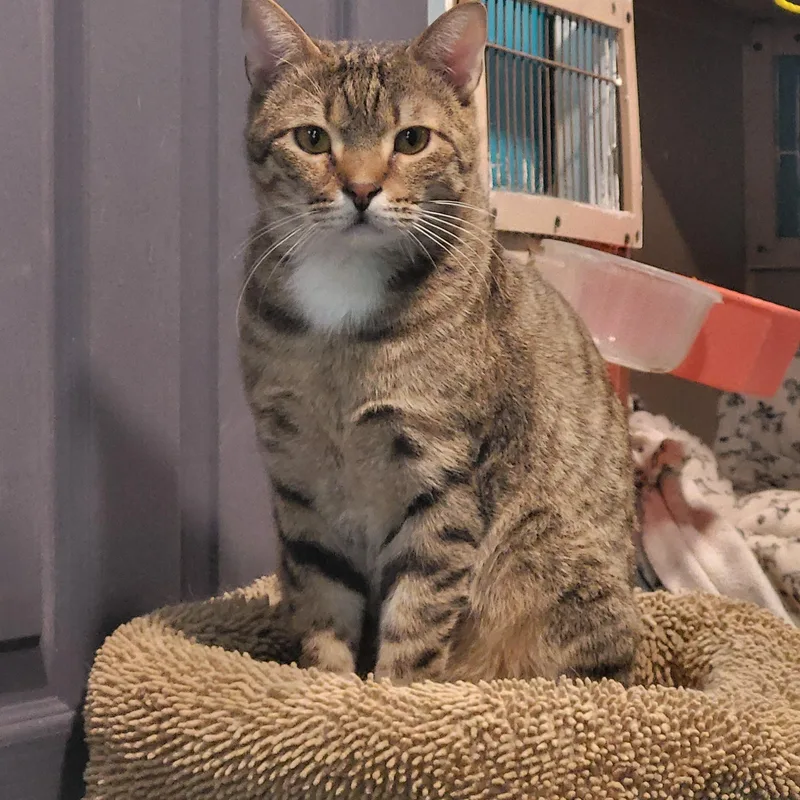
Weight
8–15 lbs
Height
9–11 in
Lifespan
10–15 yrs
Temperament
Energetic, Curious, Intelligent
Shedding
Low to Moderate

Owning a Bengal in San Antonio

Having a Bengal in San Antonio

A Bengal pairs an athletic body with a busy mind, so daily play matters more than square footage. Heart disease and a few inherited conditions are worth knowing about, and San Antonio's heat makes an enriched indoor home the practical choice.

Temperament

Bengals are typically confident, curious and closely tied to their people, often following them from room to room. Many get vocal when bored. They can share a home with cat-savvy dogs and other active cats, though some get bossy. Bengals vary, so judge each cat by how it behaves with you, not by breed alone.

Exercise Needs

Plan on several active play sessions a day: wand toys, fetch, and tall cat trees or wall shelves for climbing. Add food puzzles and harness outings to keep a Bengal's mind busy. In San Antonio, early mornings or evenings are the comfortable times for a harness walk, but indoor play will do most of the work.

Health Considerations

Bengals can develop hypertrophic cardiomyopathy, a heart condition, along with inherited problems such as progressive retinal atrophy and pyruvate kinase deficiency. Genetic tests exist for some of these. Yearly vet exams, with heart screening if your vet recommends it, catch trouble early. Parasite prevention is a routine year-round cost in San Antonio's mild winters.

Living Space

Bengals can thrive in an apartment or a house as long as they have tall climbing space and daily company. Stimulation matters more than square footage. Keep a Bengal indoors or in a fully enclosed patio, and secure cupboards and cords, since clever Bengals open doors and chew.

What it costs to own a Bengal in San Antonio

ExpenseTypical costPer year
Food$25 to $50 per month$300 to $600
Pet insurance$30 to $60 per month$360 to $720
Routine vet care$150 to $350 per year$150 to $350
Other*$500 to $1,350 per year$500 to $1,350
Estimated yearly total (after year one)$1,310 to $3,020

Other costs are estimates and vary with size, age and health.

* Litter, flea and tick prevention, a dental cleaning allowance, toys and bedding, light brushing, and extra climbing and puzzle enrichment for a very active cat.

Adopt a Bengal in San Antonio.

Now that you know more, let’s find you a new best friend. These rescues and shelters below currently have Bengals available.

Frequently Asked Questions

Yes, you can. San Antonio has no breed bans, and Texas law lets cities add dangerous-dog rules only if they aren't aimed at specific breeds. The main local duty is microchipping and registering your cat, which is free for city residents. Because Bengals are clever climbers who may slip out, remember that loose pets can draw fines starting at $100.

Yes, a Bengal can live happily in a San Antonio apartment if it has tall climbing space and daily play. Choose a tree or wall shelves that fit your lease, secure balcony and window screens, and expect some early-morning zoomies that neighbors may hear. A second playful cat can help if you're away much of the day.

Yes, a Bengal handles San Antonio summers well as an indoor cat in air conditioning. The city logs about 122 days a year at 90°F or higher, so the risk comes from warm rooms, sunny windows and parked cars. Keep water out in several spots and save harness outings for early morning. Heavy panting, drooling or lethargy needs a vet quickly.

It can be, for people who are home often and enjoy playing with a cat. Hot summers keep Bengals indoors anyway, which is how they're best kept, but you'll need to supply the stimulation: climbing, puzzle feeders and several play sessions a day. A Bengal left alone all day may turn destructive, so your work schedule is the main thing to weigh.

Yes, but only inside an enclosed pet carrier. San Antonio's VIA runs buses rather than rail, and its code of conduct bars animals unless they're service animals or traveling in a carrier. A Bengal weighing 8 to 15 pounds can fit a roomy carrier, so practice carrier training at home first. A leashed or harnessed cat isn't covered by that exception.

Very little. A Bengal's short, close-lying coat needs a weekly brushing to remove loose hair, and shedding is low to moderate. San Antonio's heat doesn't call for any special coat care, though regular nail trims and tooth care matter. Professional grooming is rarely necessary, so it's a small part of the $500 to $1,350 yearly Other budget, which also covers litter and parasite prevention.

A Bengal is a domestic cat breed developed from crosses between house cats and the small Asian leopard cat, then bred for generations with domestic cats. Bengals have short, sleek coats with spots, rosettes or marbling, muscular builds and lively, curious personalities. Pet Bengals are domestic cats, though their energy and intelligence often feel a little wilder.

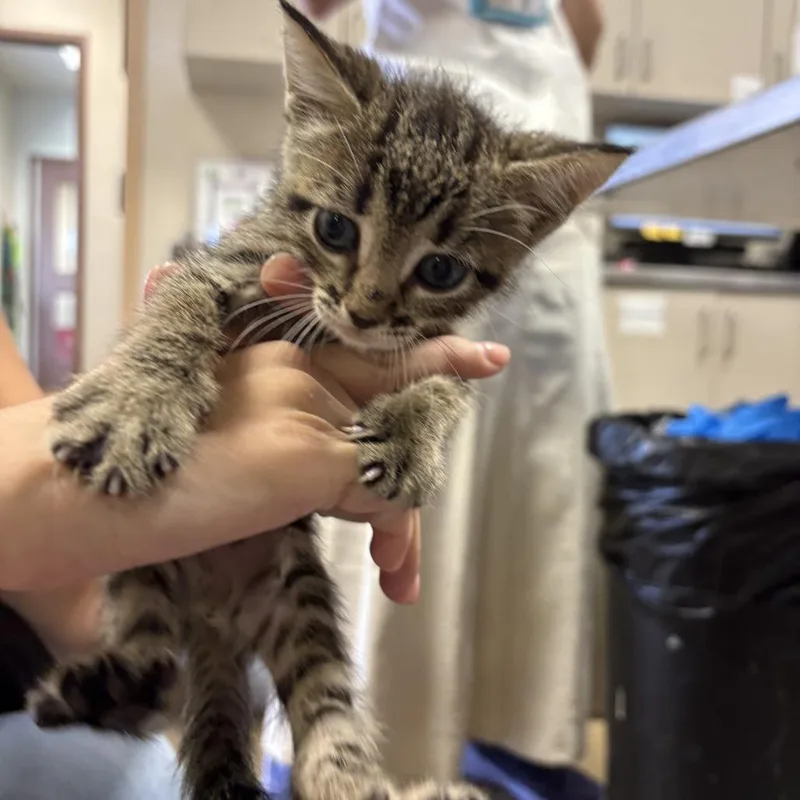
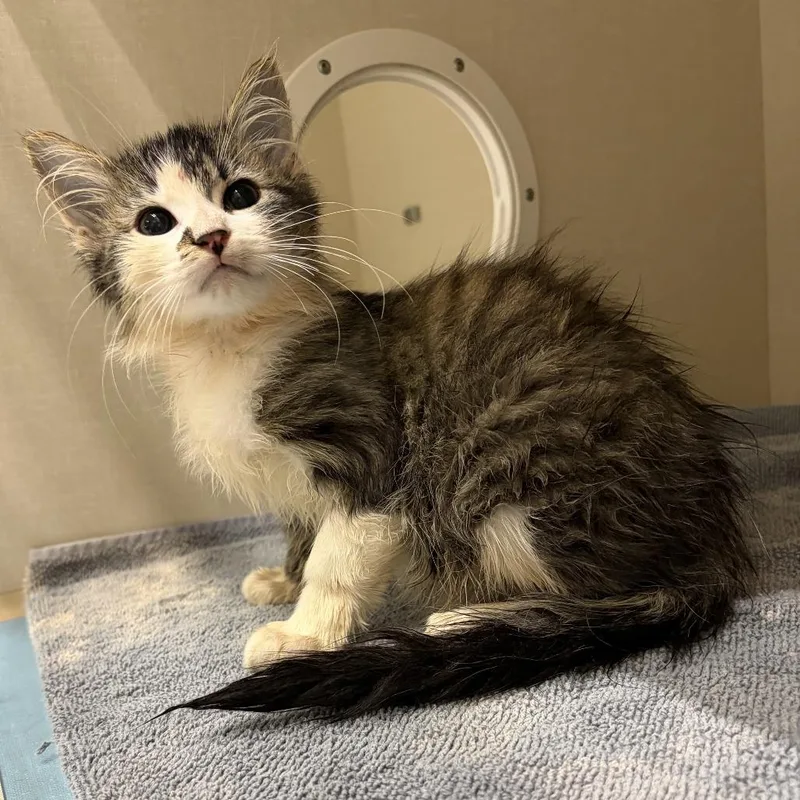
Bengal kittens look like tiny spotted or marbled wild cats, with large eyes, rounded ears and bold markings visible from birth. Many go through a fuzzy stage at a few weeks old, when longer guard hairs make the pattern look muddy or faded. The coat usually clears and sharpens over the first several months as the kitten matures.

We have 1 rescue with Bengals available: SNIPSA Inc.. You can see every rescue with Bengals available in the list above these questions, or scroll to the top to see the Bengals near San Antonio.

A Bengal in San Antonio typically costs about $25 to $50 a month for food and $30 to $60 a month for pet insurance. Routine vet care runs $150 to $350 a year, and other costs such as litter, parasite prevention, dental care and enrichment add $500 to $1,350. That puts a typical year at roughly $1,300 to $3,000.