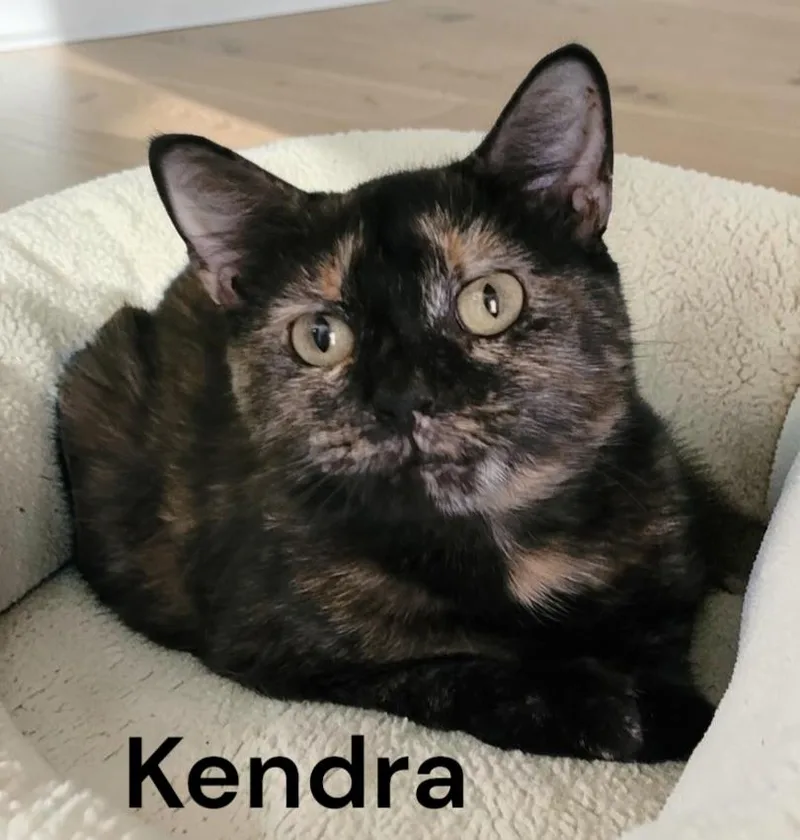
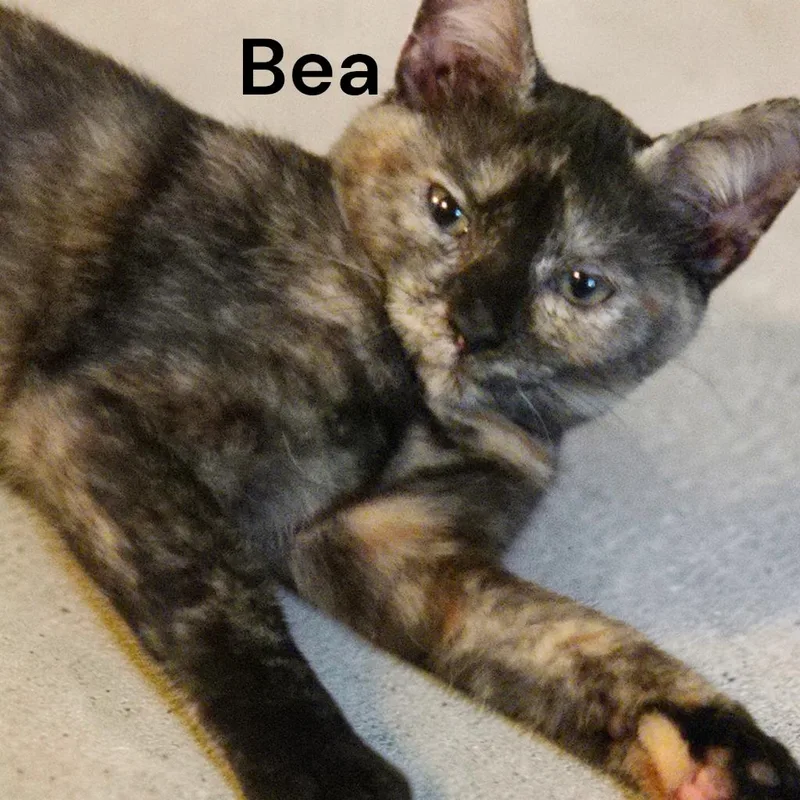
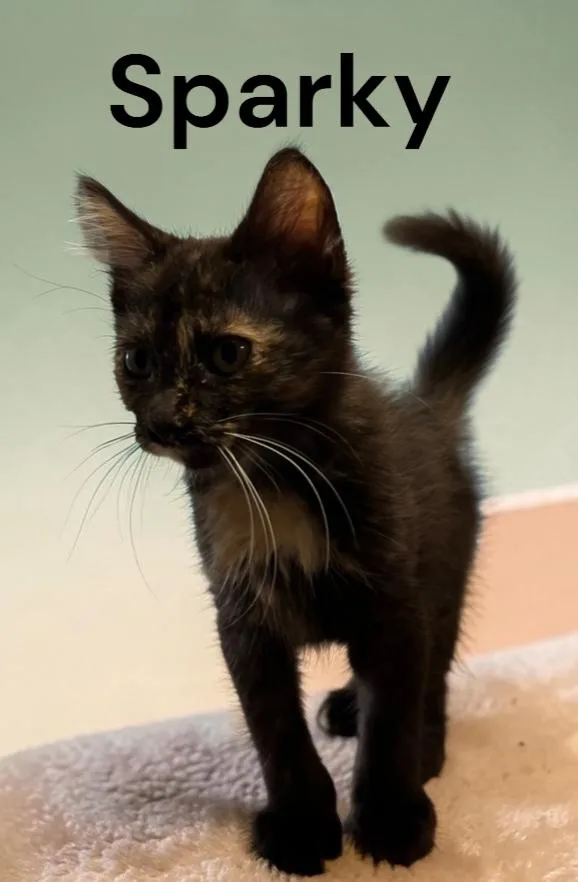
Tortoiseshell Cats for Adoption in Plano, TX

Your guide to finding and caring for a Tortoiseshell in Plano

Tortoiseshell cats do well in Plano's apartments and townhomes, whether that's a unit near Haggard Park downtown or a new place at Collin Creek. Tortie is a coat pattern, so these cats range from shy to bold, but most settle happily indoors with a window perch and a wand toy. With summers this hot, staying inside is the safer choice anyway. A cat tree by the living room window gives a tortie plenty to watch.

1043 Tortoiseshells available in Plano and nationwide

Your Tortoiseshell is waiting

Tortoiseshells Available for Adoption Near Plano

About the Tortoiseshell breed

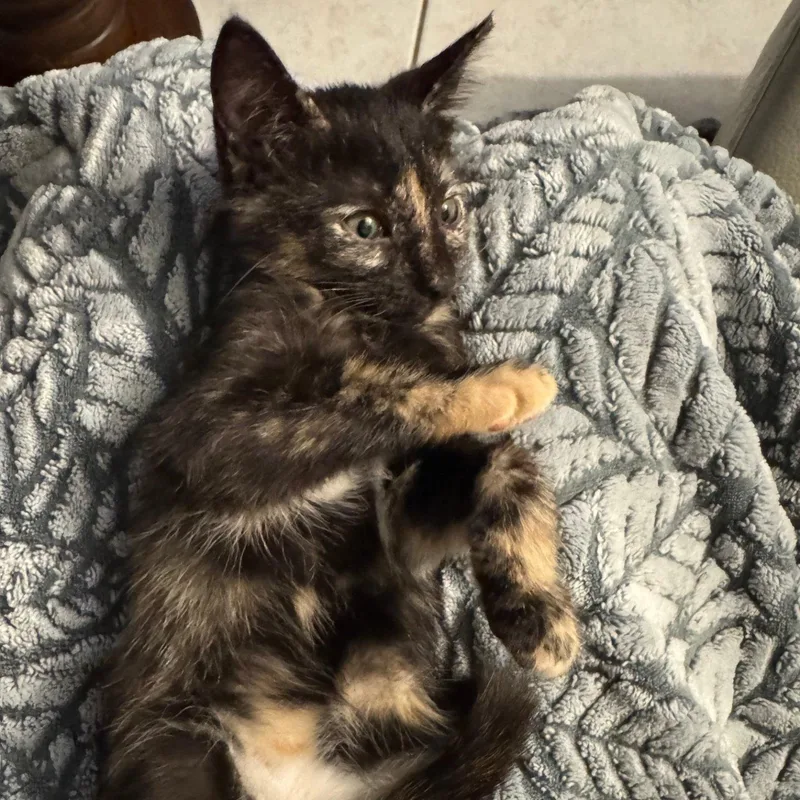
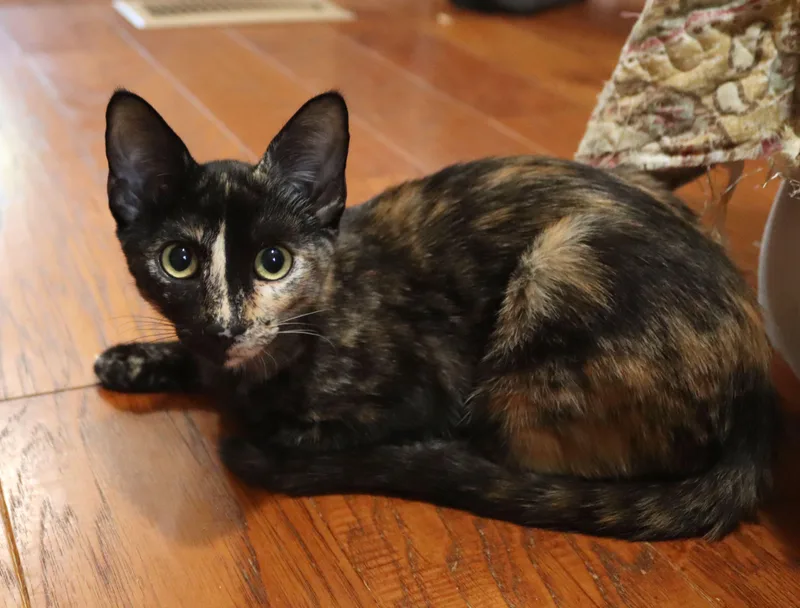
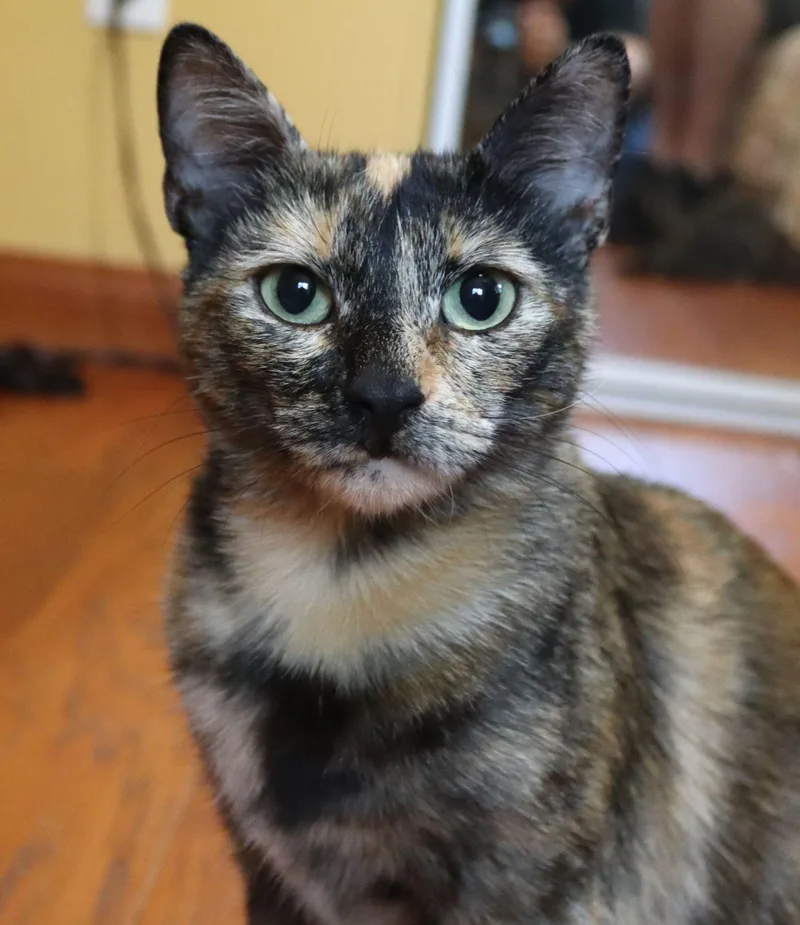
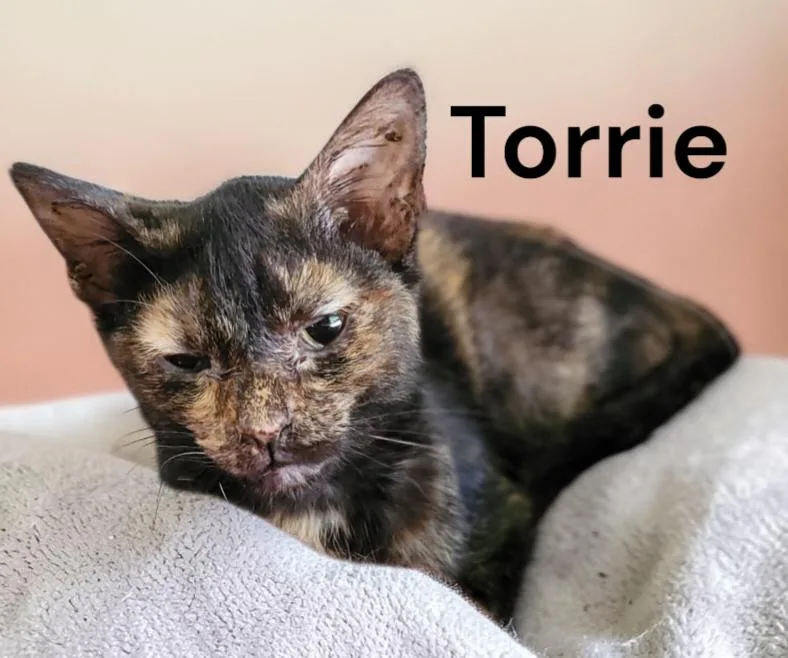
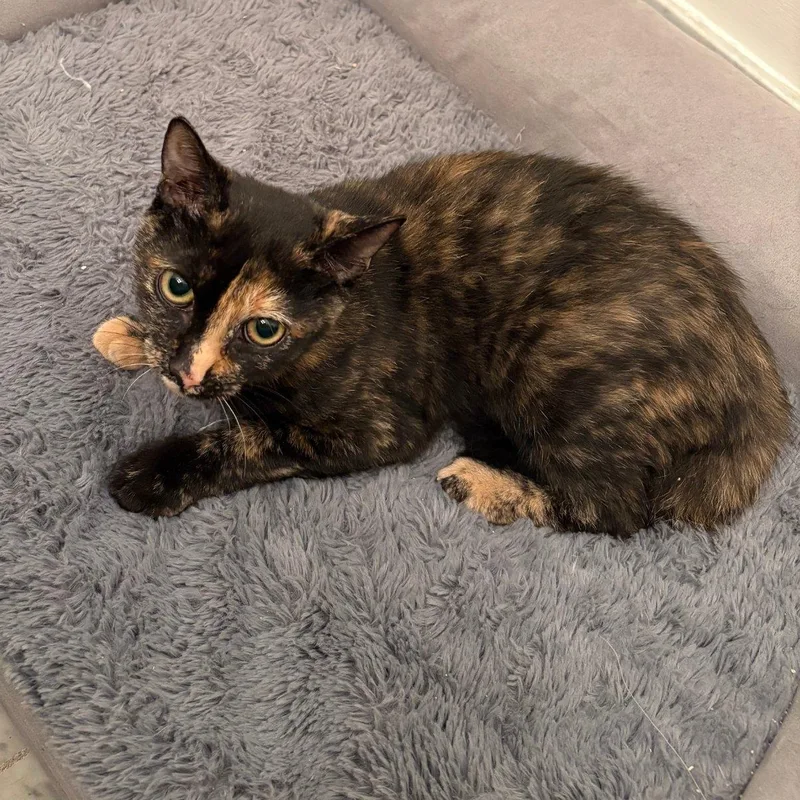
Tortoiseshell describes a coat, not a breed. The black and orange patches or fine mottling show up mostly on female domestic shorthairs and longhairs, and also on breeds like Maine Coons and Persians. A tortie with large white areas is usually called a calico instead. Because color says little about behavior, each cat's age, history and socialization matter more than the pattern.

In Plano, where many cats live in apartments and townhomes, it helps to think about how a cat handles a quiet or busy home. Most torties need daily play, a scratching post, a clean litter box and regular veterinary checkups. They shed a moderate amount, so weekly brushing keeps fur off the couch. Many live 12 to 18 years, so adopting one is a long commitment.

Weight
6–14 lbs
Height
8–10 in
Lifespan
12–18 yrs
Temperament
Independent, Affectionate, Playful
Shedding
Moderate

Owning a Tortoiseshell in Plano

Having a Tortoiseshell in Plano

Tortoiseshell is a coat pattern, so traits vary from cat to cat. These cards cover what applies to most torties in Plano homes: temperament, play needs, health basics and how well they fit apartments and houses.

Temperament

Torties have a reputation for "tortitude," but the evidence is thin and rests mostly on owner impressions. Some are bold and chatty, others shy and quiet. Watching how a cat reacts to noise, visitors and handling tells you far more than color, which matters in an apartment with close neighbors.

Exercise Needs

Most torties need daily interactive play: wand toys, chase games and puzzle feeders. Kittens and young cats need more, seniors less. Indoors, climbing shelves, cat trees and window perches fill the gap. Some cats enjoy harness walks on quiet streets in cooler months, though many are happiest staying inside.

Health Considerations

The tortoiseshell pattern carries no particular health risks in females. The rare males usually have an extra X chromosome and can face added health issues. Otherwise, health follows age and ancestry, so yearly checkups, dental care and a healthy weight matter most. Texas heat makes flea prevention worth discussing with a veterinarian.

Living Space

Torties adapt to apartments and houses alike. Plano is mostly detached houses with a sizable share of apartments in larger complexes, and either works if the cat has vertical space, a scratching post and a quiet hideaway. Keep cats indoors, since coyotes and bobcats live in the area and can threaten pets.

What it costs to own a Tortoiseshell in Plano

ExpenseTypical costPer year
Adoption fee$180, one time$180 in year one
Food$25 to $50 per month$300 to $600
Pet insurance$20 to $45 per month$240 to $540
Routine vet care$150 to $350 per year$150 to $350
Other*$450 to $1,150 per year$450 to $1,150
Estimated yearly total (after year one)$1,140 to $2,640
First-year total (with adoption fee)$1,320 to $2,820

Adoption fee is the fee on Tortoiseshell listings in Plano on GetBuddy today. Other costs are estimates and vary with size, age and health.

* Litter, the annual Plano pet registration, flea prevention, a dental cleaning allowance, toys and supplies, and home grooming.

Adopt a Tortoiseshell in Plano.

Now that you know more, let’s find you a new best friend. These rescues and shelters below currently have Tortoiseshells available.

Rescues in Plano with Tortoiseshells Available

Plano's adoption community includes a city shelter and nonprofit rescues that place cats of every coat, age and personality. Here are the rescues & shelters in the Plano area where you can find Tortoiseshells and other cats available for adoption.

Frequently Asked Questions

Yes, you can get a Tortoiseshell in Plano, and the city has no breed-based restrictions. Because tortoiseshell is a coat pattern, the same rules apply to every cat: a current rabies vaccination and annual city registration once the cat is over four months old. Adoptions through the city shelter include sterilization, vaccines and a microchip.

Yes, a Tortoiseshell can live happily in a Plano apartment, since cats are comfortable indoors and mostly need vertical space and play. Offer a cat tree, a scratching post and a window perch, and rotate toys. Before adopting, get the complex's pet policy, deposit and any pet rent in writing, because terms vary by property.

A Tortoiseshell can be a good fit for Plano if you can offer an indoor home with daily play. The mix of apartments and houses suits cats, and indoor life stays easy through the year. Since tortoiseshell is only a coat, personality varies, so think about how much noise and activity your household has.

Yes, indoor Tortoiseshell cats handle Plano summers well with air conditioning. Highs reach the low 90s, nights stay in the 70s, and 100°F days are possible in July and August. Keep water bowls full, close blinds on sunny windows, and never leave a cat in a parked car.

Yes, but only in a carrier. DART allows non-service animals on its buses and trains when they are carried in a securely latched cage or container, so a Tortoiseshell needs a sturdy, fully closed carrier. Rules for on-demand GoLink vehicles may differ, so plan for a carrier on every trip.

Most Tortoiseshell cats need little grooming: weekly brushing for short coats and a few times a week for longer ones, with extra during spring and fall shedding. Home grooming is inexpensive and falls within the yearly $450–$1,150 in other costs along with litter and supplies. Professional grooming is rarely necessary.

A tortoiseshell cat is a cat with a coat pattern of black-based and orange-based colors blended or patched together, usually with little or no white. It is not a breed; the pattern appears in many breeds and most often in domestic shorthairs. Nearly all tortoiseshells are female because the genes for orange and black are carried on the X chromosome.

Almost all tortoiseshell cats are female, but not all. A female has two X chromosomes and can carry both orange and black color genes, producing the mixed coat. Males normally have only one X. Rare male torties usually have an extra X chromosome or are genetic chimeras, and they are estimated at roughly 1 in 3,000 tortoiseshells.

We have 2 rescues with Tortoiseshells available: Cat Matchers and Furry Friends Animal Rescue. You can see every rescue with Tortoiseshells available in the list above these questions, or scroll to the top to see the Tortoiseshells near Plano.

Expect about $25–$50 a month for food and $20–$45 a month for optional pet insurance. Routine vet care runs roughly $150–$350 a year, and other yearly costs such as litter, flea prevention, dental care and supplies add about $450–$1,150. Costs vary with the cat's age, size and coat.