Extra-Toes Cat / Hemingway Polydactyls for Adoption in Houston, TX

Your guide to finding and caring for an Extra-Toes Cat / Hemingway Polydactyl in Houston

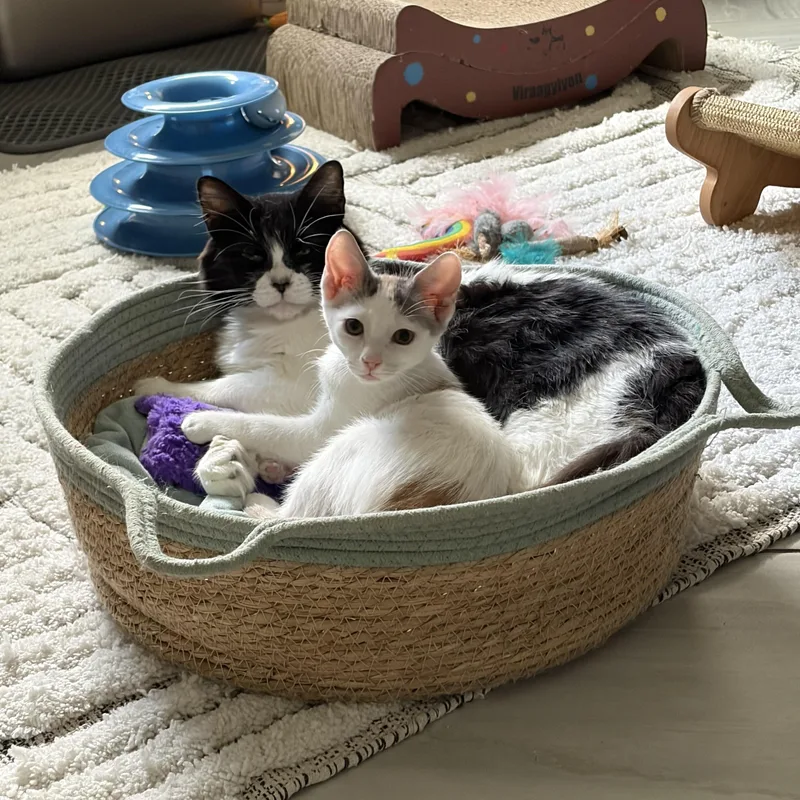
An extra-toed cat suits Houston apartment life well, since a cat doesn't need a yard. In a busy Upper Kirby complex or a Downtown high-rise, a cat with big mitten paws has plenty to do with a window perch, a tall scratching post and a wand toy. In a Heights bungalow, the same cat will probably claim the sunniest sill. Houston expects cats to stay indoors, which suits these curious climbers fine. Plan on trimming those extra claws every few weeks.

194 Extra-Toes Cat / Hemingway Polydactyls available in Houston and nationwide

Adopt a Polydactyl cat today

While we don't have enough cats near Houston, keep in mind that many rescues may offer transport.

Extra-Toes Cat / Hemingway Polydactyls Available for Adoption Near Houston

About the Extra-Toes Cat / Hemingway Polydactyl breed

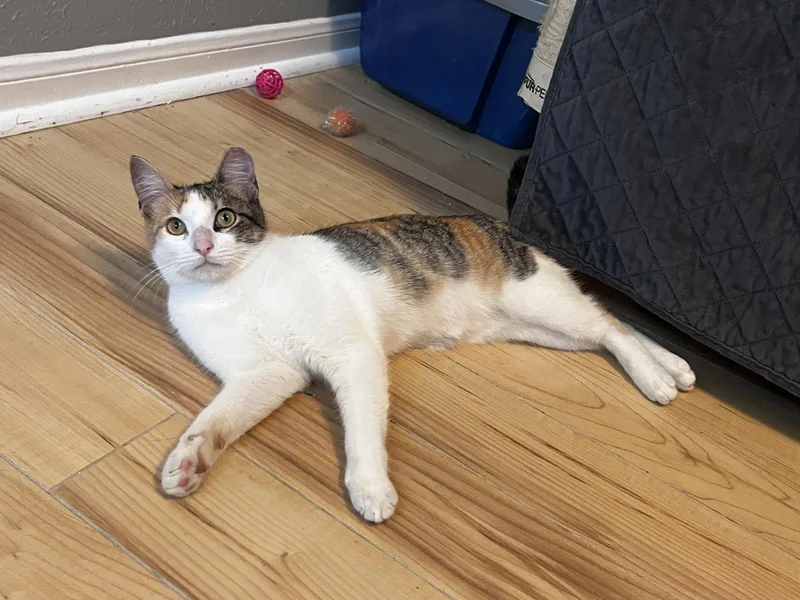
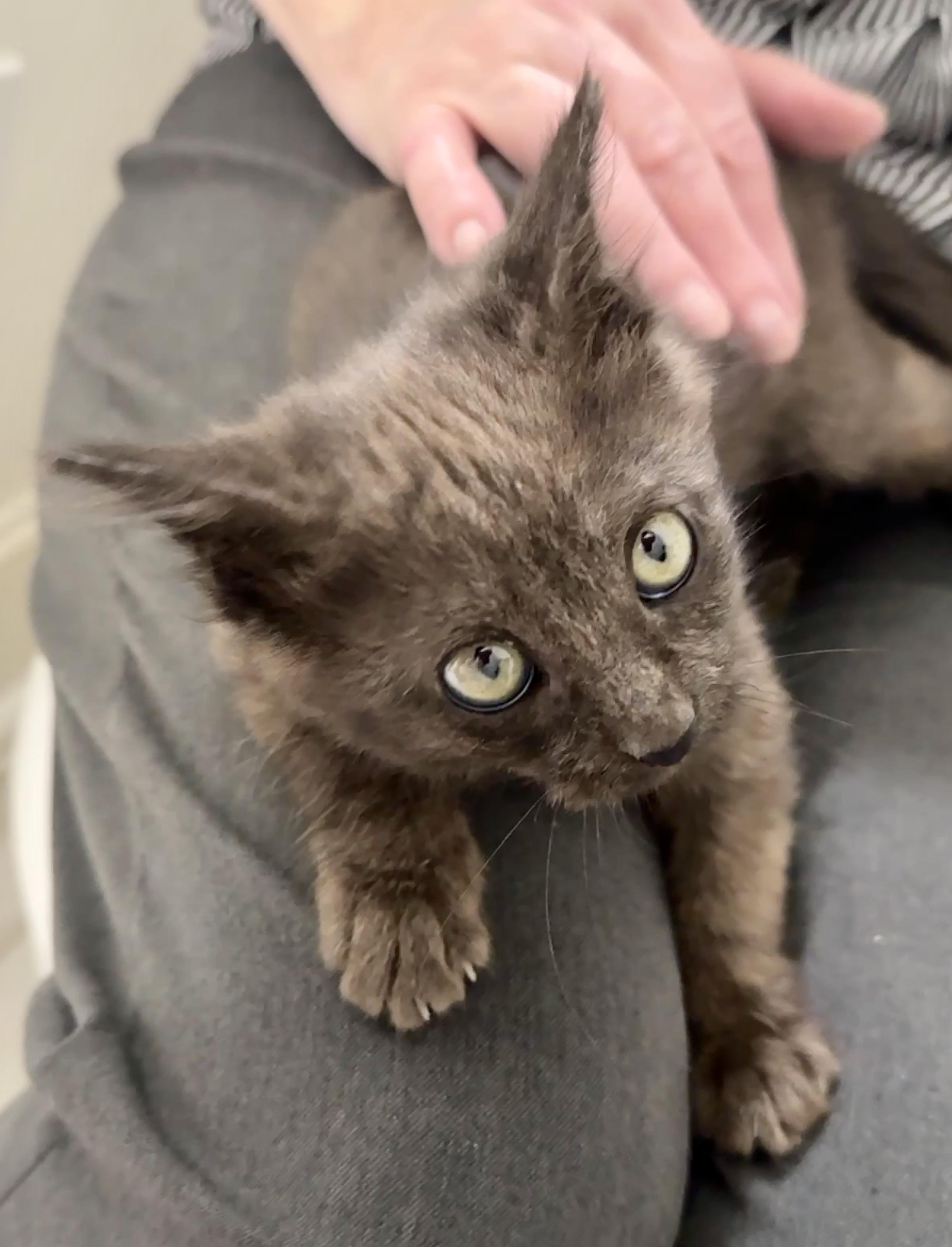
An extra-toes cat isn't a breed. It's any cat born with polydactyly, a harmless genetic variation that adds toes to one or more paws. Most have six or seven on a front paw, and some have a thumb-like toe that gives them a mitten look. The trait is dominant, so it shows up in all kinds of coats and sizes. The Hemingway nickname comes from the writer Ernest Hemingway, whose Key West home still houses descendants of his six-toed cat.

Most polydactyls are domestic shorthairs or longhairs, so personality, energy and grooming needs vary as much as they do in any cat. Expect a medium-sized cat of roughly 6 to 15 pounds who lives 12 to 18 years, with moderate shedding. The main care difference is claws. Extra nails may not wear down on their own and can curl into the paw pads, so regular checks and trims matter.

Weight
6–15 lbs
Height
8–10 in
Lifespan
12–18 yrs
Temperament
Adaptable, Curious, Affectionate
Shedding
Moderate

Owning an Extra-Toes Cat / Hemingway Polydactyl in Houston

Having an Extra-Toes Cat / Hemingway Polydactyl in Houston

Extra toes make for oversized paws, not a particular personality. In Houston, what matters most is the cat's age, coat and comfort in a warm, often humid home, plus regular claw checks.

Temperament

Polydactyl cats range from bold, chatty companions to shy cats who take a while to warm up, like any domestic cat. Extra toes don't predict friendliness. Many are curious and adaptable, which helps in a busy Houston apartment with neighbors and hallway noise, though some cats need a quiet room to settle in.

Exercise Needs

Since Houston expects cats to stay indoors, daily play does the work a yard would. Wand toys, balls and puzzle feeders mimic hunting, and tall cat trees give climbers an outlet. Kittens and young adults usually want several play sessions a day, while seniors may be happy with shorter ones. Play before the afternoon heat settles in.

Health Considerations

Polydactyly usually causes no health problems on its own. Extra claws can grow into the paw pads, so check them often. Otherwise these cats face ordinary feline concerns like dental disease, obesity and kidney disease. In Houston's mosquito-heavy climate, ask a veterinarian about year-round parasite prevention, including flea and mosquito protection.

Living Space

These cats adapt to a studio, a high-rise or a house. Give them vertical space, a sturdy scratching post that helps keep extra claws in shape, hiding spots and a clean litter box. Secure window screens matter in upper-floor Houston apartments, and any balcony time should happen only in a fully enclosed space.

What it costs to own an Extra-Toes Cat / Hemingway Polydactyl in Houston

ExpenseTypical costPer year
Food$25 to $50 per month$300 to $600
Pet insurance$20 to $45 per month$240 to $540
Routine vet care$150 to $350 per year$150 to $350
Other*$470 to $1,170 per year$470 to $1,170
Estimated yearly total (after year one)$1,160 to $2,660

Other costs are estimates and vary with size, age and health.

* Litter, the $20 Houston registration for a spayed or neutered cat, flea prevention, a dental cleaning allowance, toys and scratching posts, and home claw trims.

Adopt an Extra-Toes Cat / Hemingway Polydactyl in Houston.

Now that you know more, let’s find you a new best friend. These rescues and shelters below have cats available in and near Houston.

Rescues and Shelters in or near Houston

Houston's city shelter, BARC, and many rescue partners work to place cats and kittens in homes across the area. Here are the rescues & shelters in the Houston area with cats available for adoption, worth asking whether an Extra-Toes Cat / Hemingway Polydactyl is coming in.

Frequently Asked Questions

Yes, an Extra-Toes Cat can live happily in a Houston apartment, and with about 59% of households renting, many adopters do. Give the cat a window perch, a tall cat tree, a sturdy scratching post and daily play. Secure window screens on upper floors, and read your lease for pet fees or limits first.

Yes, Houston has no breed rules for cats. The City requires cats four months and older to be registered, with a yearly rabies certificate and an implanted microchip. Registration is $20 a year for a spayed or neutered cat. Houston's animal agency also says keeping cats indoors is the law.

Yes, but only in a carrier. METRO allows pets on buses and METRORail if they're transported and properly restrained in an animal carrier at all times. Service animals are the exception. Pick a carrier your cat can stand and turn around in, and practice at home first so a first ride isn't stressful.

Yes, indoors with air conditioning. Houston sees roughly 100 to 110 days a year at 90°F or higher, and summer nights stay warm. Keep water out in several spots and watch for heavy panting. A storm can knock out power for days, so have a cooling plan and a carrier ready.

Most need a brush once or twice a week, more for longhaired coats, since shedding is moderate. The bigger job is claws: extra nails can curl into the paw pads, so check them and trim every few weeks at home. That fits within the yearly Other costs, so there's no separate cost.

Often, yes. These cats adapt well to indoor living, which is what Houston expects of cats, and the climate is easy on them when the air conditioning runs. Plan for year-round parasite prevention, hurricane-season supplies and daily play. Each cat's age, energy and coat matter more than its toe count.

A cat normally has 18 toes: five on each front paw and four on each back paw. The fifth front toe is the dewclaw, set higher on the inside of the leg like a thumb, so it doesn't touch the ground when the cat walks. Polydactyl cats have more than 18, most often an extra one or two per front paw.

Cats don't have true thumbs. The dewclaw on each front paw sits in a similar position to a human thumb and helps a cat grip prey and climb, but it isn't opposable. Some polydactyl cats have extra toes on the inner side of the paw that look like a thumb, which is where the nickname thumb cat comes from.

A polydactyl cat is a cat born with more than the usual number of toes on one or more paws. It is a genetic trait, not a breed, and it can appear in any cat, though most are domestic shorthairs or longhairs. The common form is harmless and is passed down by a dominant gene.

Expect roughly $1,160 to $2,660 a year for an extra-toed cat in Houston. That covers food at $25 to $50 a month, insurance at $20 to $45 a month, routine vet care at $150 to $350 a year, and about $470 to $1,170 a year in other costs like litter, prevention and the City registration.