Devon Rex Cats for Adoption in Houston, TX

Your guide to finding and caring for a Devon Rex in Houston

Devon Rexes are a good match for Houston apartment life, as long as someone's home a fair amount. In a dense, high-rise area like Greenway or Upper Kirby, a tall cat tree and a sunny window give a Devon the climbing and people-watching it loves. They're small, usually 5 to 10 pounds, and they want company more than space. With Houston's long, hot summers, a thin-coated cat that lives indoors in the air conditioning is right at home.

17 cats similar to Devon Rex available in Houston and nationwide

Find your forever Devon Rex

While we don't have enough cats near Houston, keep in mind that many rescues may offer transport.

Devon Rexes and Similar Breeds Available for Adoption Near Houston

About the Devon Rex breed

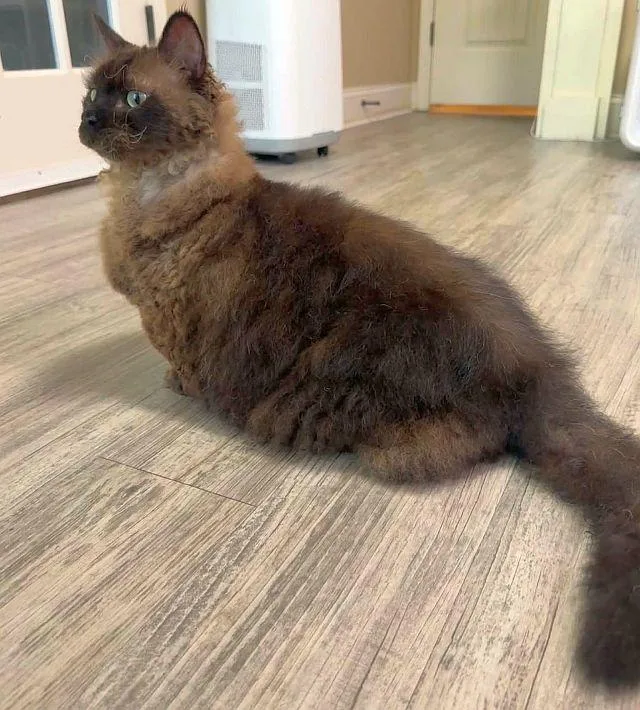
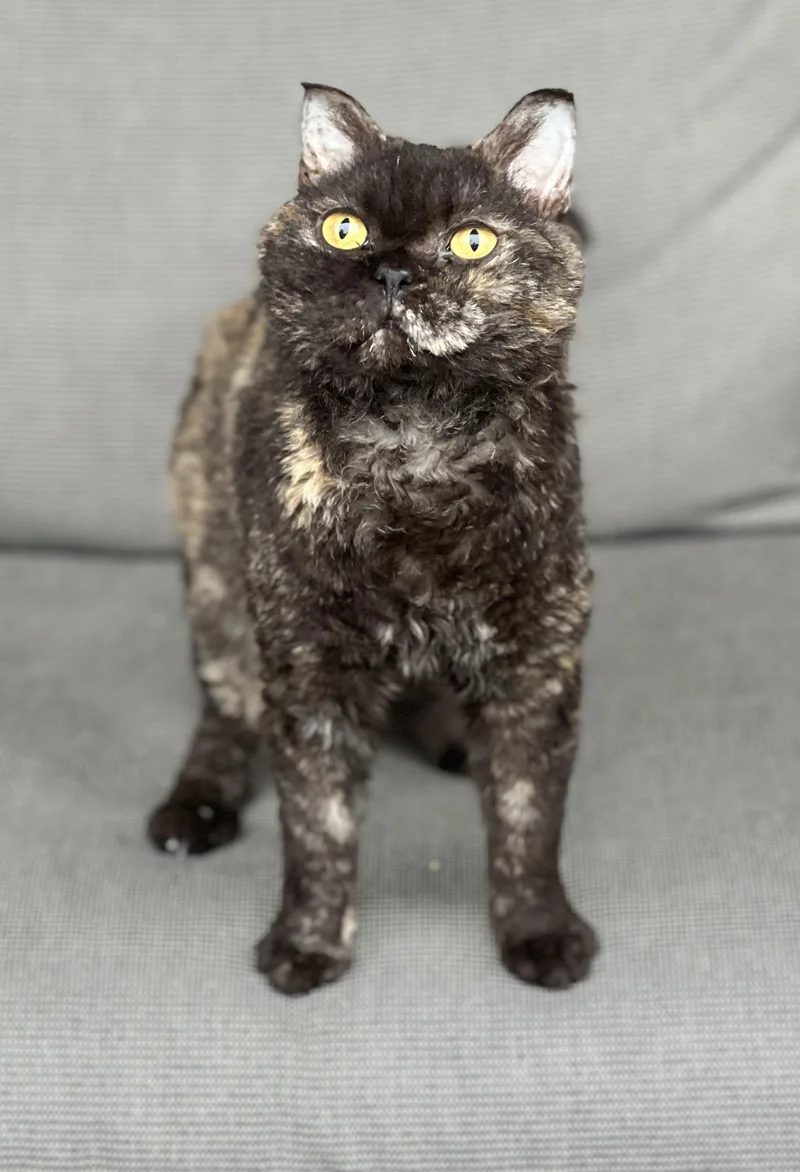
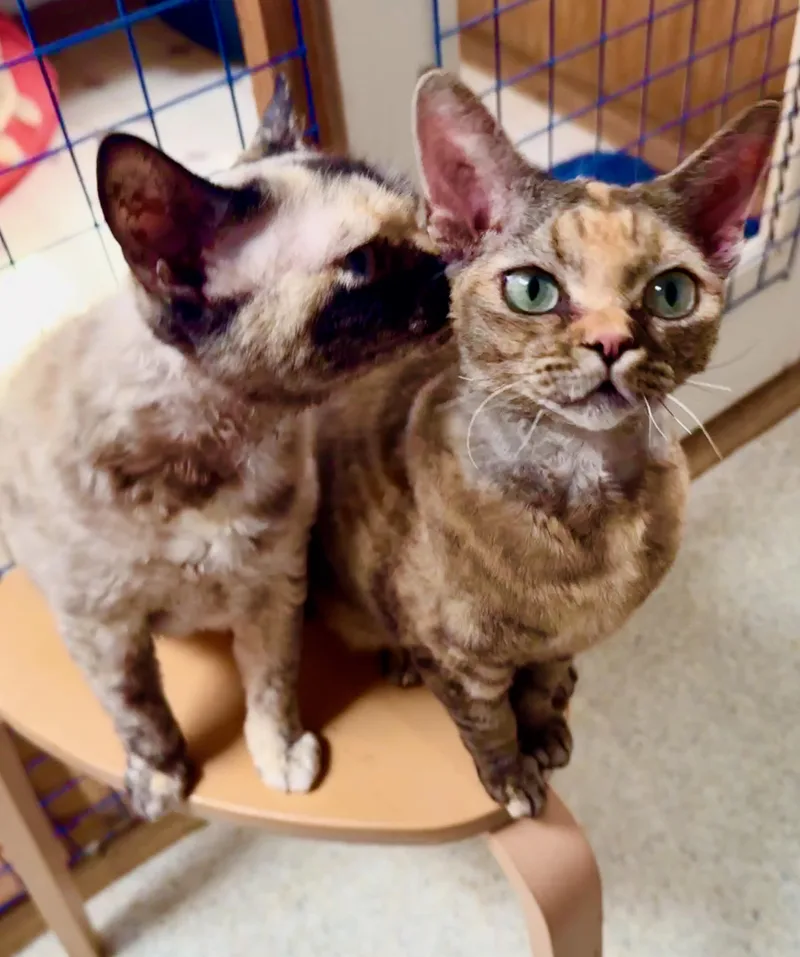
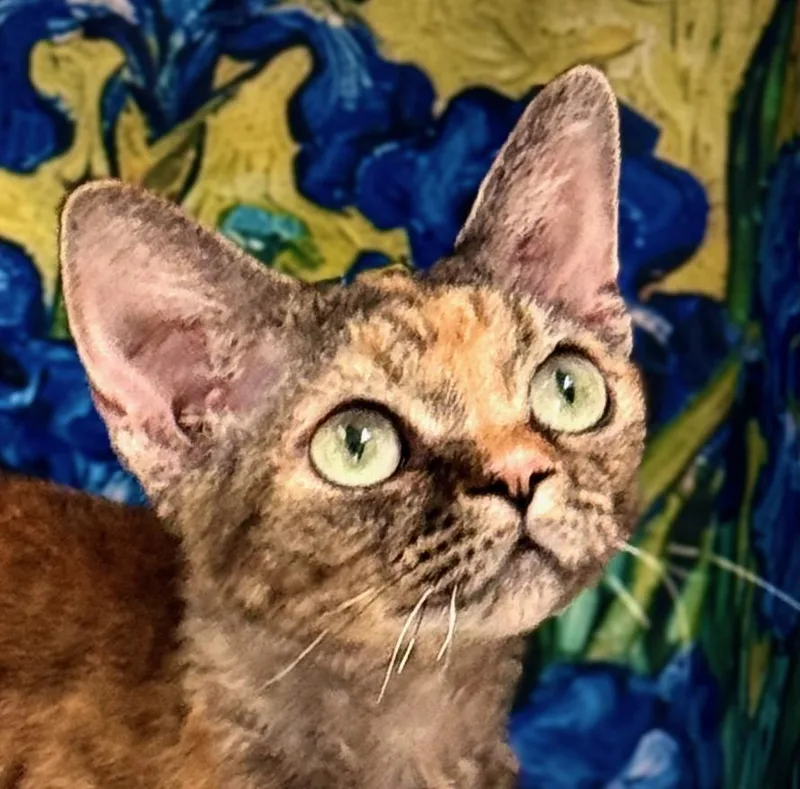
The Devon Rex has big, low-set ears, wide eyes and a short, rippled coat that gives it a pixie look. The breed began around 1960 in Devon, England, when a curly-coated kitten named Kirlee turned out to carry a different gene than the Cornish Rex. Whiskers are often short and crinkled, and the sparse coat sheds less than most cats' but isn't hypoallergenic.

Personality is the real draw. Devons are playful, people-focused and food-motivated, and many ride on shoulders or learn to fetch. Because that thin coat leaves them prone to feeling cold, oily skin, waxy ears and sunburn, they suit indoor homes ready for some extra care, which makes an air-conditioned Houston apartment or house a natural fit.

Weight
5–10 lbs
Height
10–12 in
Lifespan
9–15 yrs
Temperament
Playful, Affectionate, Curious
Shedding
Low

Owning a Devon Rex in Houston

Having a Devon Rex in Houston

Expect a lively, hands-on cat whose delicate coat and a few breed-linked health concerns shape daily care. In Houston, that mostly means staying indoors, keeping cool through summer and staying on top of ears, skin and checkups.

Temperament

Devon Rexes tend to be clownish, affectionate and happiest near their people, so a Houston household with someone home often suits them well. Many get along with respectful children, other cats and cat-friendly dogs. Long solo days can be hard on them, which is worth weighing if your work hours are long. Each cat's personality varies.

Exercise Needs

Plan on daily interactive play: wand toys, puzzle feeders, a tall cat tree and short treat-based training sessions. Since Houston's summer heat keeps cats indoors anyway, home is the main outlet, and a window perch adds entertainment. Regular play also helps these food-loving cats stay lean, which protects their joints and heart.

Health Considerations

Devon Rexes can inherit a muscle disorder that shows up in kittenhood, and a DNA test exists. Heart disease, kneecap dislocation, skin yeast infections and thin or missing hair are also reported, and many have blood type B. Houston's warm, mosquito-friendly climate makes it worth asking your vet about year-round parasite prevention.

Living Space

A Devon Rex does well in a Houston apartment, condo or house as long as it has vertical space, toys and company. Keep it indoors or in a secure catio, since its thin coat gives little protection from strong sun or a rare freeze. A sunny window perch and a warm bed suit its heat-seeking habits.

What it costs to own a Devon Rex in Houston

ExpenseTypical costPer year
Food$20 to $40 per month$240 to $480
Pet insurance$25 to $50 per month$300 to $600
Routine vet care$150 to $350 per year$150 to $350
Other*$520 to $1,370 per year$520 to $1,370
Estimated yearly total (after year one)$1,210 to $2,800

Other costs are estimates and vary with size, age and health.

* The $20 Houston registration for a spayed or neutered cat, flea prevention, a dental cleaning allowance, litter, toys and bedding, light coat care, and ear cleaning, baths and warm bedding for a thin-coated cat.

Adopt a Devon Rex in Houston.

Now that you know more, let’s find you a new best friend. These rescues and shelters below have cats available in and near Houston.

Rescues and Shelters in or near Houston

Houston has a large rescue community, and the shelters and rescues below list their adoptable cats here. Here are the rescues & shelters in the Houston area with cats available for adoption, worth asking whether a Devon Rex is coming in.

Frequently Asked Questions

Yes, as long as they live indoors with reliable air conditioning. Houston reaches 90°F on roughly 100 to 110 days a year, and summer nights stay around 75°F, so a Devon Rex's thin coat is no help outside and can sunburn. Keep water in several spots, shade sunny perches, and plan a cooler spot in case a storm knocks out power.

Yes, in a carrier. METRO allows pets on its buses and METRORail, but they must be transported and properly restrained in an animal carrier at all times. A small Devon Rex fits easily, so pick a sturdy, ventilated carrier and get your cat used to it at home first. Check current fares with METRO.

Yes. Houston has no breed bans, so a Devon Rex is treated like any other cat. You'll need to register your cat with the City at four months old, with a microchip and a current rabies certificate. Keeping cats indoors is also expected, which is the best setup for this thin-coated breed anyway.

Yes, many do well in apartments. A Devon Rex is small and sheds little, but it's energetic, so give it a sturdy tall cat tree, a window perch and daily wand play. Since most Houston households rent, confirm your lease's pet terms and any fees in writing before you move in.

Probably not. Texas lets restaurants admit pets to posted outdoor patios, but that rule covers dogs, not cats, so you shouldn't expect a restaurant to welcome a Devon Rex. Houston's heat is also hard on a thin-coated cat. Your Devon will be happier at home with a window perch and some playtime.

Not much, but it's specific. A Devon Rex needs gentle hand-stroking rather than brushing, which can break its fragile hair, plus an occasional bath if its skin feels oily and regular ear cleaning for wax. Living indoors in Houston's air conditioning, its low-shedding coat needs no seasonal upkeep. Most care happens at home, within the Other cost line.

No, Devon Rex cats are not hypoallergenic, and the CFA cat registry says so directly. They shed less than most cats, but the main cat allergen comes from saliva and skin glands, not hair alone. Some people with mild allergies find Devons easier to live with, but spending extended time with a specific cat before adopting is the safest approach.

A Devon Rex is a small, slender cat breed from England with a short, wavy, soft coat, very large ears and big eyes. It developed from a curly-coated kitten found in Devon around 1960. Devons are known for playful, people-loving personalities and are often described as acting more like dogs or monkeys than typical aloof cats.

Yes, Devon Rex cats shed, but much less than most cats. Their coat is short and sparse, with fewer guard hairs, so loose hair is less noticeable around the home. Some Devons go through thinner phases, particularly as kittens. Bald patches with redness, scabs or itching are not normal shedding and should be checked by a veterinarian.

Budget roughly $1,200 to $2,800 a year for a Devon Rex in Houston. Food runs $20 to $40 a month and insurance $25 to $50 a month, plus $150 to $350 a year for routine vet care and $520 to $1,370 a year for other costs like litter, parasite prevention, dental care and registration. Adoption fees appear on each listing.