Birman Cats for Adoption in Houston, TX

Your guide to finding and caring for a Birman in Houston

A Birman fits Houston apartment life well, because it's a calm cat that's content indoors. Picture a one-bedroom in Upper Kirby or a Medical Center high-rise: a window perch, a cat tree and someone home in the evenings are about all a Birman asks for. They're soft-voiced and affectionate without being pushy. The coat needs combing about once a week, and Houston's long, humid summers make a cool, shaded room worth planning for.

2215 cats similar to Birman available in Houston and nationwide

Find your forever Birman

Birmen and Similar Breeds Available for Adoption Near Houston

About the Birman breed

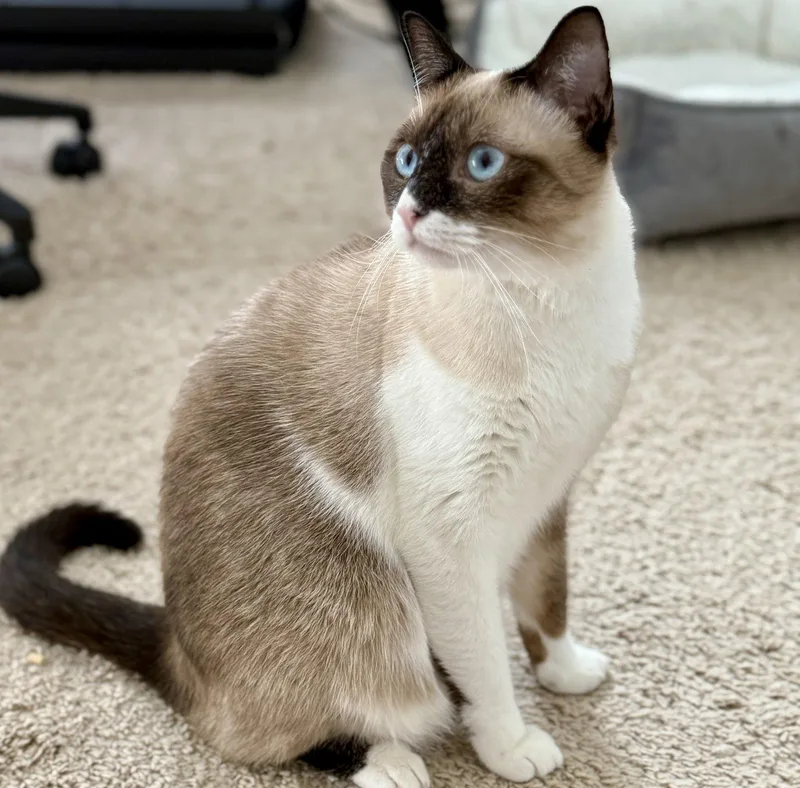
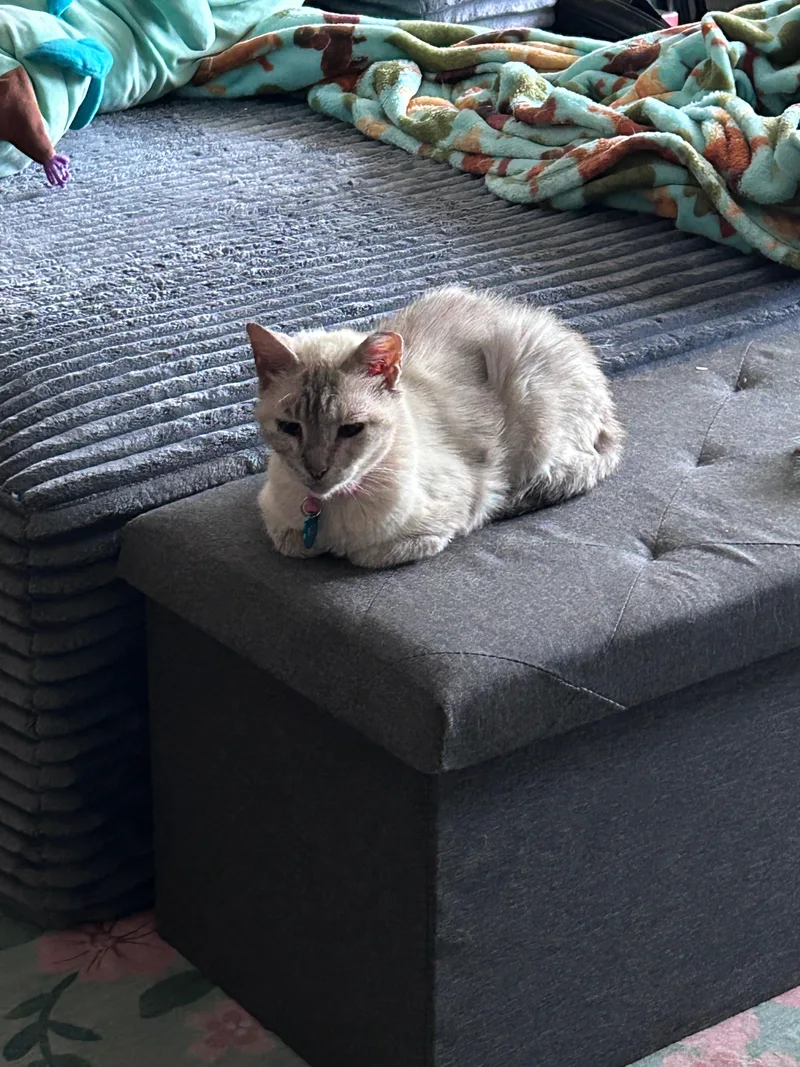
Birmans are colorpointed, semi-longhaired cats best known for pure white front paws, called gloves, and the white "laces" running up the back of the hind legs. Their eyes are always deep blue. Cats shipped from Burma to France around 1919 founded the breed, and the story of sacred temple cats is legend rather than documented history.

Many Birmans are gentle, sociable and soft-voiced, happy to stay close to their people without demanding constant attention. The silky coat has little undercoat, so it mats less than many longhaired breeds, though weekly combing still helps. Birmans take about three years to mature fully, and adults tend to weigh 7 to 14 pounds. Every cat is different, so personality can vary.

Weight
7–14 lbs
Height
8–10 in
Lifespan
12–16 yrs
Temperament
Gentle, Affectionate, Social
Shedding
Moderate

Owning a Birman in Houston

Having a Birman in Houston

Birmans are soft-spoken, sociable cats with moderate energy and a coat that's easier than it looks. In Houston, the practical questions are heat, time alone, and heart and weight checks, all covered in the cards below.

Temperament

Birmans tend to be gentle and people-focused, often following their family from room to room and settling nearby rather than demanding attention. Many do well with calm children and friendly pets after slow introductions. Cats vary, though, and some Birmans are shy at first, so spend time with the cat you're considering.

Exercise Needs

Plan on a couple of short play sessions a day with wand toys or balls, plus a puzzle feeder. In a Houston apartment that means vertical space: a tall cat tree by a window and a sturdy scratching post. Birmans gain weight easily, so steady indoor play matters even more when summer heat keeps everyone inside.

Health Considerations

Hypertrophic cardiomyopathy shows up in a notable share of screened Birmans, and weight gain is common in indoor cats. A veterinarian can advise on heart screening and a healthy weight at the first visit. Houston's mosquito season also makes year-round heartworm and flea prevention worth discussing.

Living Space

Birmans adapt to apartments, condos and houses alike, valuing quiet perches and company over square footage. In Houston, where cats are expected to live indoors, a window seat and a tall tree give an adult Birman room to climb and watch the street. Many dislike long days alone, so a second friendly pet can help.

What it costs to own a Birman in Houston

ExpenseTypical costPer year
Food$25 to $50 per month$300 to $600
Pet insurance$25 to $50 per month$300 to $600
Routine vet care$150 to $350 per year$150 to $350
Other*$520 to $1,270 per year$520 to $1,270
Estimated yearly total (after year one)$1,270 to $2,820

Other costs are estimates and vary with size, age and health.

* The $20 Houston registration for an altered cat, litter, flea and heartworm prevention, a dental cleaning allowance, toys and supplies, and regular combing for the semi-long coat.

Adopt a Birman in Houston.

Now that you know more, let’s find you a new best friend. These rescues and shelters below have cats available in and near Houston.

Rescues and Shelters in or near Houston

Houston has a city shelter and many rescue groups, and the listings below show which cats are currently looking for homes. Here are the rescues & shelters in the Houston area with cats available for adoption, worth asking whether a Birman is coming in.

Frequently Asked Questions

Yes, indoor Birmans handle Houston summers well with air conditioning. About 100 to 110 days a year reach 90°F and nights stay in the mid-70s, so keep the home cool, offer fresh water in several spots and close blinds on sunny windows. Plan for cooling if a storm knocks out power, since outages can last days.

Yes, but only in a carrier. METRO buses and METRORail allow pets that are transported and properly restrained in an animal carrier at all times, and a Birman at 7 to 14 pounds usually fits a standard carrier. Service animals follow different rules. Get your cat used to the carrier at home first so rides on the Red, Green or Purple line are calmer.

Yes. Houston has no breed bans, and a Birman is registered like any other cat. Once your cat is four months old, register it with the City using a current rabies certificate and an implanted microchip, and renew each year. Keep your Birman indoors, which is also the safest choice for a long-lived cat.

Yes, Birmans are well suited to apartments. They value company and quiet perches over space, so a tall cat tree, a window seat and daily play are plenty. Review your lease for pet fees and limits before signing, and keep windows and balcony doors screened. A household with someone home often makes the arrangement easier.

A Birman can be a good fit if you're home for part of the day and keep the house cool. Its calm, indoor nature suits Houston apartments and bungalows alike. Summers are long and hurricane season runs June through November, so budget for air conditioning and keep a storm kit with a carrier, food and litter.

Plan on combing a Birman about once a week. The silky coat has little undercoat, so it mats less than many longhaired breeds, and combing more often helps during heavier shedding. If you hire a groomer now and then, that cost is part of the $520 to $1,270 yearly Other estimate in the cost table.

A Birman is a medium-sized, semi-longhaired cat with a colorpoint pattern, deep blue eyes and distinctive white paws. The breed was developed in France from cats said to come from Burma, which is why it is sometimes called the Sacred Cat of Burma. Many Birmans are gentle, sociable and soft-spoken companions who enjoy being near their people.

No, Birman cats are not hypoallergenic. Like all cats, they produce the Fel d 1 allergen in saliva and skin, and grooming spreads it onto their fur and around the home. Their coat sheds less heavily than some longhaired breeds, but that does not remove allergens. Anyone with allergies should spend time with the specific cat before adopting.

Yes, Birman cats shed, usually at a moderate level. Their silky coat has little undercoat, so they drop less hair and form fewer mats than breeds like Persians or Maine Coons, but loose fur still appears on furniture and clothing. Combing once or twice a week, and more during spring and fall, keeps shedding manageable and the coat tangle-free.

Expect roughly $1,270 to $2,820 a year for a Birman in Houston: $25 to $50 a month for food, $25 to $50 a month for insurance, $150 to $350 for routine vet care, and $520 to $1,270 for everything else. Your own total depends on the cat's health, coat care and the insurance you choose.