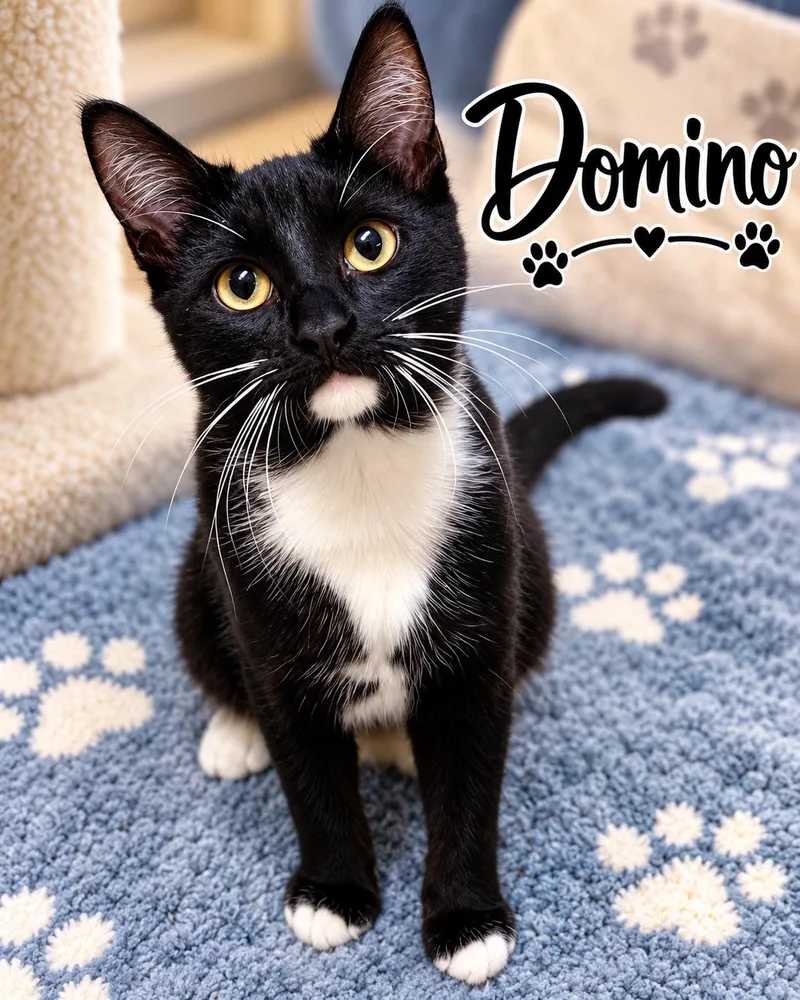
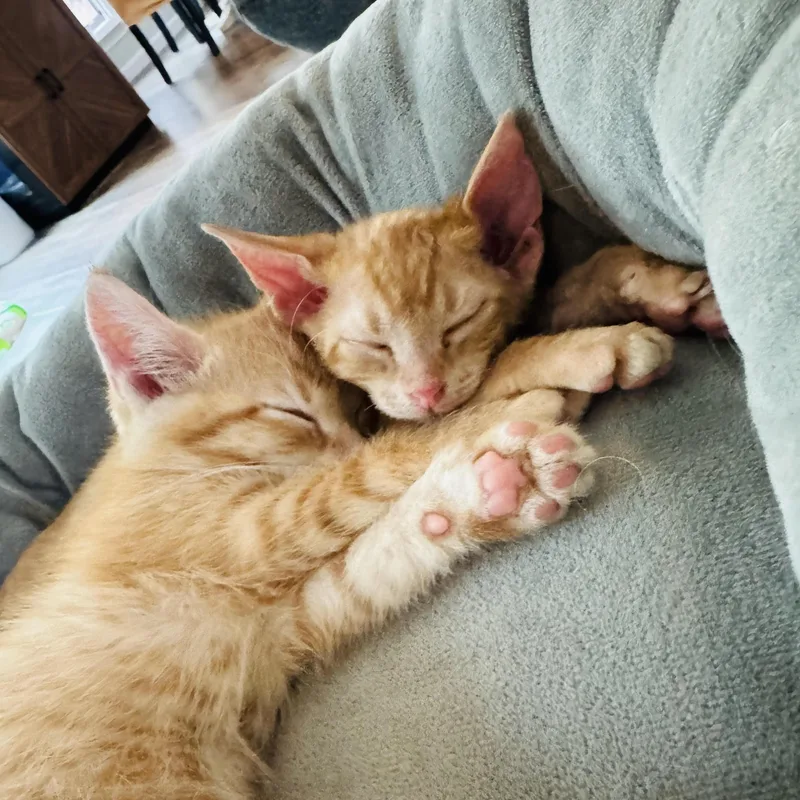
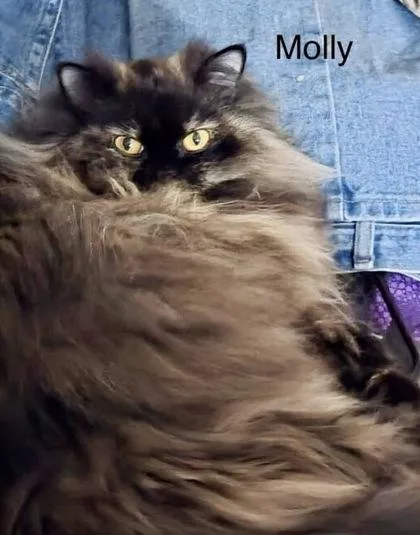
Tortoiseshell Cats for Adoption in Fort Worth, TX

Your guide to finding and caring for a Tortoiseshell in Fort Worth

Tortoiseshell cats fit easily into Fort Worth's older Fairmount houses, where a sunny front window is the best seat in the place. Tortoiseshell is a coat pattern, so these cats come in every personality, from shy to bold. Most are shorthairs that do well indoors, whether that's a Magnolia Avenue apartment or a brick ranch house in Wedgwood. Fort Worth requires cats to stay on their owner's property, which suits an indoor tortie fine. A window perch and a wand toy go a long way.

1058 Tortoiseshells available in Fort Worth and nationwide

Your Tortoiseshell is waiting

Tortoiseshells Available for Adoption Near Fort Worth

About the Tortoiseshell breed

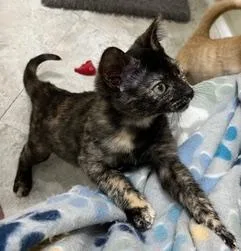
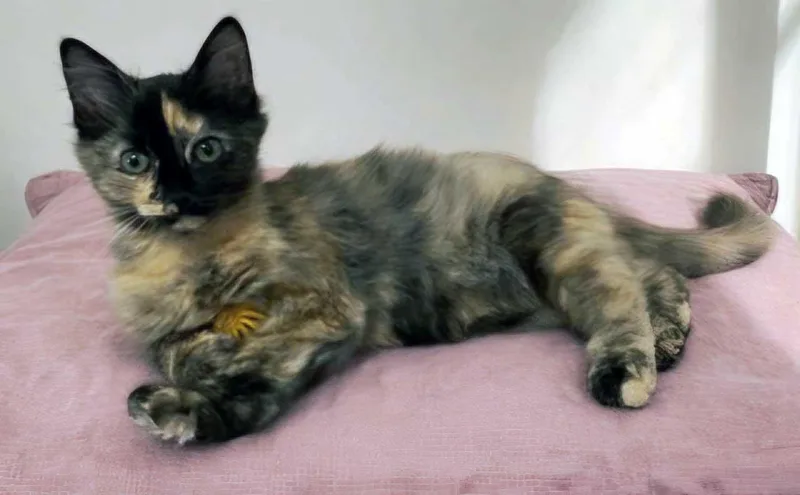
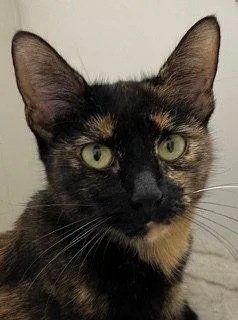
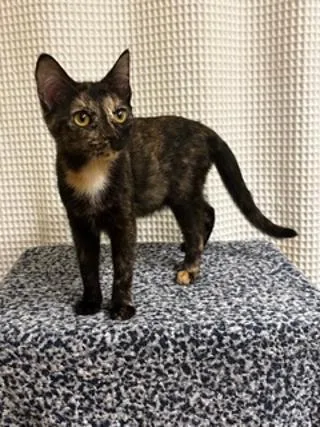
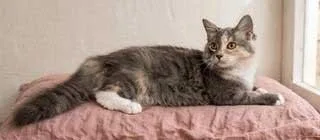
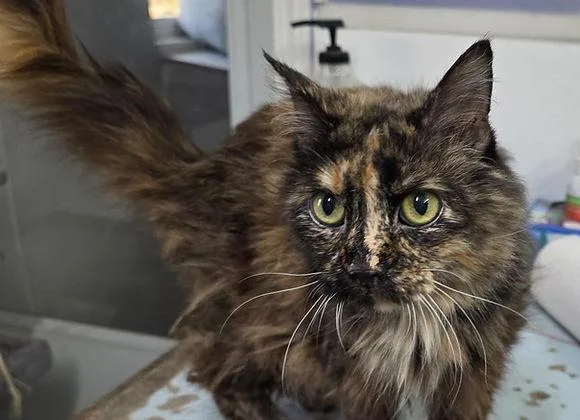
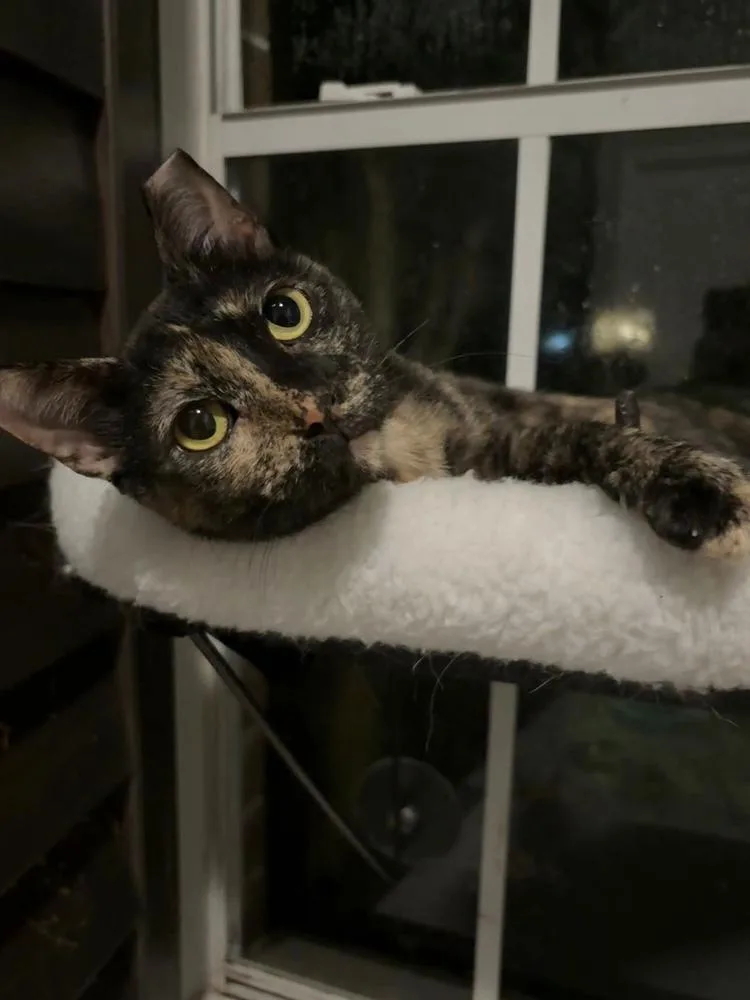
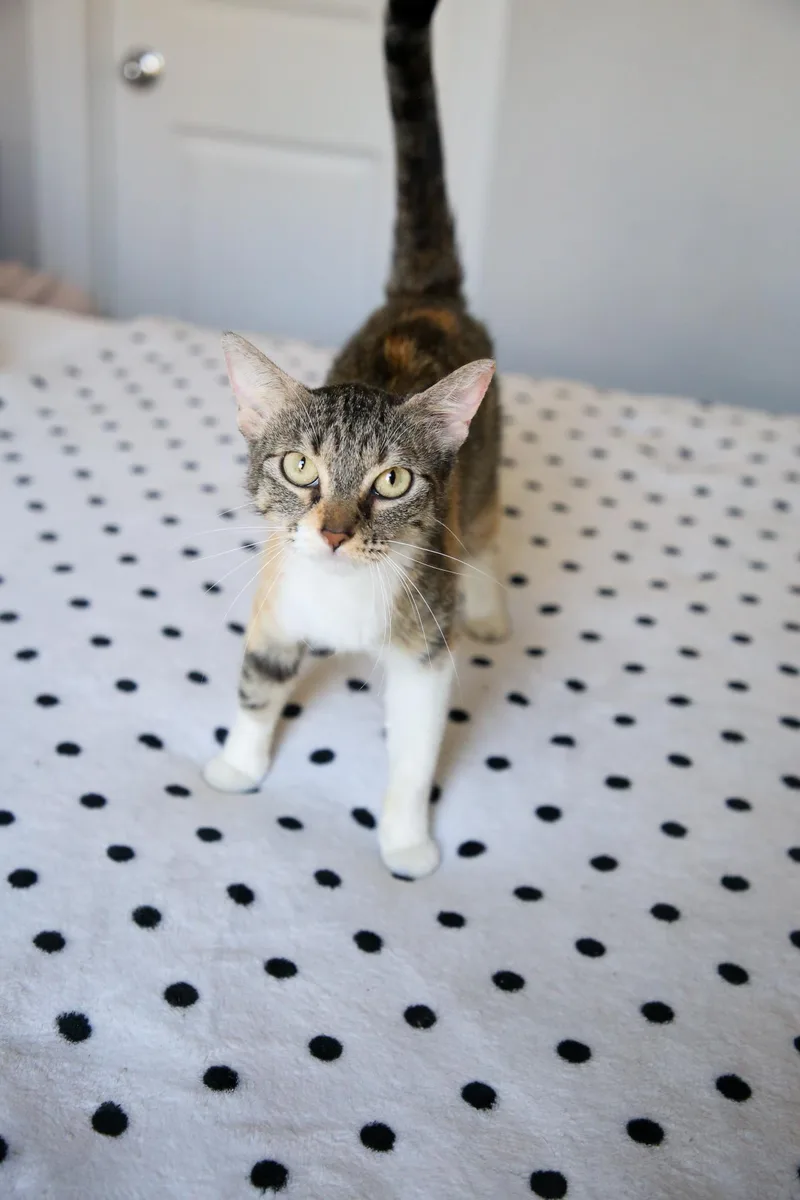
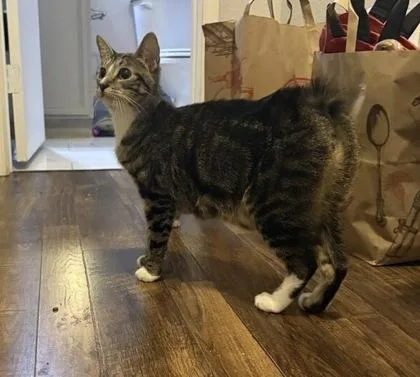
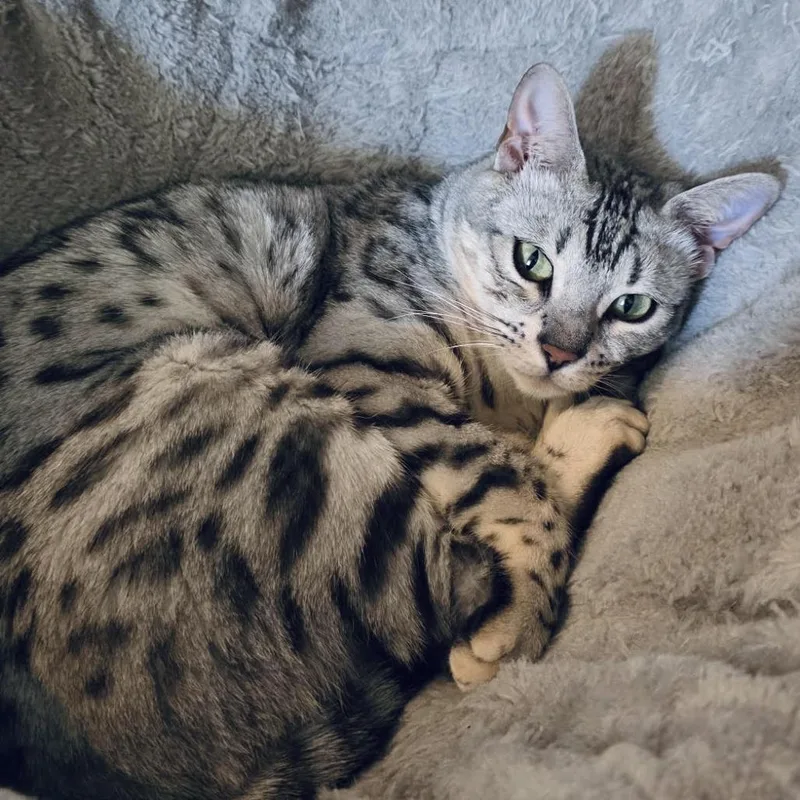
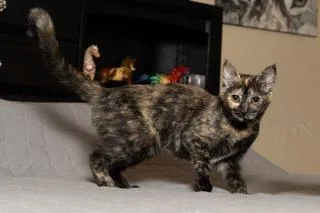
Tortoiseshell isn't a breed but a coat pattern: black-based and orange-based colors in patches or a fine mottled blend, usually with little or no white. Because the orange gene sits on the X chromosome, nearly all torties are female. Most are domestic shorthairs, though the pattern also appears in Persians, Maine Coons, British Shorthairs and many other breeds.

The famous "tortitude" mostly reflects owner impressions, so a cat's age, history and socialization say more about her personality than her color. A typical tortie weighs 6 to 14 pounds, sheds moderately and lives 12 to 18 years. In Fort Worth, most do well as indoor cats in a house or an apartment, and a shorthair coat needs little more than regular brushing.

Weight
6–14 lbs
Height
8–10 in
Lifespan
12–18 yrs
Temperament
Independent, Affectionate, Playful
Shedding
Moderate

Owning a Tortoiseshell in Fort Worth

Having a Tortoiseshell in Fort Worth

Because tortoiseshell describes a coat rather than a breed, these cards reflect what's common among the domestic shorthairs adopters usually meet. In Fort Worth, indoor enrichment, routine veterinary care and a cool home matter far more than coat color.

Temperament

Torties range from shy to bold and from lap-loving to aloof. The "tortitude" reputation rests mostly on owner impressions, not strong evidence. Spend time with a cat before deciding. In a busy Fort Worth household, a confident, social tortie often adapts easily, while a shy one may be happier in a calmer home.

Exercise Needs

Most torties enjoy daily play with wand toys, chase games and puzzle feeders. Kittens and young adults need more activity, while seniors prefer gentler sessions. Since Fort Worth requires cats to stay on their owner's property, indoor enrichment matters: a window perch, a cat tree and a couple of short play sessions a day keep a tortie busy.

Health Considerations

The coat pattern carries no particular health risks for female cats, while the rare males usually have an extra X chromosome and may face added issues. Otherwise health depends on age and ancestry, so plan yearly checkups, dental care and a healthy weight. Ask your veterinarian about year-round flea prevention in Fort Worth's long warm season.

Living Space

Torties do well in Fort Worth apartments and houses alike. A downtown loft or a suburban home works equally well for an indoor cat, provided there are scratching posts, a cat tree, cozy hideaways and a window view. Quiet cats may prefer calmer homes, while social torties often handle busy households.

What it costs to own a Tortoiseshell in Fort Worth

ExpenseTypical costPer year
Adoption fee$100, one time$100 in year one
Food$25 to $50 per month$300 to $600
Pet insurance$20 to $45 per month$240 to $540
Routine vet care$150 to $350 per year$150 to $350
Other*$450 to $1,150 per year$450 to $1,150
Estimated yearly total (after year one)$1,140 to $2,640
First-year total (with adoption fee)$1,240 to $2,740

Adoption fee is the fee on Tortoiseshell listings in Fort Worth on GetBuddy today. Other costs are estimates and vary with size, age and health.

* Litter, flea prevention, a dental cleaning allowance, toys and supplies, and home grooming.

Adopt a Tortoiseshell in Fort Worth.

Now that you know more, let’s find you a new best friend. These rescues and shelters below currently have Tortoiseshells available.

Frequently Asked Questions

Yes, and Fort Worth has no breed-specific rules, so a tortoiseshell coat changes nothing. The usual cat rules apply: a registered microchip, a rabies vaccine, spaying or neutering, and keeping her on your property. Listings change often, so watch this page and save a search to hear when a new tortoiseshell is listed.

Yes, as indoor cats. Fort Worth has about 105 days a year at 90°F or above, and summer nights stay near 75°F, so keep a tortie inside with air conditioning, fresh water and shaded windows. Never leave a cat in a parked car. Longhaired torties may need extra brushing to stay comfortable.

Yes, but only in an approved carrier. Trinity Metro allows pets in approved carriers on its vehicles, including TEXRail, as long as the carrier doesn't block the aisle. Choose a secure carrier your tortie can turn around in, keep it on your lap or at your feet, and check current Trinity Metro rules before your first trip.

Yes, cats generally do well in apartments when they have a cat tree, scratching post and window perch. A confident tortie handles a busy building, while a shy one may prefer a quieter unit. Because Texas doesn't cap pet deposits or fees, get the building's pet terms in writing before you sign.

Not much. Most torties are shorthairs and need brushing about once a week, while longhaired ones do better with a few sessions a week to prevent mats. Fort Worth's long, hot summers can mean more loose hair around the house, and regular brushing helps. Grooming is easy to handle at home, so it adds little to yearly costs.

Yes, if you want an indoor cat and can keep her cool in summer and safe during spring storms. Coat color doesn't decide personality, so look at each cat's age and temperament instead. Fort Worth's mix of apartments and houses suits most torties, and the rule that cats stay on their owner's property fits an indoor life.

A tortoiseshell cat is a cat with a coat pattern of black-based and orange-based colors blended or patched together, usually with little or no white. It is not a breed; the pattern appears in many breeds and most often in domestic shorthairs. Nearly all tortoiseshells are female because the genes for orange and black are carried on the X chromosome.

Almost all tortoiseshell cats are female, but not all. A female has two X chromosomes and can carry both orange and black color genes, producing the mixed coat. Males normally have only one X. Rare male torties usually have an extra X chromosome or are genetic chimeras, and they are estimated at roughly 1 in 3,000 tortoiseshells.

We have 4 rescues with Tortoiseshells available, including Meowtown Animal Rescue of Fort Worth, Recycled Love Animal Rescue and Buddies Place Rescue. You can see every rescue with Tortoiseshells available in the list above these questions, or scroll to the top to see the Tortoiseshells near Fort Worth.

Plan on roughly $1,140 to $2,640 a year for a tortie in Fort Worth. That covers food at $25 to $50 a month, insurance at $20 to $45 a month, routine vet care at $150 to $350 a year, and $450 to $1,150 a year for litter, parasite prevention, dental care and supplies.