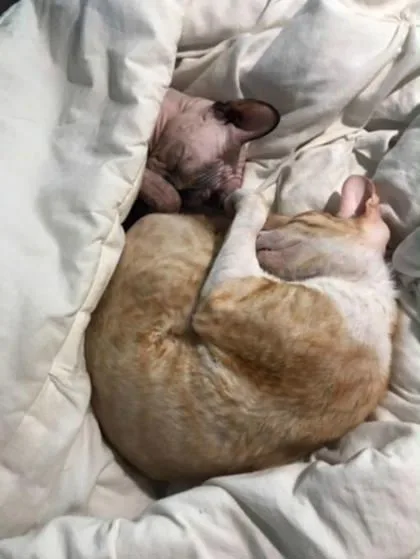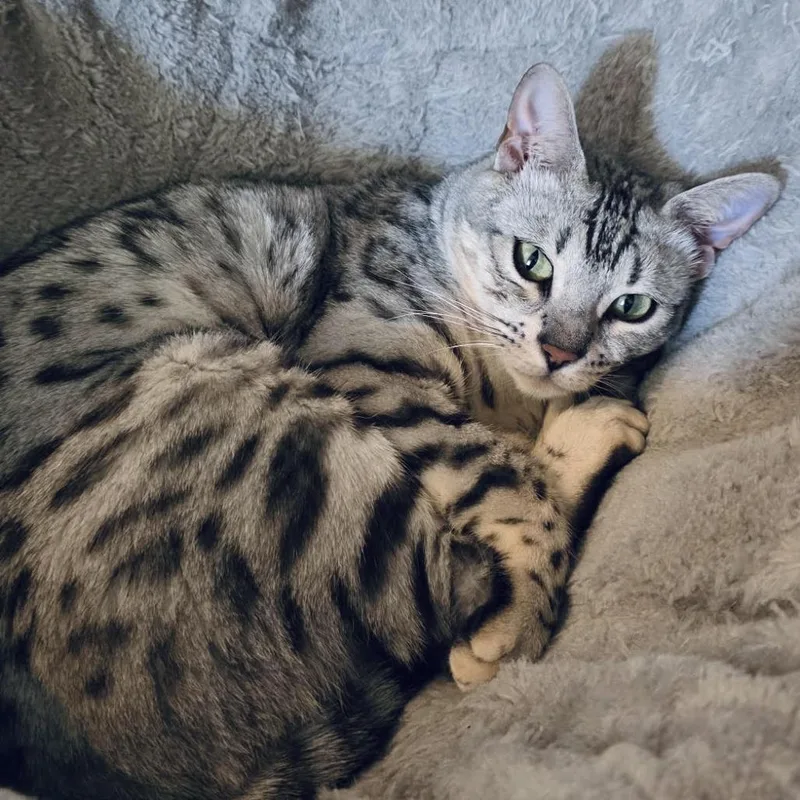
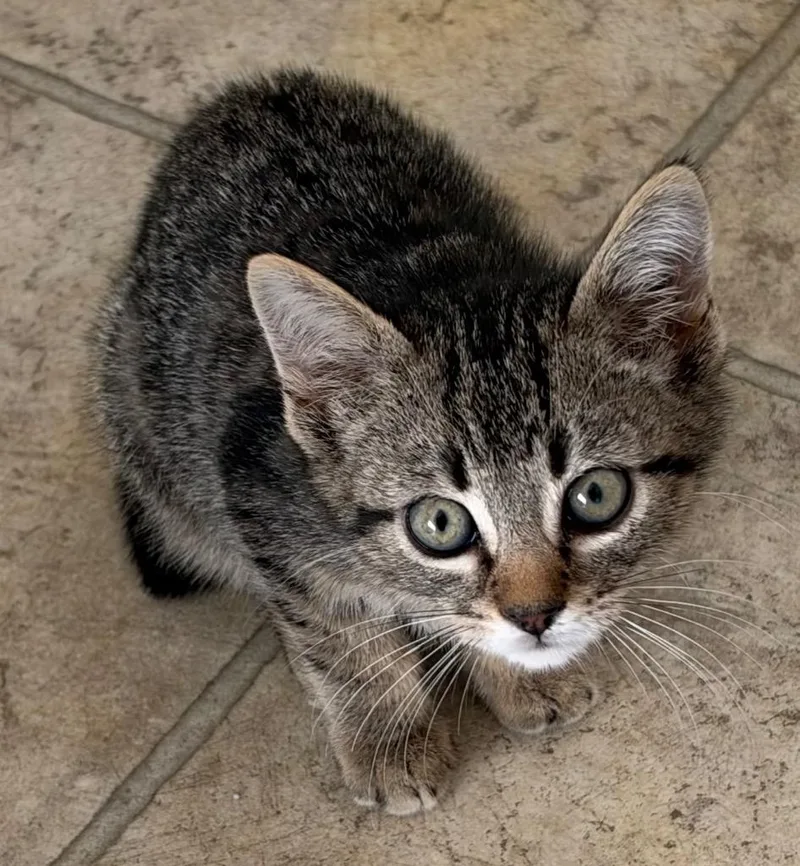
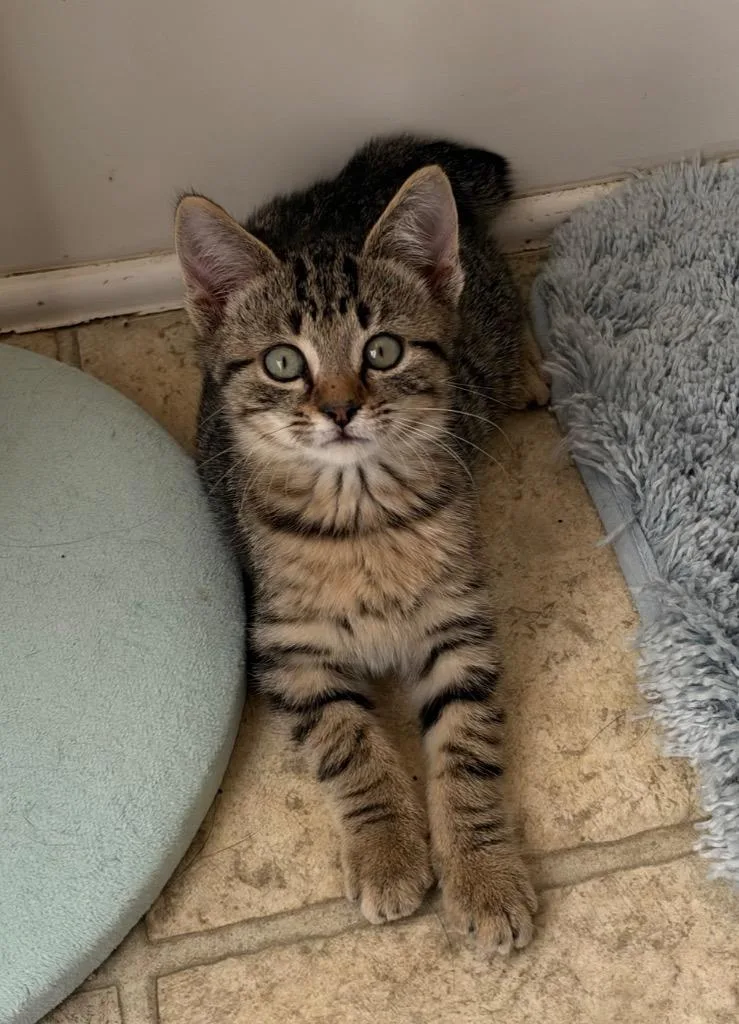
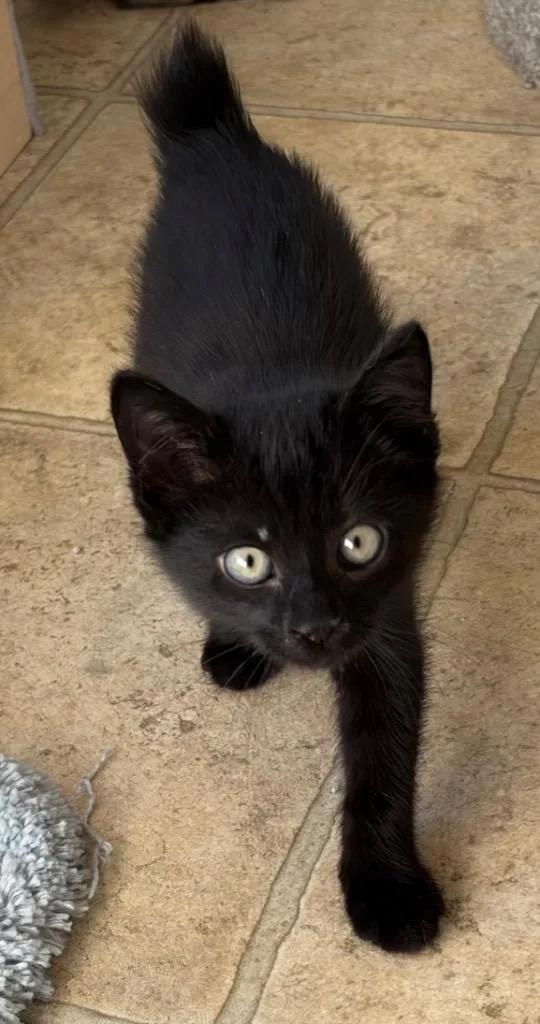
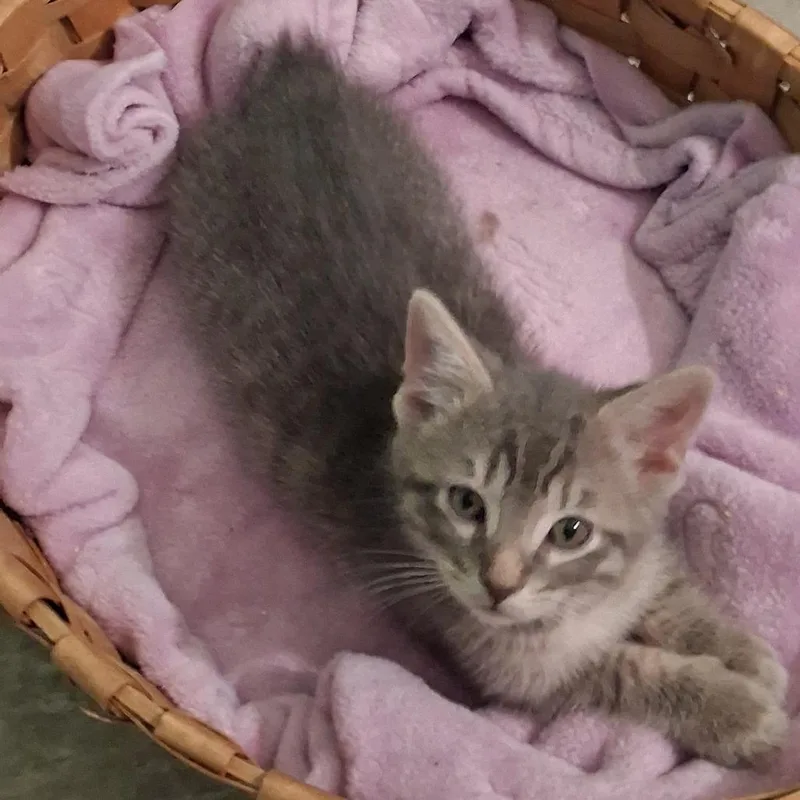
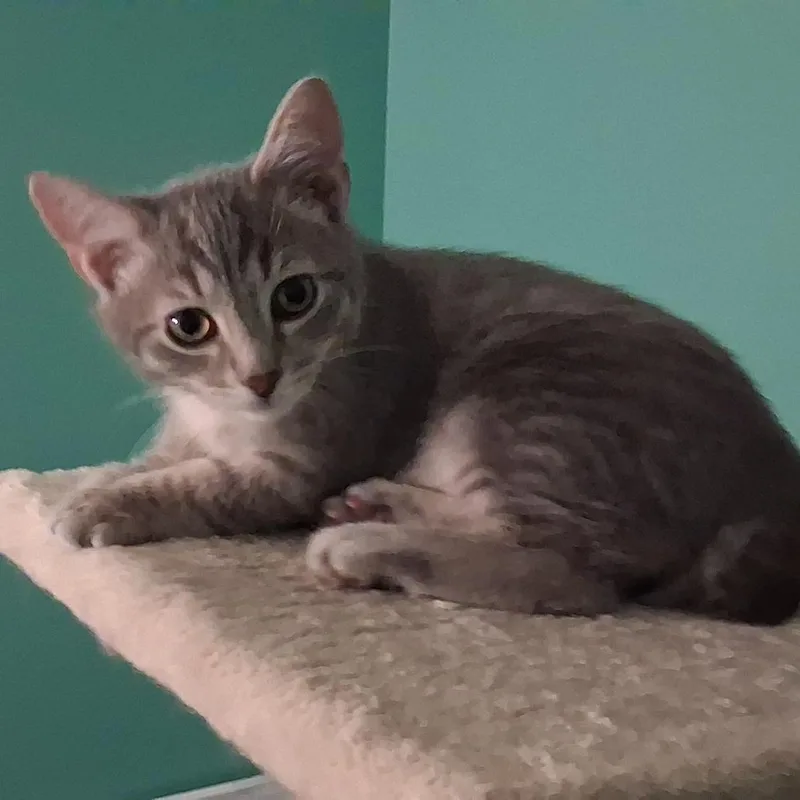
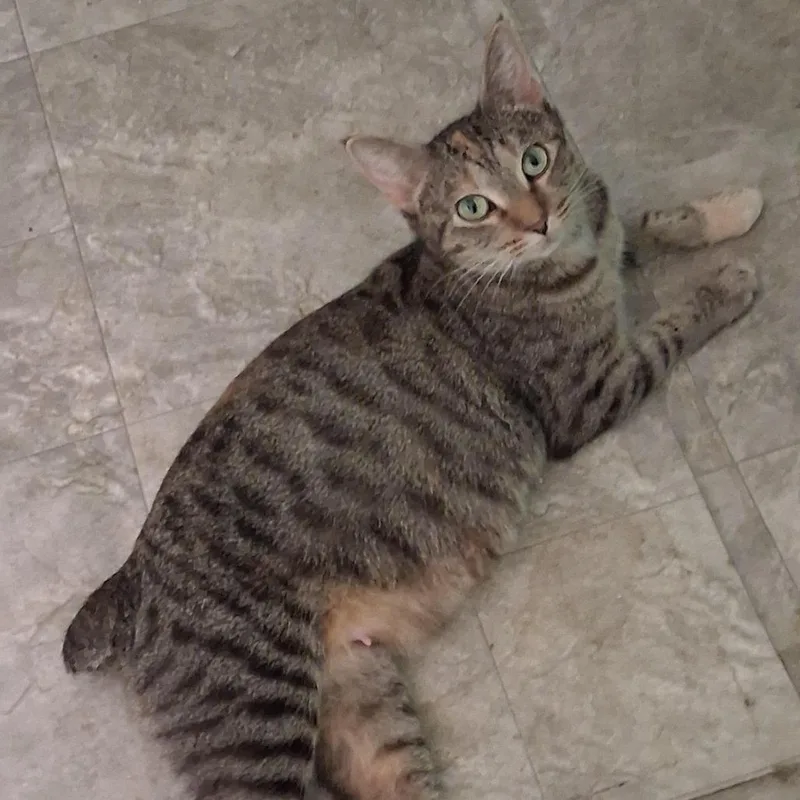
American Bobtail cat

American Bobtail Cats for Adoption in Fort Worth, TX

Your guide to finding and caring for an American Bobtail in Fort Worth

American Bobtails suit Fort Worth's older houses and newer apartments equally well, as long as there's room to climb. In an older Fairmount house, a bobtail will patrol the windowsills, chase a feather wand down the hallway and greet every guest at the door. They're playful and people-minded, so they do best when someone's home for part of the day. A tall cat tree by a window gives them a front-row view of the neighborhood squirrels.

175 American Bobtails available in Fort Worth and nationwide

Bring home an American Bobtail

While we don't have enough cats near Fort Worth, keep in mind that many rescues may offer transport.

American Bobtails Available for Adoption Near Fort Worth

About the American Bobtail breed

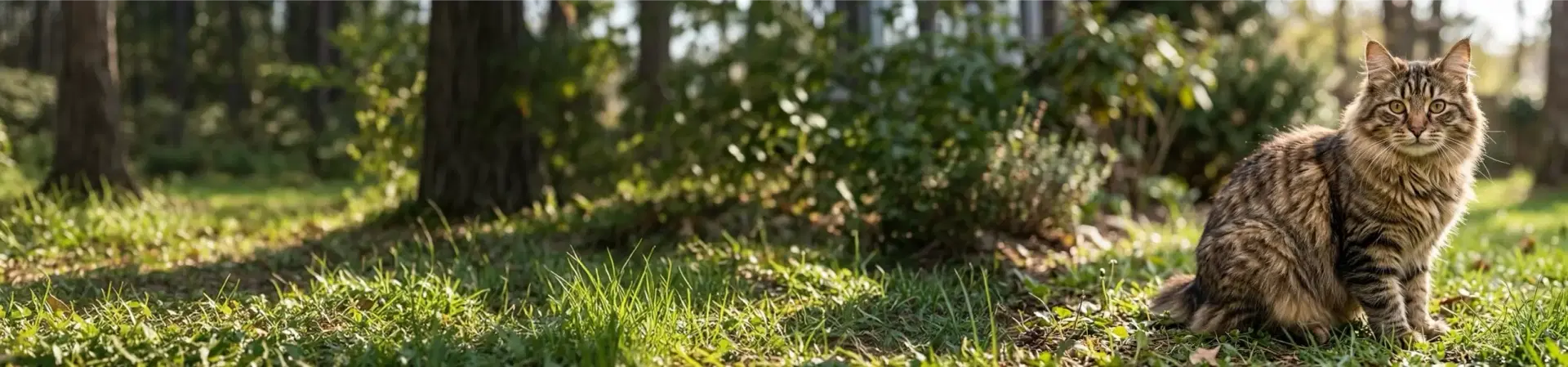
The American Bobtail traces back to the late 1960s and Yodie, a short-tailed brown tabby stray found in Arizona. The breed grew from bobtailed cats across North America. The short tail, usually a third to half of normal length, comes from a dominant gene unrelated to the Manx or Japanese Bobtail. The coat can be short or medium-long in nearly any color, set on a muscular, wild-looking frame.

Many are sociable, clever and playful without being frantic, and owners often call them dog-like for fetching and leash walking. They mature slowly, over two to three years, so a young cat may stay kittenish for a while. That means plenty of play and a sturdy cat tree. Weekly brushing handles most coats, and a veterinarian can check the tail and spine.

Weight
7–16 lbs
Height
9–12 in
Lifespan
11–15 yrs
Temperament
Playful, Affectionate, Adaptable, Intelligent
Shedding
Moderate

Owning an American Bobtail in Fort Worth

Having an American Bobtail in Fort Worth

Expect a sturdy, athletic cat that loves games and company. The short tail, two coat lengths and slow maturity shape daily care, while Fort Worth's hot summers and mild winters mostly affect how the cat lives indoors and when it plays.

Temperament

American Bobtails tend to be affectionate and people-focused without being clingy, often greeting guests and following the family from room to room. That suits Fort Worth apartments and busy houses, since they usually adapt to children, other cats and cat-friendly dogs. They're fairly quiet, chirping or trilling rather than yowling, though each cat differs in how it handles holding and visitors.
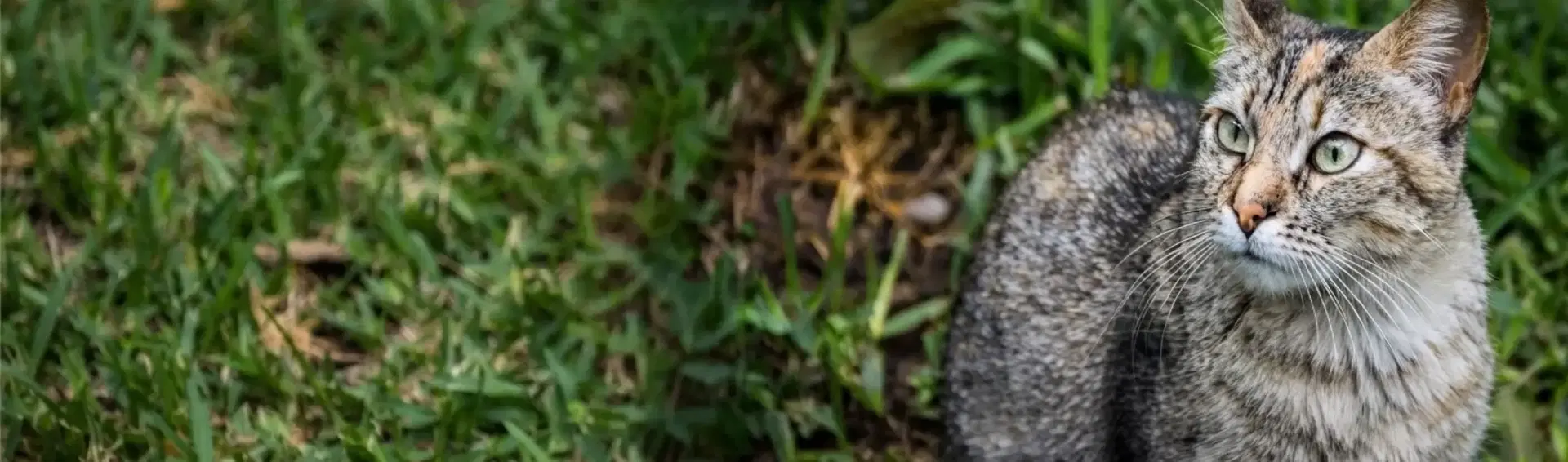
Exercise Needs

Plan several short play sessions a day with wand toys, balls, fetch and climbing. Food puzzles add mental work on days when it's too hot to enjoy a window. Many bobtails learn harness walking, which works well on a patio or in a fenced yard during cooler morning or evening hours, always with you close by.

Health Considerations

American Bobtails are generally sturdy, but the short-tail gene can occasionally bring spine or hip problems, so watch for stiffness, tail pain or litter box changes. Yearly exams, dental care and weight control cover routine prevention. A veterinarian can recommend a flea prevention schedule that fits North Texas.

Living Space

An American Bobtail adapts to apartments or houses when it has climbing spots, scratching posts, window perches and daily play. That fits Fort Worth's mix of downtown lofts, rentals and family houses. Keep it indoors, and consider a screened catio or supervised harness time on a patio for curious cats.

What it costs to own an American Bobtail in Fort Worth

ExpenseTypical costPer year
Food$25 to $50 per month$300 to $600
Pet insurance$25 to $50 per month$300 to $600
Routine vet care$150 to $350 per year$150 to $350
Other*$450 to $1,250 per year$450 to $1,250
Estimated yearly total (after year one)$1,200 to $2,800

Other costs are estimates and vary with size, age and health.

* Litter, flea prevention, a dental cleaning allowance, toys and other supplies, and home brushing, with more for longhaired cats.

American Bobtail cat

Adopt an American Bobtail in Fort Worth.

Now that you know more, let’s find you a new best friend. These rescues and shelters below currently have American Bobtails available.

Frequently Asked Questions

Yes, Fort Worth has no breed-specific rules, so an American Bobtail is treated like any other cat. You'll need a registered microchip and a current rabies vaccination, and cats over six months (males over eight) must be spayed or neutered or covered by an intact pet permit. Cats must also stay on your property.

Yes, American Bobtails generally adapt well to apartments when they have climbing spots, window perches and daily play. Many Fort Worth residents rent, so read the lease for pet deposits and fees before signing; Texas doesn't cap security deposits. Building pet policies vary, so get any approval in writing.

It can be, especially for people who are home part of the day and enjoy playing with their cat. Bobtails are sociable and adaptable, which suits Fort Worth apartments and houses, but they need indoor activity, particularly when summer heat limits outdoor time. Puzzle feeders and a tall cat tree help on long days.

Yes, as indoor cats. Fort Worth sees about 105 days a year at 90°F or above, and nights stay in the mid-70s. Keep the home cool, offer fresh water and shaded perches, and save active play for early morning or evening. Never leave a cat in a parked car.

Weekly brushing is enough for most American Bobtails, while longhaired coats may need a few sessions a week to prevent tangles and cut down on hairballs. Regular brushing also keeps loose fur under control indoors. Home brushing and supplies fit within the Other costs of roughly $450–$1,250 a year, with more for longhaired cats.

Yes, in a carrier. Trinity Metro allows pets on its vehicles, including TEXRail, when they travel in an approved carrier that doesn't block the aisle. A medium-sized American Bobtail fits comfortably in a standard carrier, so let the cat get used to it at home first. Riders are responsible for the animal's care.

A bobbed tail is a short tail, either naturally short from birth or, in some dogs, shortened by docking. In cats, natural bobtails come from several different gene mutations found in breeds like the American Bobtail, Japanese Bobtail and Manx. The tail may be straight, curved or kinked and is usually fully mobile and expressive despite its length.

A bobtail cat is any cat with a naturally short tail, from a stub to roughly half normal length. The term covers several breeds, including the American Bobtail, Japanese Bobtail, Kurilian Bobtail and Pixie-Bob, each with its own gene, as well as domestic cats born with short or kinked tails. Shelters often list these cats simply as bobtails.

We have 1 rescue with American Bobtails available: Saving Hope Animal Rescue Fund. You can see every rescue with American Bobtails available in the list above these questions, or scroll to the top to see the American Bobtails near Fort Worth.

Expect about $25–$50 a month for food and $25–$50 a month for pet insurance, plus $150–$350 a year for routine vet care. Other yearly costs, including litter, flea prevention, dental care, supplies and brushing, run about $450–$1,250. A longhaired bobtail tends to land toward the top of that range.

Find American Bobtails in Nearby Cities

Expand your search to find American Bobtails available for adoption near Fort Worth.