Chartreux Cats for Adoption in Nashville, TN

Your guide to finding and caring for a Chartreux in Nashville

Chartreux cats suit Nashville's rentals and ranch houses because they're so quiet. Whether you're in a Hillsboro Village rental or a brick ranch in Donelson, a cat that chirps instead of meows rarely bothers the neighbors. Many are happy with a window perch for watching birds and a few bursts of wand-toy play a day. They're uncommon, so keep an eye on the listings on this page. What a Chartreux wants most is a calm routine and a favorite person nearby.

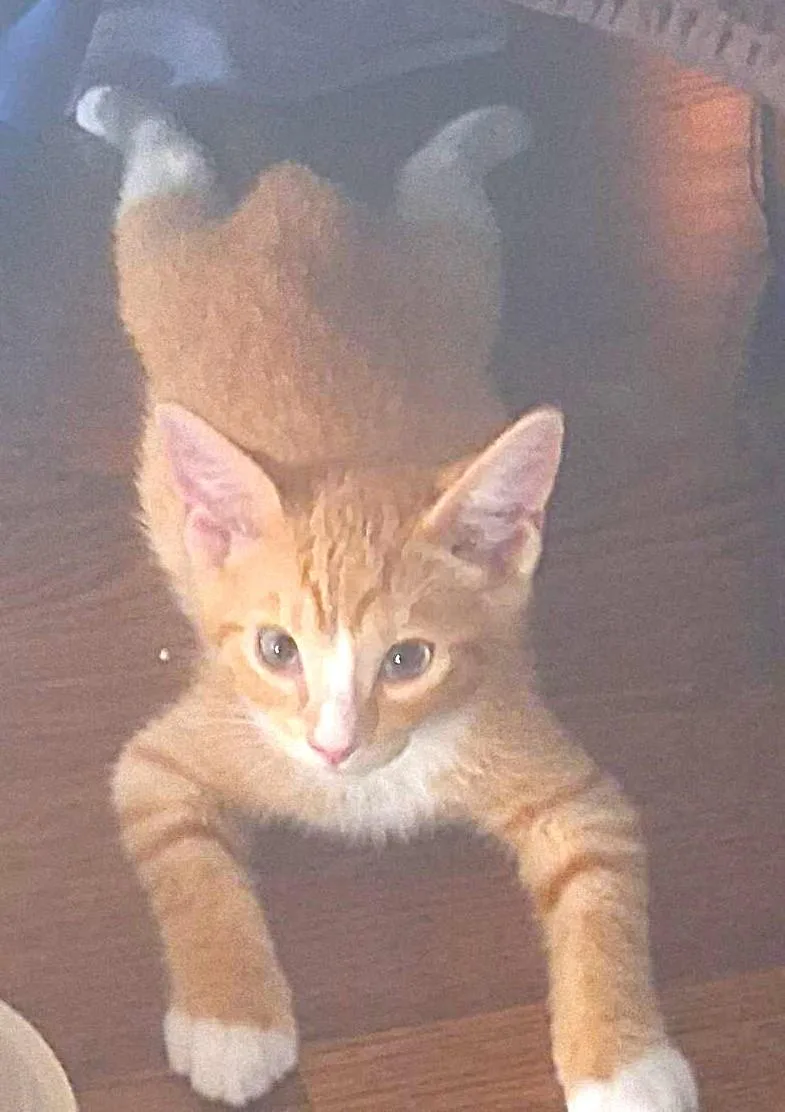
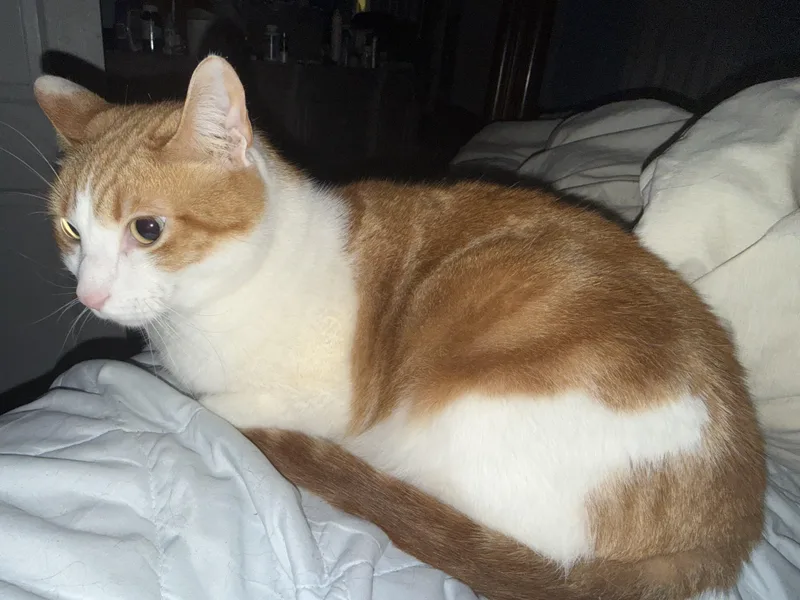
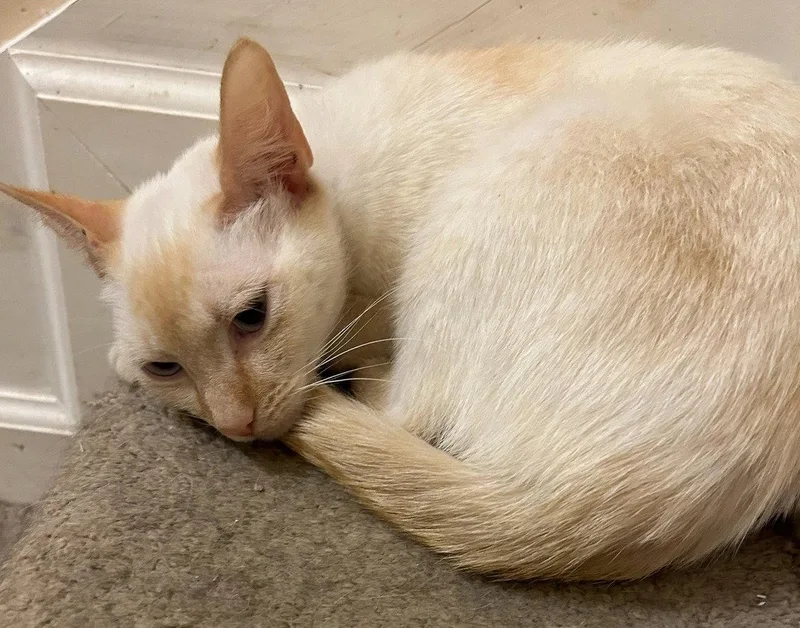
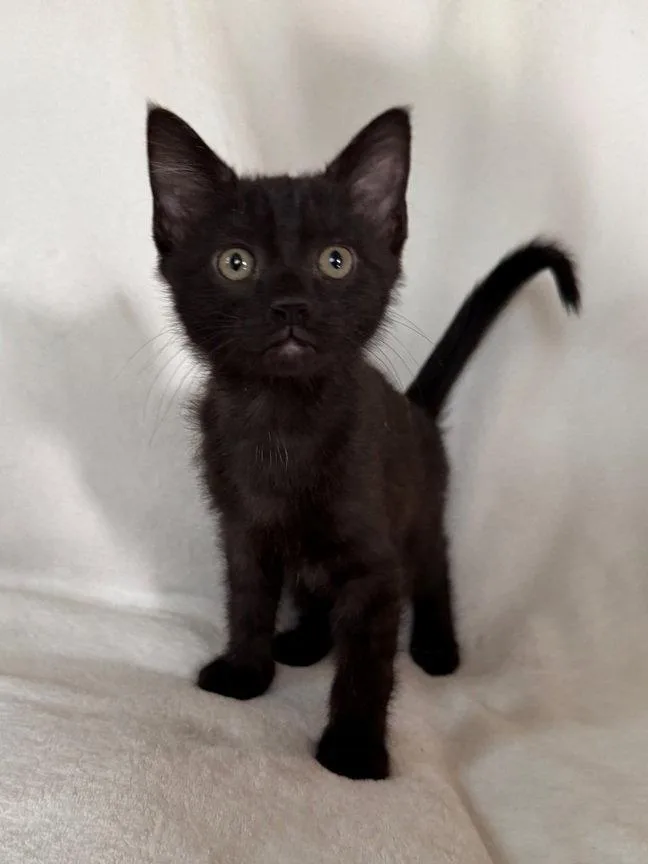
16 Chartreuxes available in Nashville and nationwide

Say hello to your Chartreux

While we don't have enough cats near Nashville, keep in mind that many rescues may offer transport.

Chartreuxes Available for Adoption Near Nashville

About the Chartreux breed

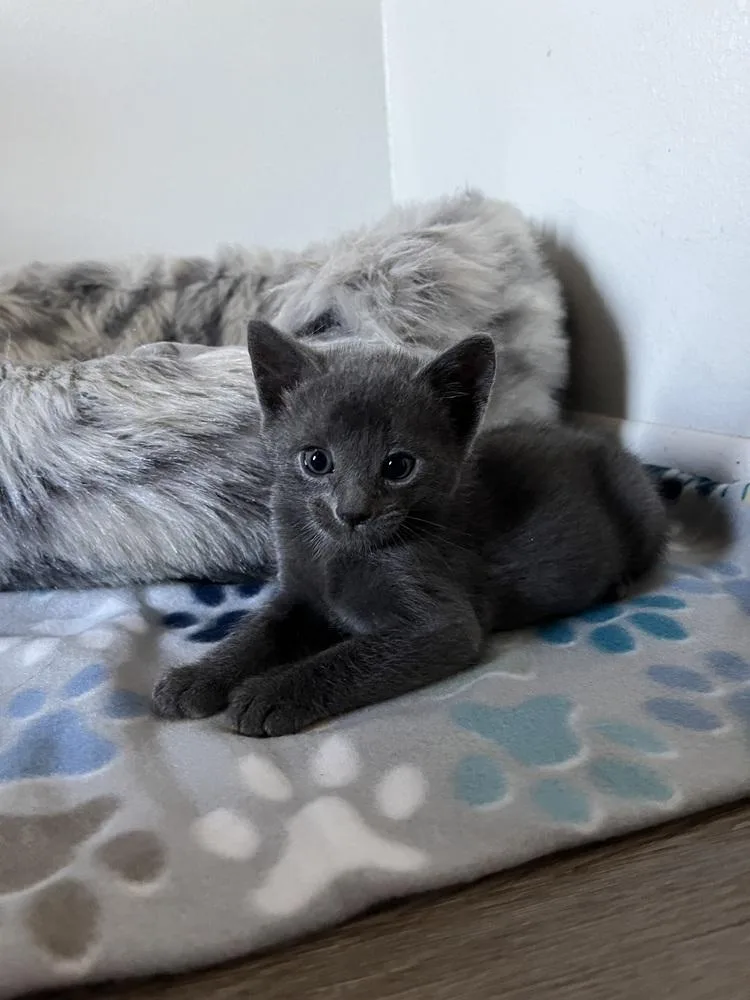
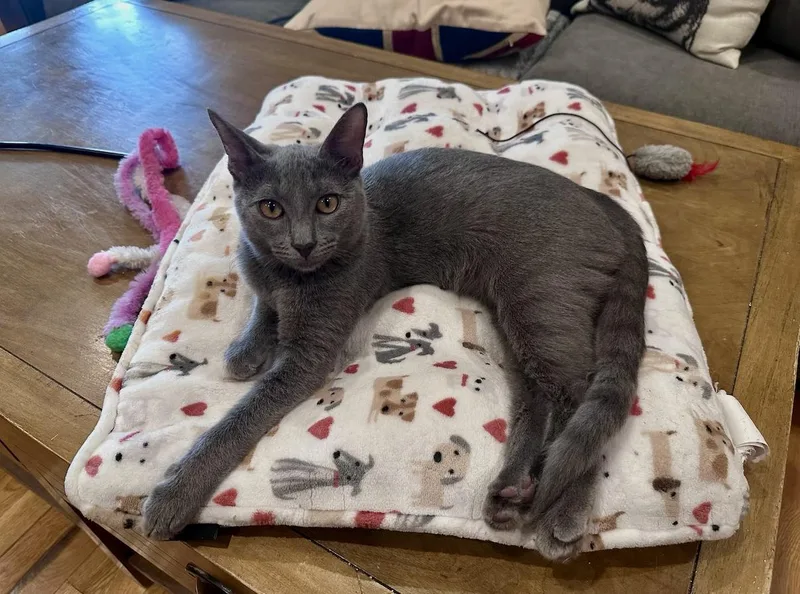
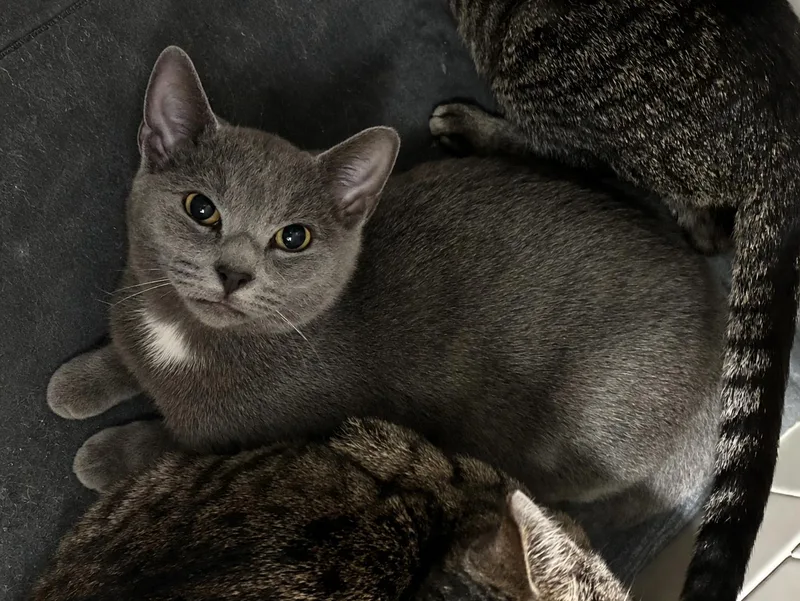
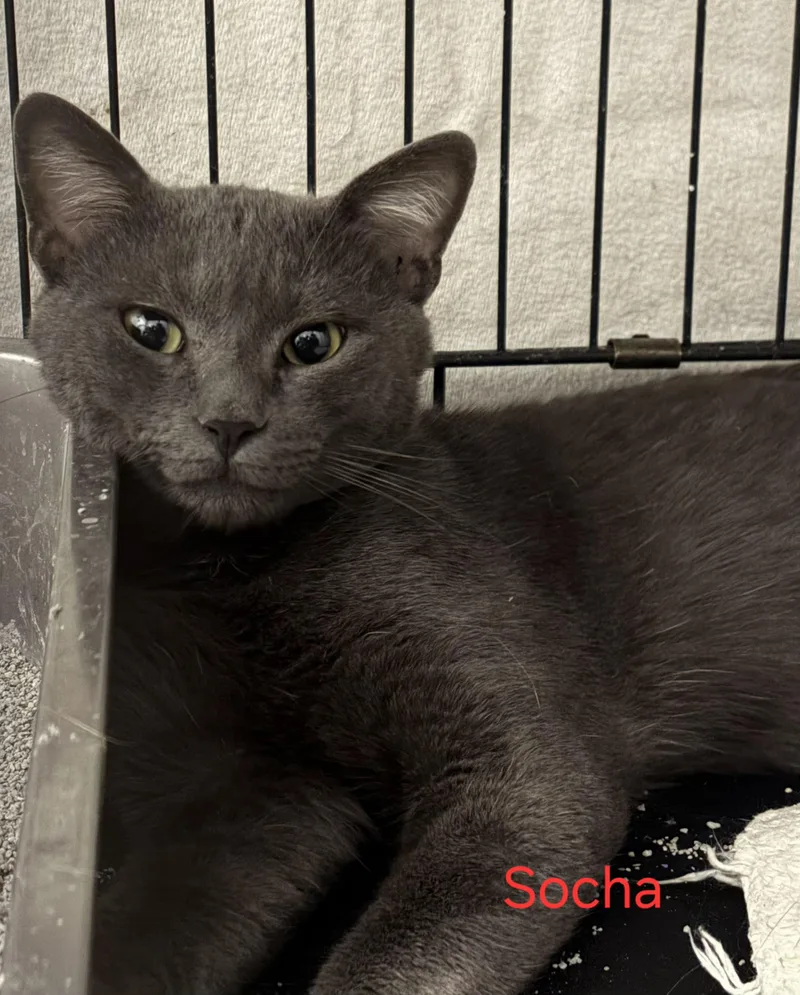
The Chartreux is a French breed that grew from centuries of blue-gray cats, then was rebuilt in the 1920s from natural colonies after nearly disappearing following World War I. Every Chartreux is blue, with a dense, woolly, water-resistant coat, gold to copper eyes and a sturdy, muscular body on fairly short legs. Adults usually weigh 7 to 14 pounds, and the breed matures slowly, sometimes over several years.

Many Chartreux are calm, gentle and quietly devoted, often following a favorite person from room to room. Most play in short bursts and enjoy hunting toys. In Nashville, that fits an indoor life with a cat tree, a sunny window and a regular brushing routine when the thick coat sheds. Cats of this breed vary, so each cat's own personality matters more than the label.

Weight
7–14 lbs
Height
9–11 in
Lifespan
12–15 yrs
Temperament
Quiet, Loyal, Calm, Gentle
Shedding
Moderate

Owning a Chartreux in Nashville

Having a Chartreux in Nashville

Chartreux are sturdy, quiet cats that do well indoors, whether in a Nashville apartment or a house. Short play sessions, measured meals and regular brushing keep them comfortable, and a steady routine helps them feel settled.

Temperament

Chartreux are often calm, gentle and loyal, and some pick one favorite person to follow around. In a busy Nashville building with footsteps in the hall, many take time to watch before they join in. Gradual introductions help with children and other pets, and every cat's comfort level differs.

Exercise Needs

Most Chartreux play in short, intense bursts, so ten-minute sessions with wands, feather toys and toy mice a couple of times a day work well. Food puzzles add mental exercise on rainy days, which Nashville has plenty of. Regular play also helps keep this solid breed lean, since some would rather nap.

Health Considerations

Patellar luxation, a kneecap that slips out of place, is documented in the breed, and weight gain and dental disease are common concerns in mature cats. Measured meals and play help keep a Chartreux lean. Nashville summers bring fleas, ticks and mosquitoes, so keep parasite prevention current and schedule regular veterinary checkups.

Living Space

A Chartreux usually adapts well to an apartment or a house, as long as it has a cat tree and a window perch for watching birds. Keeping it indoors also protects it from cars and from the coyotes that are common in Middle Tennessee neighborhoods. Most tolerate time alone fairly well but still appreciate company and steady routines.

What it costs to own a Chartreux in Nashville

ExpenseTypical costPer year
Food$25 to $50 per month$300 to $600
Pet insurance$25 to $50 per month$300 to $600
Routine vet care$150 to $350 per year$150 to $350
Other*$458 to $1,158 per year$458 to $1,158
Estimated yearly total (after year one)$1,208 to $2,708

Other costs are estimates and vary with size, age and health.

* The $8 Nashville rabies tag, litter, flea, tick and heartworm prevention, a dental cleaning allowance, toys and scratchers, and brushing supplies for seasonal shedding.

Adopt a Chartreux in Nashville.

Now that you know more, let’s find you a new best friend. These rescues and shelters below have cats available in and near Nashville.

Frequently Asked Questions

Yes, you can. Metro Nashville has no breed-specific rules, and it sets no limit on how many pets a household can keep, though your landlord might. The main requirement is rabies vaccination and Davidson County registration once a cat is six months old. Chartreux are uncommon, so watch the listings on this page and save a search.

Yes, a Chartreux usually does well in a Nashville apartment because it's quiet and content with a cat tree and a window perch. Get your landlord's consent before adopting, and read the lease for pet deposits or monthly pet rent. Tennessee requires deposits to be held in a separate account, with an itemized damage list at move-out.

Yes, as long as the cat lives indoors with air conditioning. Nashville's humid summers can get hot, and a Chartreux's dense coat holds heat, so keep rooms cool, offer fresh water in several spots and brush out loose fur. Partly closed blinds help on sunny afternoons. Never leave a cat in a parked car, even with the windows cracked.

Yes, but only in an approved transfer cage. WeGo's code of conduct allows non-service animals on its buses and the WeGo Star train only when carried that way, and Nashville has no subway. A Chartreux, at roughly 7 to 14 pounds, needs a roomy, secure carrier that stays closed. Check WeGo's current rules for approved carrier sizes.

Plan on weekly brushing at home, and more often in spring and fall when the thick, woolly coat sheds heavily. Nashville's humid summers don't change that, but clearing loose fur keeps the cat more comfortable. Most Chartreux don't need professional grooming, so brushing supplies fit within the yearly other costs of about $458 to $1,158.

Yes, Chartreux cats are rare, especially outside France. Relatively few are registered each year in the United States, and they seldom appear in shelters. Many blue-gray shelter cats are domestic shorthairs or mixes rather than Chartreux. Breed rescues and cat rescues occasionally have adult Chartreux available, so watching listings regularly helps.

Chartreux is pronounced shar-TROO in French, and many English speakers say shar-TREW. The name may come from the Carthusian monks of the Grande Chartreuse monastery, though some historians link it to a Spanish wool. Whichever origin is true, the breed's name is tied to its French homeland.

You can identify a Chartreux by its solid blue-gray woolly coat, gold to copper eyes, sturdy muscular body on fairly short legs and a rounded head with a tapered muzzle that looks like a smile. Look-alikes include Russian Blues, which have green eyes and a sleeker coat, and British Shorthairs, which are rounder. Pedigree papers confirm a purebred.

No, Chartreux cats are not hypoallergenic. They produce the same main cat allergen, a protein called Fel d 1, as other cats, and their dense double coat sheds seasonally. People with cat allergies are likely to react. Spending time with a specific cat before adopting is the best way to judge how you'll respond.

Expect roughly $1,200 to $2,700 a year for a Chartreux in Nashville: food at $25 to $50 a month, pet insurance at $25 to $50 a month, routine vet care at $150 to $350 a year, and other costs of about $458 to $1,158 a year. Emergencies and one-time supplies are extra.