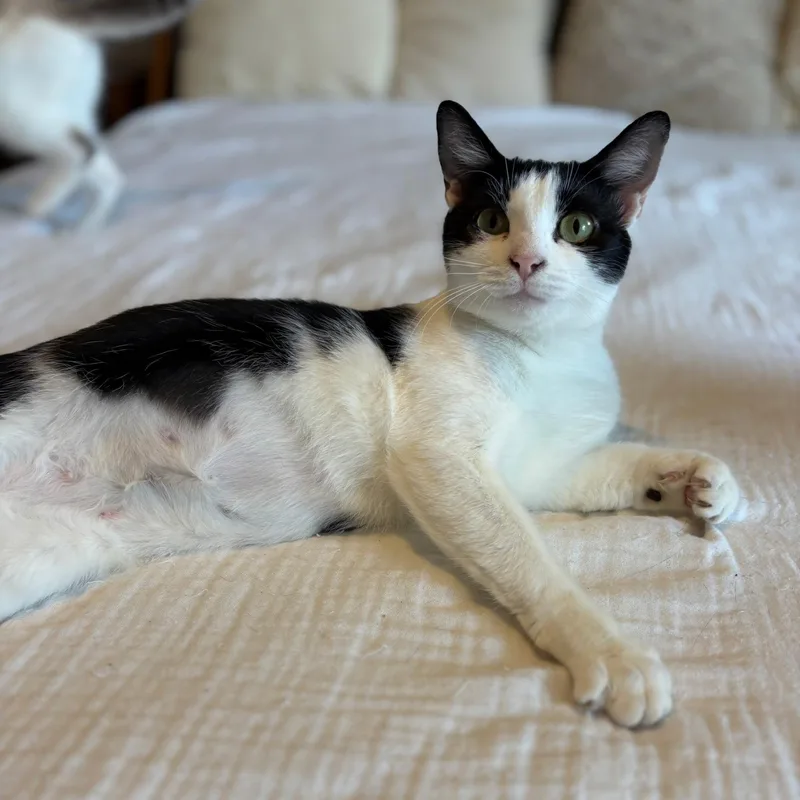
Tabby Cats for Adoption in Rock Hill, SC

Your guide to finding and caring for a Tabby in Rock Hill

A tabby in Rock Hill can be almost any kind of cat, because tabby is a coat pattern rather than a breed. Most are easygoing shorthairs that settle into a Riverwalk townhome or an apartment near Old Town, as long as there's a sunny window perch and a couple of play sessions a day. Some are chatty and some are shy, so pick the cat whose manner suits your household. Expect a cat that's happiest with a window to watch from.

8514 Tabbies available in Rock Hill and nationwide

Find your Tabby

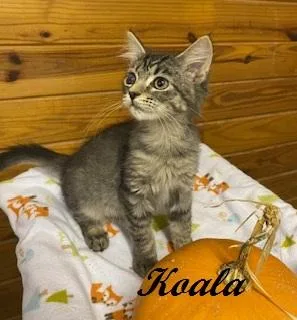
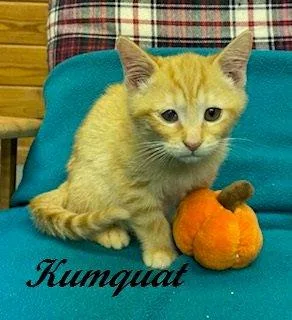
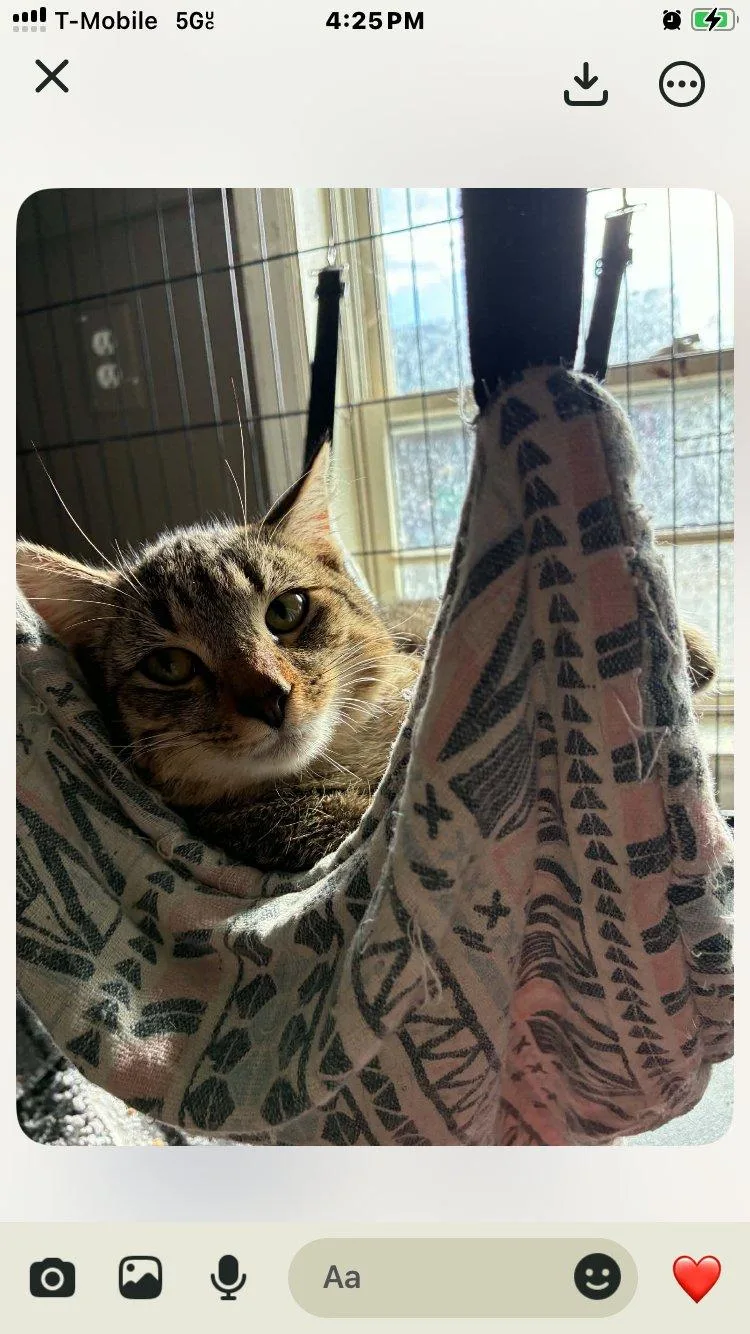
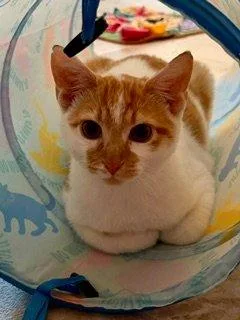
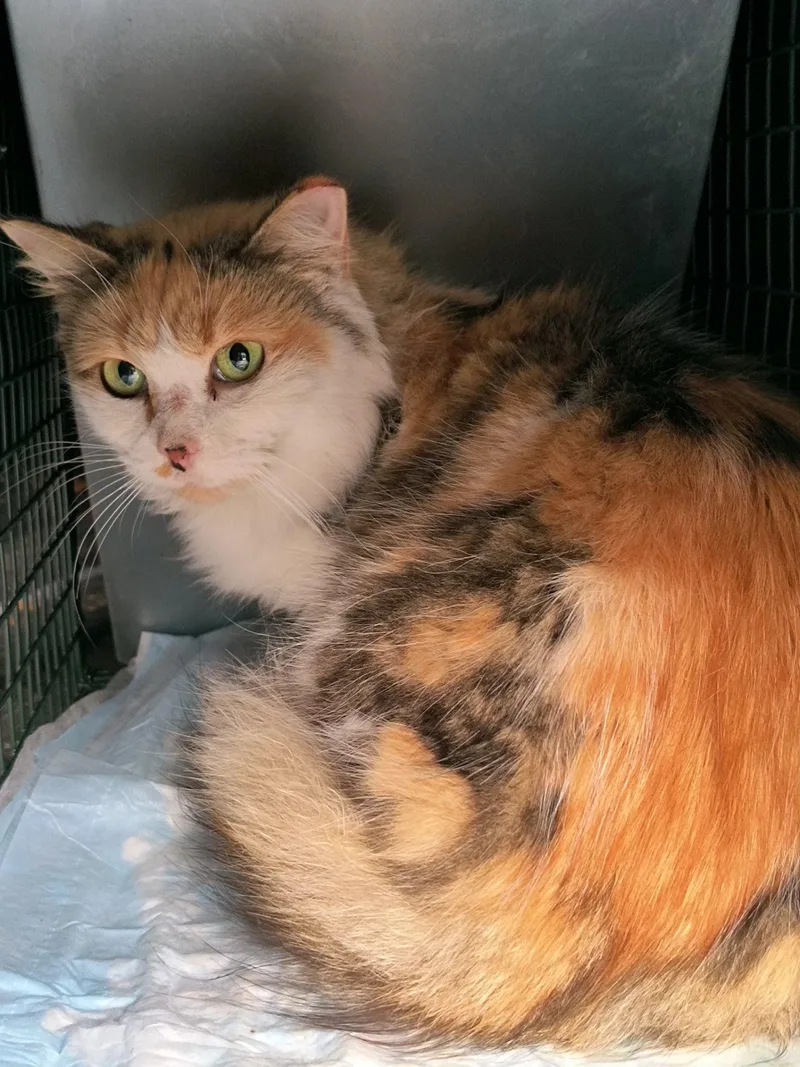
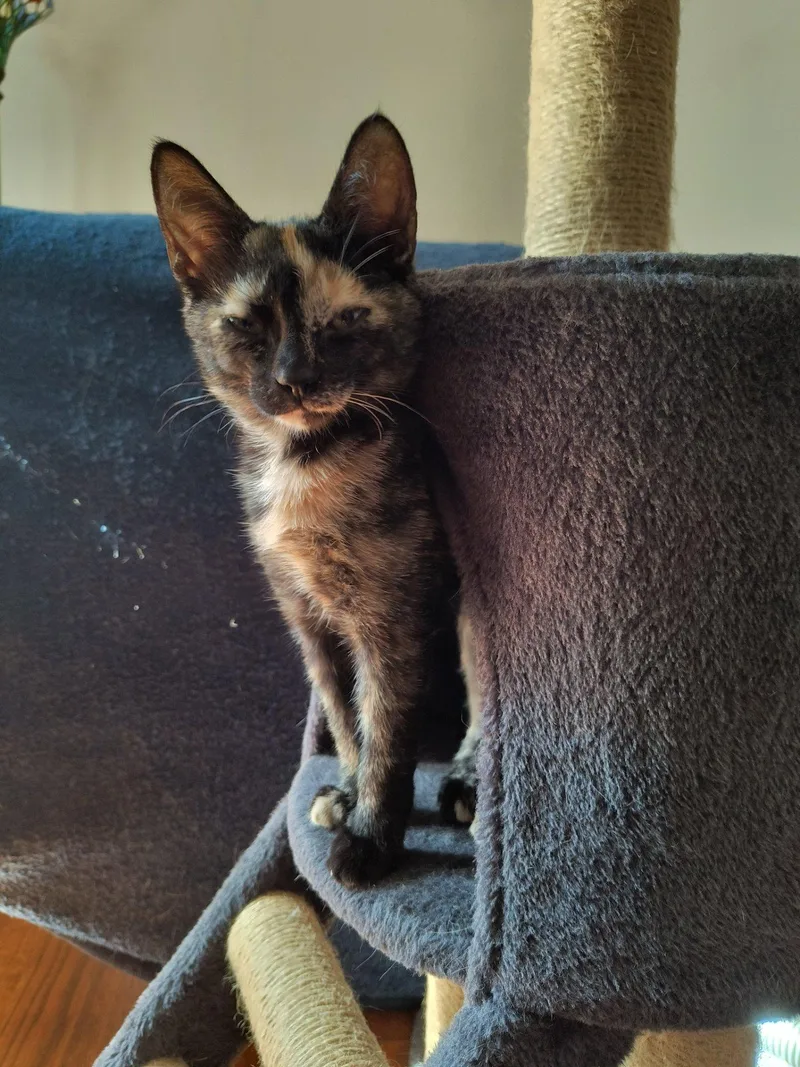
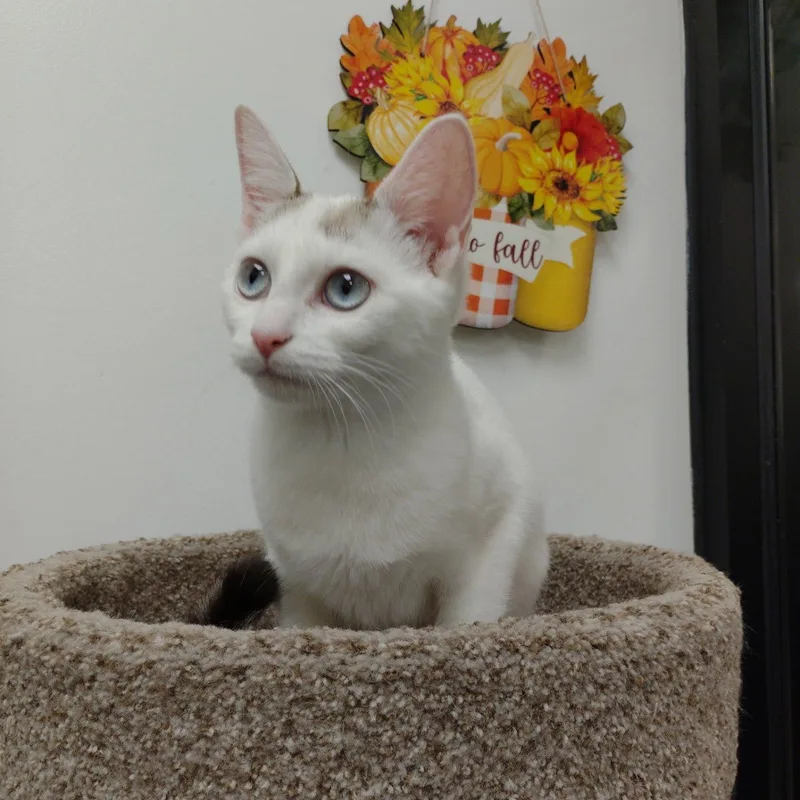
Tabbies Available for Adoption Near Rock Hill

About the Tabby breed

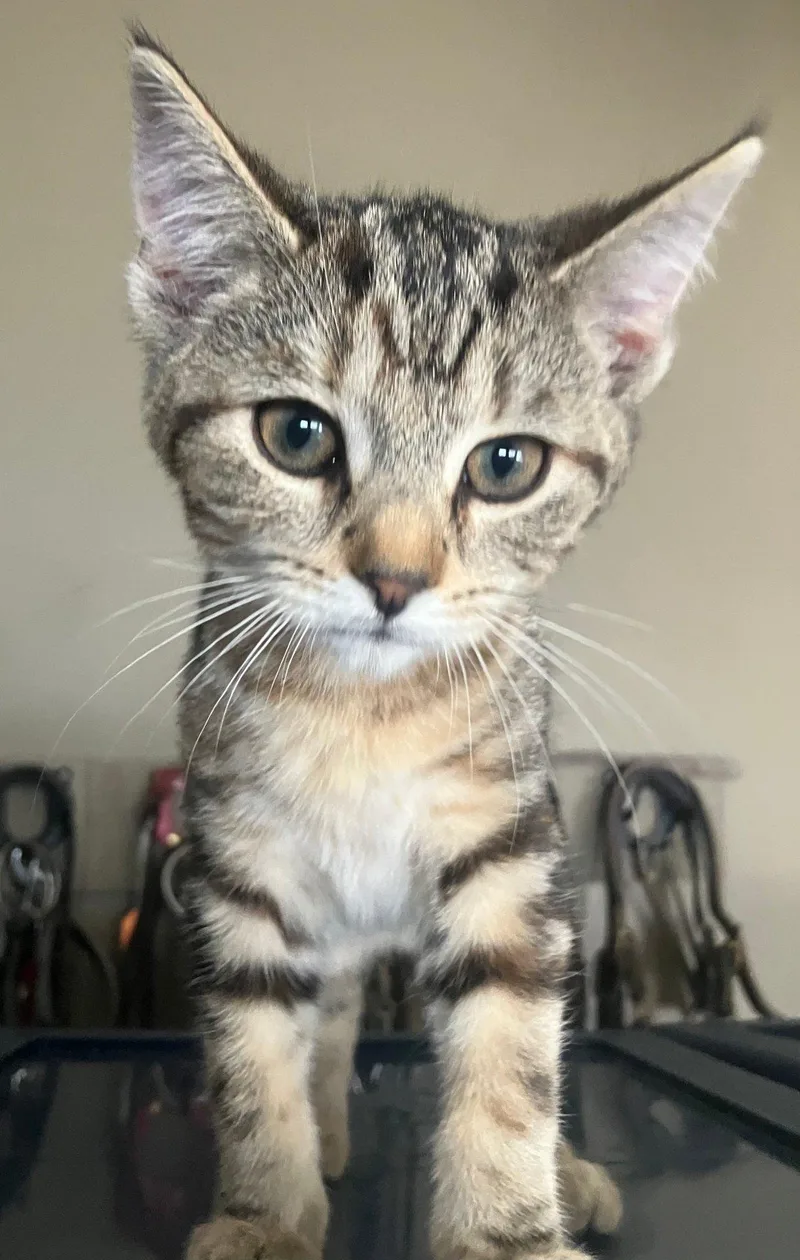
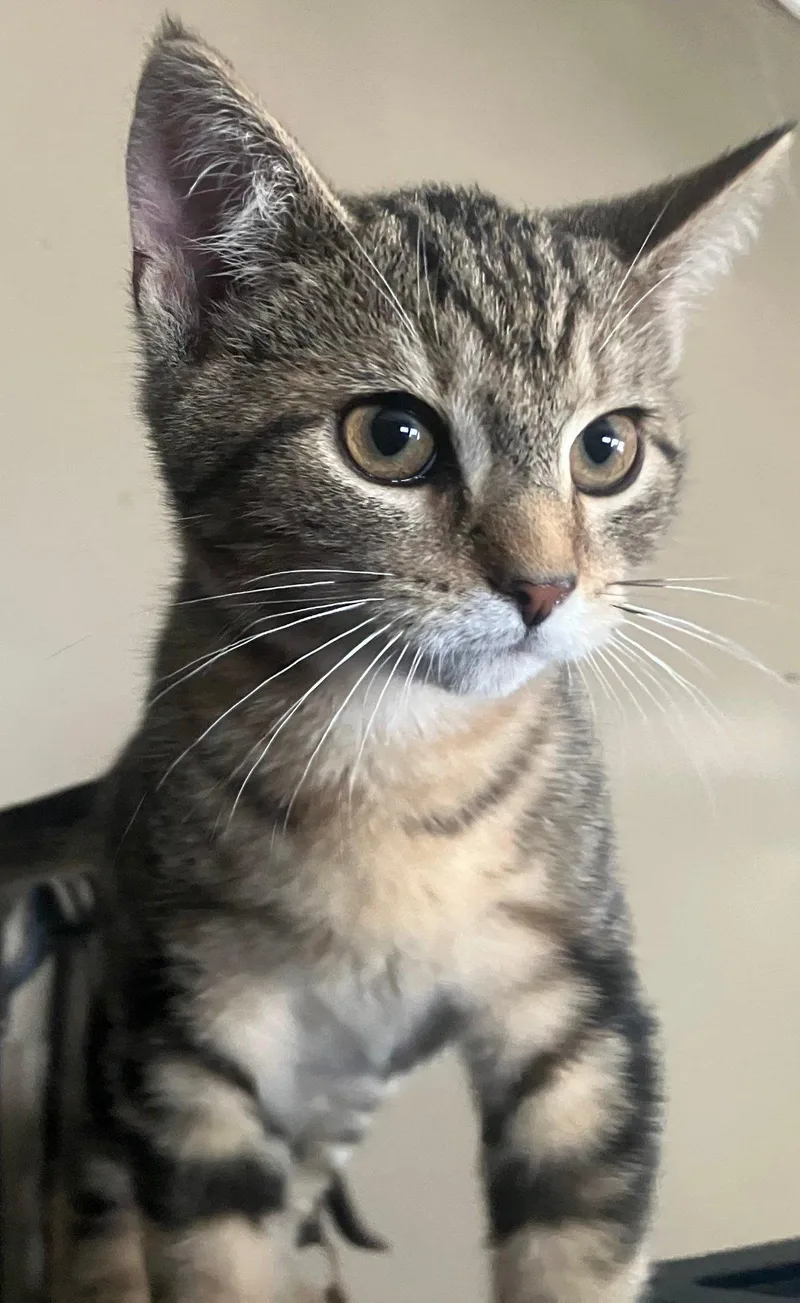
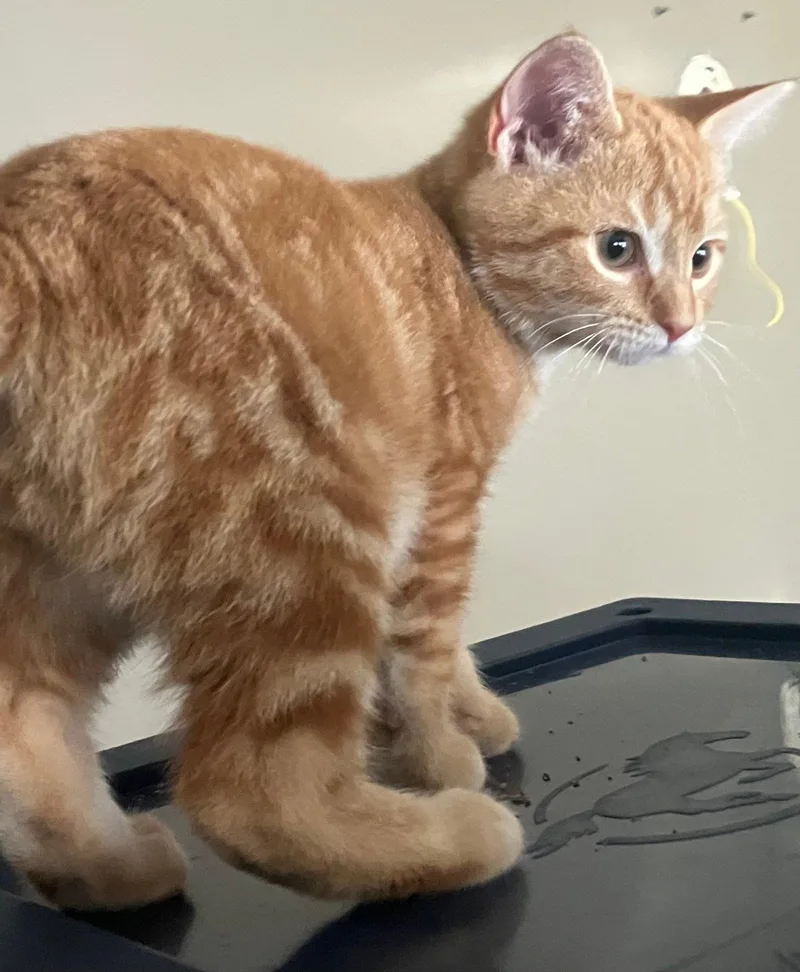
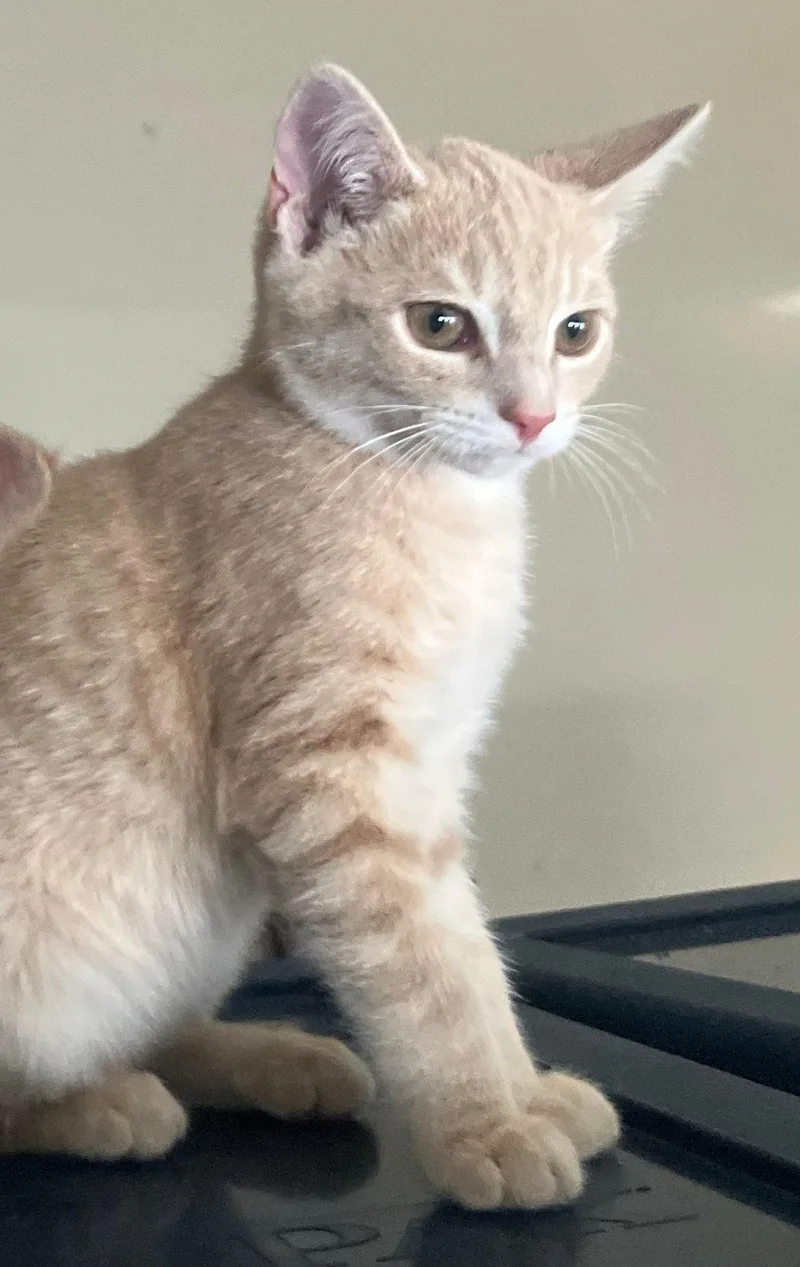
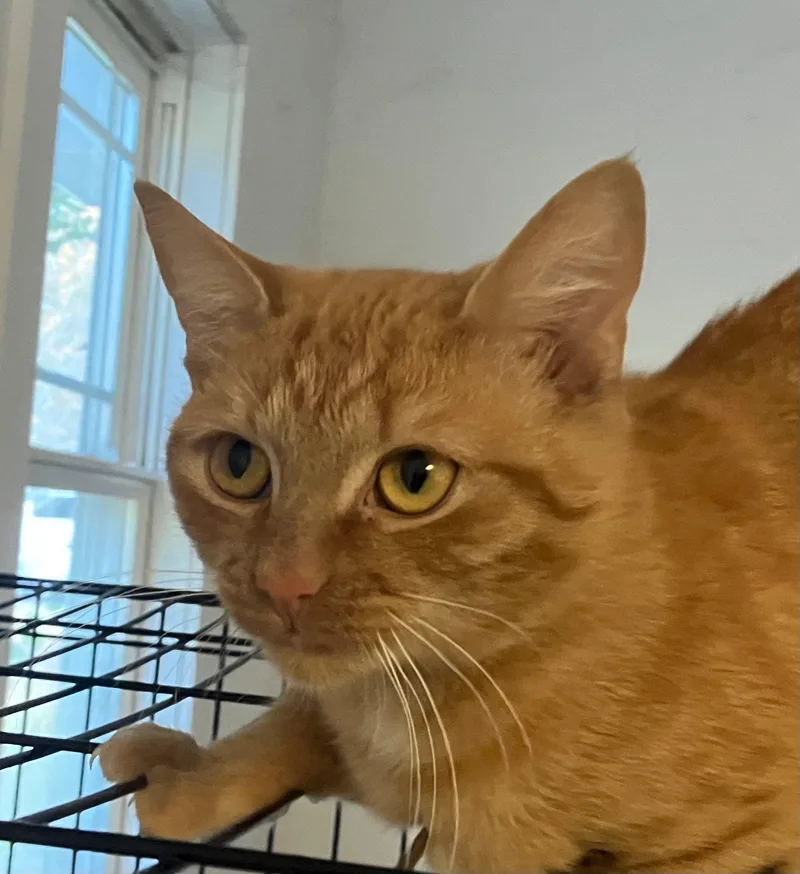
Tabby describes a pattern: the M-shaped mark on the forehead plus stripes, swirls, spots or ticked hairs. Mackerel tabbies have narrow stripes, classic tabbies bold swirls, spotted tabbies broken rows of spots, and ticked tabbies only faint striping. Colors range from brown and orange to gray, silver and cream, and the pattern appears in domestic shorthairs and in many recognized breeds.

Because tabby isn't a breed, size, coat length and personality vary. Most adoptable tabbies weigh roughly 6 to 14 pounds and live 12 to 18 years, with moderate shedding. In a Rock Hill home, daily play, good scratching posts and regular brushing matter far more than the stripes. Long-haired tabbies need more coat care, especially through the warm months.

Weight
6–14 lbs
Height
8–10 in
Lifespan
12–18 yrs
Temperament
Curious, Adaptable, Affectionate
Shedding
Moderate

Owning a Tabby in Rock Hill

Having a Tabby in Rock Hill

Tabby is a pattern, so a tabby's traits come from the cat's own mix, age and history. Energy, coat length and health matter more than stripes, and the cards below cover what to expect from a typical shorthair tabby living in Rock Hill.

Temperament

Stripes don't predict personality, so tabbies run from lap-seeking and chatty to reserved and independent. Many shelter tabbies are curious and adaptable, which helps in a busy household with visitors and changing routines. The outgoing reputation of orange tabbies partly reflects that most orange cats are male. Spend time with a cat before deciding.

Exercise Needs

Daily play that mimics hunting, like wand toys, chasing and pouncing, keeps a tabby fit indoors. Kittens and young adults need several short sessions, while older cats prefer gentler games. During Rock Hill's hot summers, schedule play for morning or evening, and put a cat tree by a window for climbing and entertainment.

Health Considerations

Coat pattern has no known effect on health; risks follow the cat's mix, age and lifestyle. Obesity, dental disease and urinary problems are common, and older cats can develop kidney disease, hyperthyroidism or diabetes. Annual wellness exams, dental care and a healthy weight help. With mild Rock Hill winters, ask your veterinarian about year-round flea prevention.

Living Space

Tabbies generally adapt to apartments and houses alike when they have places to climb, scratch, hide and look outside. Keeping a cat indoors protects it from traffic and disease. One litter box per cat plus one extra, vertical space and a quiet retreat help in busy homes. Long-haired tabbies need more grooming space and time.

What it costs to own a Tabby in Rock Hill

ExpenseTypical costPer year
Adoption fee$160, one time$160 in year one
Food$25 to $50 per month$300 to $600
Pet insurance$20 to $45 per month$240 to $540
Routine vet care$150 to $350 per year$150 to $350
Other*$450 to $1,150 per year$450 to $1,150
Estimated yearly total (after year one)$1,140 to $2,640
First-year total (with adoption fee)$1,300 to $2,800

Adoption fee is the fee on Tabby listings in Rock Hill on GetBuddy today. Other costs are estimates and vary with size, age and health.

* Litter, flea prevention, a dental cleaning allowance, toys, scratchers and bedding, and occasional grooming; costs vary with the cat's size and coat.

Adopt a Tabby in Rock Hill.

Now that you know more, let’s find you a new best friend. These rescues and shelters below currently have Tabbies available.

Rescues in Rock Hill with Tabbies Available

The Rock Hill area has a county shelter and a no-kill nonprofit, plus the rescues listed here. Here are the rescues & shelters in the Rock Hill area where you can find Tabbies and other cats available for adoption.

Frequently Asked Questions

Yes. Tabby is a coat pattern, and no known Rock Hill rule limits cats by pattern or color. South Carolina requires a current rabies vaccination, with the tag on a collar or harness. If you rent, the lease matters more than the city: get the landlord's pet terms, deposits and any fees in writing before you adopt.

Yes, most tabbies do well in apartments. Cats need vertical space, a scratching post, a litter box and a window to watch, not a yard. Whether it's a unit near Old Town or a Riverwalk townhome, daily play keeps an indoor cat content. Confirm the lease allows cats and ask about any pet rent.

Often, yes. A typical tabby is a sociable, adaptable shorthair that suits Rock Hill's mix of townhomes, apartments and suburban houses. Because the pattern doesn't dictate personality, the fit depends on the cat's age, energy and comfort with noise. Meet a few cats, and choose one that matches how much time you're home.

For indoor cats, yes. A tabby's short coat handles the mild winters easily, and spring and fall are comfortable. Heat is the thing to plan for: run air conditioning on hot afternoons, keep water out in several spots, and avoid midday play near windows. Storm season is the other reason to keep cats indoors.

A short-haired tabby needs a brush about once a week, and a long-haired one needs it several times a week. Expect heavier shedding in spring and fall, plus nail trims and tooth care. Most owners groom at home, so occasional professional grooming is the only grooming cost in the Other line of the cost table.

A tabby cat is any cat with a tabby coat pattern, meaning stripes, swirls, spots or ticked hairs plus a distinctive M-shaped marking on the forehead. Tabby is not a breed. The pattern appears in domestic shorthairs and longhairs as well as many pedigreed breeds, such as the American Shorthair, Maine Coon and Abyssinian, and it is one of the most common cat patterns.

A tabby cat isn't any one breed, because tabby is a coat pattern. Cats with the pattern include shelter domestic shorthairs and longhairs as well as breeds such as the American Shorthair, Maine Coon, Bengal and Abyssinian. Most tabbies available for adoption are mixed-breed domestic cats, so browse the cats listed here and look at each one's age and personality.

A tabby cat has an M-shaped mark on its forehead, thin lines running from the outer corners of the eyes, and striped or spotted markings on the body, legs and tail. Mackerel tabbies have narrow parallel stripes, classic tabbies have bold swirls with a bullseye on each side, spotted tabbies have spots, and ticked tabbies show flecked hairs with few stripes.

We have 1 rescue with Tabbies available: Operation CARE. You can see every rescue with Tabbies available in the list above these questions, or scroll to the top to see the Tabbies near Rock Hill.

Plan on roughly $25 to $50 a month for food, $20 to $45 for optional insurance, $150 to $350 a year for routine vet care, and $450 to $1,150 a year for litter, flea prevention, dental care and supplies. That adds up to about $1,140 to $2,640 a year, depending on the cat's size, age and coat.

Explore Other Breeds in Rock Hill

Looking for a different breed? Browse other cats available for adoption in Rock Hill.