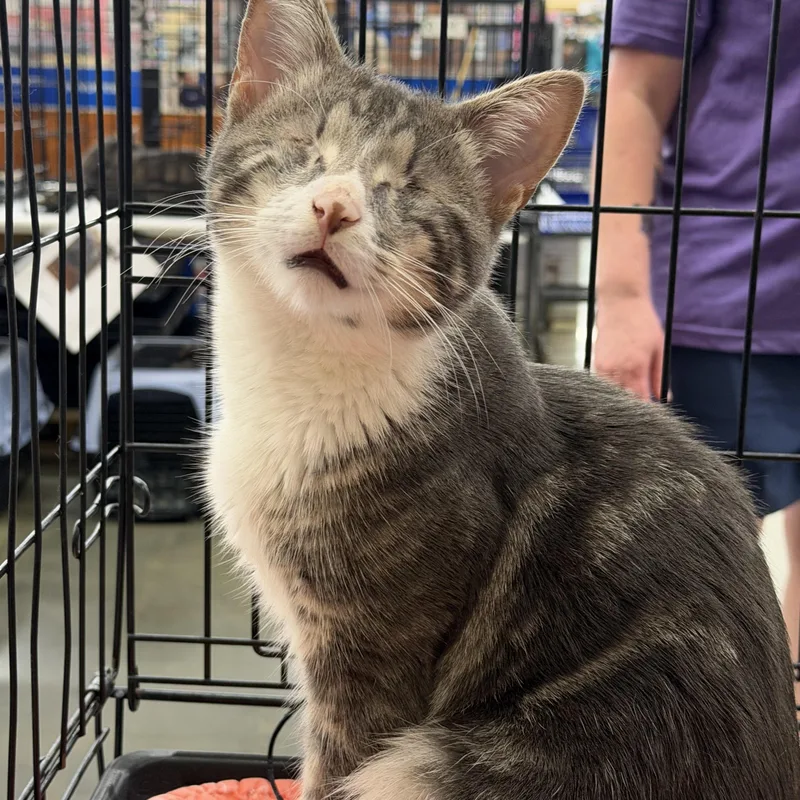
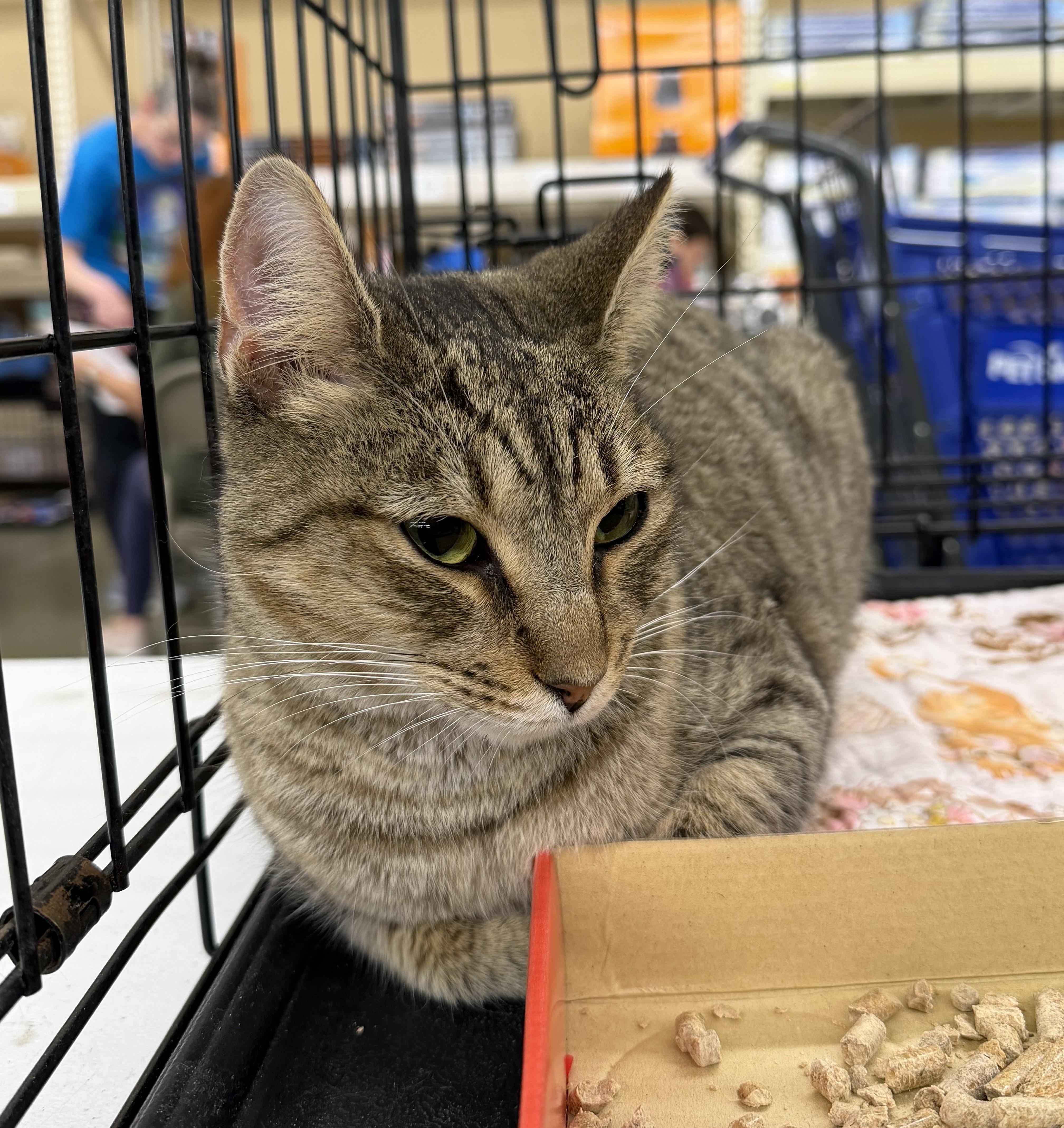
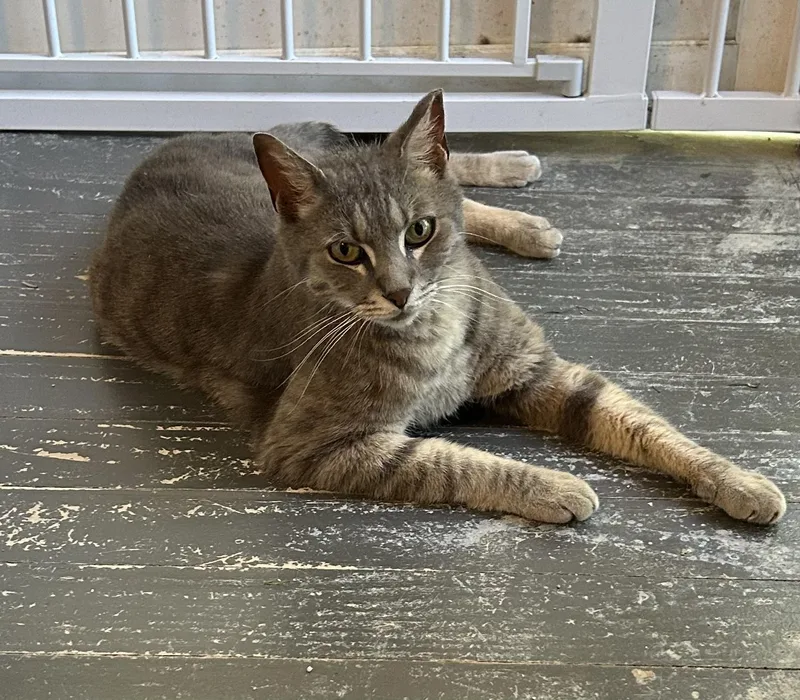
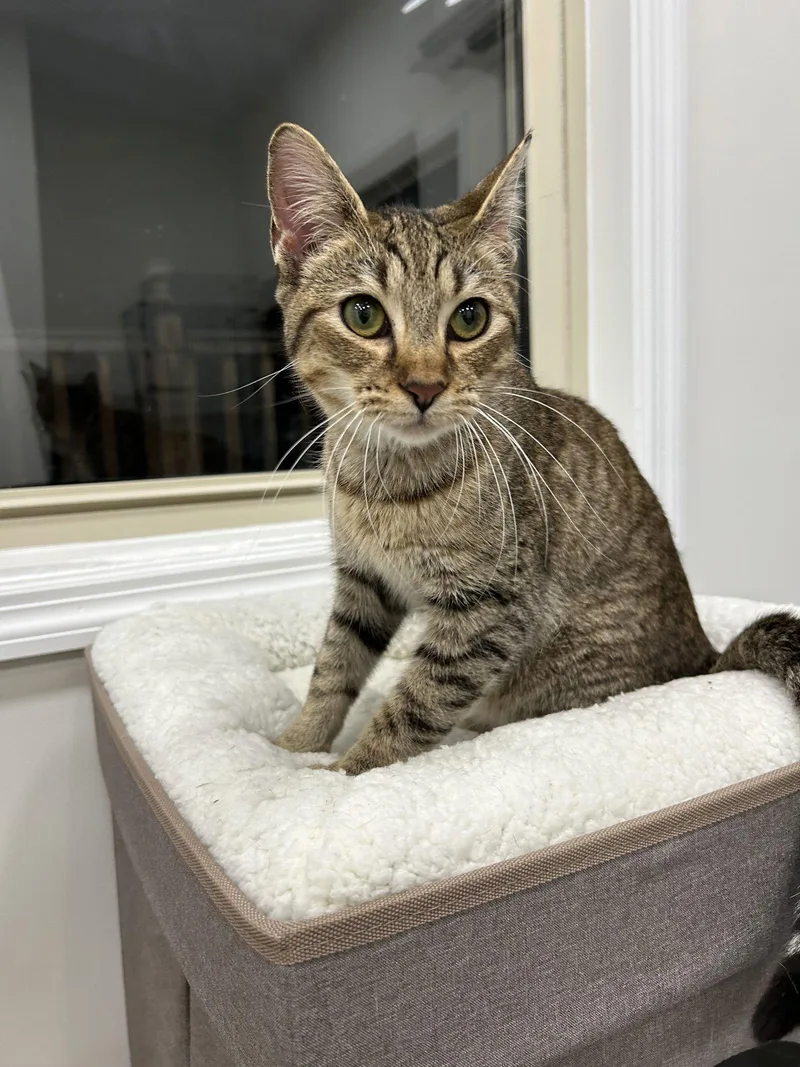
Tabby Cats for Adoption in Columbia, SC

Your guide to finding and caring for a Tabby in Columbia

A tabby cat fits Columbia's older bungalow streets and its newer apartment buildings equally well. Tabby is a coat pattern, so these cats come in every size, age and temperament. In Elmwood Park or the BullStreet District, a sunny window perch, a cat tree and a daily play session cover most of what a tabby needs. Summer afternoons here get hot, which makes an indoor cat with a cool spot to nap the easy default.

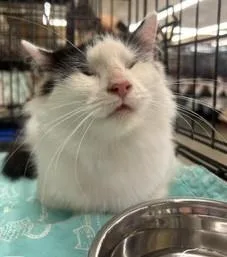
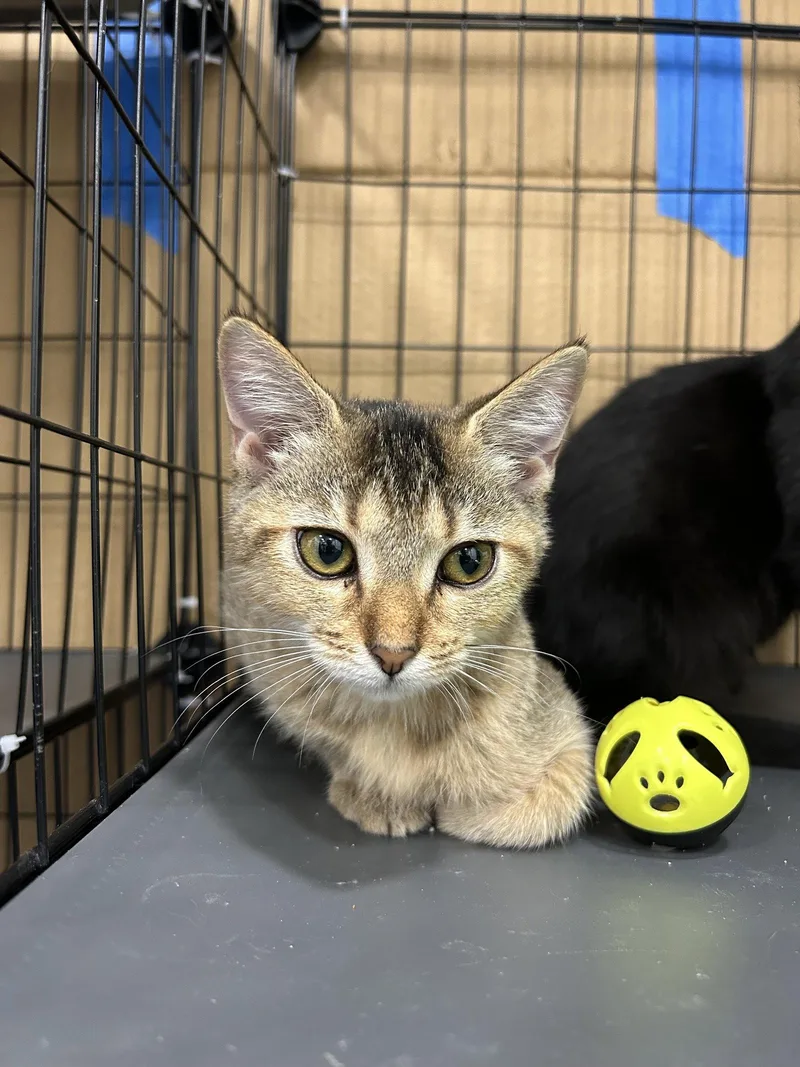
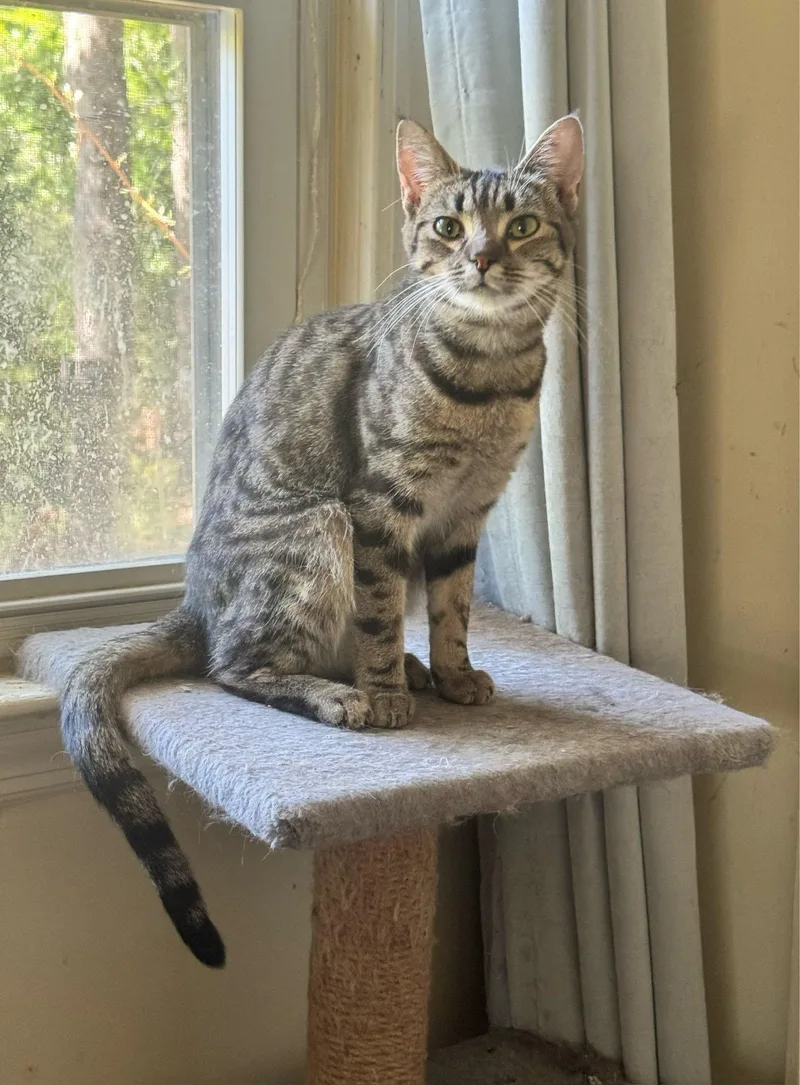
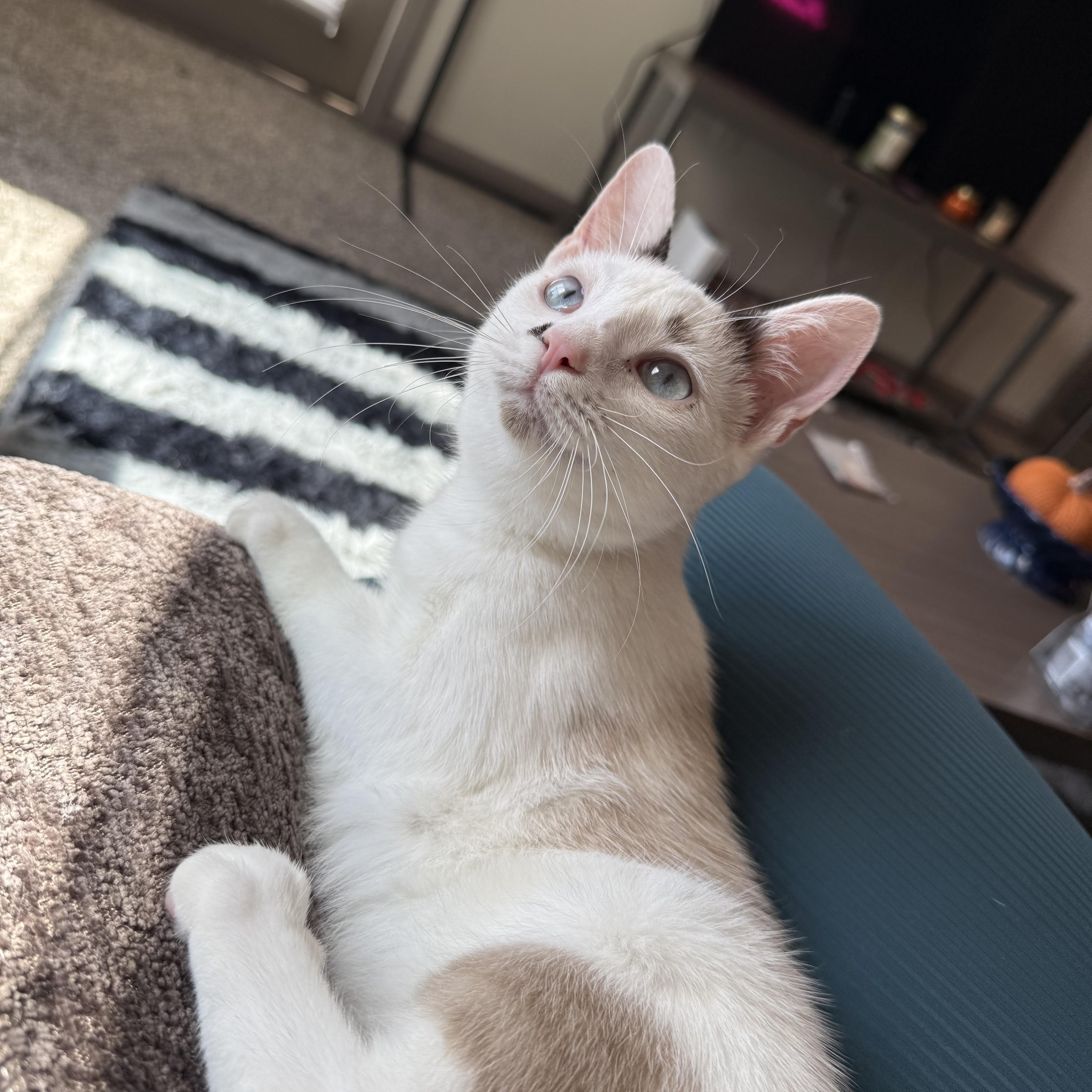
74 Tabbies available for adoption in Columbia

Find your Tabby

Tabbies Available for Adoption in Columbia

About the Tabby breed

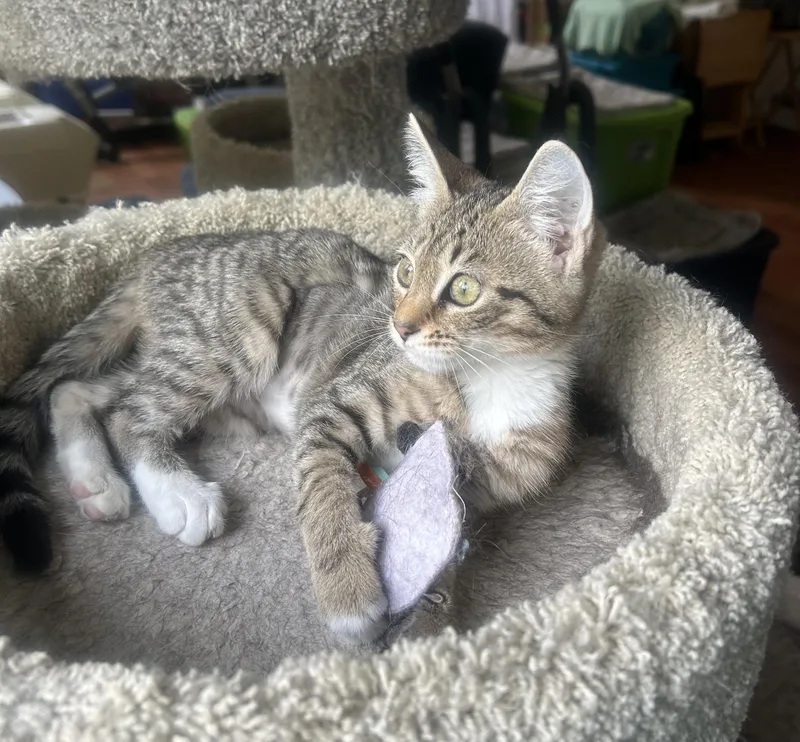
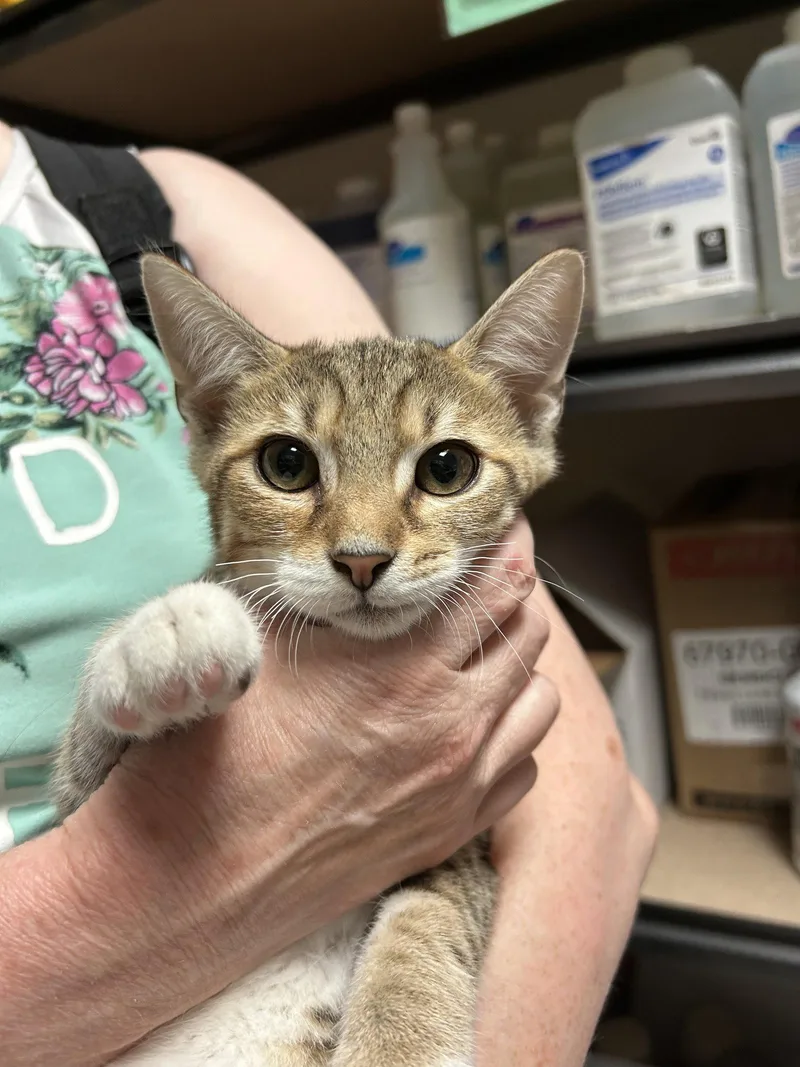
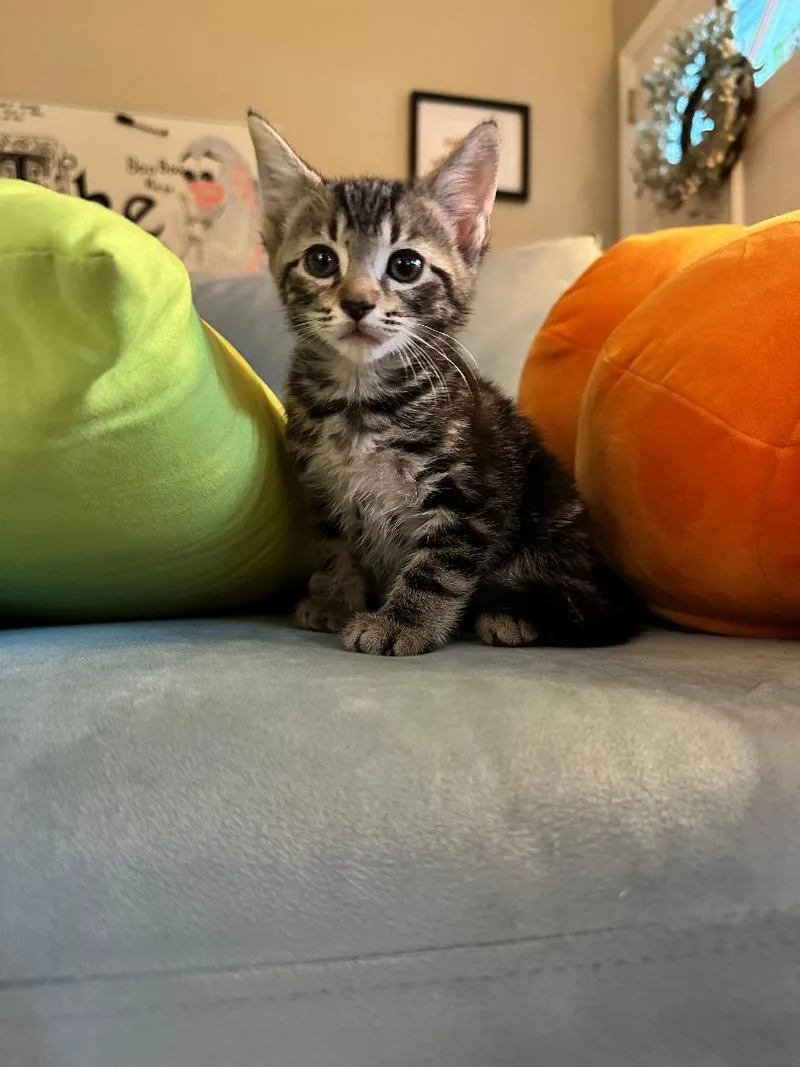
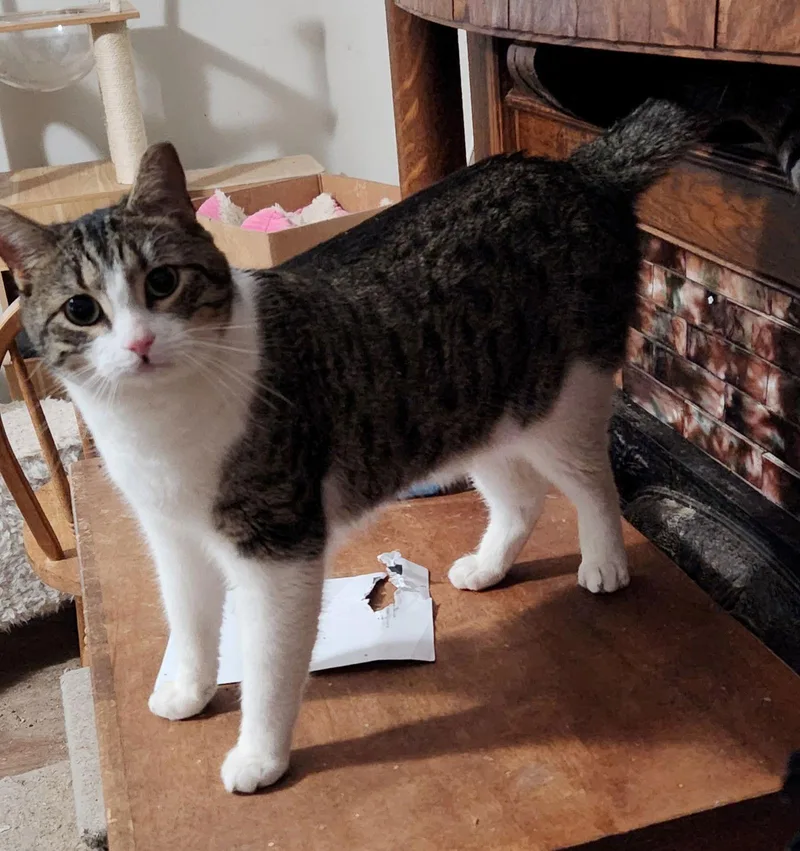
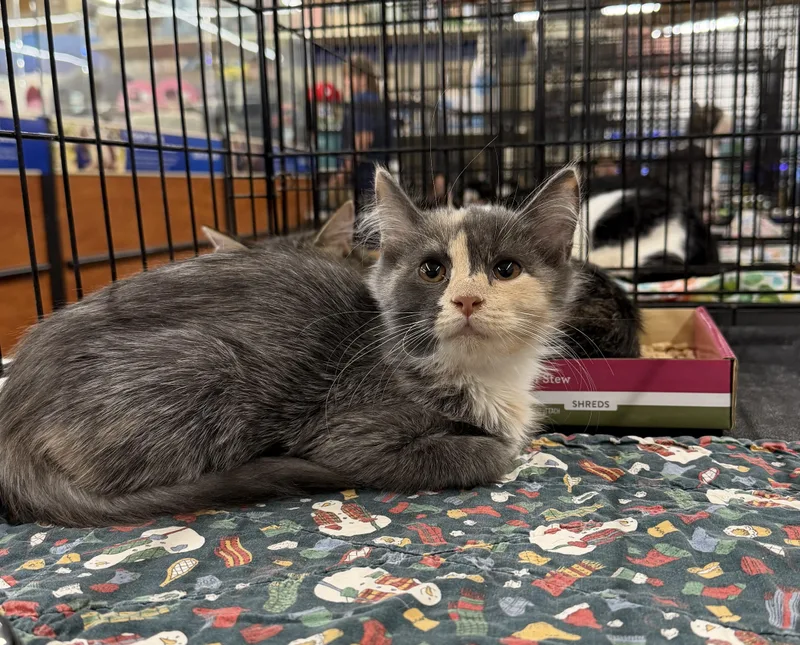
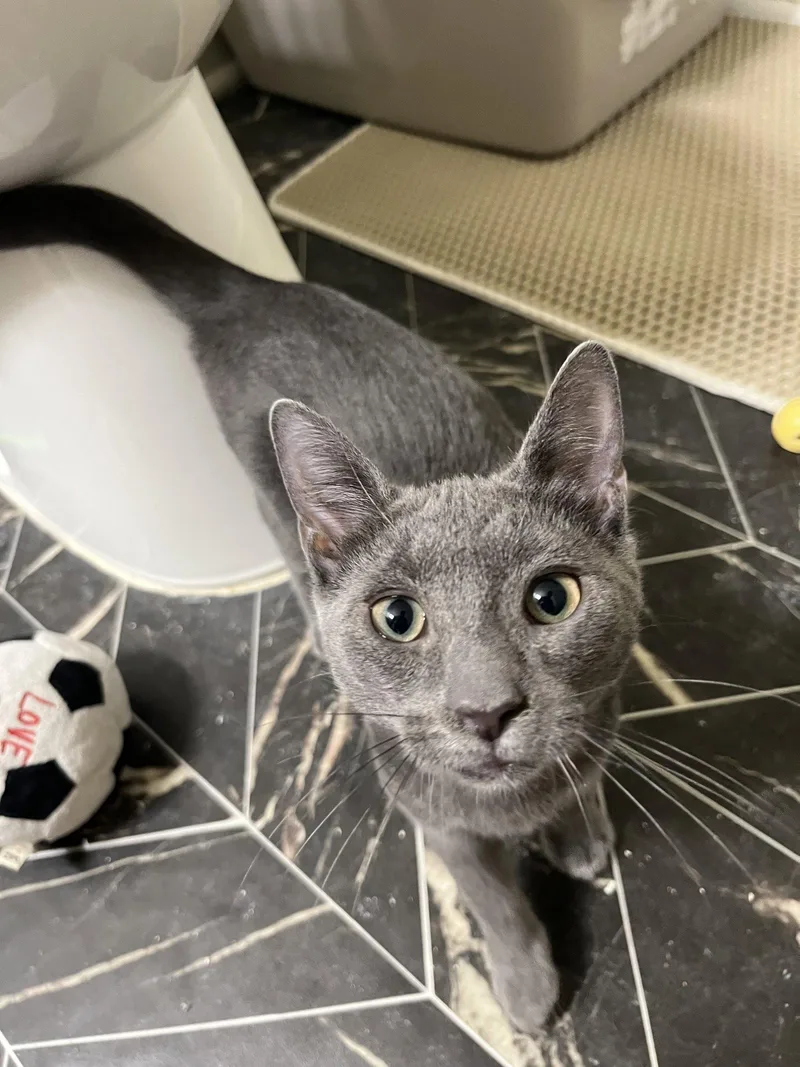
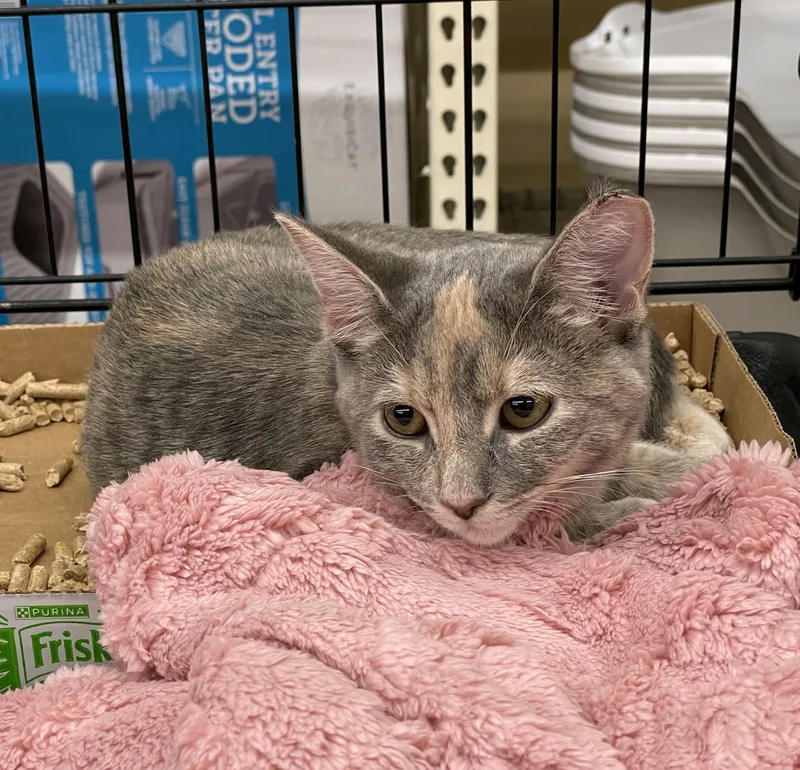
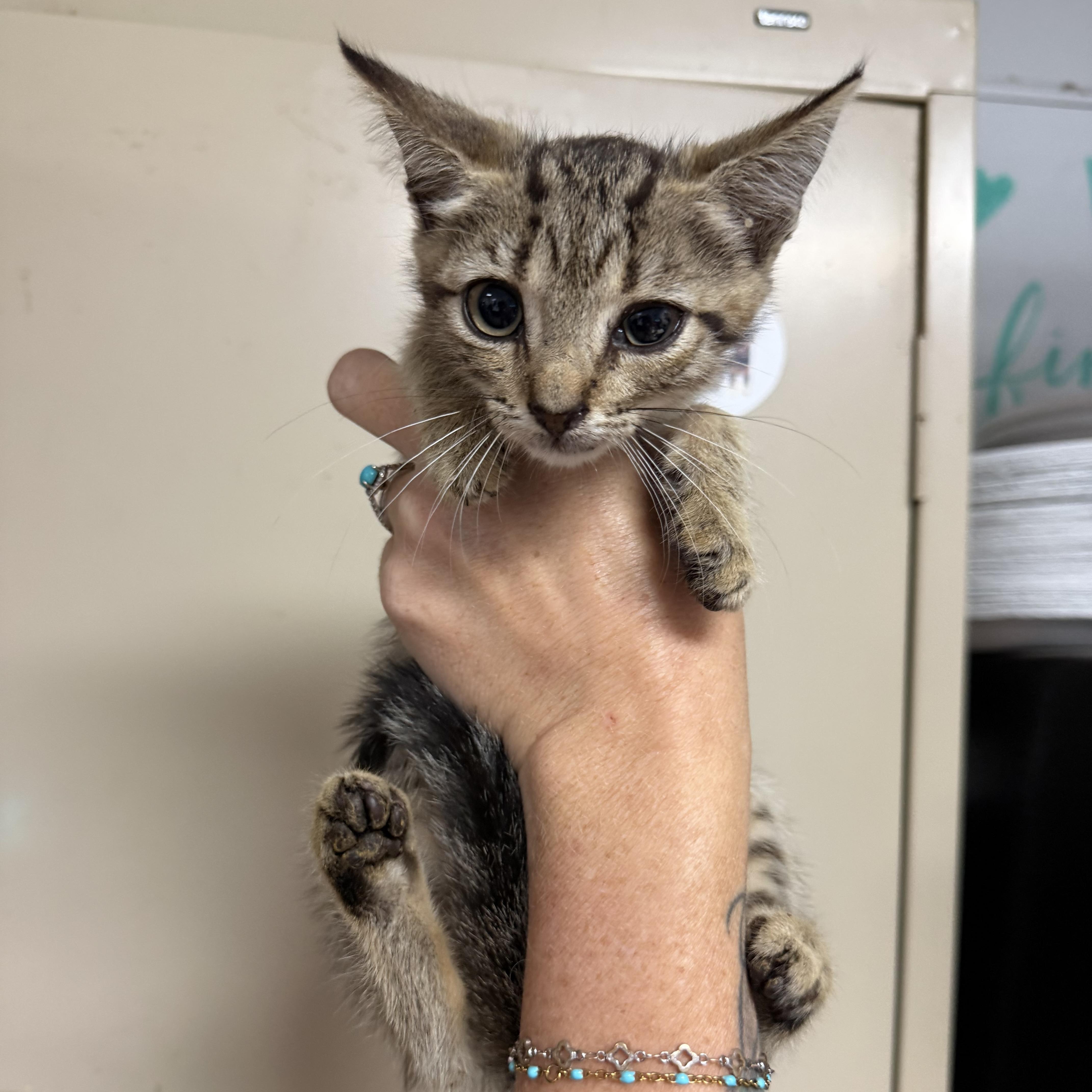
Tabby isn't a breed. It's a coat pattern marked by an M on the forehead and stripes, swirls, spots or ticked hairs, and it appears on domestic shorthairs, Maine Coons, American Shorthairs and many other cats. Mackerel stripes are the most common, followed by classic swirls, spots and ticking, in brown, orange, gray, silver, cream and more.

Because the pattern says nothing about personality, tabbies range from lap-seeking to shy. Most adoptable ones are medium-sized domestic shorthairs weighing 6 to 14 pounds, with moderate shedding and a lifespan of 12 to 18 years. That's a long commitment, so spend time with a cat and watch how it handles new people, new spaces and being picked up.

Weight
6–14 lbs
Height
8–10 in
Lifespan
12–18 yrs
Temperament
Curious, Adaptable, Affectionate
Shedding
Moderate

Owning a Tabby in Columbia

Having a Tabby in Columbia

A tabby's traits come from its breed or mix, age and history, not its stripes. Coat length, energy level, health and comfort around people tell you far more than the pattern does, so weigh those first when choosing a cat.

Temperament

The tabby pattern doesn't predict personality, so expect everything from chatty and curious to shy and independent. Orange tabbies have an outgoing reputation partly because most orange cats are male. In a Columbia apartment, a calm, adaptable cat usually copes best with hallway noise and neighbors, so meet the cat before deciding.

Exercise Needs

Most tabbies stay fit with daily play that mimics hunting, such as wand toys, chasing and pouncing. Two or three short sessions beat one long one. With Columbia's hot, humid summers, indoor play is the main outlet, so add climbing shelves, scratching posts and window perches for watching birds. Older cats prefer gentler games.

Health Considerations

Coat pattern has no known effect on health; risks follow the cat's mix, age and lifestyle. Obesity, dental disease and urinary problems are common, and kidney disease and hyperthyroidism appear in seniors. Annual exams, a healthy weight and current rabies vaccination, which Columbia's cat license requires, protect any tabby. A veterinarian can check teeth, weight and heart at the first visit.

Living Space

Most tabbies do well in Columbia apartments and houses alike when they have places to climb, scratch, hide and look outside. Keeping a cat indoors protects it from traffic, summer heat and coyotes. Plan on one litter box per cat plus one extra, and a quiet retreat. A long-haired tabby needs more grooming time.

What it costs to own a Tabby in Columbia

ExpenseTypical costPer year
Food$25 to $50 per month$300 to $600
Pet insurance$20 to $45 per month$240 to $540
Routine vet care$150 to $350 per year$150 to $350
Other*$455 to $1,155 per year$455 to $1,155
Estimated yearly total (after year one)$1,145 to $2,645

Other costs are estimates and vary with size, age and health.

* Litter, the $5 Columbia cat license for a sterilized cat, flea prevention, a dental cleaning allowance, toys, scratchers and bedding, and occasional grooming.

Adopt a Tabby in Columbia.

Now that you know more, let’s find you a new best friend. These rescues and shelters below currently have Tabbies available.

Rescues in Columbia with Tabbies Available

Columbia's shelters and rescues place many cats and kittens, and tabby is among the most common coat patterns they see. Here are the rescues & shelters in the Columbia area where you can find Tabbies and other cats available for adoption.

Frequently Asked Questions

Yes, you can adopt a tabby cat in Columbia. Tabby is a coat pattern, not a breed, so no breed-specific rule applies. You'll need a yearly city license with proof of rabies vaccination, and a rabies tag on the cat's collar or harness. Sterilized cats are much cheaper to license than unaltered ones.

Yes, indoor tabbies handle Columbia summers well with air conditioning. About 81 days a year reach 90°F, and July is the hottest month. Keep fresh water in several spots, close blinds on afternoon sun, and plan vet trips for early morning. Storm-related power outages are possible, so have a cool room and backup water ready.

Yes, most tabbies adapt well to Columbia apartments. Provide a window perch, a cat tree, a scratching post and daily wand-toy play. Use one litter box per cat plus one extra. Get the landlord's pet approval in writing, since deposits and pet rent aren't regulated by state law and vary by building.

A tabby can be a great fit for Columbia if you keep the cat indoors and cool through the long summers. Because the pattern doesn't predict temperament, spend time with a cat to see whether its energy and sociability suit your routine. Hot weather and storm season make a calm, indoor routine especially practical.

Yes, Tabbies can ride COMET buses in Columbia if they're secured in a carrier. The COMET allows non-service animals that weigh 30 pounds or less and travel in a carrier, and most tabbies weigh 6 to 14 pounds. Choose a sturdy, ventilated carrier, and expect Columbia only has buses, no rail.

Possibly, but it's rarely a good idea. South Carolina lets restaurants choose to allow pets, including cats, in outdoor table-service areas with posted signs. Pets must stay restrained, off tables and out of the building. Most cats find patios stressful, and no restaurant is required to allow them, so skip it unless your cat is unusually relaxed.

Most tabbies are shorthairs and need a quick weekly brushing, with extra sessions during seasonal shedding. A long-haired tabby needs brushing several times a week to prevent mats. Columbia's humidity doesn't change the routine much, but indoor air conditioning can dry skin. Occasional professional grooming is already counted in the Other costs line.

A tabby cat is any cat with a tabby coat pattern, meaning stripes, swirls, spots or ticked hairs plus a distinctive M-shaped marking on the forehead. Tabby is not a breed. The pattern appears in domestic shorthairs and longhairs as well as many pedigreed breeds, such as the American Shorthair, Maine Coon and Abyssinian, and it is one of the most common cat patterns.

We have 3 rescues with Tabbies available: Final Victory Animal Rescue, ARC Animal Rescue Carolina, Inc. and Cats Are Good For The Soul Rescue. You can see every rescue with Tabbies available in the list above these questions, or scroll to the top to see the Tabbies in Columbia.

Expect roughly $1,150 to $2,650 a year for a tabby in Columbia, covering food ($25 to $50 a month), insurance ($20 to $45 a month), routine vet care ($150 to $350 a year) and other costs ($455 to $1,155 a year). Young, healthy cats land near the low end, while seniors with dental or kidney needs cost more.